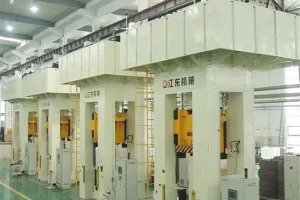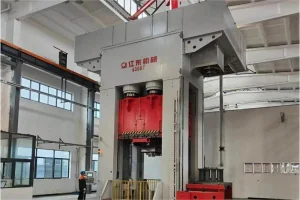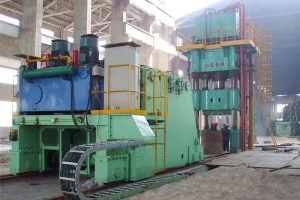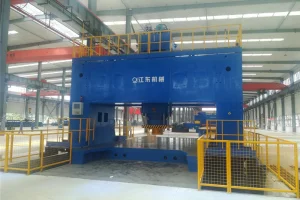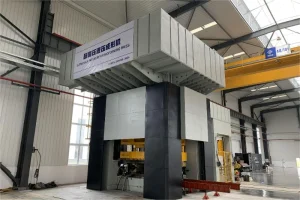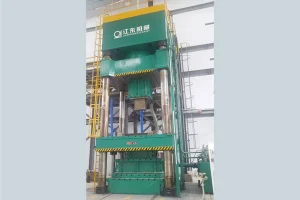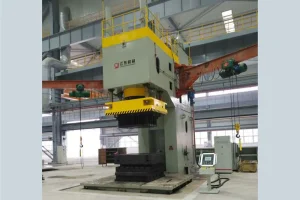
Deploying precision hydroforming, hot die forging, and isothermal forming lines configured for automotive and aerospace components in Aichi Prefecture.
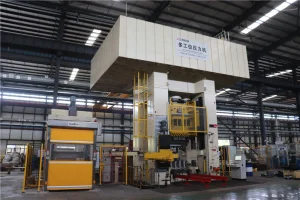
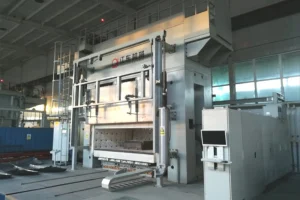
Greater Nagoya (Chubu Region) represents the powerhouse of Japan's heavy industry, automobile production, and advanced aerospace engineering. Home to major global automotive brands, high-tier aerospace builders, and secondary metal-stamping suppliers, Nagoya's requirements for precision components are unmatched in rigor and demand for efficiency.
As standard steel structures evolve into lightweight, high-performance alloys, businesses in Aichi Prefecture face a critical transition toward modern hydroforming, high-pressure die forming, and composite material processing. High-strength steel (HSS), aluminum-magnesium alloys, and aerospace titanium demand press technology capable of delivering precise pressure profiles, high-precision thermal control, and zero-defect output.
Our heavy-duty hydraulic metal forming systems provide the answers. Engineered to meet Japanese Industrial Standards (JIS) and enhanced with modern digital control architectures, we supply Nagoya factories with the tooling, tonnage, and telemetry needed to remain competitive in global supply chains.
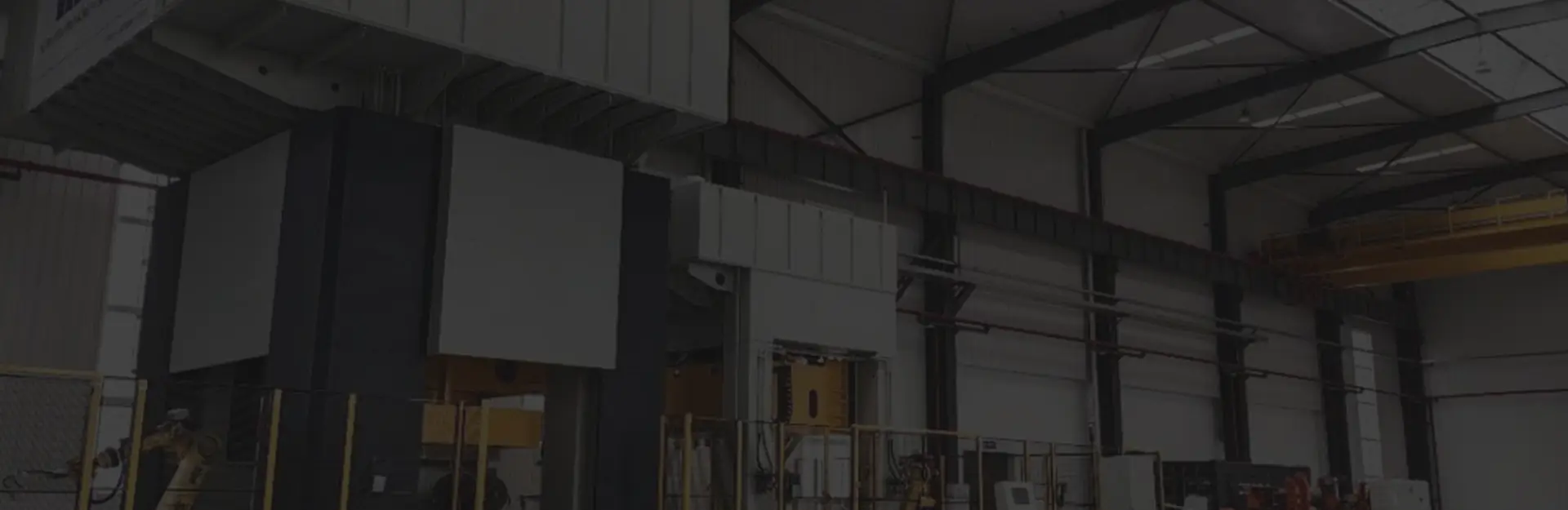
Providing complete system integration, specialized hydraulic presses, and intelligent handling lines optimized for high repeatability and structural component reliability.
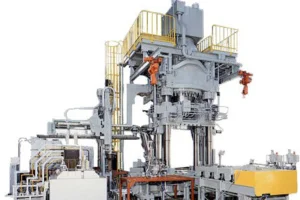
Internal high-pressure hydroforming systems designed for producing complex-hollow tubular profiles, reducing overall component mass while maximizing stiffness for automotive structural frames.
High-speed stamping production systems designed to form ultra-high-strength steel and lightweight aluminum plates, with fast die cooling to achieve martensitic transformation.
Isothermal presses designed to form aerospace titanium, nickel, and aluminum alloys under precise heat conditions to ensure high elongation without internal stresses.
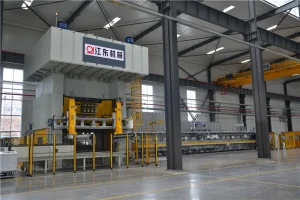
Rigid mechanical-hydraulic integration configurations designed to transition workpieces through sequential dies, ideal for high-volume automotive drivetrain components.
SMC, LFT-D, and High-Pressure Resin Transfer Molding systems for advanced carbon-fiber structural parts, matching modern EV lightweighting initiatives.
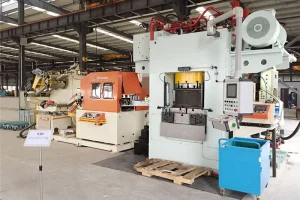
High-precision, high-speed sheet metal blanking lines designed to generate flawless shear edges for transmission plates, eliminating secondary machining steps.
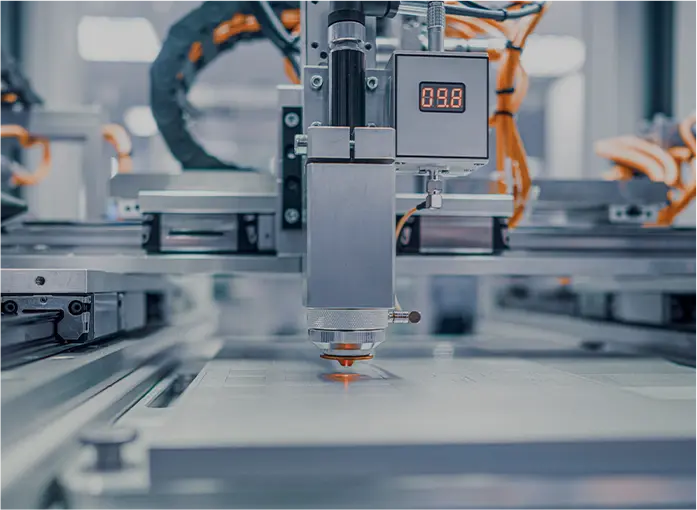
Established in 1937, Chongqing Jiangdong Machinery Co., Ltd. has developed into a reliable manufacturing partner for heavy hydraulic machinery, lightweight forming technology, and automated die sets. Our integrated approach spans from preliminary process simulation to custom machinery engineering, tooling construction, and comprehensive commissioning.
By leveraging China’s established steel and industrial supply chains, we manufacture high-capacity forging presses that offer competitive lead times and cost structures without sacrificing build quality. Our components and electronics utilize top-tier international brands (e.g., Rexroth, Siemens, Beckhoff, Omron) to ensure reliable operation in Japanese facilities.
We specialize in customized project deliveries. Whether you need a standalone gantry straightening press or a fully automated, multi-station extrusion line with robotic handling, we tailor the system footprint, electrical cabinet placement, and control software to integrate with your existing Nagoya shop floor.
Ensuring reliability and energy efficiency under continuous high-duty production cycles.
For isothermal forging and titanium superplastic forming, our temperature control systems maintain temperatures up to 950°C within a tolerance of ±5°C. This level of control prevents microstructure cracking and ensures consistent thickness in high-stress aerospace engine components.
By utilizing closed-loop electro-hydraulic servo drive systems, our machines achieve up to 50% energy savings compared to traditional throttle valve controls. This design offers quiet operation, reduced heat generation, and precise pressure repeatability down to ±0.1 MPa.
Our press frames are analyzed using finite element analysis (FEA) to minimize deflection under full load. Whether using a monoblock pre-stressed tie-rod frame or a heavy welded structure, our machines maintain tooling alignment under eccentric loads.
Ensuring reliable installation, factory compliance, and ongoing lifecycle support for our systems in Nagoya.
Our engineering team provides on-site installation, system alignment, and local sensor testing to integrate the machinery into your factory environment.
We maintain stock of key seals, pump cartridges, valves, and electronic control cards to reduce supply chain delays and minimize production downtime.
Secure VPN interfaces allow our technical specialists to perform remote diagnostic assessments, update parameters, and resolve PLC program issues.
Our hydraulic systems are used across multiple sectors, meeting high standards of efficiency and parts reliability.
Automotive manufacturers in Nagoya require lightweight components to maximize electric vehicle driving range. Our internal high-pressure hydroforming lines shape subframes, radiator supports, and crossmembers from high-strength steel tubes, reducing weld count and part weight.
Additionally, our composite hot press systems (SMC/PCM) process lightweight carbon-fiber battery enclosures, floor panels, and protective structures, providing impact resistance and insulation for EV battery arrays.
Aerospace facilities in Nagoya use our superplastic forming (SPF) and isothermal forging machines to process high-temperature titanium alloys. These systems are used to form turbine blades, pressure vessels, and airframe panels, maintaining material structural integrity under challenging operational environments.
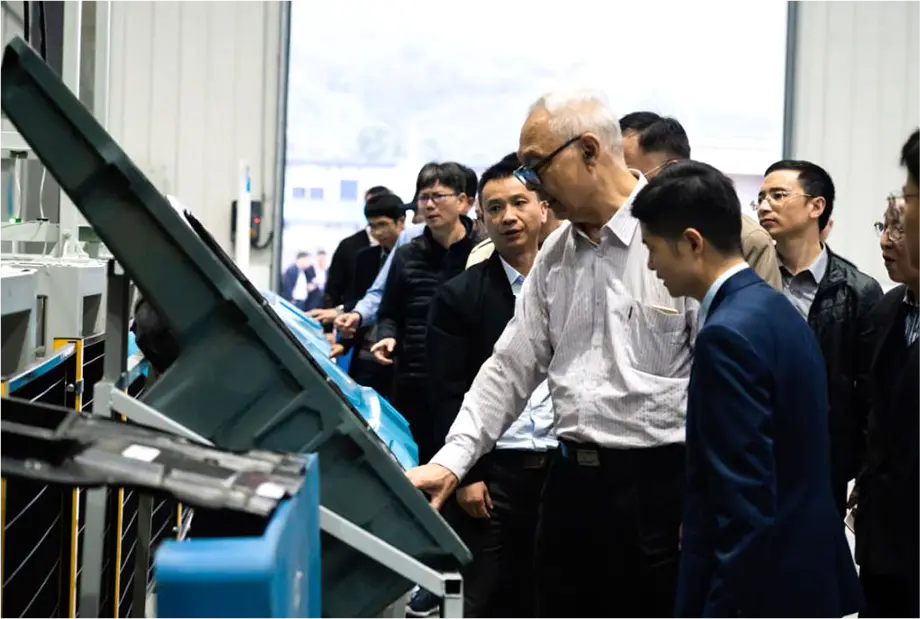
Explore our full line of hydraulic presses, straightening units, and metal sheet stamping solutions serving international manufacturing sites.
Key engineering questions answered regarding the integration and deployment of Jiangdong Machinery forming solutions in Japan.