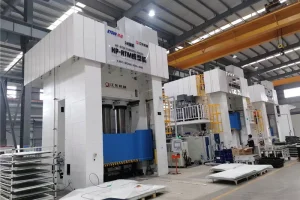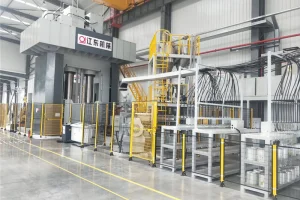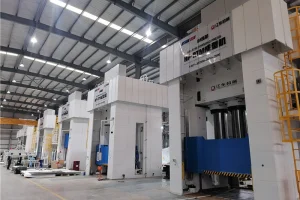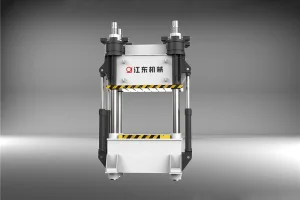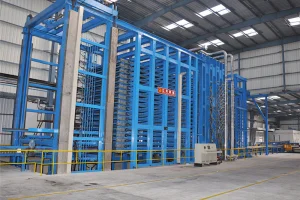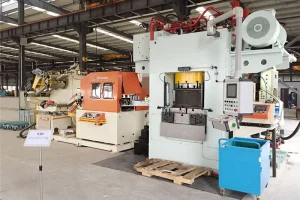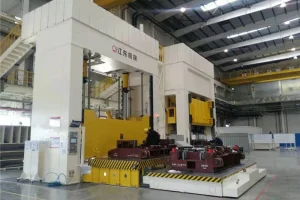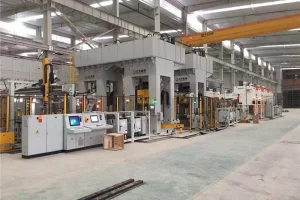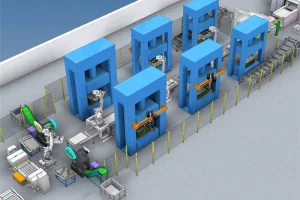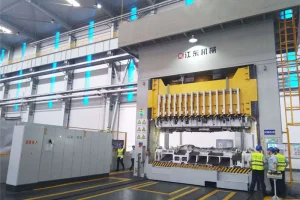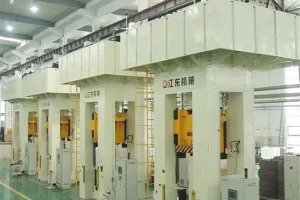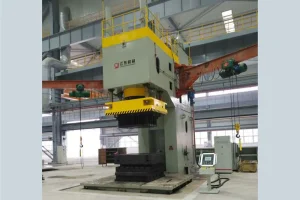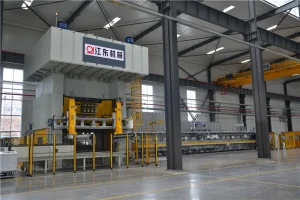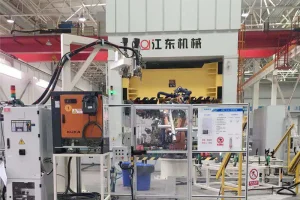
Explore our engineering capabilities across customized hydraulic press structures, high-speed stamping systems, and automated direct compounding lines.
High-strength lightweight solutions driving the global industrial structural transition.
Advanced composite compression molding has emerged as a cornerstone manufacturing technology in structural weight reduction strategies across automotive, aerospace, renewable energy, and defense industries. As global environmental norms require significant carbon footprint reduction, components processed using SMC (Sheet Molding Compound), BMC (Bulk Molding Compound), GMT (Glass Mat Thermoplastics), and PCM (Prepreg Compression Molding) systems present unmatched stiffness-to-weight metrics compared to classic steel or aluminum counterparts.
SMC and BMC compounds are compression-molded with high pressure under thermal activation, triggering cross-linking polymerization. Ideal for precision components, body panels, and structural covers requiring superb chemical resilience and mechanical endurance.
Direct inline compounding utilizes continuous roving fibers introduced straight into melted polypropylene, polyamide, or polyurethane. It ensures maximum fiber length preservation, high impact strength, and rapid recycle capability with fast cycle times.
HP-RTM injects pre-heated reactive resin into a vacuumed cavity containing dry carbon or glass fiber preforms under high pressure. This results in aerospace-grade fiber volume fractions, minimal void ratios, and Class-A surface finishes.
Modern composite press solutions leverage advanced closed-loop electro-hydraulic systems. Short-stroke hydraulic presses are engineered specifically to lower operational oil volume, speeding up deceleration rates and optimizing energy efficiency. Integrated multi-point dynamic mold leveling systems dynamically counteract asymmetrical forces during resin impregnation or thermoplastic flow, guaranteeing highly consistent wall thickness tolerances across massive structural parts.
Engineered forming technologies covering sheet metal stamping, composite molding, and specialized aerospace forging.
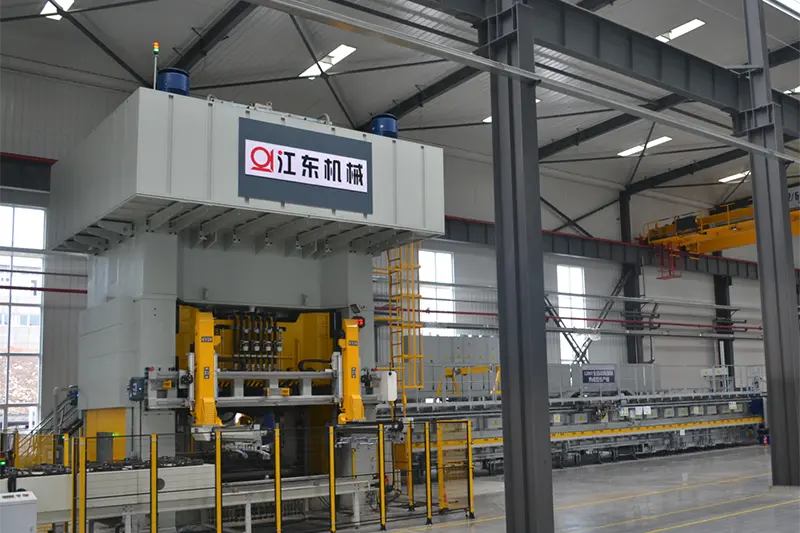
Hot Stamping Hydraulic Press Production Line
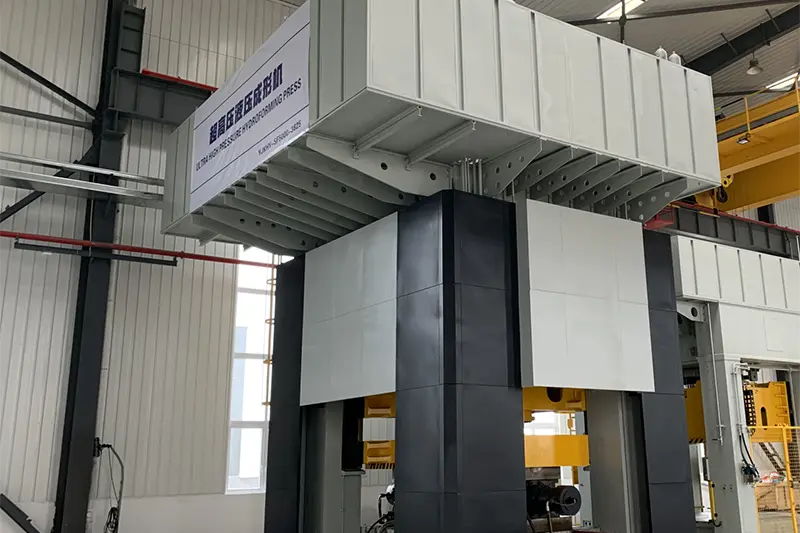
Hydroforming - Internal High Pressure Forming Production Line
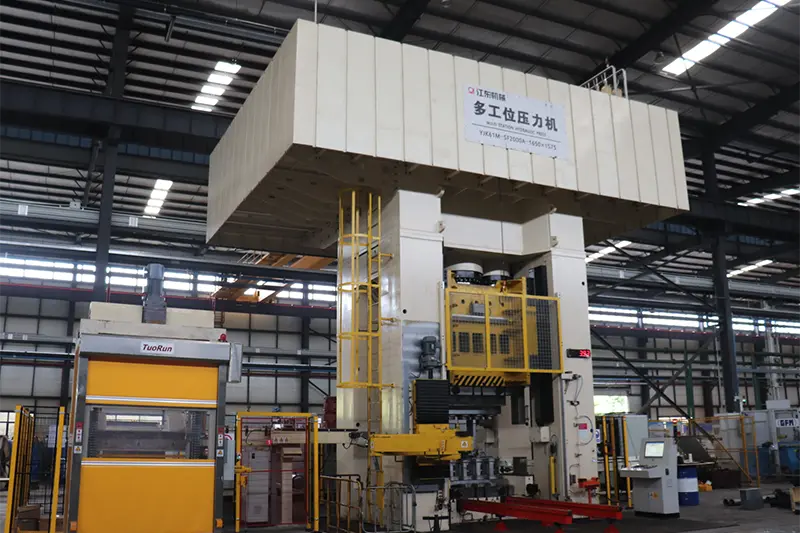
Multistation Extrusion Forging Production Line
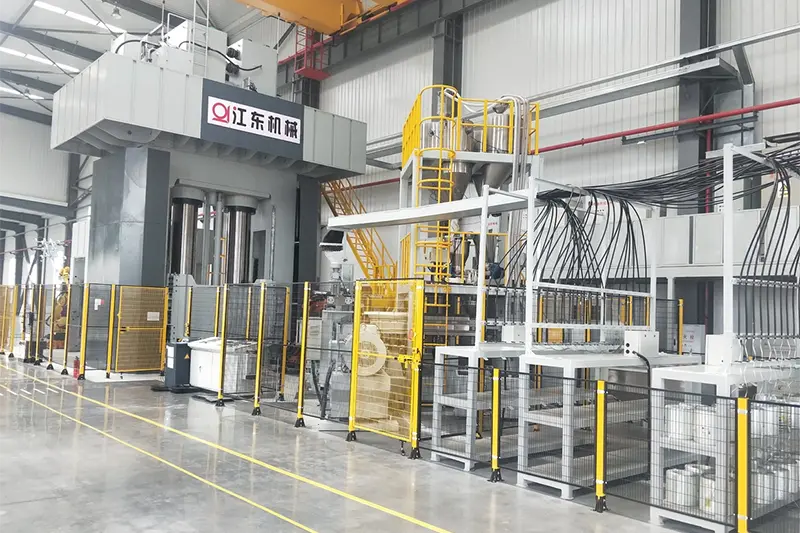
LFT-D (Long-Fiber Thermoplastic Direct) Forming
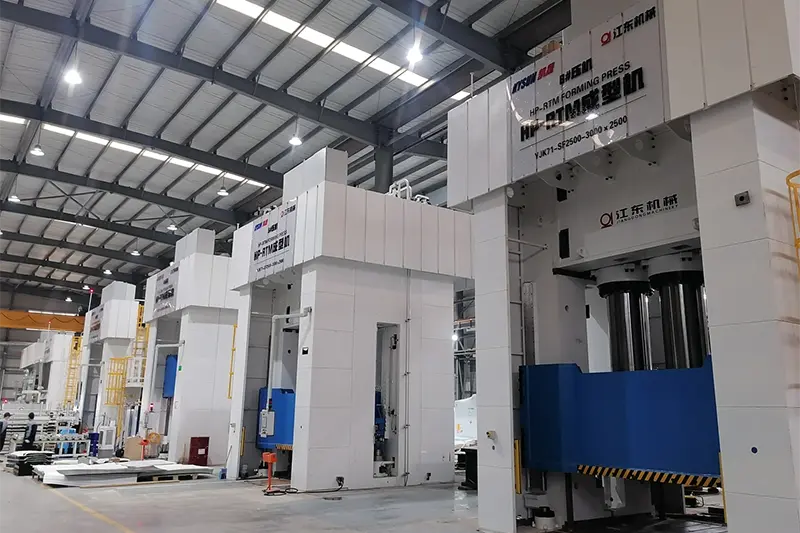
HP-RTM (High Pressure Resin Transfer Molding)
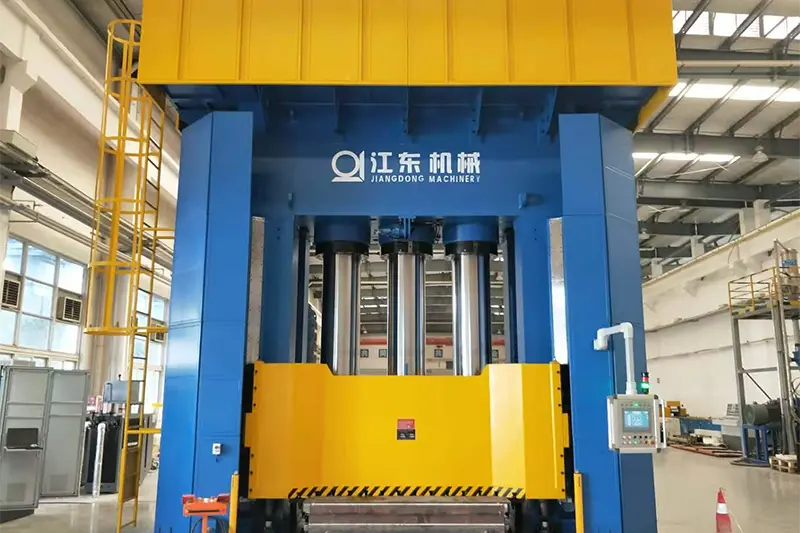
SMC / BMC / GMT / PCM Fast Compression Molding
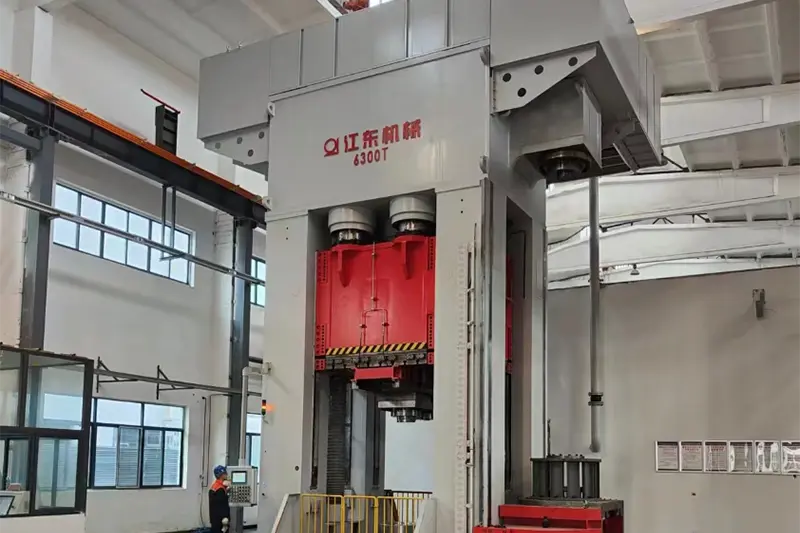
Iso Thermal Forging (Special Alloys & Titanium)
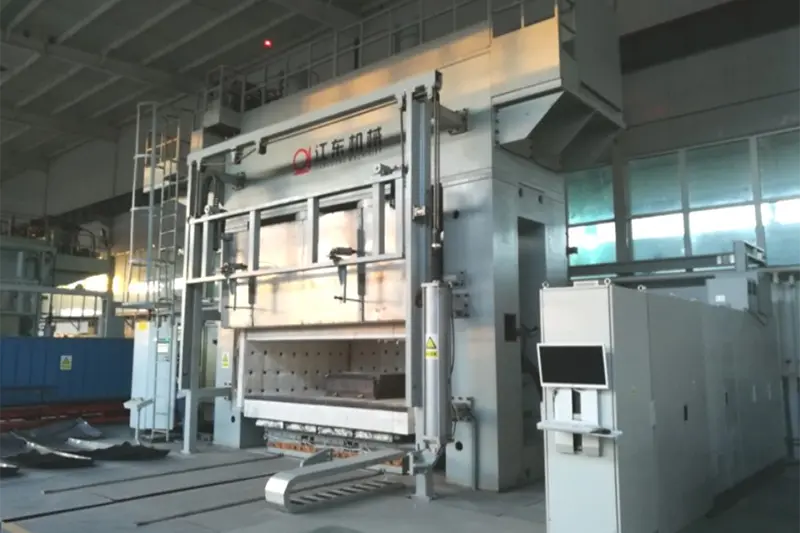
Superplastic Forming Technology
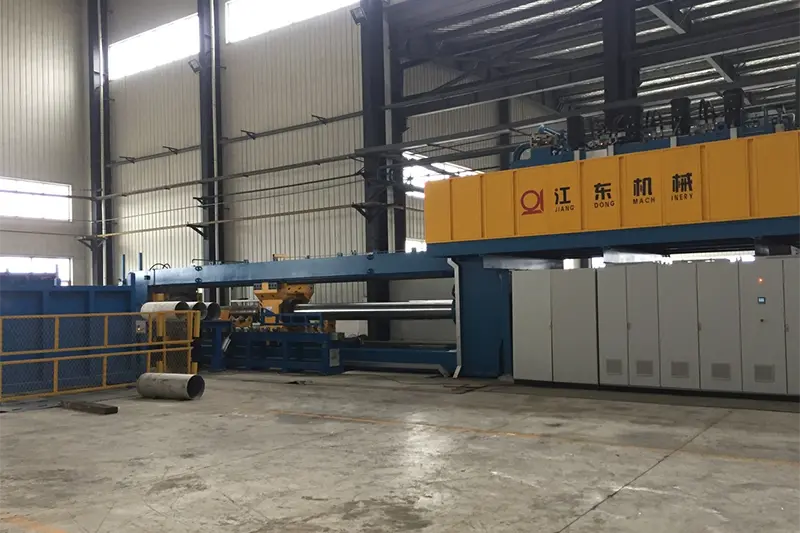
Gas Cylinder Bullet Housing Stretching Systems
How international manufacturers prioritize equipment reliability, raw material adaptation, and structural integrity.
Procuring advanced composite forming systems demands strict compliance with mechanical guidelines and high safety protocols. The transition from classical alloys to structural composites (like Carbon Fiber Reinforced Plastics - CFRP, and Glass Fiber Reinforced Plastics - GFRP) requires tooling and press platforms capable of maintaining micro-level accuracy over long production cycles. Global automotive manufacturers focus heavily on integrated process monitoring, automation interfaces, and energy consumption metrics.
Discover the specific industrial applications and process solutions developed by our engineering teams.
High-pressure hydroforming systems for lightweight tubular structural shapes, optimizing wall thickness and maximizing strength-to-weight ratios.
Specialized ultra-high-strength steel (UHSS) and hot aluminum stamping production systems for crash-critical vehicle structures.
Automated multi-stage cold extrusion, progressive forging, and high-speed fine blanking lines for high-volume component manufacturing.
Precision isothermal forging and superplastic forming lines optimized for structural aerospace titanium and aluminum components.
Integrated manufacturing solutions designed for high-performance thermoplastic and thermoset composites processing.
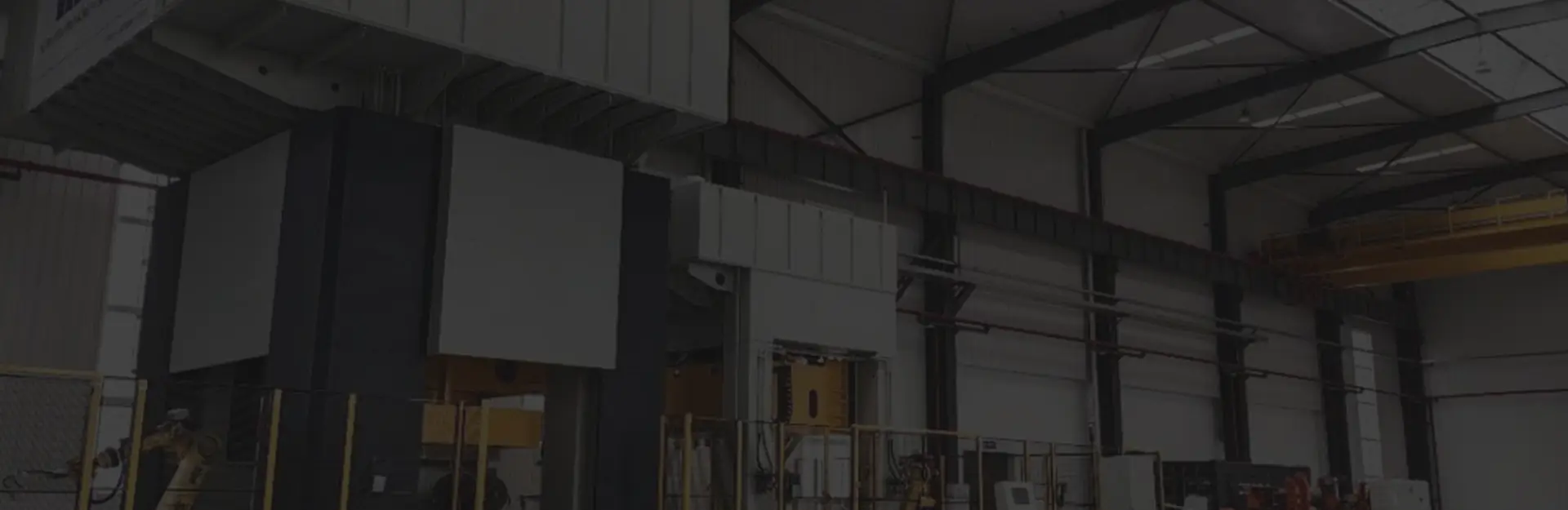
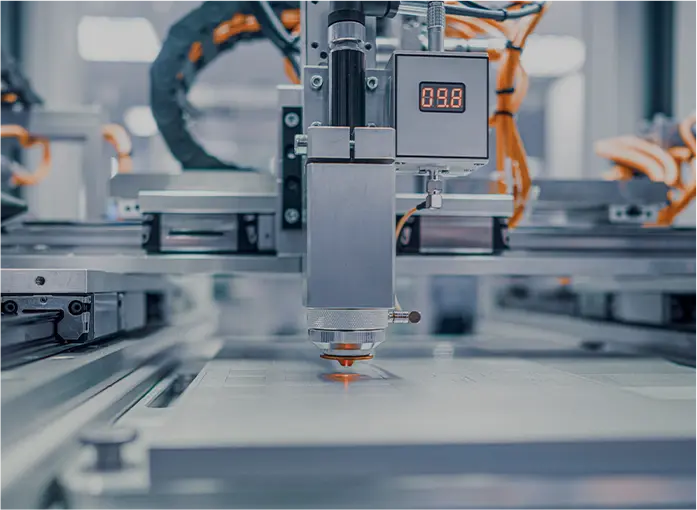
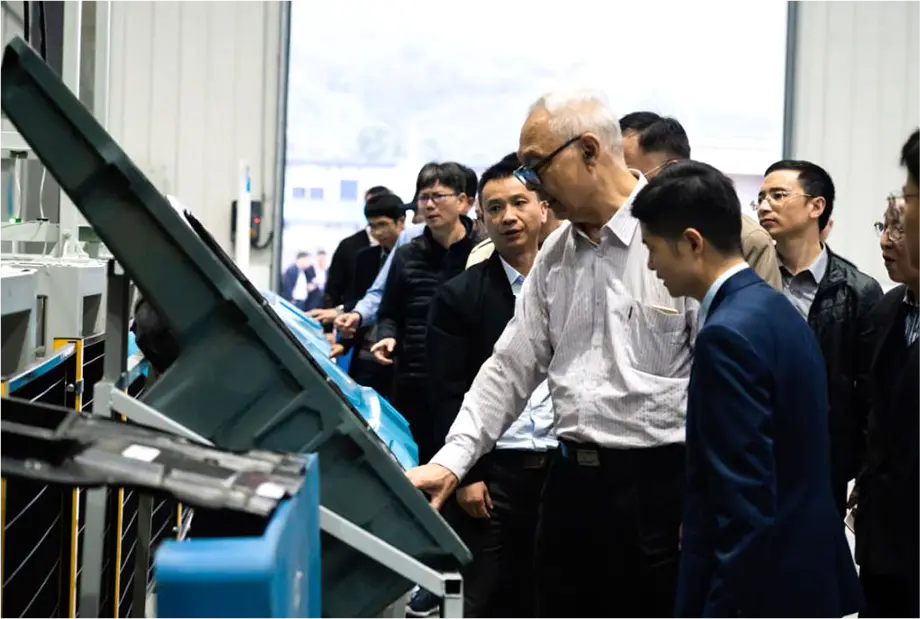
Chongqing Jiangdong Machinery Co., Ltd. (hereinafter referred to as “Jiangdong Machinery”) is a comprehensive forging company integrating R&D, production, sales, and service of hydraulic presses, lightweight forming technology, lightweight parts, hot and cold stamping dies, and metal castings. As an equipment and parts manufacturing enterprise, our self-developed hydraulic presses and production lines feature advanced automation, intelligence, and flexibility.
At the same time, Jiangdong Machinery provides customers with a variety of metal and non-metal hydraulic forming equipment and integrated forming technology solutions, particularly in the field of automotive lightweighting. Our commitment lies in providing resilient, high-productivity machinery that drives modern factories toward Industry 4.0 standards.
VIEW MOREMaximizing machine availability and cost optimization through smart automation and localized vertical integration.
The global composites processing landscape faces ongoing challenges from geopolitical shifts, raw material fluctuations, and specialized tooling needs. In this environment, China's Factory 4.0 initiatives offer a model for resilient manufacturing. Utilizing highly integrated supplier clusters, advanced automation, and vertical integration—from foundry work and precision machining to complex electrical integration and system programming—Jiangdong Machinery helps guarantee reliable lead times and robust performance.
Providing global support throughout the equipment lifecycle to help protect your capital investment.

Customized Solutions

Remote Service

Maintenance

Technical Support

Spare Parts
Answers to common technical questions regarding process capabilities, equipment selection, and mechanical operation.
Explore our deep drawing, die tryout, straightening, and stamping systems for international factories.
Stay tuned to industry trends and international partner visits at all times.
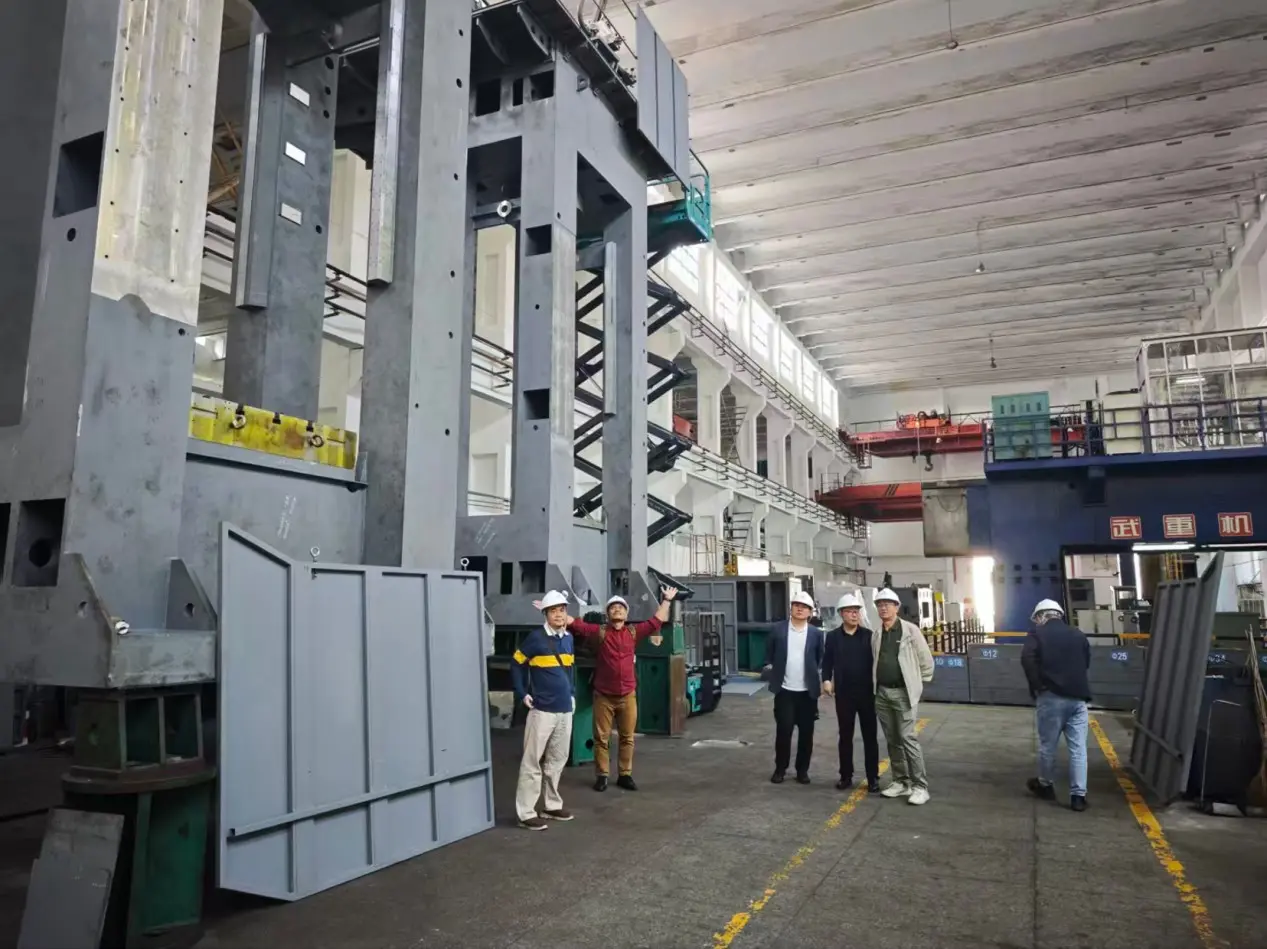
A delegation of Indonesian customers recently visited our manufacturing base to evaluate production facilities, quality management systems, and custom tooling design capabilities.
Recently, a delegation of Indonesian customers visited Jiangdong Machinery to inspect its capabilities, product quality and technical strengths, laying a solid foundation...
With the arrival of the new year, everything feels fresh and renewed. Recently, multiple partners from countries including Thailand, Indonesia, and Malaysia have successiv...
Chongqing Jiangdong Machinery Co., Ltd. (hereinafter referred to as "Jiangdong Machinery"), a leading enterprise in China's metal f...