1 / 2

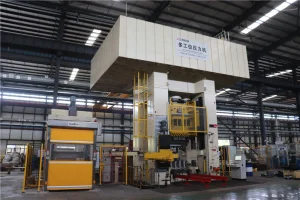
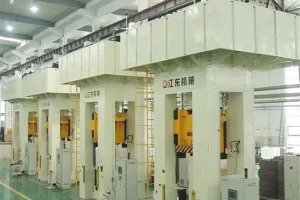
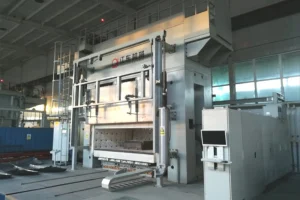
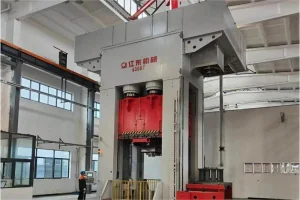
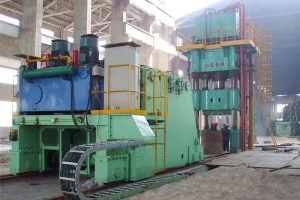
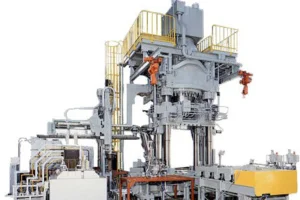
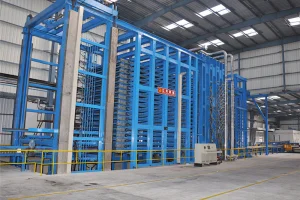
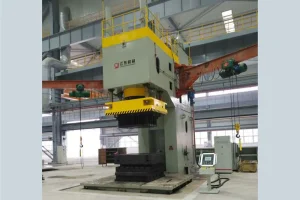
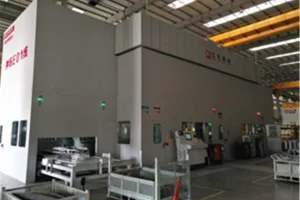
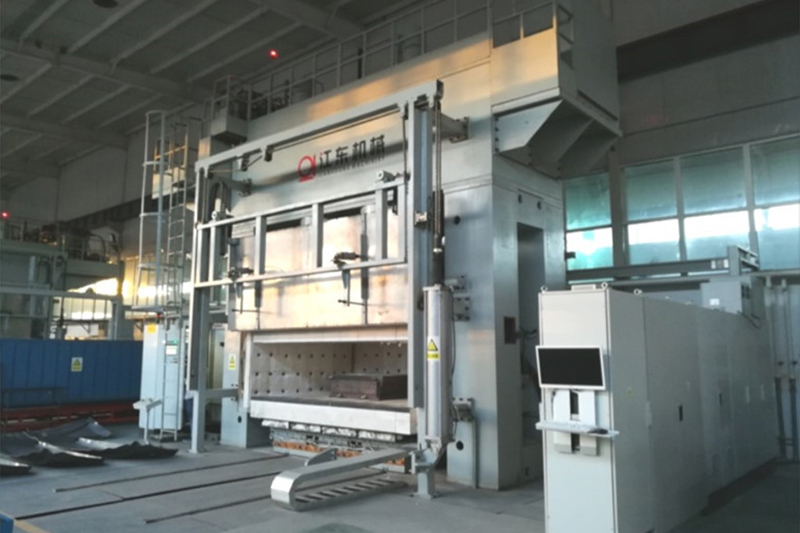
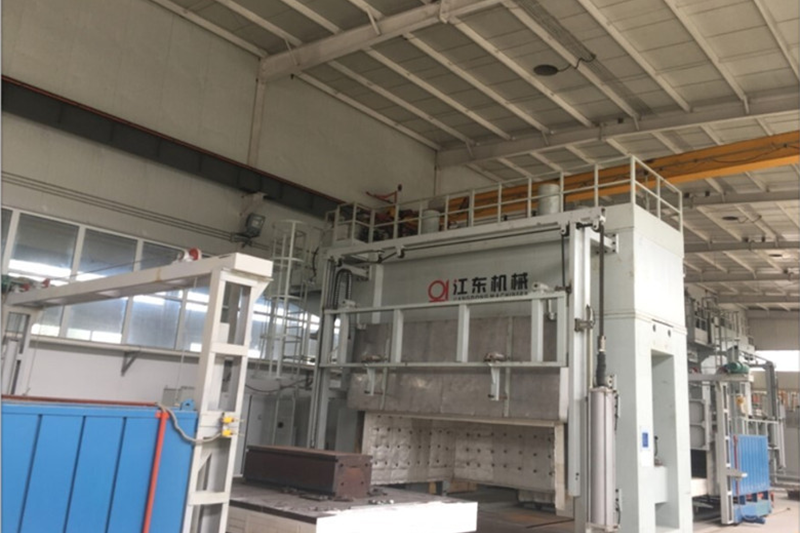
The Superplastic Forming Hydraulic press employs cutting-edge superplastic forming technology to achieve near-net forming of complex components. This results in high precision and efficiency that cannot be achieved with traditional forming methods.
The hydraulic press is suitable for working with a wide range of difficult-to-form materials, including titanium alloys, aluminum alloys, magnesium alloys, and high-temperature alloys. This flexibility allows manufacturers to explore different material options for their components.
With its ability to reduce the flow stress of materials through superplasticity, the hydraulic press significantly enhances forming efficiency. This leads to higher production rates and shorter lead times, thereby improving overall productivity.
The superplastic forming process carried out by the hydraulic press ensures the production of high-quality finished components. The near-net forming technique minimizes the need for additional machining or finishing processes, resulting in lower material wastage and reduced manufacturing costs.
Equipped with a fuzzy PID control algorithm and a multi-axis synchronous control system, the hydraulic press offers precise and reliable control over the manufacturing process. The integration of a robust hardware system comprising industrial computers and PLC control further enhances the press's performance and responsiveness.
Extensively used for the manufacturing of complex components, including aircraft structural parts, engine components, and other critical elements. High precision and structural integrity contribute to overall safety and performance.
Plays a vital role in manufacturing robust and reliable components for defense systems, missiles, military aircraft, and naval vessels, utilizing near-net forming capabilities for critical applications.
Finds applications in the production of high-performance components such as bogies, underframes, and other key structural elements, ensuring system safety and performance.
Utilized across energy, oil and gas, and automotive sectors where complex parts made from difficult-to-form, high-strength materials with intricate shapes are required.
In summary, the Superplastic Forming Hydraulic press is an advanced manufacturing solution that enables the near-net forming of complex components made from challenging materials. With its advanced capabilities, broad material compatibility, and intelligent control system, this hydraulic press provides manufacturers with improved efficiency, higher-quality end products, and increased design flexibility. From aerospace to defense, high-speed rail, and specialized industrial applications, the hydraulic press revolutionizes forming processes, offering enhanced performance, reliability, and productivity while meeting the demands of various industries.
The press utilizes cutting-edge superplastic forming technology to achieve near-net forming of complex components, allowing for precision and efficiency that traditional forming methods cannot achieve.
It is highly compatible with a wide range of difficult-to-form materials, including titanium alloys, aluminum alloys, magnesium alloys, and high-temperature alloys.
Superplasticity reduces the flow stress of the materials, which significantly enhances the overall forming efficiency, leading to faster production rates and shorter lead times.
By using the near-net forming technique, the press minimizes the necessity for secondary machining or finishing processes, directly reducing material wastage and overall production costs.
It is equipped with an intelligent control system that uses a fuzzy PID control algorithm, a multi-axis synchronous control system, and a robust hardware layout of industrial computers and PLC controls.
It is widely utilized in aerospace and aviation, military and defense, high-speed rail, and specialized industrial sectors such as energy, oil and gas, and automotive.