OEM Steel Powder For Forging Product & Products

High-Density Powder Metallurgy (P/M) Solutions & Advanced Precision Forging Technologies for Global Industrial Applications

1. Global Industrial Landscape of Steel Powder Forging

The metallurgical sector is witnessing a paradigm shift driven by the demand for materials that achieve near-net-shape configurations while maintaining optimum mechanical properties. OEM Steel Powder for Forging represents the vanguard of this revolution. By consolidating powder metallurgy (P/M) with hot forging dynamics, manufacturers produce high-stress, dynamic load-bearing parts with isotropic microstructures, near-zero porosity, and superior fatigue limit resistance.

Globally, the commercial viability of steel powder forging is anchored by the automotive, aerospace, heavy machinery, and defense sectors. In automotive manufacturing, powder-forged components—primarily connecting rods, transmission gears, synchronizer rings, and camshaft lobes—offer a lighter alternative to cast components without sacrificing structural integrity. By achieving densities in excess of 99.5% of theoretical solid steel, powder-forged parts exhibit mechanical properties comparable to, and in some aspects exceeding, conventional wrought steels.

This technology reduces raw material consumption by minimizing machining allowances. Conventional drop forging processes often discard up to 30-40% of the initial billet as flash material. In contrast, powder metallurgy forging operates on a material utilization efficiency threshold surpassing 95%, drastically lowering energy overheads and accelerating cycle times.

Information Gain Insight: The Density Threshold

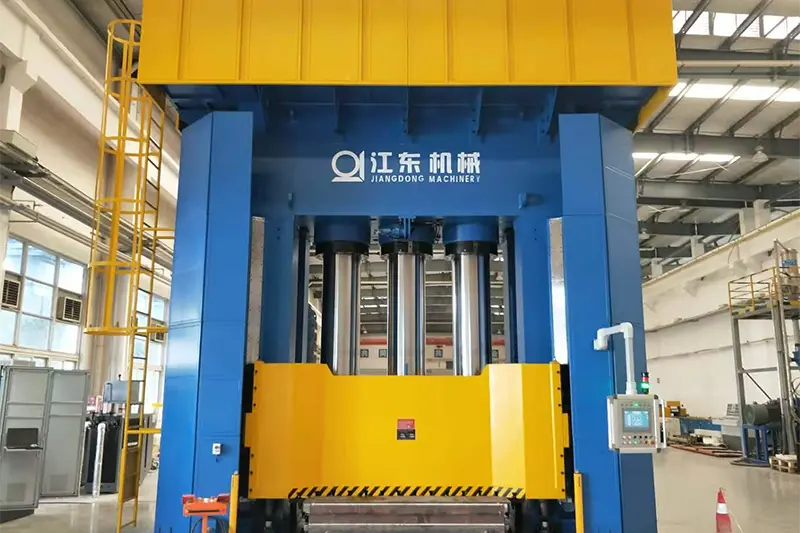
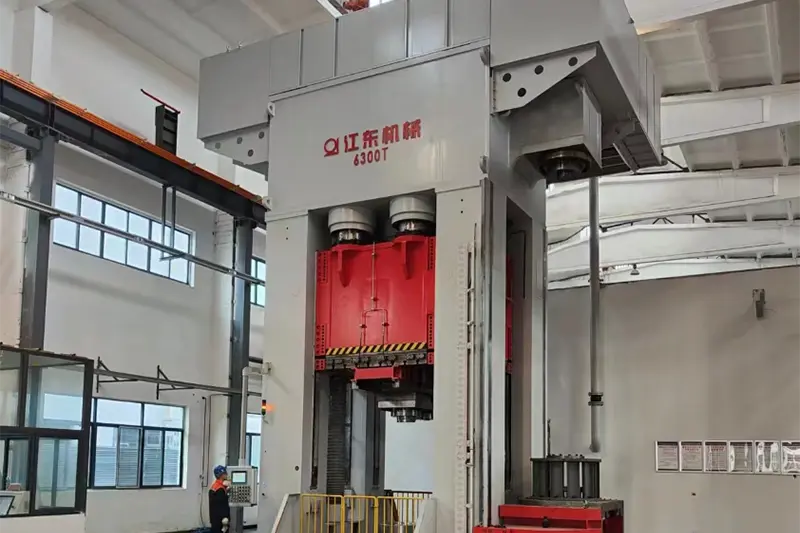
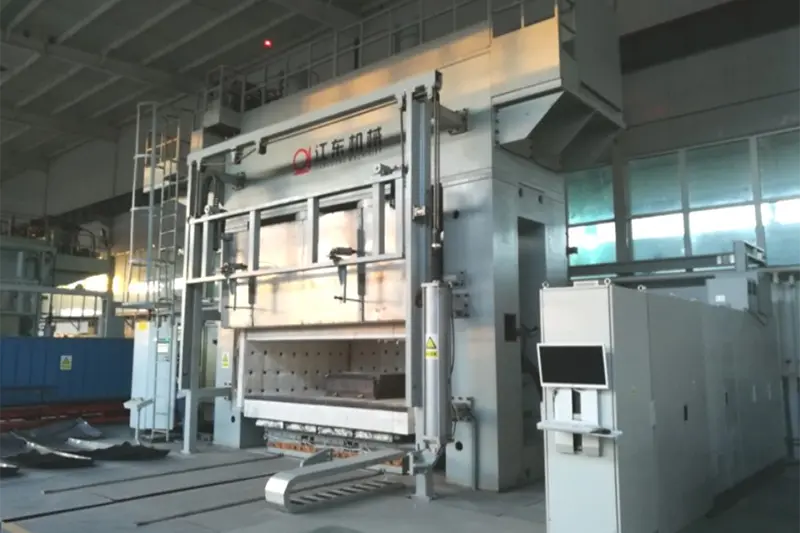
Traditional press-and-sinter powder metallurgy results in densities between 6.8 and 7.2 g/cm³, leaving residual porosity that compromises fatigue limits. By integrating specialized preheating furnaces and rapid-acting hydraulic forging presses, we achieve densities up to 7.82 g/cm³. This is critical for parts that undergo cyclic, high-frequency loading, ensuring structural reliability under extreme fatigue.

2. Technology Roadmap & Metallurgical Engineering

The manufacturing pipeline of OEM steel powder for forging relies on precise thermal and mechanical steps. The primary feedstock consists of pre-alloyed steel powders (such as Fe-Cu-C, Fe-Ni-Mo, or low-alloy manganese-chromium systems) manufactured via water atomization or gas atomization processes.

Water atomization yields irregular particle shapes that provide green strength during initial cold compaction. Gas atomization, conversely, creates spherical particles ideal for hot isostatic pressing (HIP) and clean alloy formulations.

Below is the standard industrial sequence for processing OEM powder forged components:

  • Powder Blending: Integration of high-purity iron powders, alloying elements (carbon, copper, nickel, molybdenum), and organic lubricants (microcrystalline waxes or metallic stearates) to ensure uniform distribution and flowability.
  • Compaction (Cold Pressing): Mechanical or hydraulic pressing at pressures ranging from 400 to 700 MPa to create a cohesive "green compact" resembling the final component's footprint.
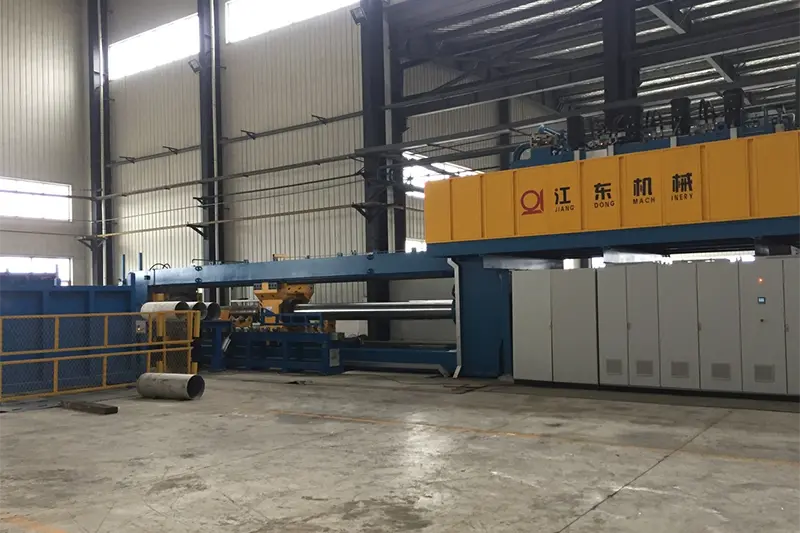
  • Sintering (Protective Atmospheres): Passing the green compact through a conveyor belt furnace at temperatures between 1120°C and 1250°C. Sintering occurs under controlled endothermic gas, nitrogen-hydrogen, or vacuum atmospheres to prevent oxidation and foster atomic diffusion.
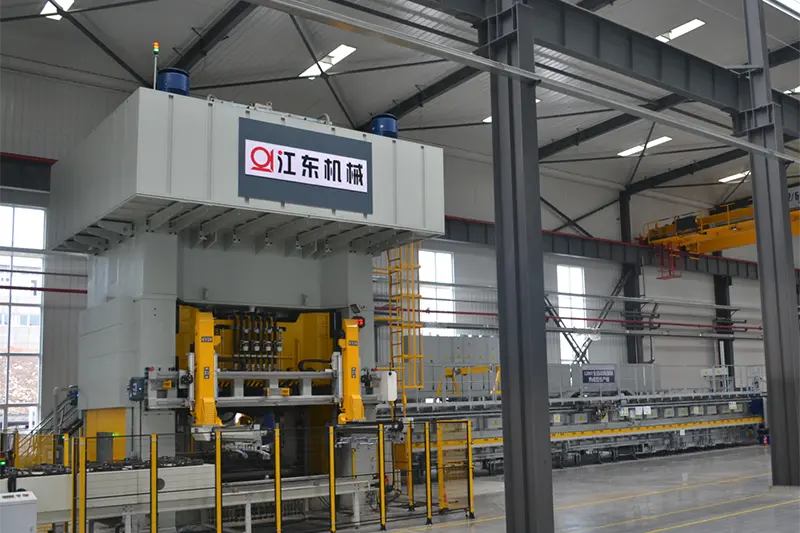
  • Hot Forging Consolidation: Rapidly transferring the heated preform into a heated closed-die forging toolset installed on a high-tonnage hydraulic or mechanical press. The component is forged in a single stroke, consolidating porosity to a sub-micron scale.
  • Controlled Cooling & Heat Treatment: Modifying the cooling rates to establish targeted microstructures (pearlite, ferrite, or martensite) followed by tempering or induction hardening.
95%+ Material Yield Efficiency
7.82 g/cm³ Component Density Reached
>35% Fatigue Strength Improvement
2500+ Tons Press Machine Capabilities

PRODUCT & TECHNOLOGY

Comprehensive solutions across sheet metal stamping, metal forging, composites, and specialized industrial forming applications.

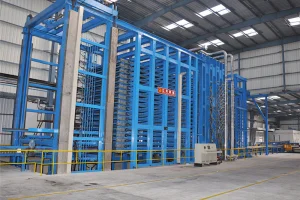
Hot Stamping Hydraulic Press Production Line

Hot Stamping Hydraulic Press Production Line

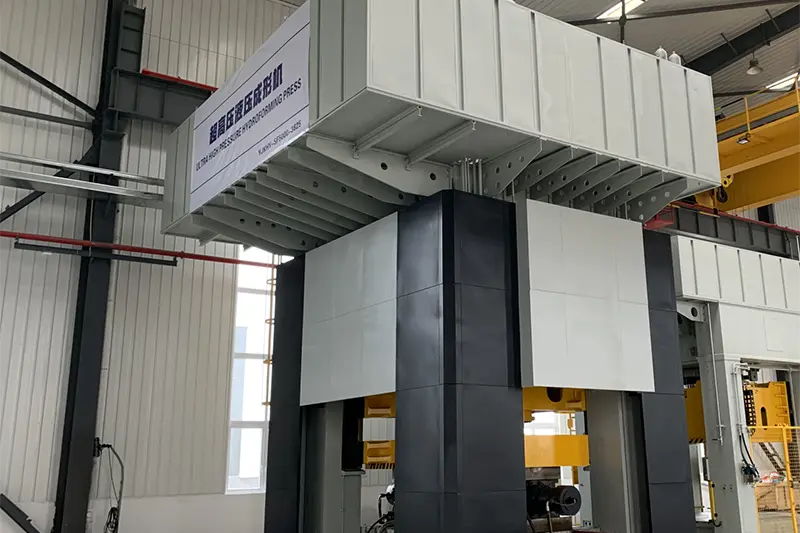
Hydroforming-Internal High Pressure Forming

Hydroforming-Internal High Pressure Forming Hydraulic Press Production Line

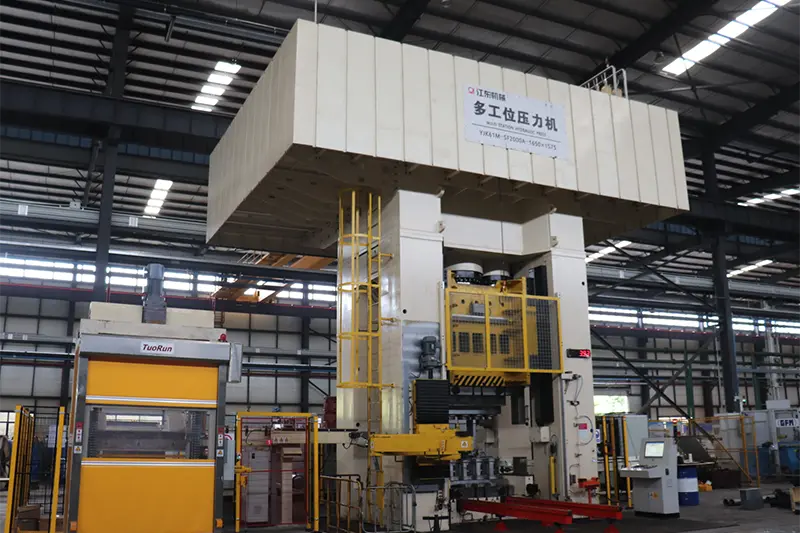
Multistation Extrusion Forging Production Line

Multistation Extrusion Forging Production Line

LFT-D

LFT-D Compression Direct Molding

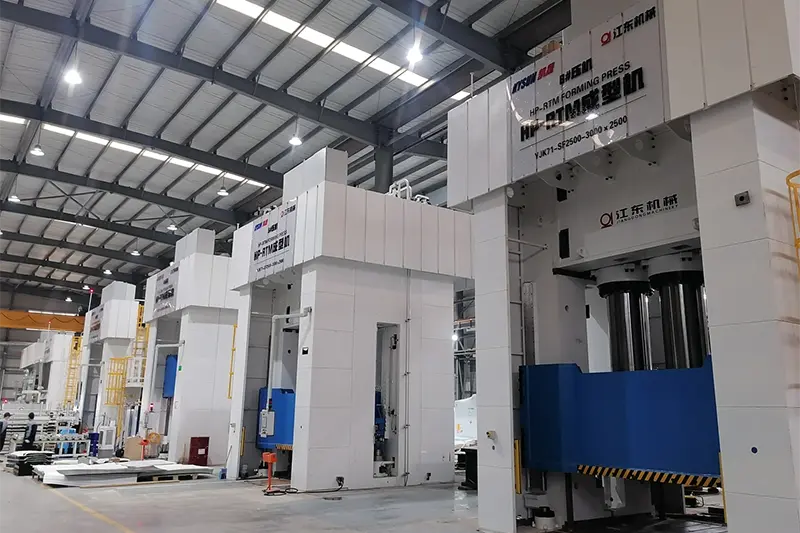
HP-RTM

HP-RTM High Pressure Resin Transfer Molding

SMC/BMC/GMT/PCM

SMC/BMC/GMT/PCM Composites Molding

Iso Thermal Forging

Iso Thermal Forging Technology

Superplastic Forming

Superplastic Forming (SPF) Technology

Gas Cylinder Bullet Housing Stretching

Gas Cylinder / Bullet Housing Stretching

Macroscopic Industry Solutions

Jiangdong Machinery delivers optimized engineering configurations designed to support high-precision forming processes globally.

Jiangdong Machinery has committed to understanding and matching customer requirements. Providing customers with a "one-stop" overall solution has become our driving pursuit, backed by comprehensive R&D and tool customization.

THE COMPANY

Chongqing Jiangdong Machinery Co., Ltd. (hereinafter referred to as “Jiangdong Machinery”) is a comprehensive forging enterprise integrating the R&D, production, sales, and service of hydraulic presses, lightweight forming technology, lightweight parts, hot and cold stamping dies, metal castings, and specialized components.

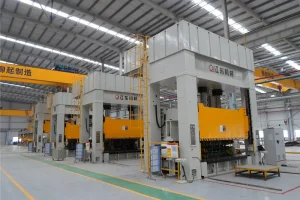
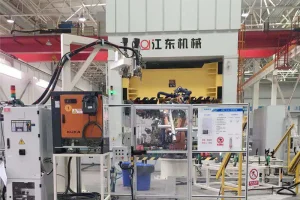
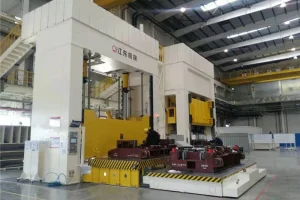
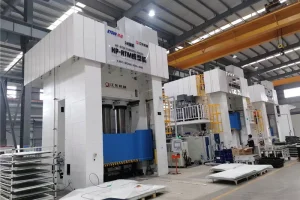
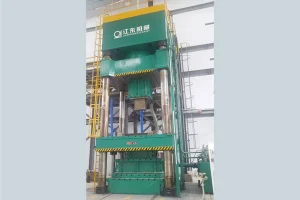
Among the company's core technological developments, our high-tonnage hydraulic presses and automated production lines feature advanced intelligence, high adaptability, and structural reliability. At the same time, Jiangdong Machinery provides customers with various metal and non-metal hydraulic forming units and integrated production technology solutions, specifically targeting the global automotive lightweighting industry.

1937

Year Established

30+

Patents / Year

30+

Scientific Innovations / Yr

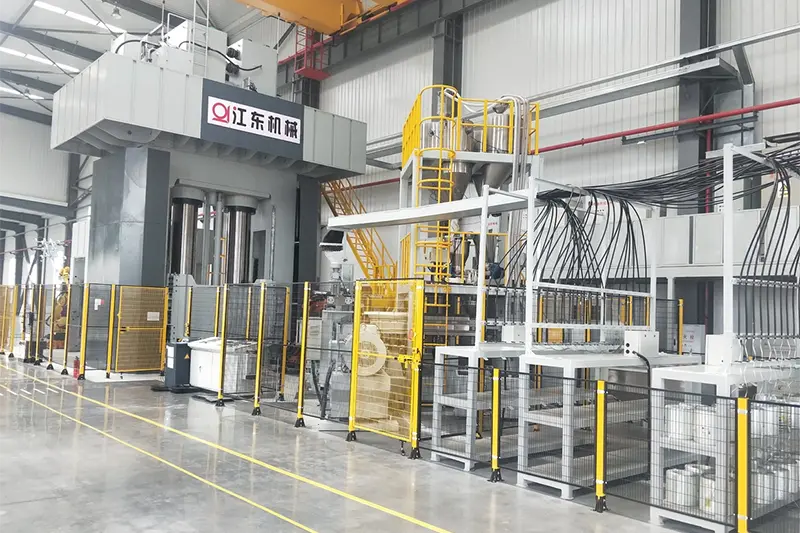
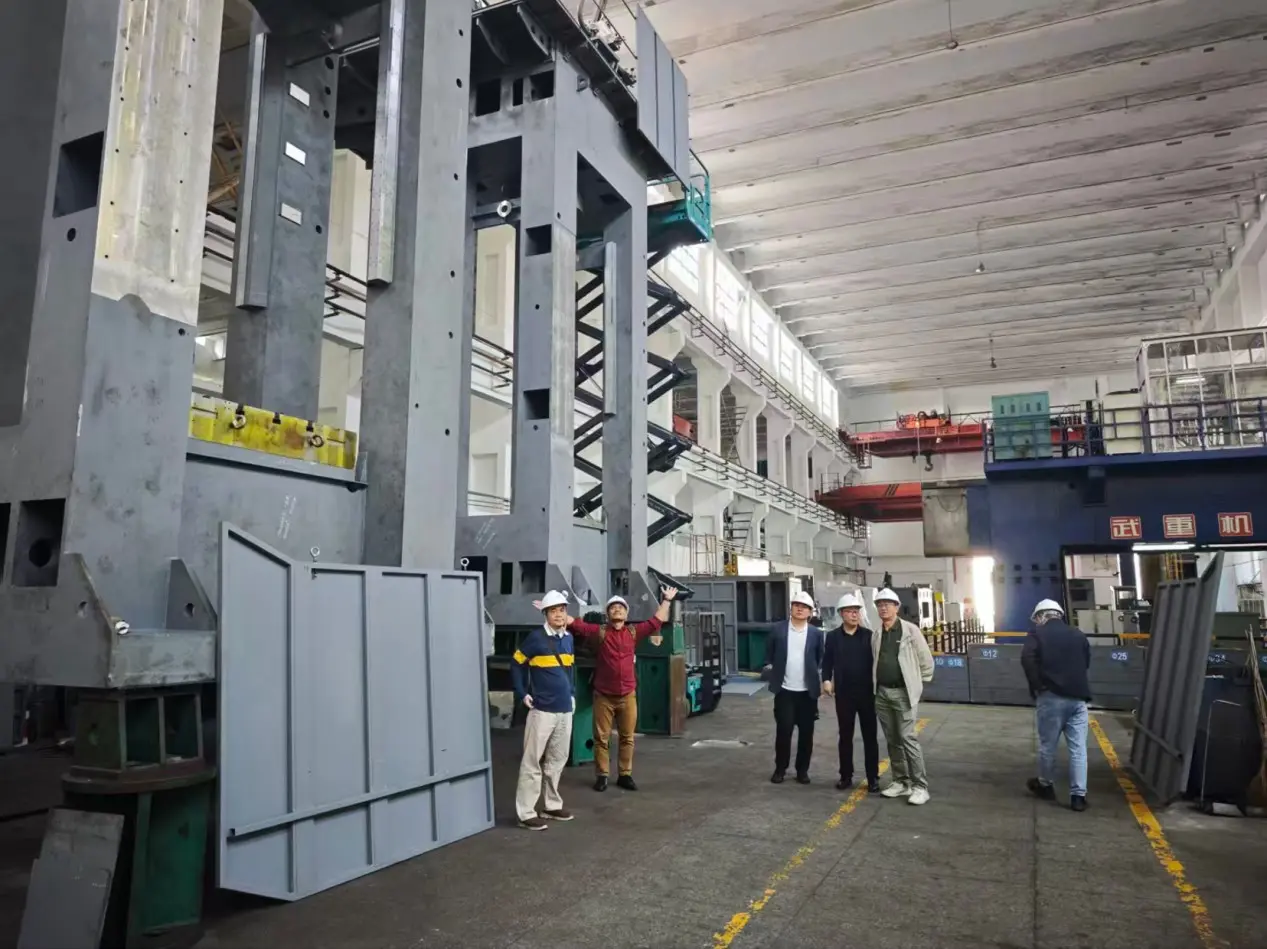
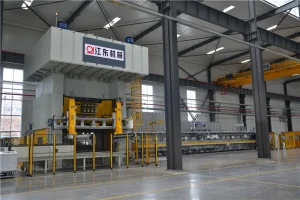
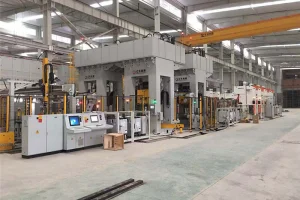
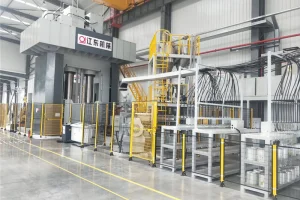
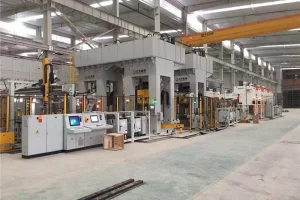
Jiangdong Machinery Factory Facility
ISO Certification Thumbnail 1 ISO Certification Thumbnail 2

Industrial Service & Support

Providing custom lifecycle optimization to ensure seamless productivity and maximum machine uptime.

Customized Solutions Icon

Customized Solutions

Remote Service Icon

Remote Service

Maintenance Icon

Maintenance & Diagnostics

Technical Support Icon

Technical Support

Spare Parts Icon

OEM Spare Parts

3. Localized Industrial Applications

OEM steel powder forged products address localized industry dynamics depending on geographical focus. In North America and Europe, the push is centered on automotive powertrain refinement, specifically hybrid transmission setups and lightweight engine architectures.

In Asia-Pacific markets—particularly China, Japan, and India—commercial transport and infrastructure parts dominate. Locally forged agricultural implements, heavy-duty mining tooth adaptors, and high-frequency train couplers rely on powder forging techniques to combine density and structural durability.

Jiangdong Machinery's forming systems are designed to operate globally. They are equipped with multi-language control screens, international safety certifications (including CE, UL, and CSA), and IoT remote access systems. This enables our field support teams to perform maintenance operations and control parameter optimization across continents.

4. Global Sustainability & Green Metallurgy

As carbon emission penalties increase, powder metallurgy serves as an eco-friendly production line option. Green compact production lines operate at lower overall temperatures than blast furnace casting systems.

Furthermore, near-net-shape manufacturing eliminates secondary chip removal processes, such as milling and grinding. This avoids producing scrap and cuts down on coolant fluid usage, lowering the carbon footprint of structural components.

Expert Metallurgical Q&A / FAQ

Technical answers to critical questions concerning powder metallurgy forging, density thresholds, and press machine mechanics.

What is the typical mechanical difference between drop-forged steel and powder-forged steel?

Drop-forged steel exhibits pronounced anisotropic directional flow properties, which can result in structural vulnerabilities along transverse stress planes. Powder-forged steel, on the other hand, possesses isotropic mechanical properties, ensuring uniform yield strength, tensile limits, and fatigue life in all directions. Additionally, powder forging provides a significant weight reduction and lower raw material requirements.

How does preform temperature control impact structural density in powder forging?

Maintaining a precise preform temperature range of 1100°C to 1250°C during physical transport from the sintering furnace to the die is critical. If the temperature drops below this threshold, the steel's flow stress increases. This makes compaction difficult and risks leaving residual voids (porosity) that compromise mechanical integrity.

What hydraulic press parameters are crucial for powder forging operations?

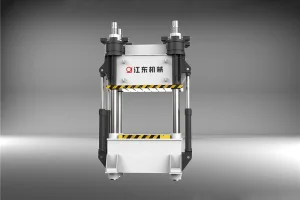
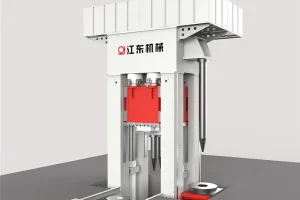
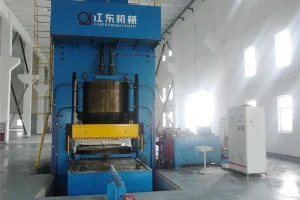
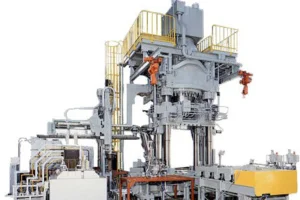
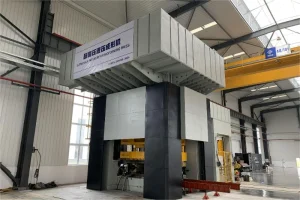
To achieve high density, the forging stroke must be executed rapidly to minimize heat loss to the tooling. Key press features include fast stroke speed, precise die heat controls, high force retention, and multi-station transfer automation. Jiangdong Machinery provides specialized high-speed hydraulic forging presses designed for these processes.

How does the presence of alloying elements like Copper (Cu) and Molybdenum (Mo) affect performance?

Copper behaves as a liquid phase promoter during sintering, expanding into the iron lattice to optimize mechanical bond strength. Molybdenum acts as a hardenability agent, refining grain boundaries and helping components resist plastic deformation under load.

LATEST BLOG & INDUSTRY NEWS

Keep track of our global interactions, technical exchanges, and modern manufacturing innovations.

Indonesian Customers Visit Jiangdong Machinery,...

Date: May 06 2026

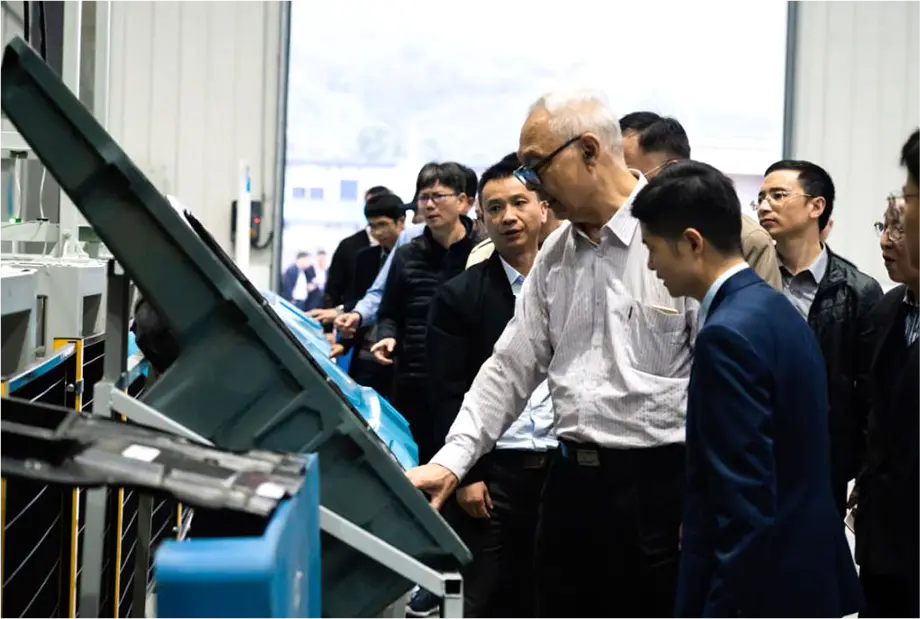
A delegation visited our facilities to inspect production capabilities, QA protocols, and lightweight forming equipment.

Overseas Customers and Partners Visit in Success...

Date: Mar 16 2026

Multiple partners from Thailand, Indonesia, and Malaysia visited to finalize joint production line agreements.

Chongqing Jiangdong Machinery Co., Ltd. to Make...

Date: Nov 14 2025

Jiangdong Machinery presents its latest automated stamping and composite hot forming machinery solutions at the international trade exhibition.

Experience with Team

Schedule a free case evaluation with our senior technical engineering team today.