1 / 3

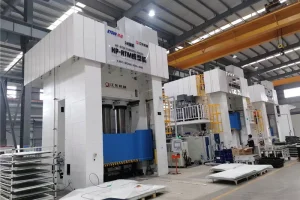
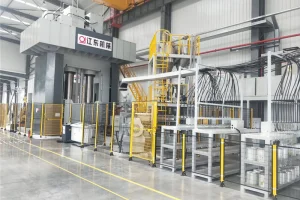
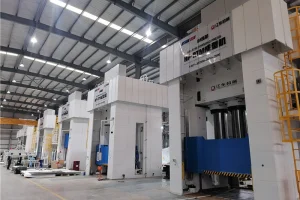
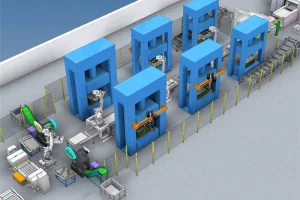
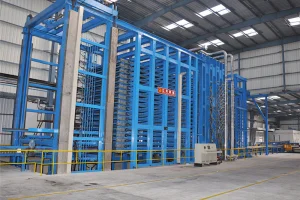
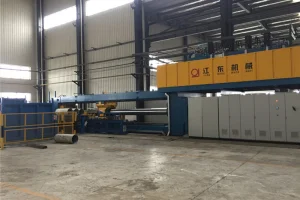
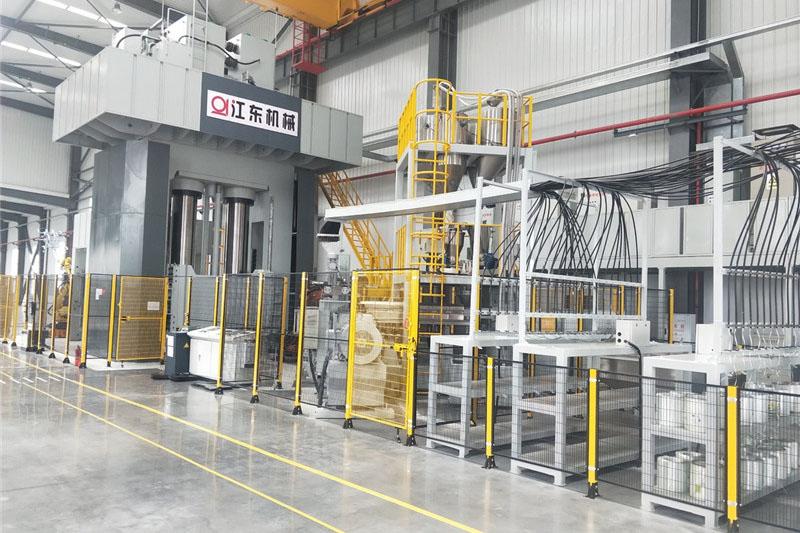
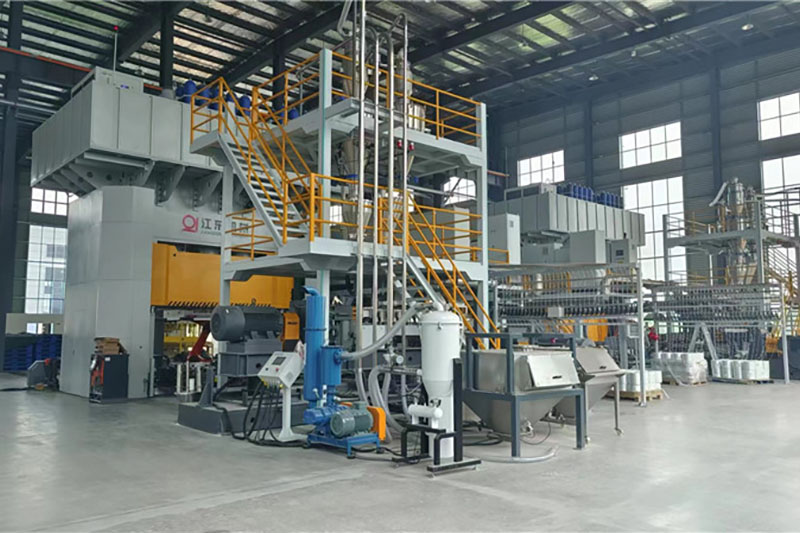
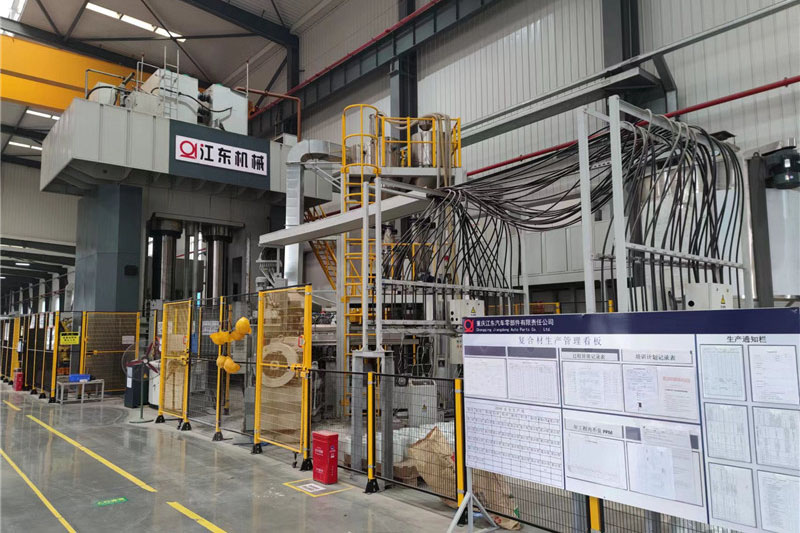
The production line seamlessly integrates various components, including the glass fiber guiding system, extruder, conveyor, robotic system, hydraulic press, and control unit. This integration optimizes production efficiency and facilitates smooth operations.
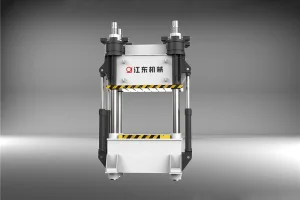
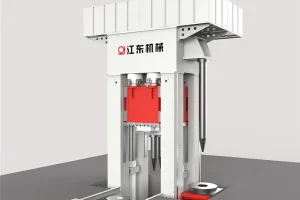
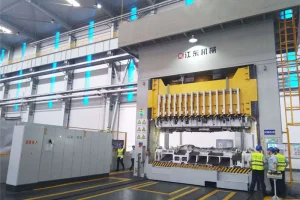
The fast hydraulic press operates with rapid slide speed (800-1000mm/s) for downward and return movements, as well as adjustable pressing and mold opening speeds (0.5-80mm/s). The servo proportional control allows for precise pressure adjustment and a quick tonnage-building time of only 0.5s.
The LFT-D production line is specifically designed for long fiber reinforced thermoplastic composite materials. The continuous fiber reinforcement enhances the mechanical properties, such as stiffness, strength, and impact resistance, of the final product. This makes it suitable for demanding applications.
The robotic material handling system ensures efficient and precise movement of the molded products. It reduces manual labor requirements, increases production speed, and minimizes the risk of errors or damage during handling.
The production line offers flexibility in terms of production capacity, with an annual capacity range of 300,000 to 400,000 strokes. Manufacturers can adjust the production volume to meet their specific needs and market demands.
The LFT-D composite production line is widely used in the automotive industry to manufacture lightweight and high-performance components, including body panels, bumpers, interior trims, and structural parts. The long fiber reinforcement provides excellent mechanical properties, making the composite materials ideal for improving fuel efficiency and ensuring safety.
Composite materials produced by the LFT-D production line find applications in the aerospace industry, particularly for aircraft interiors, engine components, and structural elements. The lightweight nature and exceptional strength-to-weight ratio of these materials contribute to fuel efficiency and overall aircraft performance.
The LFT-D composite production line can produce reinforced thermoplastic components for various industrial equipment, such as machinery parts, housings, and enclosures. The high strength and durability of the materials improve the performance and longevity of industrial machinery.
The versatility of the LFT-D production line extends to the production of consumer goods. It can manufacture composite products for the furniture industry, sports equipment, household appliances, and more. The lightweight yet robust nature of the composite materials enhances the functionality and aesthetics of these consumer products.
In summary: The LFT-D long fiber reinforced thermoplastic compression direct molding production line offers an integrated and efficient solution for producing high-quality composite materials. With its high-speed hydraulic press, automated material handling system, and long fiber reinforcement capabilities, this production line meets the needs of various industries, including automotive, aerospace, industrial equipment, and consumer goods. It enables manufacturers to create lightweight, strong, and durable composite products for a wide range of applications.
The LFT-D production line integrates a glass fiber guiding system, extruder, conveyor, robotic system, hydraulic press, and control unit into a seamless, efficient manufacturing setup.
The high-speed hydraulic press operates with a rapid slide speed of 800-1000mm/s for movement, has adjustable pressing/opening speeds (0.5-80mm/s), and leverages servo proportional control for precise pressure with a quick 0.5s tonnage-building time.
Continuous long fiber reinforcement significantly improves mechanical properties, including stiffness, strength, and impact resistance, which makes the molded composites ideal for heavy-duty applications.
The system offers highly customizable and flexible capacities, with an annual output scale ranging between 300,000 and 400,000 strokes to align with market demands.
They are heavily utilized in the automotive sector (body panels and structural parts), the aerospace sector (interiors and engine parts), industrial equipment (machinery housings), and various consumer goods industries.