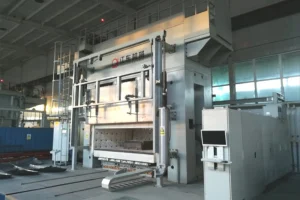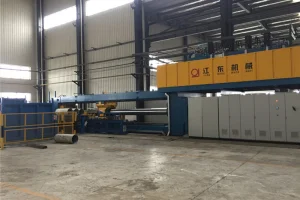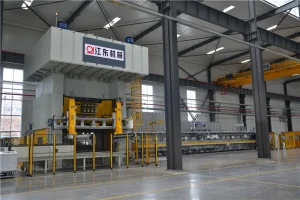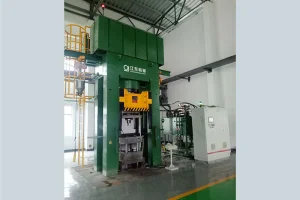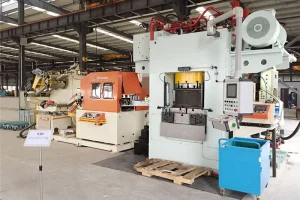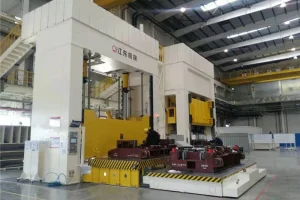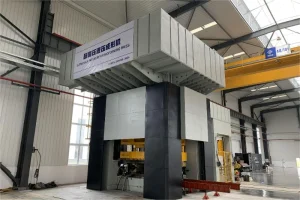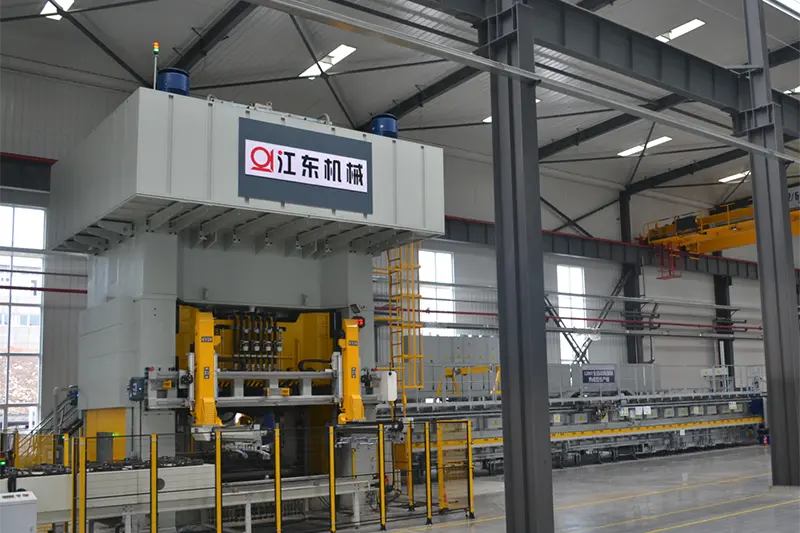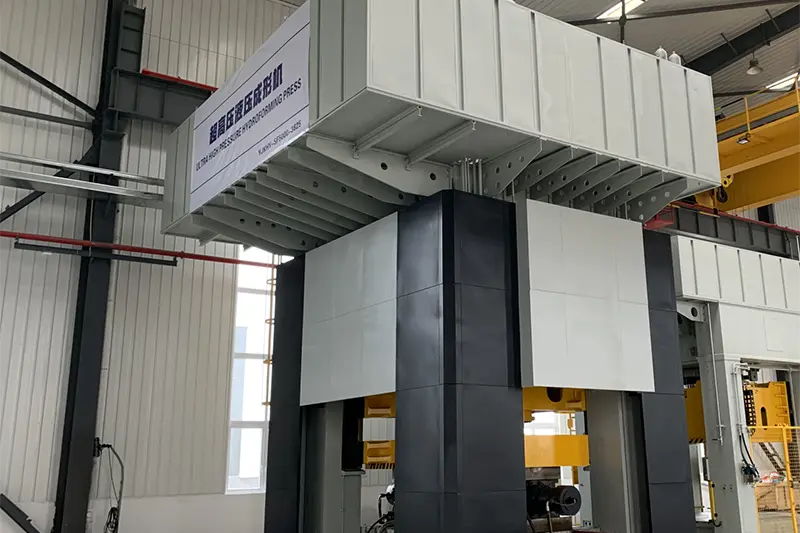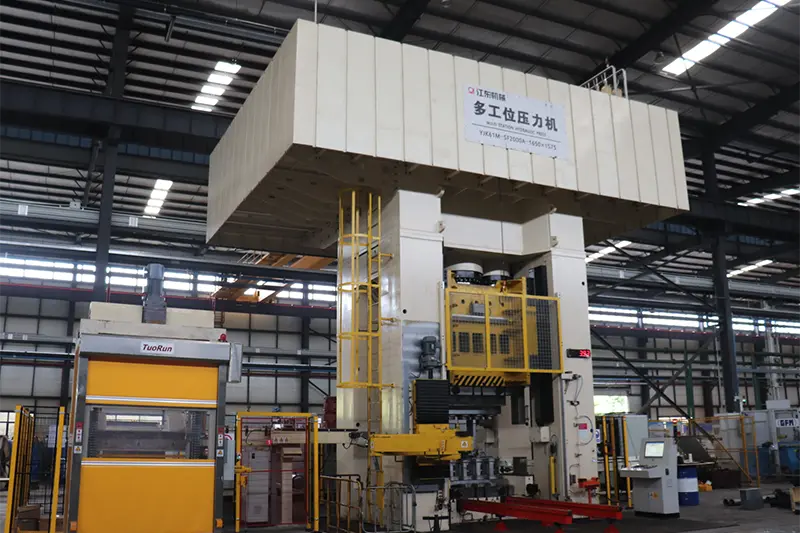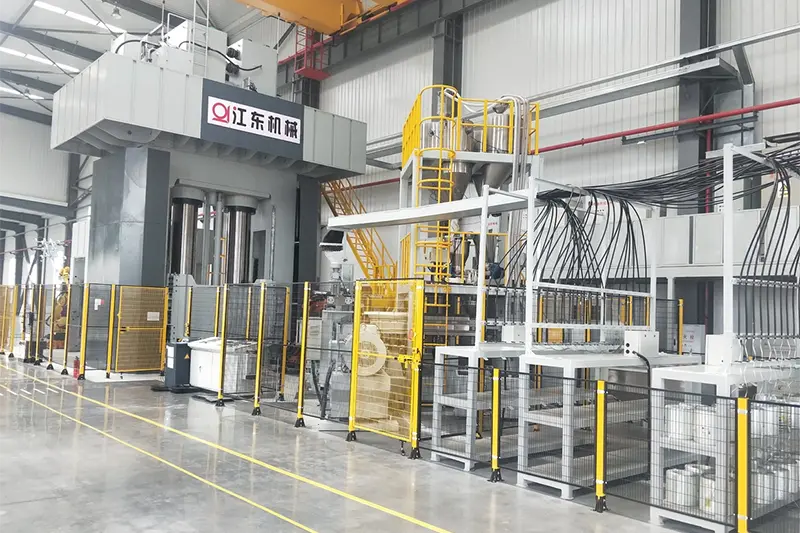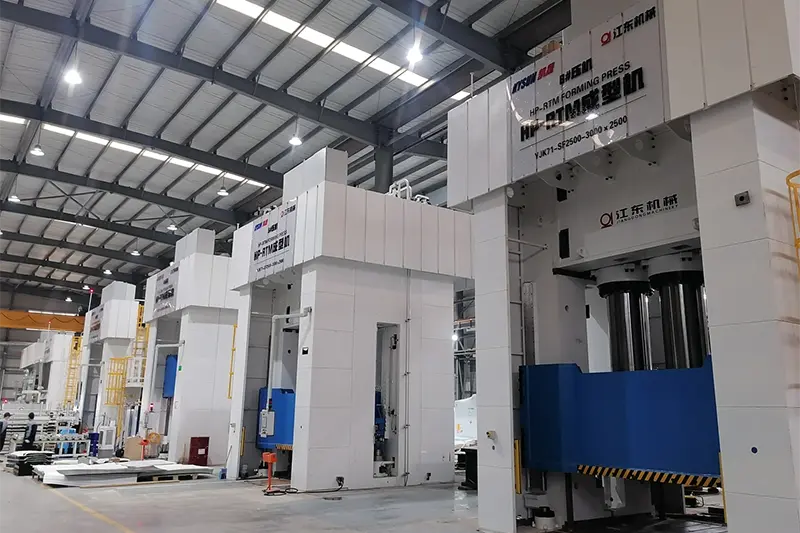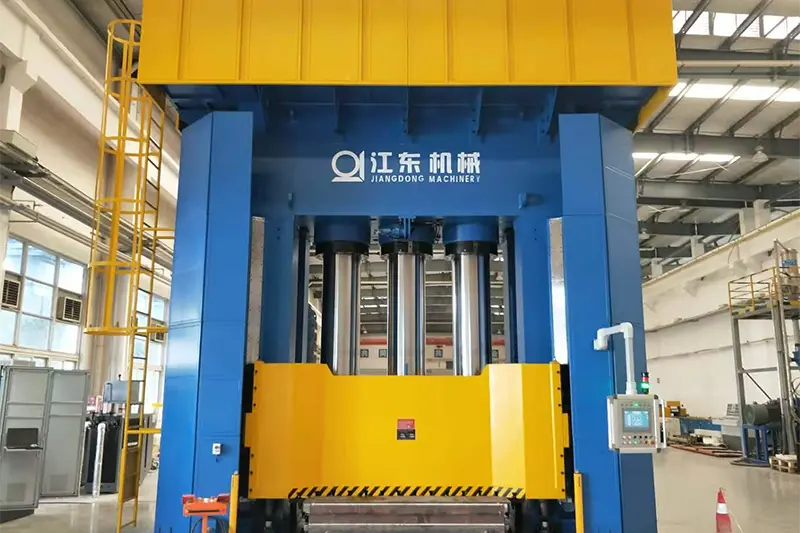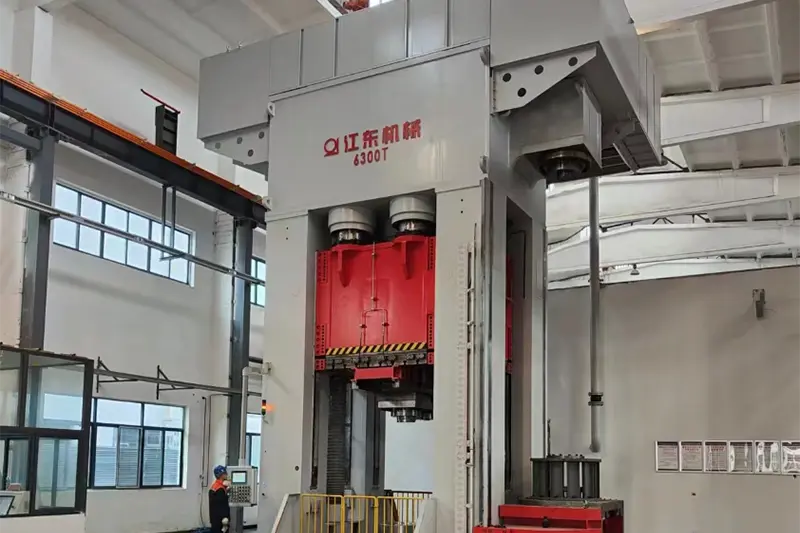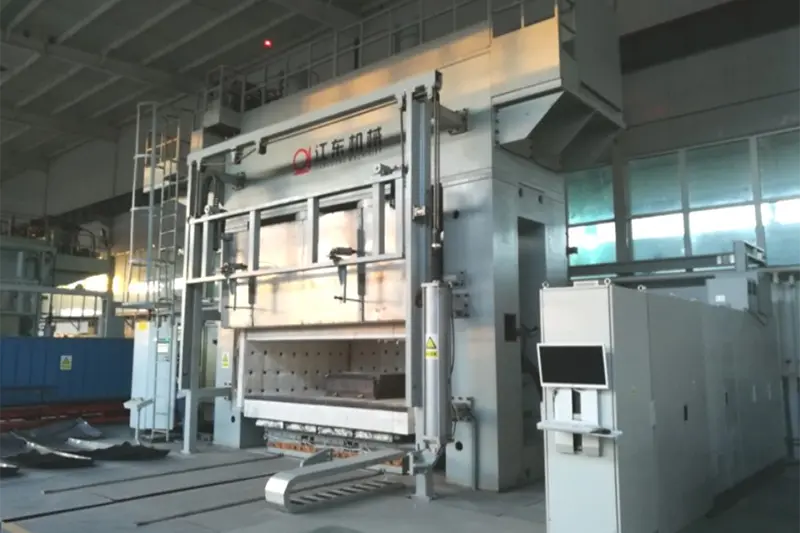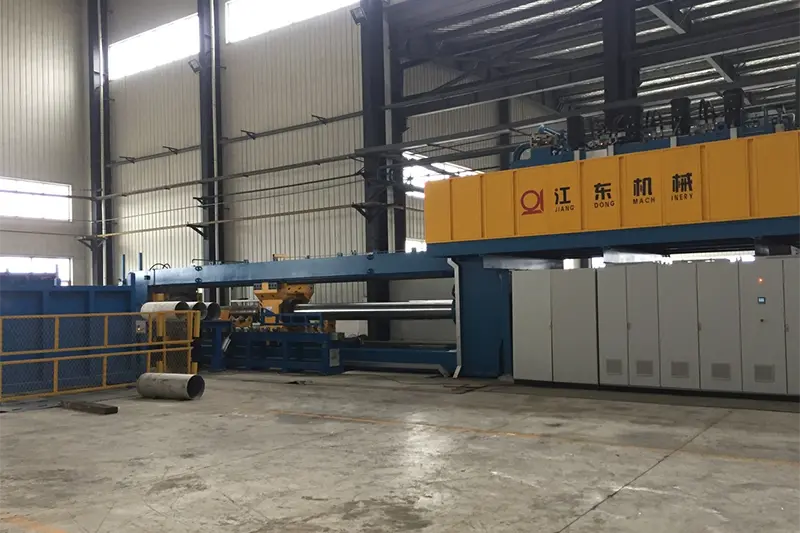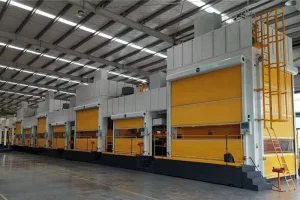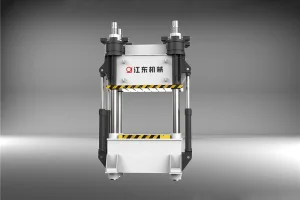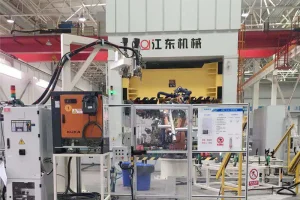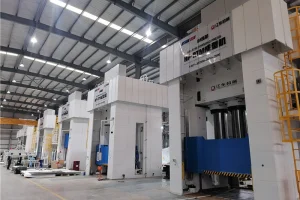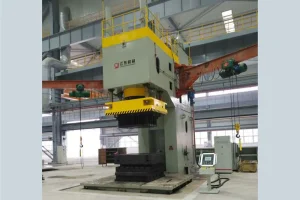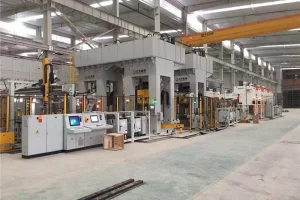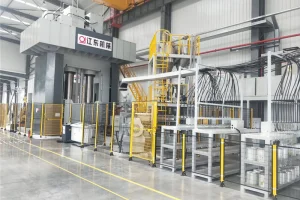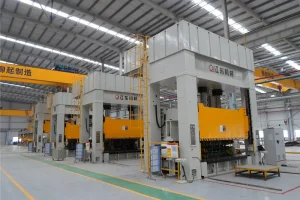
Explore our high-performance structural molding platforms and custom engineered hydraulic line technologies, built to deliver unparalleled precision and durability across industrial applications.
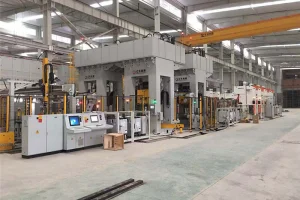
Explore our core technological sectors designed to bridge composite material chemistry with advanced manufacturing machinery.
Automated platforms engineered for high-precision components, enabling massive throughput with minimized material scrap.
Pioneering composite processing systems optimized for long fiber retention and excellent structural properties.
Bespoke industrial applications utilizing thermal and superplastic states of advanced alloys and materials.
In modern industrial manufacturing, the pursuit of lightweight yet mechanically robust components is an enduring paradigm. Among the front-running technologies enabling this transformation, Long-Fiber-Reinforced Thermoplastics (LFT) and specifically LFT-D (Long-Fiber-Reinforced Thermoplastic Direct Molding) represent a major evolutionary leap. By retaining longer reinforcing fibers within the polymer matrix during molding, engineers achieve structural properties that rival die-cast metals and thermoset composites at a fraction of the weight and lifecycle environmental cost.
“The fundamental challenge of composite engineering is not simply placing fibers in a polymer matrix, but preserving the mechanical integrity and aspect ratio of those fibers throughout the compounding, extrusion, and compression molding phases.”
Unlike traditional short-fiber composites where fiber lengths remain under 1 mm, LFT processes maintain fiber lengths typically between 10 mm and 50 mm in the finished molded part. This preservation of fiber length yields a highly interconnected, three-dimensional skeletal network inside the consolidated matrix. This structural skeleton distributes mechanical stress over a much larger surface area, dramatically enhancing tensile strength, flexural modulus, and impact energy absorption—especially under low-temperature conditions where standard plastics become brittle.
Additionally, the "Direct Molding" (LFT-D) route integrates the compounding and compression molding steps into a single continuous production line. Raw thermoplastic polymers (such as Polypropylene, Polyamide-6, or Polyphthalamide) are fed into a twin-screw compounding extruder along with continuous glass or carbon fiber rovings. The extruder cuts, impregnates, and delivers a hot, fiber-rich charge directly to a high-speed compression press. This eliminates the secondary melting phase characteristic of traditional pellet processing, thereby reducing thermal degradation of the polymer matrix and preserving optimal fiber aspect ratios.
Across the globe, macro-industrial sectors are adopting LFT-D technologies to meet stringent emission mandates and structural efficiency requirements:
Over 8 decades of manufacturing excellence
Continual IP generation & technical innovation
Annual breakthroughs in lightweight molding tech
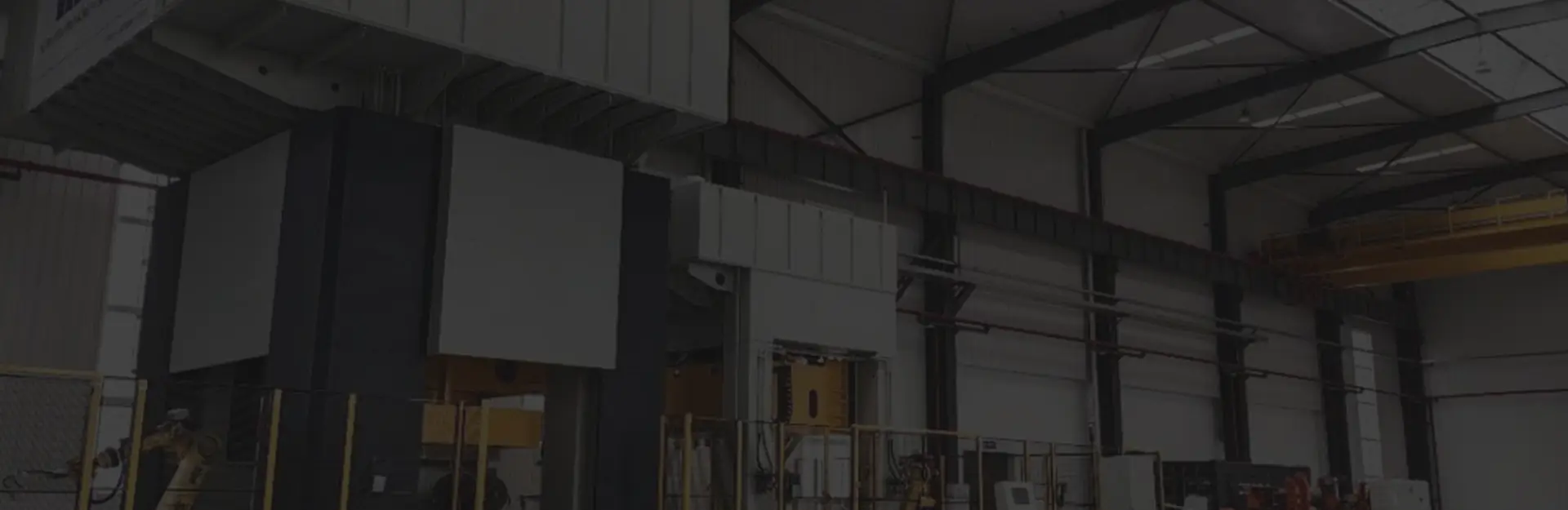
Chongqing Jiangdong Machinery Co., Ltd. ("Jiangdong Machinery") is a comprehensive forging enterprise integrating R&D, production, sales, and service of hydraulic presses, lightweight forming technologies, high-performance parts, hot and cold stamping dies, and precision castings. Our research and development of hydraulic presses and production lines feature advanced automation, intelligence, and flexibility.
We provide global partners with versatile metal and non-metal hydraulic forming equipment and integrated forming technologies, with a strong focus on lightweight automotive solutions. Through deep vertical integration, we deliver a true "one-stop" engineering solution from material testing to industrial-scale production line deployment.
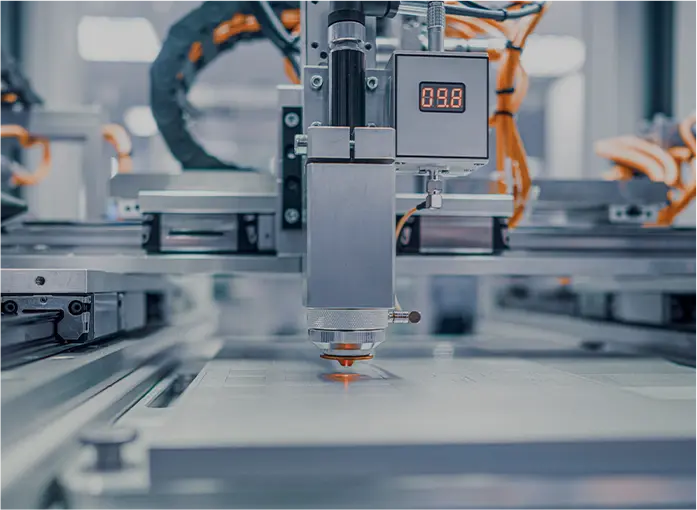
The transition toward sustainable manufacturing requires robust regional support and a stable global supply chain. Jiangdong Machinery is at the forefront of this shift, establishing collaborative channels across Europe, North America, and Southeast Asia. This global network allows us to provide localized engineering consultations, compliance certifications (such as CE, UL, and CSA), and post-installation service support directly where our clients operate.
As tier-1 automotive suppliers adjust their production strategies for localized sourcing, having an OEM partner that delivers turn-key LFT-D, SMC, and hot stamping systems is invaluable. Our machinery integrates with global industrial networks, using standard digital protocols like OPC UA for real-time diagnostic reporting and predictive maintenance schedules. This keeps your plant operating with minimal downtime.
Selecting the optimal composite molding methodology depends heavily on production volumes, structural targets, and raw material budgets. The table below outlines key technical indicators for modern composite processes:
| Technology Route | Fiber Type & Length | Cycle Time | Structural Complexity | Material Recyclability |
|---|---|---|---|---|
| LFT-D (Direct Molding) | Glass/Carbon, 10–50 mm | 45–90 seconds | High (Ribs & Bosses) | Excellent (Thermoplastic) |
| HP-RTM (Resin Transfer) | Continuous Woven Fabric | 3–8 minutes | Moderate to High | Poor (Thermoset Matrix) |
| SMC / BMC / GMT | Chopped/Continuous Mat | 2–4 minutes | High | Moderate (Downcyclable) |
| PCM (Prepreg Compression) | Continuous Carbon/Glass | 2–5 minutes | Moderate | Poor (Thermoset Matrix) |
Looking ahead, Jiangdong Machinery is pioneering the integration of industrial artificial intelligence with lightweight composite forming systems. Our next-generation LFT-D and hot stamping lines feature active mold temperature control and dynamic tonnage adjustments based on in-line sensor feedback.
By measuring the viscoelastic flow of the thermoplastic charge during the initial milliseconds of compression, the system's controller dynamically adjusts the press speed profile. This minimizes internal stress concentrations and prevents fiber-dry areas. Additionally, we are actively developing advanced machinery configurations compatible with bio-based polymers (such as PLA and PHA) and recycled carbon fiber sources, supporting the global transition toward circular economy models.
Comprehensive technical services, custom designs, and proactive maintenance programs from our team to keep your production lines running smoothly.

Customized Solutions

Remote Service

Maintenance

Technical Support

Spare Parts
Technical insights into composite processing, manufacturing parameters, and system integration.
SMC (Sheet Molding Compound) uses thermosetting polyester or vinyl ester resins that undergo irreversible cross-linking during hot compression. LFT-D (Long-Fiber-Reinforced Thermoplastic Direct) uses thermoplastic resins like PP or PA. This difference makes LFT-D parts recyclable, easier to weld, and more impact-resistant, while also offering faster cycle times and eliminating refrigerated compound storage.
By using direct extrusion compounding (LFT-D), glass or carbon fiber rovings are introduced late in the twin-screw compounding process. This step is handled using gentle, low-shear mixing elements. The resulting fiber-molten mass is quickly transferred to the compression mold without being cooled and pelletized, preventing the high shear forces that typically damage fibers in traditional injection molding systems.
LFT-D components generally require projection pressure between 100 and 200 bar (10 to 20 MPa), depending on the geometric complexity of the mold and the flow behavior of the polymer. A part with a projection area of 1 square meter typically requires a hydraulic press with a clamping capacity of 1,000 to 2,000 metric tons to ensure full compaction and precise wall thickness.
Yes. The process can be modified to combine long-fiber compounding with local continuous reinforcement (often called tailormade LFT-D). In this method, continuous fiber UD (Unidirectional) tape or pre-consolidated organosheets are robotically placed in high-stress areas of the mold before the molten LFT compound is added. The final compression step fuses them into a single high-strength component.
2026/May
Corporate Event
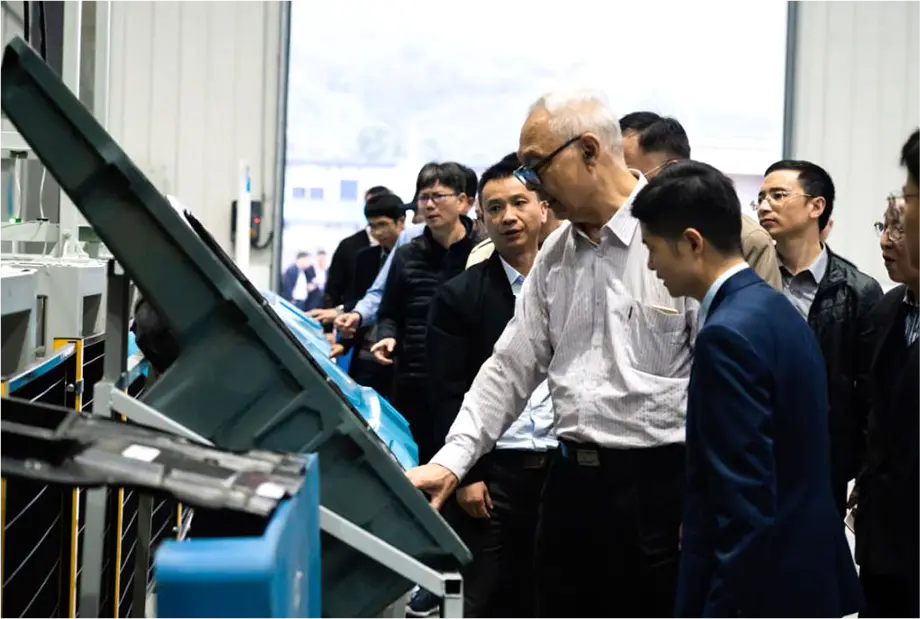
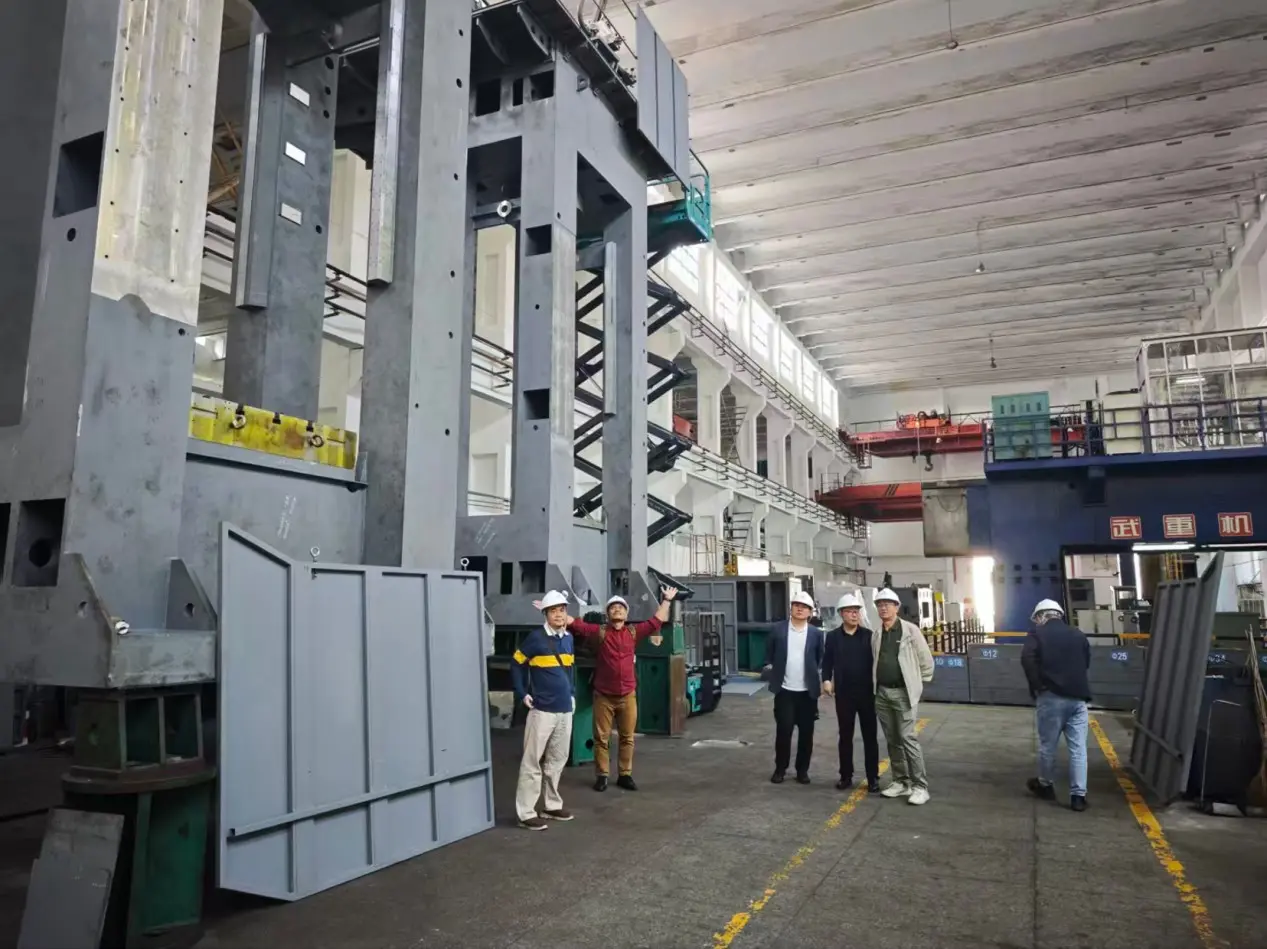
An international delegation recently toured our advanced metal forming division to evaluate our smart hydraulic stamping systems and composite manufacturing lines, establishing long-term supply agreements.
Read Detailed Case StudyDuring their visit to Jiangdong Machinery, our international partners evaluated our manufacturing capabilities, engineering quality, and technical expertise. This visit has established a strong foundation for future collaborative projects.
Our sales and engineering teams recently hosted delegations from Thailand, Indonesia, and Malaysia to discuss new projects in hot stamping, lightweight composites forming, and automated production systems.
Jiangdong Machinery continues to showcase its latest developments in hydroforming and thermoplastic LFT-D technologies at major global events, highlighting our commitment to automotive lightweighting solutions.
Discover our range of heavy-duty hydraulic press platforms, specialized automotive interior lines, and customized composite molding equipment, all designed to deliver consistent, high-yield manufacturing.