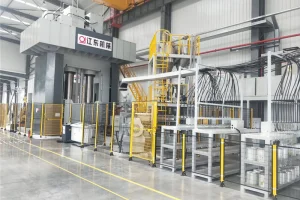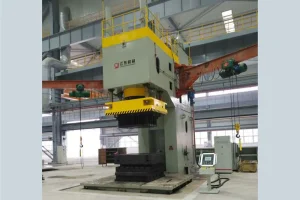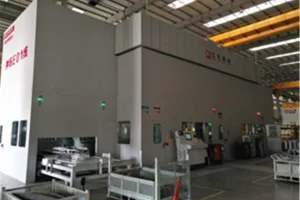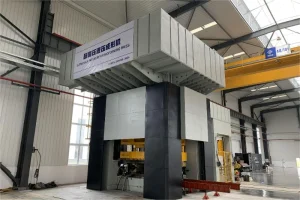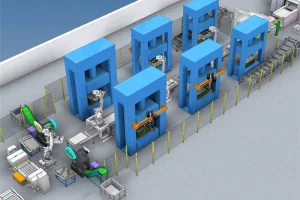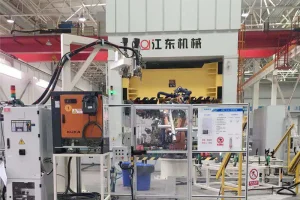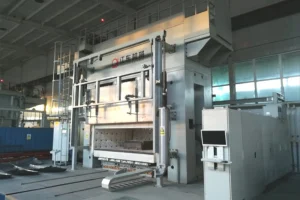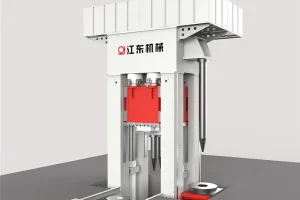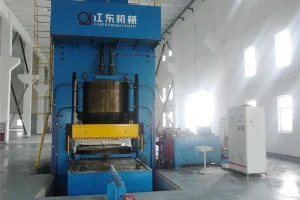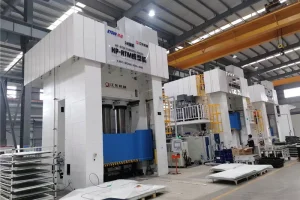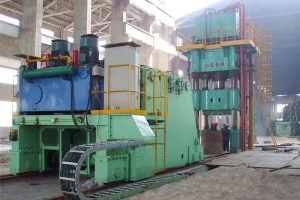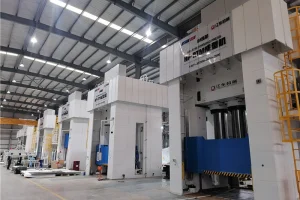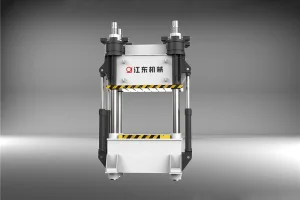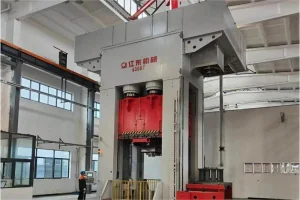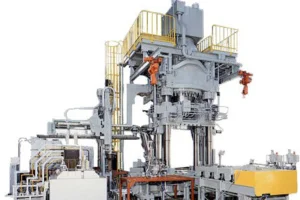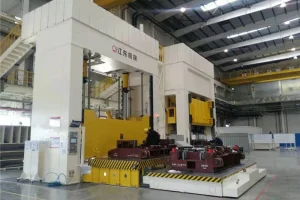
Select production lines engineered for global automotive, aerospace, and metallurgy compliance.
Analyzing key structural mechanisms, production configurations, and high-pressure metal forming solutions.
In the modern landscape of high-performance manufacturing, the utilization of heavy-duty hydraulic pressing infrastructure is the dividing line between standard component stamping and advanced structural engineering. The 4,000 Ton (40 MN) Forging Press sits at a critical threshold of performance, serving as the mechanical foundation for aerospace, defense, global automotive lightweighting, and heavy industrial forming applications. The capability to project 40,000 kilonewtons of controlled mechanical force permits the modification of structural alloys, composites, and high-strength steels with dimensional tolerances measured in fractions of a millimeter.
At 4,000 tons of force, the press initiates severe plastic deformation across large surface areas. This is essential for grain structure optimization in hot forging, guaranteeing that the final component achieves maximum tensile strength and fatigue resistance. This capacity is mandatory for producing aviation bulkheads, marine propeller shafts, high-pressure gas cylinders, and structural light-alloy chassis assemblies.
The global forging press industry is undergoing a technological shift driven by automation, material innovation, and strict environmental demands. We have observed three macro trends shaping the procurement of 4000-ton forging presses:
When procurement executives evaluate the acquisition of a 4000-ton hydraulic forging press, the primary concern is the total cost of ownership (TCO) relative to the customized technical specifications. A standard, off-the-shelf pricelist does not exist for systems of this scale because each machine is configured to the buyer's material requirements, structural dimensions, and production speeds.
However, we can categorize the investment profiles based on configuration classes to assist global purchasing managers:
1. Slide and Bed Area: Larger die beds require thicker casting sections and post-tensioned tie-rod assemblies, which raise manufacturing and logistical costs.
2. Speed Profiles: Fast approach speeds (>400 mm/s) demand high-performance accumulation systems and large hydraulic pump configurations.
3. Frame Layout: Monoblock prestressed wire-wound frame configurations command a premium over traditional column-and-nut frame structures due to their longevity under heavy structural cycles.
Explore Chongqing Jiangdong Machinery's key mechanical portfolios across structural sheet metal, composite materials, and specialized forming systems.
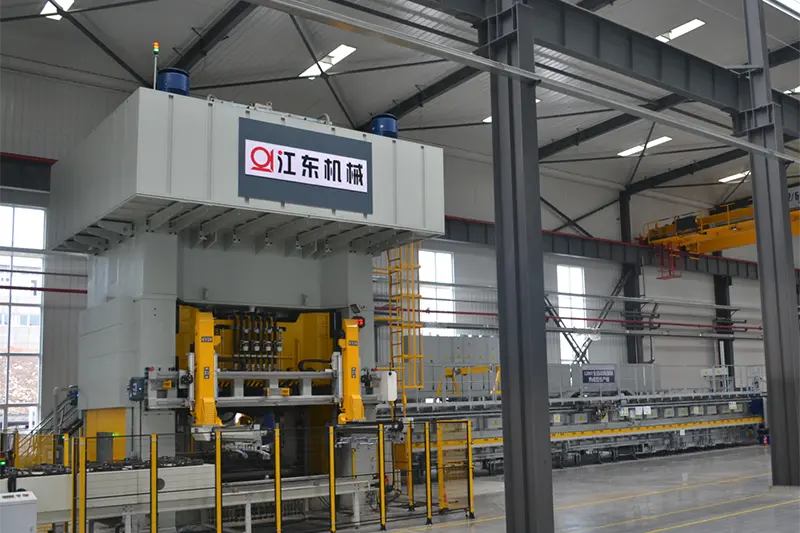
Hot Stamping Hydraulic Press Production Line
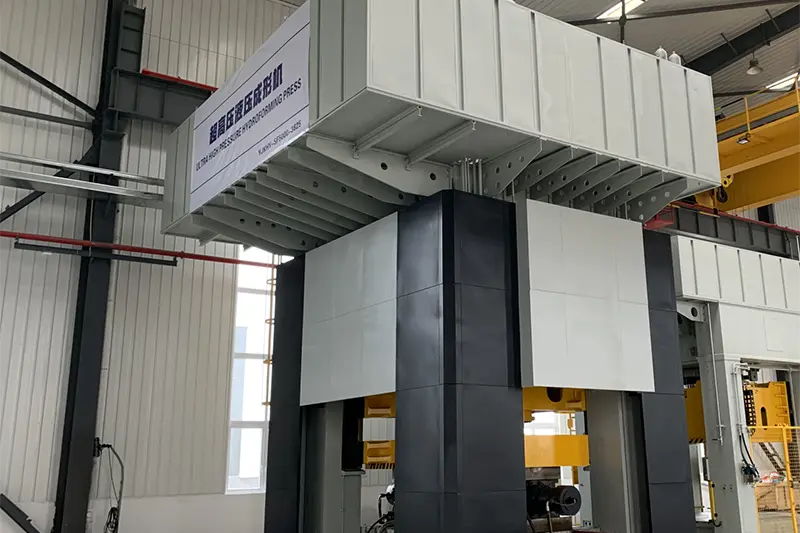
Hydroforming-Internal High Pressure Forming Production Line
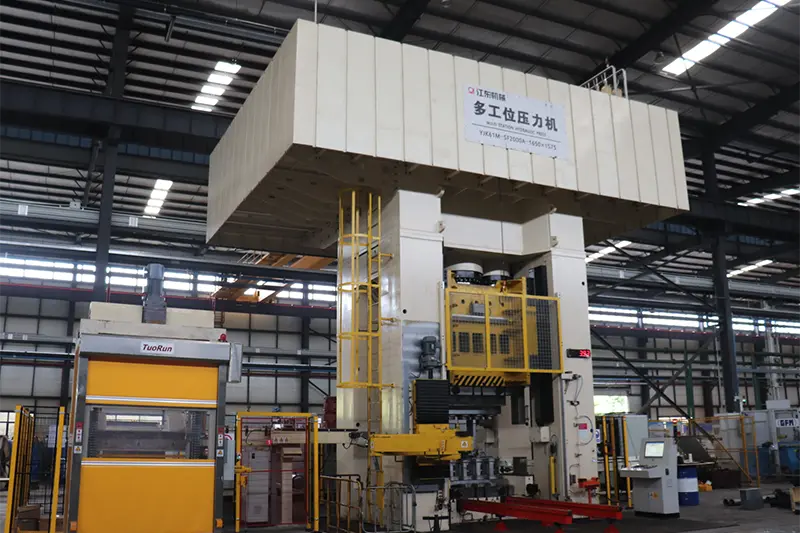
Multistation Extrusion Forging Production Line
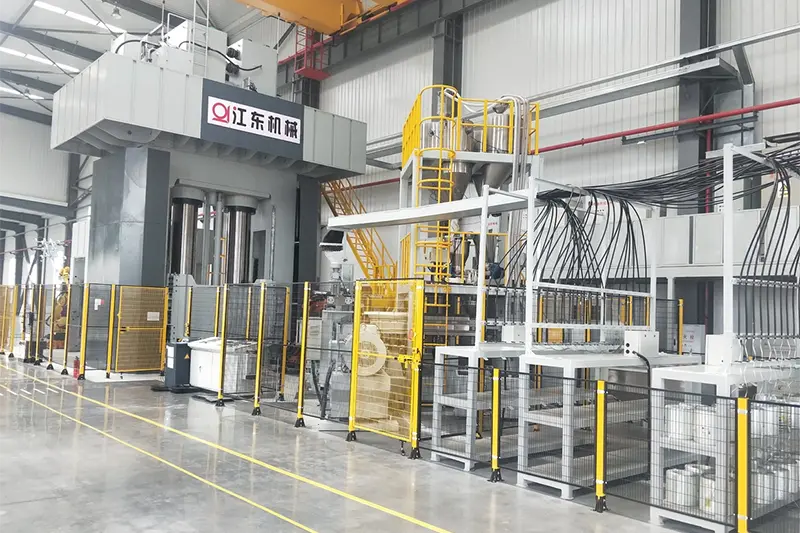
LFT-D Compression System
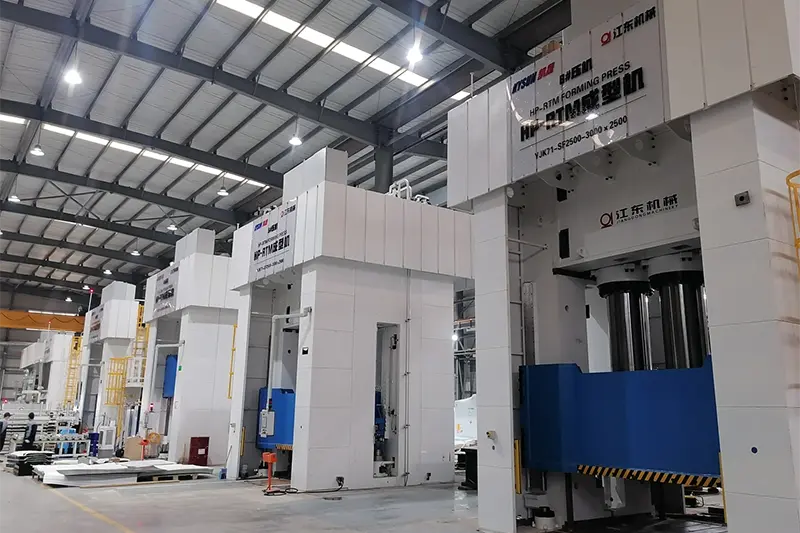
HP-RTM Molding Equipment
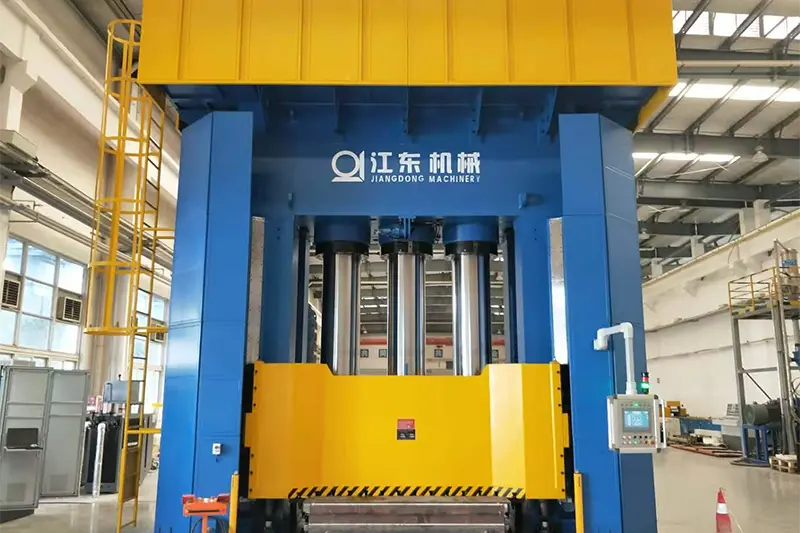
SMC/BMC/GMT/PCM Composite Molding
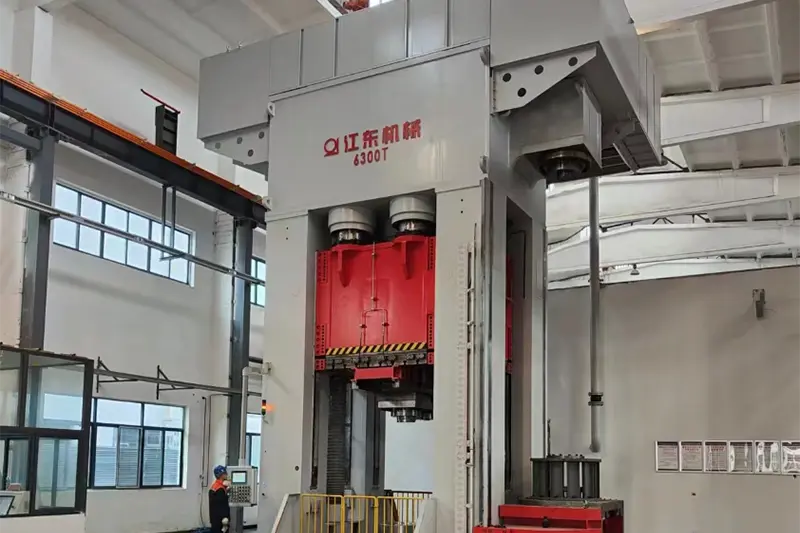
Iso Thermal Forging Hydraulic Press
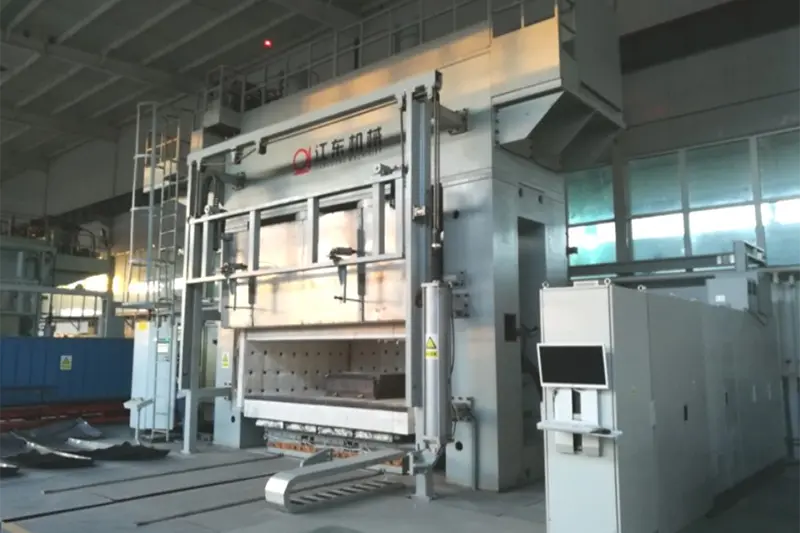
Superplastic Forming Press
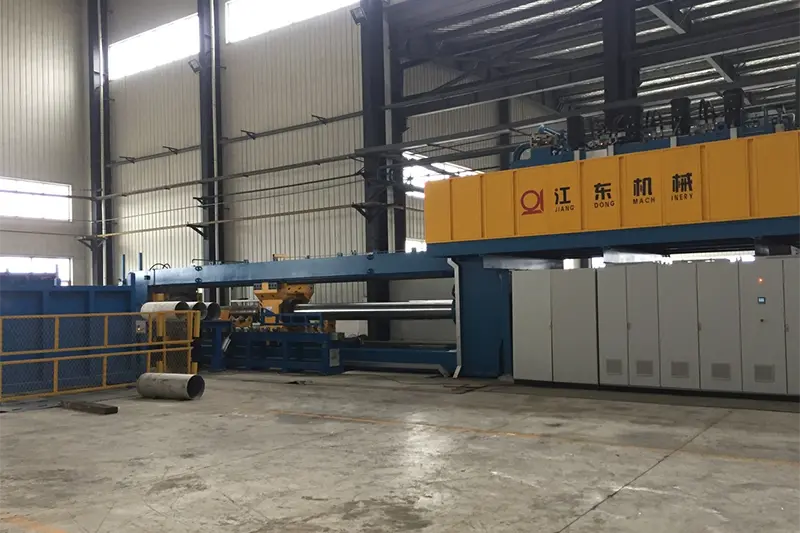
Gas Cylinder / Bullet Housing Stretching
Strategic deployment of localized support, compliance certifications, and precision forming technologies.
To address the diverse forming requirements of lightweight metallurgy, manufacturing operations must match specialized machinery options to their production workflows. Jiangdong Machinery remains dedicated to analyzing and matching client parameters, providing partners with comprehensive technical solutions that optimize tooling setup, hydraulic performance, and high-temperature material behavior.
We design, customize, and construct 4000-ton hydraulic forging presses optimized for high-temperature tooling, fast approach cycle times, and integration with automated production plants.
Chongqing Jiangdong Machinery Co., Ltd.
Chongqing Jiangdong Machinery Co., Ltd. (“Jiangdong Machinery”) is a comprehensive forging company integrating R&D, production, sales, and service of hydraulic presses, lightweight forming technology, lightweight parts, hot and cold stamping dies, and metal castings.
As a pioneering equipment and parts manufacturing enterprise, our research and development of hydraulic presses and production lines feature advanced automation, intelligence, and flexibility. Jiangdong Machinery provides customers with diverse metal and non-metal hydraulic forming systems and integrated forming solutions, particularly optimized for automotive lightweighting.
VIEW MORE ABOUT USWhat we offer for you

Customized Solutions

Remote Service

Maintenance

Technical Support

Spare Parts
Stay tuned to industry trends at all times
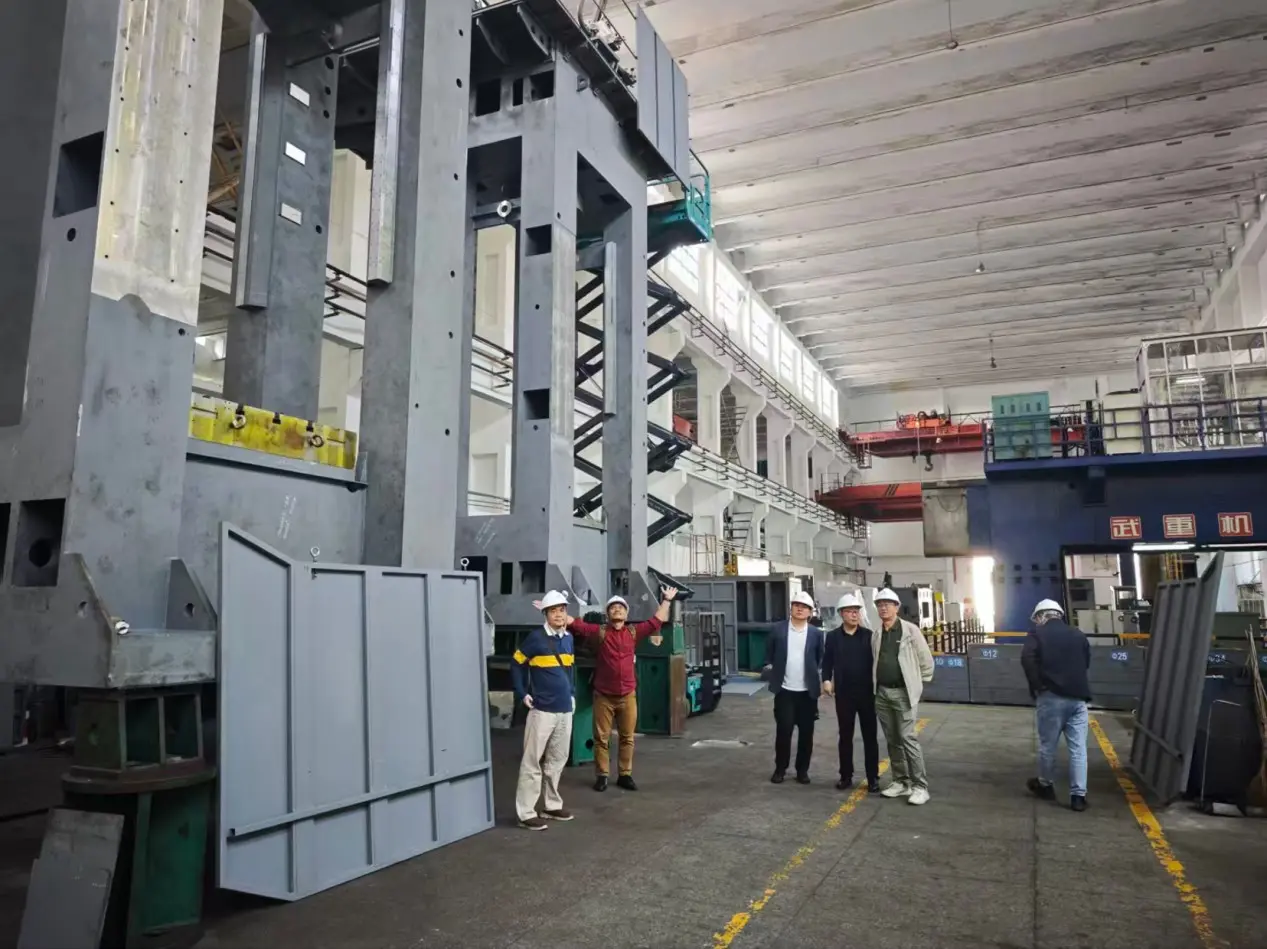
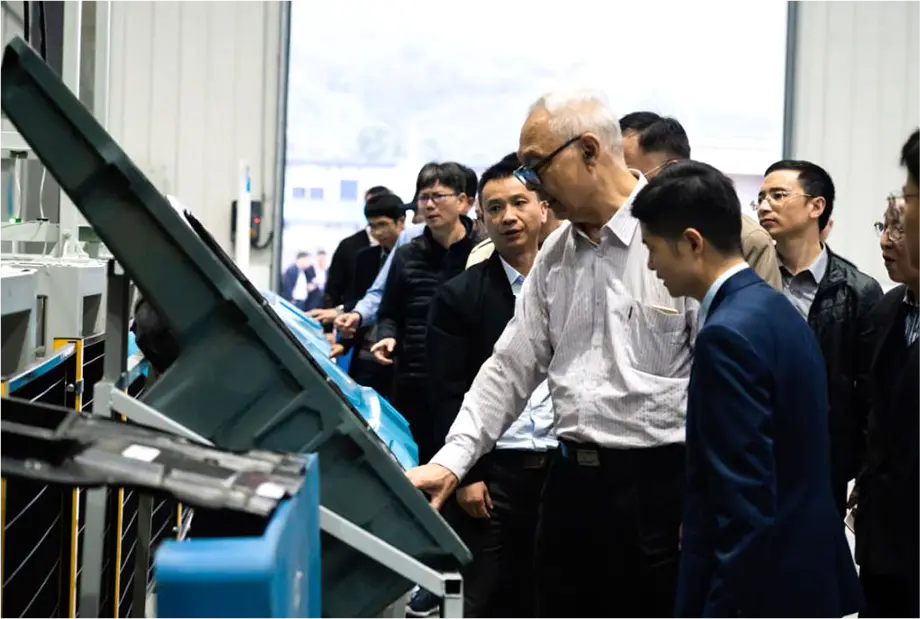
A delegation of Indonesian customers visited Jiangdong Machinery to inspect its capabilities, product quality, and technical strengths, laying a solid foundation for lightweight machinery supply lines...
View more →Recently, a delegation of Indonesian customers visited Jiangdong Machinery to inspect its capabilities, product quality and technical strengths, laying a solid foundation...
With the arrival of the new year, everything feels fresh and renewed. Recently, multiple partners from countries including Thailand, Indonesia, and Malaysia have successfully visited...
Chongqing Jiangdong Machinery Co., Ltd., a leading enterprise in China's metal forming and high-capacity hydraulic press industry, prepares to showcase new smart systems...
Answering crucial technical questions from engineering directors and procurement managers.
Deep system configurations for high-strength steel stamping, composites, and specialized forging.