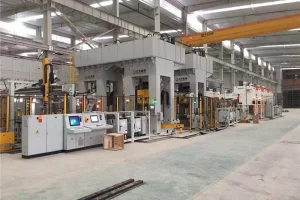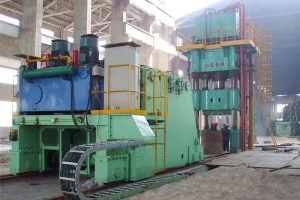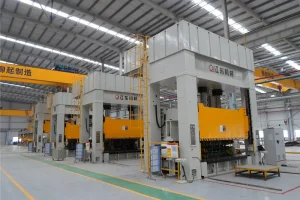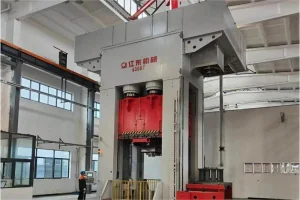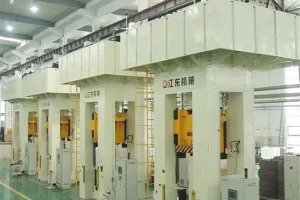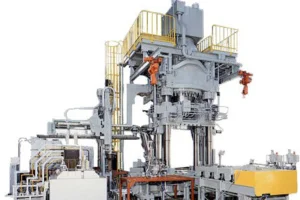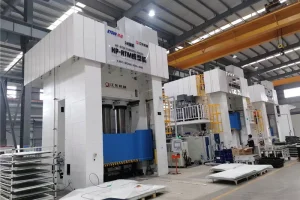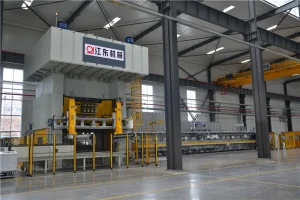
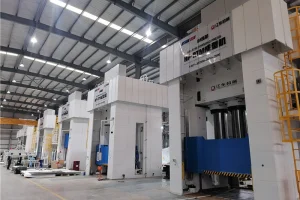
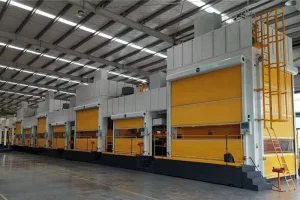
The industrial landscape for powder compacting press machines is undergoing a massive shift towards structural accuracy, energy conservation, and digitized control interfaces. Powder compacting, originally constrained to simple dry pressing and structural ceramic forming, has evolved into a key process for automotive lightweight parts, thermal management components, and advanced aerospace components. Global manufacturers are transitioning from conventional mechanical compaction systems to high-integrity servo-hydraulic systems to maintain uniform product density and reduce tool wear.
Modern powder compacting press machinery leverages advanced closed-loop feedback mechanisms that actively monitor force-displacement characteristics. These systems minimize the "neutral line deflection" during compression, which directly resolves density variations in complex multi-level components. Integrating high-performance materials like titanium alloys, silicon carbide, and advanced soft magnetic composites requires reliable pressure distribution profiles across the die cavity. Consequently, sourcing from highly certified suppliers who balance structural innovation with cost effectiveness is essential for long-term viability.
Real-time compensation adjustments ensure uniform compaction density, resolving the structural vulnerabilities common in complex, multi-level components.
Using energy-efficient servo drives lowers energy consumption by up to 50% compared to traditional continuous-run hydraulic circuits.
Equipped with thermal and acoustic emissions monitoring sensors to predict punch wear and prevent costly unexpected downtime.
Furthermore, the demand for discount powder compacting press machines does not point to lowered quality. Instead, it indicates a structured approach to sourcing optimized, value-engineered machinery. By stripping out redundant features while maintaining high-grade servo-valves, structural tie-rods, and reliable PLC controllers, suppliers can offer cost-effective machinery. This meets the performance requirements of medium-to-large scale manufacturers globally without inflated capital expenditure.
Industrial procurement departments prioritize structural reliability and total cost of ownership (TCO) over simple purchase price. When analyzing potential suppliers for powder metallurgy or composite compacting presses, procurement managers evaluate specific performance standards:
Established Year
Patent Achievements / Year
Scientific Research Innovations / Year
CE & ISO Certified Delivery
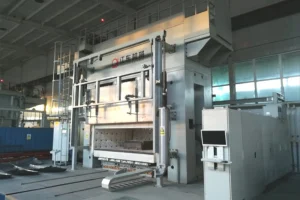
Delivering high-performance hydraulic forming technology and integrated production solutions globally.
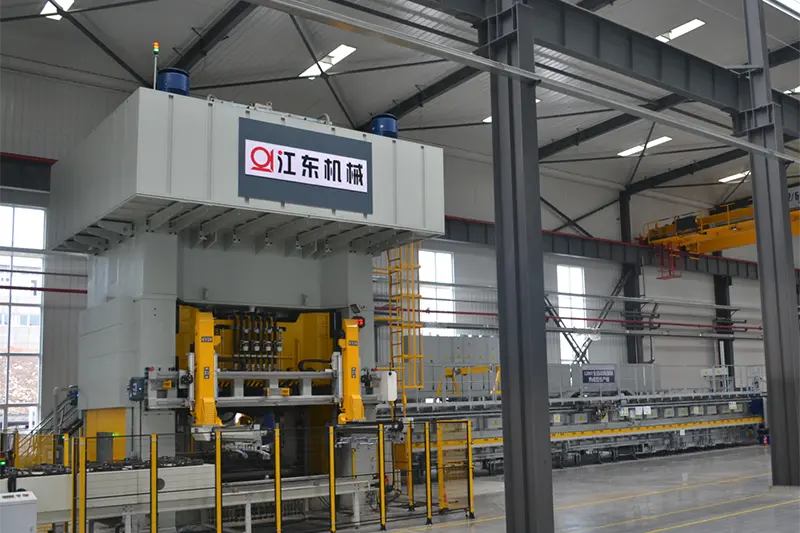
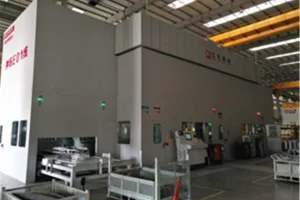
High-efficiency automated systems for automotive body parts, stamping lines, and heavy-duty forging operations.
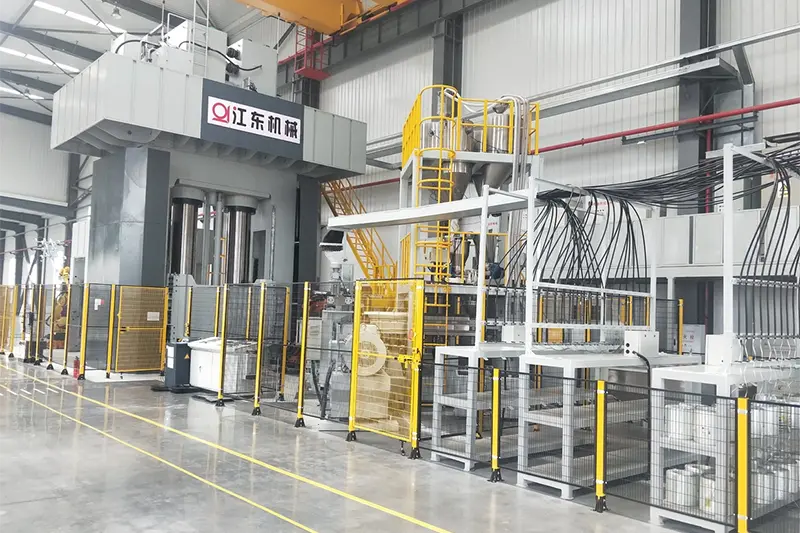
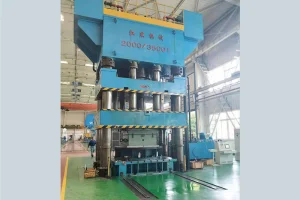
Advanced composite compression molding for high-strength, lightweight structures using LFT-D, SMC, and carbon fiber materials.
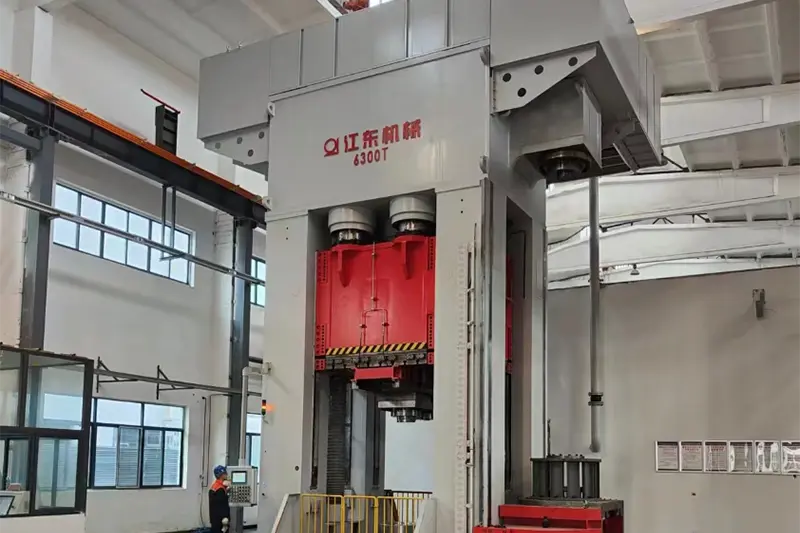
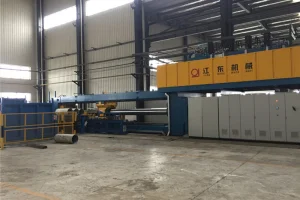
Tailored aerospace and energy sector production systems, including superplastic forming and deep-draw stretching.
Established in 1937, Chongqing Jiangdong Machinery Co., Ltd. (Jiangdong Machinery) is a leading provider of forging equipment, lightweight forming technologies, lightweight automotive components, and custom stamping tooling. Our extensive manufacturing and engineering background enables us to deliver fully integrated, high-efficiency production systems.
Our focus on hydraulic press manufacturing ensures advanced automation, intelligence, and system flexibility. We offer tailored metal and non-metal hydraulic forming systems alongside complete technical processes, particularly for automotive weight reduction and high-integrity structural components.
Jiangdong Machinery delivers complete engineering services, matching structural specifications with robust system design to supply dependable turn-key solutions.
As industrial manufacturing shifts toward smart factory systems, powder compacting machinery development is aligning with several key technological trends:
Implementing neural network algorithms allows compacting presses to modify speed profiles based on changing powder flowability, humidity, and temperature. This micro-adjustment capability keeps product tolerances tight even when raw material qualities vary.
Modern production installations use a live digital twin database. Engineers can simulate tooling fatigue, stress load distribution, and cycle times before running physical production, minimizing the risk of tooling breakage.
Future systems emphasize carbon reduction targets. Through kinetic energy recovery systems (KERS), deceleration forces generate energy that is returned to the electrical grid, optimizing power usage during high-frequency production runs.
Operating in global markets like the EU, North America, and Southeast Asia requires adherence to strict safety and regulatory frameworks. Our machinery line is built to comply with global safety guidelines:
To support overseas installations, we provide regional technical teams, remote diagnostics networks, and local warehousing for critical wear parts. This approach minimizes downtime and simplifies maintenance schedules.

Customized Solutions

Remote Service

Maintenance

Technical Support

Spare Parts
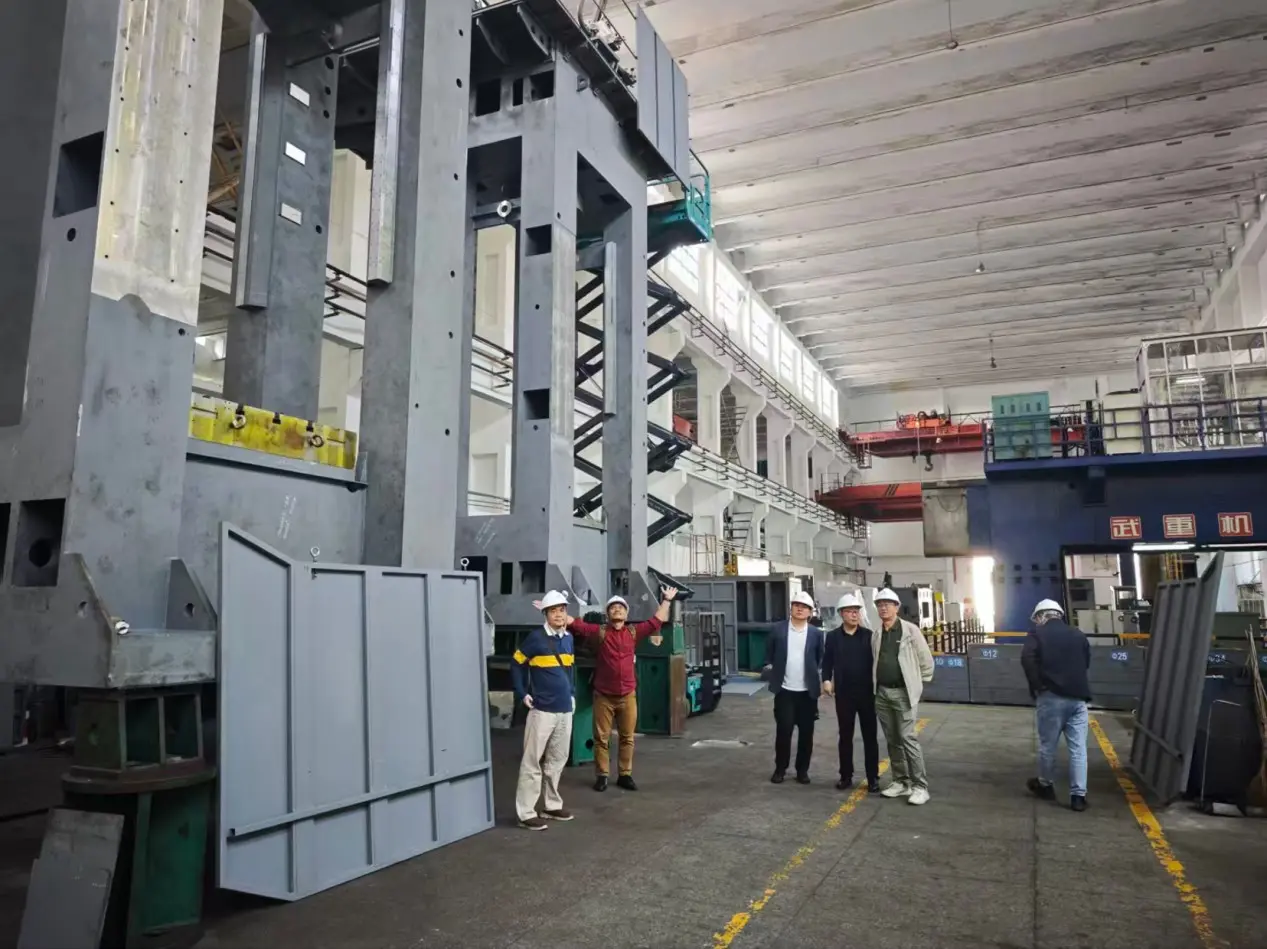
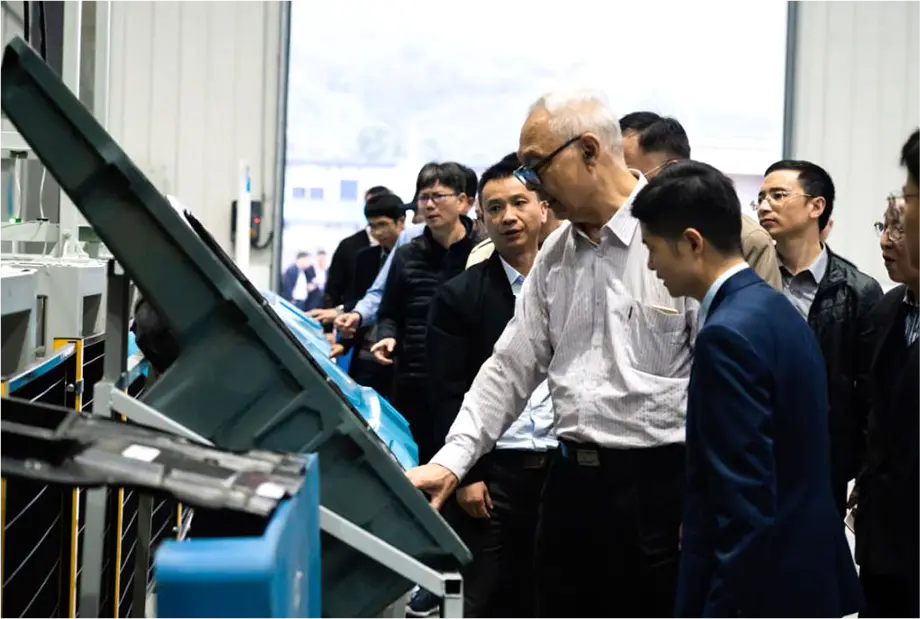
Recently, a delegation of Indonesian customers visited Jiangdong Machinery to inspect its manufacturing capabilities, product quality, and technical strengths, laying a solid foundation for new cooperation in automotive components forming.
Read Full Story →Delegates from automotive suppliers visited the Jiangdong manufacturing campus to review our automated production setups and lightweight forming capabilities...
Partners from Thailand, Indonesia, and Malaysia visited Chongqing to discuss regional support networks and inspect composite molding machinery orders...
Jiangdong Machinery presented its newest generation of intelligent servo-hydraulic presses and composite forming technologies at a recent trade exhibition...