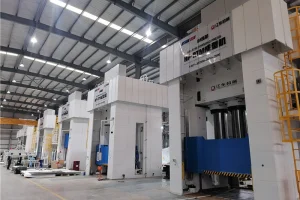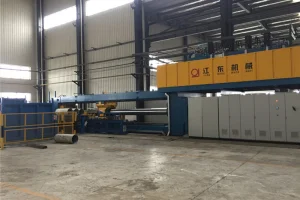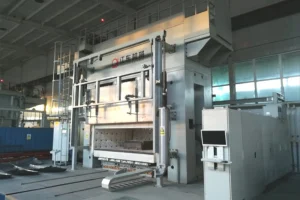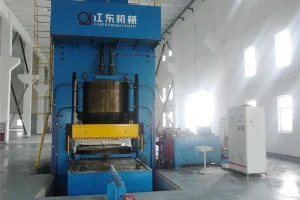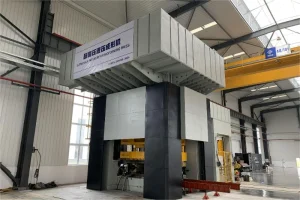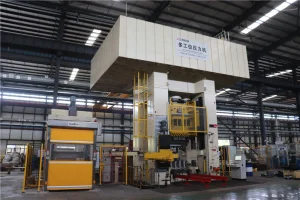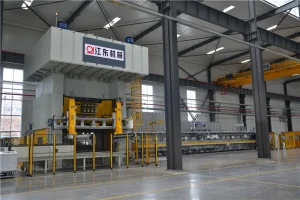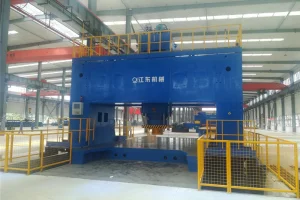
Explore our high-performance manufacturing units engineered to support composite stamping, superplastic forming, and advanced sheet metal shaping.
In modern industrial manufacturing, the quest for structural efficiency and material weight reduction has driven massive innovation in composite molding and hydraulic pressing. Lightweighting is no longer just a trend in specialized sectors like aerospace; it has become a mandatory paradigm for global automotive manufacturing, transport systems, and energy storage. Long Fiber Reinforced Thermoplastics (LFT), combined with state-of-the-art hydraulic technologies, lead this paradigm shift. By maintaining high fiber aspect ratios throughout the molding cycle, these materials provide mechanical characteristics previously restricted to metal matrices—yet they preserve the fast cycles and design freedoms characteristic of engineered polymers.
The manufacturing process of Long Fiber Reinforced Thermoplastics is categorized into pellet injection (LFT-G) and direct compounding-molding (LFT-D). The LFT-D (Long-Fiber Reinforced Thermoplastic Direct) process bypasses the pelletizing step entirely, compounding glass or carbon fibers directly into the polymer melt immediately before compression molding. This method minimizes shear stresses, reducing fiber degradation and degradation of the polymer matrix itself.
Chongqing Jiangdong Machinery Co., Ltd. has developed specialized hydraulic lines designed to manage the precise cycle parameters required for successful composite compression molding. Modern structural parts rely on complex technical routes:
| Process Tech | Typical Reinforcement | Fiber Length Retention | Target Cycle Time | Ideal Application Fields |
|---|---|---|---|---|
| LFT-D | Glass / Carbon (Continuous feed) | 10 mm to 25 mm | 45 to 90 seconds | Automotive bumper beams, front-end carriers, battery trays |
| HP-RTM | Carbon fiber woven fabrics | Continuous network | 60 to 180 seconds | Class-A body panels, structural roof arches, EV battery enclosures |
| GMT | Glass mat (Random or directional) | > 25 mm | 50 to 100 seconds | Underbody protection shields, seat structures, engine covers |
| SMC | Chopped glass fibers & fillers | 25 mm to 50 mm | 60 to 120 seconds | Heavy truck body components, electrical enclosure boxes |
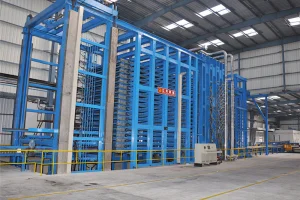
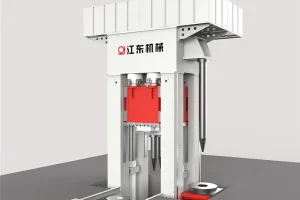
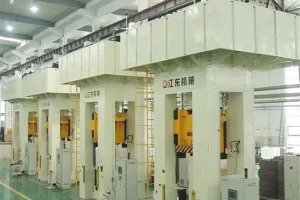
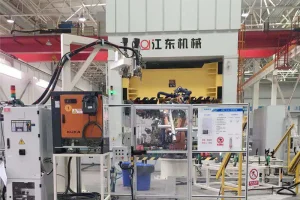
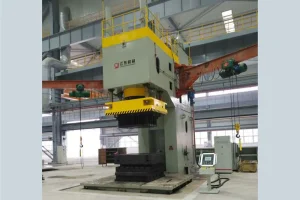
Integrating intelligence, speed, and precision control across various lightweight forming technical paths.
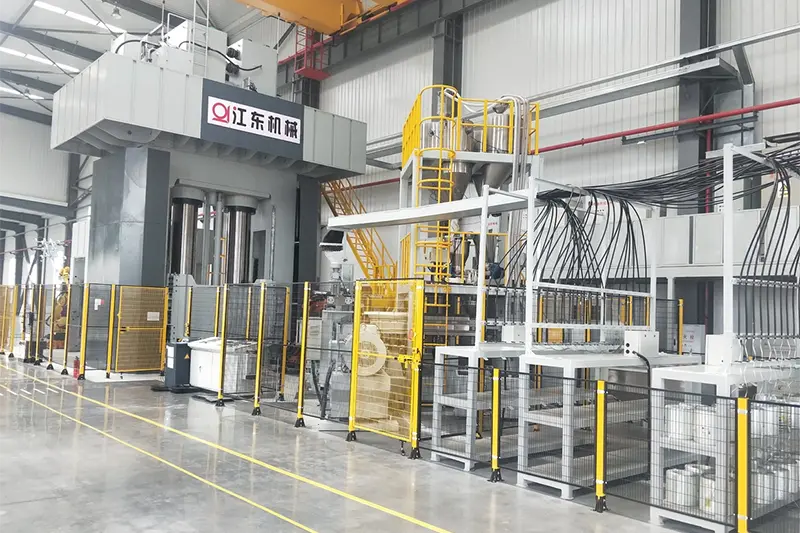
Direct melt extrusion coupled with robotic loading and high-speed compression pressing, reducing material costs while maximizing fiber aspect ratio retention.
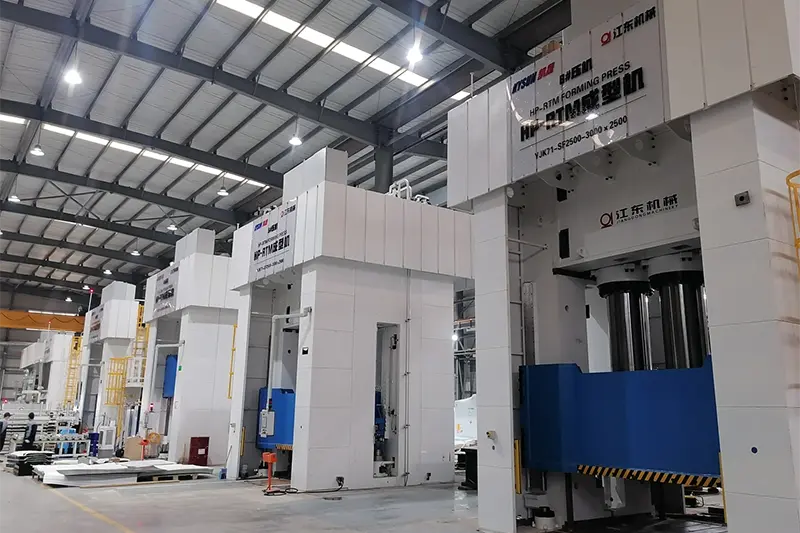
Advanced high-pressure mixing and dosing heads combined with rapid-closing hydraulic presses to enable aerospace-grade carbon fiber components in high volumes.
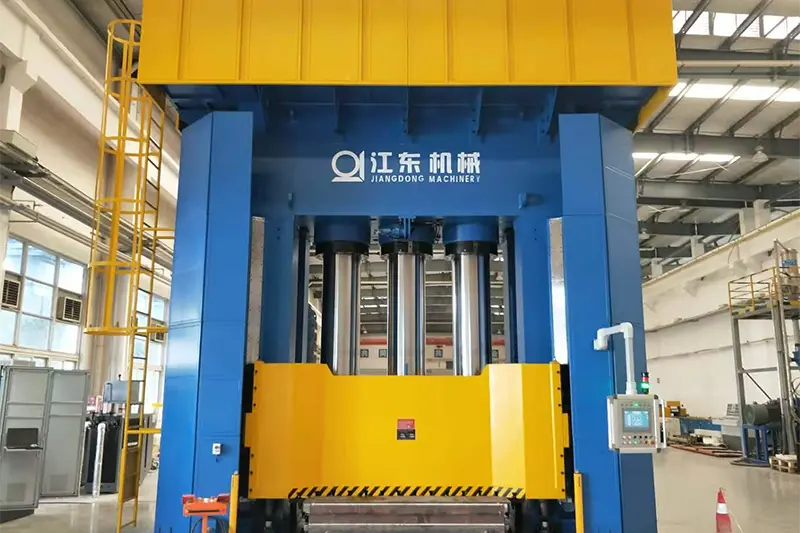
Thermal oil heated platens, multi-stage pressure profiling, and rapid degassing control algorithms optimized for complex mold geometries.
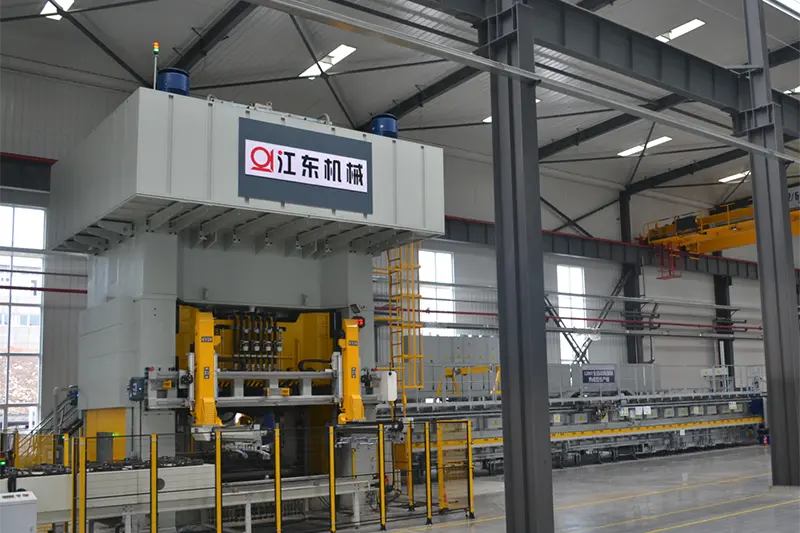
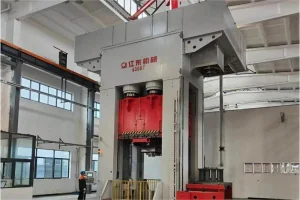
High-speed hot stamping for ultra-high-strength steel and aluminum panels, providing rapid thermal quenching and precise structural control.
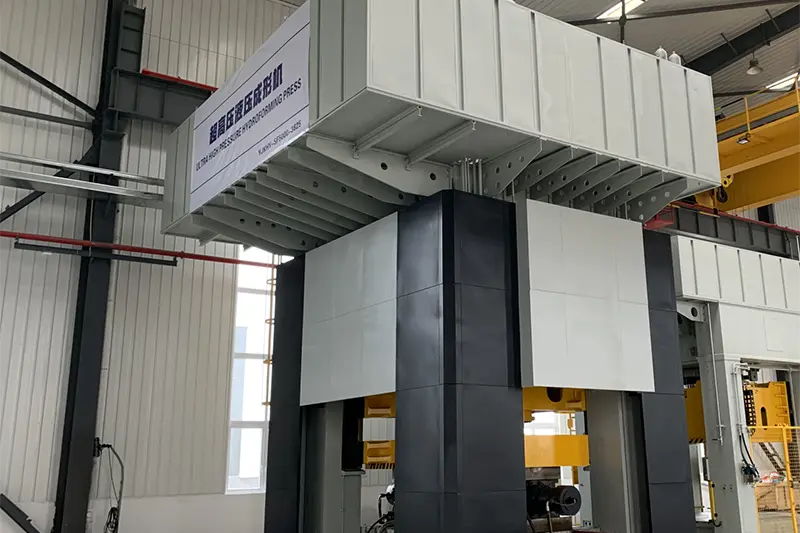
Forming complex hollow structural components from tubes or sheets via high-pressure fluid injection. Ideal for engine cradles and subframes.
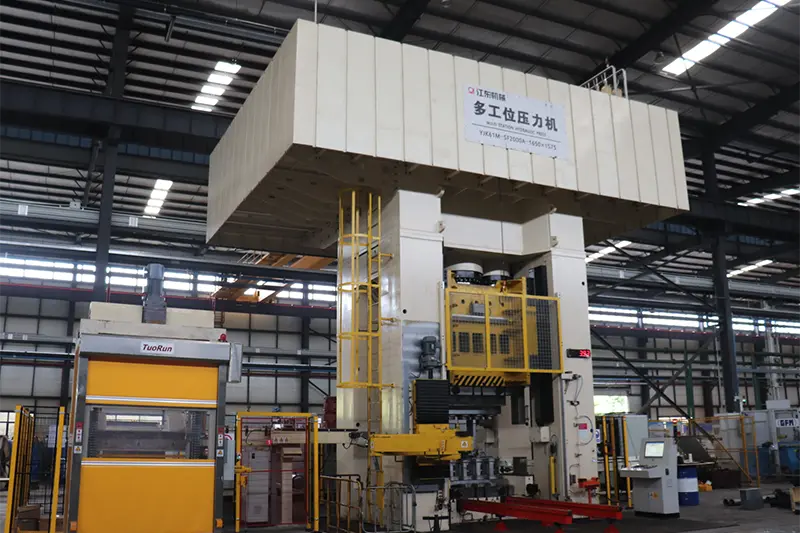
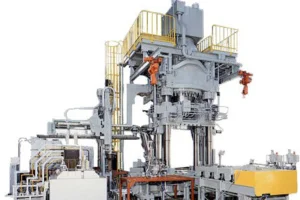
Automated transfer presses configuration for cold, warm, or hot extrusion, ensuring rapid serial production of complex metal parts.
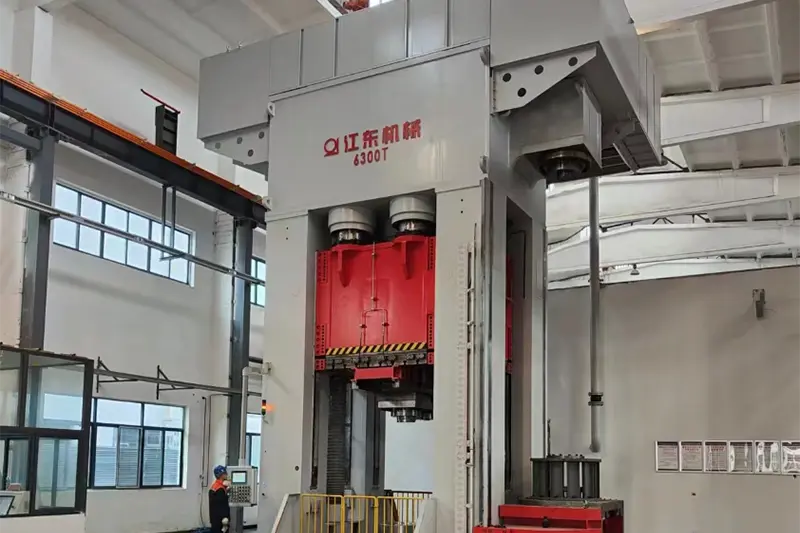
Maintains mold and workpiece at matching high temperatures, perfect for high-value titanium and nickel-based superalloys forming.
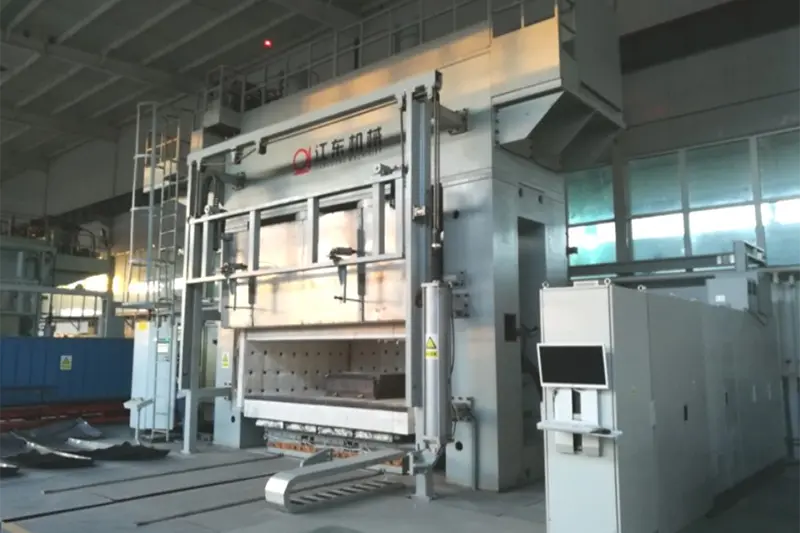
Enables ultra-high elongation and zero-stress forming of complex light-alloy sheet parts for aerospace and defense structures.
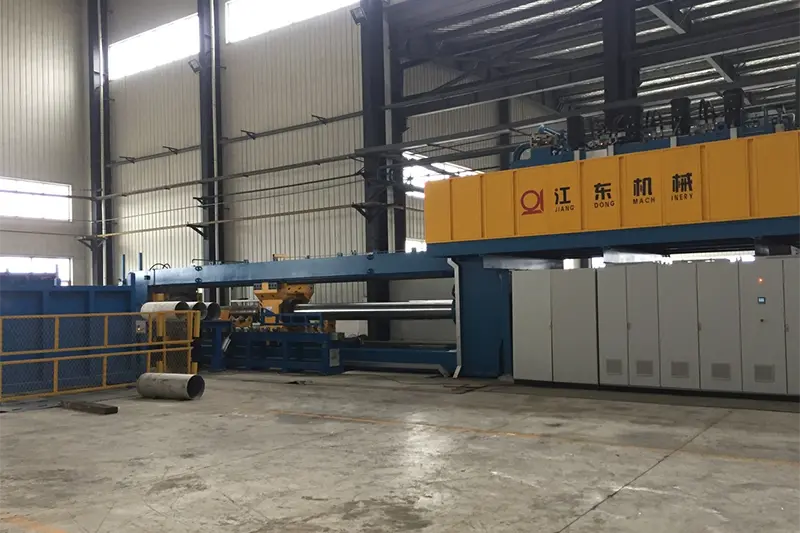
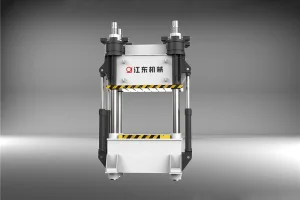
Designed for heavy-duty gas cylinder and industrial accumulator shell drawing, featuring multi-stage hydraulic stroke configurations.
In practice, long fiber thermoplastics perform in structural locations that experience variable and dynamic loading. Understanding how these applications function in industrial environments helps in choosing the proper machinery, die assemblies, and raw chemical compositions:
Established in 1937, Jiangdong Machinery has grown into a comprehensive forging and forming powerhouse, integrating scientific R&D, heavy-duty production, global distribution, and professional service. Specializing in advanced hydraulic presses, lightweight forming technologies, hot and cold stamping dies, and non-metal composite processing, Jiangdong Machinery is at the forefront of global lightweight industrial transformation.
Our facility houses modern R&D labs and automated assembly lines, enabling the construction of custom machinery configurations with advanced hydraulic logic and electronic control architectures. By controlling the supply chain from raw metal castings to software engineering, we deliver equipment that meets global performance and reliability requirements.
DISCOVER OUR HERITAGEIn the global market, sourcing capital equipment requires trust, consistency, and compliance. Modern component suppliers cannot afford unexpected downtime or regulatory issues. Operating from Chongqing, China—one of the largest industrial manufacturing and logistics hubs in the world—Jiangdong Machinery leverage local supply chain integration to maintain reliable production times.
Our raw material sourcing, cast frame casting, heavy precision machining, assembly, hydraulic integration, and programming are kept in-house. This centralized control insulates our production cycles from external disruptions. We maintain a reliable network for precision electronics, sourcing sensors and valves from reputable European and Asian suppliers to ensure global parts compatibility.
Regulatory Compliance & Certification: All exports from our manufacturing facility conform to local regulations. Our composite molding and hydraulic pressing lines carry CE certification, meet OSHA safety codes for North America, and adhere to strict ISO 9001 and ISO 14001 environmental and quality control protocols. Active safety systems, optical light curtains, and high-redundancy hydraulic locking mechanisms are integrated into all standard press builds.
From initial design to decommissioning, our global service teams provide engineering expertise, remote support, and spare parts supply.

Customized Solutions

Remote Service

Maintenance

Technical Support

Spare Parts
Keep track of technological progress, cooperative visits, and international milestones.
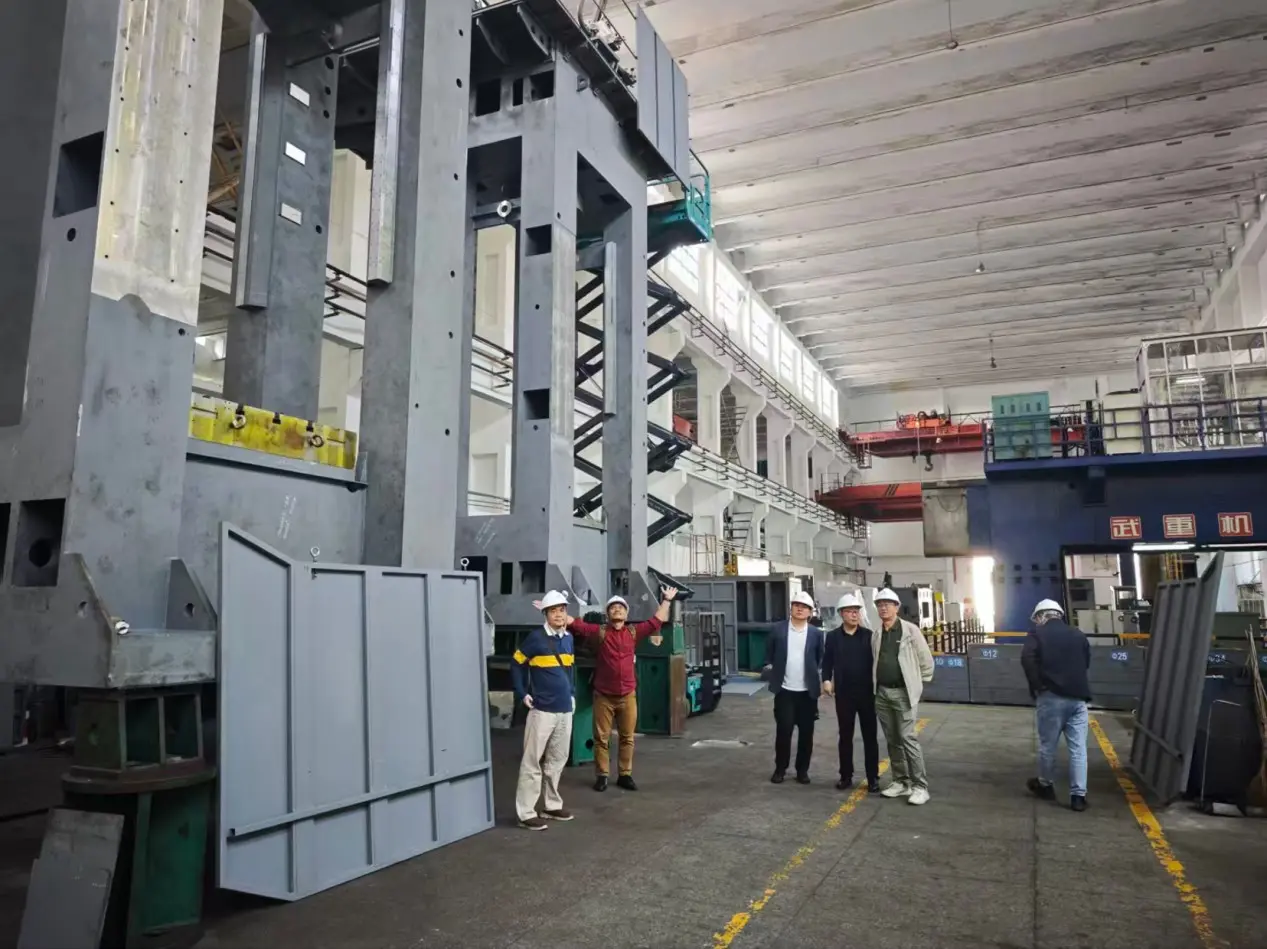
Delegates visited our manufacturing base to review production capabilities, quality standards, and technical engineering services. Discussions concluded with long-term cooperation agreements in structural steel forming and high-pressure system sourcing.
Delegates assessed our core facilities, structural assembly lines, and composite research divisions to establish structural project cooperations.
Partners from Thailand, Indonesia, and Malaysia visited our factories to review project delivery for hydraulic presses and composite production lines.
Jiangdong Machinery displayed high-speed stamping, composite hot compression, and digital-twin control systems at international industrial exhibitions.
Expert answers regarding composite forming machinery, lead times, customization capabilities, and operational variables.
Contact our structural engineers to discuss your cycle time targets, material choices, and custom machinery parameters.
From hydroforming systems to heavy-duty forging lines, we build machinery to meet demanding manufacturing tolerances.