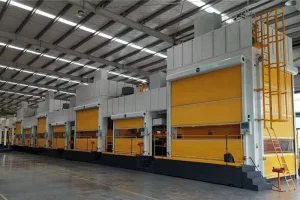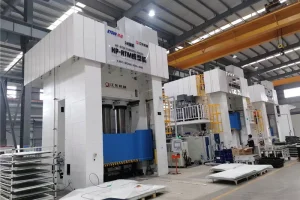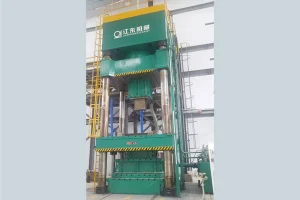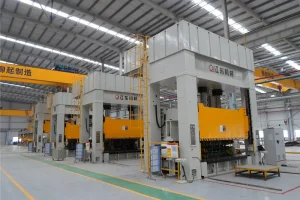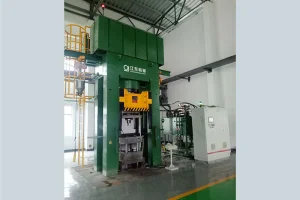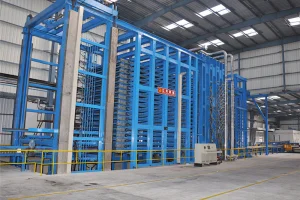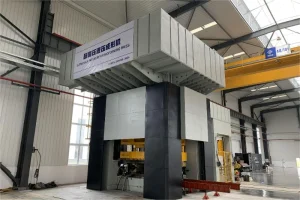
Explore our premium machinery line, designed for extreme tolerances, structural component processing, and multi-axis load calibration.
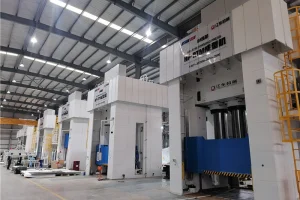
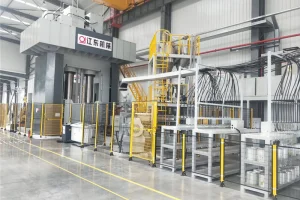
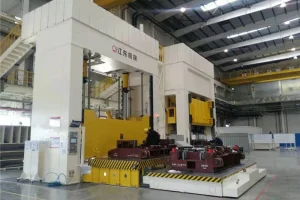
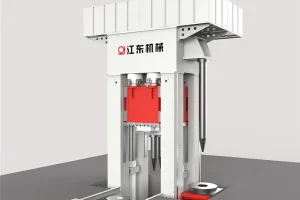
Analyzing key market shifts, IoT-enabled fluid dynamics, lightweighting structures, and systemic pricing strategies.
Modern commercial purchasing agents in the heavy manufacturing sector are looking past initial capital expenditures (CAPEX) to prioritize total cost of ownership (TCO) and adaptive system integration. Today's hydraulic controls demand higher precision, digital integration (EtherCAT, PROFINET), and proportional valve technologies that reduce cycle times by up to 35%. Procurement teams must source systems that align with global grid standards, energy compliance regulations, and localized spare part supply channels.
Chinese smart factories have evolved beyond basic mechanical assembly, shifting toward complete, software-driven fluid system integration. Jiangdong Machinery leads this evolution by combining raw manufacturing capacity with precise mechanical, hydraulic, and software coordination. This high level of vertical integration insulates supply chains from global disruption, assuring rapid engineering turnarounds, predictive component dispatch, and modular control system customization.
Driven by the rapid growth of automotive lightweighting (aluminum, carbon fiber composites, high-strength steels), heavy machinery suppliers are being forced to upgrade their structural capacities. Industry lines now demand closed-loop control systems capable of maintaining stable pressure structures within +/-0.5% tolerances. This capability is crucial for advanced processes like hydroforming, isothermal forging, and high-pressure resin transfer molding (HP-RTM).
Our solutions span across sheet metal stamping, composite compression molding, and highly specialized thermal forming techniques.
Delivering high-efficiency solutions through multi-axis control, dynamic heating systems, and active energy recovery.
Leveraging internal fluid pressure up to 4000 bar (400 MPa) to expand tubular metals inside complex cavities. This technology decreases structural automotive component weights by 20-40% while enhancing dimensional stiffness.
Rapid transfer of high-strength boron steels from furnaces to cooled dies, achieving tensile strength values above 1500 MPa. Ideal for B-pillar panels, bumper beams, and structural crash cages.
Processing systems engineered for LFT-D and HP-RTM composites, offering precise temperature-speed profiling for thermosets and thermoplastics in aerospace and luxury transport.
Established in 1937, Jiangdong Machinery has grown to become a premium international force in heavy engineering, hydraulic control integration, lightweight forming, and tooling manufacturing. Our facilities feature advanced mechanical design bays and integrated software modeling systems, allowing us to supply tailored turnkey solutions to global Tier-1 automotive and aerospace firms. We combine high-speed hydraulic controls, adaptive PLC interfaces, and durable mechanical frameworks.
Explore Corporate HistoryComprehensive engineering consulting, remote IoT diagnostic services, and spare parts supply lines.

Custom Solutions

Remote Service

Maintenance

Technical Support

Spare Parts
Stay informed on our recent strategic moves, site visits, and updates from international technology expos.
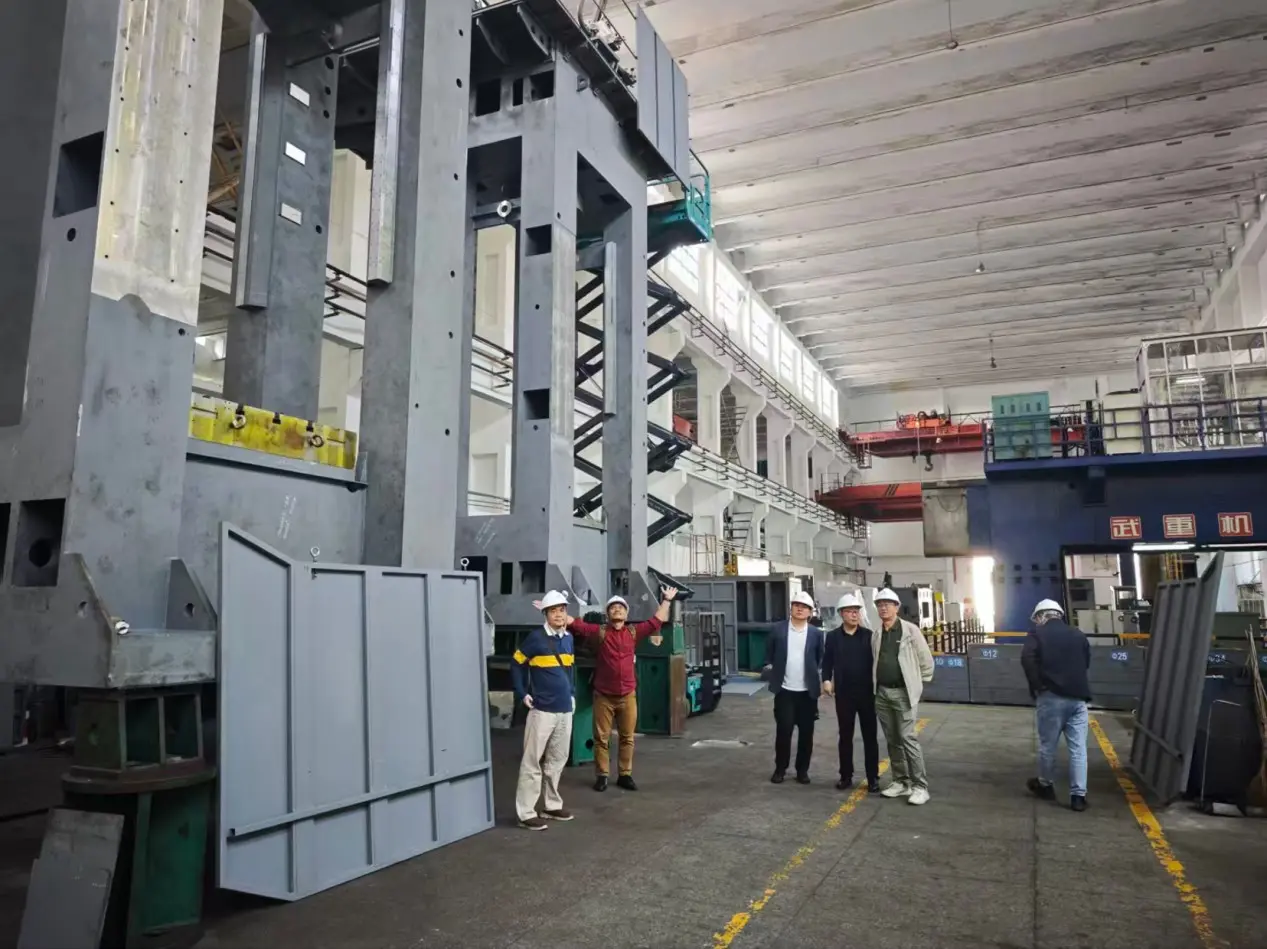
Delegation visits Chongqing production base to review mechanical fabrication capabilities, intelligent control programming, and line integration before signing strategic supply agreements.
Delegates inspect the manufacturing precision of titanium alloy superplastic forming presses and composite fiber production lines.
Showcasing smart electro-hydraulic control packages, proportional valve calibration platforms, and predictive failure detection architectures.
Key technical answers regarding system pricing, custom hydraulic specifications, installation, and design standards.
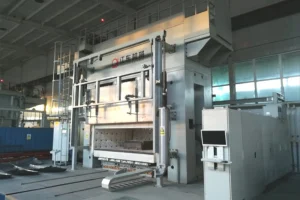
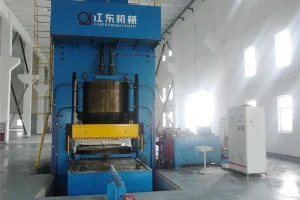
Explore our deep-drawing, straightening, and superplastic forming lines built for specialized metals and heavy-duty alloys.
Get in touch with our design engineers to review equipment integration specifications, control modules, and structural footprints.