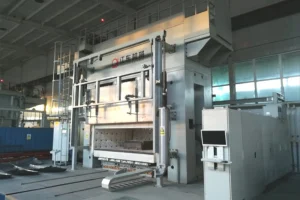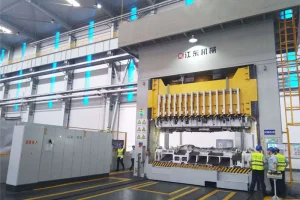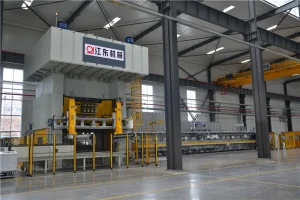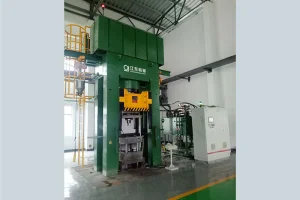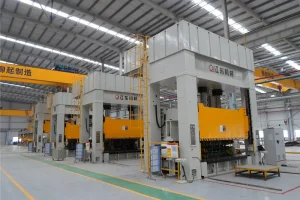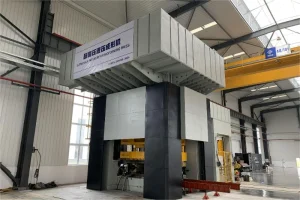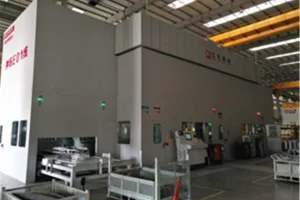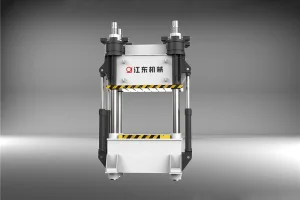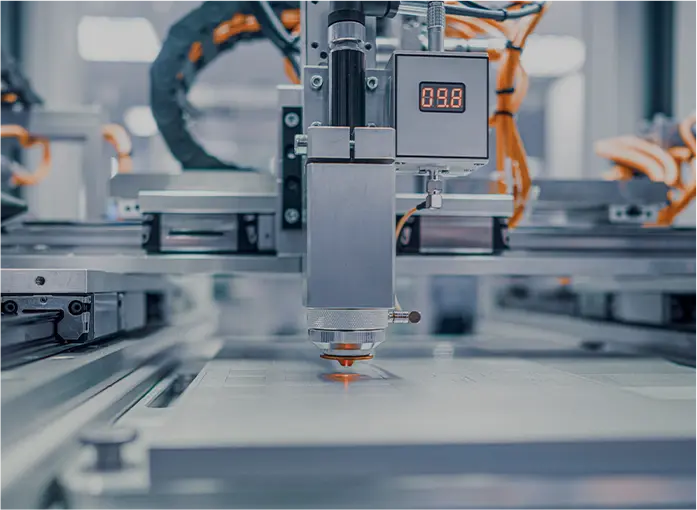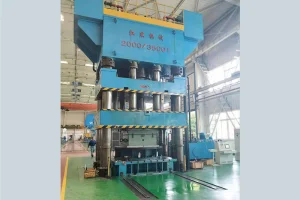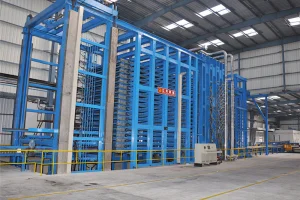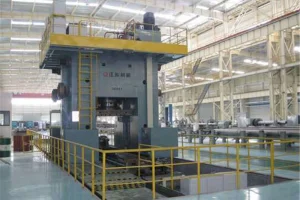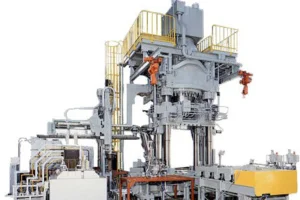
Global engineering solutions including CE-certified superplastic forming systems, high-speed hot stamping lines, and custom die tryout setups.
Hydraulic upsetting forming technology represents a critical sub-segment of industrial metalworking and plasticity engineering. At its core, upsetting refers to the process of axially compressing a workpiece (typically bars, billets, or tubular stocks) to decrease its length while simultaneously increasing its cross-sectional area. Applying hydraulic power to this process introduces dynamic precision, variable control, and energy efficiency that mechanical, motor-driven options cannot match. In structural components subject to extreme mechanical and thermal fatigue—such as aerospace fasteners, automotive engine valves, drill rods, and turbine shafts—hydraulic upsetting is indispensable.
Modern hydraulic upsetting presses operate under precise stroke, velocity, and pressure profiles. This optimization prevents critical defects like internal buckling, shear cracking, and uneven grain flow. Unlike traditional forge hammering, hydraulic systems supply a constant, controlled force that ensures homogeneous microstructural deformation. This precise displacement control allows operators to work with complex geometries, high-temperature superalloys, and multi-layered composite materials, keeping modern production lines efficient and reliable.
On a global scale, the industrial demand for hydraulic forging, upsetting, and lightweight forming machinery is driven by three main factors: lightweight vehicle architectures, high-temperature aerospace materials, and decarbonization of production processes. North American, European, and Asian automotive sectors are shifting from heavy cast iron parts to high-strength aluminum, magnesium, and multi-phase ultra-high-strength steel (UHSS) structures. Hydraulic systems perform critical duties here, executing specialized steps like internal high-pressure hydroforming, die spotting, and hot stamping.
In aerospace manufacturing, the focus is on processing exotic titanium alloys (e.g., Ti-6Al-4V) and nickel-based superalloys. Because these metals exhibit high flow stress and narrow thermal operating windows, they require isothermal forging and superplastic forming (SPF). Under isothermal conditions, dies and workpieces are heated to identical temperatures, keeping the material in a highly plastic state. This process eliminates chill zones, enabling near-net-shape geometry production that lowers raw material costs and minimizes secondary machining.
An overview of specialized metallurgical forming processes and production systems engineered by Jiangdong Machinery.
Applies high fluid pressure to expand hollow tubes into complex dies, maximizing structural rigidity while reducing overall weight.
Combines heat treatment and hydraulic press forming in a single operation, ideal for ultra-high-strength boron steels.
Enables high-volume progressive cold and warm extrusion, reducing material waste and increasing cycle speeds.
Leverages the exceptional elongation properties of alloys at elevated temperatures to fabricate highly complex single-sheet structures.
High-pressure molding systems for fiber-reinforced plastics, optimized for structural and high-aesthetic components.
Advanced forming technologies tailored for manufacturing heavy-duty defense and energy sector components.
Detailed classifications map manufacturing methods directly to target industrial components.
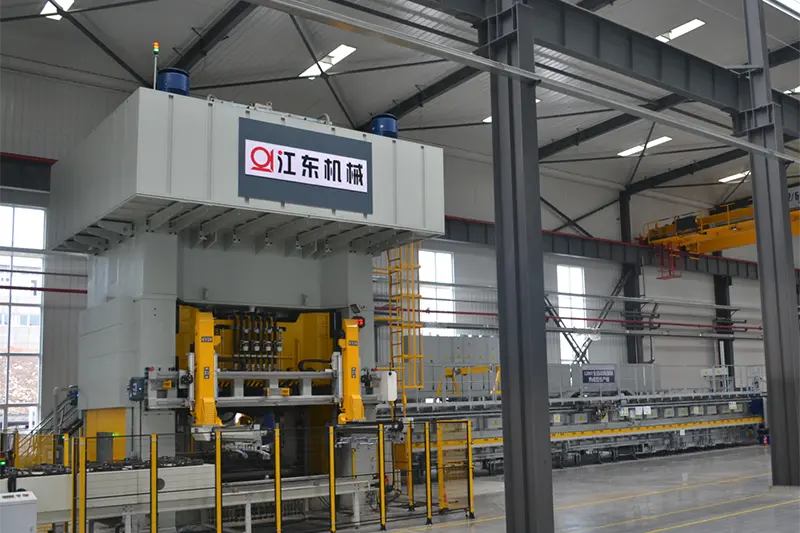
Automated hot stamping lines and high-pressure fluid hydroforming systems engineered for lightweight automotive structural parts.
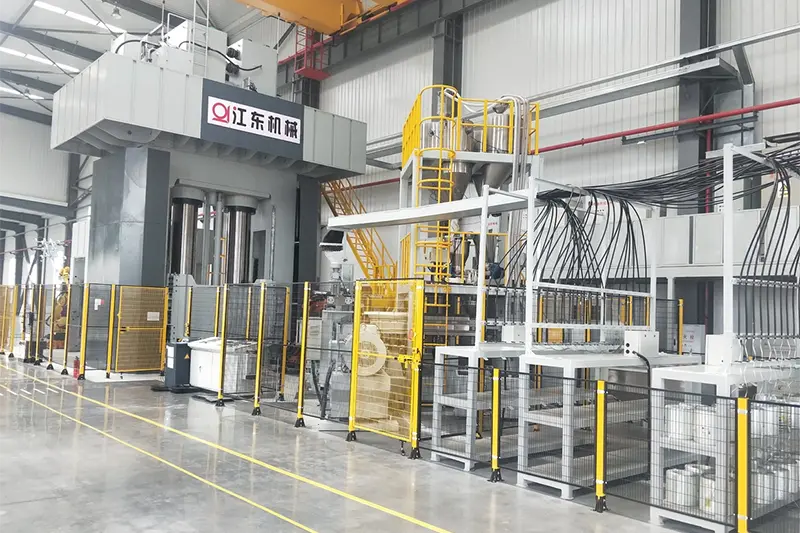
Precision tooling integration for thermoplastic and thermoset composites, including carbon fiber and fiberglass structural layouts.
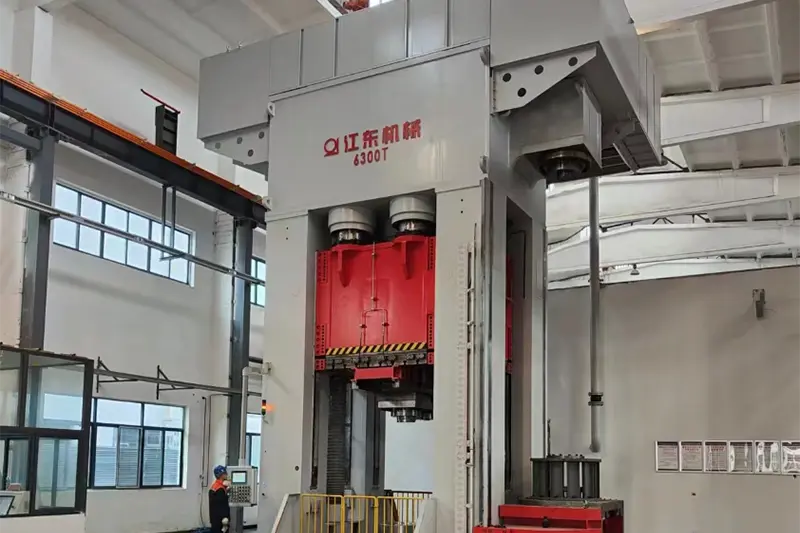
Specialized forming presses for high-stress defense and energy applications, including isothermal systems and superplastic forming lines.
Established in 1937, Chongqing Jiangdong Machinery Co., Ltd. (Jiangdong Machinery) is a leading designer and manufacturer of hydraulic forging equipment, tooling dies, and lightweight forming production lines. Based in Chongqing, China, the company operates high-end manufacturing facilities that integrate advanced design, production, and mechanical testing.
Jiangdong Machinery specializes in complete processing systems for lightweight metals (aluminum, magnesium, titanium alloys, ultra-high-strength steel) and advanced composites. With decades of metalforming experience, the company serves global automotive, aerospace, and energy sectors by providing customized, automated, and green turnkey systems.
88+ Years Engineering
Items Per Year
Annually Released
We deliver customized hydraulic technology, remote monitoring, and on-site support to keep your production running smoothly.

Customized Solutions

Remote Diagnostics

Preventive Maintenance

Technical Support

Original Spare Parts
Expert technical insights into machine selection, process optimization, and maintenance strategies.
Stay updated on our global operations, international client visits, and technical innovation milestones.
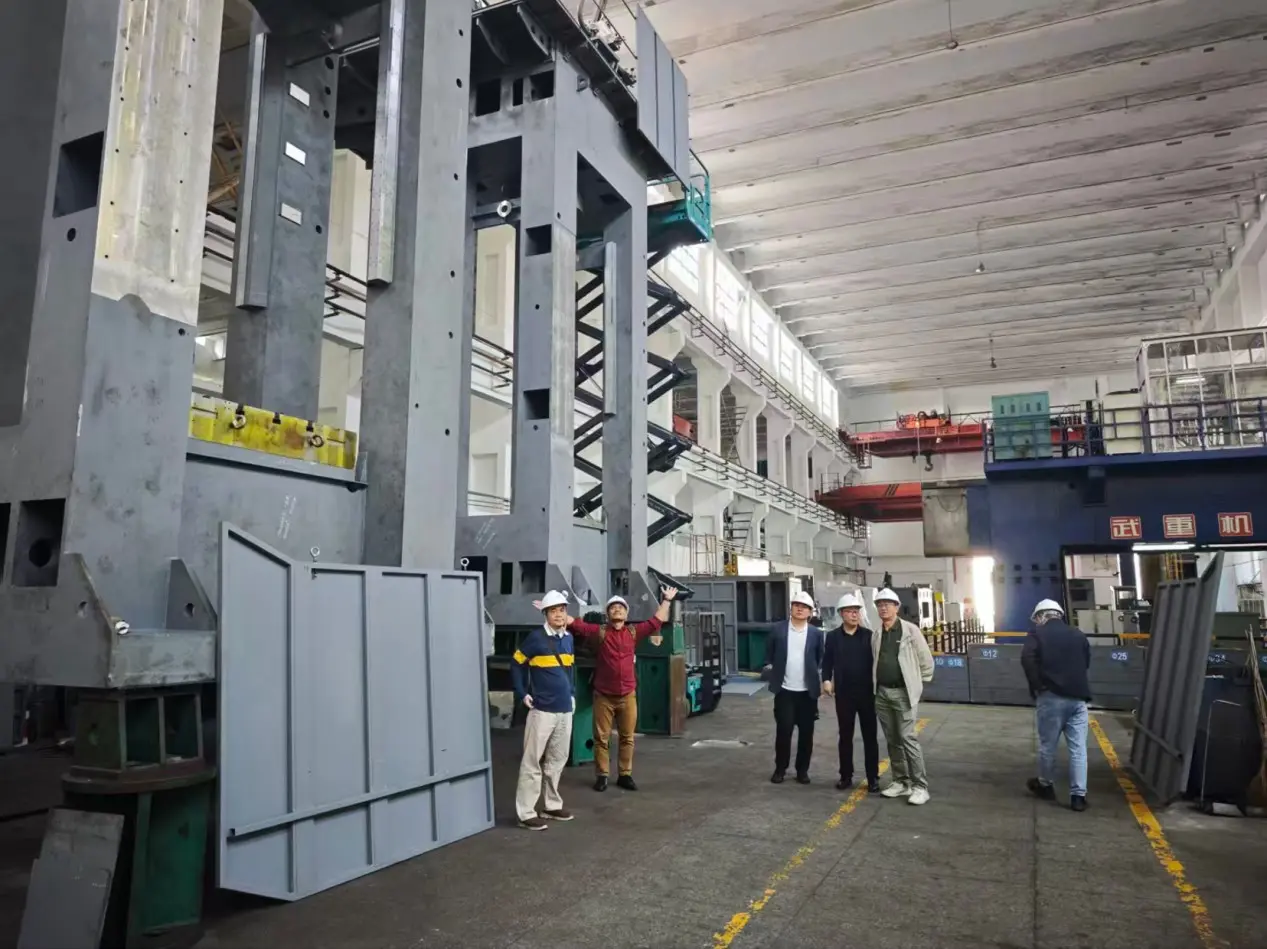
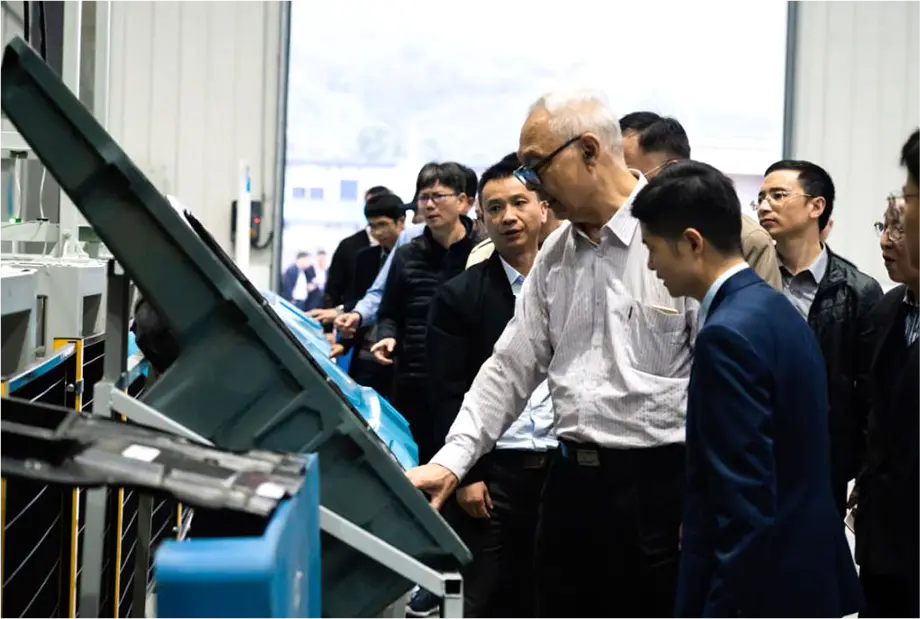
An industrial delegation from Indonesia recently completed an inspection of our CNC machining setups, assembly lines, and testing facilities, establishing new supply partnerships for sheet metal forming systems.
Automotive and structural component partners from Thailand, Indonesia, and Malaysia visited our facilities to audit newly developed lightweight stamping lines.
Jiangdong Machinery is expanding its global export footprint by launching comprehensive service partnerships for intelligent multi-station forging lines.
Receive a detailed feasibility study and system quote tailored to your production materials, volume requirements, and facility layout.
High-capacity systems including die-spotting, multi-station extrusion, double-action deep drawing, and gantry straightening presses.