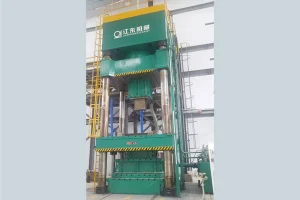
Executive Whitepaper: The Global Evolution of 250-Ton Hydraulic Systems
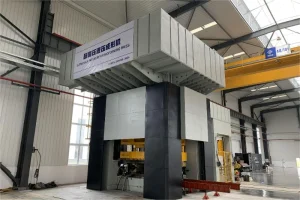
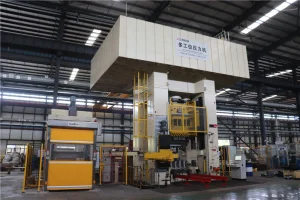
In modern manufacturing, industrial forming machinery acts as the backbone for structural components across several heavy industries. The 250-ton hydraulic press represents the optimal sweet spot in mechanical tonnage hierarchy—providing sufficient pressure to transform high-strength steel, structural composites, and metal powders, while maintaining a compact physical footprint that is energy-efficient and highly adaptive to automated lines. As industries pivot toward lightweight vehicles, aerospace efficiency, and high-performance alternative materials, 250-ton hydraulic technology has evolved from standard brute-force machinery into sophisticated, closed-loop, servo-controlled precision forming centers.
Macro Market Landscape and Supply Chain Economics
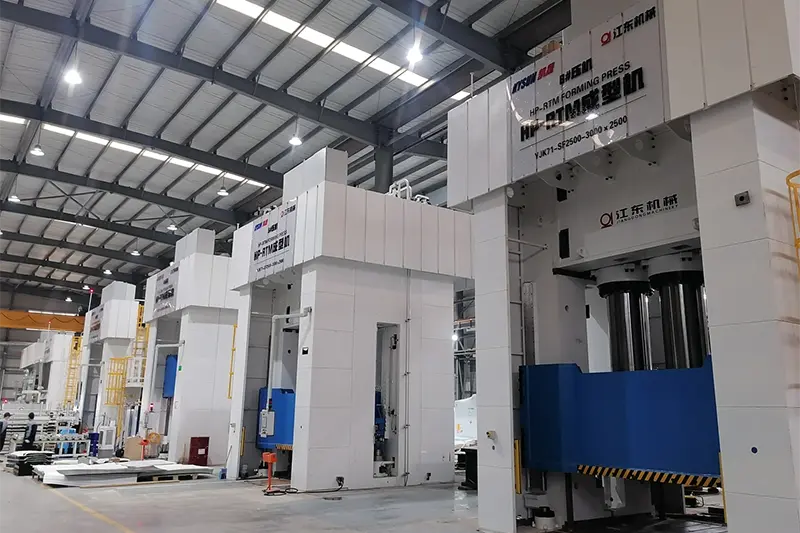
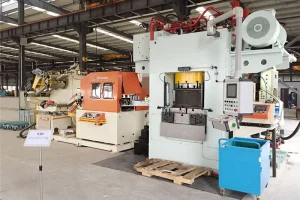
The macro-economic landscape for hydraulic press machinery has witnessed substantial regional shifting. In North America and Western Europe, demand is driven heavily by specialized composite tooling (e.g., LFT-D, HP-RTM) to feed the aerospace and commercial EV sectors. In contrast, East Asian markets like China, Japan, and Korea serve as massive export centers, dominating the production of mid-to-heavy plate stamping lines, automated cold cutting lines, and high-precision isothermal presses.
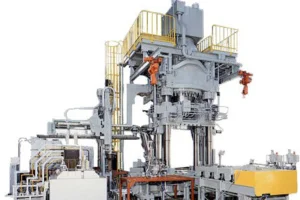
Pricing configurations vary widely based on technical specifications. Standard, manual-operation 250-ton H-frame presses start in the low tens of thousands of dollars, whereas fully integrated multi-station extrusion-forging lines, complete with robotics, active leveling, vacuum setups, and complex dies, can cost upward of half a million dollars. Importers must evaluate factors beyond initial machinery acquisition costs: total energy efficiency (servo vs. induction motors), duty cycle ratings, valve response times, and local CE/OSHA regulatory compliance certificates.
Technical Matrix: Comparative Analysis of Hydraulic Press Configurations
| Configuration Type | Tonnage Accuracy | Deflection Resistance | Primary Application Profile | Cost Factor (Est) |
|---|---|---|---|---|
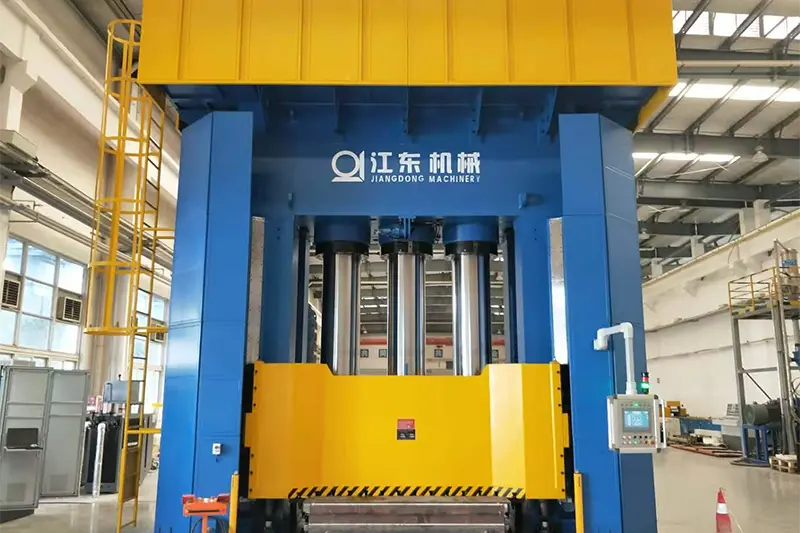
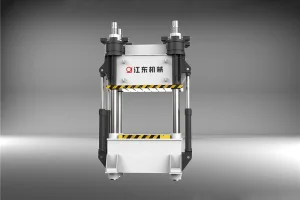
| 4-Column (Four-Post) | High (Co-axial guide) | Moderate (Lateral bias risk) | Deep drawing, composite molding, metal powder products | Standard - Moderate |
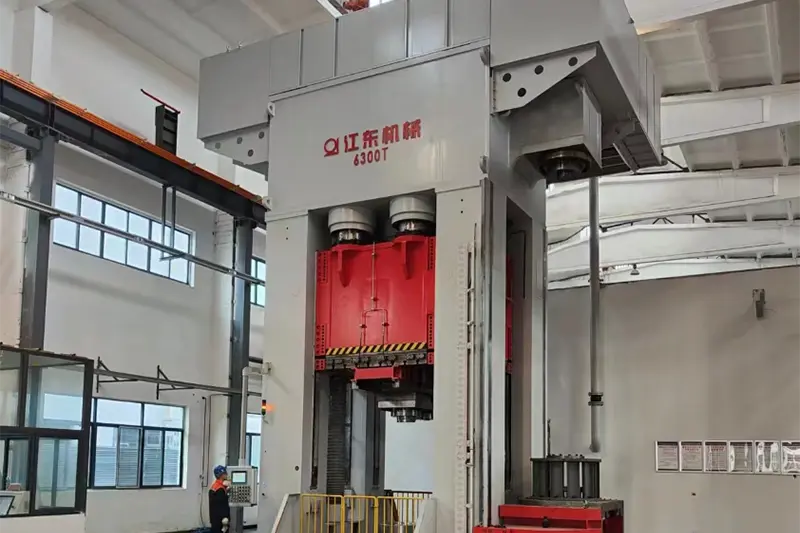
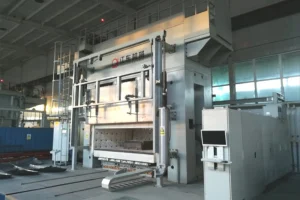
| H-Frame / Gantry | Excellent (Rigid guide rails) | High (Closed frame design) | Ultra-high-strength steel blanking, straightening | Moderate - Premium |
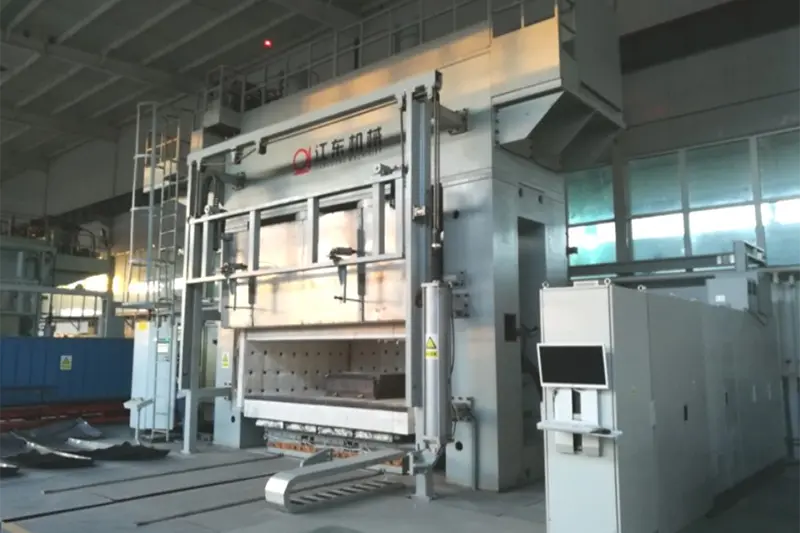
| Isothermal Forging | Ultra-High (Closed loop control) | Extreme (High thermal shield) | Titanium alloy, aerospace engine discs, superplastic forming | High Premium |
| Servo-Hydraulic HP-RTM | Variable Speed Control | High (Dynamic leveling) | Carbon fiber composites, automotive outer panels | High Premium |
Technology Roadmap: The Future of Smart Forming (2026 and Beyond)
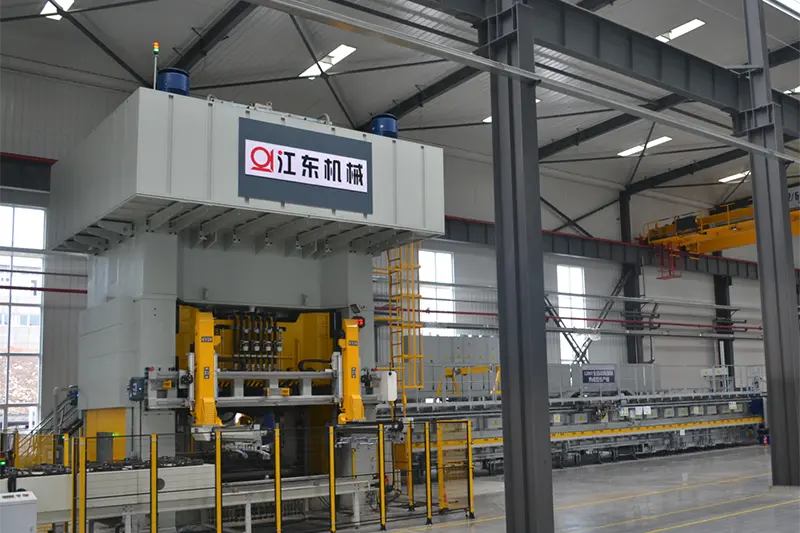
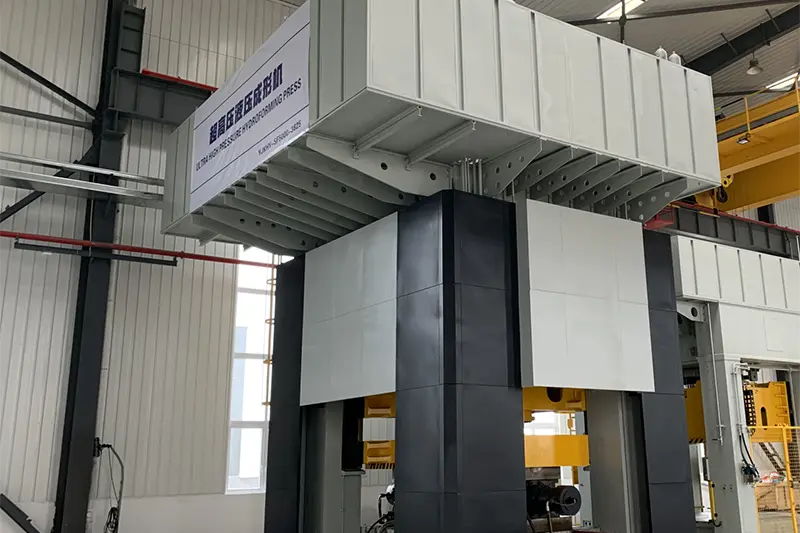
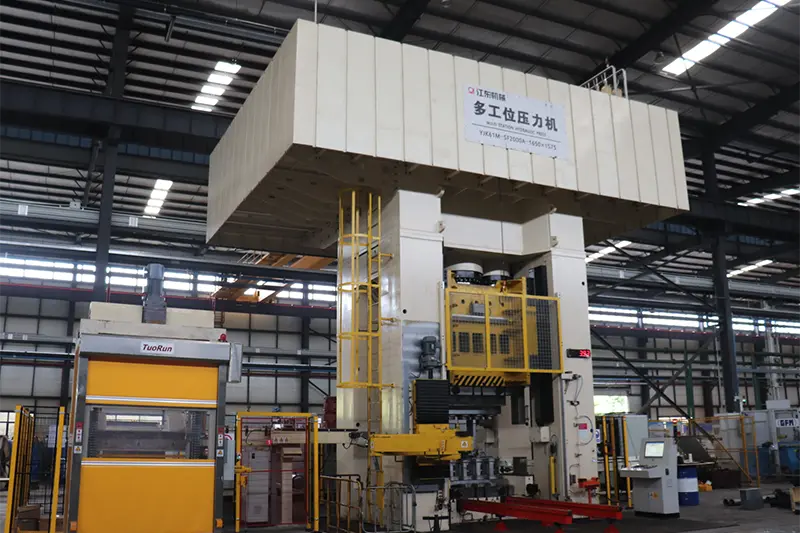
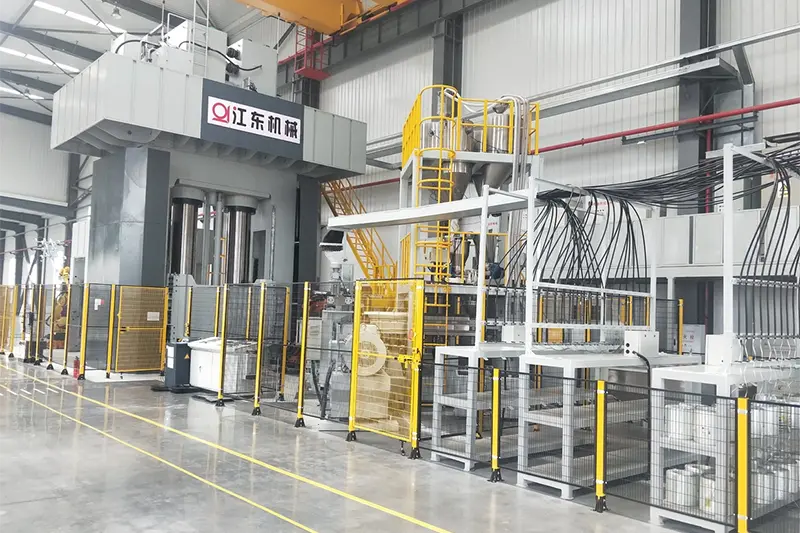
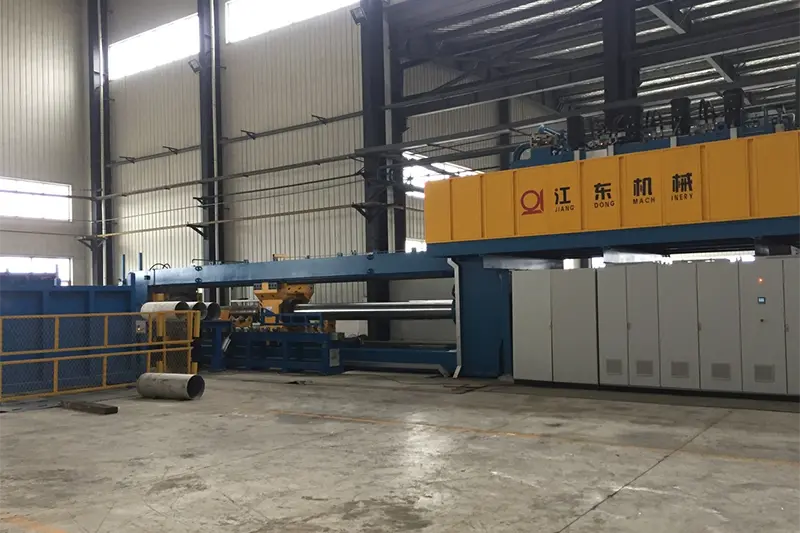
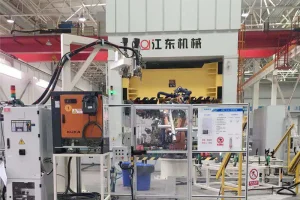
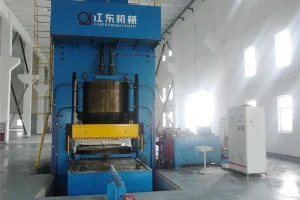
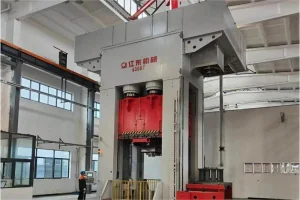
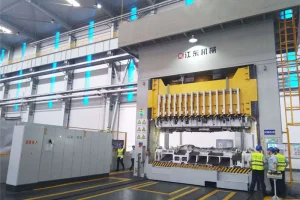
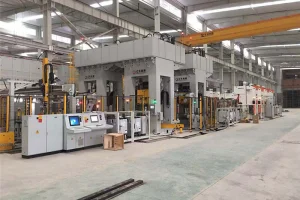
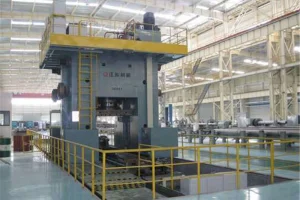
The manufacturing landscape is undergoing rapid digitization. As shown by the research and development pipeline of leading entities like Chongqing Jiangdong Machinery, the hydraulic industry is pursuing a clear technology roadmap defined by three central tenets:
- Energy Recovery & Servo Integration: Modern 250T presses use variable-speed servo-pump systems instead of traditional proportional cartridge valves. This system reduces idle-state power consumption by up to 70% and minimizes thermal build-up in the hydraulic oil reservoir, extending seal and component lifespans.
- Real-time Active Leveling: High-speed offset loading can distort the bolster during operation. Closed-loop servo-proportional systems monitor multi-point cylinders to correct slide tilt within micrometer thresholds.
- Industrial Internet of Things (IIoT) & Predictive Maintenance: Vibration diagnostics on high-pressure piston pumps and thermal logging on proportional valves allow operators to prevent unexpected downtime through predictive analytics.