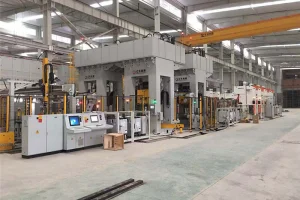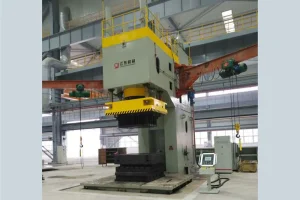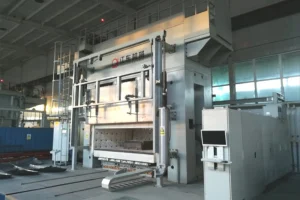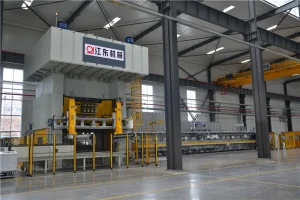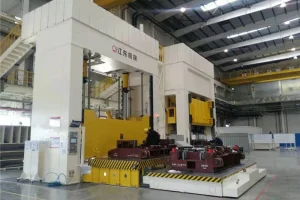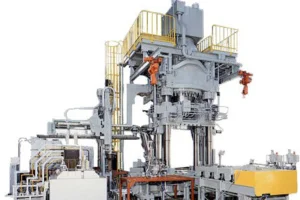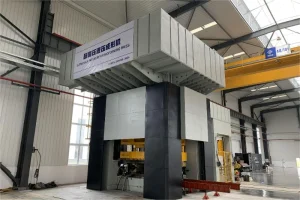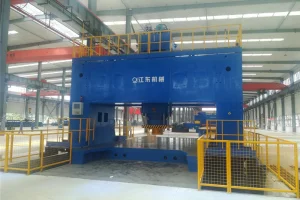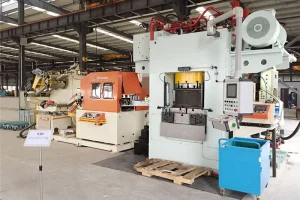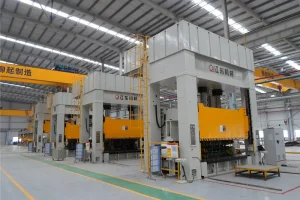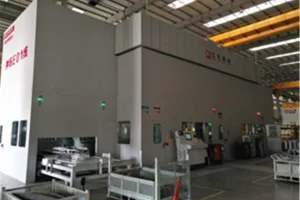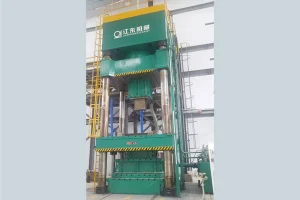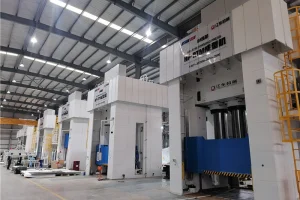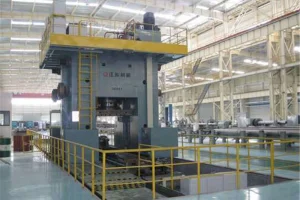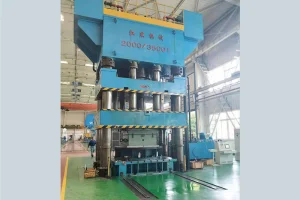
Explore our premium grade heavy-duty machinery engineered to execute high-tonnage precision metal forming and structural casting operations globally.
In modern industrial manufacturing, heavy-duty hydraulic press technology has transitioned from raw force applications to highly intelligent, micro-precision deformation systems. Driven by structural shifts in aerospace engineering, new energy vehicle (NEV) production, and national defense logistics, manufacturers are demanding systems that deliver higher performance envelopes, minimal structural fatigue, and comprehensive automation capabilities. Today, heavy-duty hydraulic press design trends focus strictly on integration, adaptive control systems, and modular die geometries.
The global push for emission controls and battery optimization has mandated automotive and aerospace sectors to substitute traditional heavy steel profiles with high-strength aluminum, magnesium, and advanced titanium alloys. These materials exhibit reduced ductility at room temperature, thus necessitating localized heating during forming. Advanced high-speed hot stamping and isothermal forging technologies allow manufacturers to maintain consistent structural properties throughout the final component without structural cracking or high springback ratios. Our ultra-high-strength steel stamping systems represent a critical asset for Tier 1 suppliers striving to minimize component mass while satisfying extreme crash-test ratings.
Modern hydraulic presses are no longer isolated industrial assets; they operate as interconnected Cyber-Physical Systems (CPS). By embedding multi-axial force sensors, linear encoders, and digital micro-valves, heavy press controls now actively adjust hydraulic pressure profiles in real-time. This eliminates geometric variations caused by material inconsistency or thermal drift in tooling. Intelligent predictive maintenance packages leverage machine learning models to analyze vibration, pressure deviation, and cycle dynamics to predict seal degrade cycles, significantly boosting overall equipment effectiveness (OEE).
Energy footprints are now key purchasing parameters for global procurement agents. Traditional heavy machinery generated significant thermal losses through constant pump recirculation. Today's state-of-the-art heavy-duty hydraulic presses incorporate servomotor-driven pump systems. By operating pumps only when movement is demanded, these systems slash energy consumption by up to 50% compared to traditional throttled systems. This advancement reduces oil volume requirements and drastically curtails shop floor noise levels, aligning factory output directly with international ISO 14001 guidelines.
Chongqing Jiangdong Machinery Co., Ltd. is a comprehensive engineering enterprise specializing in the R&D, fabrication, global export, and life-cycle service of advanced hydraulic presses, lightweight forming technologies, and precision tooling. Leveraging decades of operational experience, Jiangdong Machinery delivers robust, automated production lines designed to support critical manufacturing sectors including automotive lightweighting, aerospace, defense, and high-performance composites forming.
LEARN MORE ABOUT USIn high-tonnage heavy industry, purchasing a hydraulic press is a major multi-million dollar capital investment. Global procurement managers, operation directors, and plant layout engineers must account for factors far beyond the initial purchase price. Establishing long-term profitability requires analyzing manufacturing cycles, international compliance certifications, and localized field support.
When forming deep-drawn structural profiles or complex geometric housings, material behavior dictates frame dynamics. If the frame flexes under load, it accelerates die wear and degrades part tolerances. Sourcing departments seek prestressed structural designs (such as high-tensile wire-wound frames or robust multi-piece tie-rod frames) that display minimal deflection. This structural integrity is critical for demanding manufacturing processes, such as superplastic titanium forming or isothermal forging of nickel-based superalloys.
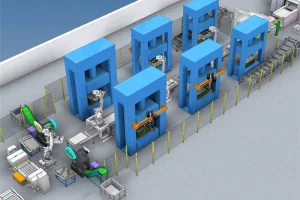
Purchasing standalone machinery is no longer viable for modern facilities. Global enterprises require complete, turnkey solutions that feature integrated blank destackers, robotic shuttle mechanisms, thermal tunnel ovens, and high-precision exit conveyor systems. Sourcing experts prefer suppliers who can act as single-point systems integrators, ensuring seamless field communication via Ethernet/IP, PROFINET, or OPC UA protocols between the central hydraulic unit, external robotics, and plant-level MES networks.
Ensuring compliance is crucial for importing machinery into target jurisdictions. North American destinations require strict adherence to ANSI B11 standards and UL certifications, whereas European sites require CE certification compliance (particularly concerning ISO 13849 safety standards for control systems). A lack of documented safety integration can halt factory commissioning, exposing procurement firms to massive liability. Sourcing partners must guarantee that all emergency shut-offs, light curtains, and safety platen locks comply with localized occupational health standards.
Engineered categories optimized for Sheet Metal, Advanced Composites, and Special Forging applications.
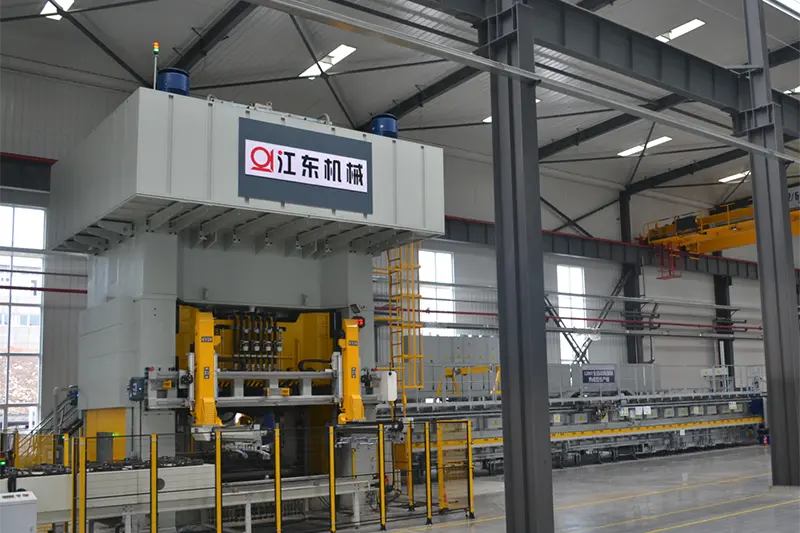
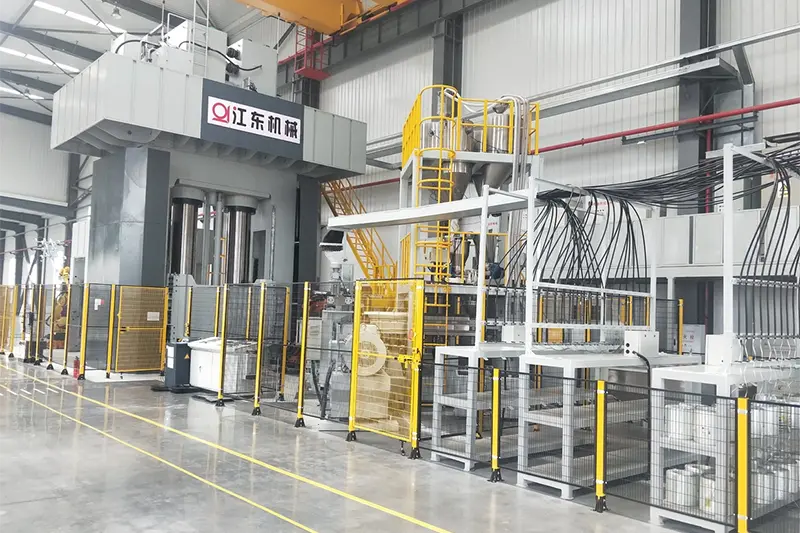
Hot Stamping Hydraulic Press Production Line
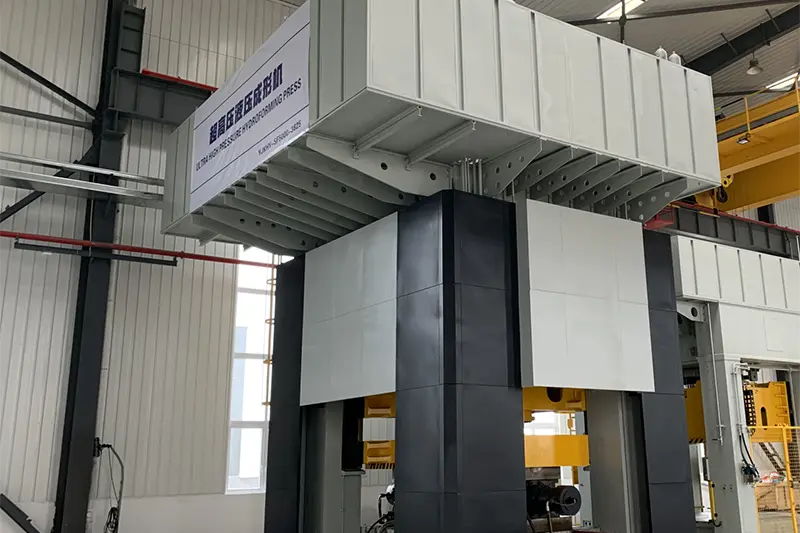
Hydroforming-Internal High Pressure Forming Hydraulic Press Production Line
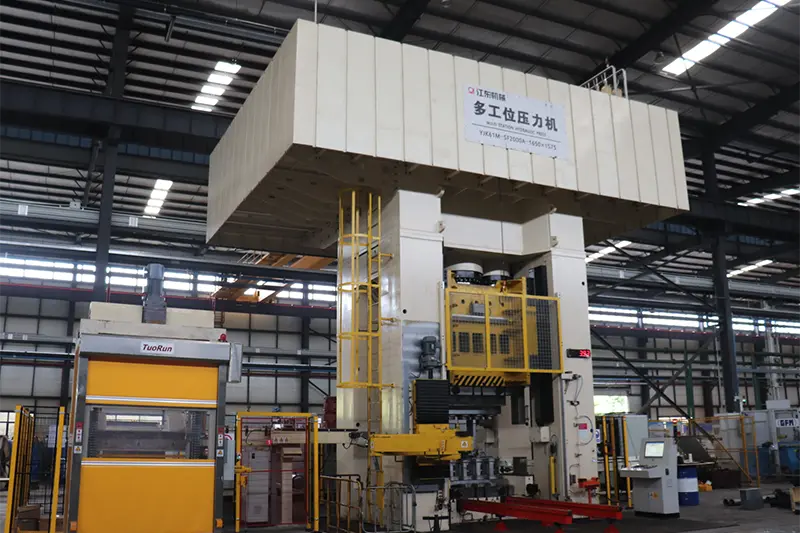
Multistation Extrusion Forging Production Line
LFT-D Direct Forming Systems
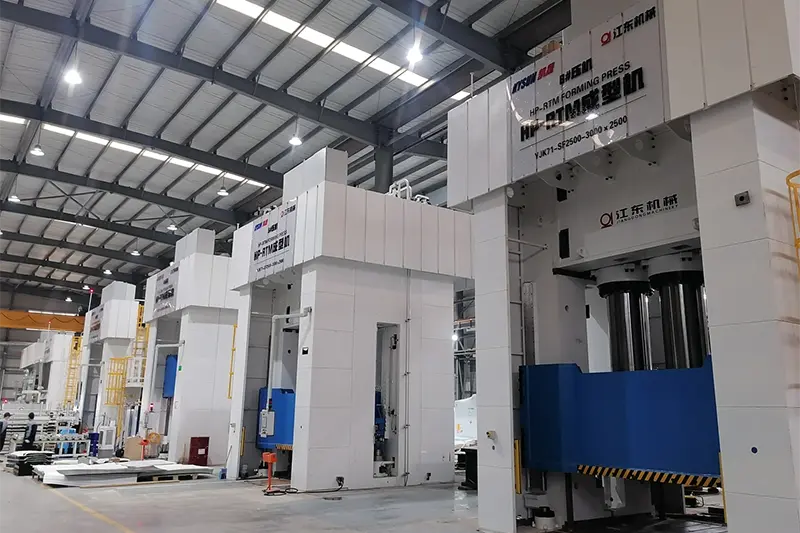
HP-RTM Equipment for Carbon Fiber
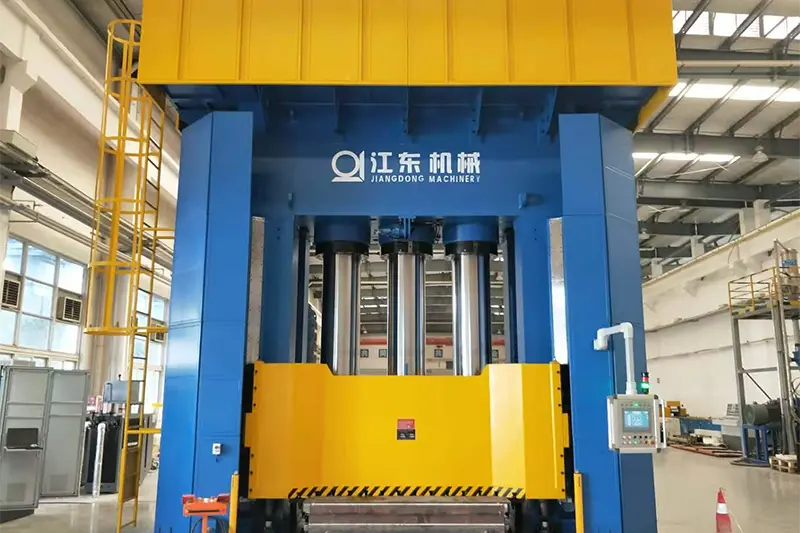
SMC/BMC/GMT/PCM Composite Forming
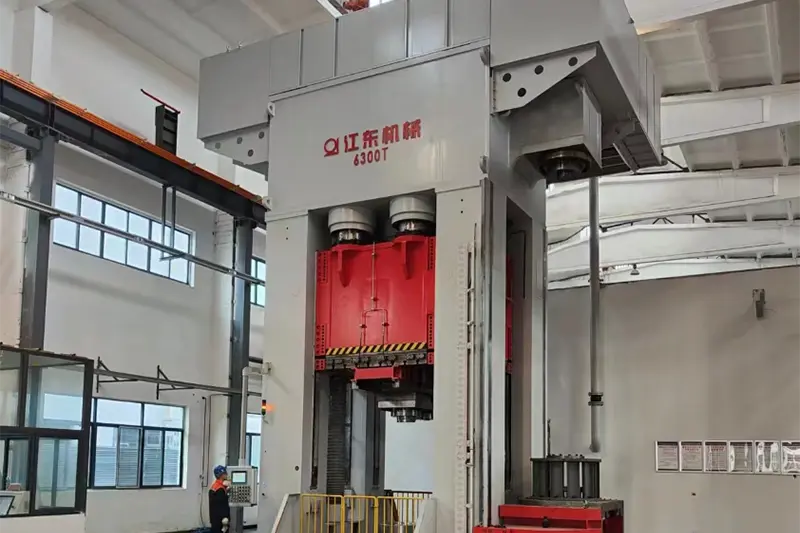
Isothermal Forging Press
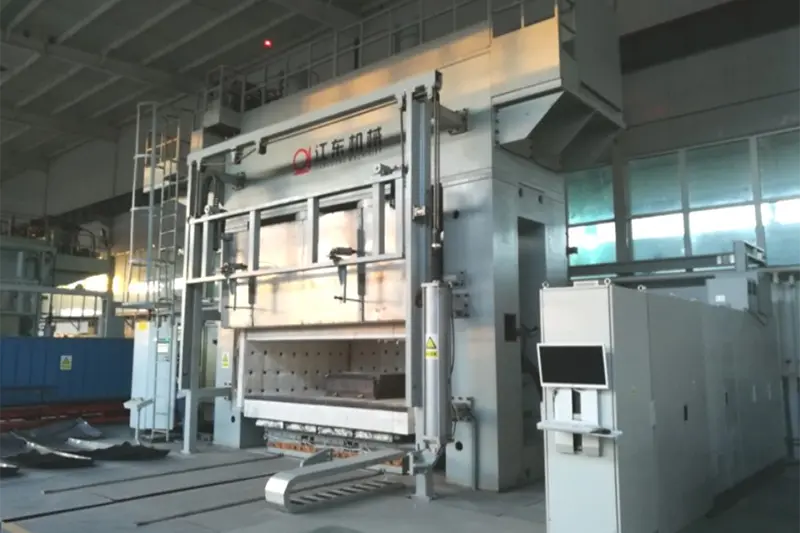
Superplastic Forming Press
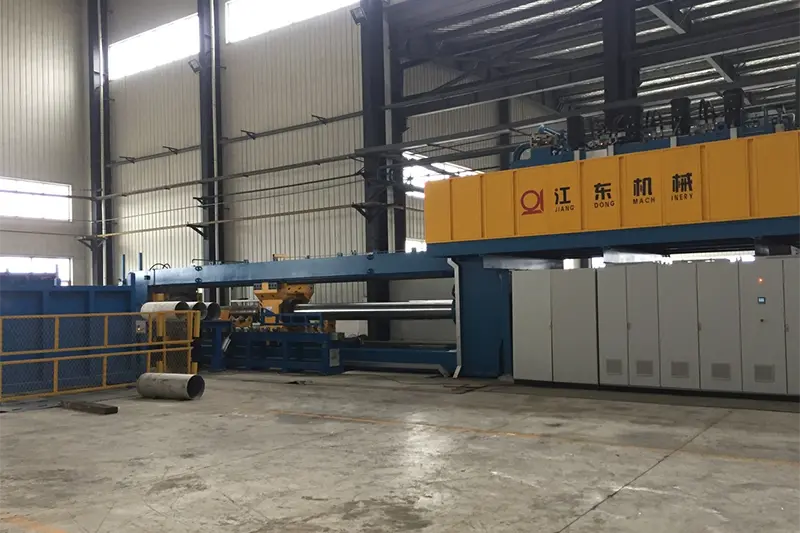
Gas Cylinder Bullet Housing Stretching
Jiangdong machinery provides customers with a "one-stop" overall solution to meet complex engineering and manufacturing challenges.
The next decade of metal-forming technology will be defined by materials science advancements and intelligent, closed-loop processing systems. As aerospace applications move toward complex, single-piece structures and automakers utilize advanced gigacasting components, heavy-duty hydraulic press designs must evolve accordingly. Our technical roadmap focuses on three core areas to meet these demands:
Traditional manufacturing relies on physical trials and iterations to correct tooling configurations. The future lies in integrating real-time finite element analysis (FEA) models directly into the press controller. By combining structural sensors with digital twin models of the workpiece, systems can predict defects (such as necking, tearing, or localized thinning) before they manifest. This allows the press to dynamically alter slide pressure profiles during the stroke, optimizing forming parameters for every run.
As micro-forming tolerances shrink to the micron level, even minor fluctuations in slide parallelism can cause part defects and accelerate tool wear. Future designs will utilize active electromagnetic slide guidance and high-dynamic servo valves to achieve active tilting control under heavy, eccentric loads. This guarantees parallelism of the ram plate to within 0.01 mm, even during operations with extreme eccentric forces like multi-station stamping or high-tonnage isothermal forging.
The combining of metals with advanced composites (such as joining ultra-high-strength steel with localized carbon fiber reinforcements) requires new hybrid processing systems. Future machinery must manage both high-force hot stamping and delicate resin transfer molding (RTM) parameters within a single cycle. Developing hybrid press lines with variable speed profiles and dual-zone thermal containment is key to unlocking next-generation lightweight structural designs.
How we ensure continuous operation, regulatory alignment, and technical integration on a global scale.
Every system exported complies fully with localized safety directives. Whether CE compliance is required for European countries, UL certification is mandated for electrical assemblies in North America, or CSA standards are needed in Canada, our engineers verify all electrical, mechanical, and safety designs prior to shipment.
By utilizing encrypted Industrial VPN access tunnels, our engineering team provides direct online diagnostics, sensor calibration checks, and PLC firmware updates. This reduces response times from days to minutes, ensuring operational continuity for high-throughput lines.
Through our network of global partners and dispatchable field engineers, we provide on-site foundation analysis, equipment installation, structural leveling, system calibration, and comprehensive crew safety training to ensure a smooth transition to mass production.
Comprehensive lifecycle services designed to guarantee the sustained operation of your hydraulic forming assets.

Customized Solutions

Remote Service

Maintenance

Technical Support

Spare Parts
Addressing the technical, operational, and structural questions most frequently raised by plant directors, procurement managers, and design engineers.
Stay tuned to industry trends, customer success stories, and our global exhibition calendar.
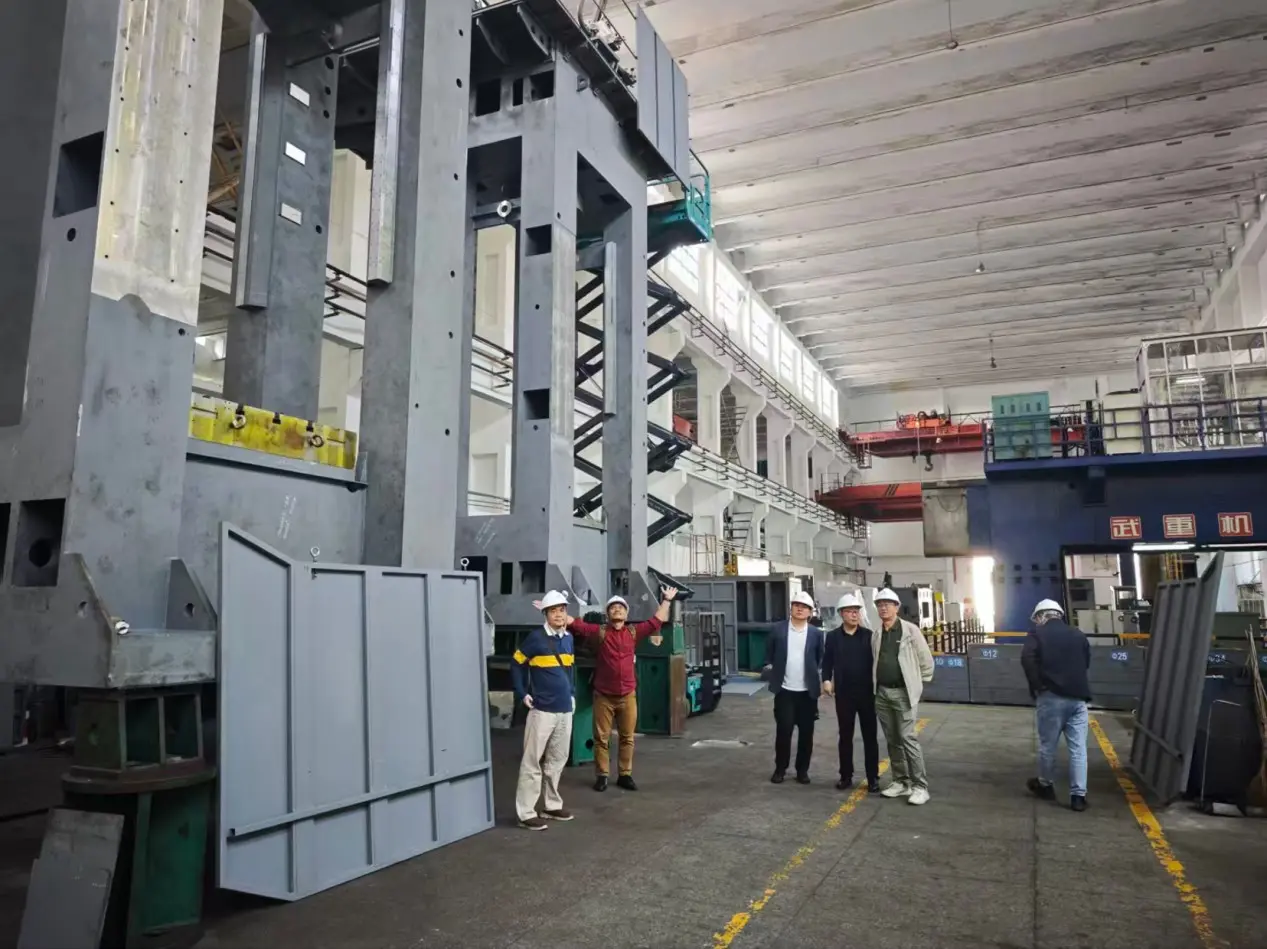
Recently, a delegation of Indonesian customers visited Jiangdong Machinery to inspect its capabilities, product quality and technical strengths, laying a solid foundation for future projects...
READ ARTICLEThe delegation toured our assembly bays, exploring our production lines for hot stamping and composites forming. This visit laid a strong foundation for future project expansion...
Partners from Thailand, Indonesia, and Malaysia visited Chongqing to discuss lightweight forming requirements for regional automotive assemblies...
Chongqing Jiangdong Machinery Co., Ltd. (hereinafter referred to as "Jiangdong Machinery"), a leading enterprise in China's metal forming industry, showcased its latest smart hydraulic presses...
Engineered to deliver reliability, precision, and efficiency across demanding manufacturing environments worldwide.