East Africa's economic powerhouse, Kenya, is undergoing a rapid industrial metamorphosis driven by the Kenya Vision 2030 strategy. Central to this roadmap is the expansion of local manufacturing capabilities, import substitution, and green industrialization. Traditionally dependent on imported finished goods, the Kenyan market is transitioning towards local assembly and manufacturing in crucial sectors such as automotive body parts, mass transit bus body building, municipal water management, infrastructure, and renewable energy distribution.
This industrial leap requires high-strength, lightweight, and durable materials to replace heavy steel and vulnerable plastics. Composite materials—such as Sheet Molding Compound (SMC), Bulk Molding Compound (BMC), Glass Mat Thermoplastics (GMT), and Carbon Fiber composites—have emerged as the ideal choice. In Kenya's coastal areas and high-humidity agricultural zones, composites provide absolute corrosion resistance, excellent strength-to-weight ratios, and thermal insulation capabilities. For Kenyan manufacturers, adopting composites compression molding forming technologies is not just an upgrade; it is a necessity to produce local, competitive, and long-lasting components.
Driven by national policies restricting used vehicle imports, local assembly plants in Nairobi, Mombasa, and Thika require composite panels (bumpers, hoods, interiors) that match global standards.
High-voltage electrical enclosures, polymer insulators, and SMC municipal drainage grates are replacing steel, which is frequently targeted for scrap metal theft.
SMC modular water tanks are crucial for clean water storage in urban and rural Kenya. Compression-molded modular panels prevent biological growth and resist harsh UV radiation.
On a global scale, the composite compression molding market is expanding rapidly due to strict carbon emission limits and the rise of electric vehicles (EVs). Lightweighting is the primary method to extend EV range, prompting automotive giants in Europe, North America, and East Asia to invest heavily in advanced composite manufacturing technologies. Continuous fiber-reinforced materials, long-fiber thermoplastics (LFT-D), and high-pressure resin transfer molding (HP-RTM) are setting the benchmarks for high-volume structural production.
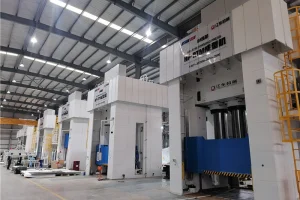
Modern composite compression molding systems combine massive clamping force (ranging from 500 tons to over 5,000 tons) with precise velocity and pressure profile controls. This ensures defect-free curing of complex geometries. By maintaining tight control over heating and cooling cycles within the mold, manufacturers achieve minimal warpage, uniform density, and optimized fiber orientation. This high level of engineering is critical for aerospace components, wind turbine internal components, and automotive crash structures.
| Technology | Feedstock Type | Cycle Time | Clamping Force Required | Typical Applications |
|---|---|---|---|---|
| SMC / BMC Molding | Pre-impregnated sheet/bulk compounds | 60 - 180 seconds | Medium to High (500t - 2000t) | Electrical boxes, automotive body panels, water tanks |
| LFT-D Direct Molding | In-line compounded thermoplastic + glass fiber | 30 - 60 seconds | High (1500t - 4000t) | Underbody shields, structural front ends, battery trays |
| HP-RTM Process | Dry fiber preform + liquid epoxy resin injection | 120 - 300 seconds | High (1000t - 3000t) | Carbon fiber structural frames, monocoques, body panels |
| GMT Compression | Glass mat reinforced thermoplastic sheets | 45 - 90 seconds | Very High (2000t - 5000t) | Bumper beams, seat structures, heavy-duty logistics pallets |
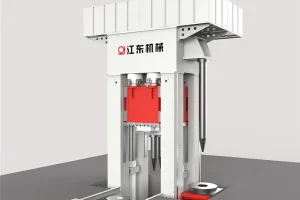
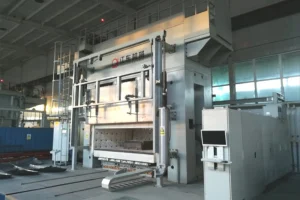
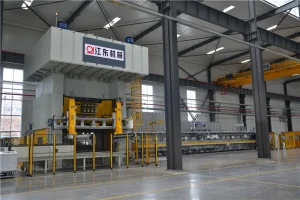
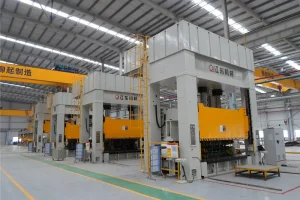
Chongqing Jiangdong Machinery Co., Ltd. (Jiangdong Machinery) is a comprehensive forging and forming equipment powerhouse. We integrate the R&D, production, sales, and service of hydraulic presses, lightweight forming lines, tool dies, and metal castings. Our automated, intelligent, and highly flexible manufacturing solutions serve global industrial requirements, specifically excelling in automotive lightweighting and aerospace structural design.
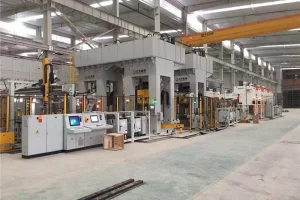
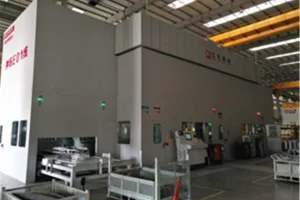
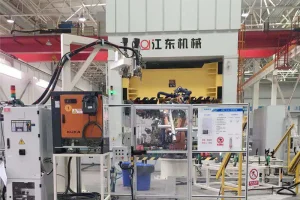
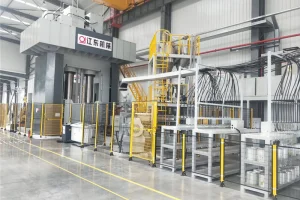
For the Kenyan industrial sector, Jiangdong Machinery delivers comprehensive "one-stop" turnkey solutions. This includes the formulation of raw composite compounds, the design of precise compression mold tooling, the deployment of intelligent press lines, and integration with downstream finishing robots.
Explore Turnkey SolutionsCompany Established
Patents Achieved / Year
Customized Design & Support
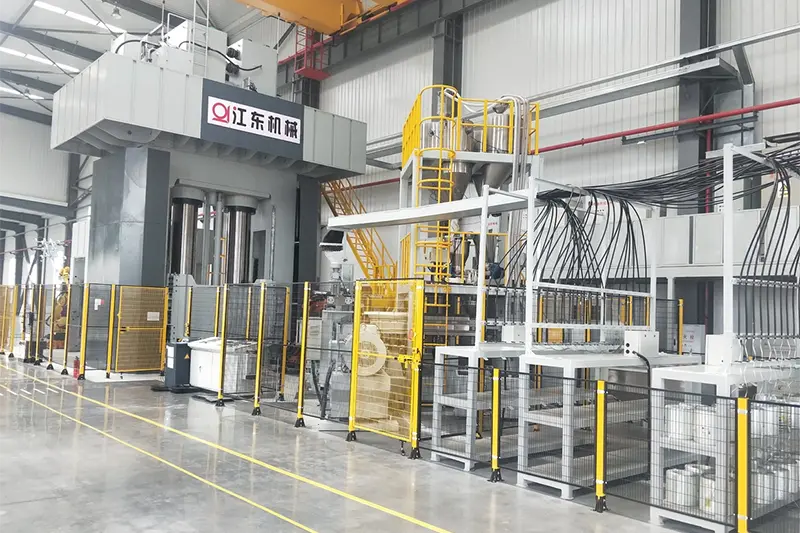
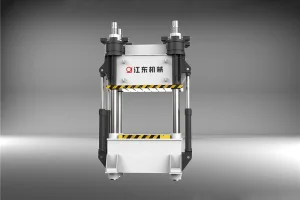
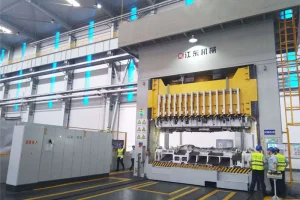
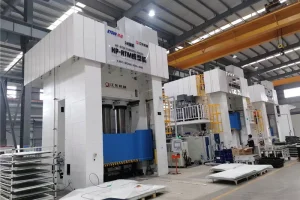
Our composite forming segment is engineered specifically for modern lightweight materials including LFT-D, HP-RTM, SMC, BMC, GMT, and PCM. Featuring advanced fast-closing speeds, multiple-stage micro-level parallel leveling systems, and energy-saving servo hydraulic control loops, these presses guarantee accurate part thickness and optimal fiber-to-resin ratios.
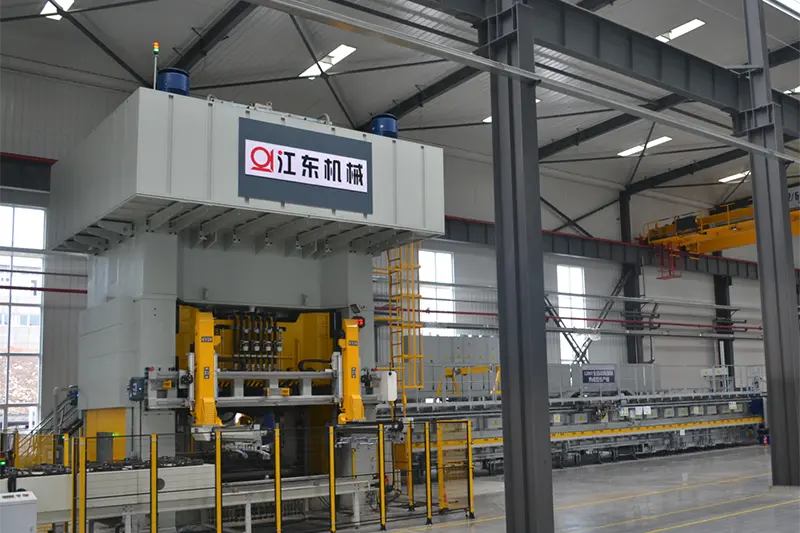
Jiangdong Machinery supplies complete automated production lines for hot stamping, isothermal forging, and high-pressure hydroforming. These systems process ultra-high-strength steel (UHSS), aluminum alloys, and titanium alloys for critical structural components.
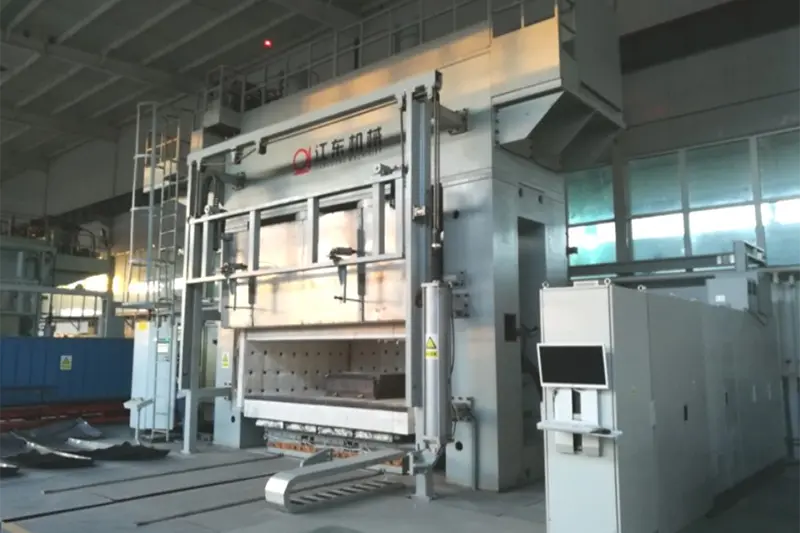
Designed for niche applications, this division includes CE-certified superplastic forming presses for titanium, vertical gas cylinder and bullet housing drawing production lines, and heavy straightening presses for thick steel plates.
When procurement managers in Kenya, Europe, or the Americas evaluate capital equipment suppliers, efficiency, reliability, and cost-to-performance ratios are paramount. Sourcing composites compression molding machinery from China, and specifically from Jiangdong Machinery, offers several strategic advantages:
To maximize return on investment (ROI), composite manufacturers in Kenya focus on high-demand, local infrastructure and consumer products. Our compression molding lines are optimized for these target applications:
Enclosures deployed across Kenya's rural electrification programs must withstand heavy UV radiation and prevent electric shock. Compression-molded SMC composite boxes offer superior dielectric strength and weather resistance compared to metal.
Water scarcity remains a critical challenge. SMC modular panels compression-molded on Jiangdong presses allow for the quick construction of large, hygienic, and corrosion-free water tanks for residential complexes, clinics, and industrial zones.
Kenya is a transit hub for East Africa. Heavy buses, delivery trucks, and agricultural equipment rely on lightweight, impact-resistant composite body parts, structural components, and interior panels molded on our presses.
The composites industry is evolving. For manufacturers looking to establish factories in Kenya or upgrade existing tooling, keeping pace with global technological roadmaps is essential:
Consult with our senior technical engineering team to customize your SMC, HP-RTM, or LFT-D forming press line today. Complete project support from design to installation in Kenya.
Send Inquiry Now