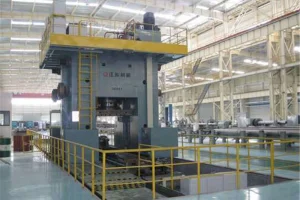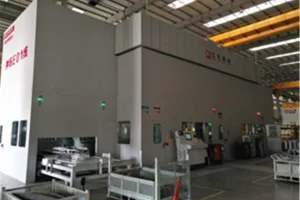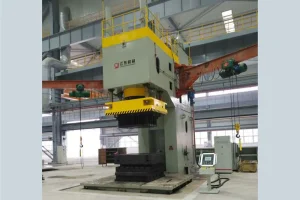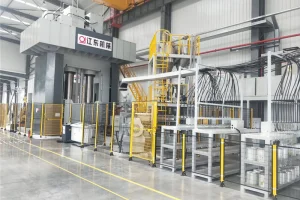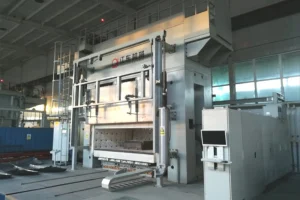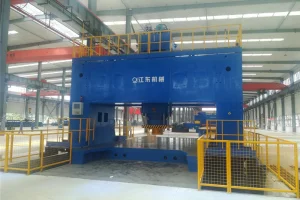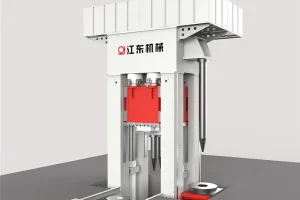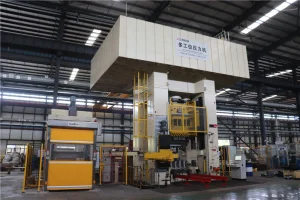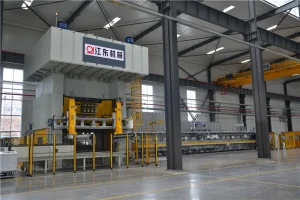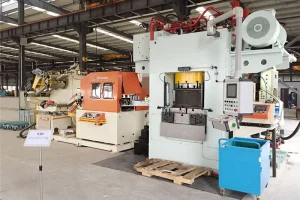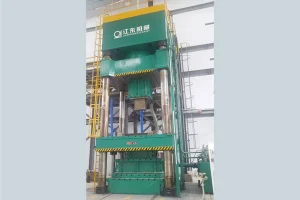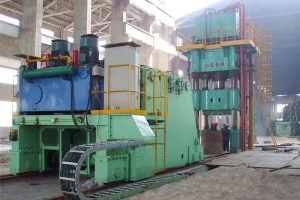
Explore our engineering capabilities across global heavy industrial applications, featuring direct custom hydraulic press products built on specialized EEAT compliance.
In modern industrial manufacturing, the demand for lightweight, high-performance structural profiles has propelled the aluminum extrusion press to the forefront of metallurgy and mechanical engineering. As aerospace, automotive, and clean energy sectors scale rapidly, the manufacturing machinery must adapt to handle complex alloy compositions, larger profile cross-sections, and unprecedented structural consistency. The global transition from conventional extrusion lines to smart, highly automated systems represents a paradigm shift designed to reduce operational expenditure while boosting overall equipment effectiveness (OEE).
Over the last decade, key macro trends have defined the technological trajectory of extrusion presses. The most significant shift is towards lightweight structural metals. In the automotive market, electric vehicles (EVs) require lightweight chassis, battery enclosures, and structural pillars to maximize driving range. This has spurred the necessity for high-tonnage extrusion lines capable of handling ultra-high-strength 6xxx and 7xxx series aluminum alloys, which require tight thermodynamic control to prevent structural tearing and micro-cracking during deformation.
Simultaneously, the industry is transitioning away from open-loop hydraulic systems to energy-saving, closed-loop electro-hydraulic servo drive systems. This reduces energy consumption by up to 50% during idle phases and ensures precise speed-stroke synchronization. Integration of IoT sensors and digital twin technology allows for real-time monitoring of die temperature profiles, container heating zones, and ram force, providing predictive analytics that prevent costly downtime.
Developing ultra-large profile extrusions for electric vehicle crash rails and structural sub-frames utilizing high press forces and multi-station lines.
Deploying advanced die heating and billet cooling zones to prevent grain structure degradation, ensuring high structural integrity in 7xxx alloys.
Sensors track mechanical stress, oil contamination, and temperature, directly syncing with digital twin interfaces for zero-downtime manufacturing.
Enterprise procurement divisions targeting state-of-the-art extrusion machinery require more than just raw machinery; they demand absolute process validation. Key assessment factors include:
High-End Metal Forming and Lightweight Material Stamping System Technologies
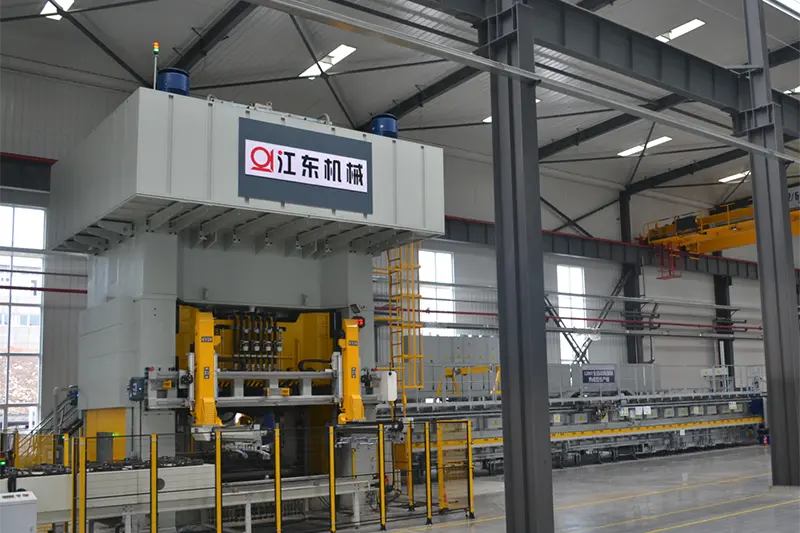
Hot Stamping Hydraulic Press Production Line
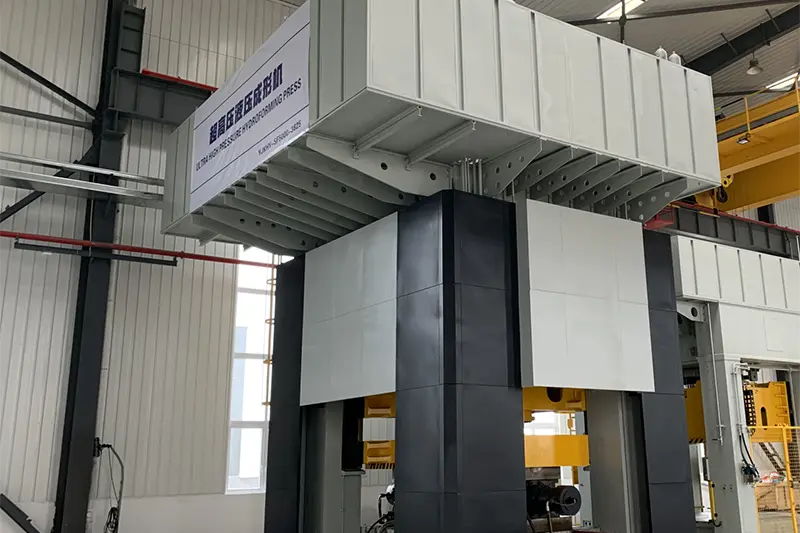
Hydroforming-Internal High Pressure Forming Production Line
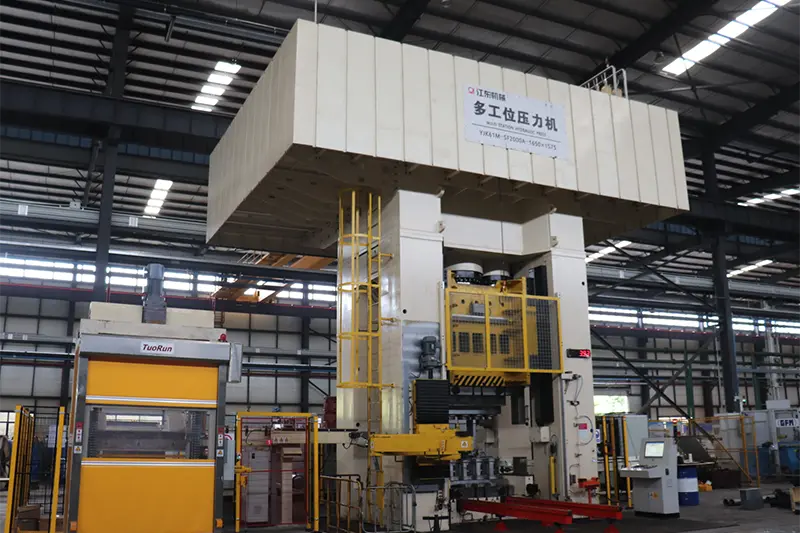
Multistation Extrusion Forging Production Line
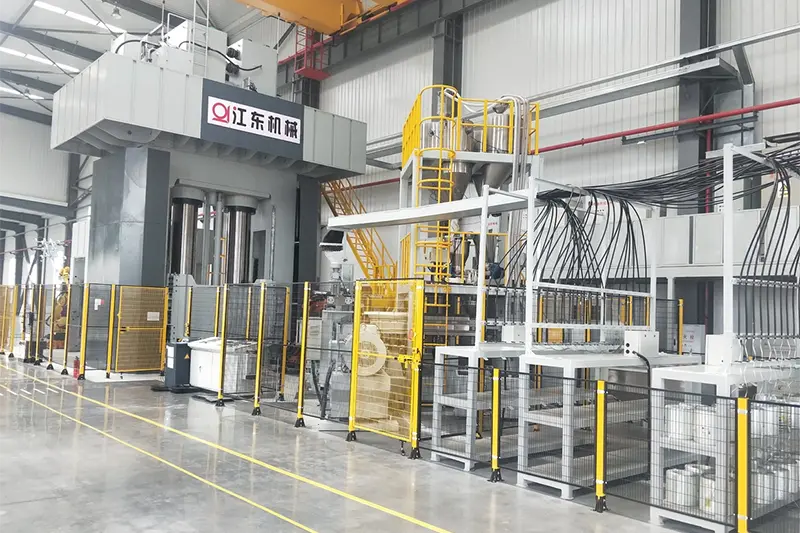
LFT-D (Long-Fiber Thermoplastics)
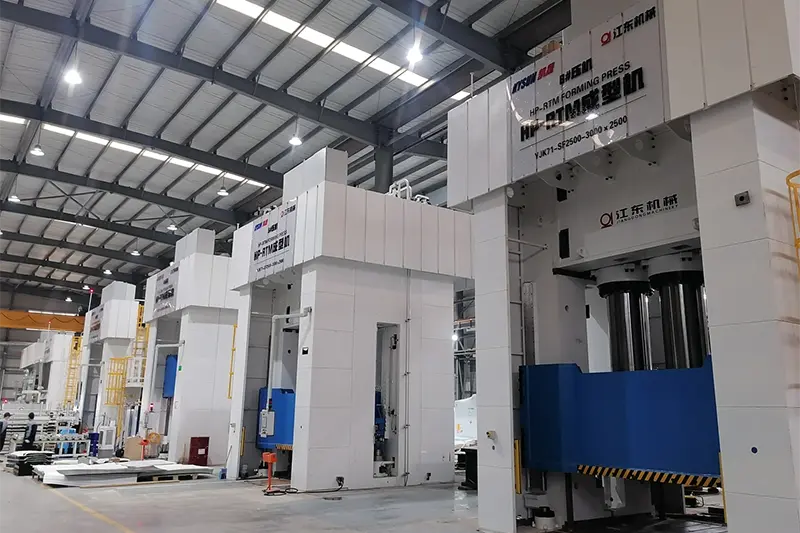
HP-RTM (High Pressure Resin Transfer Molding)
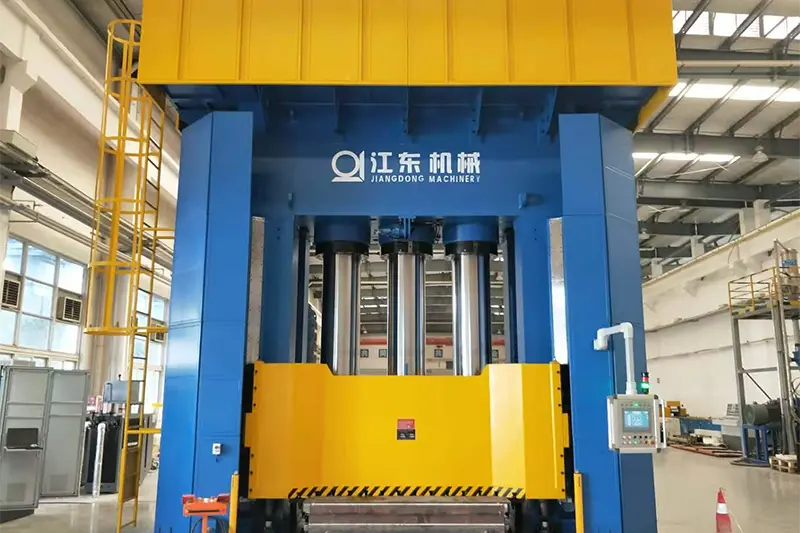
SMC/BMC/GMT/PCM Composite Forming
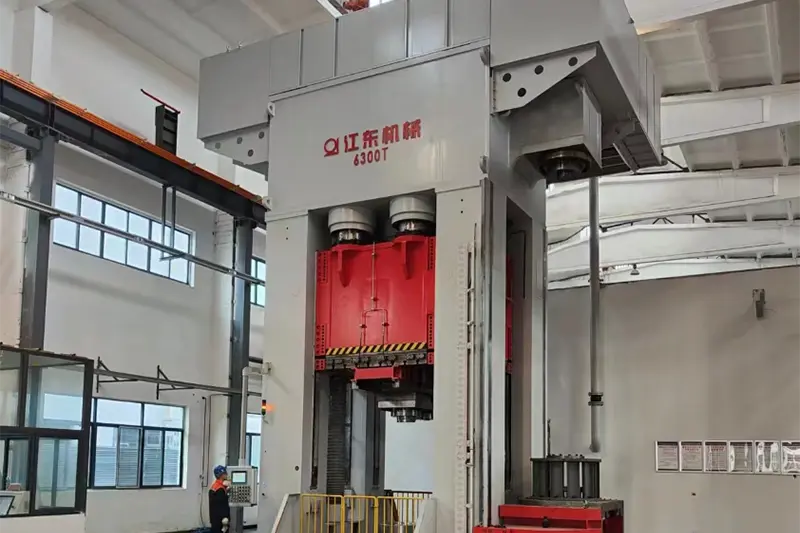
Iso Thermal Forging Systems
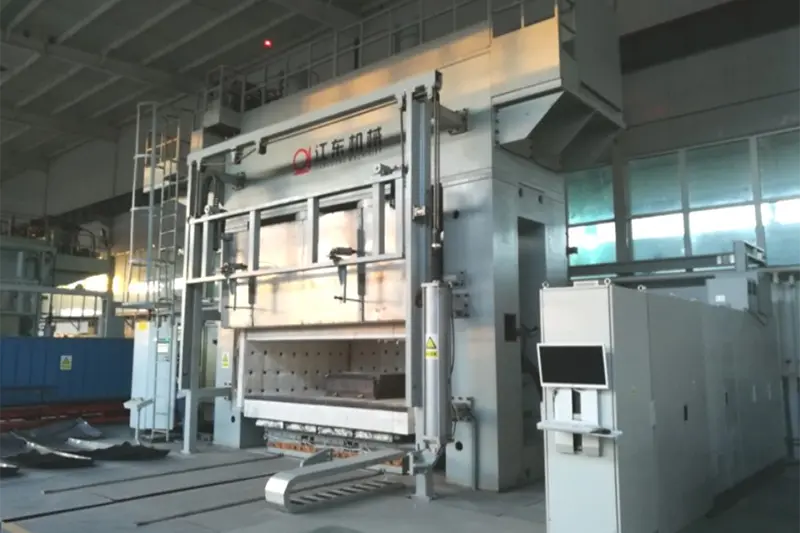
Superplastic Forming (SPF) Technology
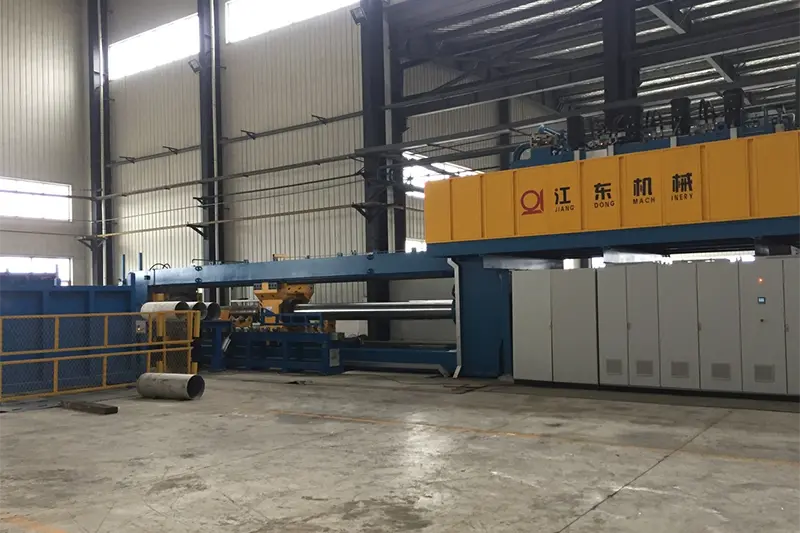
Gas Cylinder Bullet Housing Stretching Presses
Delivering complete, highly coordinated systems to resolve critical engineering bottlenecks in advanced forming operations.
Precision hydraulic internal pressure systems engineered for producing light, intricate tubes and frame profiles for structural components.
Unmatched thermal efficiency structures to handle high-tensile strength boron and aluminum structural panels.
Automated transfer presses and cold extrusion lines engineered for swift, high-precision cycle counts in metal blanking.
Niche high-temperature gas-forming systems optimized for complex aerospace panels and lightweight titanium/alloy structures.
Advanced thermo-compression tooling solutions optimized for high-volume automotive panels using advanced polymers.
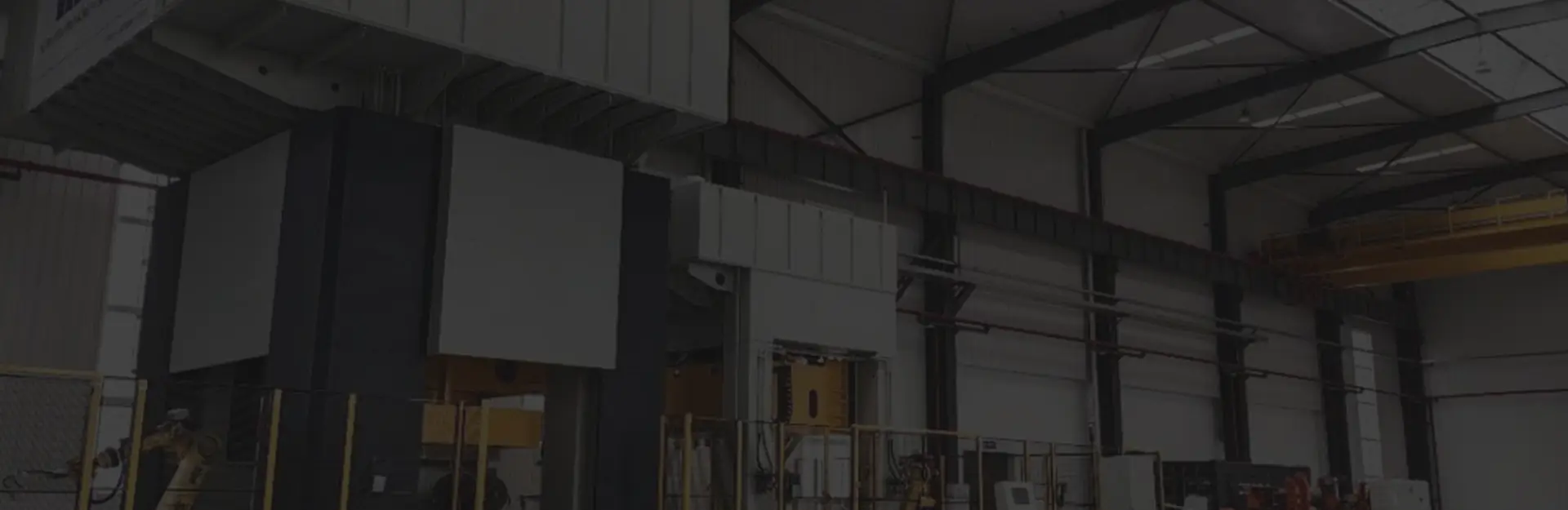
Established in 1937, Chongqing Jiangdong Machinery Co., Ltd. (Jiangdong Machinery) is an industry-leading manufacturer integrating the research and development, fabrication, worldwide sales, and deployment of complex hydraulic forming lines, lightweight forming solutions, structural hot/cold stamping dies, and custom precision casting technologies.
Our production facilities deliver highly automated, flexible forming systems tailored to resolve the most challenging lightweight manufacturing requirements, especially within the global automotive and aviation supply chains.
VIEW MORE ABOUT THE COMPANY
Ensuring operational continuity and optimal cycle productivity through localized structural support.

Bespoke system designs matched to plant floor dimensions and alloy specifications.

Real-time system troubleshooting via industrial IoT setups and secure video connections.

Scheduled mechanical and hydraulic checks to maintain structural integrity and minimize wear.

Direct communication lines to senior design engineers for complex forming issues.

Quick delivery of cylinders, valves, and control panels from global hubs.
The next era of aluminum extrusion press development focuses on deep system intelligence and low-carbon operation. Key technologies on our immediate product horizon include:
Conventional extrusion presses lose significant thermal energy during billet cooling phases. Next-generation systems integrate closed-loop heat exchangers, routing exhaust heat back to preheat chambers. This thermal loop improves factory energy metrics, reducing overall plant heating requirements by up to 20%.
As profiles become larger and walls thinner, physical die deflection leads to inconsistent wall thicknesses. Our team is engineering real-time mechanical adjustments using piezo-actuators embedded inside the die carrier, which counteract micro-deflections during peak hydraulic pressure phases.
To support global environmental targets, research is underway to replace standard mineral-based oils with biodegradable synthetic fluids. These bio-lubricants feature higher thermal stability and flashpoints, lowering environmental hazards and plant safety insurance premiums.
Critical engineering insights addressing design, selection, and operation criteria.
Container temperature directly influences friction and billet flow. If the container temperature is too low, the outer shell of the billet cools prematurely, causing localized flow resistance and surface defects. Maintaining a container temperature approximately 30°C to 50°C below the billet temperature ensures uniform flow characteristics and minimizes structural defects.
Servo-hydraulic systems control pump speed dynamically during operation, cutting energy waste during holding and idle cycles. They also enable precise flow regulation, reducing mechanical shock, lowering system temperatures, and extending the lifespan of high-pressure seals.
Indirect extrusion is generally preferred for high-strength 7xxx series alloys. Because there is no relative friction between the billet and the container wall, the process requires less force and generates less frictional heat. This allows for higher extrusion speeds while reducing the risk of structural cracking or hot tearing.
Keep pace with global industrial operations, partner visits, and upcoming technical showcases.
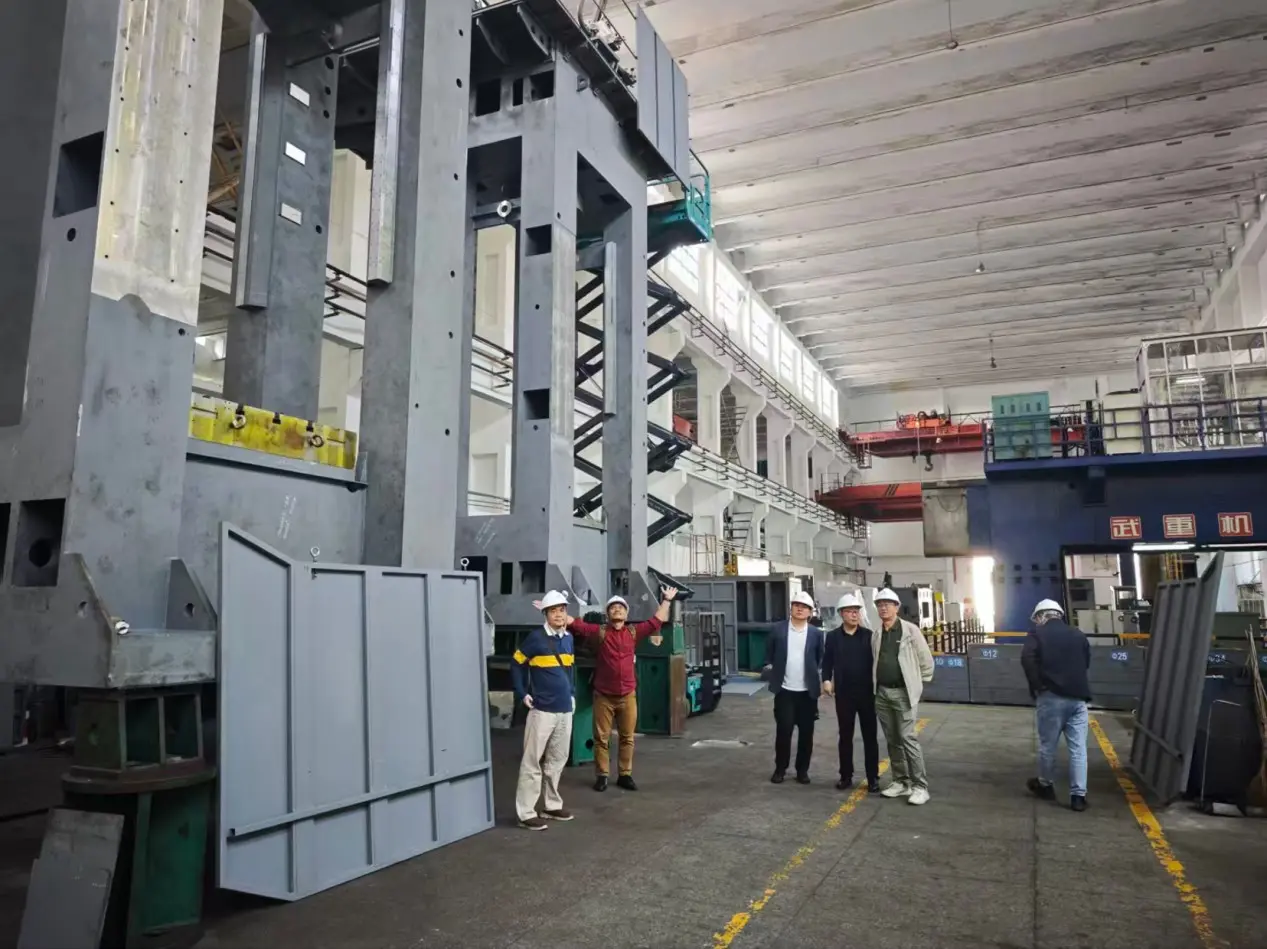
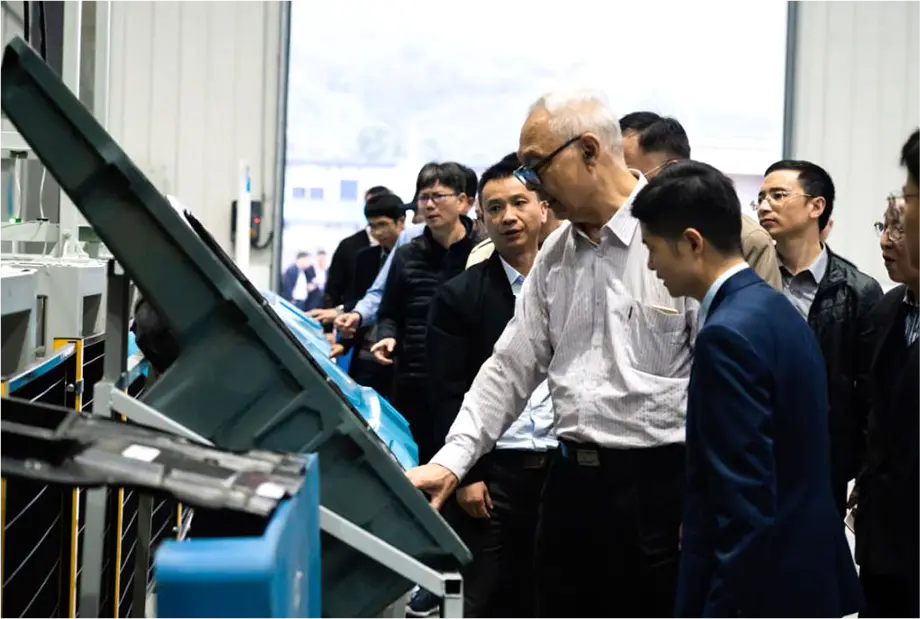
Recently, a delegation of Indonesian customers visited Jiangdong Machinery to inspect its capabilities, product quality and technical strengths, laying a solid foundation for upcoming large-scale automated stamping and extrusion system deployments.
Read Full Report →With the arrival of the new year, multiple partners from countries including Thailand, Indonesia, and Malaysia have successfully visited to confirm equipment specifications and coordinate installation plans.
Chongqing Jiangdong Machinery Co., Ltd. (Jiangdong Machinery), a leading enterprise in China's metal forming and lightweight stamping sector, prepares to debut its new high-pressure hydroforming systems.
Discover our complete line of heavy-duty hydraulic metal presses, stretching systems, and custom production lines.
Discuss customization options and schedule a free structural case evaluation for your plant.