Explore our heavy-duty sheet metal stamping, deep drawing, and composite forming production configurations designed for high-performance fabrication.
Integrated vertical deep drawing configurations engineered for consistency and optimal wall-thickness distribution.
High-efficiency single-action structural setups optimized for small-to-medium metal stamping operations.
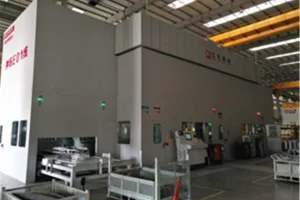
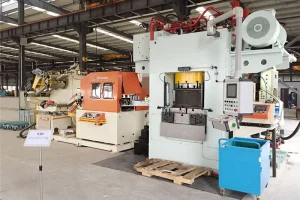
Precision-engineered blanking and cold shear processing lines configured for high tensile strength alloys.
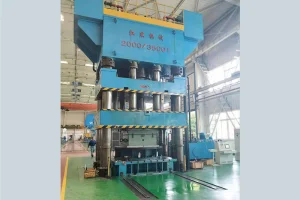
Enhanced double-action hydraulic design offering uniform material flow and wrinkle suppression for complex shapes.
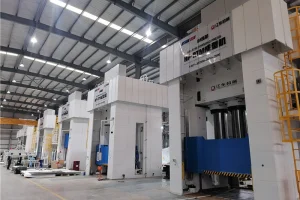
Advanced resin transfer molding (HP-RTM) systems designed to achieve rapid cure times in lightweight composite parts.
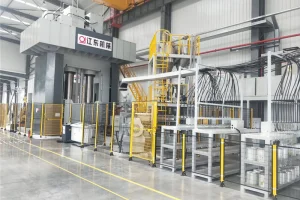
Direct in-line compounding systems supporting high-strength, low-density structural component manufacturing.
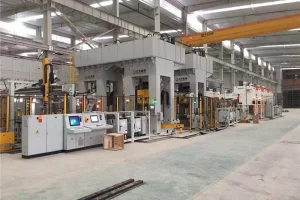
Turnkey multi-station automated processing arrays maximizing throughput for global tier-1 automotive suppliers.
Specialized high-density compression tooling configured for carbon-based structures and refractory materials.
The global industrial landscape is undergoing a massive shift towards structural lightweighting, energy efficiency, and predictive manufacturing. At the center of this transformation is the heavy-duty hydraulic press. Modern manufacturing demands high-precision forming solutions capable of processing not only conventional steel but also advanced high-strength steels (AHSS), light aluminum alloys, and fiber-reinforced composite structures. Hydraulic press manufacturers and suppliers must deliver machinery that accommodates complex geometries while maintaining rapid cycle times and strict tolerances.
Across key markets—including Western Europe, North America, and East Asia—the demand for custom hydraulic lines has surged. These machines are no longer standalone units; they are fully integrated cyber-physical networks equipped with IoT sensors, closed-loop servo control systems, and proportional valve technologies. From deep drawing gas cylinders for energy storage to stamping structural automobile body-in-white (BiW) components, modern industrial projects require equipment suppliers to possess deep engineering expertise and verified manufacturing credentials.
Leveraging state-of-the-art structural engineering to offer specialized equipment lines across three key technical domains.
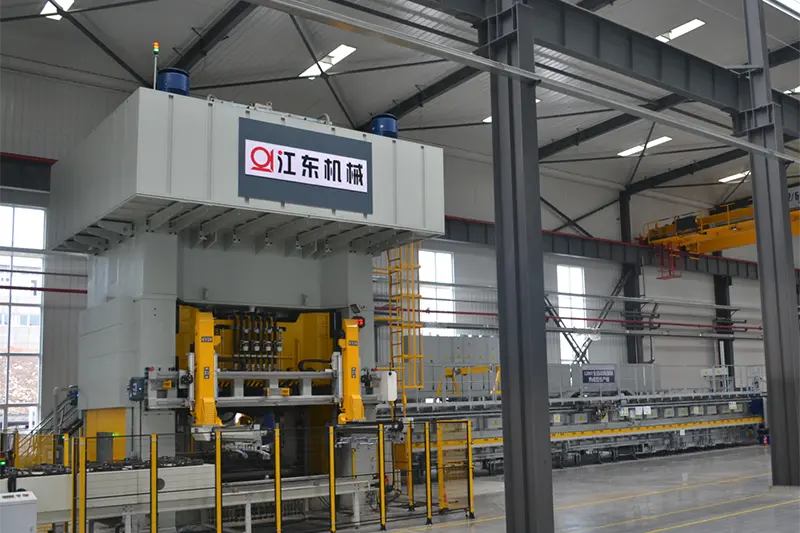
Designed for press hardening of ultra-high-strength steel, facilitating high-tensile structural automotive parts with optimized microstructures.
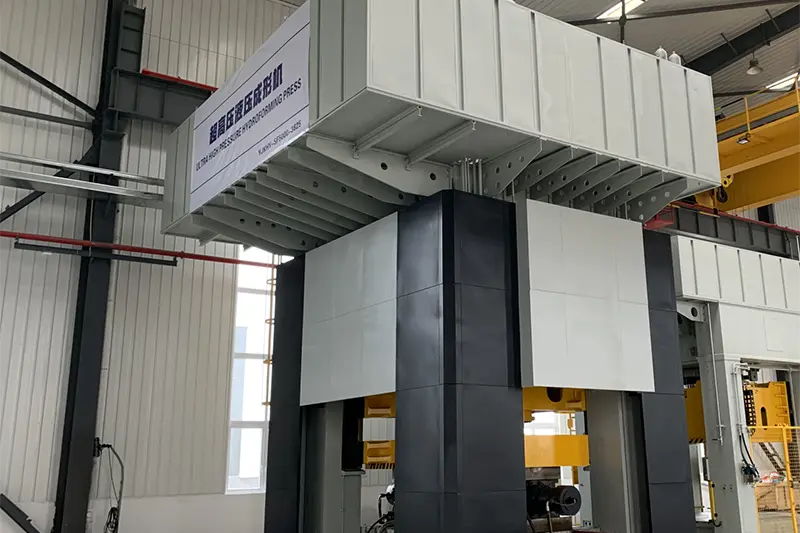
Applies high-pressure fluid mediums to expand hollow tube profiles into complex structural shapes without welds, reducing weight and joint failure risk.
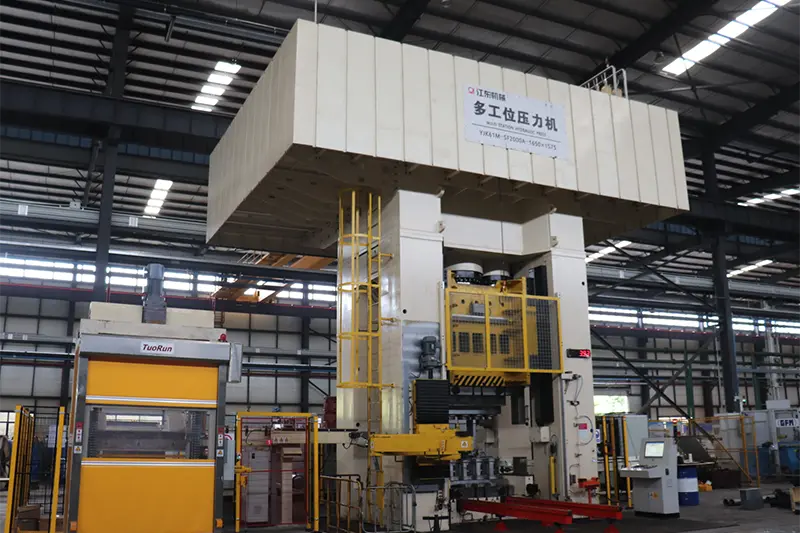
High-efficiency automated mechanical sequence handling multi-die forging steps dynamically, reducing manual interventions and scrap rates.
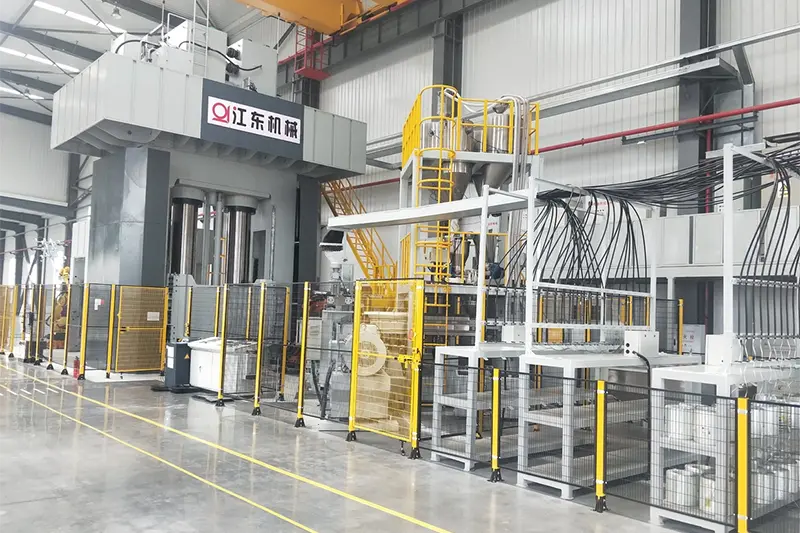
Direct in-line compounding and compression molding that preserves long fiber structures for enhanced mechanical stiffness and impact absorption.
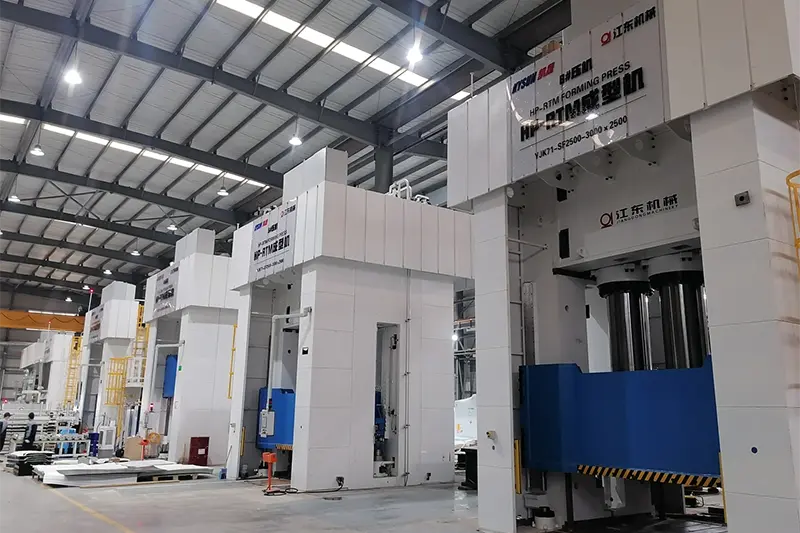
Enables structural carbon fiber composite parts production with clean surface finishes and minimal voids via automated high-pressure injection.
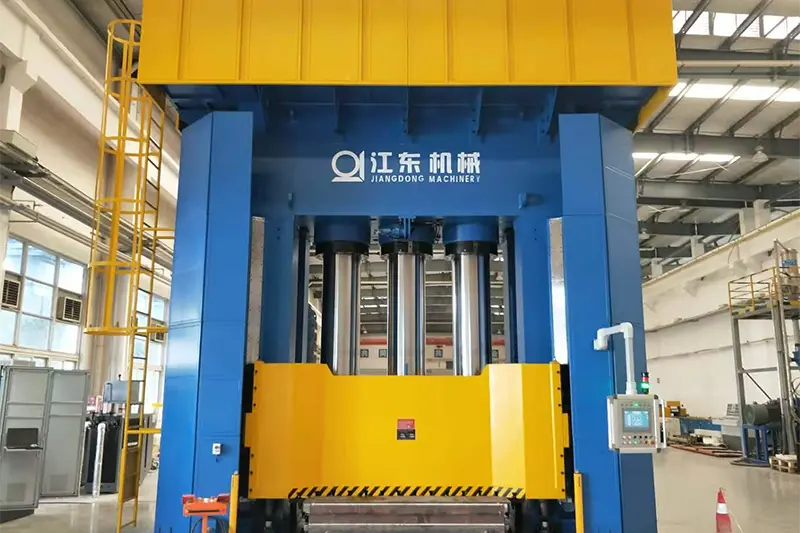
Versatile thermal compression machinery designed to shape complex thermosetting matrix compositions for outer body panels and utility shells.
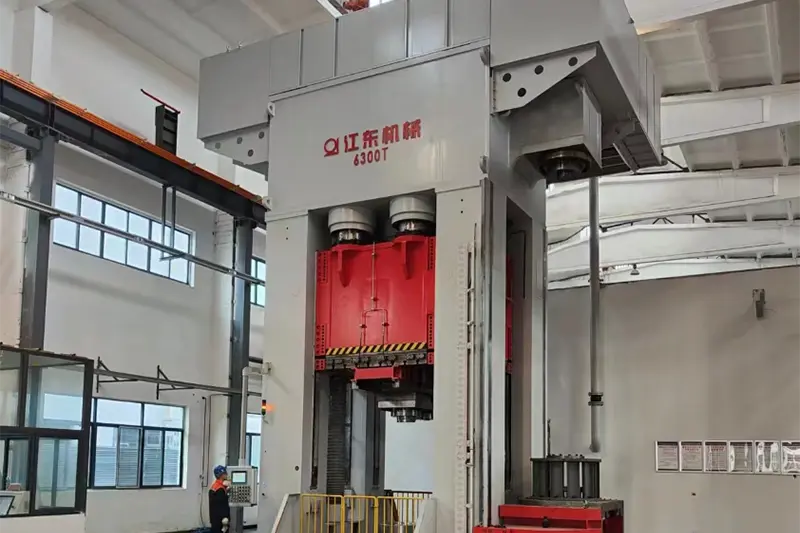
Maintains uniform die temperatures throughout the deformation phase, preventing thermal shock and enabling precision forming of superalloys.
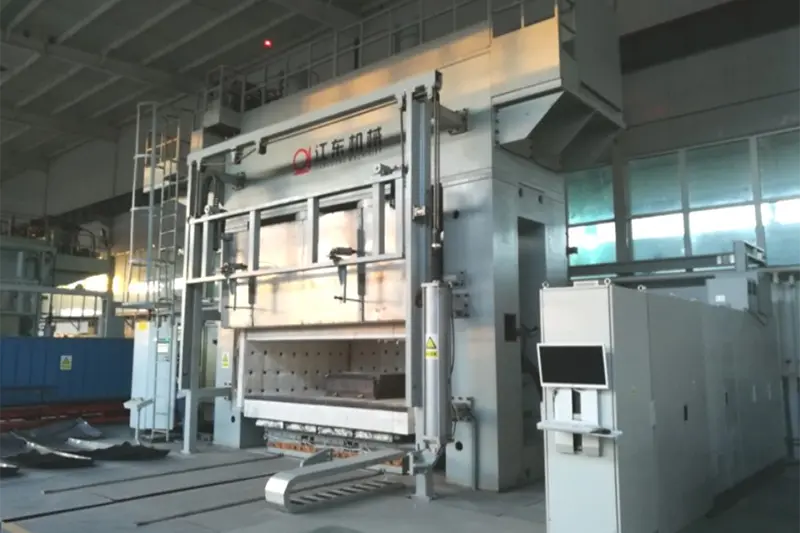
Utilizes low strain rates and elevated temperature profiles to expand titanium and aluminum alloys to high elongation levels without rupture.
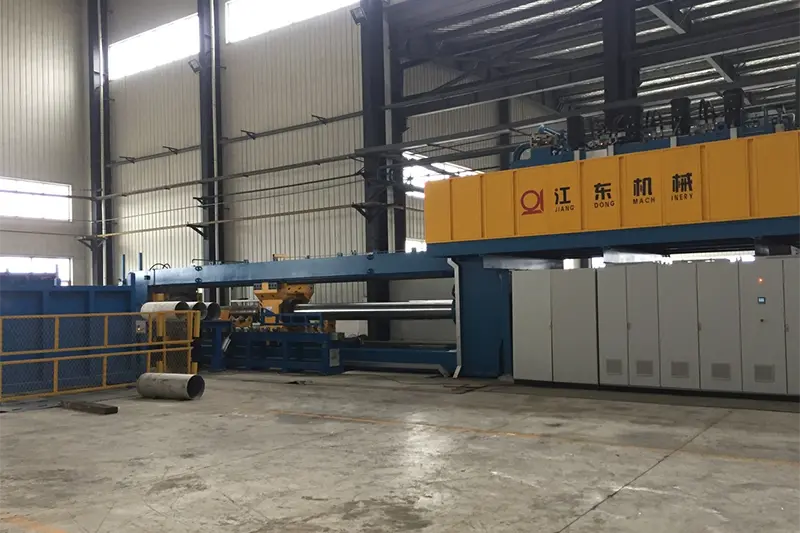
High-stroke deep drawing structures tailored for forming specialized containment vessels and bullet-type pressure storage shells.
From individual press configuration to fully automated turnkey manufacturing lines, we integrate material science and mechanical engineering.
Established in 1937, Chongqing Jiangdong Machinery Co., Ltd. (Jiangdong Machinery) is an industry-leading manufacturing enterprise specializing in the R&D, assembly, customization, and export of high-capacity hydraulic presses, lightweight forming machinery, mold tooling, and integrated process solutions. Over decades of operation, we have maintained a reputation for quality and engineering depth, facilitating specialized projects for automotive, aerospace, and energy industry customers worldwide.
Our facility houses advanced fabrication and validation machinery, allowing us to build reliable, high-tonnage multi-cylinder hydraulic structures. Leveraging digital twin simulation tools, finite element analysis (FEA), and state-of-the-art diagnostic equipment, our engineering team ensures that every press line delivers uniform pressure distribution, parallel accuracy, and energy-saving operation.
VIEW MORE ABOUT USEnsuring system availability, long-term precision, and operational efficiency throughout the equipment lifecycle.

Customized Solutions

Remote Service

Maintenance

Technical Support

Spare Parts
As manufacturers face rising energy costs and carbon neutrality targets, hydraulic press technology has evolved toward hybrid drive architectures. The transition from continuous-run induction motor pumps to servo-driven pump setups is the most significant development of the current decade. By modulating pump speed to match real-time force demands, modern servo-hydraulic units achieve energy reductions between 30% and 50% depending on the duty cycle.
Furthermore, integrating smart diagnostic capabilities allows modern factories to minimize unplanned downtime. Thermal, pressure, and acoustic sensors continuously stream operation indicators to analytical models, detecting micro-anomalies within proportional valves, cylinders, and oil circuits before mechanical degradation occurs. Moving forward, the industry expects deeper integration of automated tool-changing setups, robotic sheet loading arrays, and cloud-connected maintenance support systems.
Expert insights regarding modern structural hydraulic installations, operational variables, and configuration decisions.
A double-action hydraulic press utilizes two distinct moving components: the inner slide (acting as the punch) and the outer slide (acting as the blank holder). This design allows for independent control over blank holder pressure throughout the stroke, enabling precise metal flow management during complex, deep-draw processes. Consequently, issues like material tearing, thinning, and wrinkling are minimized when forming deep, asymmetrical panels. In contrast, a single-action press relies on integrated cushions or mechanical springs within the die to provide blank-holding force, which offers less variability during complex deformation sequences.
Traditional systems run fixed-speed motors continuously, utilizing proportional valves to throttle fluid flow and manage speed. This creates significant kinetic friction, heating the oil and wasting energy. Servo-hydraulic control replaces this by adjusting the motor's RPM dynamically to match the required speed and force profiles. When holding pressure or sitting idle, the servo motor stops or runs at minimal speeds. This lowers energy usage by up to 50%, reduces heat generation, extends seal life, and decreases cooling water demand.
HP-RTM (High-Pressure Resin Transfer Molding) enables high-volume manufacturing of carbon and glass fiber reinforced composites. The system places dry fiber preforms into a matched metal mold, closes the press under high tonnage, and injects resin at high pressures (often above 50 bar). This ensures rapid and complete fiber wet-out before polymerization begins, reducing cure cycles to under three minutes. This speed makes HP-RTM viable for automotive and industrial volume requirements, offering a lightweight alternative to steel or aluminum structural panels.
When choosing a supplier, engineers must verify technical credentials beyond static pressing capacity. Critical parameters include slide guiding accuracy (8-fold vs. 4-fold guide rails), parallel deflection tolerances under eccentric loads, decompression control design (to prevent shock), and die change speed. Reliable manufacturers should provide structural FEA profiles of the press frame, custom PLC integration options (like Siemens or Beckhoff), and field-service capability in the installation country.
Keep track of technological progress, cooperative initiatives, and event updates from our team.
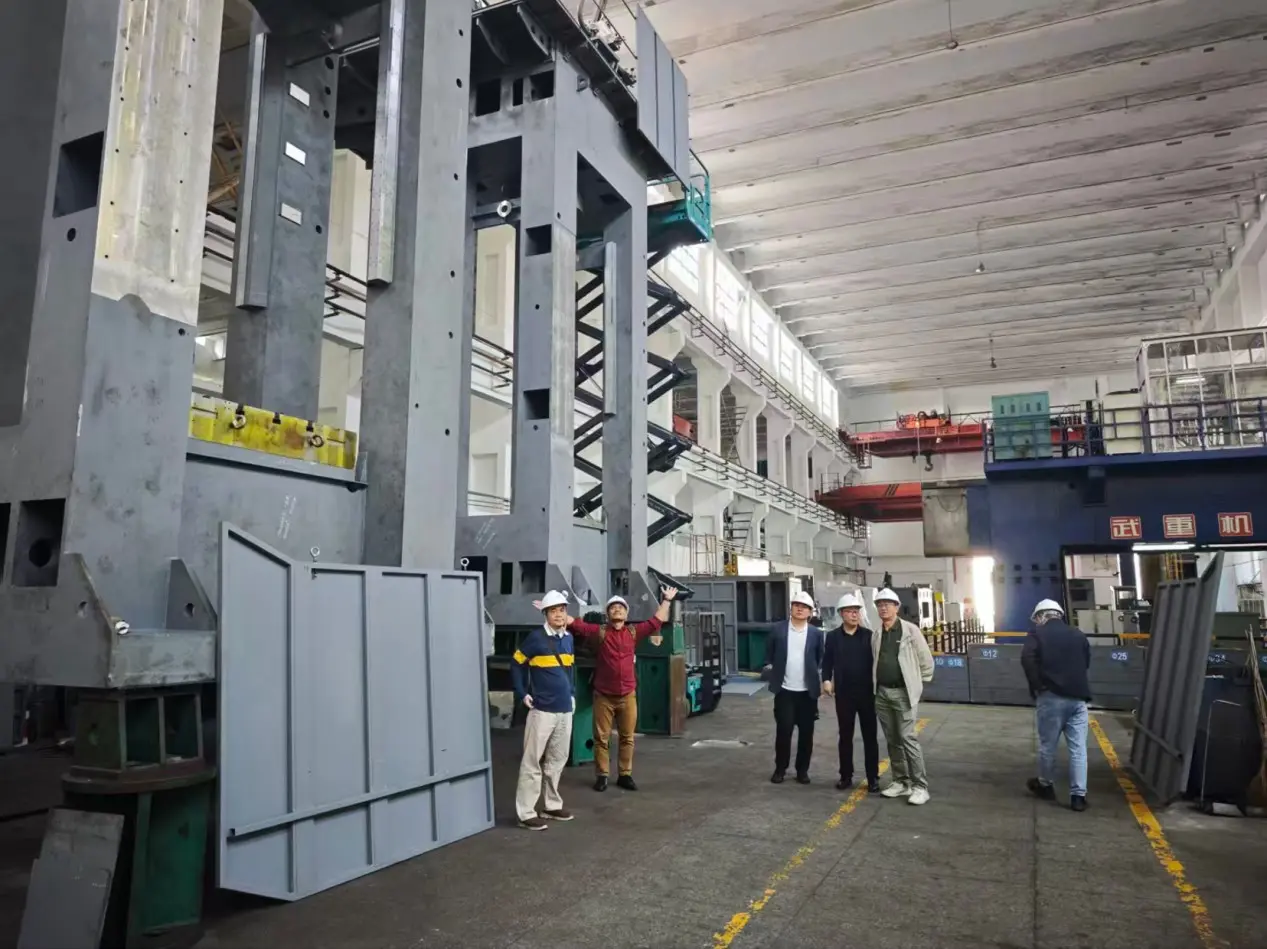
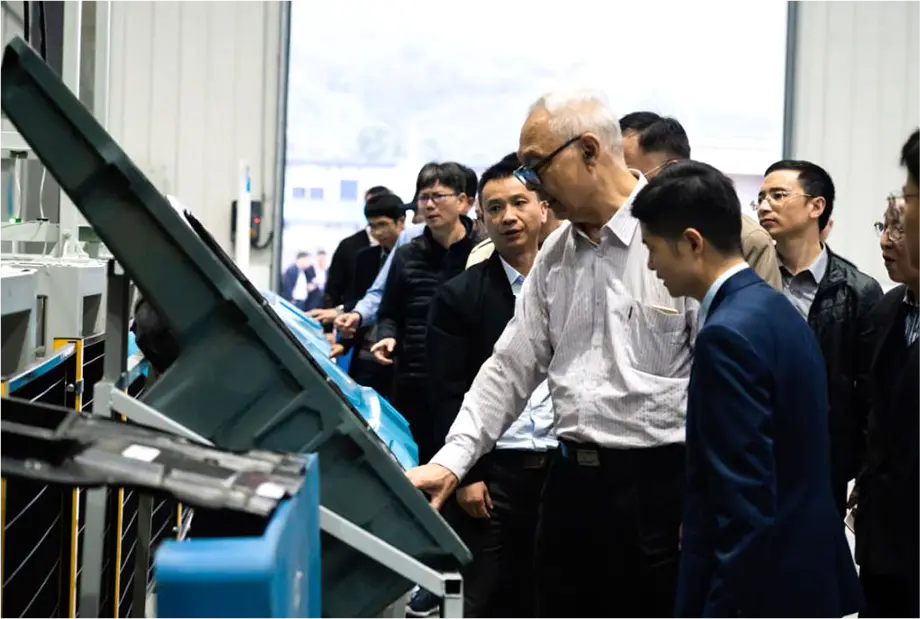
A delegation of Indonesian customers visited Jiangdong Machinery to evaluate our design standards, manufacturing processes, and automation capabilities. This visit laid the groundwork for a new cooperation focused on sheet metal forming for the Southeast Asian market.
Recently, an international delegation visited Chongqing to inspect our large-scale press lines, validating manufacturing tolerances and automation features...
With the arrival of the new year, partners from Thailand, Indonesia, and Malaysia visited Jiangdong Machinery to discuss collaborative projects in high-speed blanking and composite molding...
Jiangdong Machinery showcased its latest lightweight automotive manufacturing solutions at the international industry exhibition, highlighting next-generation hydroforming systems...
Browse our advanced composite molding systems, high-speed blanking machinery, and superplastic forming configurations.
Heavy-duty heated presses built to manage complex resin cure profiles and structural fiber compounds.
Integrated multi-die transfer arrays configured to maximize cycle efficiency for forged safety parts.
Reliable manufacturing systems for interior trims, acoustic insulating layers, and fiberboards.
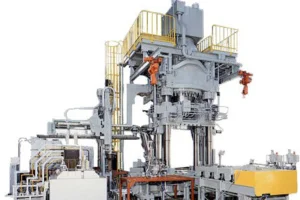
Specialized semisolid forming systems designed to produce dense, defect-free light-alloy structural housings.
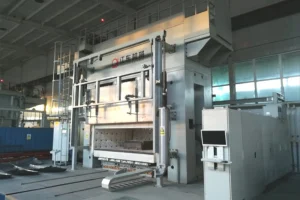
CE-compliant high-temperature systems tailored for superplastic forming of critical aerospace parts.
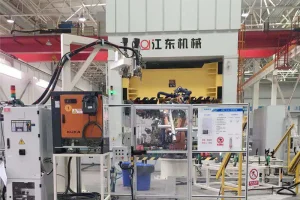
High-precision outer skin folding machinery offering consistent hem quality and clean joints.
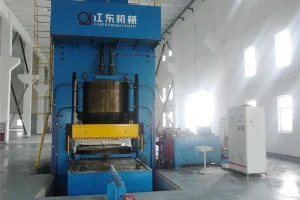
Heavy-duty compression molding setups designed to compact abrasive matrix grains into grinding wheels.
Precision-oriented fine blanking lines designed to produce flat components with smooth, sheared edges.