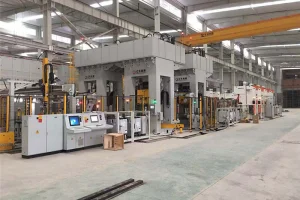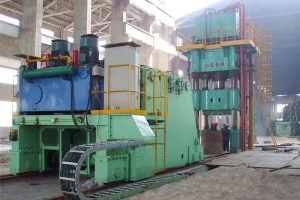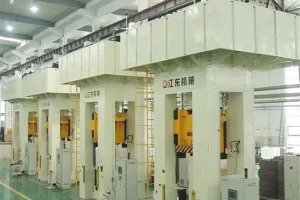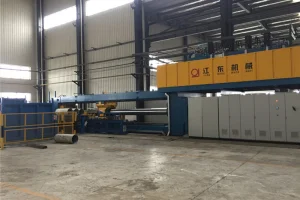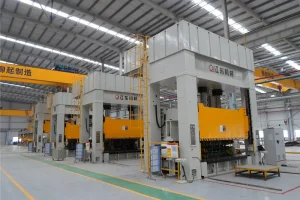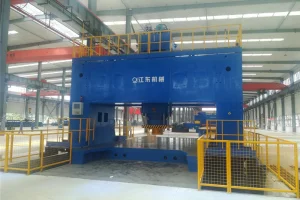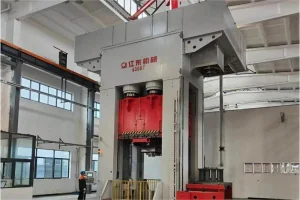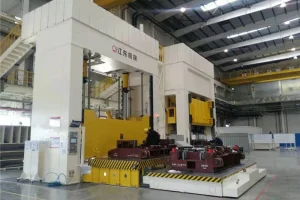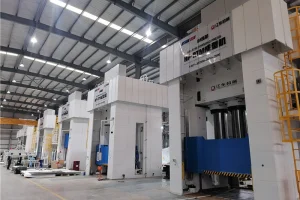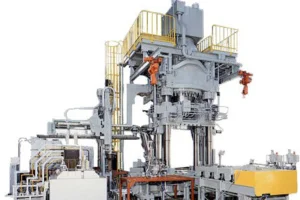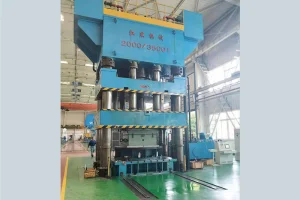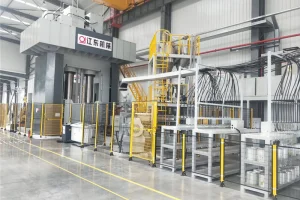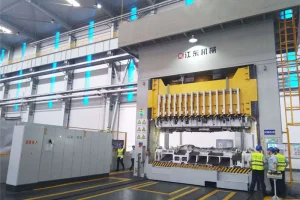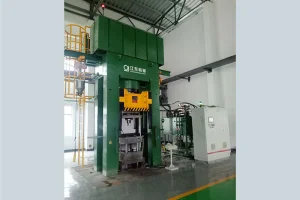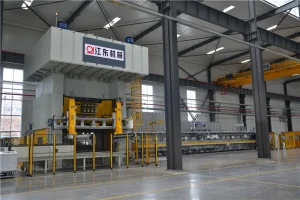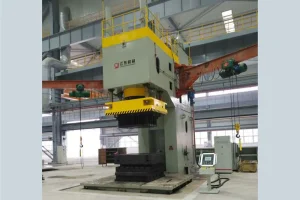
Explore our primary machinery portfolio offering unmatched structural structural rigidity, advanced servo automation, and state-of-the-art thermal process controls.
In modern industrial manufacturing, the line between traditional metalworking presses and precision CNC machines has blurred. The demands of lightweight automotive development, ultra-high-pressure composite forming, and high-precision aerospace engineering require machinery that blends the extreme tonnage of hydraulic systems with the closed-loop feedback controls characteristic of CNC machining centers. As global procurement teams evaluate partners, matching technical capability to overall lifecycle economy remains the critical bottleneck.
Jiangdong Machinery stands at the nexus of this revolution. With roots tracing back to 1937, the company has grown from a specialized foundry into an advanced manufacturing systems integrator. Jiangdong Machinery specializes in the R&D, production, and distribution of smart hydraulic presses, automated lightweight forming lines, and precision mold tooling solutions designed to meet the rigorous tolerances of global Tier-1 automotive and aerospace suppliers.
Modern CNC hydraulic presses no longer rely on simple mechanical end-stops. They utilize micro-resolution glass scales, fast-acting proportional valves, and synchronized servo-pump drives. This setup allows sub-millimeter level positioning and multi-zone tonnage control, preventing eccentric loading damage and guaranteeing uniform material thickness throughout deep draws.
As sustainability regulations intensify, reduction in structural weight remains a top priority across the transit, infrastructure, and heavy industrial sectors. Minimizing weight requires either stamping thinner sheets of ultra-high-strength steel (UHSS) at high temperatures or adopting entirely new materials such as high-strength aluminum alloys and fiber-reinforced composites. Each material calls for highly specialized forming equipment:
Utilizes internal high-pressure fluid media (up to 2000+ bar) together with axial feeds to shape hollow component profiles. Essential for chassis engine cradles and structural structural components.
Learn More →Combines rapid heating and rapid tooling cooling to forge ultra-high-strength boron steels, achieving ultimate tensile strengths exceeding 1500 MPa for vehicle safety structures.
Learn More →Integrates HP-RTM (High-Pressure Resin Transfer Molding) and LFT-D (Long-Fiber Thermoplastics Direct) technologies to press high-performance fiber composites into structural panels.
Learn More →To support these technologies, Jiangdong Machinery delivers end-to-end processing lines. This includes high-temperature ovens, automated multi-axis robot transfers, advanced hydraulic press bodies, and intelligent digital control stations. A single software interface coordinates these components, giving operators deep visibility into process temperatures, pressure cycles, and stroke velocities.
Beyond standard sheet metal processing, special industrial sectors require bespoke configurations engineered to withstand extreme thermal and mechanical fatigue:
Understanding cost structures is critical for capital expenditure planning. Heavy hydraulic forming systems are custom-engineered machinery configurations tailored to specific applications. Below is a structural comparison highlighting standard specifications and approximate cost indexes based on automation levels:
| Technology Class | Tonnage Range | Target Applications | Key Cost Drivers | Procurement Index |
|---|---|---|---|---|
| Single-Action Stamping | 200T - 1600T | Automotive skin panels, bracket structures | Stroke speed, energy recovery systems | Baseline Standard |
| Hydroforming (Internal High-Pressure) | 1000T - 5000T | Hollow tube chassis parts, structural components | Intensifier performance, multi-axis control | Premium Tech +35% |
| Composite Molding (HP-RTM / LFT-D) | 500T - 3000T | Carbon fiber parts, thermoplastic panels | Thermal control accuracy, mold-clearing cycles | Premium Tech +45% |
| Isothermal / Superplastic Forging | 800T - 10000T+ | Aerospace engine discs, structural titanium brackets | Vacuum chambers, high-temp heating elements | Advanced Custom (Quote Only) |
Cost indicators are influenced by the choice between hydraulic servo-pump technologies and conventional induction motors. Servo-driven pump systems, while requiring higher initial investment, reduce power consumption by up to 50% by matching motor output directly to hydraulic demands. This significantly lowers operating costs over the life of the machine.
To support high repeatability and prevent downtime, modern industrial forming lines integrate sensor arrays and edge computing devices. As an established manufacturer, Jiangdong Machinery is continually advancing its technology stack across three primary fields:
During high-tonnage stamping, structural frames flex under mechanical load. Jiangdong Machinery's intelligent CNC system monitors frame strain in real-time, instantly adjusting hydraulic cushion pressures. This compensation maintains optimal part dimensions, preventing micro-stress fractures and reducing tooling wear.
Temperature sensors on proportional valves, vibration monitors on high-pressure pumps, and inline particle detectors in hydraulic oil loops continuously feed data back to local industrial PCs. System anomalies are detected before physical failure occurs, allowing maintenance teams to address issues before they cause unplanned production downtime.
Purchasing heavy machinery requires robust long-term support. Equipment must meet strict regional safety regulations (such as CE directives in Europe, UL/NFPA standards in North America, and OSHA requirements). Jiangdong Machinery has established dedicated protocols to ensure seamless global delivery and commissioning:
Our range of special-purpose systems, including automated thermo-processing units, high-temperature composite formers, and structural die spotting systems.