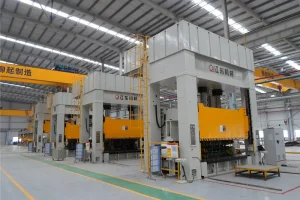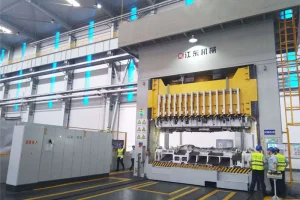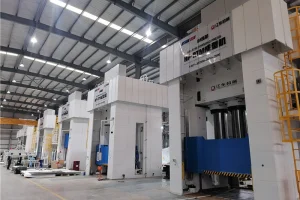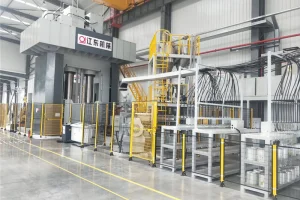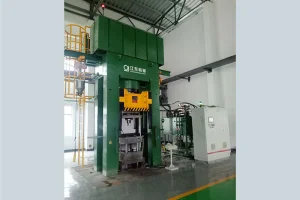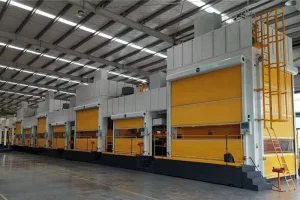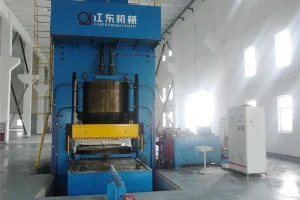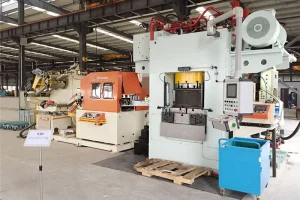
Explore our foundational range of heavy-duty sheet metal stamping, internal hydroforming, and specialized forging production lines engineered for extreme reliability.
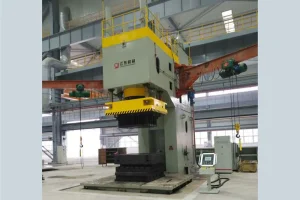
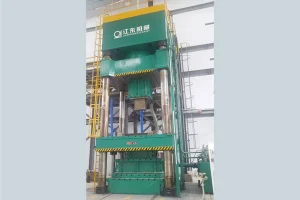
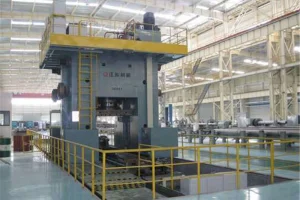
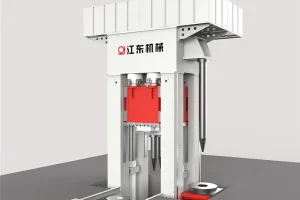
The modern manufacturing sector is undergoing an unprecedented structural transition. Propelled by strict environmental imperatives, global decarbonization directives, and the transition of the automotive landscape toward electrification, engineering paradigms are focused intensely on structural lightweighting. By reducing body-in-white (BIW) mass, OEMs can directly extend EV driving ranges, lower energy consumption, and maintain structural crashworthiness.
Achieving lightweighting requires replacing standard sheet metals with advanced high-strength steels (AHSS), complex aluminum alloys, titanium, and carbon-fiber-reinforced polymers (CFRP). However, forming these materials demands complex press mechanics. Standard mechanical stamping is prone to springback, micro-fractures, and structural stress concentrations.
High-performance hydraulic press systems provide exact control over force-stroke paths, high tonnage distribution, and programmable dwelling cycles. Advanced metal forming depends heavily on these hydraulics to form complex geometries with minimal residual stress and consistent microstructure density.
Delivering turn-key manufacturing technologies designed to process high-strength metals and advanced composite systems with maximum structural integrity.
Using high-pressure media (up to 4000 bar) to expand tubular metals outward against die cavities. Ideal for lightweight automotive subframes, engine cradles, and architectural structural tubes with minimized weld seams.
Processes ultra-high-strength boron steels (such as Usibor 1500) under intense heat (up to 950°C), quenching the steel in-die to obtain hard martensitic phases for high-security safety components.
High-speed multi-station setups for progressive cold extrusion, trimming, and blanking operations. Designed to produce complex automotive drivetrain components and mechanical gears with zero material waste.
Enables highly controlled plastic deformation of near-net-shape titanium, nickel, and magnesium alloys. Used in turbine disks, structural bulkheads, and aerospace ribs requiring precise grain structure control.
Processes modern polymer architectures by applying heat and pressure to mold lightweight, rigid parts. Suited for structural reinforcement and body panels in high-end automotive assemblies.
Exploring how digitalization, real-time sensing, and electro-hydraulic optimization are redefining hydraulic equipment efficiency.
Integrating fast-response servo valves and digital linear transducers to achieve slide repeatability under ±0.01mm. This feedback loop prevents die mismatch and minimizes wall-thickness variations in hydroformed parts.
By employing variable-frequency servo pump drives (servo-hydraulics), modern presses capture decompression energy and store it or cycle it back. This reduces total electrical load by up to 50% relative to conventional throttling systems.
Equipping hydraulic pumps, valve blocks, and manifolds with vibration sensors, temperature probes, and particle counters. Real-time data streams map system wear, preventing unexpected fluid breakdown and line downtime.
Modern structural engineering relies on material-specific pressure and temperature settings to form parts correctly:
Original manufacturing systems and specialty tooling configurations utilized globally.
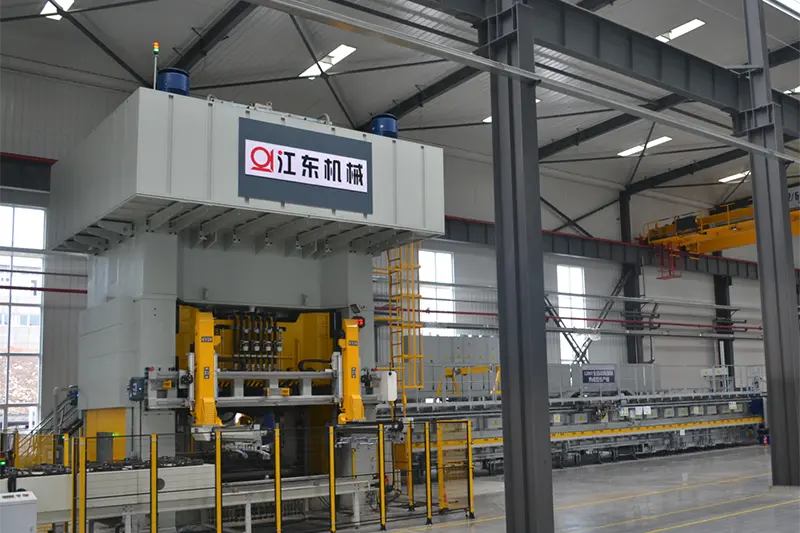
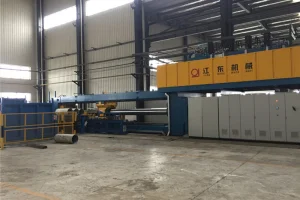
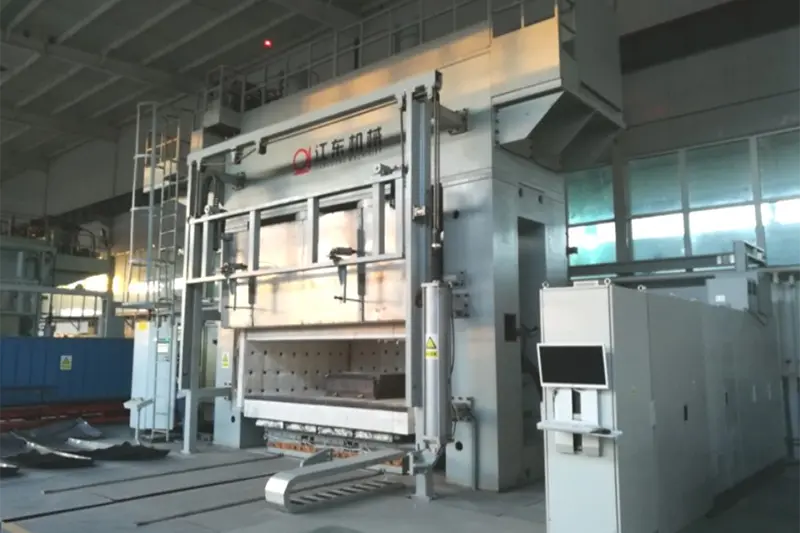
Hot Stamping Hydraulic Press Production Line
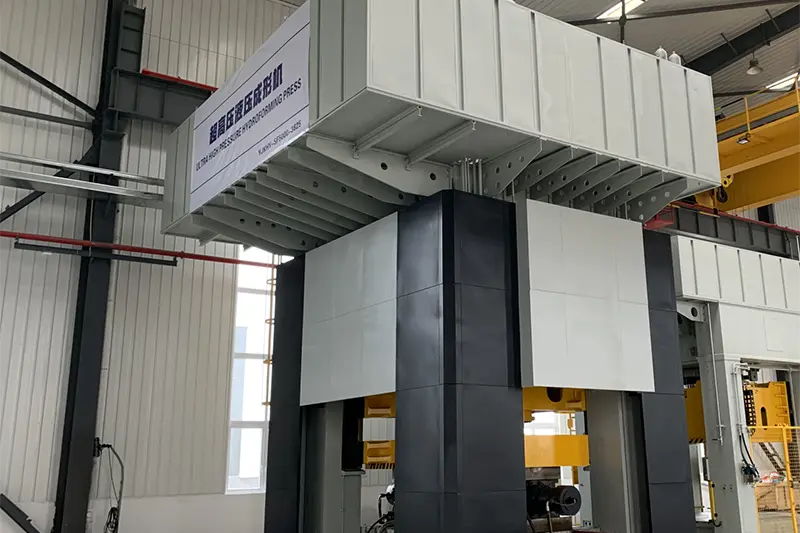
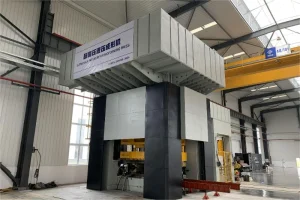
Hydroforming-Internal High Pressure Forming Press Production Line
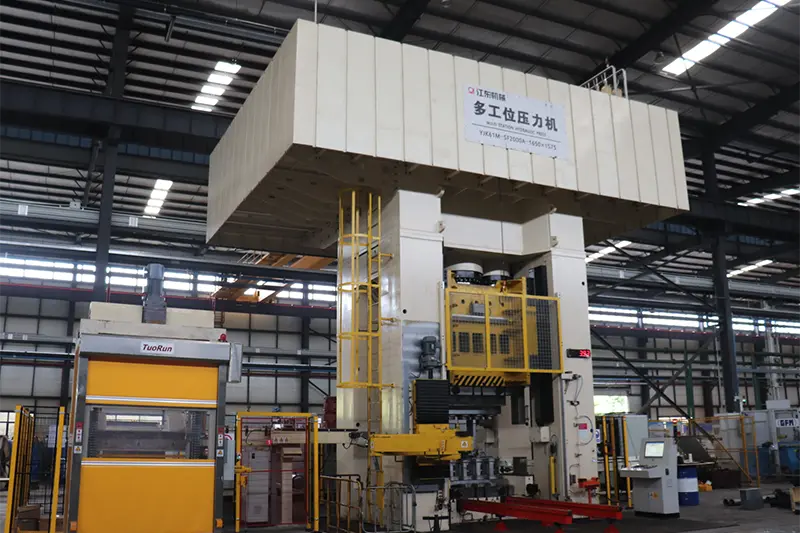
Multistation Extrusion Forging Production Line
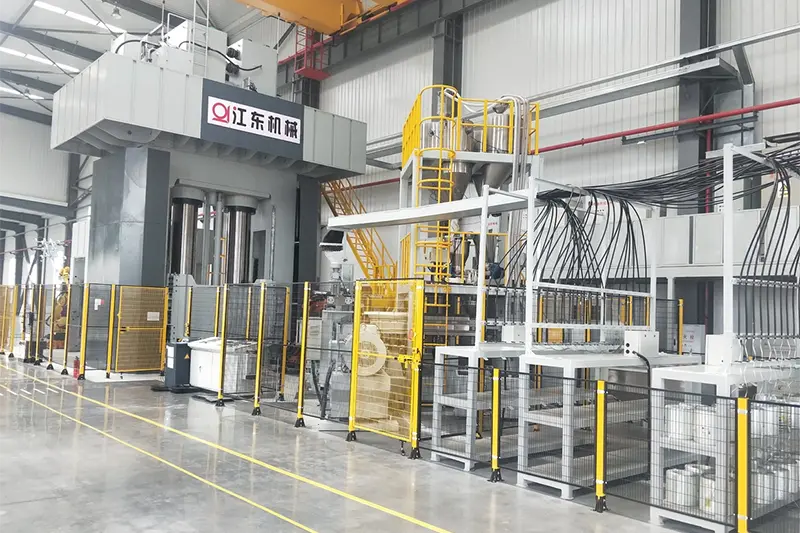
LFT-D Long-Fiber Composites
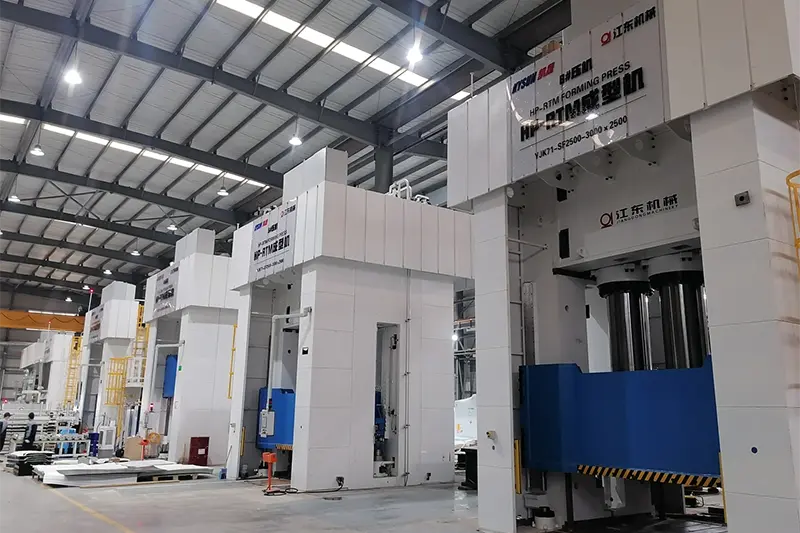
HP-RTM High Pressure Molding
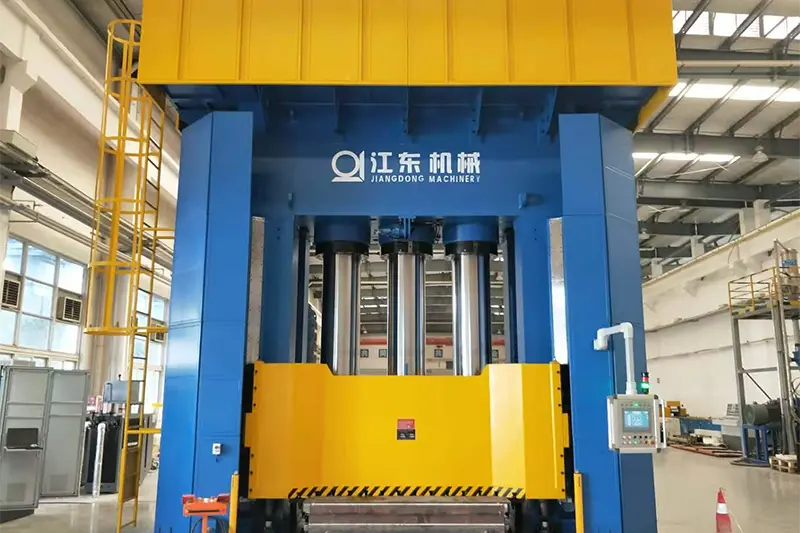
SMC/BMC/GMT/PCM forming
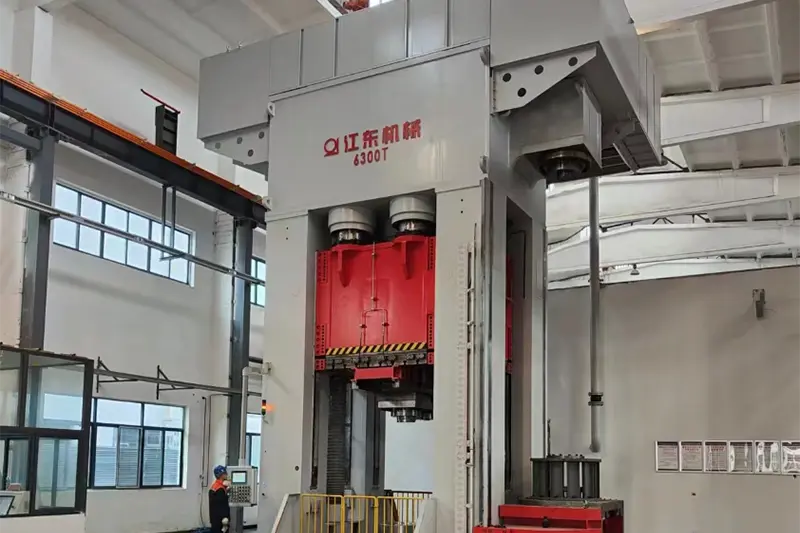
Iso Thermal Forging
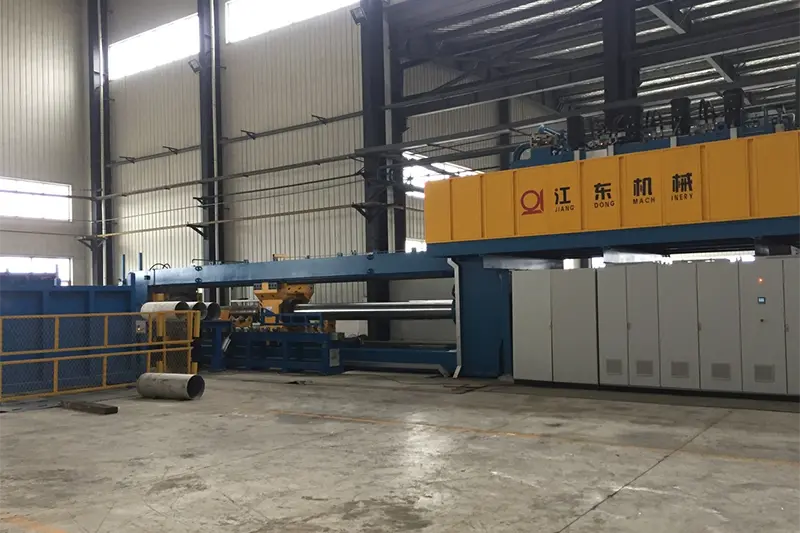
Superplastic Forming
Gas Cylinder Bullet Housing Stretching
Aligning capital equipment investment with safety protocols, international compliance codes, and long-term operating efficiency.
We design and engineer all hydraulic and mechanical systems to meet regional industrial codes: CE (for Europe), UL (for the USA), and CSA (for Canada). Dual-channel safety light barriers, safety lock systems, and redundant hydraulic circuit monitoring protect operators and satisfy regional OSHA standards.
Manifolds and high-pressure tubing undergo strict stress analysis using FEA to withstand prolonged cycle loads and pressures without micro-cracking.
Capital equipment evaluation extends beyond initial cost. Our servo-driven systems reduce energy use during long pressure-holding cycles, lowering electricity bills by up to 50% relative to standard throttle valves.
Smart oil filtration and thermal cooling loops extend fluid lifetime, reducing oil replacement frequency and saving on component wear.
Established in 1937, Chongqing Jiangdong Machinery Co., Ltd. (Jiangdong Machinery) is a comprehensive manufacturer integrating R&D, production, sales, and service of hydraulic presses, lightweight forming technology, lightweight automotive parts, and specialty stamping dies.
We focus on automating and digitalizing forming systems to supply flexible, reliable production setups. Jiangdong Machinery offers metal and non-metal hydraulic forming equipment paired with integrated tooling solutions, helping automotive OEMs and aerospace suppliers reduce part weight without sacrificing component strength.
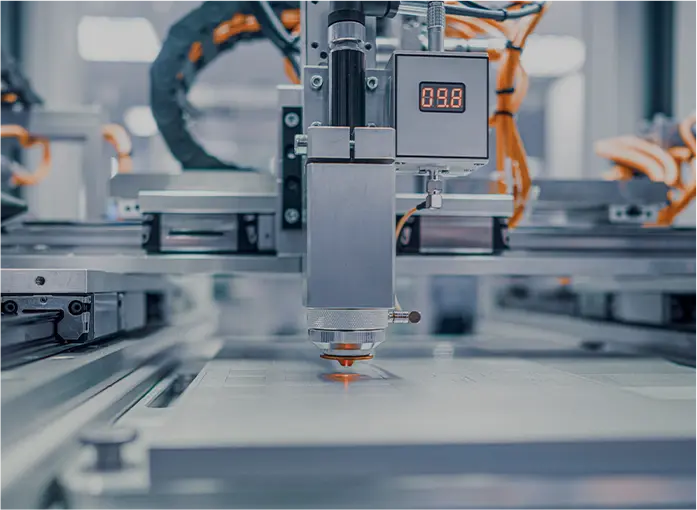
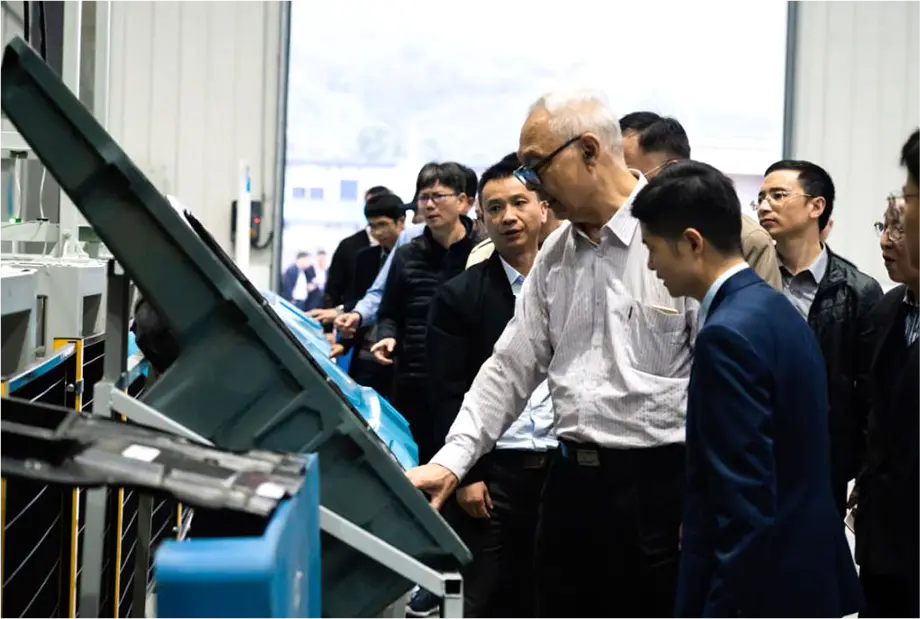
Over 80 years of engineering heritage
Items patented per year
Annual R&D projects completed
Ensuring system availability and peak efficiency through our lifelong mechanical support framework.

Bespoke hydraulic architecture designed around custom payloads, cycle times, and structural specifications.

On-demand virtual support and live PLC adjustments using encrypted cellular IoT gateways.

Preventative servicing programs, pressure seal diagnostics, and cylinder wear analysis by expert field engineers.

Live troubleshooting, valve optimization, and control logic engineering assistance available globally.

Fast supply of seals, replacement manifolds, proportional valves, and electrical control elements.
Keep pace with metal forming trends, customer deployments, and global projects.
Addressing core technical questions regarding precision, cycle efficiency, and capital equipment procurement.
Schedule a free technical evaluation to discuss machine parameters, cycle time calculations, and line layouts.
Explore our secondary lineup focusing on composite compression molding, precise die testing, sheet-metal stamping, and high-speed fine-blanking systems.