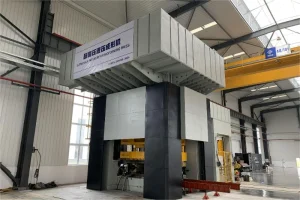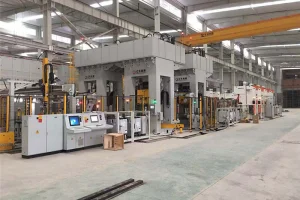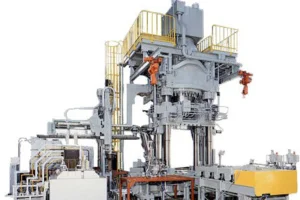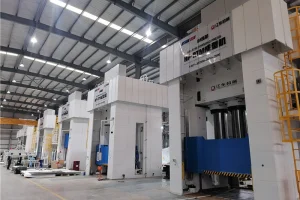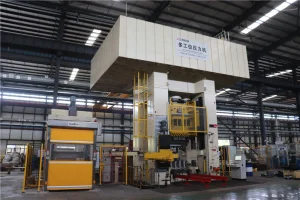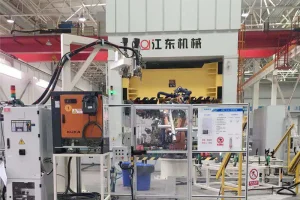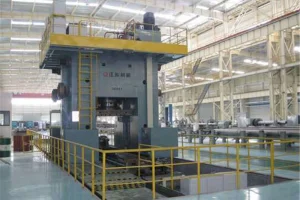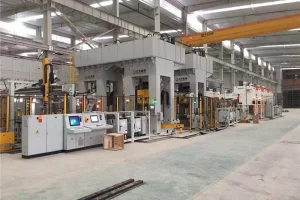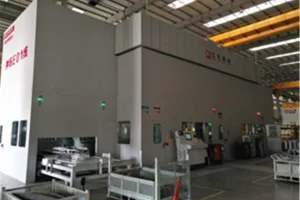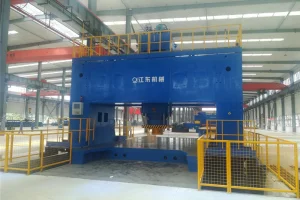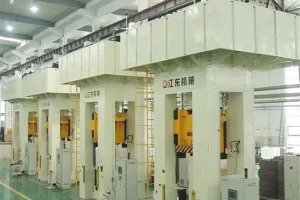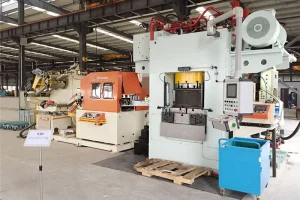
Maximize throughput and precision using our integrated forging production systems engineered to withstand severe environments.
Modern industrial scaling demands high strength, precise tolerances, and metallurgical perfection in metal forming. The Hot Forging Extrusion Press Line serves as the cornerstone for high-integrity structural components across aerospace, defense, and automotive sectors. By pairing thermal processing with high-force hydraulic extrusion, these lines alter grain flow pathways in steel, aluminum, titanium, and superalloys, producing parts with superior mechanical properties compared to casting or machining methods.
A typical extrusion press line integrates material feeding, induction heating, mechanical descaling, hydraulic extrusion, trimming, and rapid thermomechanical cooling into a singular automated system. Because components undergo rapid deformation at elevated temperatures (typically exceeding 1100°C for steel and 450°C for aluminum), maintaining precise control over die temperature, stroke profiles, and extrusion speeds is vital to avoiding microstructural cracking and grain boundary segregation.
In this comprehensive whitepaper, we dissect the state of hot forging extrusion technology, evaluate the performance improvements achieved via high-precision hydraulic control systems, and analyze how optimized manufacturing ecosystems, particularly those based in China, address the purchasing and engineering requirements of global OEMs.
We specialize in metal extrusion, composite compression, and special industrial forming technologies.
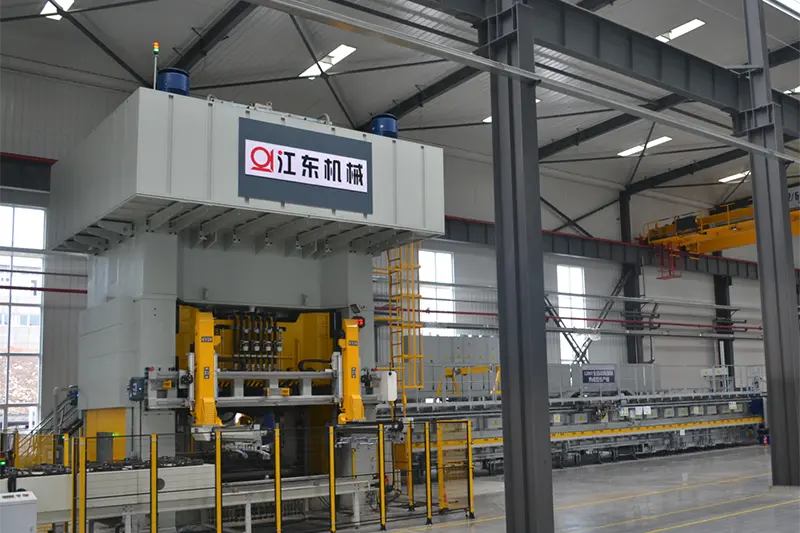
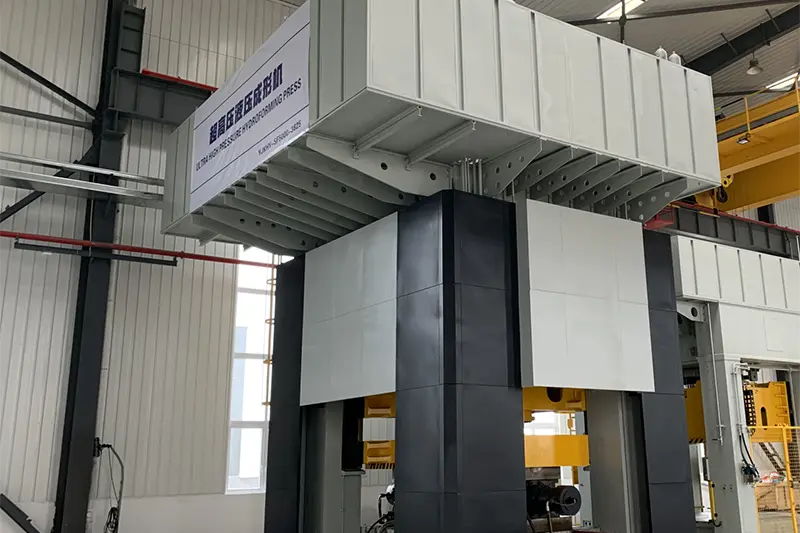
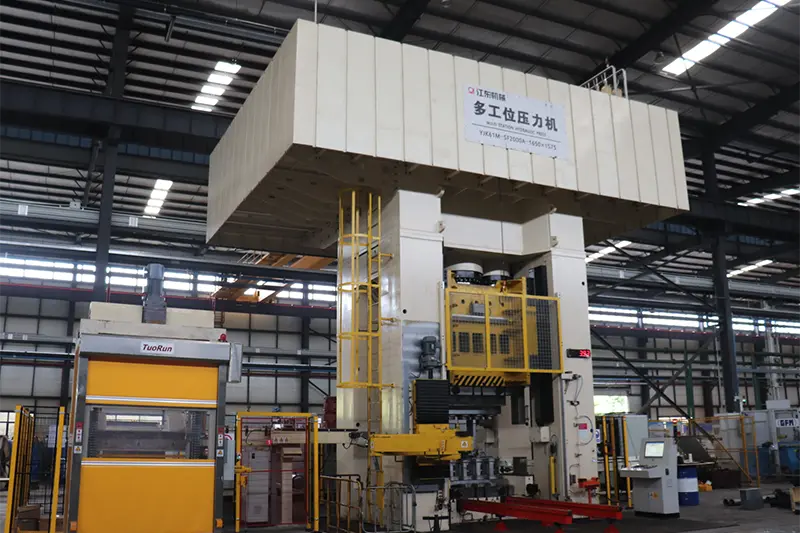
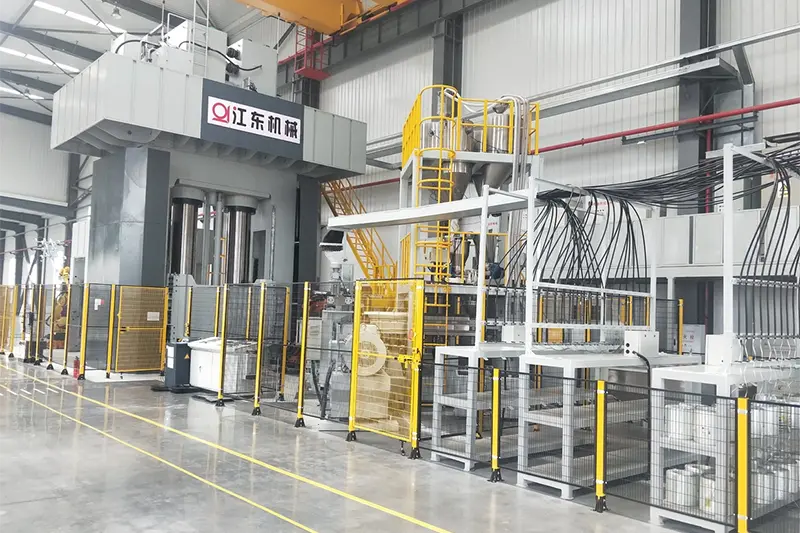
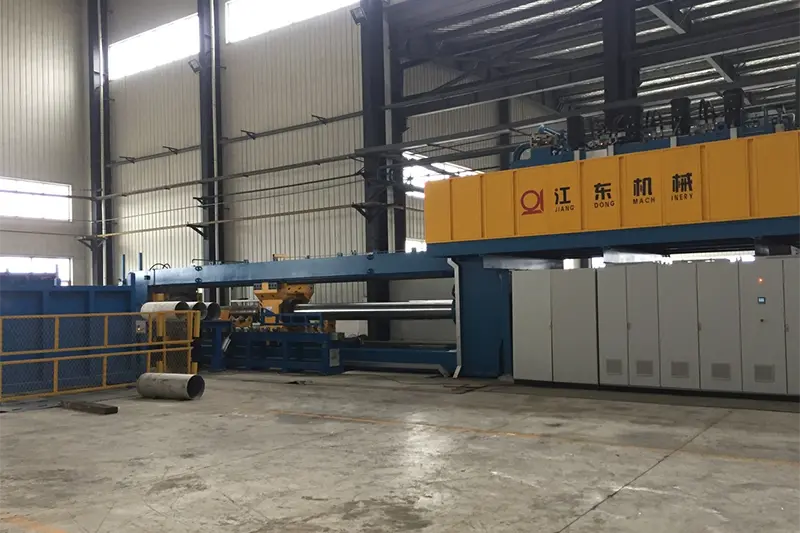
Deploying specialized technology platforms to fulfill stringent tolerance, cycle-time, and weight-reduction mandates.
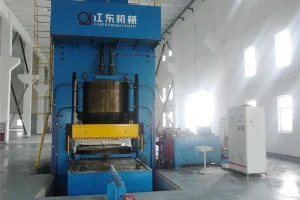
Offers lightweight structure fabrication via advanced liquid hydroforming and hot gas expansion forming. This setup allows for single-step manufacturing of complex hollow components from high-strength tubes, reducing weight and eliminating post-weld inspection requirements.
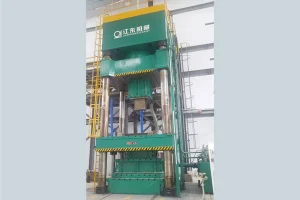
Precision hot stamping systems enable the forming of ultra-high-strength boron steel parts (tensile strengths up to 1500 MPa or more). High-capacity cooling channels built into our dies rapidly quench parts during the stroke, achieving immediate martensitic transformation.
Combines multi-die stages into a unified press environment. Our automatic multistation extrusion/forging systems support cold extrusion and progressive die sequences, delivering high throughput for complex shaft and axis fittings.
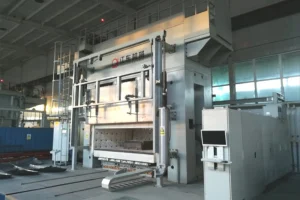
Engineered for high-value alloys (Titanium, Nickel, Aluminum-Lithium). Maintains constant workpiece temperature within an insulated envelope, allowing slow, controlled plastic deformation with negligible residual stress for critical aerospace forgings.
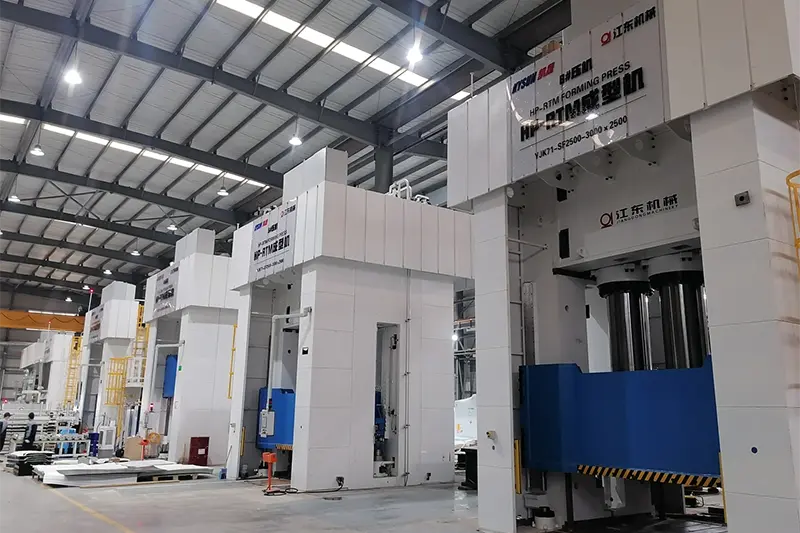
Integrates LFT-D (Long-Fiber Reinforced Thermoplastic direct forming) and HP-RTM (high-pressure resin transfer molding). Our production lines combine rapid press movements with accurate dosing and mixing systems, providing high-efficiency fiber-reinforced polymer forming for carbon fiber exterior panels and structural underbody components.
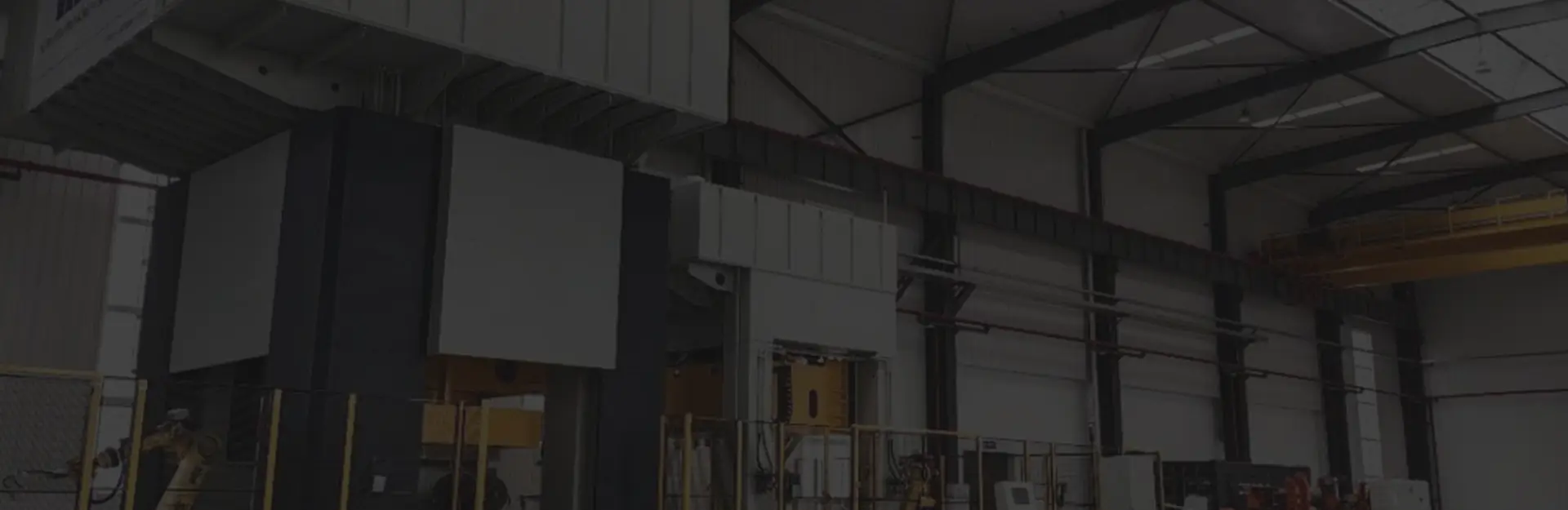
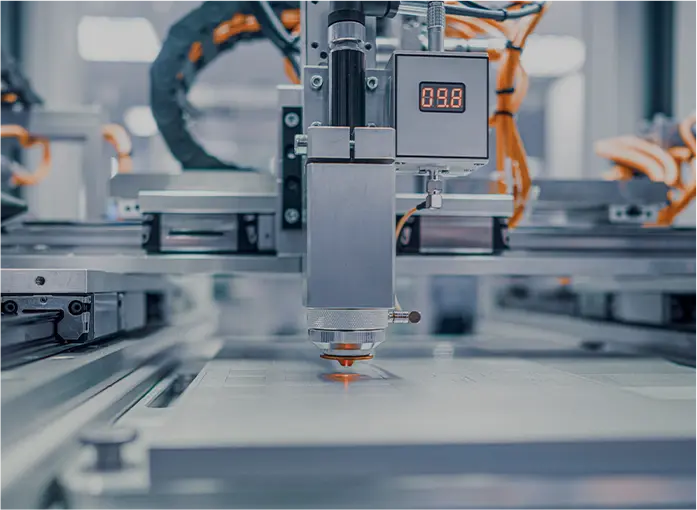
Chongqing Jiangdong Machinery Co., Ltd. (Jiangdong Machinery) is a comprehensive forging equipment company integrating the design, manufacture, sale, and service of advanced hydraulic presses, lightweight forming lines, tool dies, and metal castings.
Established in 1937, Jiangdong Machinery has supported global metalworking sectors for close to a century. Our advanced research division focuses on intelligent automation, hydraulic servo control systems, and flexible manufacturing configurations. We partner with Tier-1 automotive groups, aerospace firms, and energy companies to deliver turn-key manufacturing operations.
From initial simulation and finite element analysis (FEA) to mold construction, automation layout, and final installation, we focus on minimizing commissioning times and maximizing long-term tool life.
Investing in a Chinese-manufactured Hot Forging Extrusion Press Line provides distinct competitive advantages in lead times, supply chain integration, and engineering value. In heavy industrial clusters like Chongqing, the manufacturing ecosystem is structured to handle everything from raw steel casting to high-precision machining on a grand scale.
Our proximity to major domestic foundries allows us to secure single-pour heavy steel castings (sometimes exceeding 100 tons for large columns and beds). This access helps prevent structural defects and micro-porosity while reducing shipping and raw material costs.
While critical control electronics, proportional valves, and seals are sourced from leading global suppliers (such as Rexroth, Siemens, and Parker), structural fabrication, frame machining, and pipe routings are completed in-house. This combination offers high system reliability at a lower overall investment cost.
Our heavy-duty assembly halls feature high-capacity overhead cranes and dedicated test beds. We set up, wire, and pre-commission complete forging and extrusion production lines before shipment, minimizing on-site installation and tuning times.
International procurement managers look for equipment that offers high safety levels, operational compliance, and long-term reliability. Our engineering processes are structured to comply with international regulations, including European CE directives and OSHA safety codes. By integrating robust safety features—such as dual-monitored safety valves, hydraulic drop-prevention blocks, and light curtain barriers—our extrusion lines operate safely in high-volume, automated plants worldwide.
From custom engineering to remote diagnostic support, we ensure your line stays operational.

Customized Solutions

Remote Service

Maintenance & Diagnostics

Technical Support

Spare Parts Inventory
Detailed answers to technical and operational questions regarding hot forging extrusion press lines.
2026/May
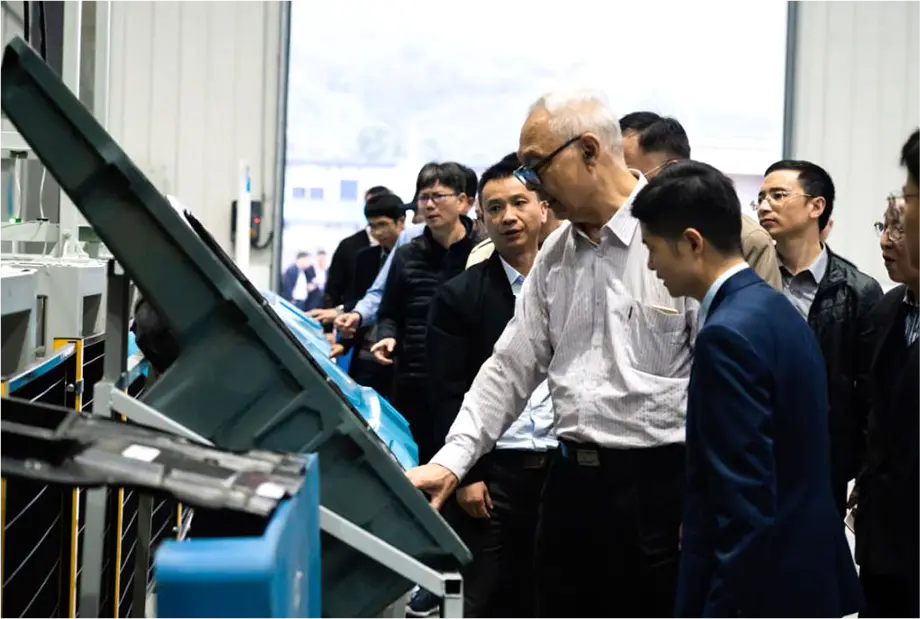
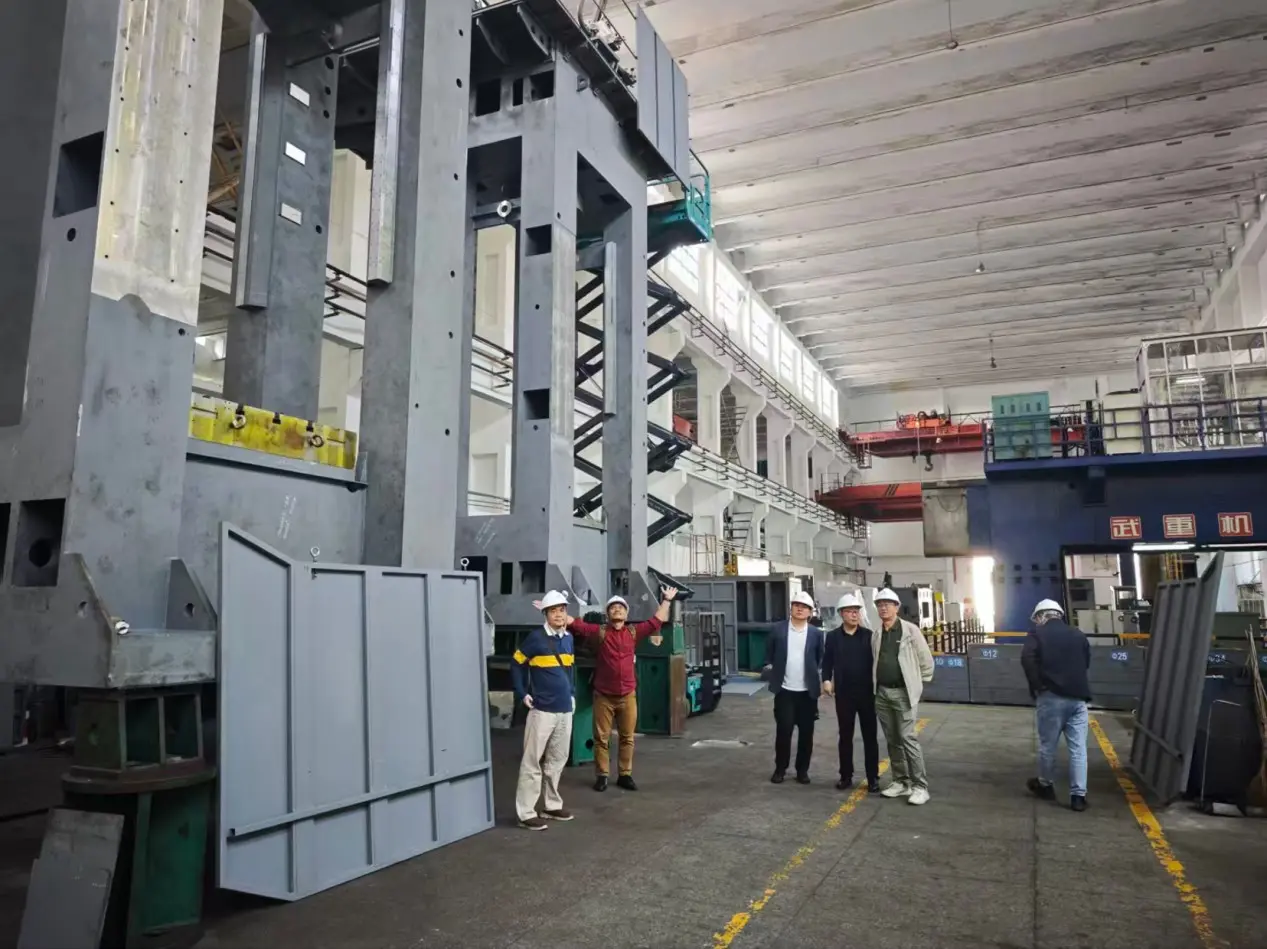
A delegation of Indonesian industrial manufacturing clients visited Chongqing Jiangdong Machinery's production facilities. The visit included dynamic machinery demonstrations and structural strength verification tests, establishing a foundation for custom hot forging press line shipments to the Southeast Asian market.
Recently, a delegation of Indonesian customers visited Jiangdong Machinery to inspect its capabilities, product quality and technical strengths, laying a solid foundation...
With the arrival of the new year, everything feels fresh and renewed. Recently, multiple partners from countries including Thailand, Indonesia, and Malaysia have successfully...
Chongqing Jiangdong Machinery Co., Ltd. (hereinafter referred to as "Jiangdong Machinery"), a leading enterprise in China's metal forming industry, prepares new releases...
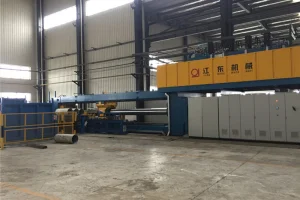
Highly automated system lines for straightening, cutting, and trimming metal structural components.