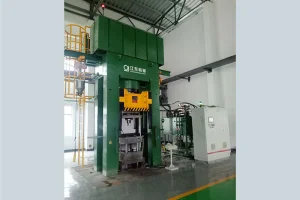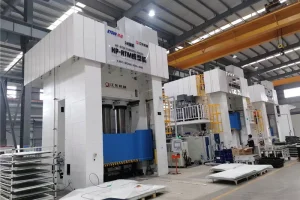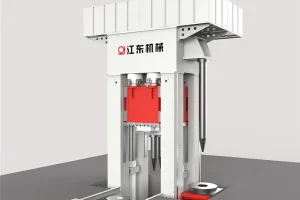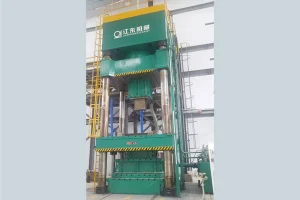
Engineered for high-volume automotive, industrial components, and metallurgy operations requiring extreme precision.
Industrial manufacturing is undergoing a structural paradigm shift driven by the automotive lightweighting movement, aerospace component specialization, and the pursuit of energy-efficient systems. At the center of this revolution is the integration of heavy-duty subtractive metalworking lathes with high-precision deformation machinery, such as multi-station hydraulic presses and hot stamping production lines.
While searching for discount metalworking lathes manufacturers, procurement specialists and manufacturing architects must evaluate the total cost of ownership (TCO) and system compatibility. Standard metalworking lathes perform localized subtraction processes, but the raw stock and pre-forms for these high-speed lathes are increasingly generated by sophisticated forging and stamping lines. Modern manufacturing factories do not purchase components in isolation; instead, they integrate multi-axis lathe centers with automatic straightening presses, isothermal forging setups, and automated shearing lines.
By combining subtractive processes (turning on metalworking lathes) with mass-deformation methods (hydraulic press forming, superplastic forming), companies save up to 40% in material loss. Forging pre-forms on a dedicated hydraulic press close to near-net shape minimizes the subsequent machining required on a metal lathe. This directly translates to reduced cycle times, reduced tool wear, and ultimately, a lower cost per part.
Whether it is the mass production of high-pressure gas cylinders, composite vehicle components, or aerospace titanium structural pieces, the requirement for seamless workflow orchestration is paramount. Industrialized nations in Europe, North America, and parts of Asia are focusing heavily on transition technologies, including Long-Fiber Reinforced Thermoplastics (LFT-D) and High-Pressure Resin Transfer Molding (HP-RTM). To optimize these workflows, companies need certified machinery that adheres strictly to CE norms, ensuring compliance, safety, and long-term reliability.
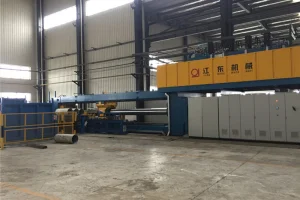
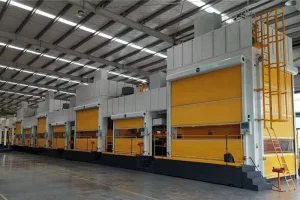
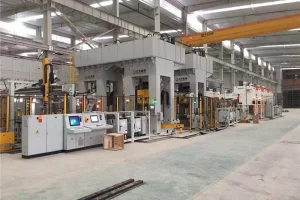
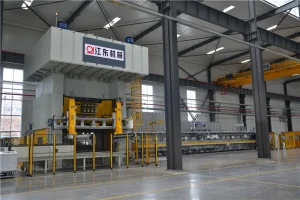
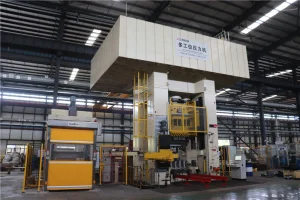
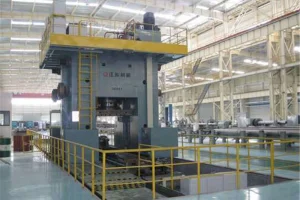
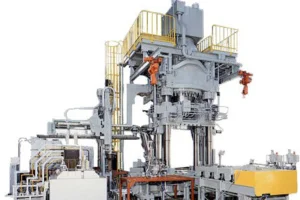
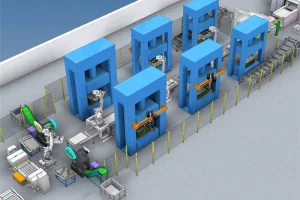
Integrated processing networks combining Sheet Metal Stamping, Composite Forming, and Special Industrial Forming systems.
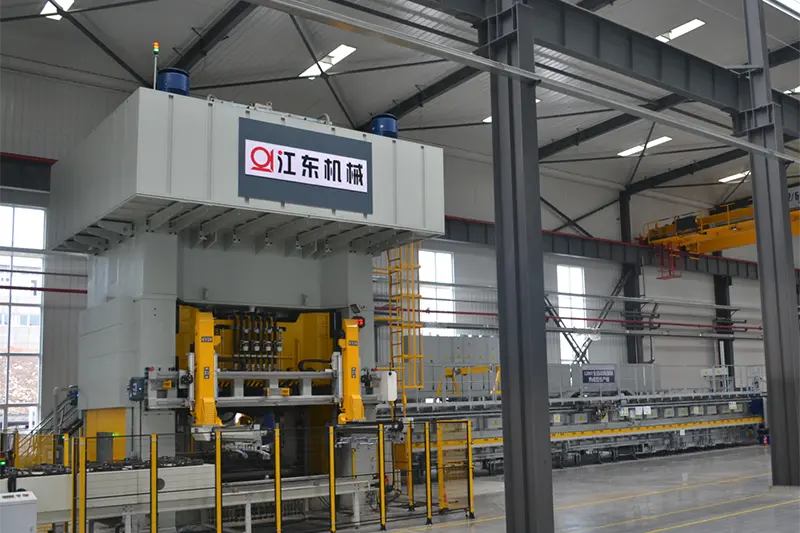
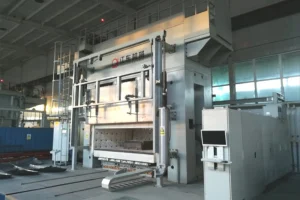
Hot Stamping Hydraulic Press Production Line
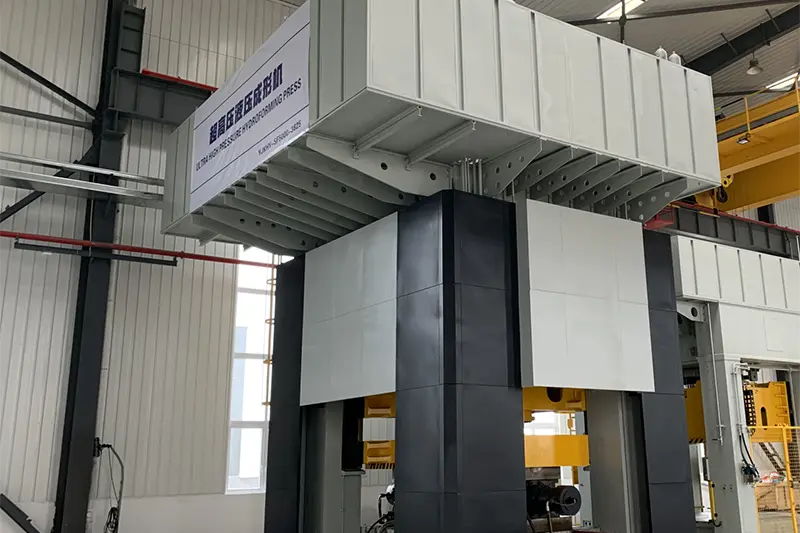
Hydroforming-Internal High Pressure Forming Hydraulic Press Production Line
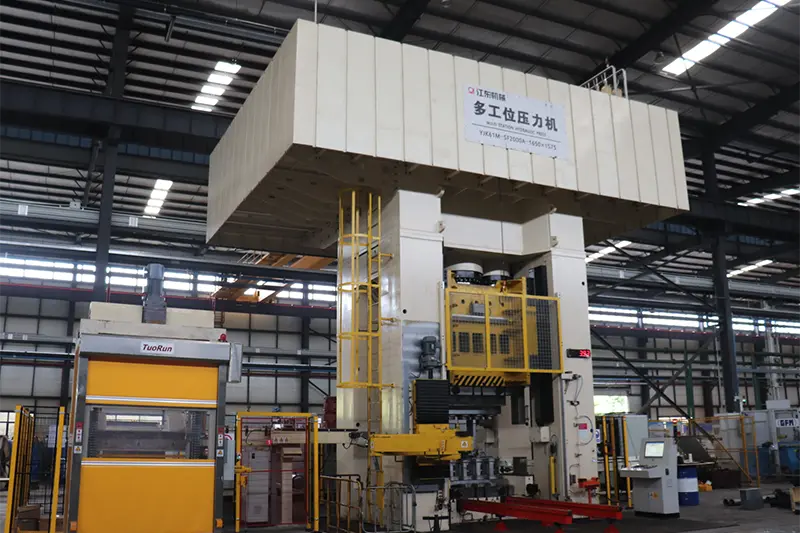
Multistation Extrusion Forging Production Line
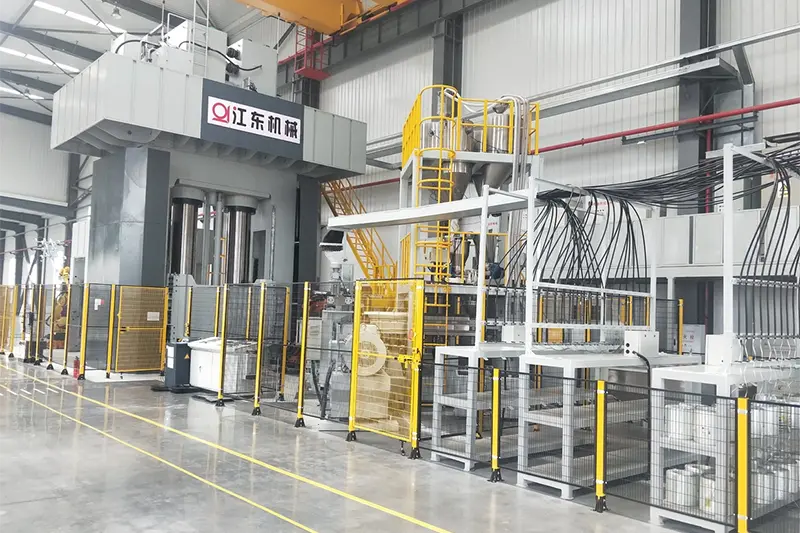
LFT-D Composite Molding Line
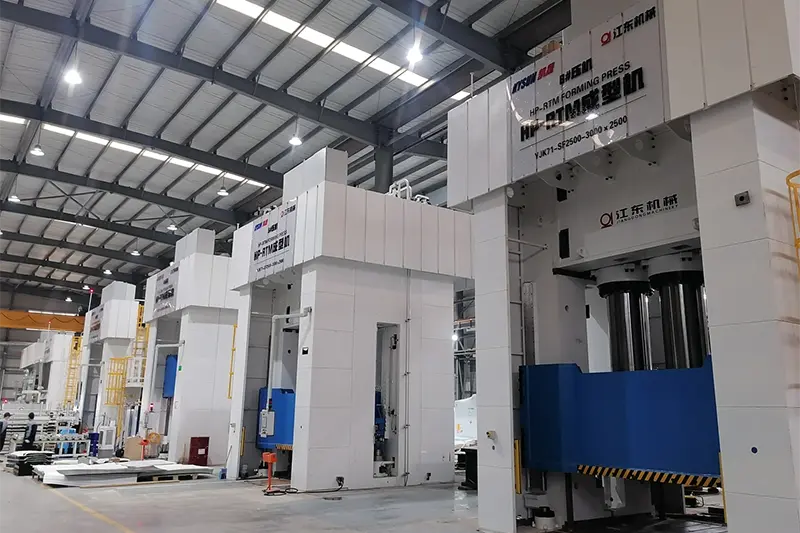
HP-RTM Process
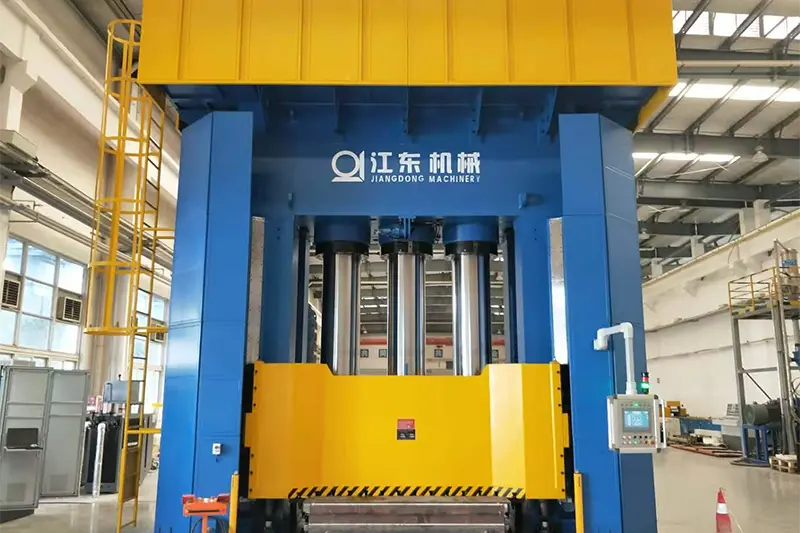
SMC/BMC/GMT/PCM Molding System
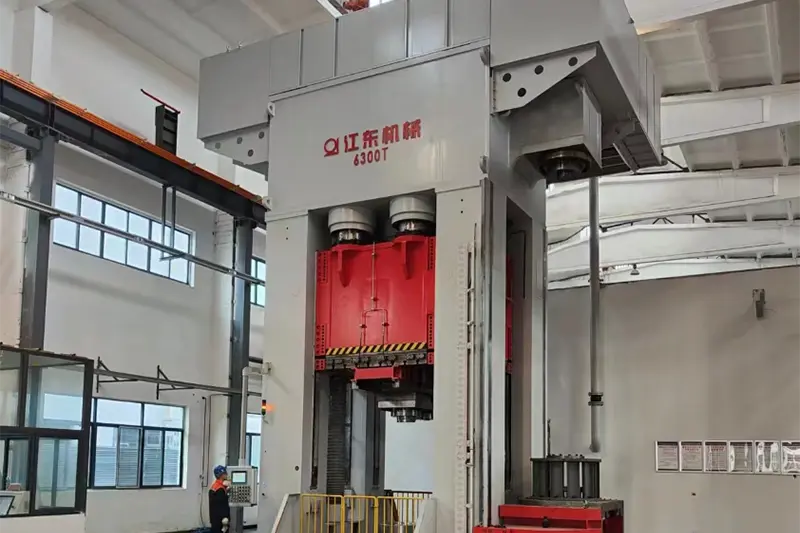
Isothermal Forging
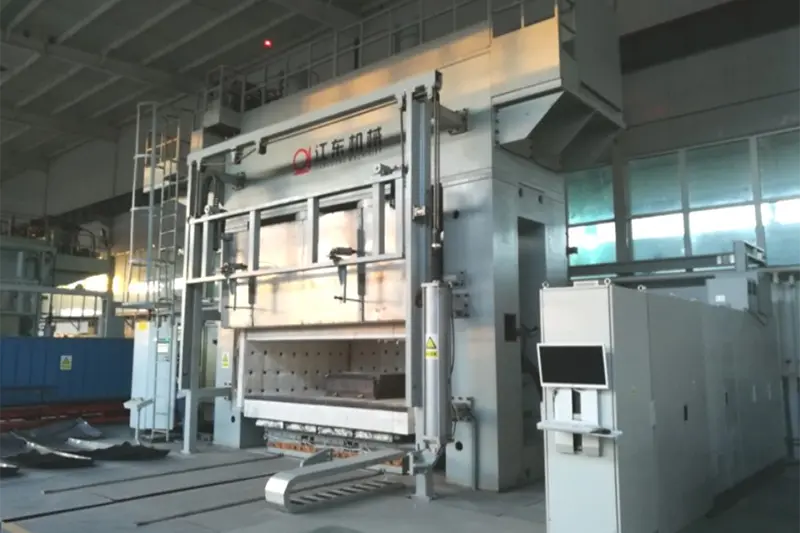
Superplastic Forming
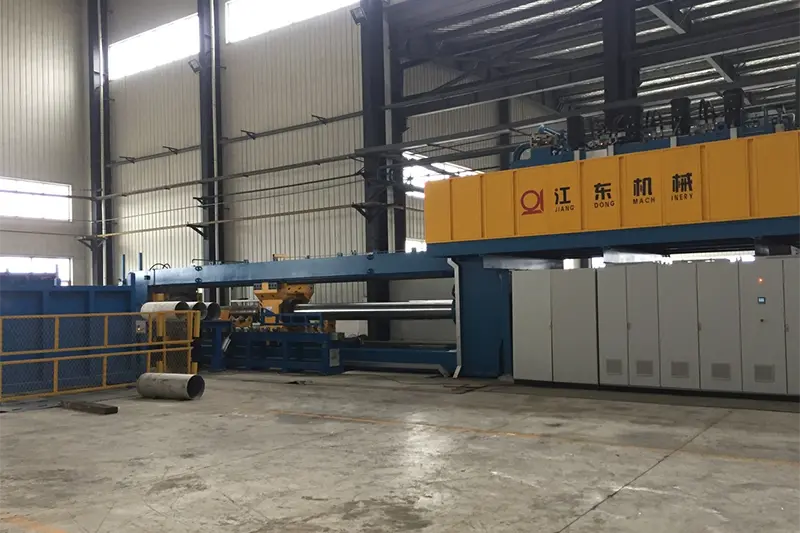
Gas Cylinder Bullet Housing Stretching
Jiangdong machinery is committed to engineering turn-key solutions tailored to modern manufacturing standards.
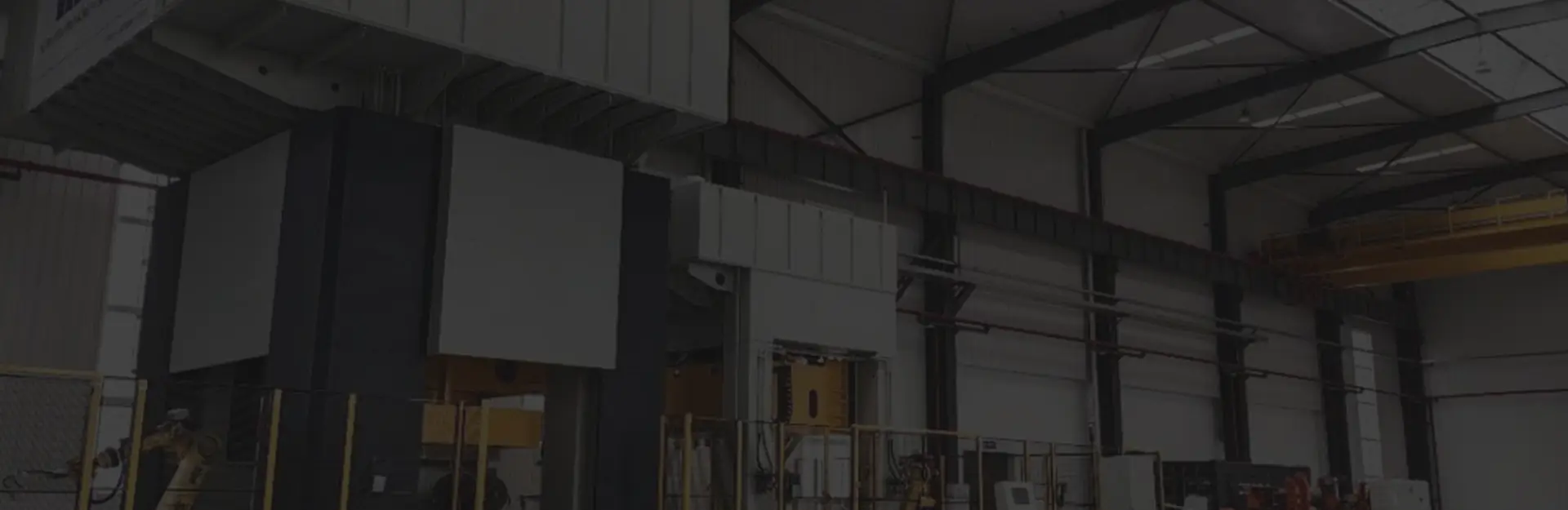
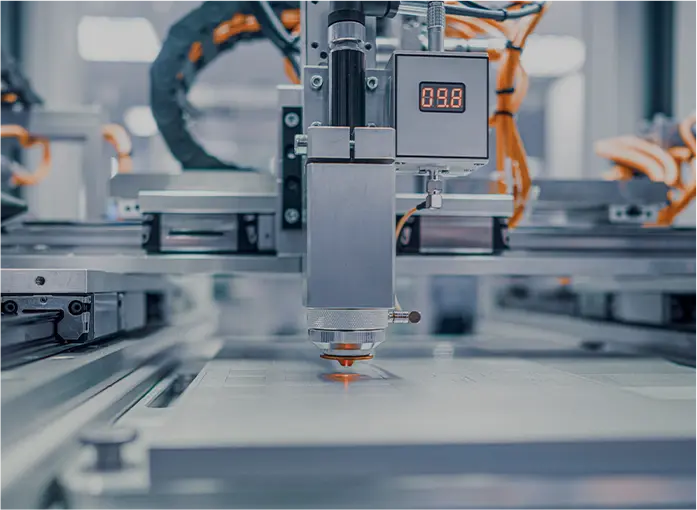
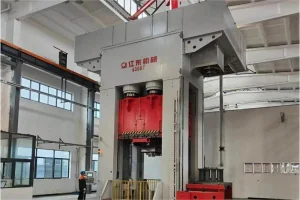
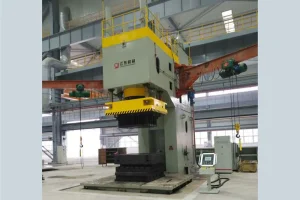
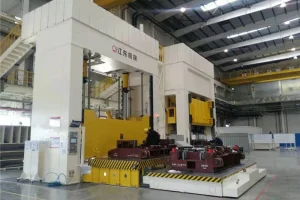
Chongqing Jiangdong Machinery Co., Ltd. (Jiangdong Machinery) stands as a prominent global leader in the field of forging and press technology. Established in 1937, our operations seamlessly integrate Research & Development, production, global logistics, and post-purchase servicing of high-capacity hydraulic presses, lightweight component forming lines, lightweight auto parts, specialized stamping dies, and high-durability metal castings.
Our industrial facilities boast advanced automation, deep-learning adaptive intelligence, and customizable production line flexibility. This makes our technologies a primary choice for high-precision components that integrate with high-speed discount metalworking lathes to optimize downstream structural assembly.
VIEW MORE ABOUT OUR HISTORICAL EXCELLENCE →Developing robust industrial facilities requires planning for process cohesion. When integrating hot stamping or superplastic forming presses, matching raw material deformation profiles with finishing tool rates determines productivity. This is why metallurgical consistency across stamping, drawing, forging, and the subsequent turning on heavy metalworking lathes is highly critical.
Under high thermal gradients, lightweight materials display anisotropic microstructures. Our high-speed hot stamping lines utilize real-time temperature tracking to prevent localized cracking. Once the near-net profiles are pressed, custom automated multi-station cutting lines or precision turning centers remove excess margins, ensuring dimensional accuracy within μm tolerances.
In aerospace engineering, titanium alloy superplastic forming requires extremely consistent force profiles under isothermal conditions. Our specialized SPF hydraulic presses allow precise strain rate controls, reducing springback effects. This minimizes structural stress, allowing turning operations on companion metal lathes to execute with lower cutting resistance.
For nickel-base and titanium alloy turbine discs, keeping the die and billet at the same operating temperature during deformation prevents chilling. This ensures consistent grain size distribution, optimizing fatigue life. The resulting forged components are ready for final finish-turning on precision lathe centers with minimal material waste.
Continuous operational assistance, engineering services, and spare parts supply across international borders.

Customized Solutions

Remote Support

Scheduled Maintenance

Technical Support

OEM Spare Parts
Stay Informed
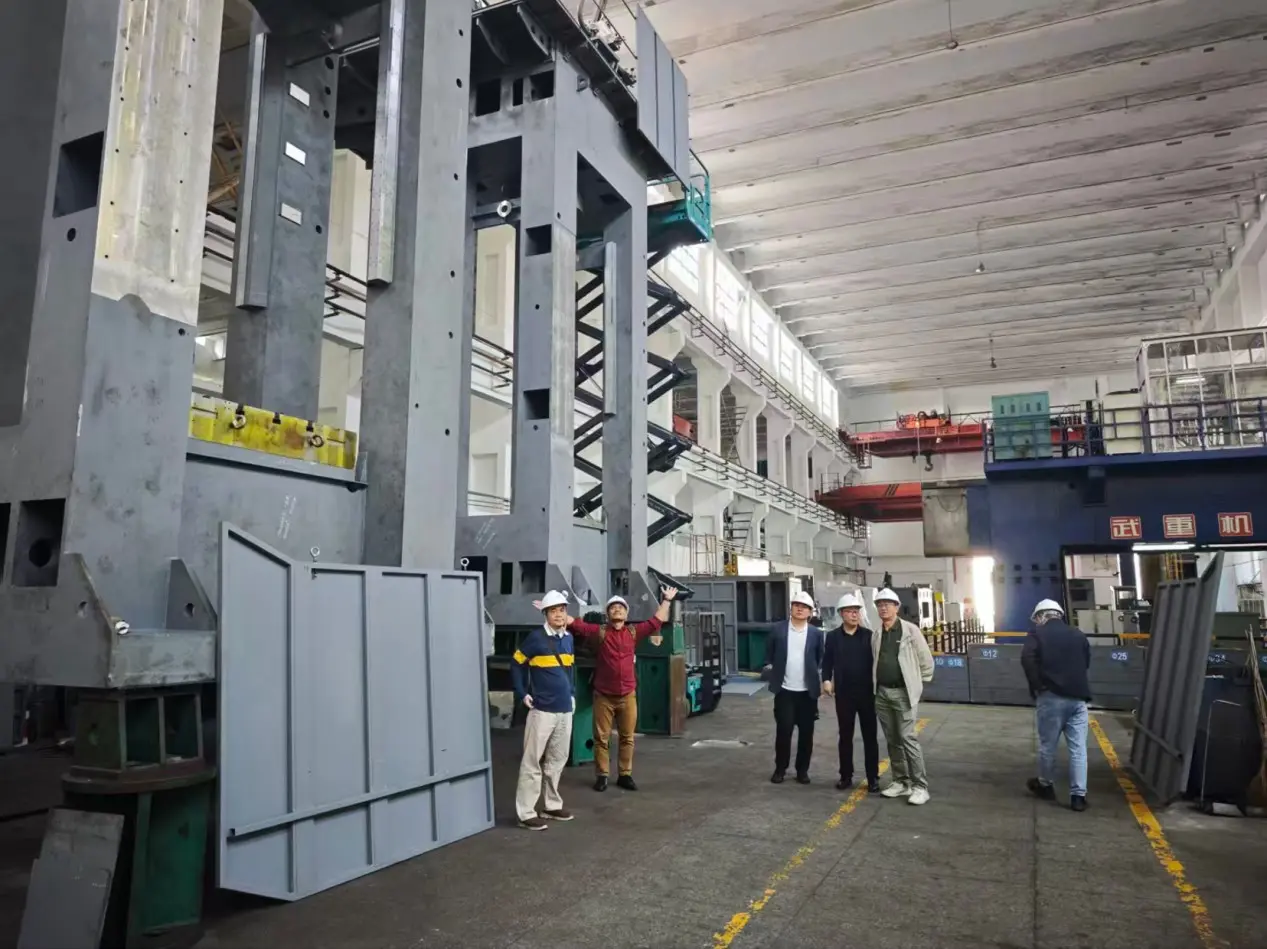
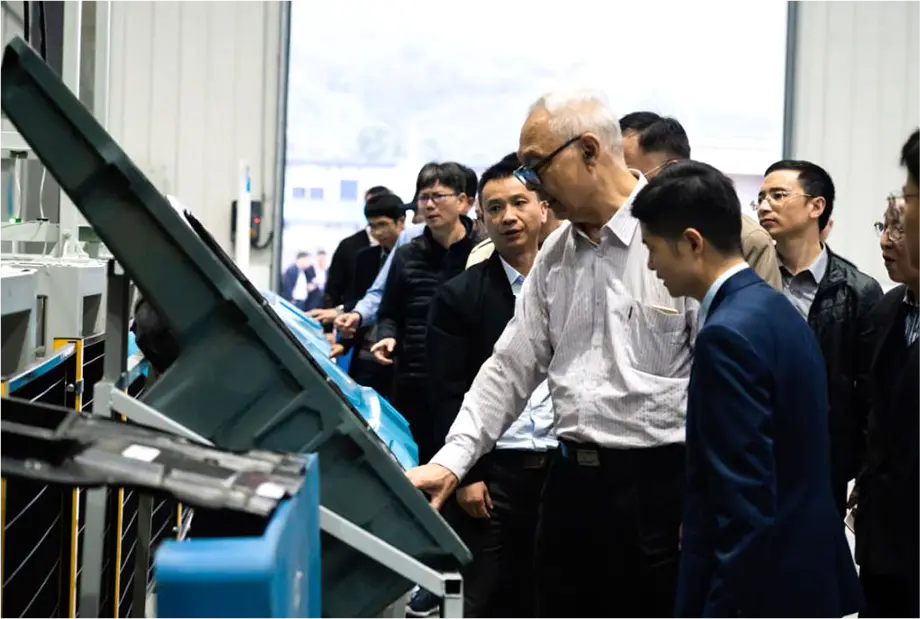
A delegation of industry representatives from Indonesia recently completed an inspection of our hydraulic press fabrication processes, assessing plant capabilities, structural load tolerances, and automated tooling lines.
Read full report →Global integration is accelerating. Partners from Thailand, Indonesia, and Malaysia visited our facilities to observe demonstrations of LFT-D composite and hot stamping production lines.
We are showcasing our latest automated gantry presses, composite forming units, and heavy-duty forging systems to address global requirements for automotive lightweighting.
Addressing core technical questions from industrial manufacturing architects, procurement leads, and design engineers.
Metalworking lathes perform subtractive machining, while hydraulic presses handle bulk plastic deformation. In a high-efficiency cell, the press creates a near-net-shape preform (reducing volume variation), which is then moved to a metalworking lathe for final sizing and threading. Coordinating the cycle times of both machines ensures a continuous workflow, reducing tool wear on the lathe and maximizing raw material utilization.
Hot-rolled bar stock and forged shafts often display minor thermal distortion. Feeding bent material directly into a metal lathe leads to uneven cutting loads and dimensional inaccuracies. An automatic gantry straightening press measures structural deviations and applies corrected pressures to straighten the stock before it is loaded onto the metalworking lathe.
CE certification guarantees that high-temperature, high-pressure superplastic forming operations meet strict thermal safety, mechanical redundancy, and emissions standards. This compliance is essential for tier-one aerospace suppliers to ensure reliable forming of titanium structures prior to final precision finishing.
HP-RTM (High-Pressure Resin Transfer Molding) and LFT-D (Long-Fiber Thermoplastics) allow the creation of ultra-lightweight structural parts with high strength-to-weight ratios, often replacing aluminum castings. While alloy forging remains the industry standard for high-fatigue internal engine components, composites are preferred for large automotive body frames to reduce overall weight.
Investing in smart, close-tolerance forming equipment reduces material waste and secondary machining needs. Sourcing cost-effective metal lathes alongside integrated forming lines from a single, experienced manufacturer reduces installation challenges, simplifies control programming, and decreases commissioning times.
Operating since 1937, Jiangdong Machinery combines decades of experience with modern R&D, holding over 30 patents annually. Our global support network, range of customized solutions, and deep understanding of lightweight structures make us a key manufacturing resource for high-precision forming systems.
Explore our high-performance forming systems designed to support modern manufacturing setups.