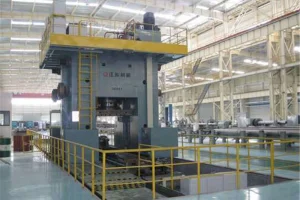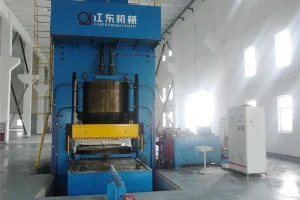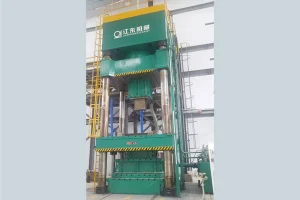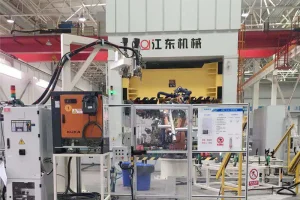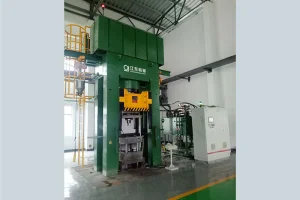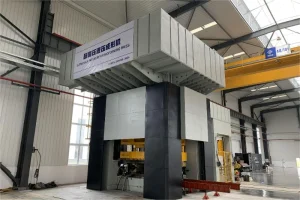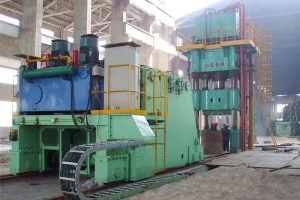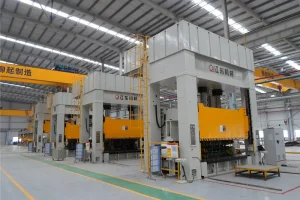
Explore our premium custom industry hydraulic presses engineered to execute complex forming processes with high precision, speed, and reliability.
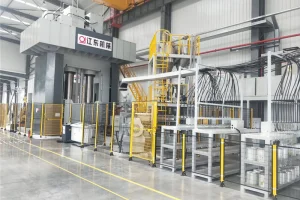
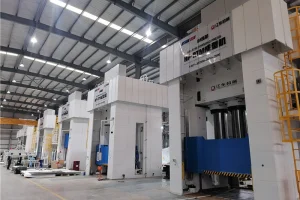
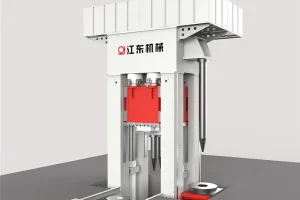
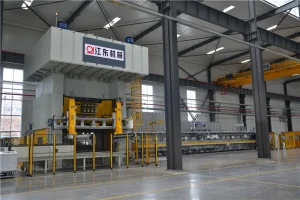
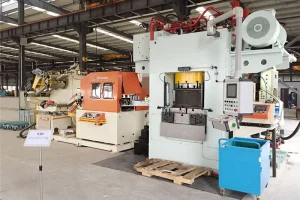
An in-depth analysis of trends, technological innovations, and the global macroeconomic landscape of high-tonnage hydraulic press engineering.
The manufacturing sector is undergoing a profound paradigm shift driven by requirements for light-weighting, environmental compliance, and structural component optimization. In the automotive industry, the massive transition to Electric Vehicles (EVs) requires advanced forming capabilities to press ultra-high strength steels (UHSS) and structural aluminum parts. These light-weighting initiatives directly influence vehicle driving ranges and structural integrity.
As a result, high-speed hot stamping and composite compression molding technologies have become standard. Concurrently, the aerospace sector demands isothermal forging and superplastic forming (SPF) solutions to process nickel-based superalloys and titanium components for jet propulsion systems. Achieving the microstructural precision required for these materials demands exact control over thermal distribution, compression velocity profiles, and mechanical alignment.
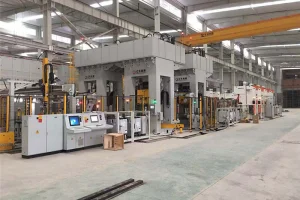
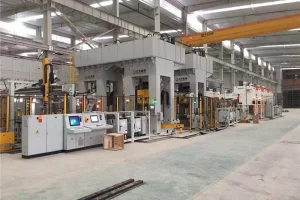
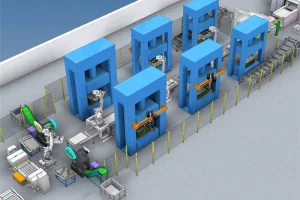
Modern manufacturing facilities are shifting away from standalone machinery toward fully integrated production cells. System designers now prioritize closed-loop servo-hydraulic feedback architectures, automated tool changers, robotic end-effectors, and real-time telemetry systems.
By consolidating multi-stage forming processes into a unified cell, modern production systems achieve substantial cycle-time reductions and energy savings. Furthermore, integrating Industry 4.0 IoT analytics enables predictive maintenance regimens, minimizing unscheduled downtime on high-tonnage capital equipment.
Industrial forming operations require specialized technologies configured for specific chemical and mechanical properties of the target materials. The table below highlights the operational boundaries of these key processes:
Encompasses high-speed hot stamping lines for UHSS, multi-station extrusion lines, and heavy-duty forging systems that handle high mechanical loads with minimum deflection.
Enables structural lightweighting using complex thermosets and thermoplastics, including carbon fiber components, LFT-D, and high-pressure resin transfer molding (HP-RTM).
Operates under extreme high-temperature and isothermal conditions, processing exotic metals that require precise strain-rate control and gas expansion techniques.
Investing in a high-tonnage hydraulic press involves evaluating more than just the initial purchase price. A strategic procurement framework must assess the Total Cost of Ownership (TCO) across a 15-to-25-year operational lifecycle. Over this timespan, energy consumption, tooling wear, maintenance overhead, and automation compatibility represent the main cost drivers.
Customization costs depend heavily on the specified tonnage, bolster dimensions, speed profiles, and automation levels. Global buyers should consult our application engineers to establish clear performance metrics before requesting formal price estimates.
One-stop engineering solutions designed by Chongqing Jiangdong Machinery to address complex manufacturing challenges.
Precision tube and sheet hydroforming solutions utilizing internal high-pressure forming to produce complex, lightweight structural components with high expansion ratios.
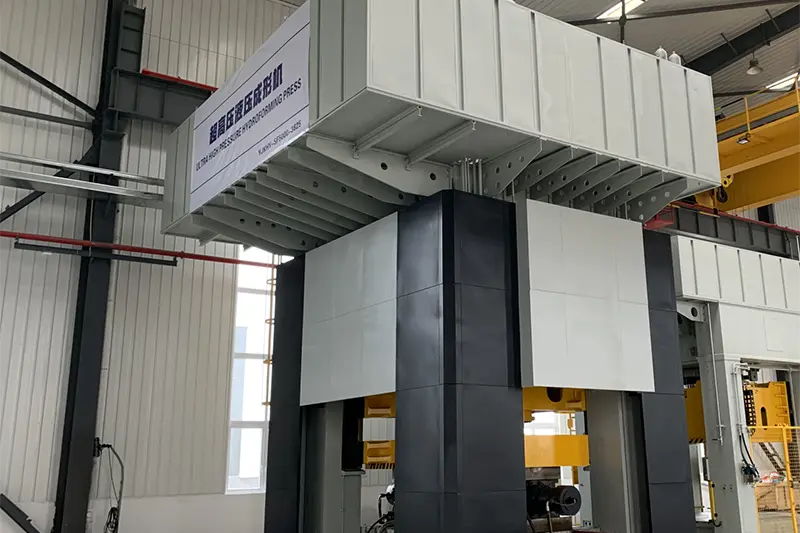
High-efficiency thermoforming production cells for ultra-high strength steel (UHSS) and structural automotive aluminum alloys, including automated transfer lines.
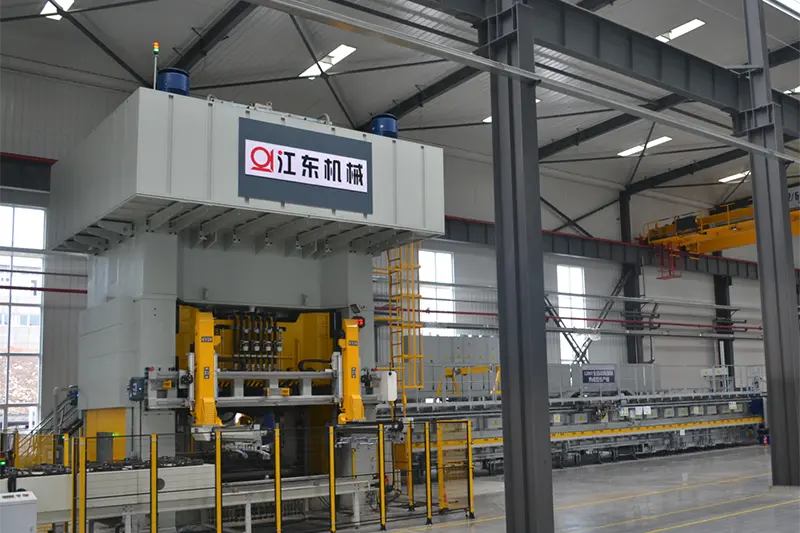
Automated high-precision forming cells engineered for cold extrusion, multi-station transfer forging, and high-speed precision blanking of transmission parts.
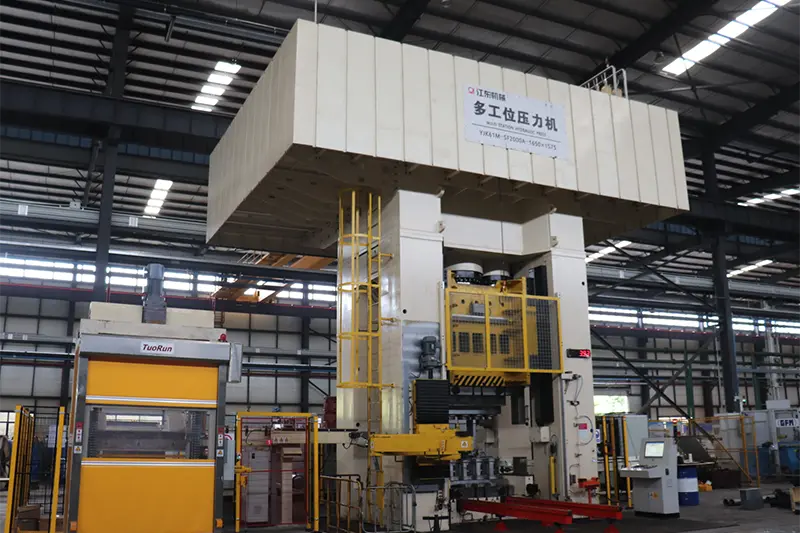
Advanced hot-forming systems configured to press titanium, aluminum-lithium, and superalloys under isothermal conditions for critical aerospace and defense applications.
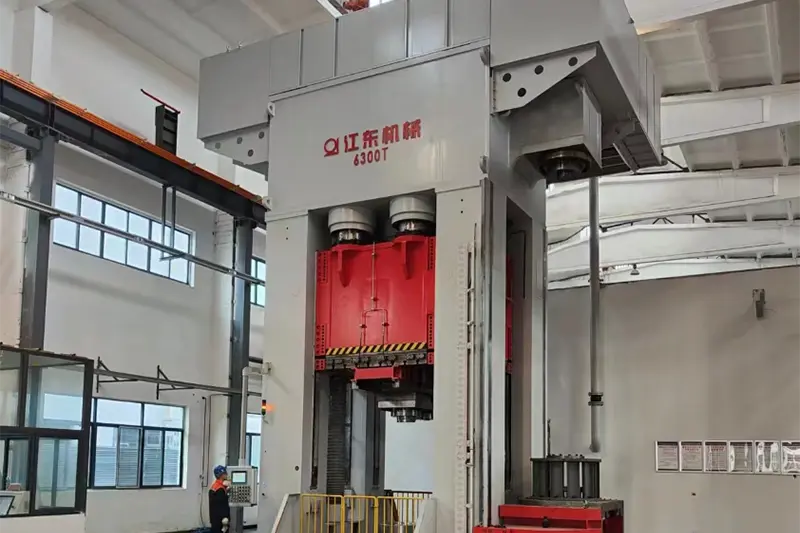
State-of-the-art compression molding equipment for structural composites, supporting automated LFT-D thermoplastic lines and high-speed HP-RTM processing.
Processing advanced engineering alloys with high structural complexity, including SPF and isothermal processes for structural components.
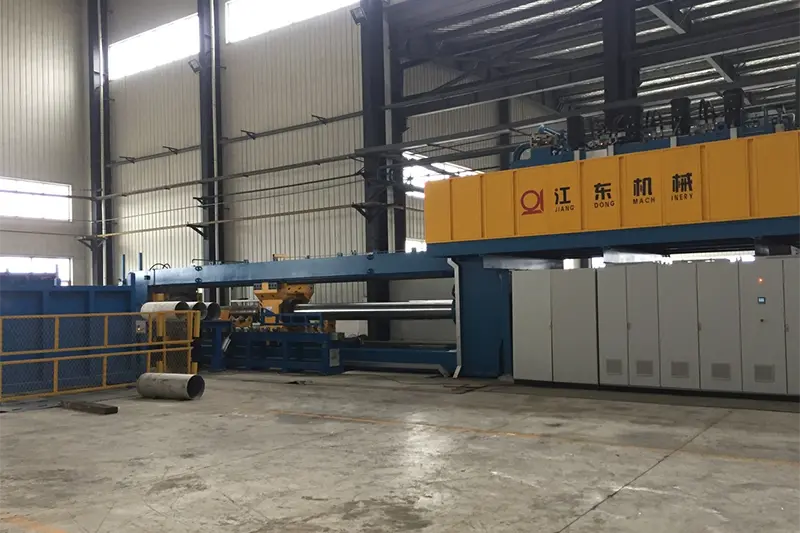
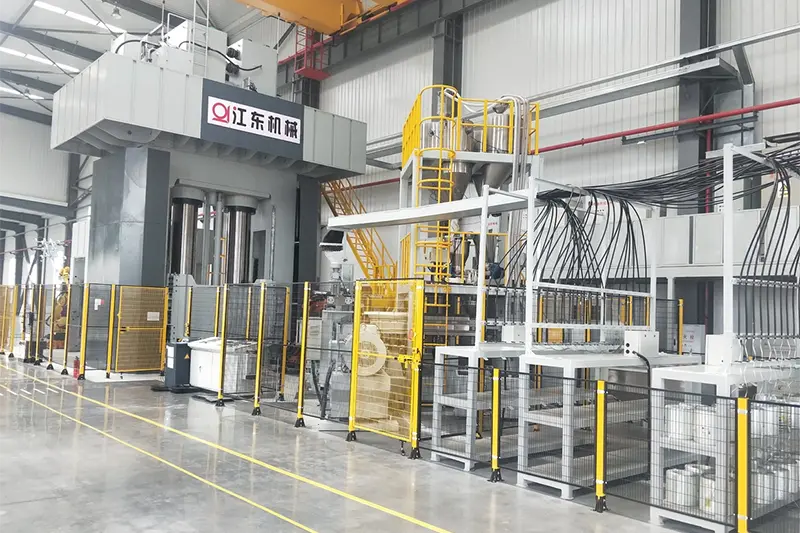
Established in 1937, Chongqing Jiangdong Machinery Co., Ltd. (Jiangdong Machinery) is a comprehensive manufacturing enterprise specializing in the R&D, production, sales, and service of hydraulic presses, lightweight forming technologies, lightweight automotive structural parts, hot/cold stamping dies, and high-precision metal castings.
Our manufacturing facilities feature advanced automated and flexible machinery. We provide integrated metal and non-metal hydraulic forming equipment alongside complete lightweight forming technology suites, particularly for automotive components.
Jiangdong Machinery combines precision engineering with large-scale production. We deliver tailored high-tonnage forming solutions to global clients across North America, Europe, and Asia. From basic stamping equipment to complex, multi-station automated manufacturing lines, our systems are built to meet rigorous industrial standards.
Our lightweight metal forming lines, hydroforming systems, and composite molding systems (including LFT-D and HP-RTM) are developed in-house, ensuring robust quality control and optimized performance.
Explore Our Global Footprint & Technologies →From initial design consultations to post-warranty maintenance, we support your production lines to ensure maximum uptime.

Bespoke structural, hydraulic, and electrical configurations tailored to your specific process parameters and layout restrictions.

24/7 digital technical assistance, remote diagnostics, and real-time control system monitoring to resolve issues quickly.

Scheduled maintenance contracts, calibration services, and wear audits to prolong the lifecycle of your machinery.

Expert engineers deployed globally for installation, commissioning, and staff training to ensure safe, efficient operations.

Global logistics support and rapid delivery of OEM valves, cylinders, seals, and electronics to minimize downtime.
Upgrade existing equipment with digital controls, energy-efficient servo pumps, and updated safety enclosures to meet current safety standards.
Keep up with technical updates, recent installations, and customer visits at Jiangdong Machinery.
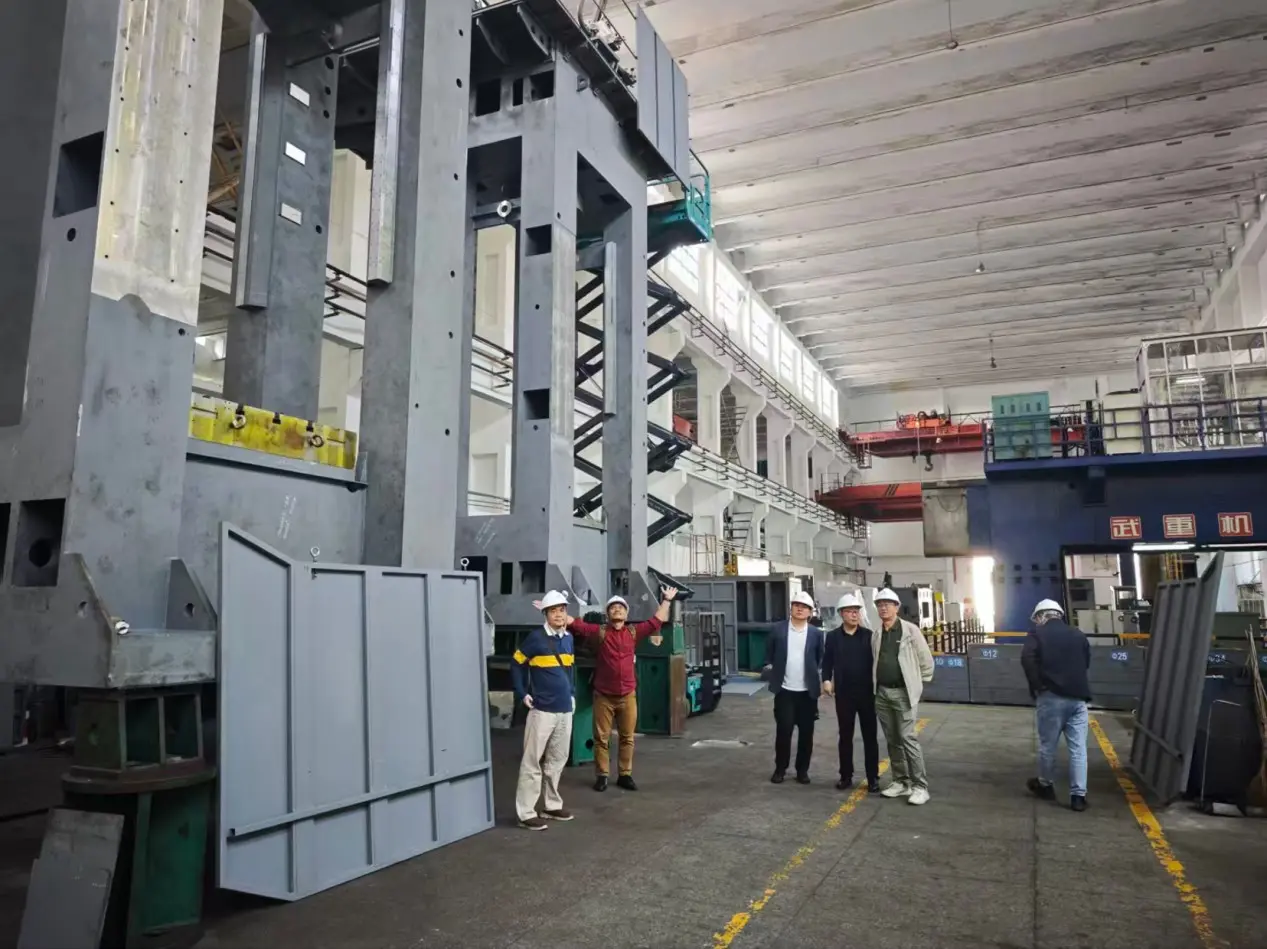
An international delegation visited our primary manufacturing plant to review our high-tonnage production lines. The visit focused on custom sheet metal stamping systems designed to support growing automotive assembly lines in Southeast Asia.
Our technical team hosted partners from Thailand, Indonesia, and Malaysia to discuss new project specifications for hydroforming and LFT-D composite production lines.
Previewing our upcoming exhibition schedule, where we will showcase lightweight structural automotive component production lines and high-pressure resin transfer molding systems.
Our research division published technical results demonstrating a 47% reduction in energy usage following the implementation of closed-loop servo pump control systems on high-tonnage lines.
Technical answers to common questions about customization, system design, lead times, and hydraulic press pricing.
Complete your production facilities with our specialized metal forming and precision drawing production systems.