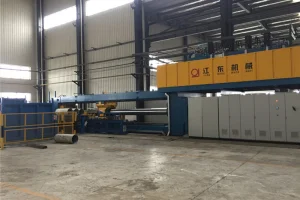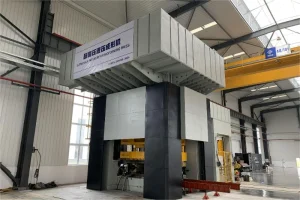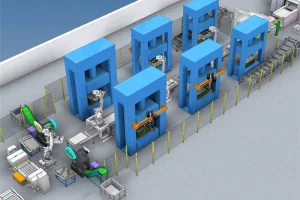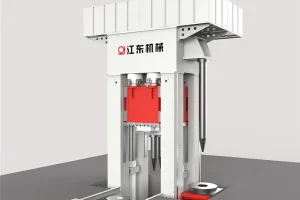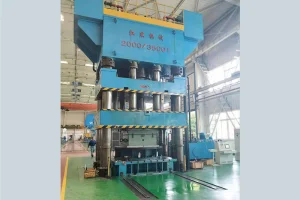
Premium structural components, heavy-duty machinery, and turnkey solutions engineered by Jiangdong Machinery.
In modern heavy-duty manufacturing, the production of spherical, torispherical, and ellipsoidal dished ends (also known as tank heads or vessel ends) represents a core process for sectors including oil and gas, petrochemicals, pharmaceuticals, food processing, and aerospace. Traditionally, these elements were fabricated using mechanical spinning or standard multi-stage deep drawing. However, these legacy processes introduce distinct issues: extreme wall-thinning on the knuckles, surface scuff marks, and microstructural stresses that compromise the integrity of high-pressure storage systems.
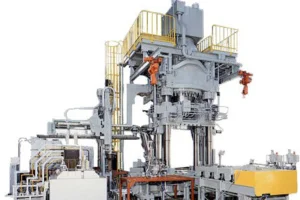
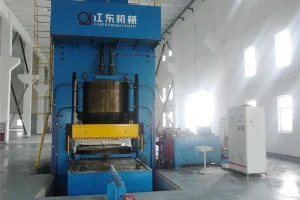
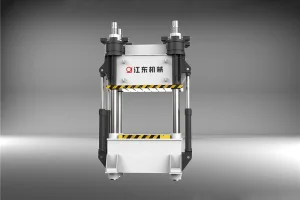
A custom hydroforming press for dished ends changes this paradigm by using liquid media (water or specialized emulsion) as the active forming agent. During the operation, a metal blank is securely clamped over a female die cavity. High-pressure fluid is then injected onto the material's surface, forcing it to adapt precisely to the contours of the mold. The fluid pressure distribution is entirely uniform, which eliminates localized friction hotspots and mechanical stress concentrations.
| Comparison Metric | Traditional Spinning Method | Mechanical Deep Drawing | Advanced Hydroforming Press |
|---|---|---|---|
| Wall Thickness Uniformity | Poor (High reduction at knuckles) | Moderate (Subject to draw-line thinning) | Excellent (< 5% thickness deviation) |
| Surface Finish (Polishing Readyness) | Requires post-machining polishing | Moderate (Suffers tool scratches) | Pristine (No mechanical tool contact) |
| Tooling Cost & Set-up Time | Moderate | Very High (Complex male/female molds) | Low-to-Medium (Single chamber tooling) |
| Internal Material Stresses | High residual stress | Moderate-High | Very Low (Isotropic stress distribution) |
| Compatibility with Exotic Alloys | Limited | Difficult (Requires multiple steps) | High (Titanium, Inconel, Clad plates) |
As manufacturers target decarbonization and higher resource efficiency, Chongqing Jiangdong Machinery has established a progressive technology roadmap for custom hydroforming systems. Our research focuses on transition pathways from conventional hydraulic machinery to AI-driven, eco-conscious forming stations:
Integrating non-contact ultrasonic sensor arrays inside the die chamber enables the machine to map thickness changes dynamically during the active forming cycle.
By leveraging historical material batch data, our intelligent control units adapt pressure curves in real-time, counteracting natural blank variances to prevent wrinkles.
Modern configurations utilize bio-degradable, water-miscible synthetics, operating in a fully closed loop to reduce water consumption and minimize waste footprint.
Explore our specialized technologies, including sheet metal stamping, composite forming, and high-performance industrial systems.
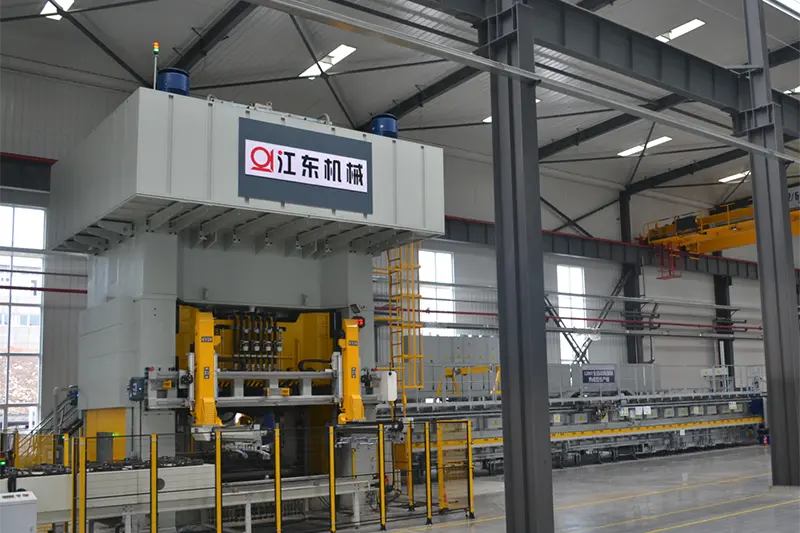
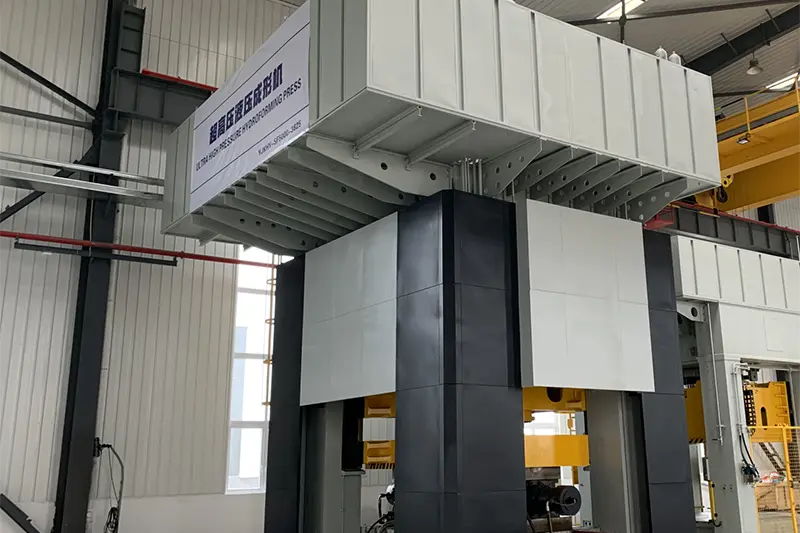
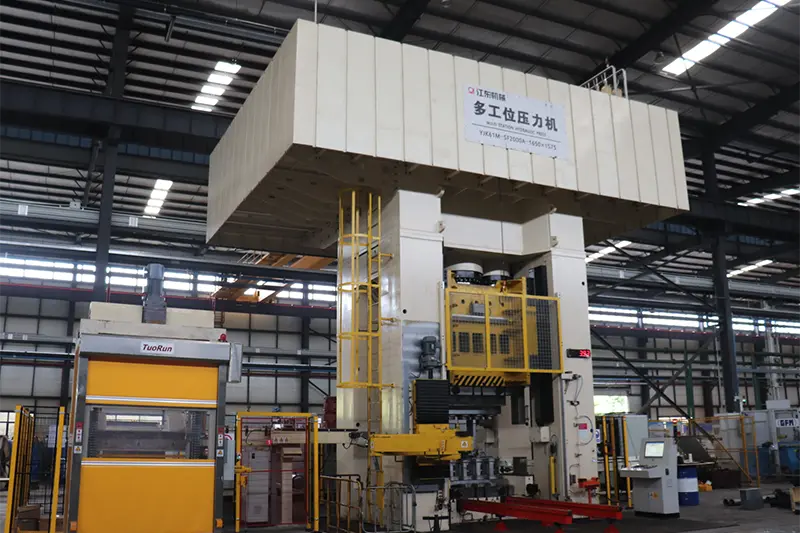
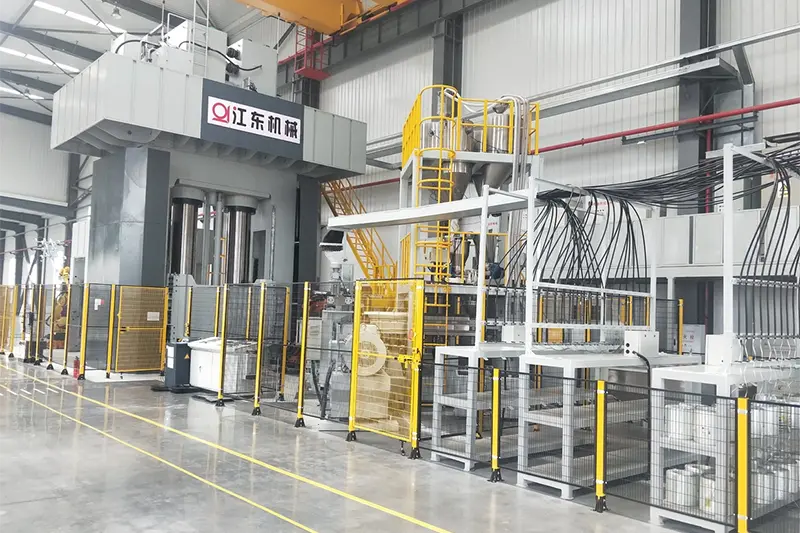
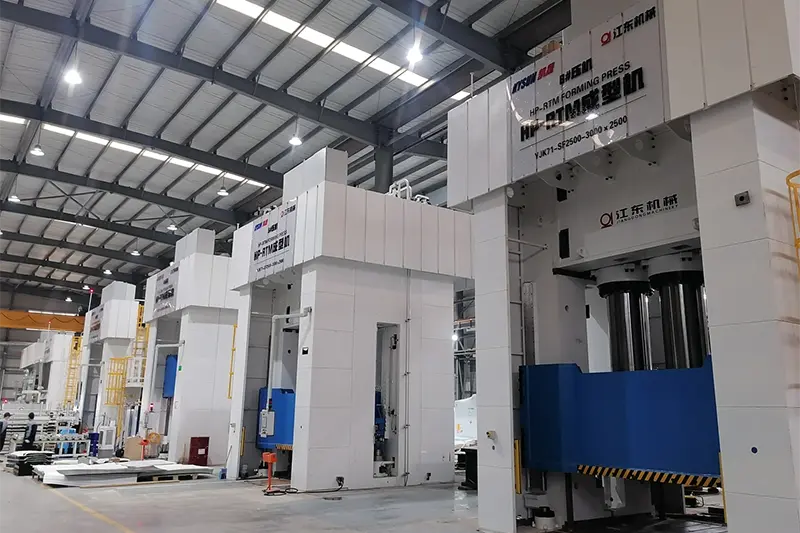
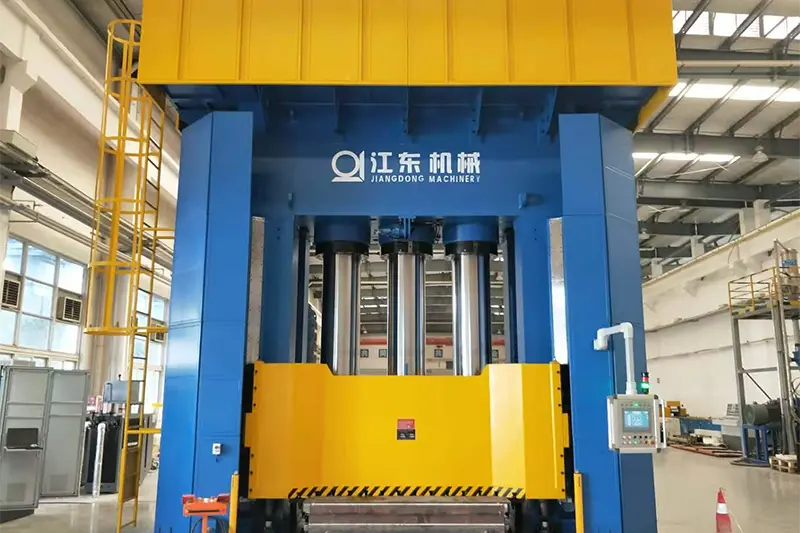
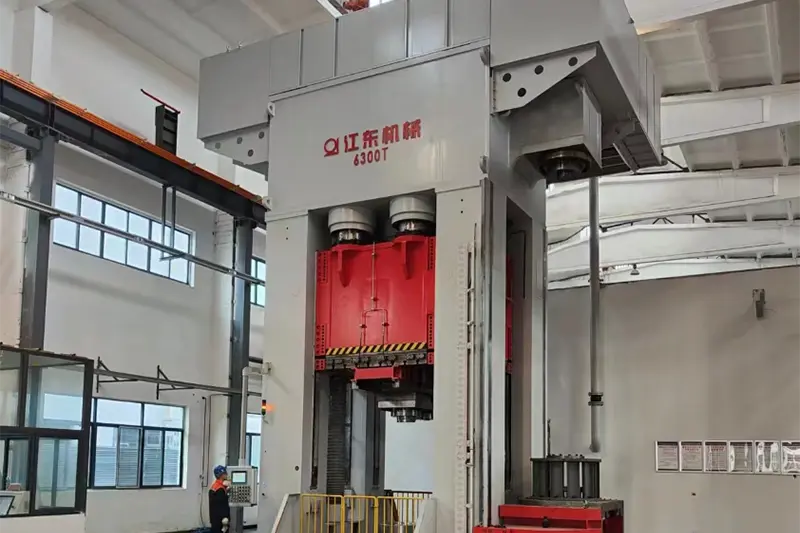
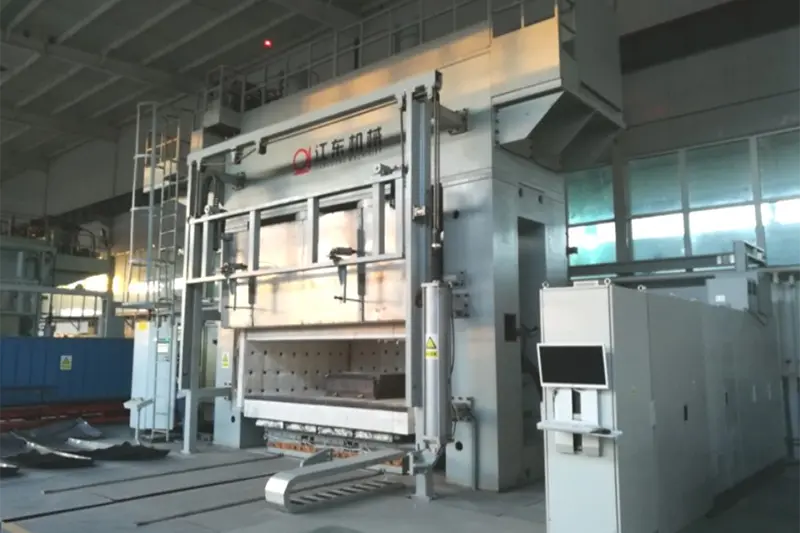
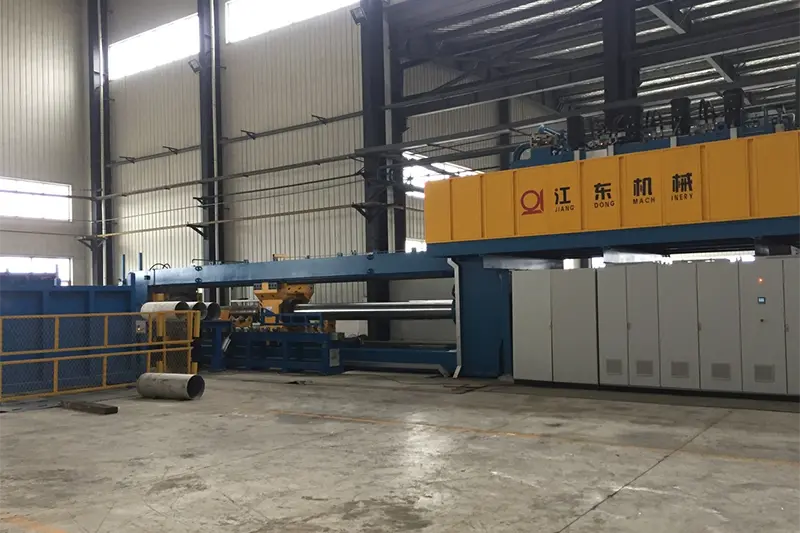
Delivering targeted engineering applications and custom production configurations globally.
For rocket propellant booster tanks, missiles, and airplane bulkheads, structural components must support severe internal pressure loads with zero structural flaws. Hydroforming ensures dished ends and dome caps are forged without wrinkles or thin zones, ensuring maximum reliability under extreme altitudes.
LNG transport tanks, chemical reactors, and cryogenic pressure vessels require double-walled thermal insulation. The structural reliability of the inner dished head determines vessel safety. Hydroforming guarantees uniform wall structure thickness, preventing localized thermal stresses in liquefied gas systems.
Ultra-pure environments demand highly smooth inner surfaces to prevent bacterial buildup. The mechanical tooling marks left by traditional processes require expensive secondary manual polishing. Our hydroforming processes eliminate these marks entirely, delivering clean, mirror-like surfaces.
High-temperature reactor vessels and steam generator end caps demand tough mechanical structures. By using controlled hydroforming pressures, we mold heavy-gauge plates of chromium-molybdenum and nickel superalloys, ensuring complete integrity under high operational pressures.
Jiangdong machinery has been committed to understanding and matching customer needs, to provide customers with a "one-stop" overall solution, has become the pursuit of Jiangdong machinery goal.
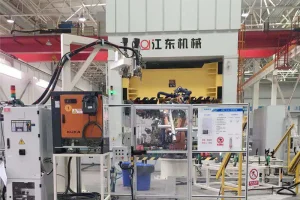
Chongqing Jiangdong Machinery Co., Ltd. (hereinafter referred to as "Jiangdong Machinery") is a comprehensive forging company integrating R&D, production, sales and service of hydraulic presses, lightweight forming technology, lightweight parts, hot and cold stamping dies, metal castings, etc. Equipment and parts manufacturing companies. Among them, the company's research and development of hydraulic presses and production lines have advanced automation, intelligence, and flexibility. At the same time, Jiangdong Machinery can provide customers with a variety of metal and non-metal hydraulic forming equipment and integrated forming technology solutions, especially in automobile lightweighting.
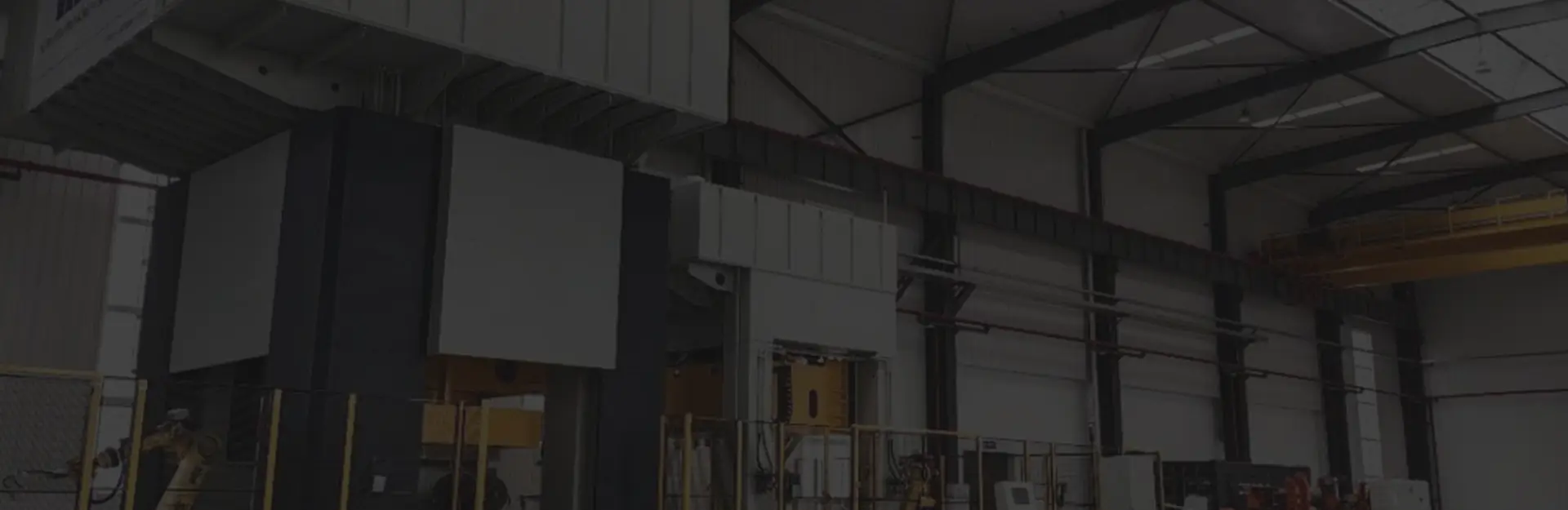
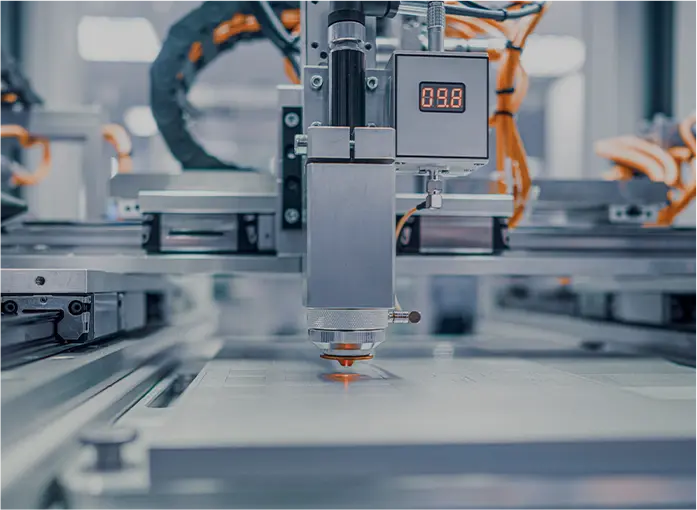
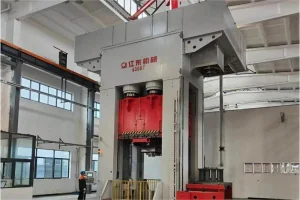
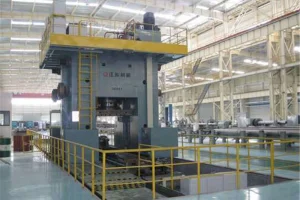
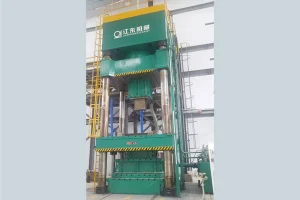
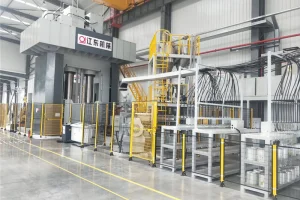
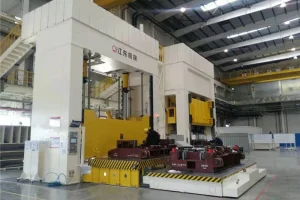
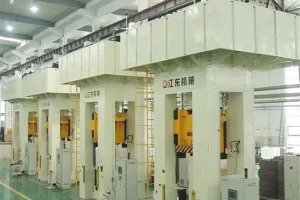
Over eight decades of industrial engineering knowledge allows Jiangdong Machinery to scale system platforms to meet unique manufacturing criteria. From 5,000-ton compact press layouts to massive 20,000-ton hydraulic forming systems, we deliver standard-setting accuracy, automated tool handling, and adaptive safety systems to heavy fabricators worldwide.
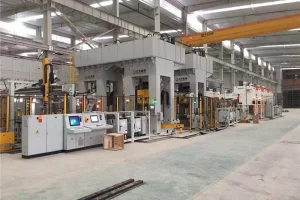
Chongqing Jiangdong Machinery manages a highly integrated internal production ecosystem that mitigates the supply chain risks common to legacy machine builders. Our 4.0-certified production facility provides vertical control over all key manufacturing phases, from the initial casting of massive structural frames to the programming of high-performance closed-loop servo systems.
Large mechanical parts, including columns, crowns, and moving cylinders, are cast, machined, and heat-treated under one roof, reducing lead times by up to 35%.
Collaborating directly with premium domestic steel refineries guarantees consistent material quality, providing robust structural resistance during high-pressure operations.
Chongqing's logistics network offers dual connectivity via direct rail systems to Central Europe and ocean routes through the Yangtze River, ensuring reliable deliveries.
An engineering framework designed to help procurement officers specify high-pressure forming systems.
Buying a heavy-duty hydraulic forming press requires verifying multiple design parameters. Engineering groups should evaluate the following aspects before finalizing machine designs:
| Evaluation Parameter | Technical Design Requirements | Verification Method |
|---|---|---|
| Hydraulic Fluid Pressure Limits | Determine forming limits: 80 MPa, 100 MPa, 150 MPa, or custom. | Verify fluid intensity using high-pressure finite element analysis (FEA). |
| Clamping Force Capacity | Ensure the clamping force keeps the blank-holder sealed against forming pressures. | Calculate maximum pressure multiplied by blank contact area, adding a 25% safety margin. |
| Tooling Change Systems | Quick die change (QDC) tables are essential for high-mix production environments. | Verify hydraulic clamping bars, guide rails, and centering pins. |
| Safety System Compliance | Ensure compliance with CE standards, EN 60204-1, and local safety rules. | Review dual-valve redundancy, optical safety light screens, and locking blocks. |
| Remote Diagnostic Capabilities | The PLC control system must support secure remote diagnostics. | Confirm the integration of VPN routers for diagnostic access. |
What we offer for you - Comprehensive engineering support, remote maintenance, and spare parts management.

Tailoring systems to your exact component dimensions and material specifications.

Secured network support for diagnostic assessments and software modifications.

Preventative site inspections to optimize machine uptime and mechanical longevity.

Direct line to engineering specialists for hydraulic, electrical, and control inquiries.

Readily available mechanical parts and electronics shipped from central hubs.
Installing high-tonnage forming machinery requires meeting localized safety and operating codes. Chongqing Jiangdong Machinery complies with global engineering and safety standards, ensuring smooth installations in North American, European, and Asia-Pacific markets:
Electrical cabinets are assembled using UL-certified parts. High-pressure chambers meet ASME Section VIII guidelines, and we support Canadian CRN registration protocols.
Every press is certified under European Machinery Directive 2006/42/EC and Pressure Equipment Directive (PED) 2014/68/EU, complete with fully documented risk analyses.
We coordinate with regional maintenance partners in Southeast Asia, Europe, and the Americas to support installation, local safety validations, and operator training.
Technical insights regarding custom hydroforming press operations, tooling parameters, and procurement.
Stay tuned to industry trends, customer visits, and international collaborations.
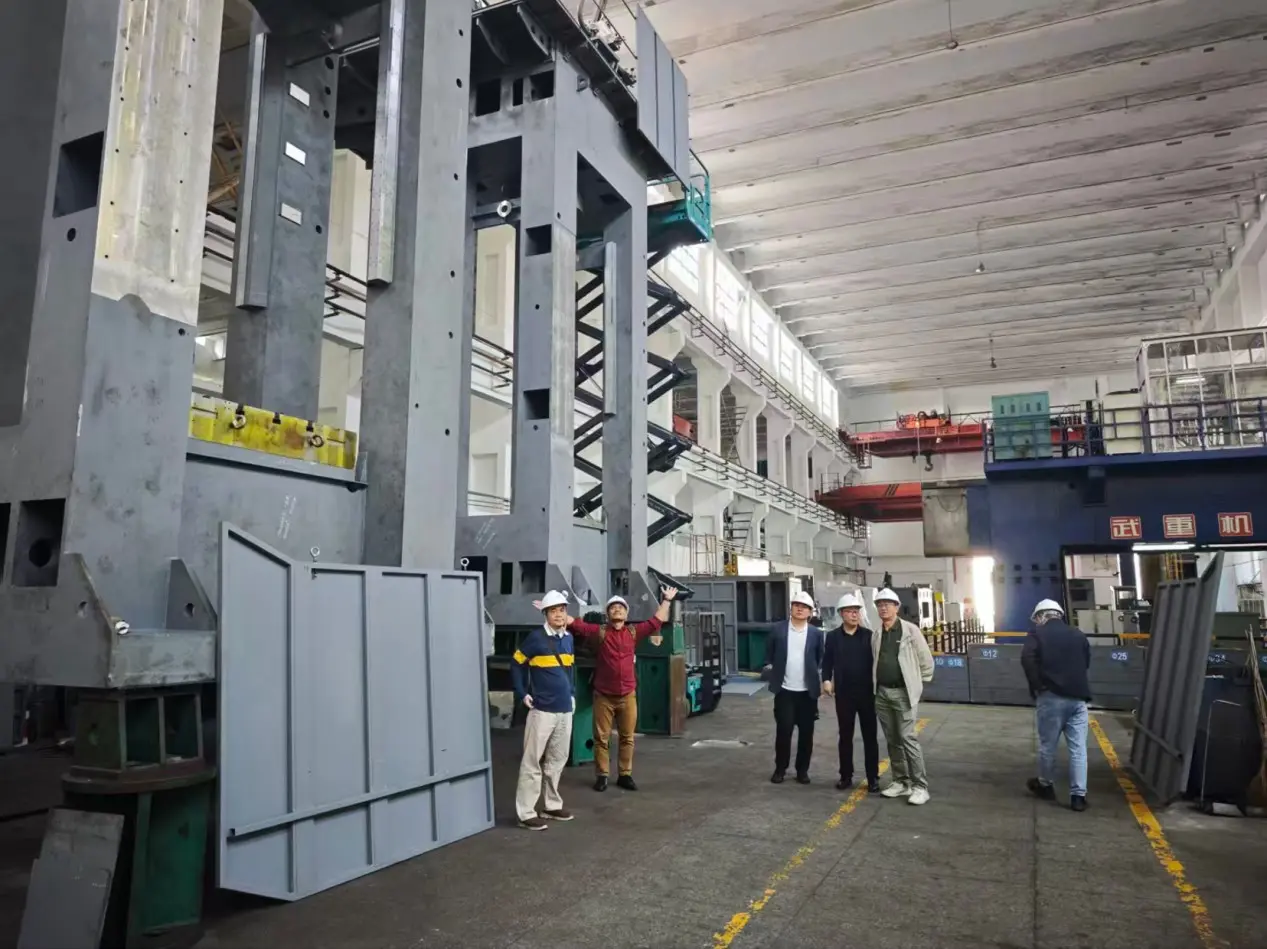
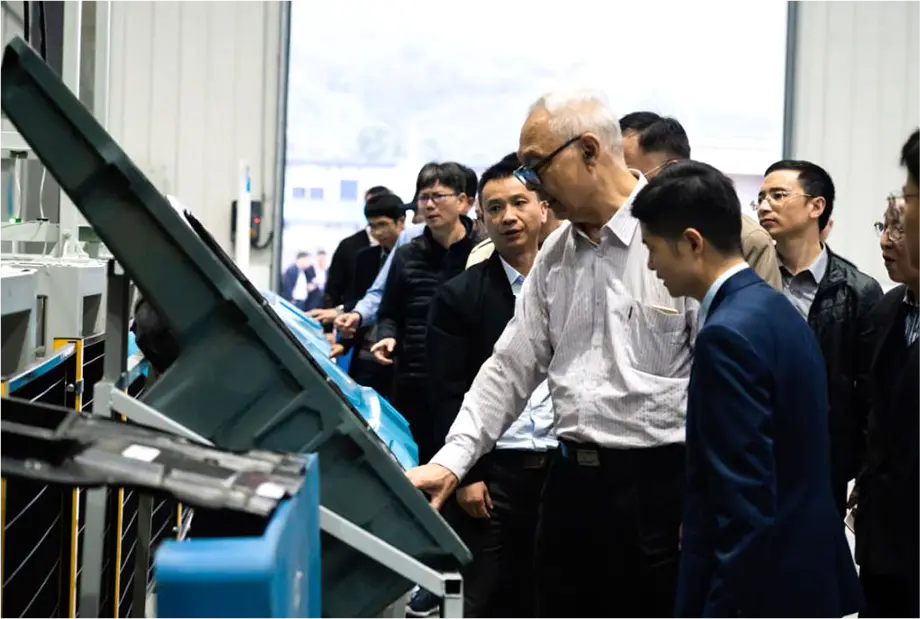
Recently, a delegation of Indonesian customers visited Jiangdong Machinery to inspect its capabilities, product quality and technical strengths, laying a solid foundation for new cooperation opportunities in sheet metal forming systems.
With the arrival of the new year, everything feels fresh and renewed. Recently, multiple partners from countries including Thailand, Indonesia, and Malaysia have successfully visited our facilities...
Chongqing Jiangdong Machinery Co., Ltd. (hereinafter referred to as "Jiangdong Machinery"), a leading enterprise in China's metal forming industry, prepares for major international exhibitions...
High-performance compression and hot-forging presses engineered for global industries.