
Explore our baseline high-performance manufacturing machinery, including automatic sheet metal blanking systems, light alloy die forging plants, and specialized industrial hydraulic forming structures designed to meet heavy manufacturing compliance internationally.
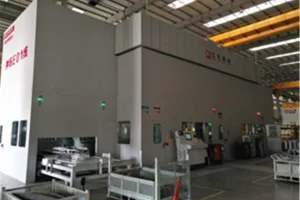
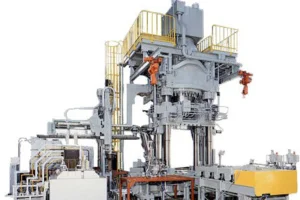
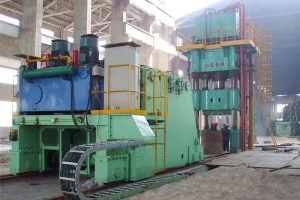
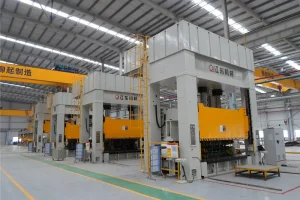
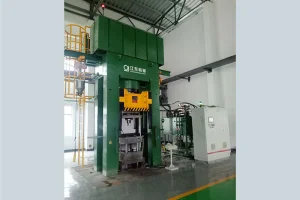
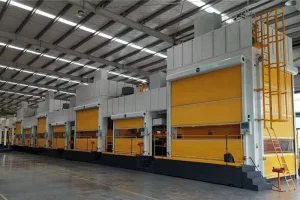
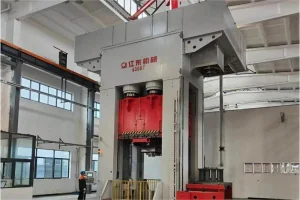
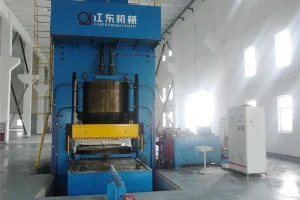
In the contemporary manufacturing paradigm, the application of ultra-high pressure fluid engineering has split into two key domains: subtractive profiling using industrial hydro jet machines, and additive/formative manipulation represented by hydraulic internal high-pressure forming (hydroforming) production lines. Geopolitically, the supply chain for high-pressure industrial machinery has centralized within elite clusters in East Asia, particularly China, where specialized state-of-the-art forging infrastructure integrates seamlessly with precision software controls.
Globally, the market demand for hydroforming and hydro-jetting equipment has expanded at a CAGR of 6.4%, driven primarily by the automotive weight reduction imperative (lightweighting), aerospace component consolidation, and the rise of advanced composite structures. Leading enterprises require machinery capable of processing ultra-high strength steels (UHSS) and exotic aluminum alloys. This requires hydraulic pump systems that operate reliably at pressures exceeding 400 MPa, managed by closed-loop proportional control valves to ensure wall-thickness consistency down to tolerances of ±0.05mm. China's export ecosystem has adapted rapidly, offering full-scale turnkey factories that deliver not just physical machinery, but digital twin simulation pipelines, remote diagnostic integrations, and complete stamping-die tooling assets.
To make an informed procurement decision, technical buyers must distinguish between the fluid actions utilized in modern heavy industry. While "Hydro-Jetting" commonly implies dynamic water cutting or surface de-scaling via high-velocity kinetic nozzles, industrial "Hydroforming" channels high-pressure hydraulic fluids (up to 4,000 bar or more) inside closed metal cavities to expand tubular or sheet structures into complex geometries.
Unlike standard rotary pumps, intensifier assemblies rely on the differential area principle (hydraulic oil acts on a large piston to drive a smaller plunger) to pressurize water or emulsion media. This enables precise pressure retention required for long-cycle forming operations.
High-speed sensors monitor internal pressure profiles in real-time, matching them with mechanical plunger feeds. This guarantees that during expanding phases, the material flow prevents thinning, necking, or explosive bursting at weak points.
Because these machines use aqueous media to form components, all high-pressure blocks, intensifiers, valves, and tubing are milled from high-grade stainless alloys (such as Duplex 2205) to eliminate mechanical wear and pitting.
Deep engineering capabilities verified across automotive lightweighting, structural metal forging, and advanced polymer compression forming.
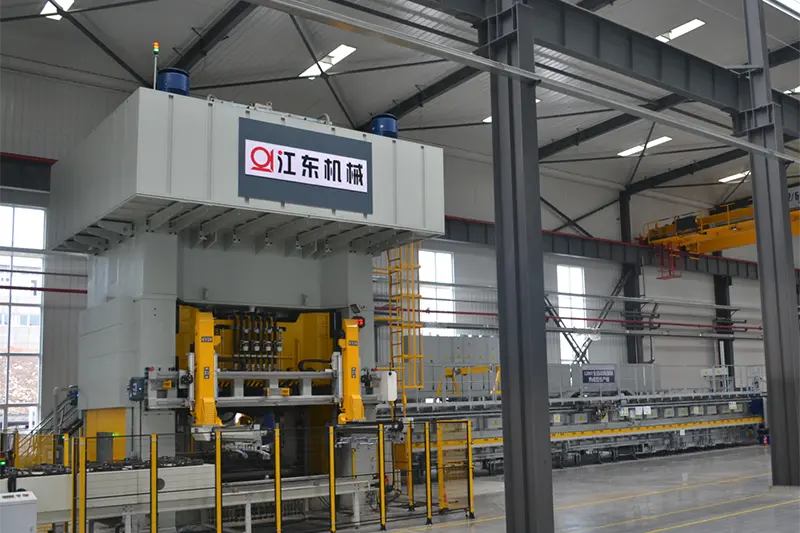
Automated thermal transfer system for hardening boron steel parts to structural thresholds up to 1500 MPa.
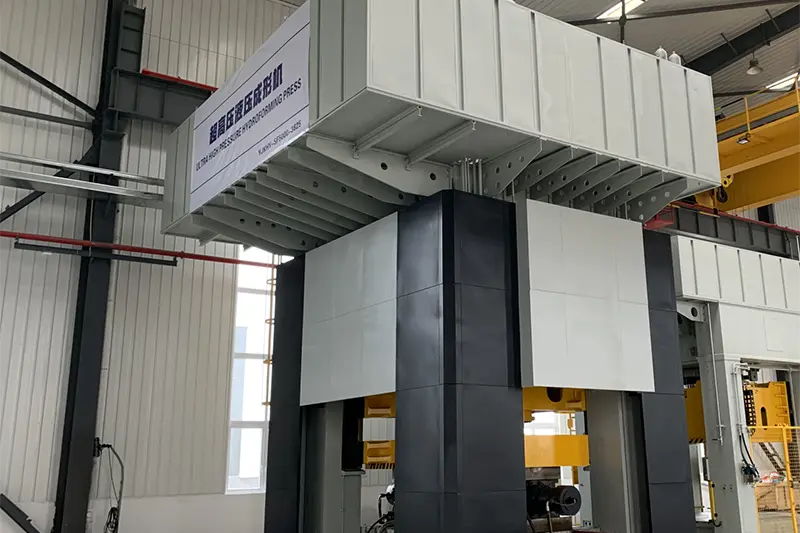
Ideal for hollow components, subframes, and structural tubes using ultra-high fluid pressures.
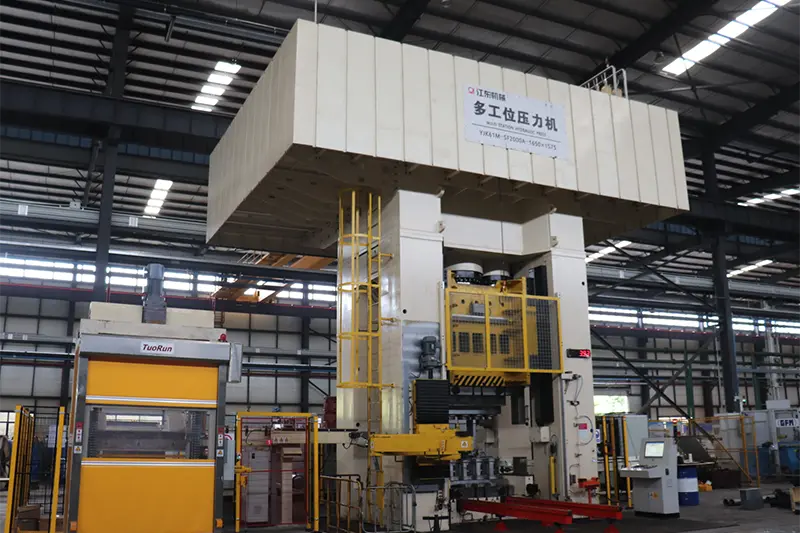
Continuous high-throughput mechanical pressing stages for complex axis components.
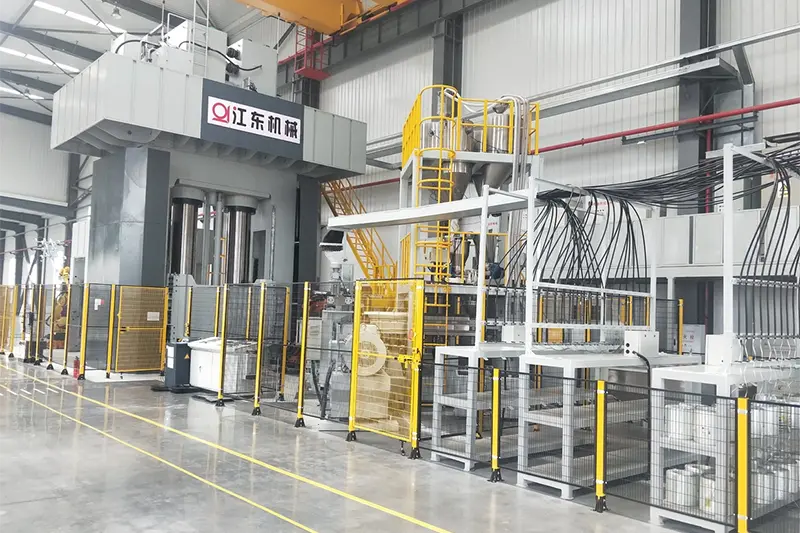
Long-Fiber Reinforced Thermoplastic direct compounding and compression molding line.
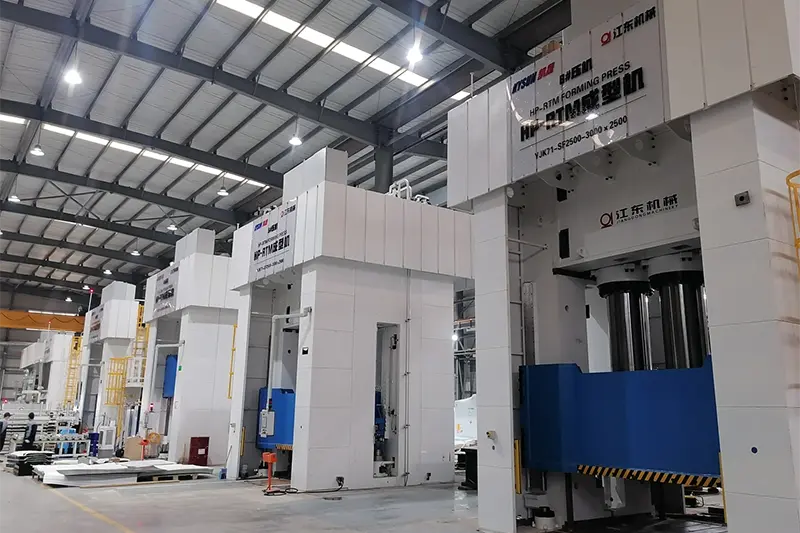
High Pressure Resin Transfer Molding systems for automotive carbon fiber composites.
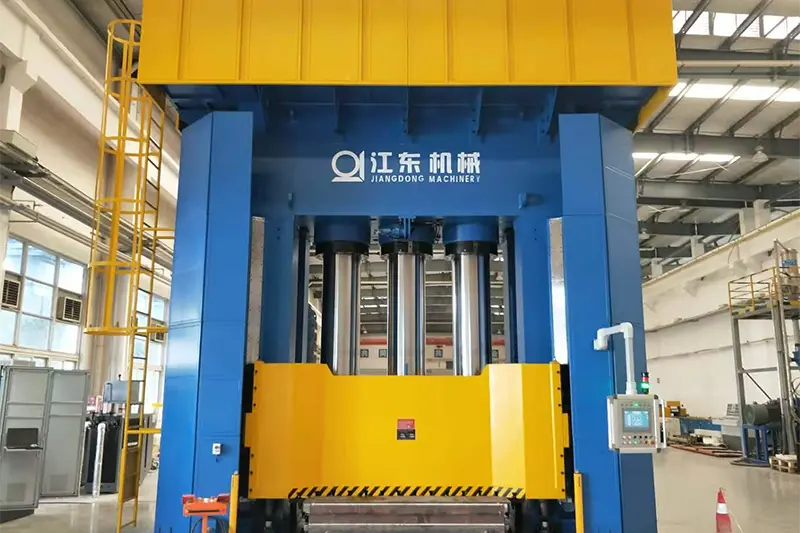
Compression molding equipment for glass and carbon fiber thermoset matrix sheets.
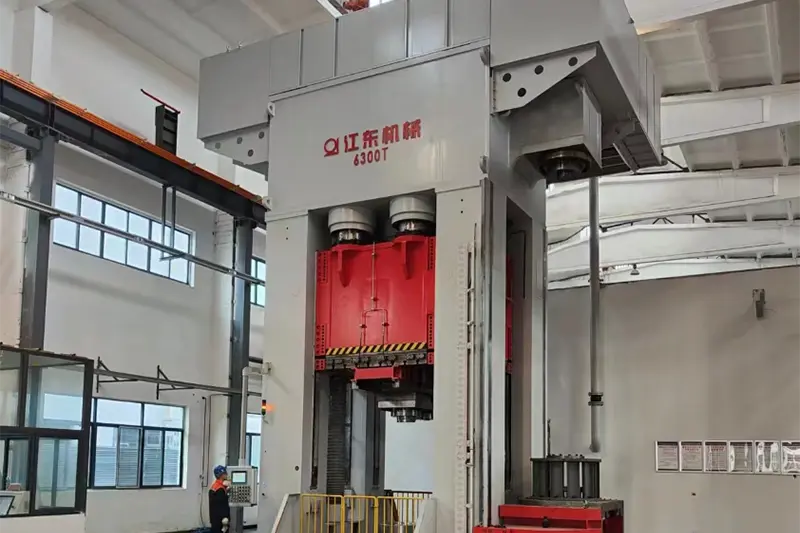
Precision heated dies matching workpiece temperatures, crucial for superalloys in aerospace.
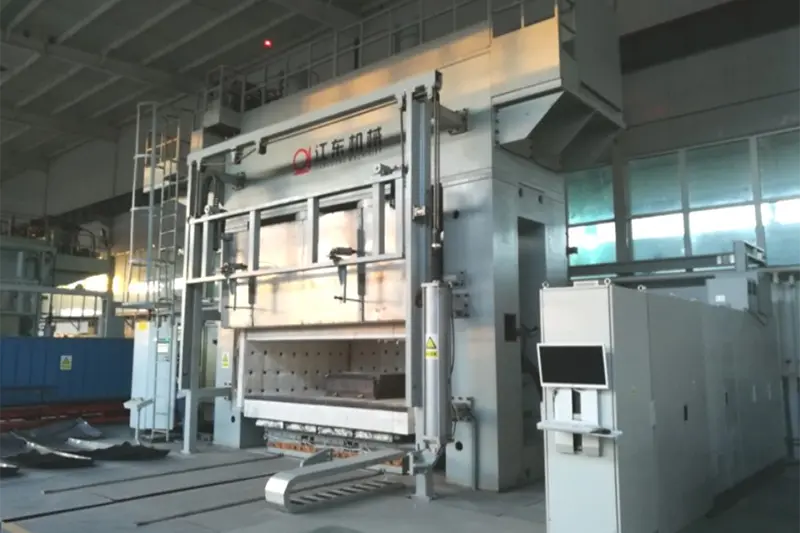
Hot gas expansion forming systems processing ultra-fine grain metals to high deformation bounds.
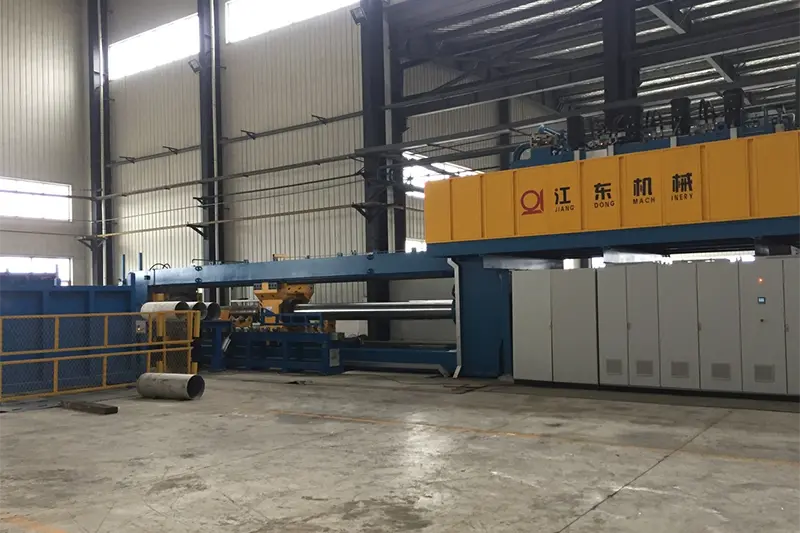
Specialized deep-drawing and forming presses for military defense casings and gas storage vessels.
Three foundational dynamics are restructuring how global procurers evaluate Chinese machinery exports: decarbonized energy setups, real-time remote maintenance loops, and structural integration. As environmental standards enforce absolute carbon boundaries, manufacturers must optimize energy usage. In hydraulic and hydroforming systems, this has triggered a shift from classical proportional valve controls to servo-motor-driven hydraulic pump architectures. Servo systems consume up to 50% less idle energy and significantly reduce oil-cooling requirements.
Concurrently, the transition from simple hardware exports to IoT-enabled ecosystems is accelerating. Modern systems ship with cloud-based diagnostic architectures, allowing engineering hubs in Chongqing to evaluate pump profiles, verify stroke counts, diagnose valve deviations, and push real-time PLC updates to units operating in Europe, Southeast Asia, or the Americas. This ensures high availability and reduces down-time risks for complex global supply lines.
Reduces electrical footprint and thermal output during extended high-pressure dwell periods.
Simulate material stress points and fluid velocity flows before physical tooling manufacturing begins.
Active feedback looping controls metal elongation rates, eliminating surface rupturing.
Built to international standards, complying with CE, OSHA, and ASME pressure-vessel regulations.
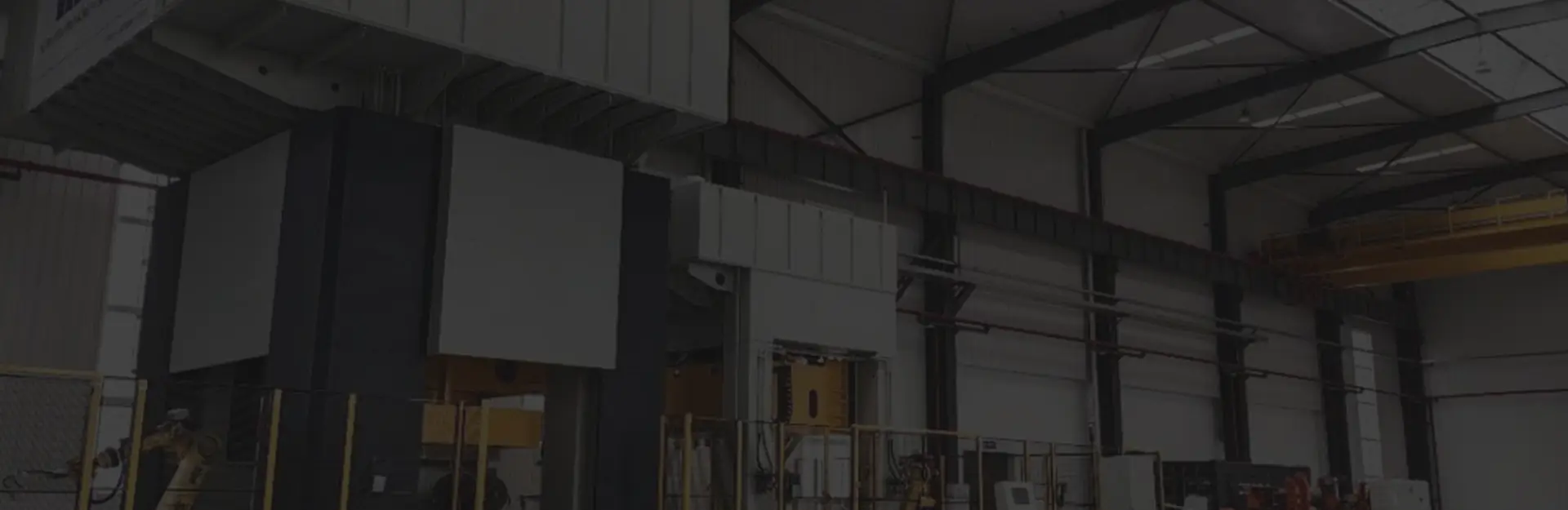
Jiangdong Machinery offers a comprehensive, "one-stop" system portfolio. Instead of just exporting basic mechanical frames, the engineering team manages the complete lifecycle: simulation software development, high-precision tooling manufacturing, hydraulic system tuning, and automated peripheral handling equipment integration.
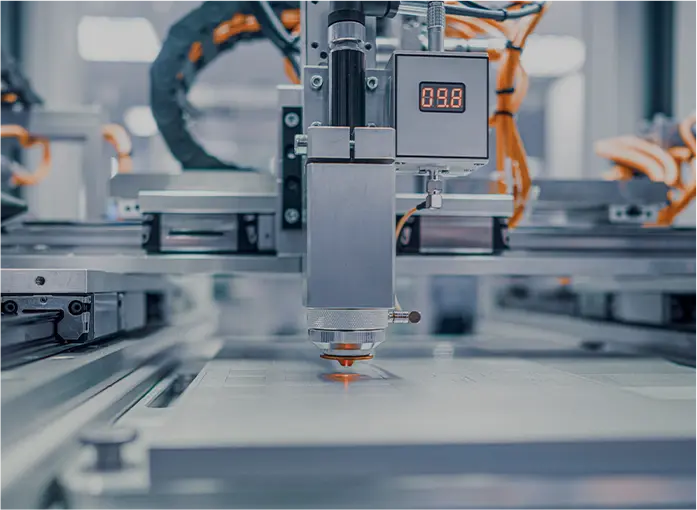
Chongqing Jiangdong Machinery Co., Ltd. (Jiangdong Machinery) is a comprehensive manufacturing specialist in the heavy forming and forging sectors. The company integrates R&D, manufacturing, distribution, and service for high-capacity hydraulic presses, lightweight forming technologies, specialized automotive lightweight parts, and hot/cold stamping dies.
Jiangdong Machinery focuses on industrial automation, intelligent system design, and flexible production line deployment. They provide customized metal and non-metal hydraulic forming machinery tailored to client specifications, particularly for structural weight reduction in the global automotive sector.
Global manufacturers require comprehensive service agreements to support capital equipment purchases. Jiangdong Machinery provides end-to-end commissioning, technical training, and remote diagnostic services.

Tailored machine dimensions, tonnage configurations, and automated handling systems to match plant layouts.

Real-time diagnostics and remote programming adjustments through secure networks.

Structured inspection protocols, hydraulic fluid testing, and seal monitoring programs.

Direct access to forming engineers and simulation experts for process planning.

Global supply chain support for seals, valves, cylinder assemblies, and electrical controllers.
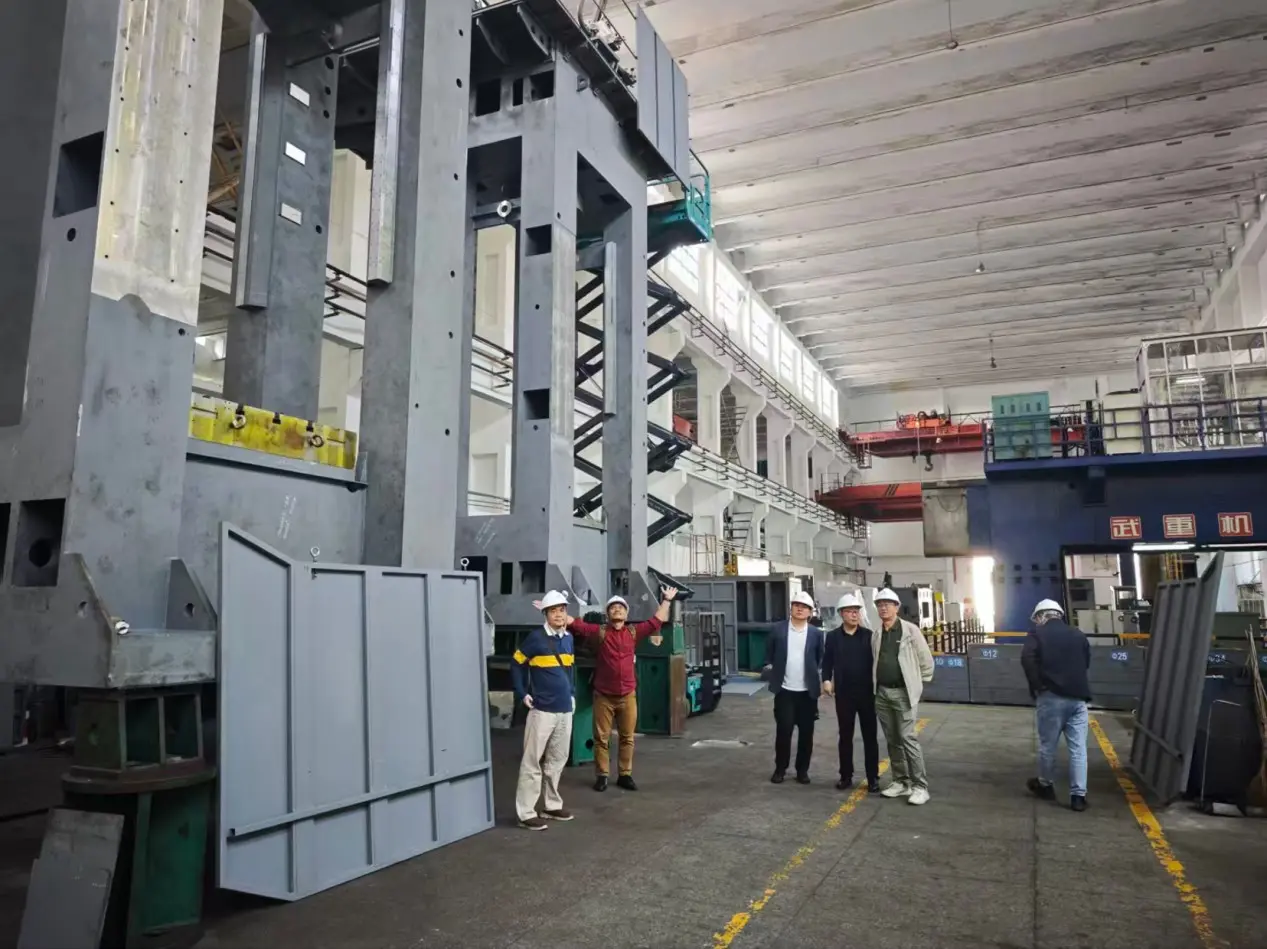
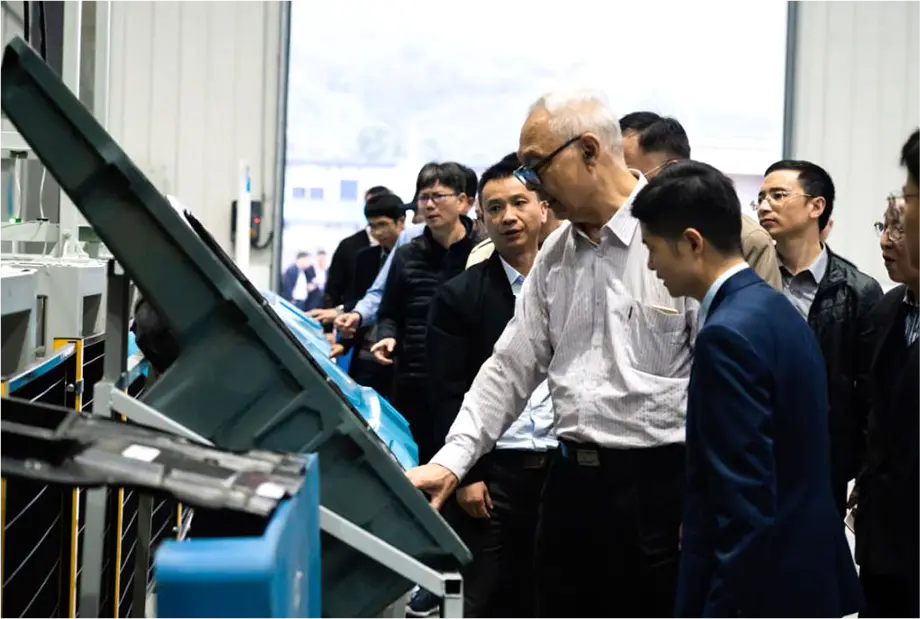
A delegation of Indonesian customers visited Jiangdong Machinery to evaluate its research capabilities, manufacturing systems, and quality control protocols. This visit laid the groundwork for partnership agreements in sheet metal forming technologies within the Southeast Asian automotive sector.
Partners from Thailand, Indonesia, and Malaysia completed technical audits, expanding the regional supply framework for hydraulic installations.
Jiangdong Machinery showcased its lightweight forming solutions at leading industrial trade shows, demonstrating high-pressure composite forming designs.
Key technical specifications, sourcing guidelines, and operations details compiled by our senior engineering division.
An industrial hydro jet machine is primarily a subtractive manufacturing system that uses high-velocity, abrasive-entrained water streams (typically ranging from 2,000 to 6,000 bar) to cut, descale, or clean surfaces. In contrast, a hydroforming press line uses static high-pressure hydraulic media (typically water-oil emulsions up to 4,000 bar) within a closed-die mold cavity to expand sheets or tubes into complex, three-dimensional structures. Both share similarities in high-pressure hydraulic intensifier pump designs, but their kinematic execution and tooling requirements are completely distinct.
Classical systems use fixed-displacement pumps running at constant speeds, throttling oil through proportional valves to adjust pressure. This generates significant waste heat, requiring cooling capacity and consuming excessive electricity during dwell cycles. Servo-hydraulic systems utilize high-response servo motors directly coupled to internal gear pumps. The motor speed adapts to match the cycle requirements, shutting down during holding operations to save up to 50% on electrical power, lower oil degradation, and reduce the cooling footprint.
During internal high-pressure forming, micro-fractures occur if the pressure rise velocity exceeds the material's plastic flow limit. Jiangdong Machinery integrates high-response proportional control valves directly with real-time PLC systems. Using data from linear encoders and pressure transducers, the system dynamically balances axial cylinder feed with internal pressure intensification. This ensures the material remains in a plasticized state without localized thinning, maintaining structural integrity across varying geometries.
Most aluminum and magnesium alloy components, such as automotive subframes and engine cradles, require pressures between 1,000 and 2,500 bar. For ultra-high-strength steel alloys (UHSS), internal pressure demands can scale up to 4,000 bar. Choosing the correct pressure rating is critical, as excessive pressures require larger machinery structures and increase component wear, while insufficient pressures lead to incomplete calibration against the die wall.
Our press systems are equipped with industrial IoT gateways that communicate telemetry data securely over Ethernet or wireless links. Technical specialists can remotely monitor hydraulic pressure curves, check system alarm states, analyze stroke cycles, and diagnose valve behaviors. If troubleshooting is required, software updates and sensor calibrations can be deployed directly from the factory, reducing the need for on-site engineering visits.
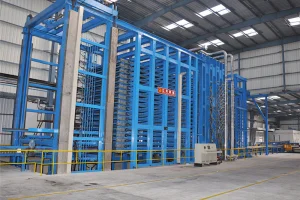
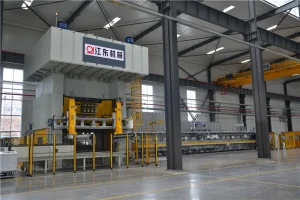
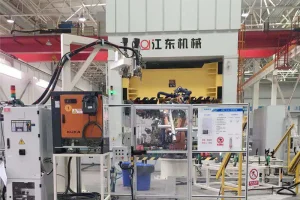
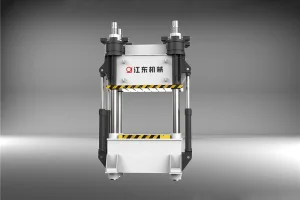
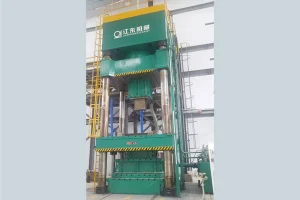
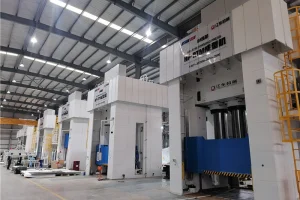
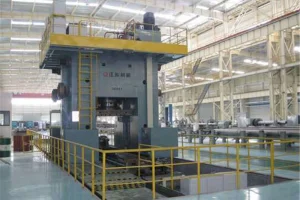
Explore our specialized production lines, including insulation paperboard hot presses, high-speed hot stamping lines for ultra-high strength steels, carbon fiber resin transfer equipment, and advanced hydroforming machinery configurations.
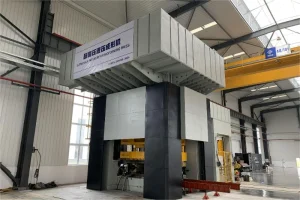
Connect with our technical design office to request custom forming analysis, system footprint reviews, or equipment pricing for your facility.