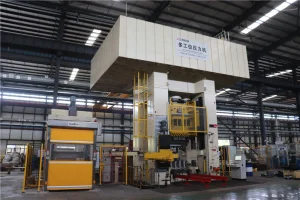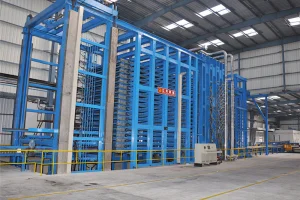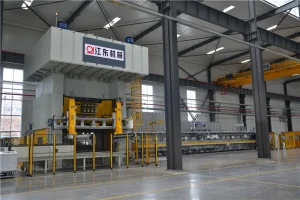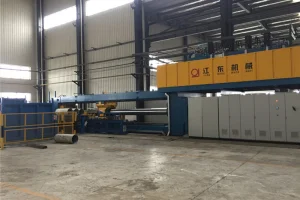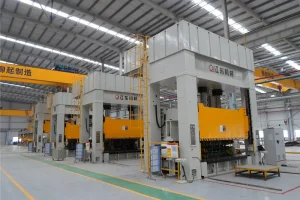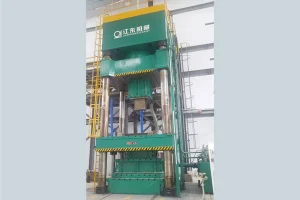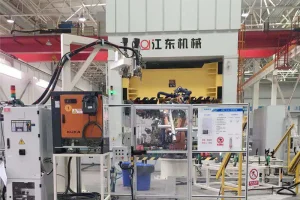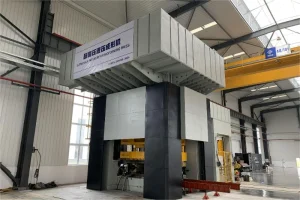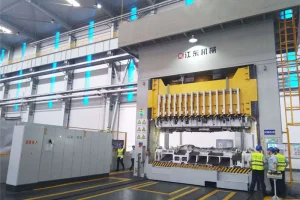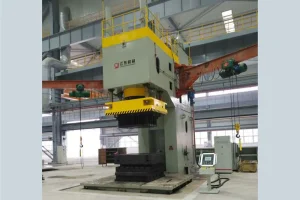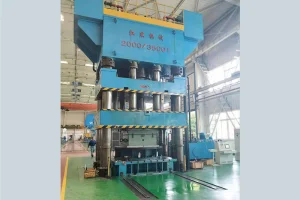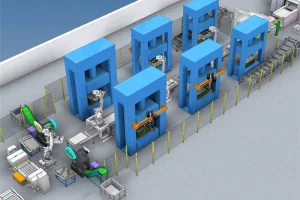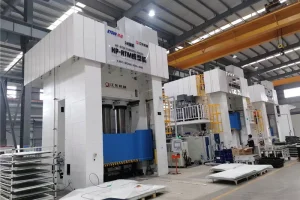
Explore our industrial-grade processing lines engineered for premium precision structural manufacturing and rapid output cycling.
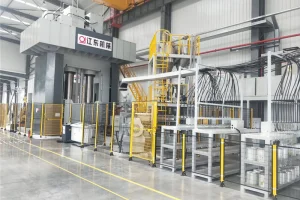
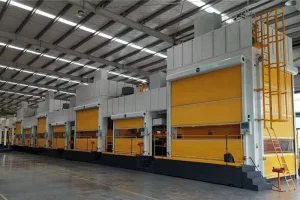
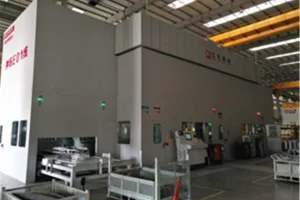
The global heavy machinery and manufacturing sector is undergoing an unprecedented structural transition. Driven by international carbon neutrality targets, energy conservation requirements, and the exponential growth of New Energy Vehicles (NEVs), industrial enterprises must transition to high-precision forming machinery. Modern stamping, composite compression molding, and isothermal forging systems are no longer basic machinery; they represent integrated production hubs equipped with digital controls and energy-efficient servo drives.
From structural automotive components to lightweight aerospace paneling, the search for reliable manufacturers with specialized technical competency is key to building resilient supply chains. The demand for lightweight materials, such as carbon-reinforced plastics (CFRP) and ultra-high-strength steel (UHSS), has changed structural metal processing. Machinery vendors must offer high-tonnage precision, rapid mold-change setups, and strict quality control standards to remain viable in the modern global economy.
Chongqing, as a major hub for China's industrial equipment and automotive manufacturing sector, offers key supply-chain advantages. The local ecosystem combines raw materials production, engineering research, and manufacturing capabilities. This vertical integration allows factories like Chongqing Jiangdong Machinery Co., Ltd. to optimize every step of production, from initial structural analysis and hydraulic casting to custom electronic system integration and mechanical calibration.
Key drivers behind the efficiency and performance of Chinese equipment machinery include:
Explore our core technologies spanning sheet metal working, lightweight composites, and specialized thermal forging operations.
High-efficiency deformation and forming processes tailored for traditional steel and modern lightweight aluminum alloys.
Specially engineered hydraulic systems for lightweight structural components in automotive, aerospace, and energy sectors.
High-temperature and high-pressure setups designed for specialized components and critical defense applications.
Jiangdong Machinery matches specific customer requirements with complete "one-stop" system solutions.
Chongqing Jiangdong Machinery Co., Ltd. (Jiangdong Machinery) is a comprehensive forming technology and machinery manufacturer. We integrate the R&D, production, sales, and service of advanced hydraulic presses, lightweight forming technology, high-strength structural parts, hot and cold stamping dies, and custom metal castings.
Our automated, smart, and flexible manufacturing configurations allow us to deliver tailored turn-key solutions globally, serving sectors ranging from consumer goods to automotive lightweight structural parts production.
From custom planning to long-term operational maintenance, we support your machinery throughout its lifecycle.

Tailored machine dimensions, pressure parameters, automation logic, and tool integration.

Online troubleshooting, diagnostic checkups, software adjustments, and PLC monitoring support.

Scheduled maintenance packages, calibration diagnostics, alignment optimization, and wear prevention checks.

Dedicated phone lines, on-site technician deployment, and production engineering guidance.

Fast shipping of seals, electronic components, valves, and cylinders to minimize downtime.
Read about our international site visits, technology partnerships, and upcoming industry events.
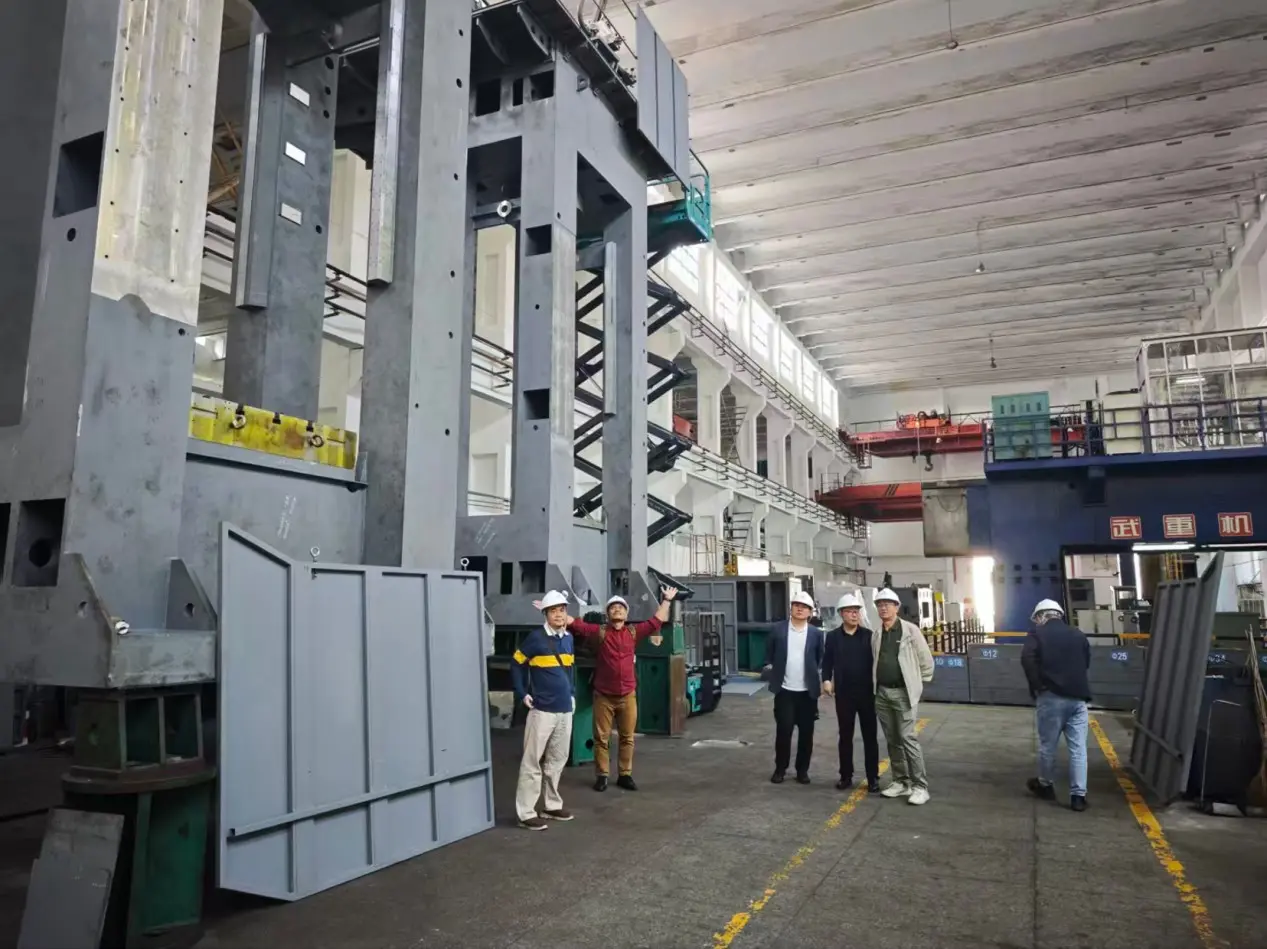 Customer Visit - May 06, 2026
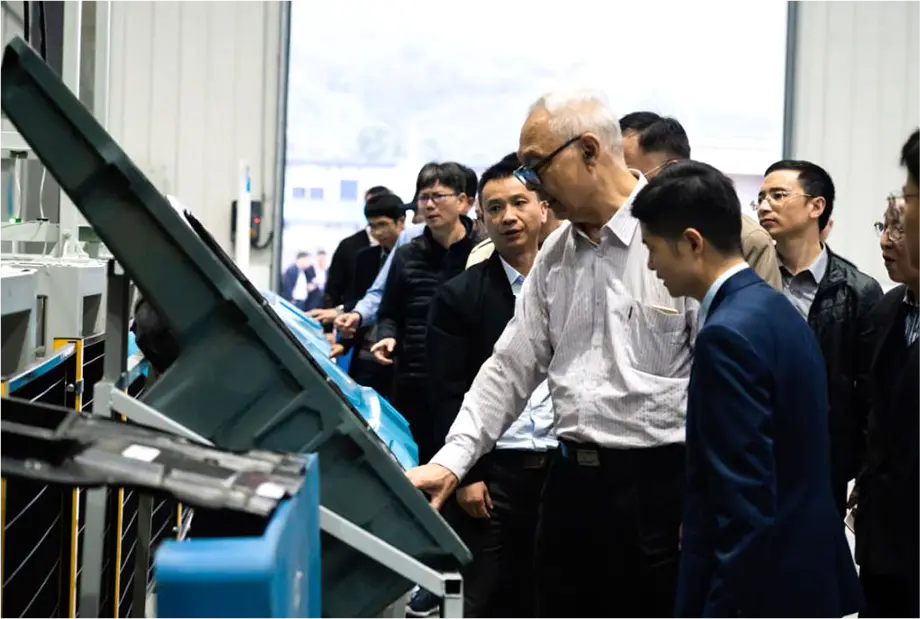
An Indonesian customer delegation visited our manufacturing facilities to review our technical capabilities, quality processes, and product reliability. The visit resulted in a new partnership for sheet metal forming systems.
Read Full Release →Partners from Thailand, Indonesia, and Malaysia visited to finalize deliveries and inspect custom composite forming projects.
Jiangdong Machinery presented its high-pressure hydroforming systems and automated LFT-D composite production lines at the industry expo.
Modern hydraulic forming systems are applied across various industrial sectors. Selecting the correct system architecture is critical to achieving production goals and ensuring cost efficiency.
The push for lighter vehicles has made materials like ultra-high-strength steel (UHSS), aluminum alloys, and fiber-reinforced plastics standard in automotive manufacturing. Custom hydraulic lines, such as the Hot Stamping Production Line for UHSS and the LFT-D Thermoplastic Direct Forming Line, allow manufacturers to produce crash-resistant structural components, door panels, and complex interior framing while reducing overall vehicle weight.
The clean energy sector relies on high-pressure containment vessels for compressed natural gas (CNG) and hydrogen storage. The Horizontal Drawing Production Line for Gas Cylinders provides the wall-thickness consistency, tensile strength, and structural integrity required to meet strict international pressure-vessel safety certifications.
Heavy electrical equipment requires dense, high-voltage insulation materials. High-capacity thermoforming lines, such as the Insulation Paperboard Hot Press Forming Production Line, maintain precise temperature distribution and pressure controls across large sheet surfaces. This ensures consistent dielectric properties and structural density in the final insulation boards.
When purchasing high-capacity metal or composite forming machinery from Chinese suppliers, international engineering teams should evaluate vendors based on the following criteria:
Detailed technical answers to common queries regarding hydraulic forming processes and composite processing equipment.
LFT-D (Long Fiber Reinforced Thermoplastic Direct molding) combines compounding and compression molding into a single inline process. Raw polymer and long glass/carbon fibers are mixed, extruded into a charge, and immediately transferred to a compression press. This eliminates intermediate pelletizing steps, preserves fiber length for high impact resistance, reduces thermal degradation, and lowers material costs.
Internal high-pressure hydroforming (IHPF) places a tubular metal blank into a closed die cavity and injects high-pressure fluid internally while applying axial compression. The pressure expands the tube to match the die contours. Benefits include the ability to form complex, single-piece geometries, high dimensional accuracy, reduced springback, and the elimination of welding operations, which improves component strength and reduces weight.
HP-RTM (High-Pressure Resin Transfer Molding) uses high pressure (typically 30 to 150 bar) to inject reactive resin into a sealed mold containing preformed carbon or glass fibers. The high pressure ensures rapid fiber wetting and fast resin cure times. While traditional RTM cycles take hours, HP-RTM cycles take only a few minutes, making it suitable for automotive volume production.
Chongqing Jiangdong Machinery provides complete technical support, including on-site foundations evaluation, machine installation, and system commissioning. We also offer digital remote diagnostics via secure internet connections to troubleshoot PLC programs and hydraulic parameters, alongside local service agreements for scheduled maintenance.
View detailed operational parameters and design configurations for our high-capacity press installations.