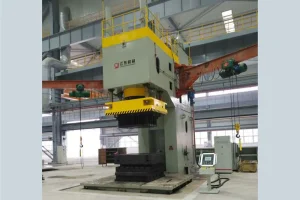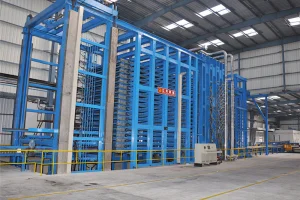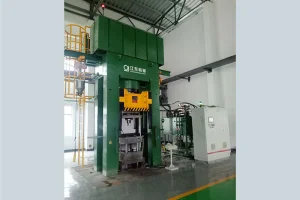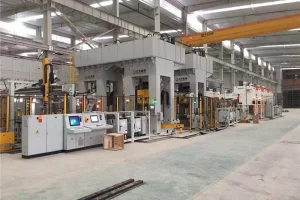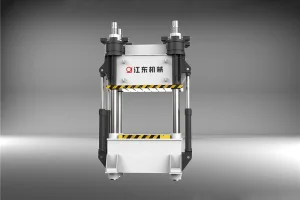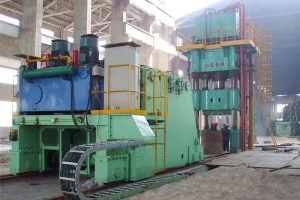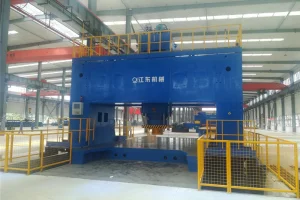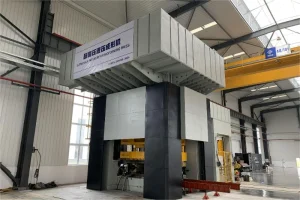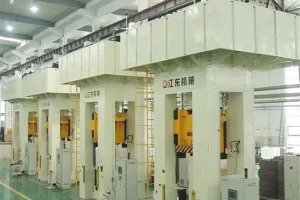
Explore our state-of-the-art sheet metal stamping, forging, and hydraulic press lines engineered for maximum speed, accuracy, and process stability.
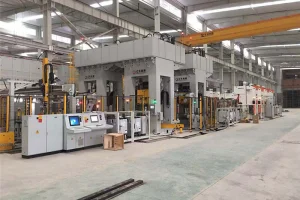
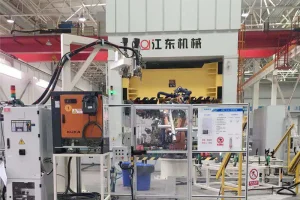
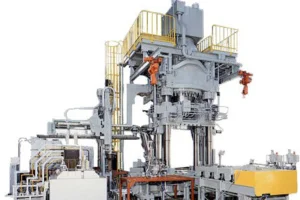
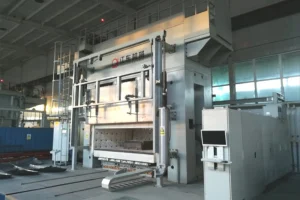
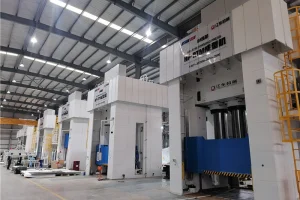
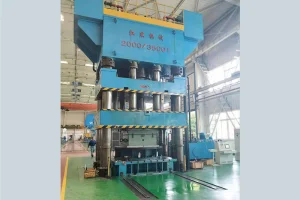
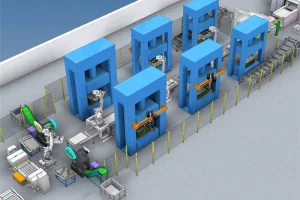
Globally, industrial manufacturing sectors—particularly automotive, aerospace, mass transit, and renewable energy—are undergoing a massive transformation. Driven by stringent carbon reduction initiatives, fuel efficiency standards, and the rapid expansion of Electric Vehicles (EVs), the demand for high-strength, lightweight components has skyrocketed. In this lightweighting revolution, advanced fiber-reinforced plastics and composites (such as Carbon Fiber Reinforced Plastics - CFRP, Sheet Molding Compounds - SMC, Bulk Molding Compounds - BMC, and Glass Mat Thermoplastics - GMT) have emerged as crucial material replacements for traditional steel and aluminum structures.
Achieving the optimal mechanical properties of these advanced composite materials requires extreme precision during the compression molding phase. This is where automated composite molding presses play a pivotal role. Unlike standard metal-forming machinery, a composite molding press must maintain ultra-precise parallelism control, exact temperature profile distribution, and complex multi-stage decompression curing cycles to prevent residual stress, delamination, or dimensional deviations. As global procurement teams evaluate the ideal supply chain partner for these specialized machinery setups, China has transitioned from a cost-oriented hub to a global leader in high-end, intelligent molding machinery.
Automated composite compression molding is a multi-variant technology category. The selection of the specific press architecture directly impacts cycle times, tooling longevity, and raw material efficiency. Below is an analytical breakdown of the major industrial processes supported by our heavy machinery solutions:
This process integrates compound extrusion directly with the compression molding stage, cutting down material heat-history and ensuring high fiber length retention, making it highly effective for heavy structural automotive components.
A sophisticated process where dry preforms are injected with thermosetting resins at high pressures. Crucial for producing structural CFRP parts for high-end automotive bodies and aerospace structures within rapid cycle times.
Covers a diverse array of composite intermediate sheets and compounds. Ideal for mass-producing body panels, battery enclosures (EV tray lids), electric switch boxes, and civil infrastructure parts demanding high heat resistance and durability.
Purchasing capital equipment of this magnitude is a 15-to-20-year operational commitment. Global buyers often face the dilemma of balancing high performance with realistic capital expenditure (CAPEX) budgets. Chinese machinery manufacturers, led by industry flagships like Chongqing Jiangdong Machinery Co., Ltd. (Jiangdong Machinery), have successfully resolved this trade-off. Here is how:
Established in 1937, Chongqing Jiangdong Machinery Co., Ltd. is a comprehensive engineering and forging giant. Spanning decades of industrial evolution, the company has positioned itself at the absolute forefront of advanced hydraulic press design, lightweight forming technology, and integrated parts production lines.
Jiangdong Machinery specializes in providing a complete stack of solutions, including lightweight forming systems, hot and cold stamping dies, metal castings, and automated processing lines. The enterprise is renowned for its advanced automation, intelligence, and system flexibility, delivering custom metal and non-metal hydraulic forming packages optimized to meet the lightweighting requirements of international automotive brands.
By leveraging its cross-disciplinary manufacturing capability, Jiangdong Machinery is committed to understanding customer requirements and providing a reliable, "one-stop" macro-industry solution. Below are the key technology suites deployed worldwide:
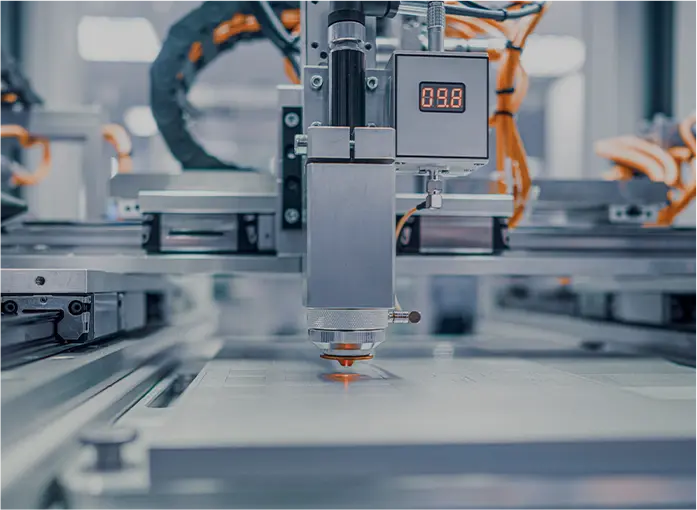
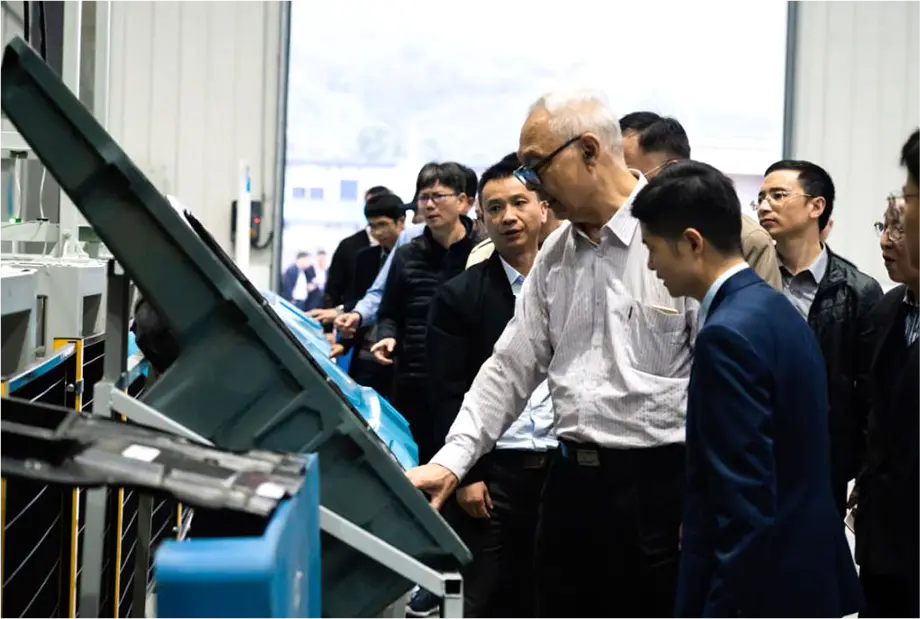
Utilizes ultra-high fluid pressures to expand tubes or sheets into complex shapes, reducing welding seams and boosting component strength. Ideal for subframes and structural frame members.
Combines thermal forming and rapid die-quenching to manufacture ultra-high-strength steel (UHSS) parts, a cornerstone for crash-safety structural pillars in automotive chassis.
High-efficiency automated processes where transfer mechanisms move pieces across multiple sequential dies inside a single press window.
Enables near-net-shape forming of complex titanium and aluminum alloy parts for aerospace components under extremely controlled temperatures and low strain rates.
Next-generation processing architectures designed for polymer composites, optimizing resin impregnation, glass mat distribution, and curing time cycles.
Procuring heavy hydraulic presses from abroad requires assessing critical design elements to ensure long-term stability and high production yields. The key evaluation metrics include:
A molding press is only as reliable as the service network backing it. Jiangdong Machinery has built a complete support architecture to guarantee uninterrupted production at global manufacturing plants:

Customized Solutions

Remote Service

Maintenance

Technical Support

Spare Parts
Clear answers to technical, operational, and procurement questions for production managers and global buyers.
Follow our engineering developments, international customer visits, and heavy machinery exhibitions globally.
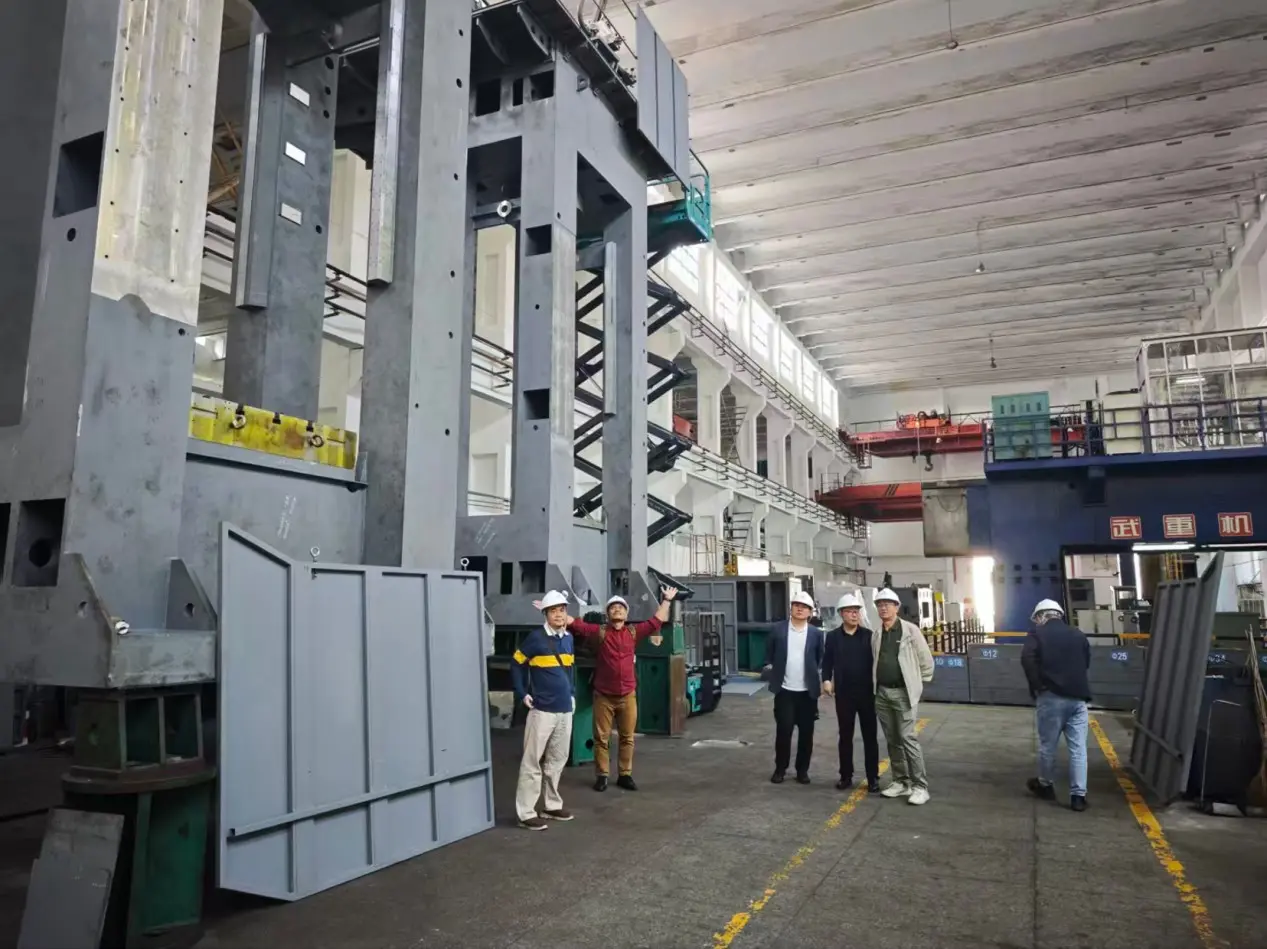
A high-level Indonesian business group recently inspected our fabrication facilities, mechanical assembly floors, and lightweight parts stamping halls, paving the way for joint project agreements.
From single column units to massive gantry plate straightening systems, view our comprehensive catalog of international hydraulic press solutions.