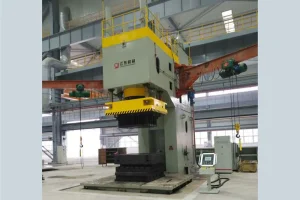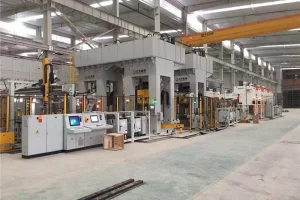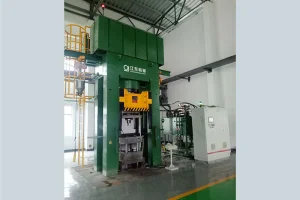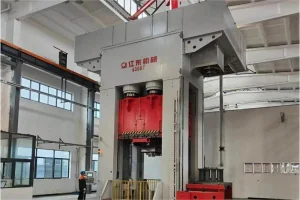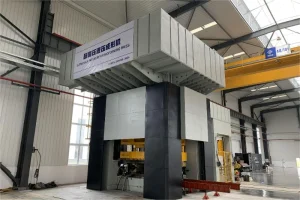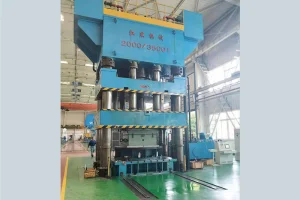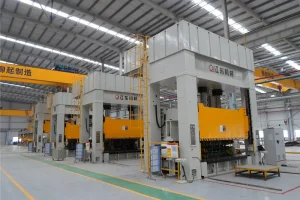
High-performance production lines verified for machinery safety, electromagnetic compatibility, and strict pressure vessel regulations.
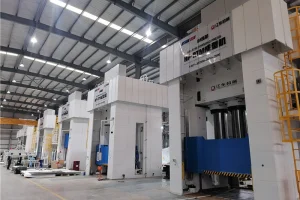
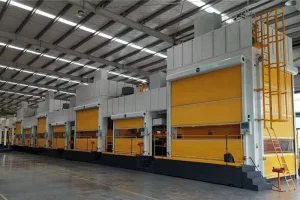
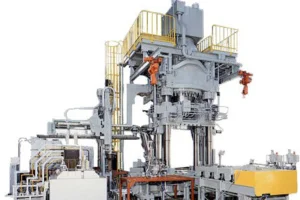
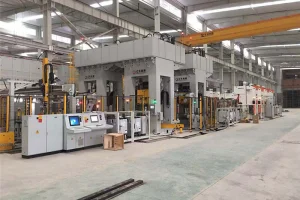
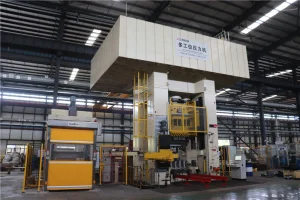
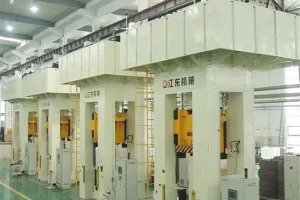
Established in 1937, Chongqing Jiangdong Machinery Co., Ltd. has developed into a premier comprehensive manufacturing titan. Over eight decades, we have focused on the integration of research and development, production, sales, and localized commissioning of high-performance hydraulic presses, lightweight automotive forming technologies, lightweight components, precision stamping/forging dies, and heavy-duty metal castings.
Our dedication to global machinery safety guidelines ensures our advanced automated, intelligent, and flexible hydraulic press production lines satisfy the demanding criteria of European CE Directives. By supplying integrated forming technology solutions alongside our hardware, we empower global manufacturers—especially within the automotive lightweighting, aerospace, and energy sectors—to achieve maximum productivity with verified structural integrity.
Exploring our core materials processing capabilities across automotive, military-industrial, and global infrastructure engineering.
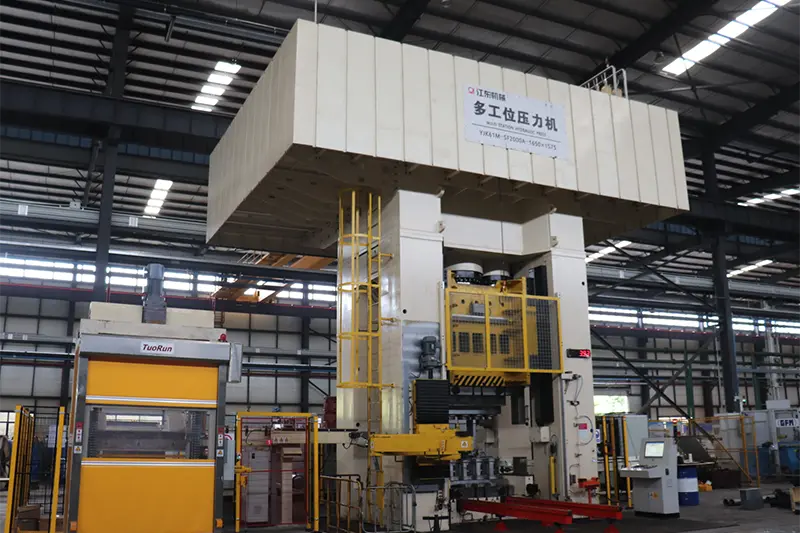
Encompasses hot and cold deformation processes designed for deep drawing, embossing, and sheet geometry transformation. Key systems include:
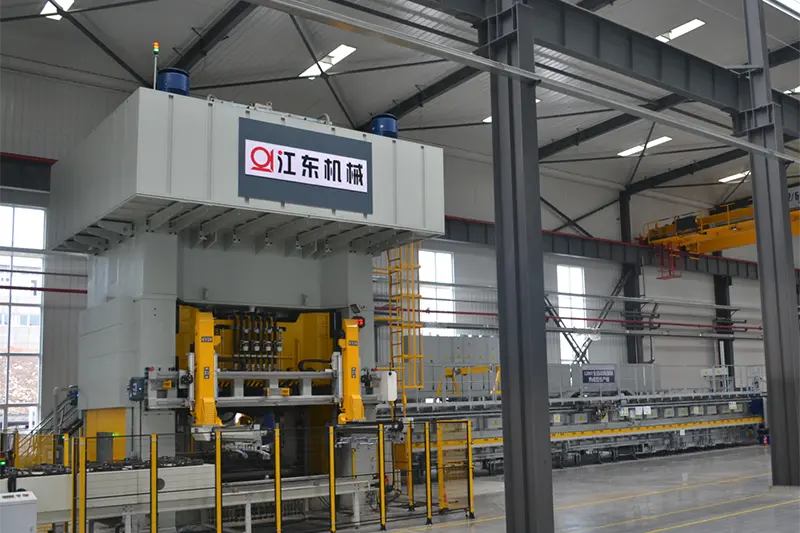
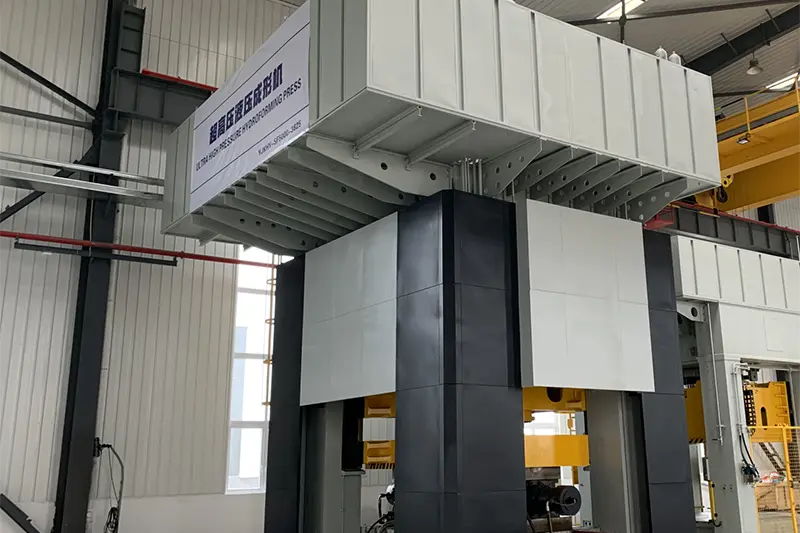
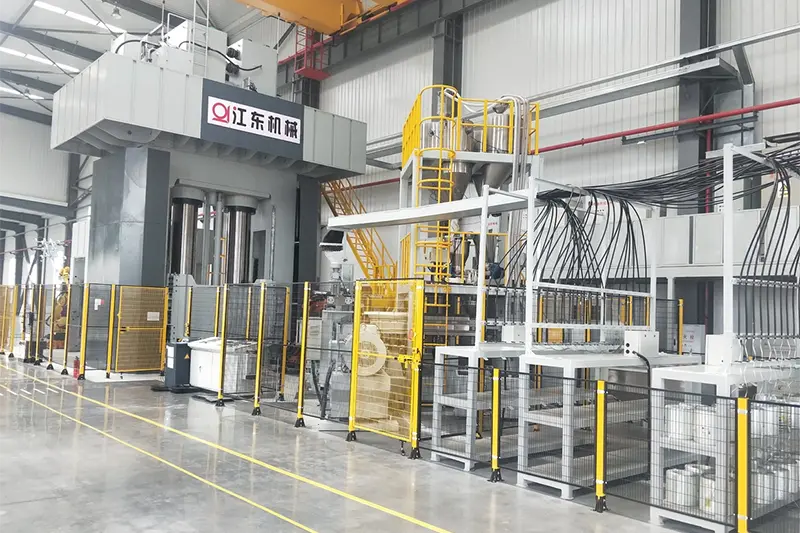
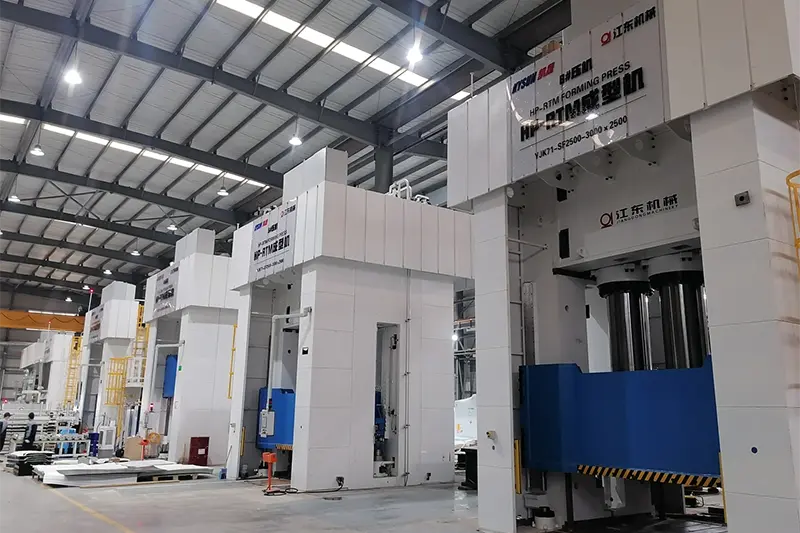
Tailored systems for processing high-strength fiber-reinforced polymers (FRP) and carbon fiber profiles. Focus processes:
High-precision customized units for niche alloy shaping, high-temp structural components, and deep drawings:
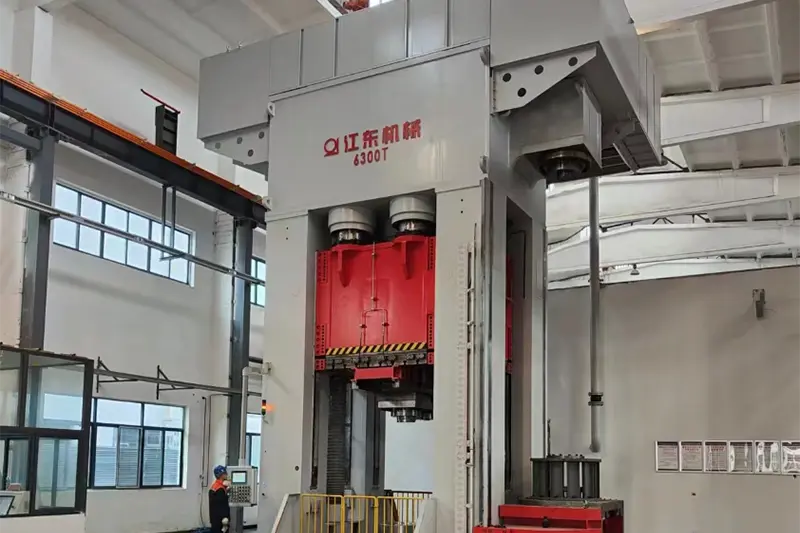
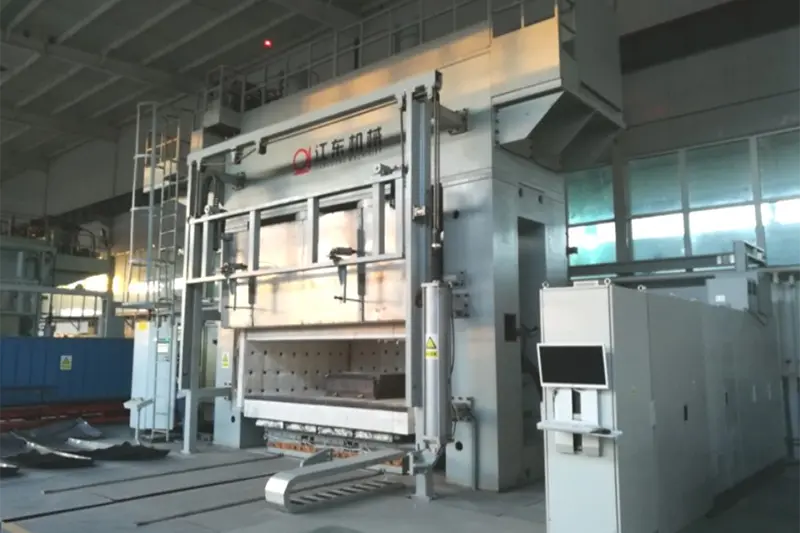
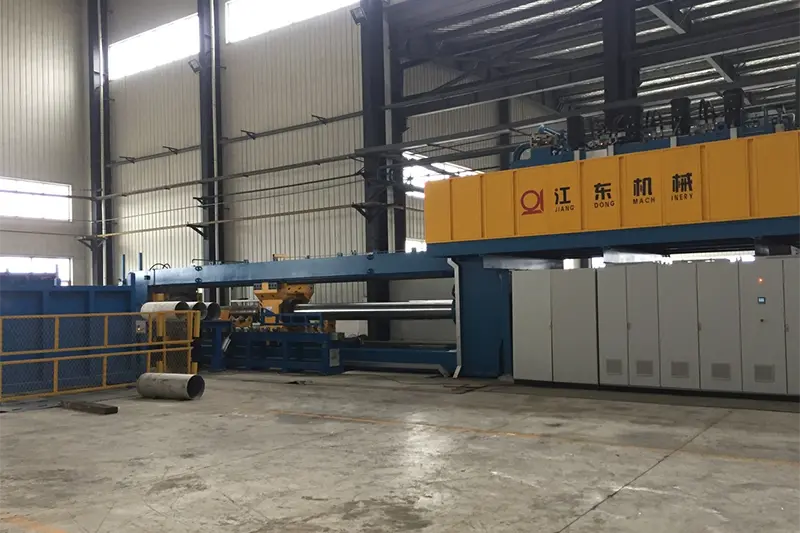
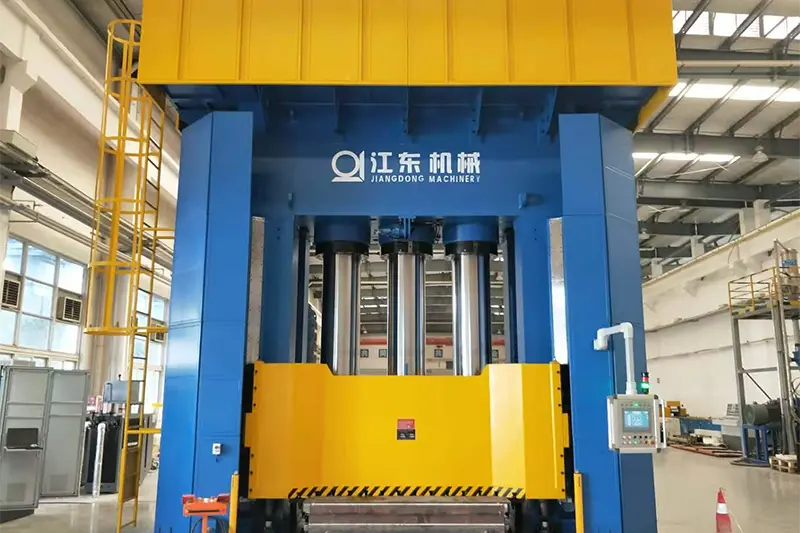
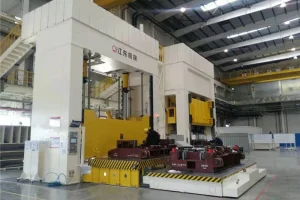
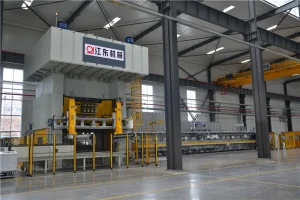
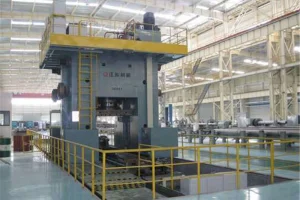
A four-column hydraulic press relies on four precision-ground columns that act as guides for the moving bolster (slide). This design provides uniform load distribution across the die area, preventing structural deflection even under eccentric loading. From an analytical perspective, the frame's structural stiffness must withstand huge vertical tensile stresses. Chongqing Jiangdong Machinery achieves high frame rigidity by using finite element analysis (FEA) to simulate load profiles up to 120% of rated capacity. The columns are made of high-quality forged steel (typically 42CrMo), induction-hardened, and chrome-plated. This ensures low friction, high wear resistance, and long-term guide accuracy.
Furthermore, our hydraulic manifold blocks utilize cartridge valve integrated systems (DIN 24342 compliant), which reduce piping, leakage, and response times. The primary piston cylinders are designed with high-quality seals (urethane and PTFE-based chevron packaging) to eliminate internal bypass. This configuration ensures consistent pressure holding during long curing cycles in composite or isothermal forging.
The next generation of hydraulic presses will be defined by decarbonization, electrification, and cognitive intelligence. To align with international green initiatives, Chongqing Jiangdong Machinery is shifting from traditional proportional valve control to servo-hydraulic hybrid drive systems. By combining dynamic permanent magnet synchronous motors (PMSM) with variable displacement internal gear pumps, energy consumption during stand-by and long curing steps is reduced by up to 50%.
Simultaneously, the integration of Digital Twins (using Siemens Mindsphere or customized edge controllers) allows engineers to monitor pressure, temperature, and cycle transitions in real time. Dynamic vibration sensors on the frame and columns track wear, detecting micro-cracks or guide misalignment before structural failure occurs. Predictive maintenance algorithms estimate the remaining useful life of hydraulic oil and seal rings, reducing unplanned downtime in continuous production lines.
Modern manufacturing requires integrated, process-specific setups rather than standalone hardware. Chongqing Jiangdong Machinery provides specialized systems for several demanding industries:
Compliance is critical when exporting heavy equipment to Europe, North America, and highly regulated markets. Our CE-marked four-column hydraulic presses conform to the Machinery Directive 2006/42/EC and safety regulations like EN ISO 16092-1/-3.
The safety system is designed around dual-channel safety PLCs (such as Pilz or Siemens safety units) that monitor light curtains, interlocked safety gates, and redundant hydraulic safety valves. The slide descent is protected by independent mechanical locks (hydraulic locking devices) that prevent gravity drop during maintenance or tool loading. To support international commissioning, we operate regional service centers and offer remote diagnostics via secure VPN connections. This allows factory engineers to troubleshoot PLC logic, adjust proportional valve curves, and guide local operators without delay.
Operating in Chongqing—one of the largest industrial bases in Western China—provides Jiangdong Machinery with a resilient supply chain. Our Factory 4.0 setup integrates raw material preparation, heavy casting fabrication, precision machining, and cleanroom assembly in a unified workflow. By processing heavy components in-house, we control metallurgical quality and reduce lead times. We use high-precision CNC boring and milling machines to ensure strict tolerances on columns and bolsters. Our robust supply chain protects customers from component shortages, ensuring stable deliveries and predictable project timelines.
Providing customized tooling, heating systems, automation, and hydraulic machinery for complex forming operations.
Comprehensive support from concept design and engineering analysis through installation, calibration, and supply of spare parts.

Customized Solutions

Remote Service

Maintenance

Technical Support

Spare Parts
Follow our international delegations, technical developments, and industrial trade expos.
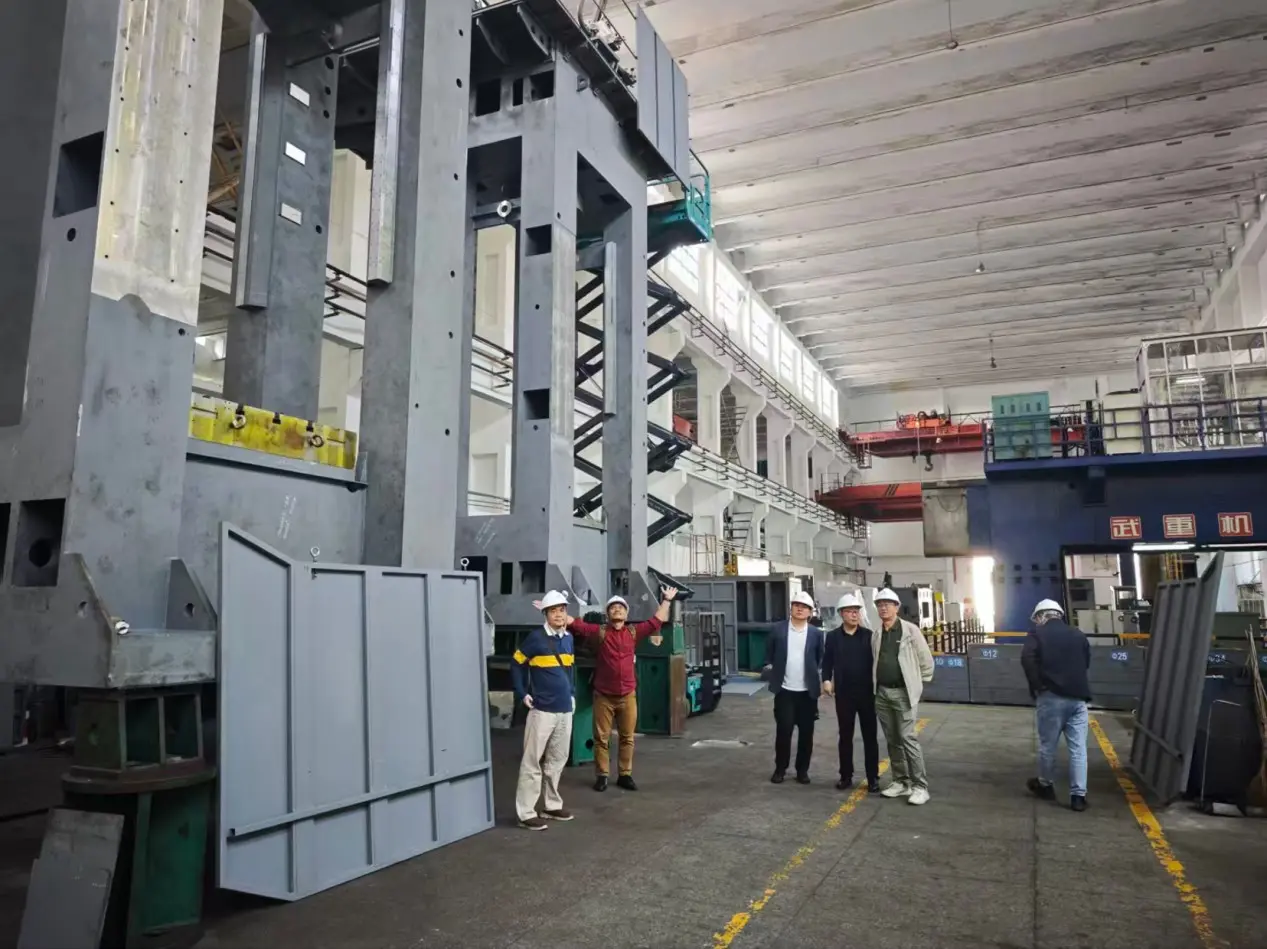
A delegation of Indonesian industrial users visited Chongqing to assess our hydraulic press fabrication processes, assembly line automation, and quality management systems.
The delegation inspected our large-tonnage trial facilities and tooling manufacturing plants. This visit establishes a framework for exporting customized hot stamping and cold extrusion lines to the Indonesian automotive supply chain.
Partners from Thailand, Indonesia, and Malaysia completed factory acceptance testing (FAT) for lightweight sheet metal stamping equipment, confirming alignment with high international safety and process standards.
Jiangdong Machinery presented advanced lightweight forming solutions at a major industrial expo, highlighting the capability of our high-pressure composite molding lines to help manufacturers reduce carbon emissions.
Resolving critical questions about hydraulic systems, safety structures, and global compliance regulations.
To satisfy CE compliance under EN ISO 16092-1/-3, a hydraulic press must include:
1. Redundant Hydraulics: Dual-channel monitored safety valves on the main cylinder lines to prevent unintended descent.
2. Physical Barriers: Light curtains at the feeding area and interlocked safety enclosures on the sides and back.
3. Anti-Gravity Lock: A hydraulic or mechanical arrestor device that locks the slide in place during maintenance.
4. Certified Controls: A safety PLC (Category 4, PL e) that continuously checks the integrity of all safety feedback loops.
HP-RTM (High-Pressure Resin Transfer Molding) injects reactive thermoset resin into a closed cavity containing dry fiber preforms. The high injection pressure (typically 10 to 150 bar) ensures complete wet-out of the fibers, yielding parts with high strength-to-weight ratios and low void content. Cycle times are short, often under two minutes.
SMC (Sheet Molding Compound) uses pre-impregnated fiber sheets placed directly into hot dies. While SMC is ideal for complex shapes, HP-RTM is preferred for structural components that require optimized fiber alignment and higher resin consistency.
Guide accuracy is maintained through:
1. Generous Guide Lengths: Long guide bushings reduce angular movement under offset loads.
2. Rigid Bed and Slide Design: Structural plates are designed to minimize deflection under concentrated loads.
3. Active Parallelism Control: High-performance proportional valves dynamically adjust hydraulic pressure in auxiliary cylinders, compensating for uneven forces across the tool face.
Standard hydraulic systems use constant-speed motors that run at full power, venting excess oil through relief valves during dwell phases. In contrast, a servo-hydraulic system regulates the motor's speed based on flow demand. During dwell or pressure-holding phases, the servo motor slows down to a minimum speed (or stops entirely), maintaining pressure while drawing minimal power and reducing heat generation.
Heavy-duty machinery for precision mold calibration, hot-die forging, and sheet metal drawing.
Request a custom configuration, mechanical FEA report, or project feasibility study.