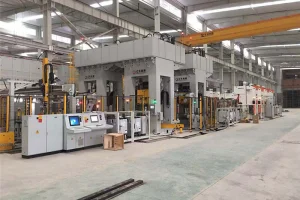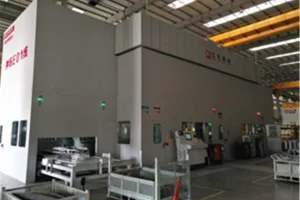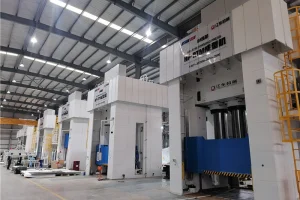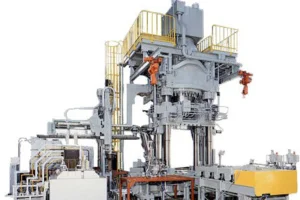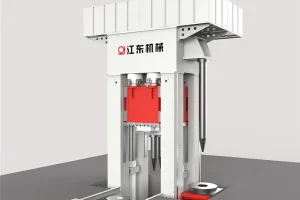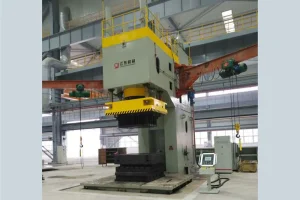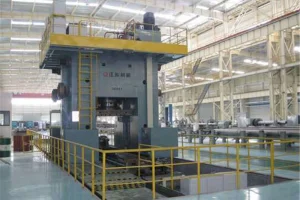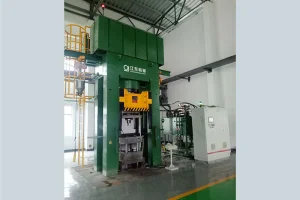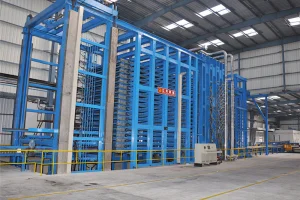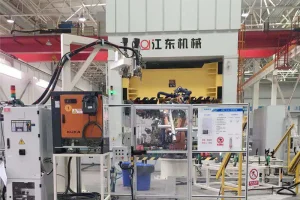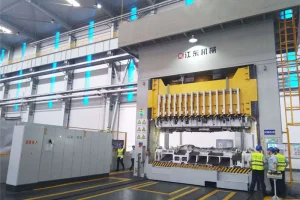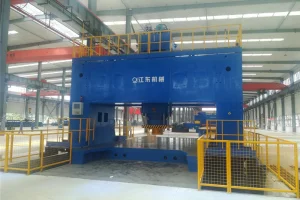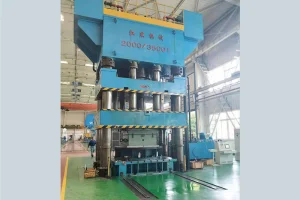
Select from our premium line of industrial hydraulic presses engineered for high structural integrity and deep draw capabilities.
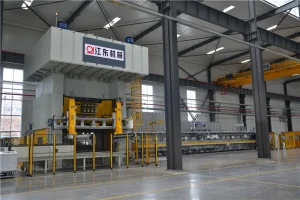
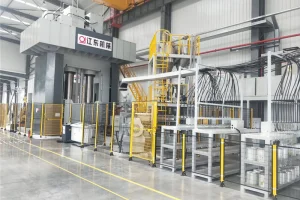
In modern structural aerospace and defense fabrication, the capability to shape difficult-to-deform alloys—specifically titanium alloys (such as Ti-6Al-4V) and aluminum-magnesium alloys (such as Al 5083)—without initiating localized thinning or micro-fractures is paramount. The global procurement demands for Superplastic Forming (SPF) Presses have transitioned from standard off-the-shelf catalog machinery towards highly tailored, closed-loop engineered systems.
Industrial decision-makers and sourcing agents must evaluate a press manufacturer's capacity to control three vital process parameters: precise high-temperature thermal distribution across the heated platens (often exceeding 900°C), variable gas blow-pressure curves mapped dynamically via CNC automation, and low strain rate cycle integration. Investing in an SPF press requires partnering with a factory that displays high-level competence in multi-layered insulation design, high-vacuum systems, and hydraulic servo accuracy.
Global industries are pushing for lightweight structures to lower emissions, increase range, and enhance payload efficiency. For instance, in the aerospace sector, large-scale monocoque panels, complex nacelle skin assemblies, and ducting systems require forming techniques that eliminate traditional welding and riveting. This is where Superplastic Forming combined with Diffusion Bonding (SPF/DB) serves as a key enabler.
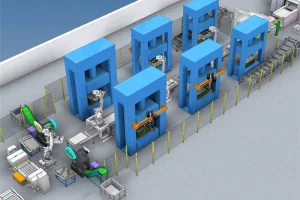
By eliminating mechanical fasteners, companies can realize up to a 30% weight reduction and up to a 40% reduction in production costs compared to conventional fabricated sub-assemblies. Procurement departments look for factories capable of supplying turnkey cells that encompass high-tonnage hydraulic frames, die pre-heating furnaces, robotic tool-loading configurations, and high-purity argon gas management systems.
Comprehensive industrial solutions covering lightweight metals, advanced composites, and customized manufacturing processes.
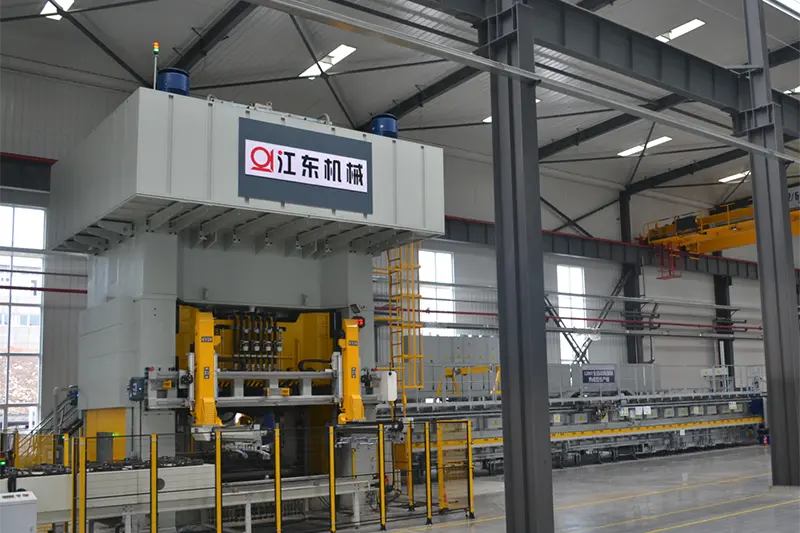
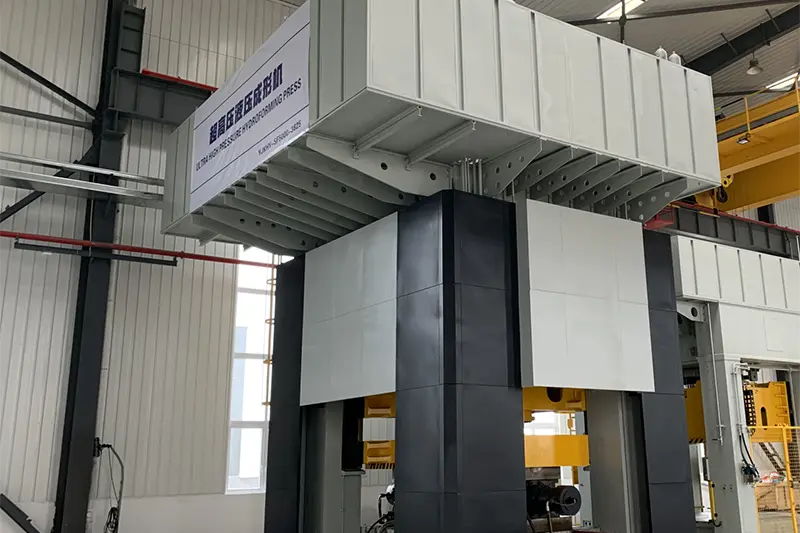
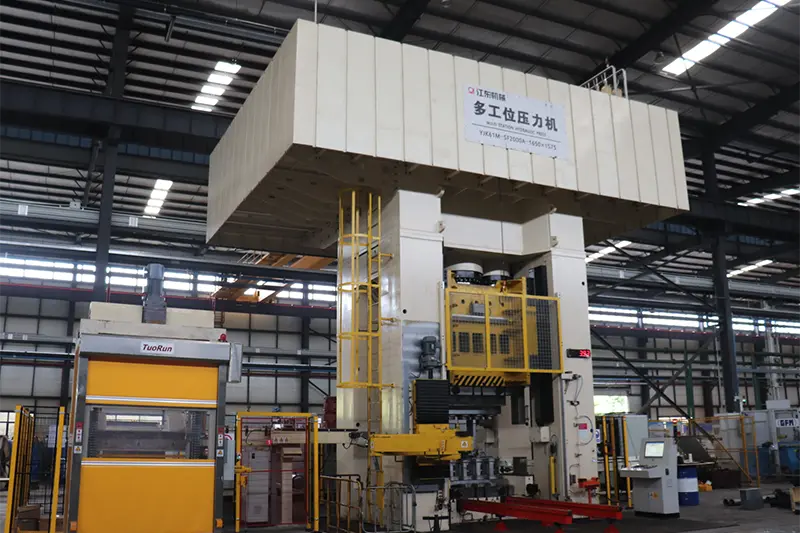
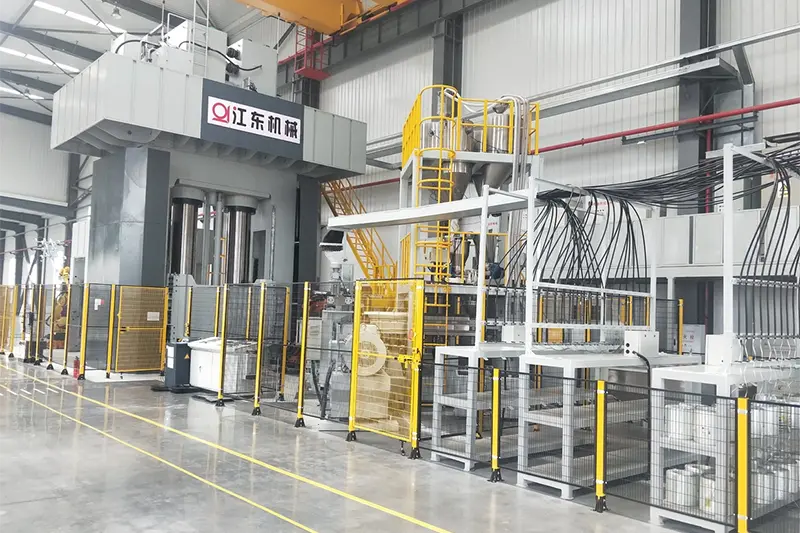
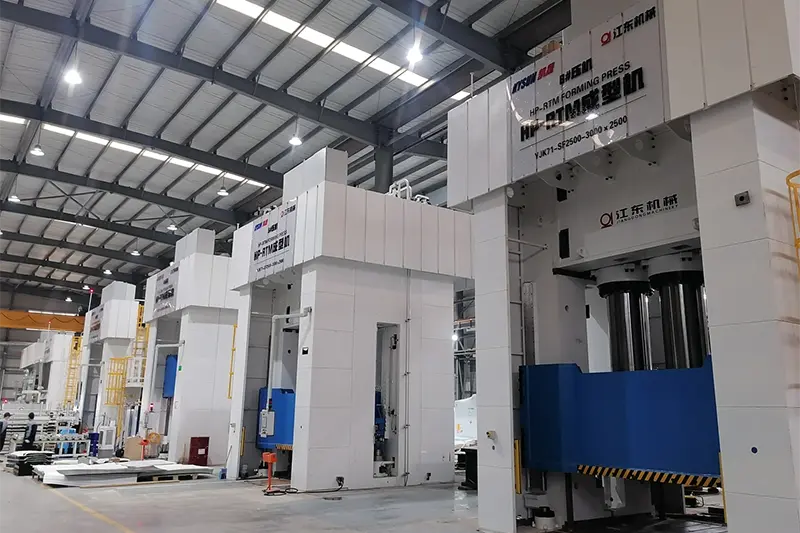
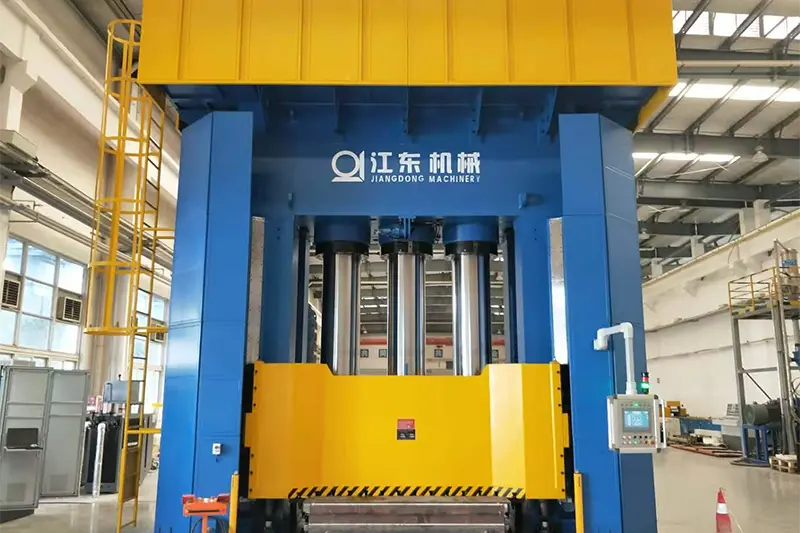
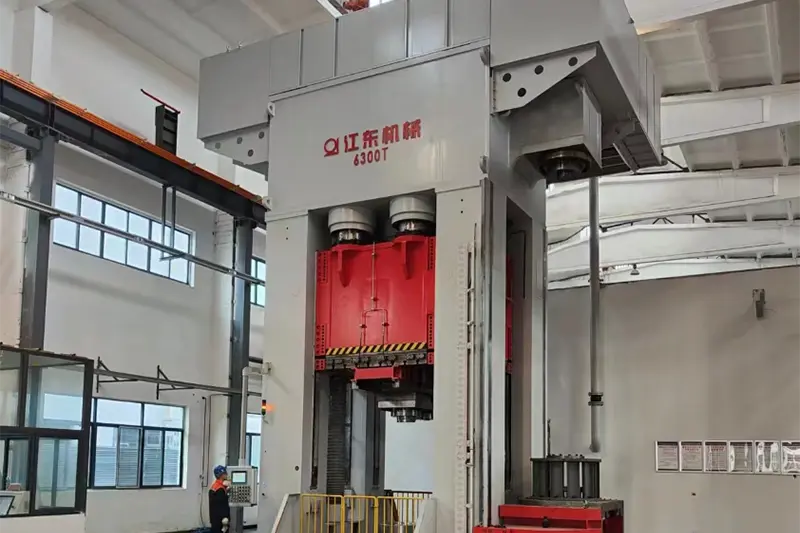
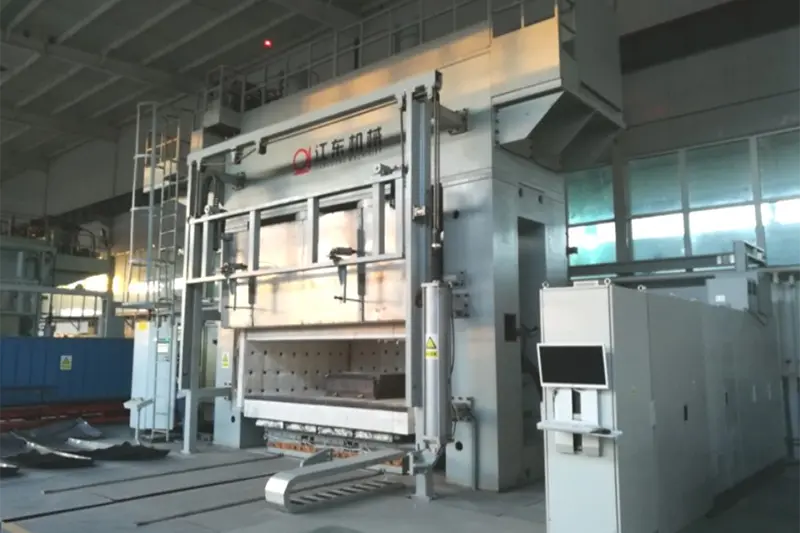
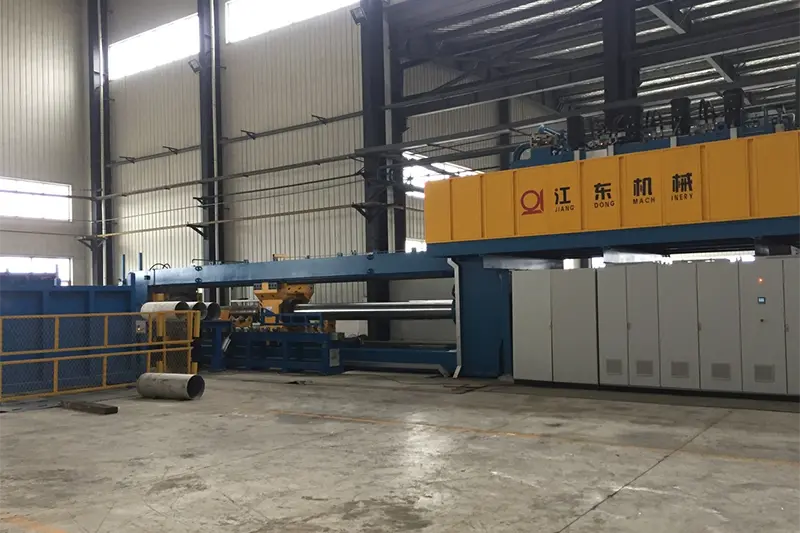
Jiangdong machinery has been committed to understanding and matching customer needs, to provide customers with a "one-stop" overall solution, has become the pursuit of Jiangdong machinery goal. By bridging advanced structural analysis, tooling development, and heavy manufacturing tolerances, we eliminate implementation risks for worldwide operators.
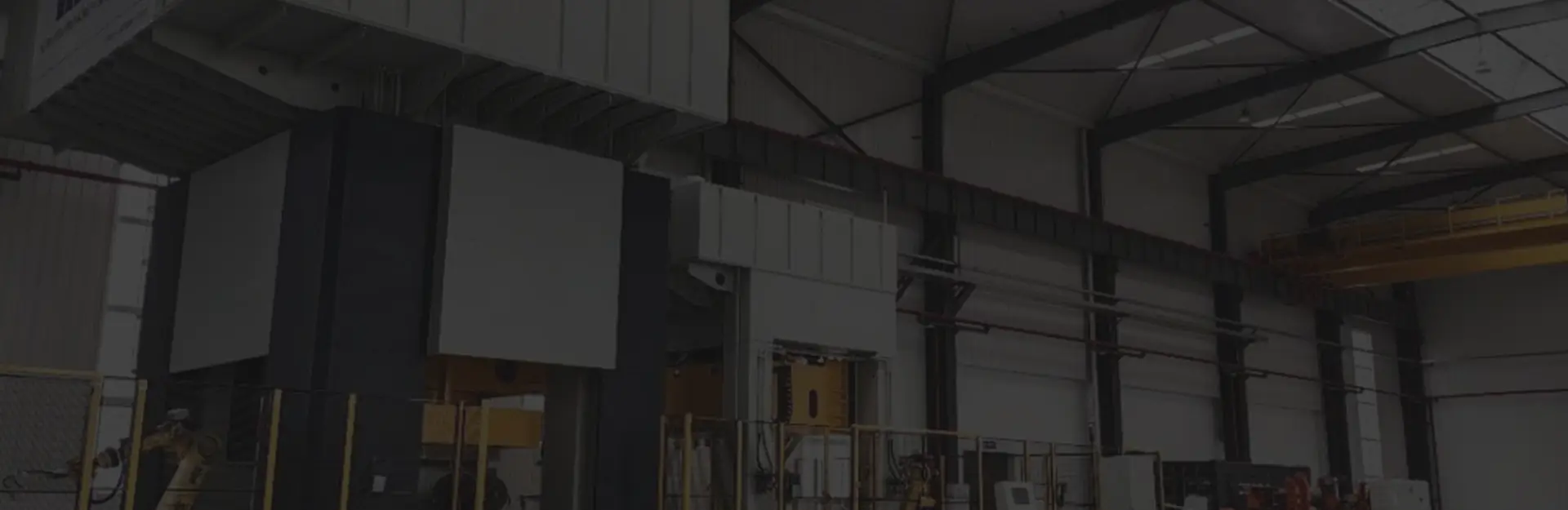
Superplastic forming depends on the physical phenomenon of grain boundary sliding, which occurs when crystalline materials are heated to roughly half of their absolute melting temperature ($0.5 T_m$) and subjected to controlled deformation strain rates. Ensuring that fine grain sizes (typically under $10\mu m$) remain stable requires an SPF press to possess a high degree of structural and pneumatic control.
Conventional presses suffer from severe thermal gradient losses at extreme temperatures. Modern SPF processes utilize multizone cartridge resistance heater elements embedded inside custom-cast nickel-based alloy platens. This delivers a uniform thermal envelope across the tooling surfaces, keeping temperature deviation below ±5°C at process temperatures up to 950°C.
Because the superplastic range of alloys is restricted to narrow strain rates (typically $10^{-4}$ to $10^{-3}$ $s^{-1}$), the argon gas injection rate must follow a non-linear pressure profile. The CNC integration coordinates flow control valves, downstream pressure transducers, and structural displacement sensors to modulate forming pressure from 0.1 bar up to 40 bar with high resolution.
The future of SPF press development lies in the incorporation of AI-assisted real-time cavity pressure profiling. By integrating optical pyrometers and fiber optic thermal imaging inside the press enclosure, real-time material behavior is mapped against a virtual twin model. Predictive machine algorithms dynamically alter gas delivery to prevent cavitation or tearing, optimizing overall cycle duration.
Furthermore, hybrid manufacturing processes that fuse isothermal forging, high-pressure gas expansion, and robotic handling into single operating cells represent the new standard. This integration minimizes cooling losses and handling times, positioning the technology as a viable option for high-volume automotive production lines.
Chongqing Jiangdong Machinery Co., Ltd. (hereinafter referred to as “Jiangdong Machinery”) is a comprehensive forging company integrating R&D, production, sales and service of hydraulic presses, lightweight forming technology, lightweight parts, hot and cold stamping dies, metal castings, etc. Equipment and parts manufacturing companies. Among them, the company’s research and development of hydraulic presses and production lines have advanced automation, intelligence, and flexibility. At the same time, Jiangdong Machinery can provide customers with a variety of metal and non-metal hydraulic forming equipment and integrated forming technology solutions, especially in automobile lightweighting.
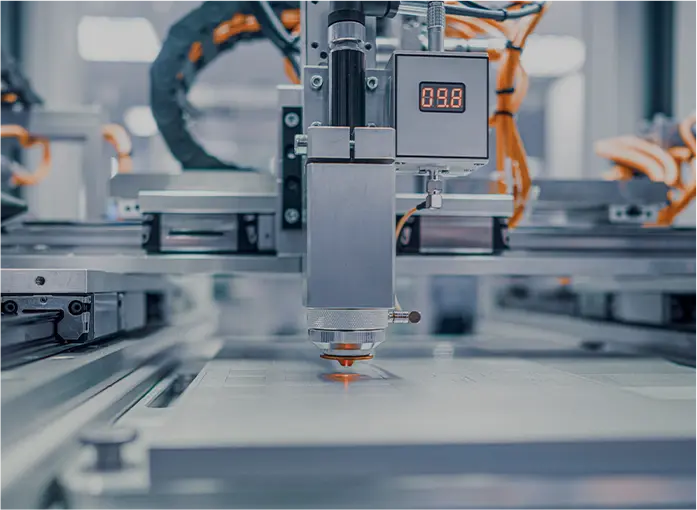
Providing global technical support, spare parts logistics, and customized engineering services.

Tailored hydraulic architecture and platen configurations designed to meet specific factory floor requirements.

IoT-based system diagnostics, PLC troubleshooting, and continuous sensor calibration support.

Scheduled preventive diagnostic routines, wear checks, and hydraulic fluid test monitoring.

Direct engineering channels for forming parameter optimization and metallurgy consultancies.

Global replacement logistics for critical hydraulic valves, heating elements, and sealing components.
Keep up with our international corporate visits and technological developments.
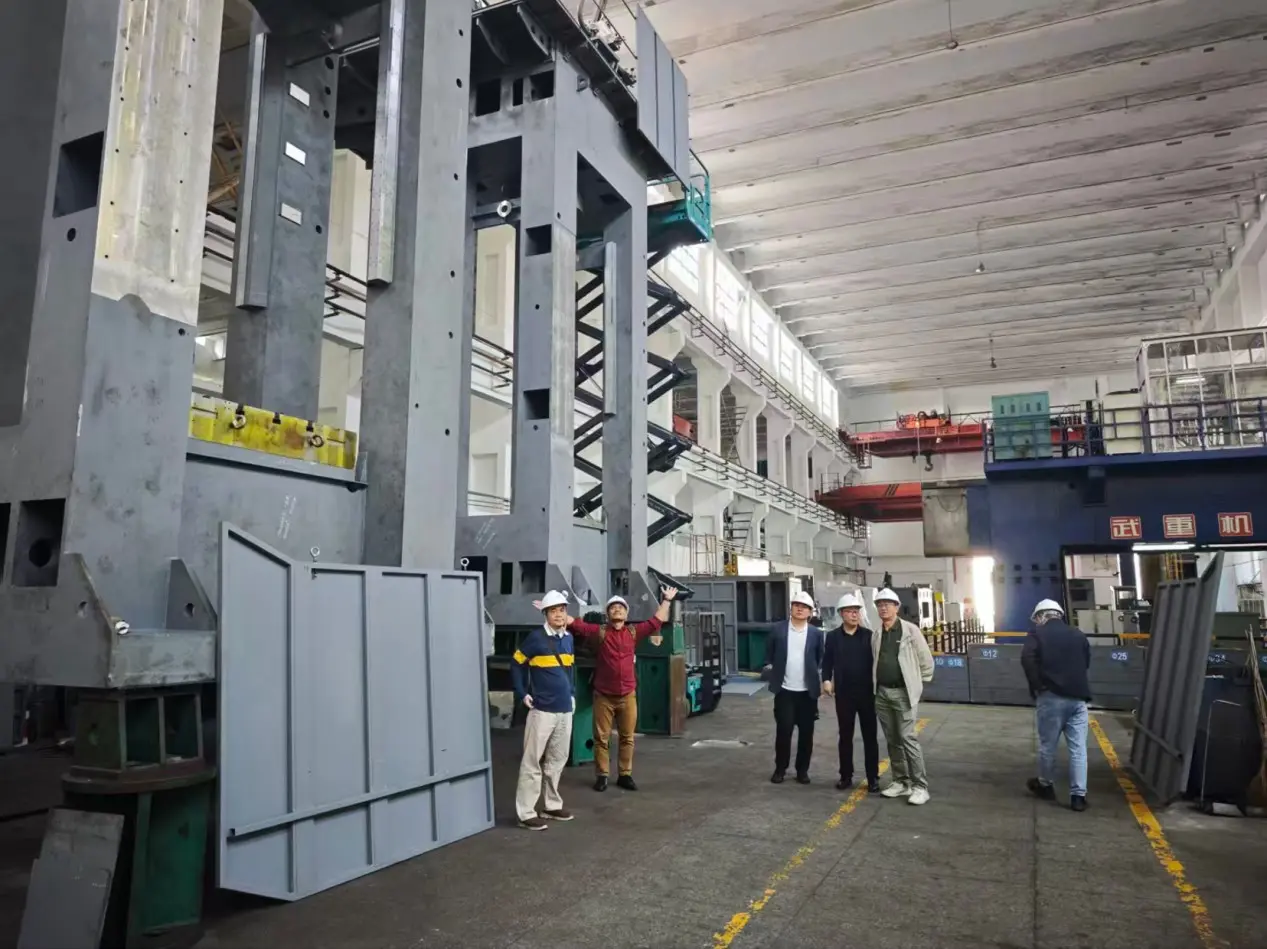 Visitor Spotlight • 2026/May/06
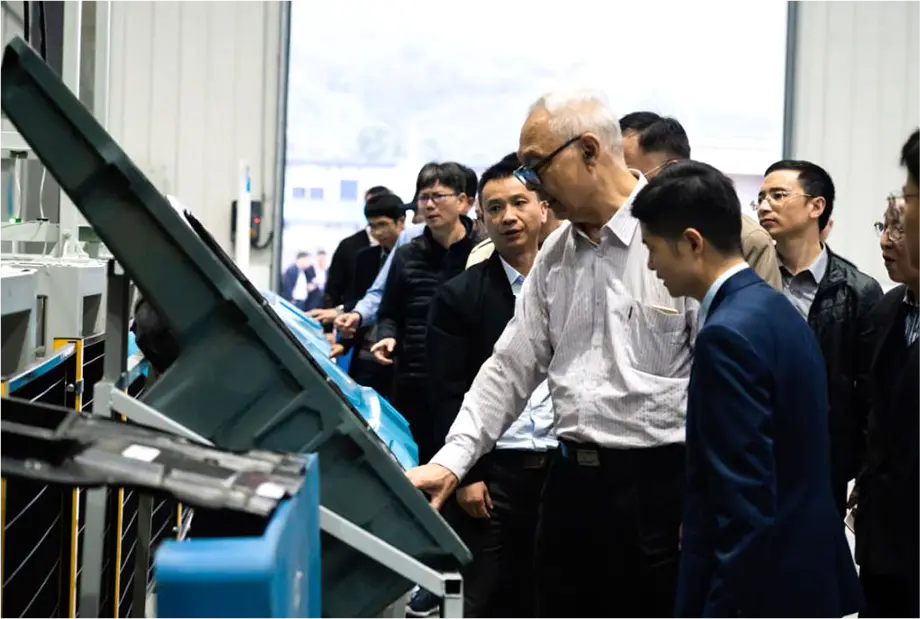
Recently, a delegation of Indonesian customers visited Jiangdong Machinery to inspect its capabilities, product quality and technical strengths, laying a solid foundation for lightweight automotive forming systems.
With the arrival of the new year, multiple partners from countries including Thailand, Indonesia, and Malaysia have successfully visited Chongqing to align technological pipelines.
Leading enterprise in China's metal forming industry launches new hydraulic automation modules at global conferences.
Building high-temperature pressure equipment requires strict adherence to international industrial compliance programs. Jiangdong Machinery ensures that every customized Superplastic Forming Press complies with essential mechanical, electrical, and structural frameworks. Our engineering processes are aligned with global certification requirements, guaranteeing trouble-free integration into advanced production facilities.
Pneumatic pressure containment chambers and safety interlocks are constructed and certified under European CE directives and ASME Code Section VIII for pressure vessels.
System instrumentation design and thermocouple layout structure adhere to Pyrometry Specification AMS2750, preparing client installations for direct NADCAP approvals.
Every phase of design, welding assembly, hydraulic verification, and pre-shipment quality assurance is documented under strict international quality controls.
Expert solutions to common technical queries regarding SPF operations and installations.
High-capacity hydraulic lines, die-tryout systems, and automated composite forming cells.