Explore our industrial-grade hydraulic power presses and comprehensive processing lines tailored for automotive engineering, aerospace lightweighting, and heavy industries.
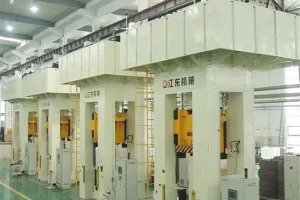
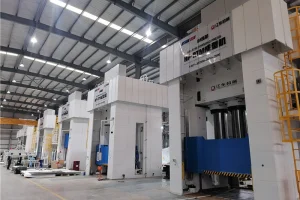
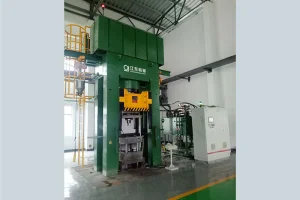
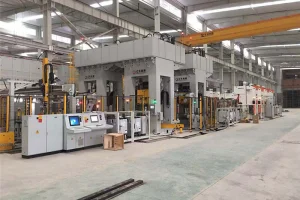
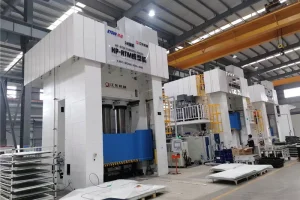
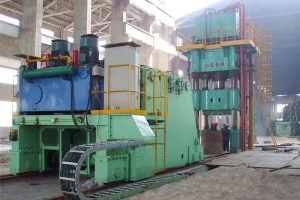
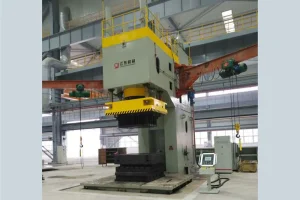
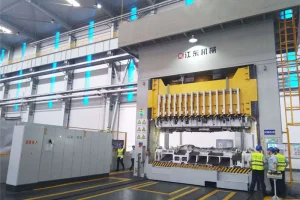
The manufacturing sector is undergoing an unprecedented paradigm shift, fueled by the demand for structural lightweighting, optimal material utilization, and Industry 4.0 intelligent production integrations. At the center of this transformation lies the modern hydraulic power press machine. As global exporters and technology pioneers, we analyze the current market trends, technology trajectories, and structural engineering advancements shaping the metal forming and composite molding landscapes.
Today's manufacturing dynamics require high-precision, flexible production solutions capable of processing high-strength alloys and advanced composite systems. The global market for hydraulic power press machinery has expanded beyond simple high-tonnage stamping. Industries such as automotive manufacturing, aerospace development, energy storage, and defense demand high-performance equipment to process complex structural geometries with zero-defect tolerances.
Leading industrial zones in North America, the European Union, and the Asia-Pacific region are transitioning from mechanical presses to advanced hydraulic and servo-hydraulic systems. This shift is driven by the necessity for precise stroke control, variable speed dynamics, and custom pressure profiles that are critical when handling advanced high-strength steels (AHSS), titanium alloys, and complex composite materials like SMC/BMC, carbon fiber, and thermoplastics.
"Industrial productivity is no longer determined solely by press speed, but by process flexibility, dimensional accuracy, and energy efficiency. True competitive advantage is built upon automated processing systems, real-time closed-loop control, and advanced material handling capabilities."
Three core trends are redefining the modern metal forming and composite molding industry:
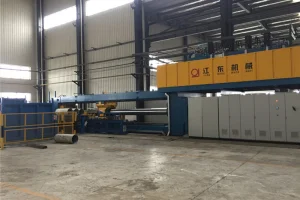
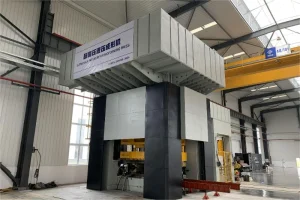
Different manufacturing sectors require specific equipment designs. For instance, in European and North American automotive supply chains, the focus is on high-tonnage Die Tryout Hydraulic Presses and fast Hot Stamping Production Lines to process high-strength structural parts. In Asian markets, there is significant demand for cost-effective, high-output Gas Cylinder Production Lines and specialized composite compression systems.
Meanwhile, aerospace defense companies require advanced technologies like Isothermal Forging and Superplastic Forming (SPF). These processes operate under slow strain rates and extreme temperatures to form titanium and nickel-based superalloys for structural components, ensuring minimal residual stress and optimal grain flow.
A structured breakdown of our core manufacturing domains, categorizing our advanced metal forming and composite molding solutions.
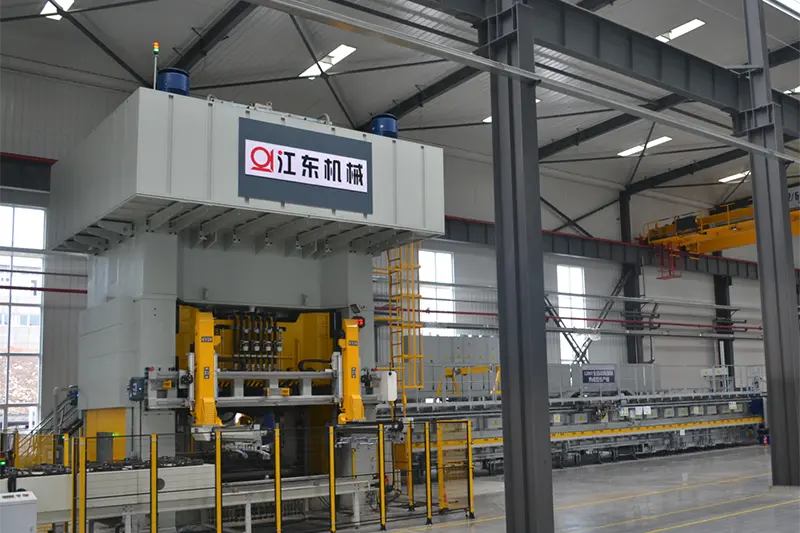
Advanced hot stamping press technology tailored for ultra-high-strength steel sheet forming, optimized for crash-safety automotive components.
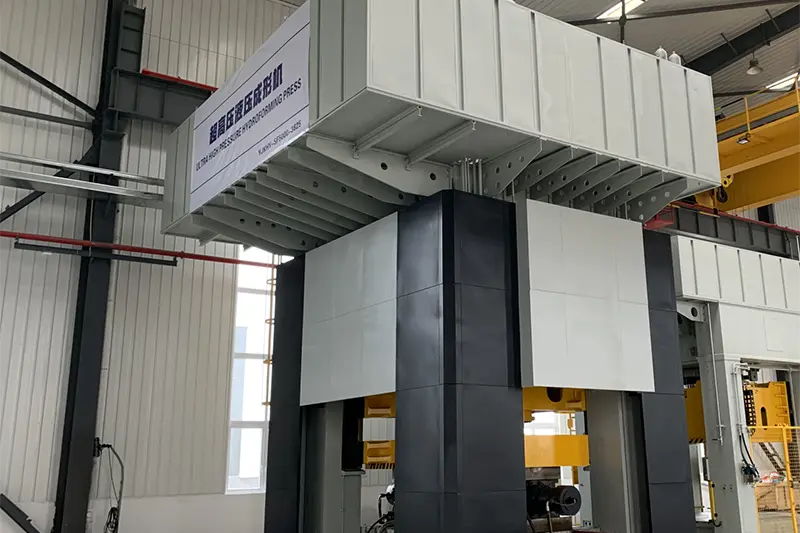
High-pressure hydroforming systems for manufacturing complex tubular geometries, reducing total assembly weight and increasing stiffness.
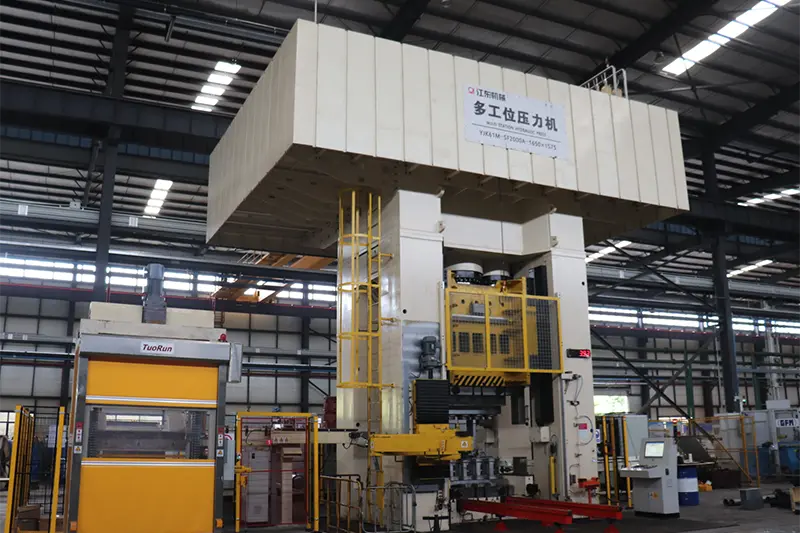
High-speed, automated multi-station forging lines designed for cold, warm, or hot precision extrusion processes.
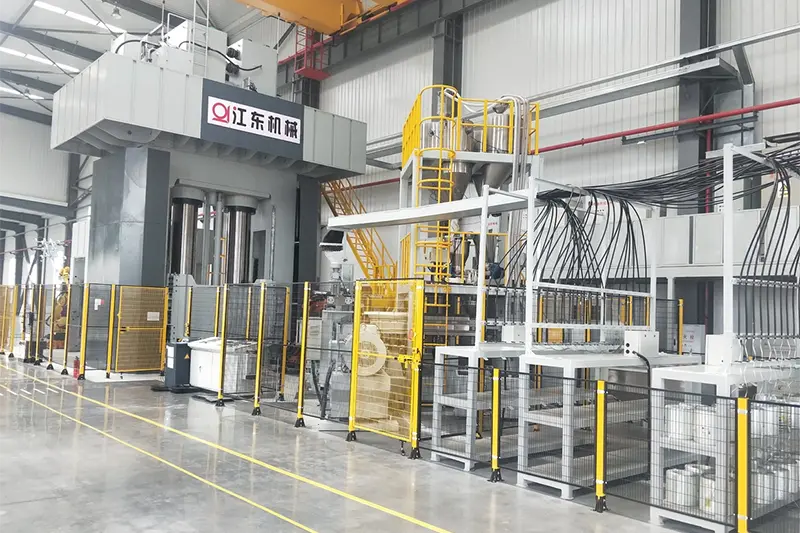
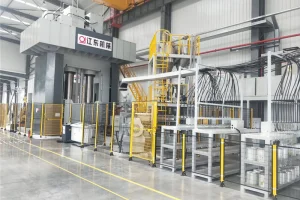
Direct compression molding lines for long-fiber reinforced thermoplastics, combining raw material preparation and compression molding.
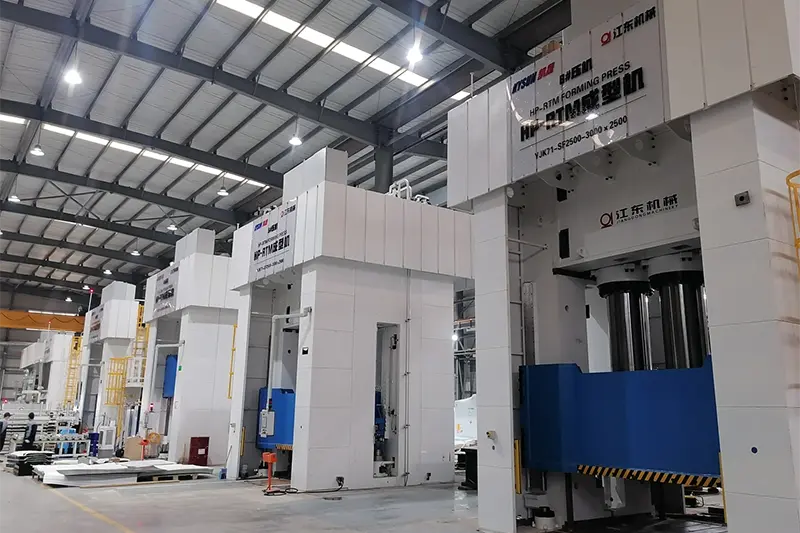
High-Pressure Resin Transfer Molding systems designed for high-volume carbon fiber reinforced polymer (CFRP) structural components.
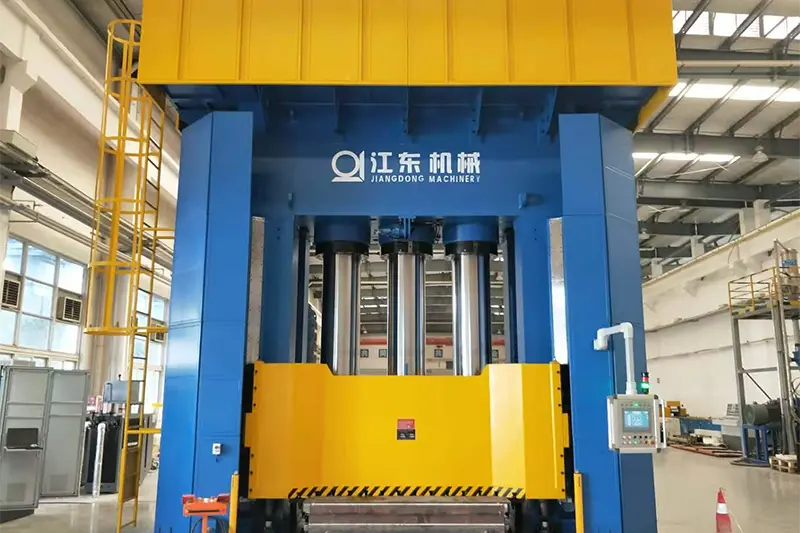
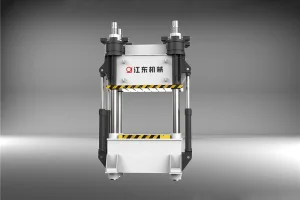
Versatile composite molding presses featuring high-precision active leveling control for advanced composite manufacturing.
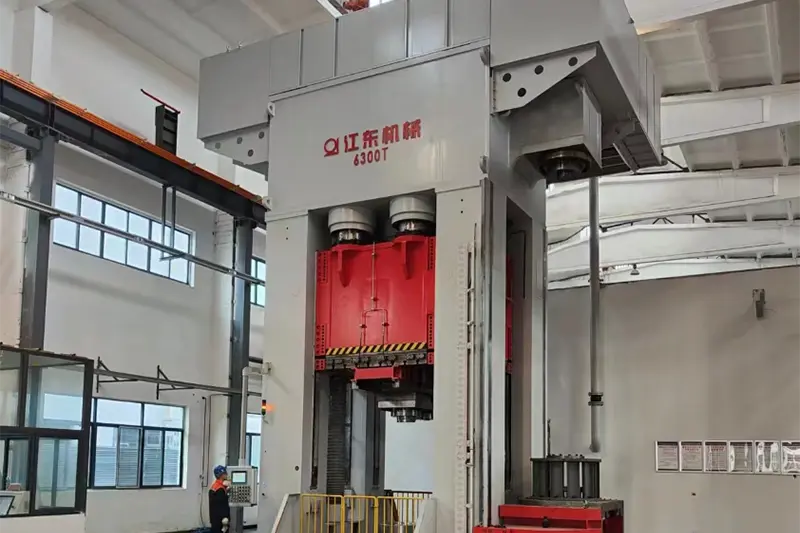
Precision isothermal forging systems designed for forming titanium and nickel superalloys under controlled thermal conditions.
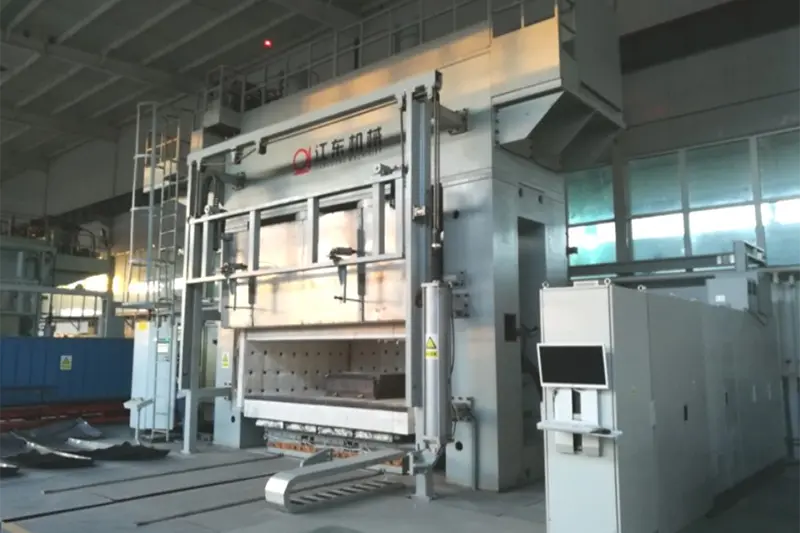
SPF press systems utilizing gas pressure to form complex aerospace components from fine-grained superplastic sheet materials.
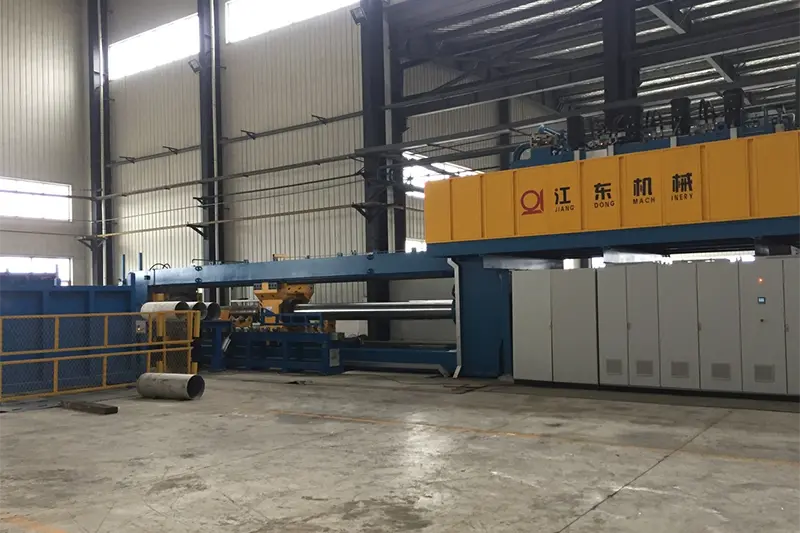
Specialized horizontal drawing and ironing lines for manufacturing high-pressure gas cylinders and seamless industrial accumulators.
Jiangdong Machinery delivers complete, engineering-focused solutions to optimize production efficiency, accuracy, and reliability.
Ideal for high-strength tubular structural parts with complex geometries, reducing weld lines and weight.
Delivers tensile strength up to 1500-2000 MPa, critical for safety structural components in modern vehicles.
Designed for high-speed, high-volume production of powertrain and driveline components.
Enables low-stress forming of critical aerospace parts from titanium and aluminum alloys.
Automated production lines for high-strength, lightweight carbon fiber and thermoplastic components.
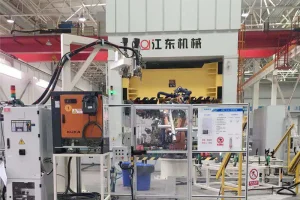
Integrated industrial automation ensures reliable high-volume production and consistent part quality.
Chongqing Jiangdong Machinery Co., Ltd. (Jiangdong Machinery) is an international manufacturing enterprise specializing in the R&D, production, sales, and service of hydraulic presses, lightweight forming technologies, high-strength structural parts, hot and cold stamping dies, and metal castings. Our automated, intelligent, and flexible hydraulic press production lines are engineered to meet global standards. We provide metal and non-metal forming equipment and comprehensive forming solutions, with a strong focus on lightweight applications for the global automotive industry.
Learn More About Us
Comprehensive lifecycle support to maximize equipment uptime, process efficiency, and return on investment.


A strategic overview of emerging technologies, materials, and processes in the global metal forming and composite molding industry.
The manufacturing industry requires high-tonnage hydraulic presses that operate with precision and efficiency. The technology roadmap for hydraulic power press development focuses on key research vectors:
Integrating high-speed proportional valves with closed-loop linear scale feedback allows modern presses to maintain micro-level positional accuracy. Active deflection compensation systems dynamically adjust bed flatulence, ensuring uniform pressure distribution across large-area tooling components.
Future production facilities will require modular equipment capable of transitioning between metal forming and composite compression molding. This adaptability is enabled by flexible control software that adjusts stroke dynamics, holding pressures, and thermal tool profiles dynamically.
By simulating forming operations through finite element analysis (FEA) and comparing simulations with real-time sensor data, presses can make micro-adjustments during the cycle. This digital twin model helps eliminate defective parts, optimizes energy consumption, and reduces mechanical wear on structural components.
Stay informed on our recent global partnerships, technological updates, and international trade activities.
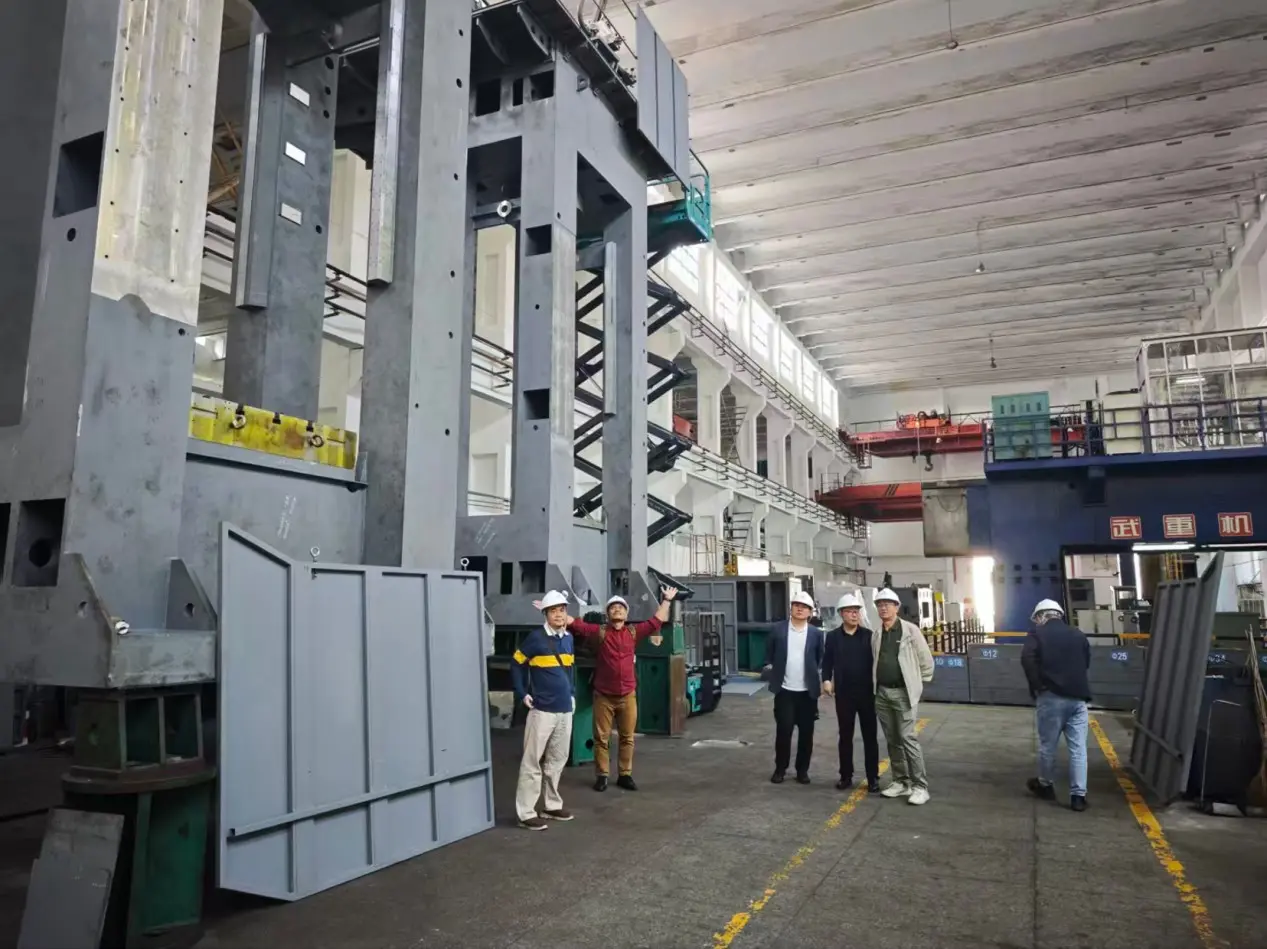
An Indonesian delegation visited Jiangdong Machinery to evaluate our production capabilities, quality systems, and technical expertise. This visit marks the beginning of a collaborative partnership in advanced sheet metal forming production lines, expanding our presence in Southeast Asia.
Recently, multiple international partners from Thailand, Indonesia, and Malaysia visited our manufacturing facility to inspect our heavy-duty hydraulic press assembly lines and composite molding technologies, establishing long-term distribution and service agreements.
As a leading supplier in China's metal forming industry, Jiangdong Machinery is showcasing its lightweight hydroforming and composite hot compression molding lines at upcoming international trade exhibitions.
Expert answers to common engineering questions regarding the selection, application, and operation of hydraulic power press machines.
Servo-hydraulic drive systems utilize variable-speed servo motors to drive hydraulic pumps, rather than running fixed-displacement pumps continuously. This design offers energy savings of up to 50%, reduces heat generation within the hydraulic fluid, lowers noise levels, and provides precise control over speed, stroke position, and tonnage repeatability.
SMC and composite molding processes involve large-area tooling that can experience uneven curing forces. Active leveling control uses real-time linear sensor feedback at all four corners of the slide to continuously adjust the cylinder pressures. This keeps the slide aligned with the bed, preventing mold damage and ensuring consistent thickness throughout the composite part.
Hydroforming utilizes high-pressure liquid to expand tubular metal stock into a surrounding mold cavity. This process allows for the manufacturing of complex, single-piece geometries that would otherwise require multiple stamped panels to be welded together. This reduces part counts, minimizes welding heat-affected zones, and improves overall structural rigidity while saving weight.
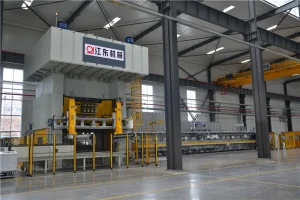
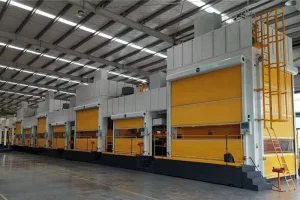
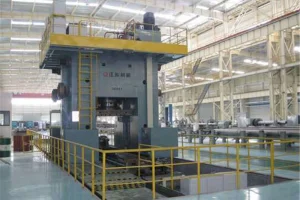
Discover our specialized engineering systems designed for high-tonnage forming, high-volume production, and high-efficiency operations.