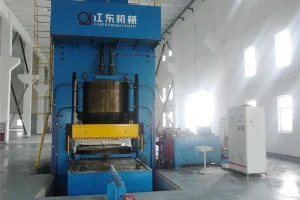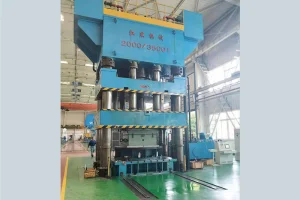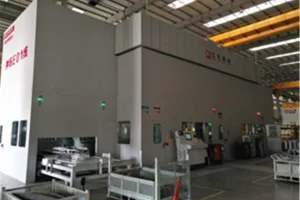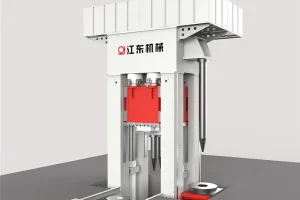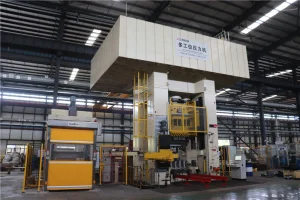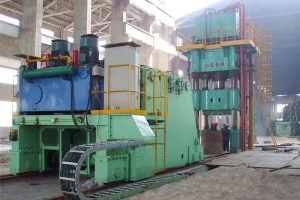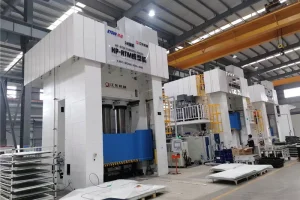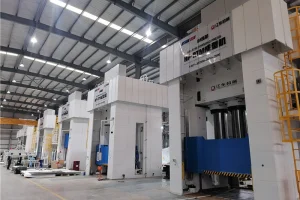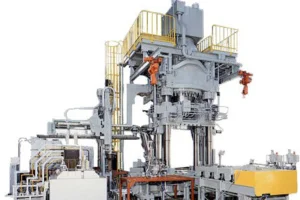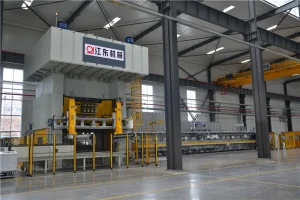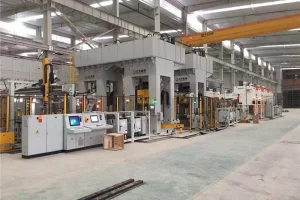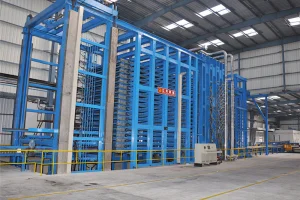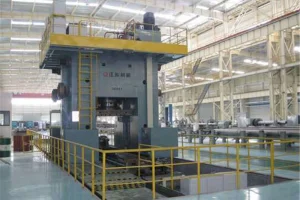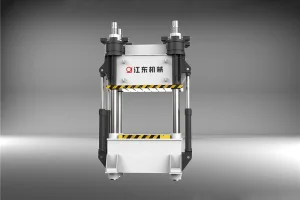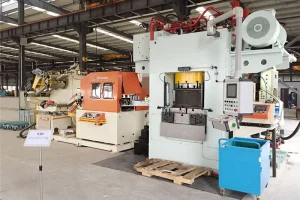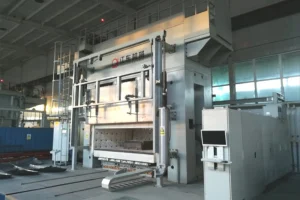
Explore high-performance hydraulic presses, stamping lines, and custom forging machinery designed for modern Smart Factory architectures.
The sheet metal forming landscape is undergoing a massive shift fueled by demands for vehicle lightweighting, the rise of Electric Vehicles (EVs), and net-zero sustainability mandates. Across modern industries, traditional stamping has morphed into a sophisticated discipline leveraging automated thermoforming, multi-station cold extrusion, high-speed hot stamping, and complex internal hydroforming.
Modern engineering relies heavily on Ultra-High-Strength Steel (UHSS) and lightweight structural aluminum alloys to achieve critical crash safety requirements without sacrificing weight. Consequently, heavy industrial manufacturers are moving away from manual standalone presses toward automated, adaptive hydraulic production lines integrated with real-time pressure diagnostics, proportional servo controls, and multi-axis robotics.
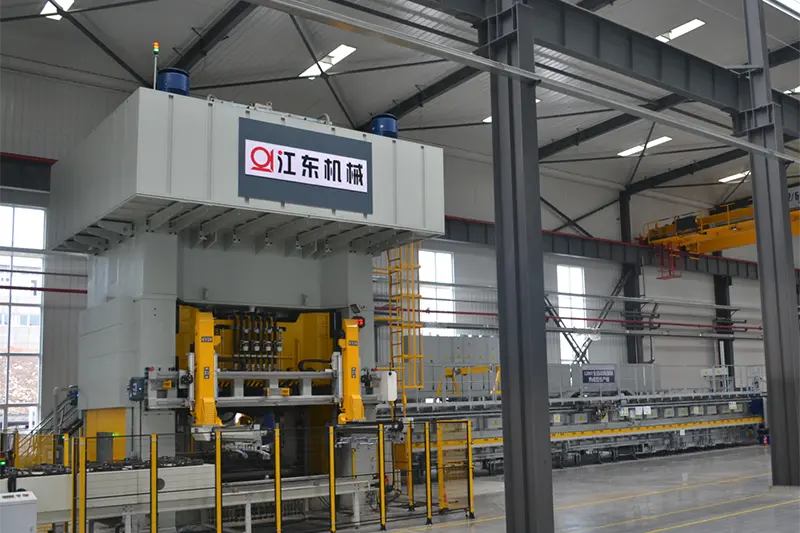
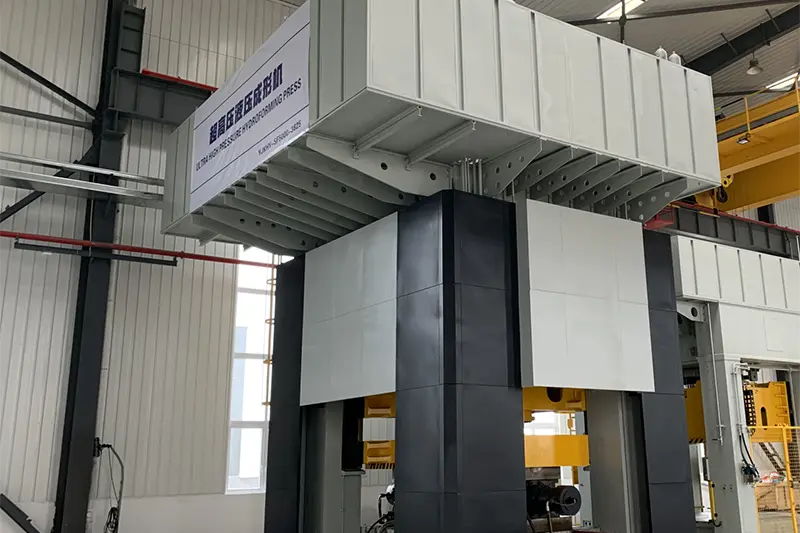
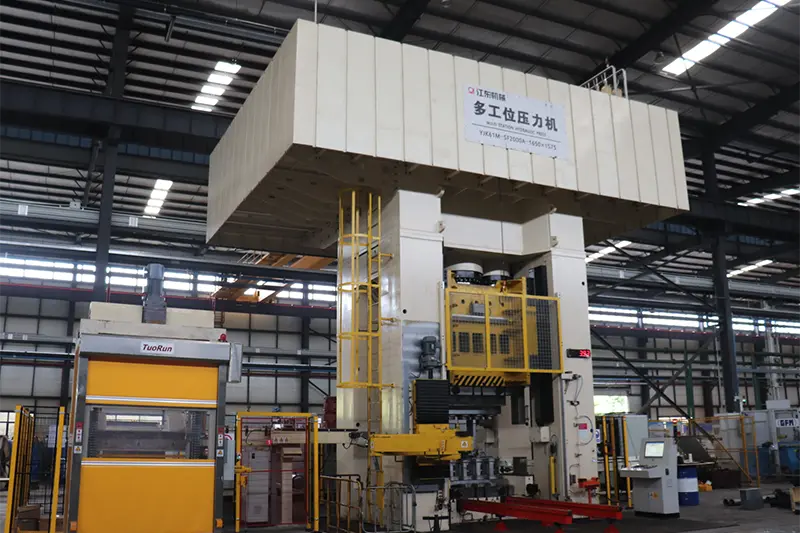
Procurement directors face complex cost variables when selecting forming systems. Factors such as hydraulic tonnage, stroke speeds, heating methods (induction vs. convection), tool design flexibility, and integration of robotics drastically influence initial capital expenditures (CAPEX) and long-term operating costs (OPEX). Selecting the right equipment requires analyzing the Total Cost of Ownership (TCO) alongside throughput capabilities.
To help guide procurement, the matrix below details equipment types, production metrics, cost variables, and indicative market pricing structures for complete industrial lines.
| Equipment Category & Forming Technology | Typical Tonnage Range | Optimal Cycle Rate (spm) | Primary Material Focus | Est. Price Bracket (Complete Line) |
|---|---|---|---|---|
| Hot Stamping Press Production Line | 800T – 2500T | 12 – 22 | Boron Steel, UHSS, Al-Si Coating | $850,000 – $2,400,000+ |
| Internal Hydroforming (IHPF) Systems | 1000T – 5000T | 3 – 8 | Aluminum Alloys, Stainless Steel, Cu | $1,200,000 – $3,800,000+ |
| Multi-Station Extrusion / Forging Press | 500T – 3000T | 15 – 35 | Steel Alloys, Structrual Aluminum | $650,000 – $1,850,000+ |
| SMC/BMC/GMT Composite Molding Press | 315T – 4000T | 5 – 15 | Carbon Fiber, Thermoplastics, GFR | $400,000 – $1,500,000+ |
| HP-RTM (Resin Transfer Molding) Press | 500T – 2000T | 4 – 10 | Continuous Carbon Fiber, Epoxy | $950,000 – $2,700,000+ |
| Superplastic Forming (SPF) Press | 200T – 1500T | Variable (Slow-flow) | Titanium Alloys, Al-Mg Alloys | $750,000 – $2,100,000+ |
Modern product cycles demand composite compression molding technologies such as LFT-D (Long-Fiber Reinforced Thermoplastics) and HP-RTM. These systems enable structural components to reach high tensile strengths while reducing mass by 30-50% compared to traditional steels. For specialized fields like defense, aerospace, and hydrogen storage, advanced techniques like Superplastic Forming (SPF), isothermal forging, and high-pressure stretching lines are critical for processing titanium, magnesium, and advanced superalloys.
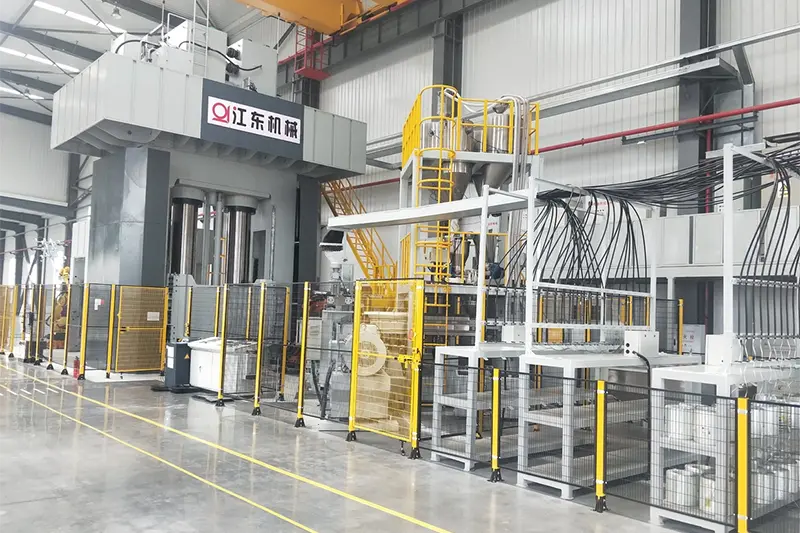
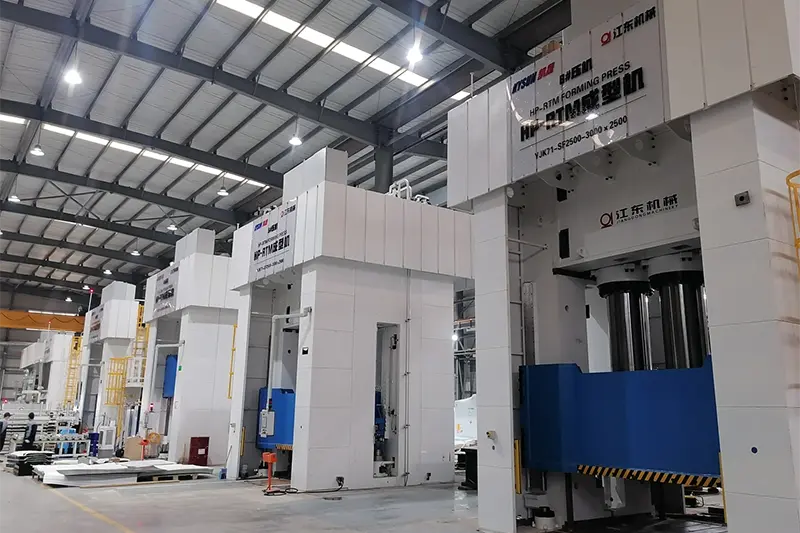
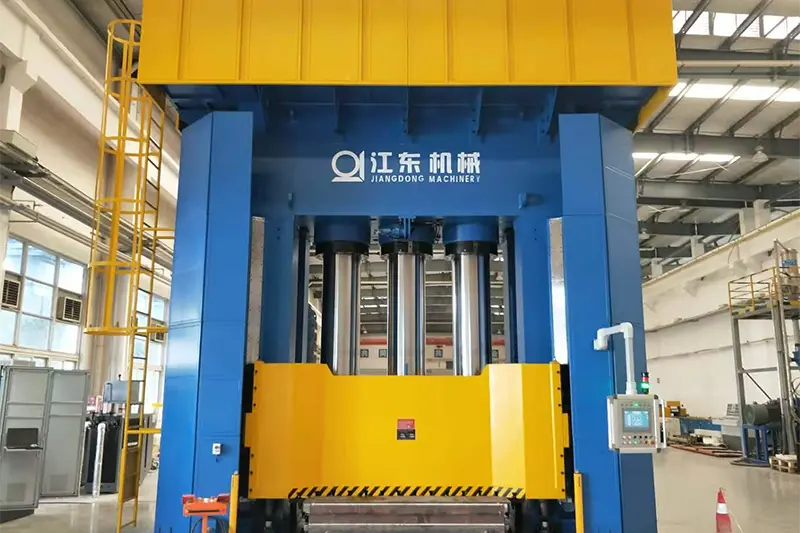
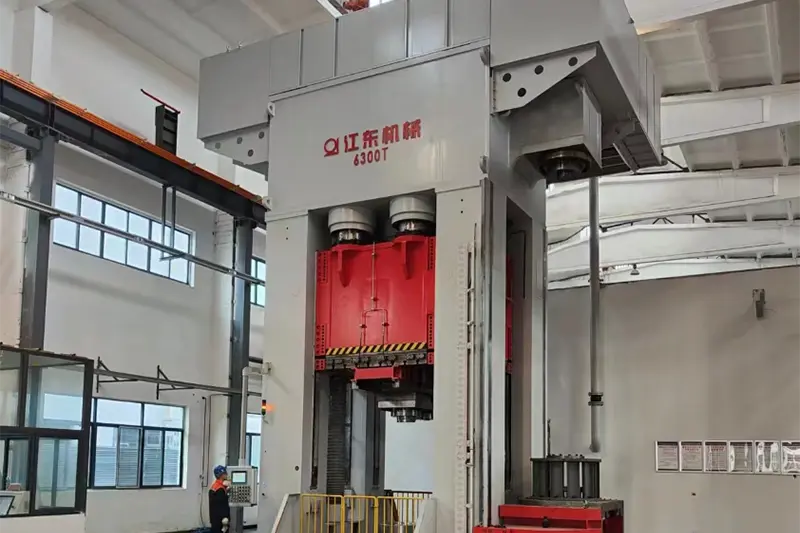
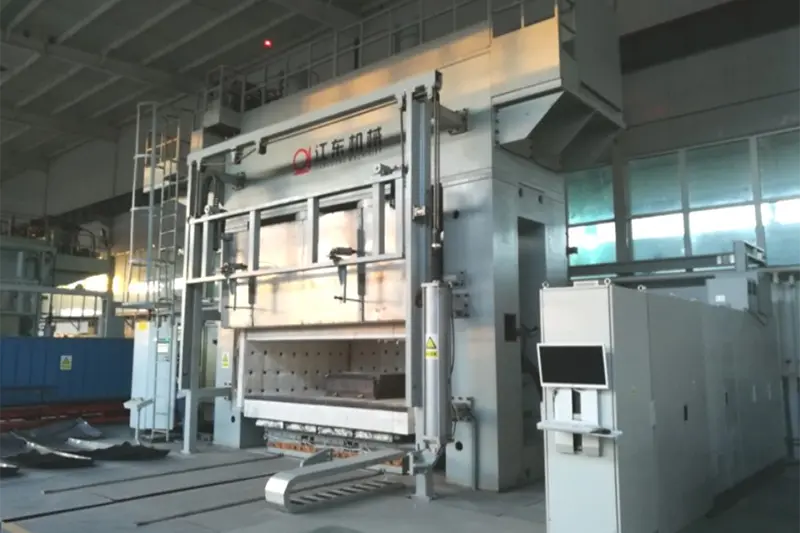
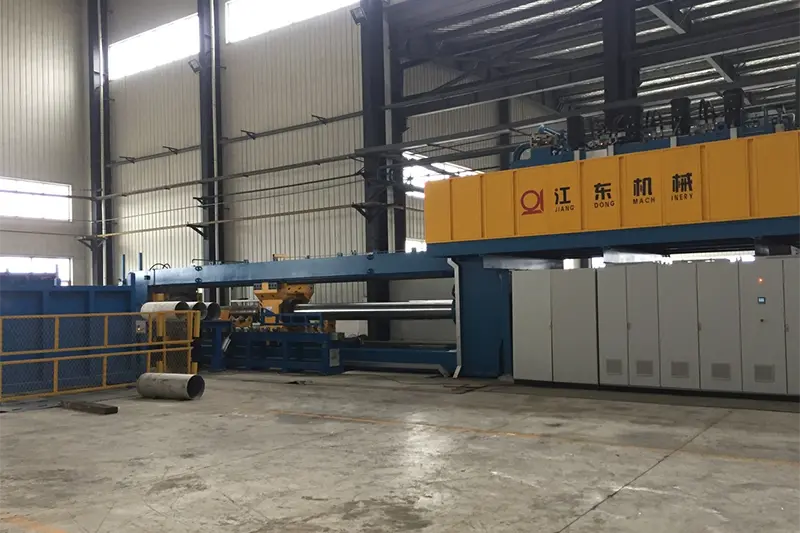
Established in 1937, Chongqing Jiangdong Machinery Co., Ltd. (Jiangdong Machinery) stands as a prominent pioneer in heavy forging and lightweight material forming solutions. Bridging generations of engineering expertise with smart manufacturing protocols, the company supplies advanced hydraulic press installations, hot and cold stamping dies, composite tooling, and custom light alloy components to global markets.
By implementing Factory 4.0 automation, Jiangdong Machinery provides highly adaptable machinery equipped with modern PLC controls, remote diagnostic monitors, and energy-recovery systems. Our technical innovations and engineering patents ensure that our lines offer top-tier reliability, productivity, and performance.
To support global manufacturers, Jiangdong Machinery provides a comprehensive suite of post-purchase support and installation services:

Tailored engineering setups developed for specific production volumes and material geometries.

Real-time troubleshooting, sensor calibrations, and system optimization via encrypted telemetry.

Preventative site inspections, cylinder seal checkups, and software updates to ensure continuous operation.
From process simulations to final commissioning, our turnkey setups ensure low risk and fast integration.
High-pressure liquid and hot gas expansion forming solutions for lightweight, single-piece hollow structures.
High-temperature forming systems paired with rapid die quenching, ideal for structural automotive parts.
High-volume setups integrating cold extrusion and progressive blanking for complex geometries.
Advanced sheet metal forming equipment is used across various critical industries, helping manufacturers meet demanding specifications in automotive, aerospace, and energy infrastructure:
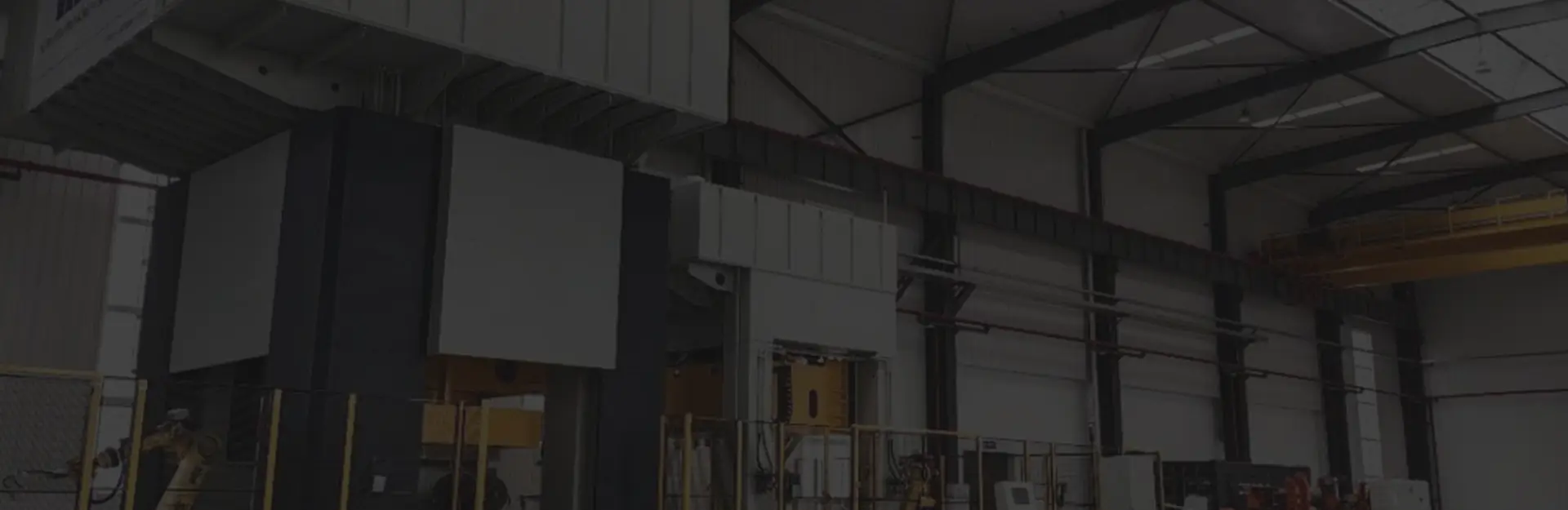
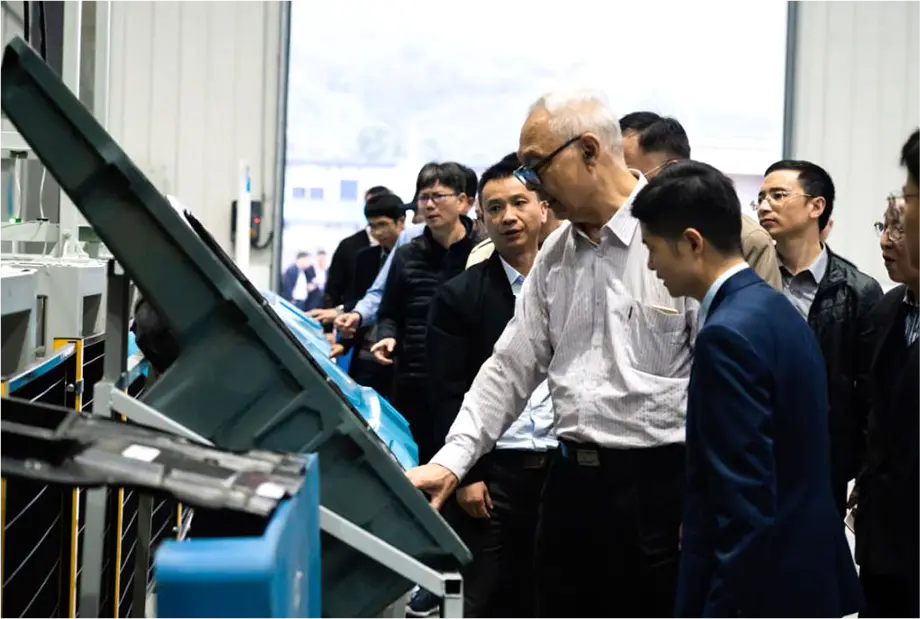
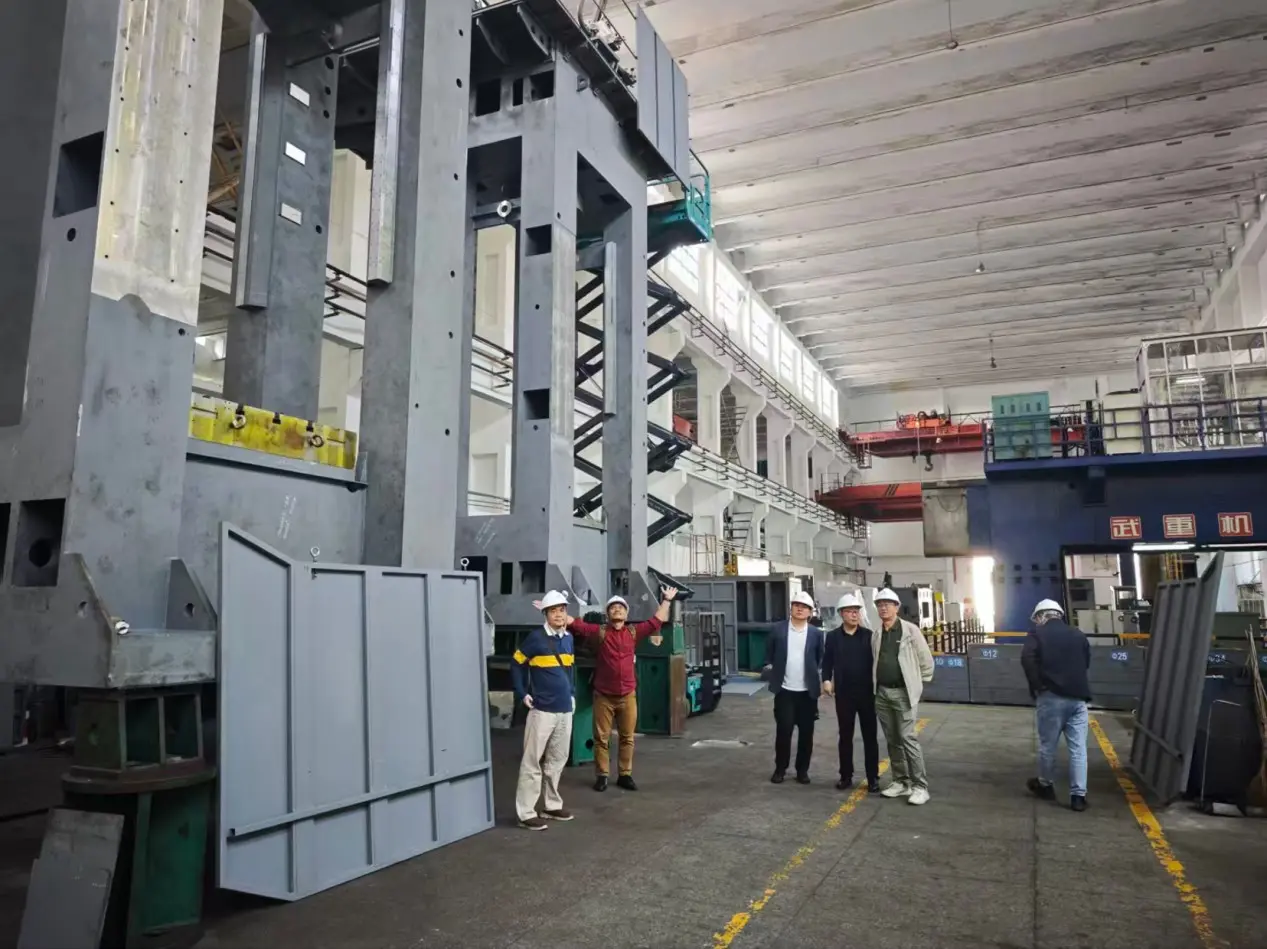
We regularly host international delegations from Southeast Asia, Europe, and the Americas, showing how our automated production lines, tooling workshops, and quality inspections operate in real-world scenarios.
Get answers to key questions about sourcing heavy hydraulic press lines and lightweight forming equipment.
The primary CAPEX drivers include the hydraulic press tonnage, the integration of automation (such as robotic arm feeders and centering stations), and heating systems (like multi-zone furnace induction). For hydroforming, high-pressure intensifiers (capable of up to 4000 bar) and closed-loop water filtration systems add to the initial investment. Operating costs (OPEX) depend largely on cycle time, energy efficiency features, and tool maintenance requirements.
As a global exporter, we supply comprehensive turn-key services. This covers specialized heavy-freight seaworthy packaging, custom clearance support, and on-site foundation design. Our technicians manage erection, calibration, hydraulic plumbing, and PLC integration, followed by local staff training to ensure the line operates safely and efficiently.
All customized equipment and standard production lines comply with key international standards. They feature CE certification for European distribution, meet local safety standards (such as OSHA and ANSI requirements in the Americas), and are manufactured under strict ISO 9001, ISO 14001, and IATF 16949 quality guidelines.
Composite molding systems operate under controlled temperature profiles and slower, highly precise velocity curves to allow resins to cure. They focus on manufacturing lightweight parts with high mechanical strength. While steel stamping offers higher cycle speeds, composite molding allows for the consolidation of multiple components into a single, complex part, saving assembly costs and significantly reducing overall weight.
Explore our highly specialized systems, including ultra-high-strength steel cutting lines, gantry presses, and superplastic forming equipment.
Keep up with the latest industry news, technology updates, and global partnerships.
Partners from Thailand, Indonesia, and Malaysia visited the facility to inspect our manufacturing setup and sign new purchase agreements.
Jiangdong Machinery showcased its latest lightweight hydroforming machinery and structural composite hot forming systems to global buyers.
Get in touch with our engineering team for custom equipment configurations, tonnage simulations, and direct export pricelists.