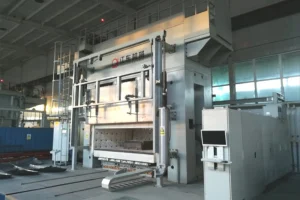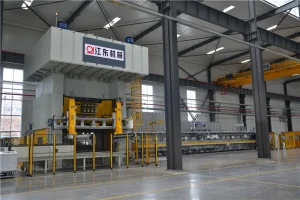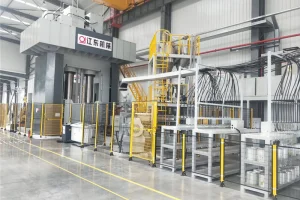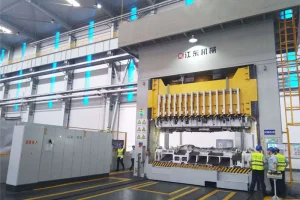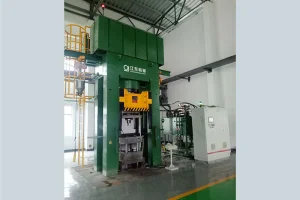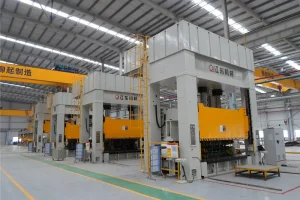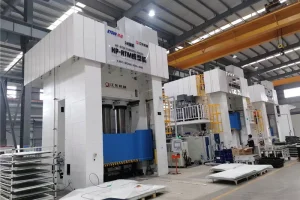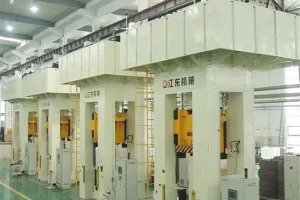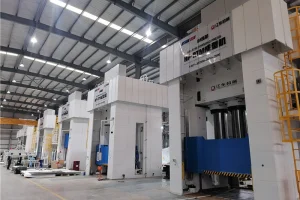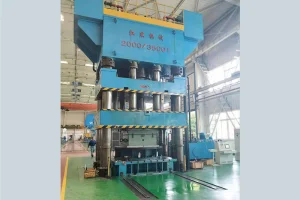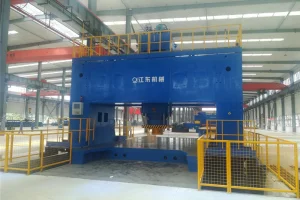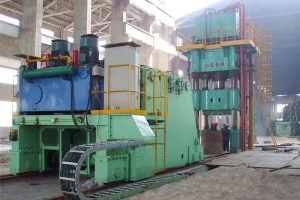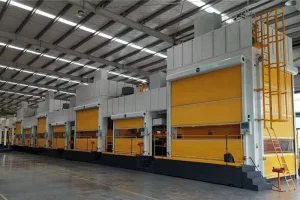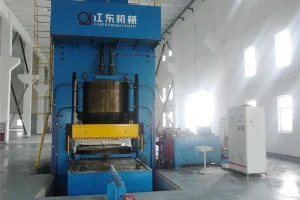
Explore our engineering lineup optimized for structural metal forging, composite hot-forming, and advanced stamping applications.
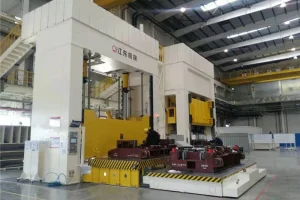
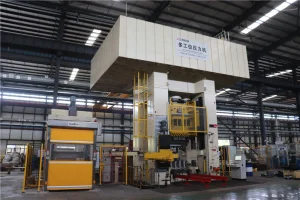
In modern industrial manufacturing, the demand for precision, efficiency, and material lightweighting has transformed the role of high-tonnage hydraulic power presses. Heavy industries, particularly automotive manufacturing, aerospace development, and structural infrastructure, are transitioning toward complex metallurgical properties and advanced composite components. Procurement managers face the challenge of securing machinery that satisfies strict high-precision parameters and delivers robust operational ROI.
Selecting a premier hydraulic power press supplier requires evaluating engineering capacity, production speed, customization flexibility, and adherence to international safety metrics. Modern metal-forming projects demand systems capable of delivering thousands of tons of controlled force while maintaining structural parallelism down to micrometer tolerances.
“Industry 4.0 demands that hydraulic machinery evolve from simple force delivery mechanisms into cyber-physical platforms featuring intelligent closed-loop control, sensor integration, and real-time operational feedback.”
Strategic lightweighting continues to drive engineering requirements across automotive and aerospace sectors. Replacing traditional steel assemblies with carbon-fiber-reinforced composites (CFRP) or ultra-high-strength steel (UHSS) requires tailored forming environments. High-Pressure Resin Transfer Molding (HP-RTM) and Long-Fiber Reinforced Thermoplastic (LFT-D) direct compression lines have become essential to modern structural manufacturing, ensuring optimal strength-to-weight ratios without sacrificing safety parameters.
Modern manufacturing demands strict process repeatability. Electro-hydraulic servo-driven presses resolve historic challenges with dynamic pressure control, fluid heating, and efficiency losses. By utilizing proportional-servo valves alongside real-time position encoders, suppliers can configure machines that adapt dynamic force vectors mid-stroke, optimizing energy efficiency and reducing heat generation.
Explore our engineering disciplines, advanced forming capabilities, and system configurations.
Encompasses hot stamping, high-pressure hydroforming, and multi-station extrusion solutions designed for complex components.
Delivers precise temperature and pressure profiles for LFT-D thermoplastic, HP-RTM carbon fiber, and SMC/BMC/GMT/PCM molding.
Tailored solutions including isothermal forging, superplastic forming (SPF), and gas cylinder/shell casing drawing.
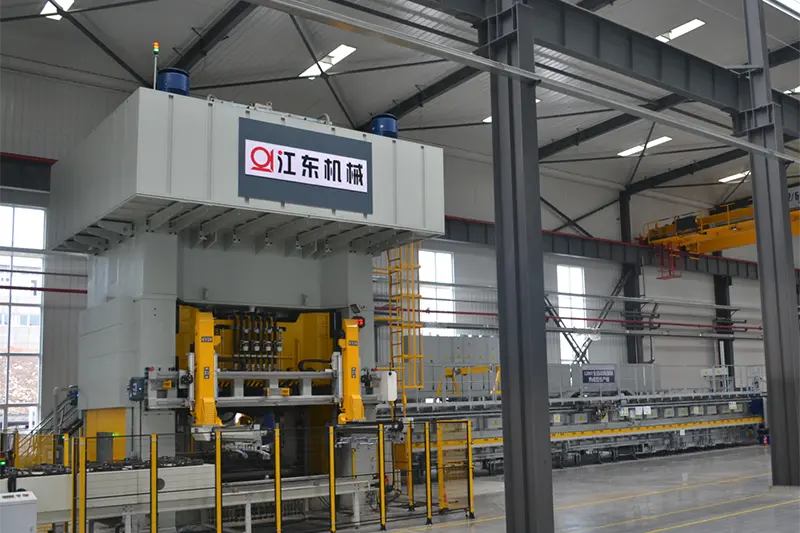
Hot Stamping Hydraulic Press Production Line
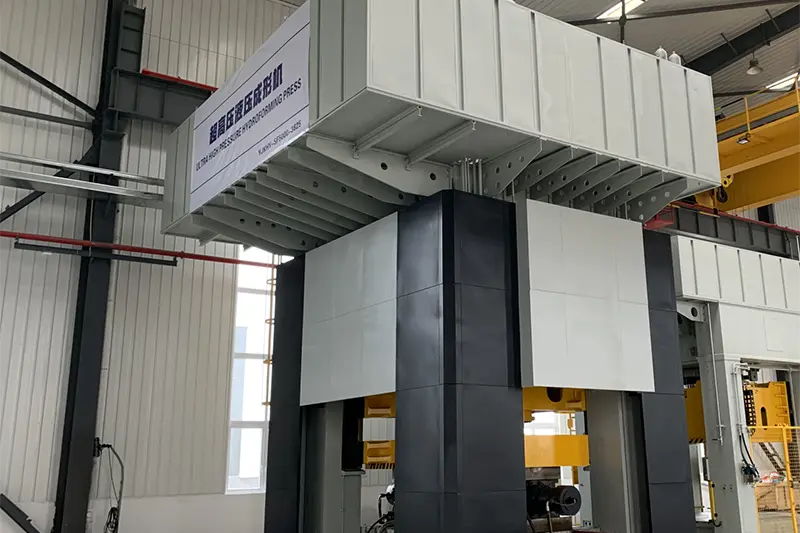
Hydroforming-Internal High Pressure Forming
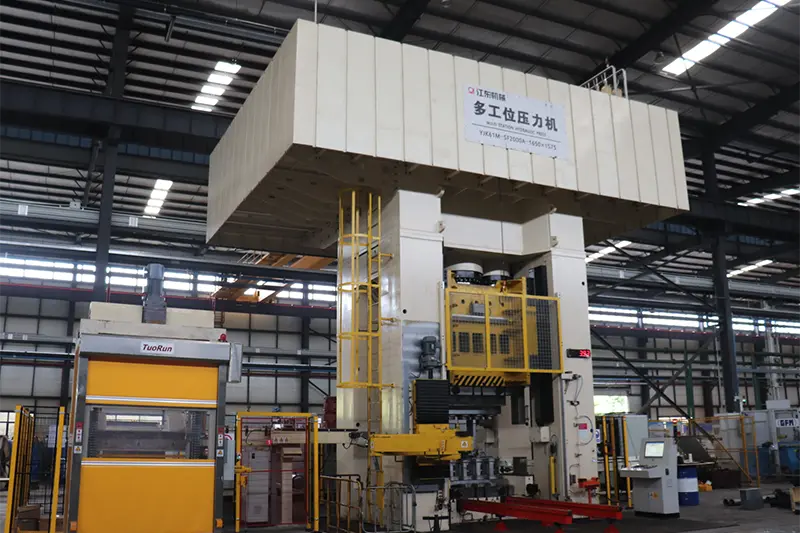
Multistation Extrusion Forging Production Line
Delivering complete, turnkey manufacturing solutions engineered to scale production efficiency.
Advanced high-pressure liquid and gas expansion systems for creating complex, thin-walled structural designs.
Industrial thermal integration designs that heat blank materials to critical phase limits before rapid quenching.
Continuous sequential process tooling designs for rapid extrusion, fine stamping, and component forging.
Optimal structural solutions for forming aerospace-grade titanium and magnesium alloys at high temperatures.
Automated manufacturing systems designed for fiber-reinforced thermoplastics (LFT-D) and High-Pressure Resin Transfer Molding (HP-RTM).
Established as a comprehensive forging company, Chongqing Jiangdong Machinery Co., Ltd. stands at the forefront of the global manufacturing industry. We specialize in the R&D, production, sales, and service of hydraulic presses, lightweight forming technologies, lightweight components, hot and cold stamping dies, and high-precision metal castings.
Our intelligent hydraulic press configurations and automated production lines are designed to provide modern manufacturers with robust forming options. We deliver customized forming equipment and turnkey solutions, particularly in automotive lightweighting and aerospace structural design.
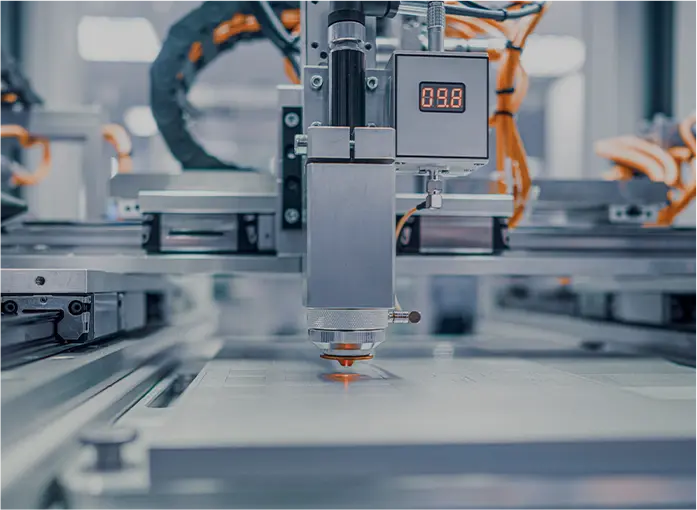
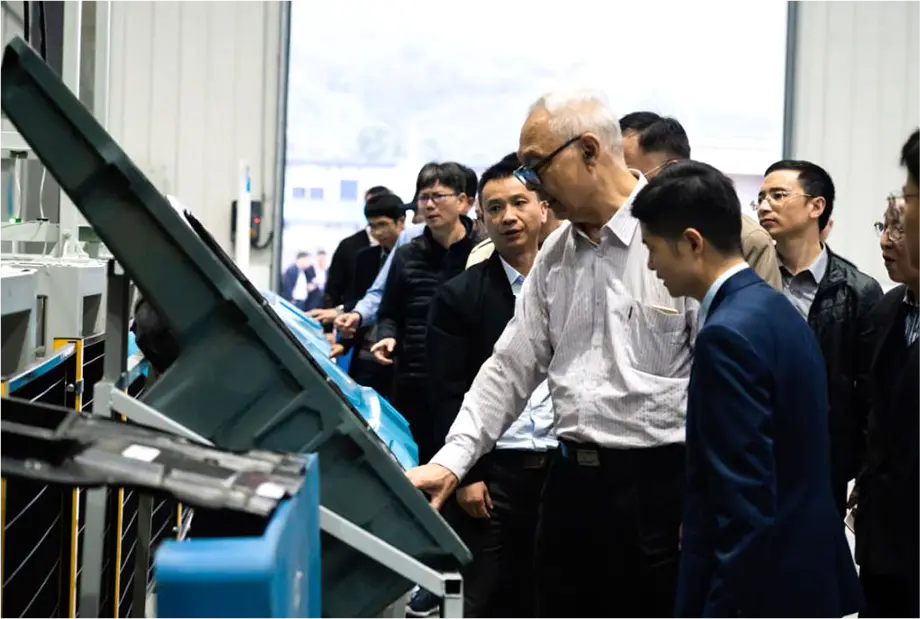
Complete lifecycle support—from engineering design to commissioning and remote monitoring.

Customized Solutions

Remote diagnostics

Preventative Maintenance

Engineering Support

Original OEM Parts
The manufacturing landscape is undergoing significant transformation, guided by strict energy mandates and weight reduction challenges. Over the next decade, three key trends are expected to define the evolution of hydraulic forming equipment:
Future iterations of high-tonnage hydraulic presses will feature neural-network-driven control structures. Sensor suites measuring hydraulic temperature, cylinder speed, micro-deflection, and blank temperature feed data into real-time algorithms. If the control loop detects slight inconsistencies during a stamping cycle, the system adjusts proportional valves dynamically to avoid wrinkling, tears, or part deformation.
Conventional hydraulic power units dissipate significant energy through heat during decompression and holding cycles. Next-generation systems store and reuse this kinetic energy. Variable-speed servo-drive motor setups operate only when motion is required, reducing power consumption during idling by up to 70% and minimizing cooling system loads.
Deploying heavy forming equipment across global regions requires compliance with local standards, including CE guidelines, OSHA regulations, and UL electrical certifications. Premier partners ensure that structural safety factor calculations (FEM analyses), safety features like light curtains and dual valves, and electrical designs conform to local site standards, allowing for seamless installation and commissioning.
Get answers to common technical queries and procurement considerations from our engineering team.
Single-action presses deliver force through a single slide, suitable for stamping, punching, and simpler bending operations. Double-action presses feature two moving slides (an inner slide and an outer blank holder slide), allowing for controlled material flow during deep drawing to prevent wrinkles and tears in complex geometries.
We utilize Finite Element Method (FEM) analysis during the design phase to reinforce high-stress zones. Our presses feature robust multi-point guiding designs with proportional servo-leveling valves that continuously monitor and adjust slide parallelism, maintaining accuracy even under challenging off-center loading conditions.
LFT-D (Long Fiber Thermoplastic Direct Molding) combines compounding and molding into a single step. By melting raw thermoplastic pellets and adding glass or carbon fibers directly online, you eliminate the cost of pre-impregnated materials, reduce thermal degradation cycles, and maintain fiber lengths for superior mechanical properties.
Our lines integrate automated multi-zone furnace heating, high-speed robotic transfer, and high-tonnage hydraulic quenching presses. In-die cooling channels quench the component at rates exceeding 27°C per second, transforming the microstructure into martensite to achieve tensile strengths up to 1500 MPa.
Stay informed about metal forming technologies, client visits, and international exhibitions.
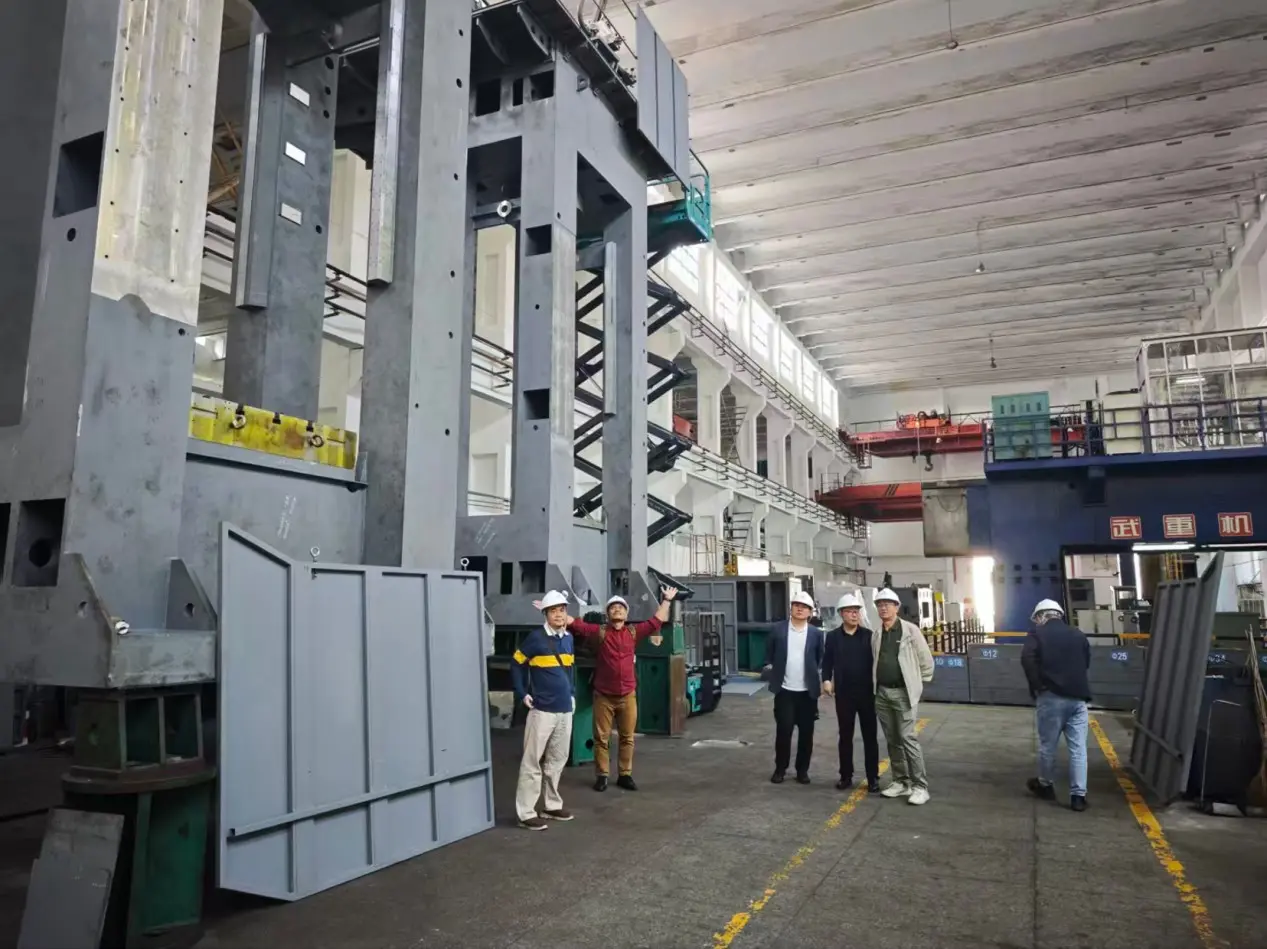
A delegation of Indonesian manufacturing clients recently visited our plant to evaluate our production capabilities, quality management systems, and technical designs, establishing a strong foundation for future project cooperation.
A delegation of Indonesian customers visited Jiangdong Machinery to inspect its capabilities, product quality and technical strengths, laying a solid foundation...
With the arrival of the new year, everything feels fresh and renewed. Recently, multiple partners from countries including Thailand, Indonesia, and Malaysia have successiv...
Chongqing Jiangdong Machinery Co., Ltd. (hereinafter referred to as "Jiangdong Machinery"), a leading enterprise in China's metal f...
Turnkey machinery for aerospace alloys, composite compression molding, and precision plate adjustment.