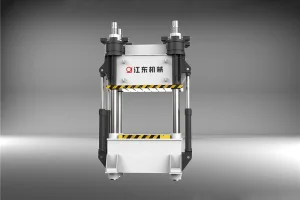
Explore high-performance hydraulic presses configured specifically to meet OSHA, ASME, and local Northeast US engineering regulations. Engineered by Jiangdong Machinery.
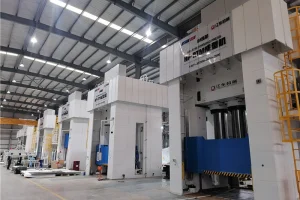
The manufacturing architecture of New York State—ranging from the high-tech corridors of Rochester and Syracuse to the defense, marine, and transit engineering clusters on Long Island—is undergoing a rapid technological migration toward lightweight, fiber-reinforced structures. In response to federal fuel economy mandates, green transit goals, and FAA-mandated aerospace structural efficiency, structural designers are swapping traditional cast iron and sheet steel for high-performance fiber composites.
Composites compression molding stands at the center of this transformation. Utilizing Sheet Molding Compounds (SMC), Bulk Molding Compounds (BMC), and Glass Mat Thermoplastics (GMT), our machinery empowers domestic enterprises to achieve ultra-short cycle times, zero-waste near-net shapes, and structural-grade part consolidation. Jiangdong Machinery provides fully optimized, high-pressure hydraulic molding presses that enable local New York fabricators to meet clean energy goals and regional infrastructure demands with maximum manufacturing flexibility.
Unlike standard metal forming, composite compression molding is a thermodynamic, chemical, and fluid-dynamic process occurring simultaneously under extreme clamp force. Achieving zero-defect parts requires precise control over multi-stage speed transitions, curing temperature profiles, and mold closing parameters:
Key Molding Parameters Maintained by Jiangdong Machinery Press Lines:
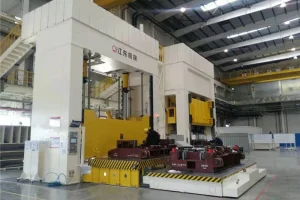
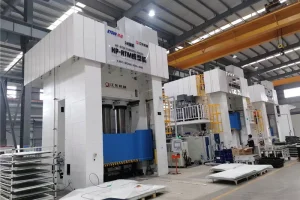
A comprehensive view of our lightweight structural and metal forming technologies, manufactured at our advanced facility and exported globally.
Established in 1937, Jiangdong Machinery is an industry leader in R&D, manufacturing, distribution, and maintenance of hydraulic presses, lightweight forming technologies, and advanced tooling. Serving Fortune 500 automotive suppliers, tier-1 aerospace fabricators, and specialized energy companies, our systems represent the forefront of smart, automated, and flexible manufacturing.
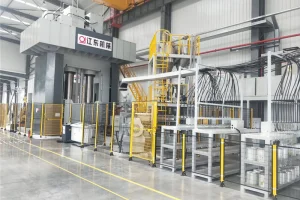
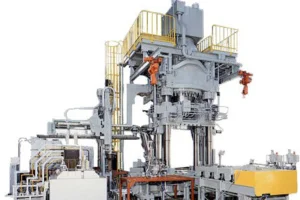
Our state-of-the-art facility engineers turnkey production lines—integrating multi-axis robotic loaders, structural pre-heating ovens, rapid hydraulic press units, and downstream deflashing lines. From initial composite finite element analysis (FEA) to onsite validation in the United States, our engineering staff provides end-to-end expertise.
Purchasing heavy-duty industrial machinery globally presents challenges regarding electrical standards, pressure safety, and system integration. Jiangdong Machinery bridges this gap by ensuring every export line destined for the New York, Long Island, and upstate manufacturing clusters is certified to local US industrial codes:
All control cabinets, wiring networks, and electrical components utilize UL-listed components and comply with NFPA 79 electrical safety standards for industrial machinery.
Press units feature redundant safety valves, dual-monitored light curtains, mechanical die locks, and slide locking catches to fully secure operator interfaces under OSHA regulations.
Pressure vessels, accumulators, and fluid cylinders meet rigorous ASME specifications to handle long, continuous shifts under high pressure.
Combining the cost-efficiency, deep supply chains, and large manufacturing capacities of Chinese industrial zones with international service protocols, Jiangdong Machinery offers a uniquely competitive sourcing option. Through our Remote Diagnostics Portal, engineers can troubleshoot pressure-curve offsets, adjust PID parameters for heated platens, and update PLC scripts in real-time. This minimizes downtime and removes geographical barriers to technical support.

Custom Engineering

Remote Diagnostics

Maintenance Programs

Onsite Support

OEM Spare Parts
Turnkey forming lines, straightening presses, and heavy-duty forging solutions optimized for global shipping and immediate industrial setup.
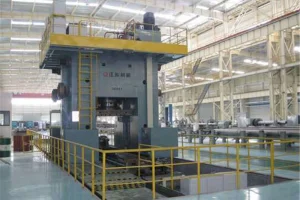
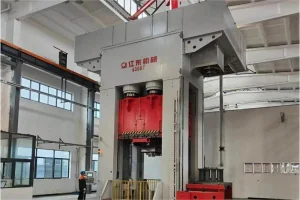
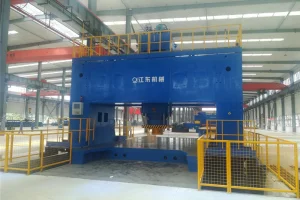
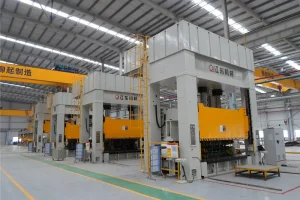
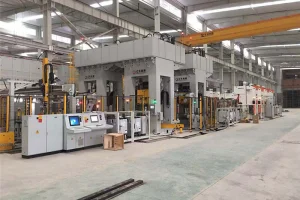
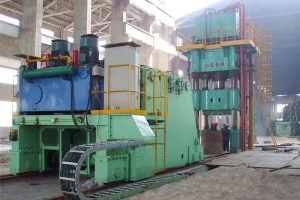
Purchasing capital equipment requires a clear breakdown of engineering, manufacturing, logistics, and installation costs. Rather than standard sticker prices, Jiangdong Machinery utilizes modular design paths to scale cost according to production requirements. The dynamic components of a typical composite molding line quote include:
| System Module | Key Customization Options | Cost Influence Factors |
|---|---|---|
| Main Frame & Cylinder (Tonnage) | 300-Ton to 5000-Ton, Column vs. Frame structure | Tonnage sizing, plate dimensions, allowable deflection standards. |
| Hydraulic & Control Pack | Proportional servo pumps, Accumulators, Micro-level control | Energy-saving servo integration, safety redundancy requirements. |
| Thermoregulation Systems | Thermal oil, cartridge electric, or steam-heated platens | Temperature precision tolerances (±1°C vs ±3°C), target heating ramp. |
| Automation Equipment | Robotic loading, material pre-heaters (IR), shuttle tables | Single machine vs. complete multi-robot automated system. |
Ocean & Inland Freight Logistics to New York: Delivery of heavy-duty presses (ranging from 100 to over 500 metric tons deadweight) requires specialized roll-on/roll-off (RoRo) or open-top container shipping. Our logistics team handles port clearances from Shanghai/Ningbo directly to the Port of New York and New Jersey, coordinating final heavy-haul trucking to upstate factories or regional industrial corridors.
A major design shift is occurring from thermoset resins (such as epoxies and polyesters used in SMC) to recyclable, fast-curing thermoplastic composites (GMT and LFT-D). Our newer manufacturing lines, such as the LFT-D Long-Fiber Thermoplastic Compression Direct Molding Line, combine material compounding and compression molding into a single inline setup. By melting, compounding, extruding, and compression molding in one process, manufacturers eliminate intermediate step costs and improve fiber length retention, leading to higher impact strength for heavy industrial components.
Get professional, engineering-focused answers regarding international procurement, technical parameters, and commissioning protocols.