In modern aerospace engineering, structural lightweighting is no longer just a design target—it is an economic and environmental imperative. Resin Transfer Molding (RTM) and High-Pressure Resin Transfer Molding (HP-RTM) have emerged as primary manufacturing pathways to replace traditional metals and outmoded autoclave curing systems. These technologies enable high-volume, repeatable production of complex, load-bearing fiber-reinforced plastic (FRP) and carbon fiber (CFRP) structural components.
As a premier global supplier and exporter, Chongqing Jiangdong Machinery Co., Ltd. delivers customized hydraulic presses and automated production lines engineered for the demanding tolerances of the aerospace sector. By eliminating porosity, maintaining exceptional fiber alignment, and optimizing resin cure profiles under precise closed-loop thermal and pressure controls, our systems ensure that aerospace structural parts comply with rigorous safety and performance benchmarks.
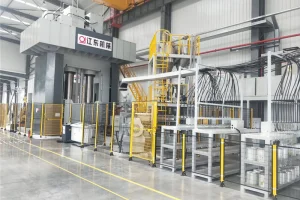
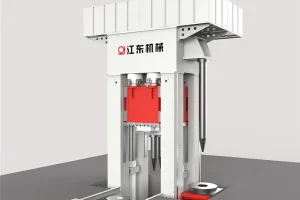
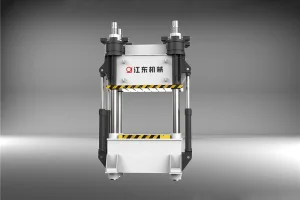
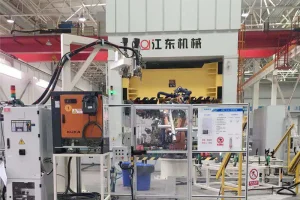
Advanced vacuum-assisted high-pressure injection parameters ensure near-zero air inclusion in structural composite parts.
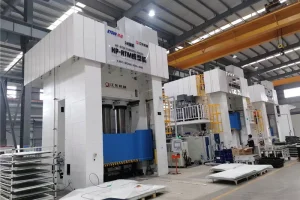
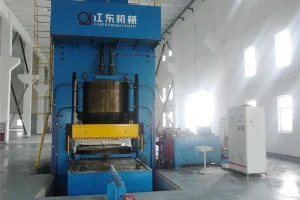
Real-time dynamic leveling within ±0.05 mm/m ensures uniform component thickness and prevents resin-rich or dry-spot anomalies.
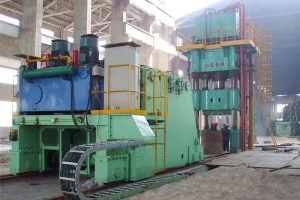
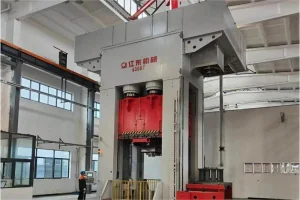
Integrated tool heating systems with dynamic temperature monitoring allow fast heat-up and uniform heat distribution (+/-1°C).
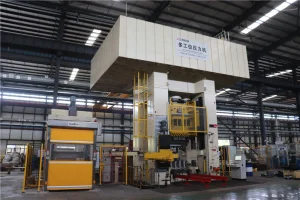
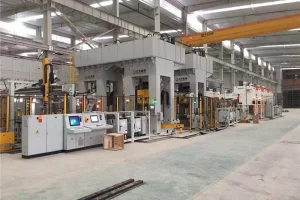
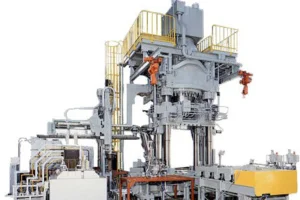
High-speed production lines optimized for high strength-to-weight structural sheet metal forming.
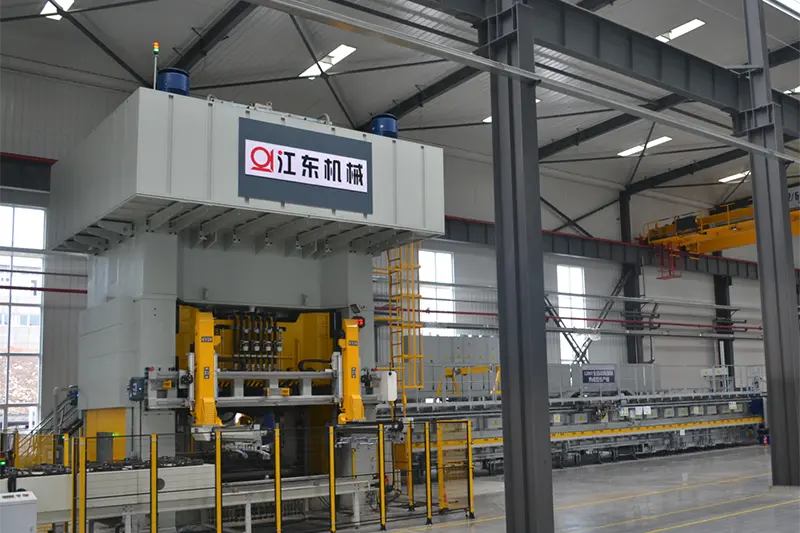
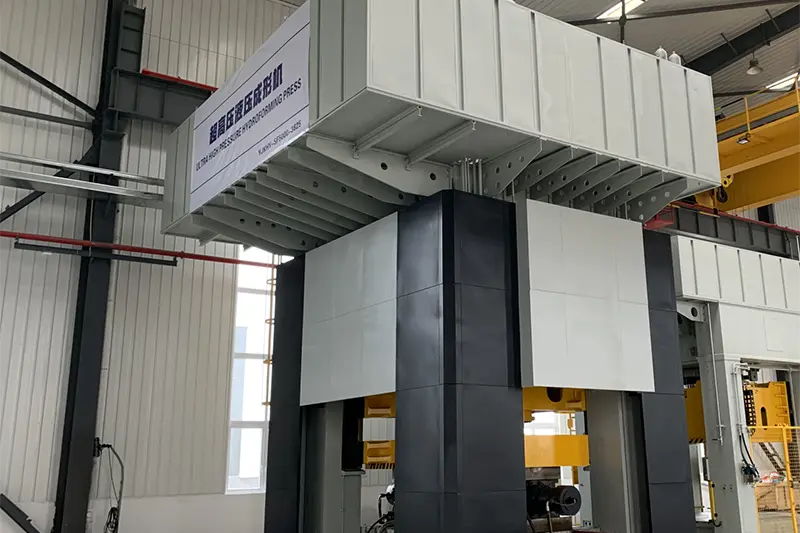
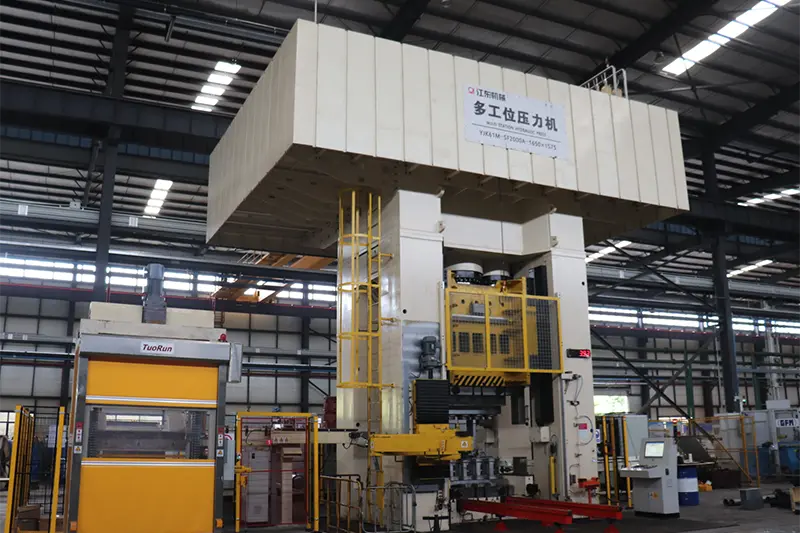
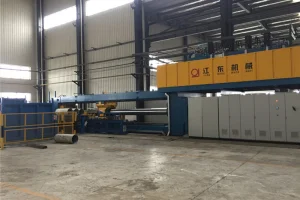
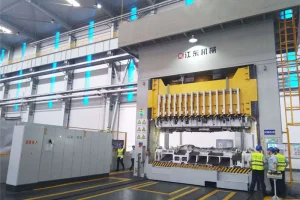
State-of-the-art compression molding and high-pressure resin injection installations.
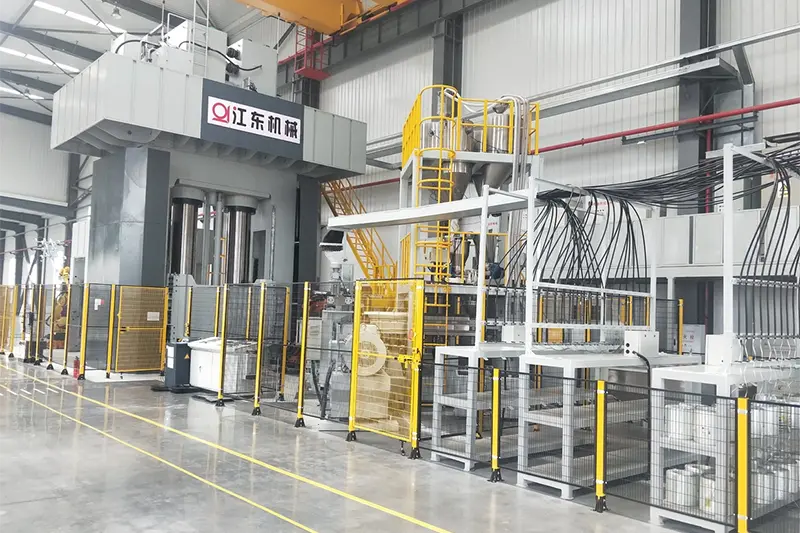
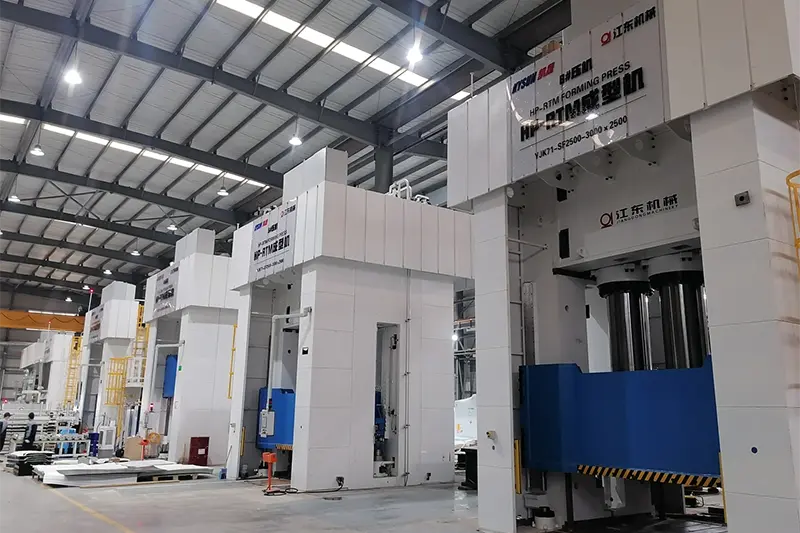
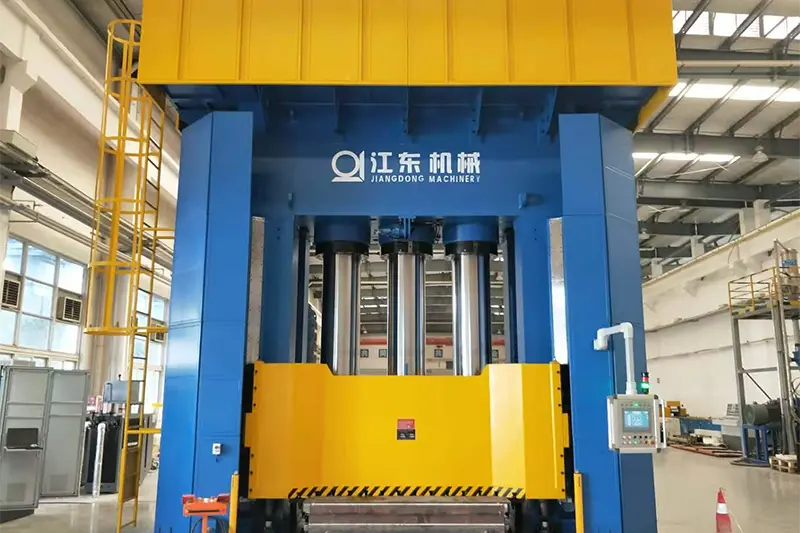
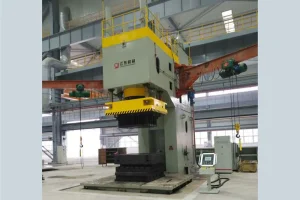
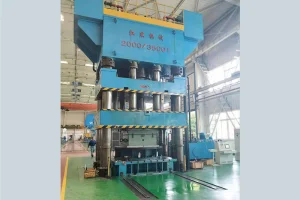
High-tech alloy processing platforms designed for specialized applications.
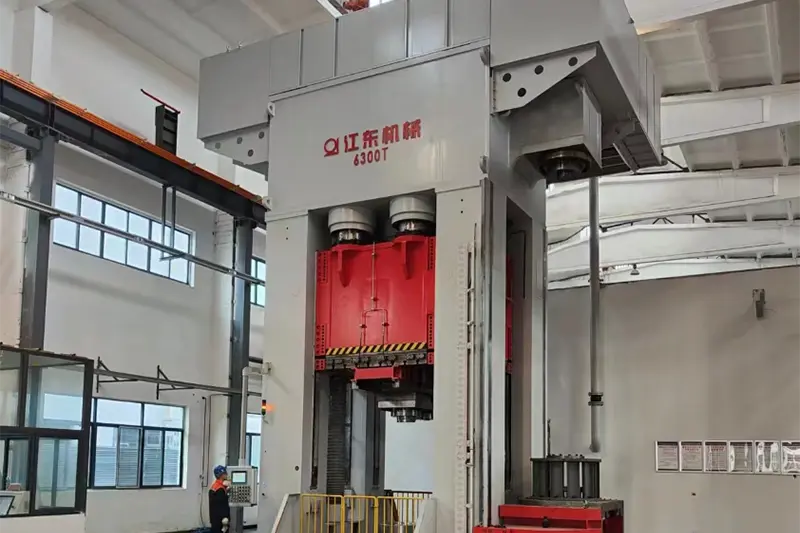
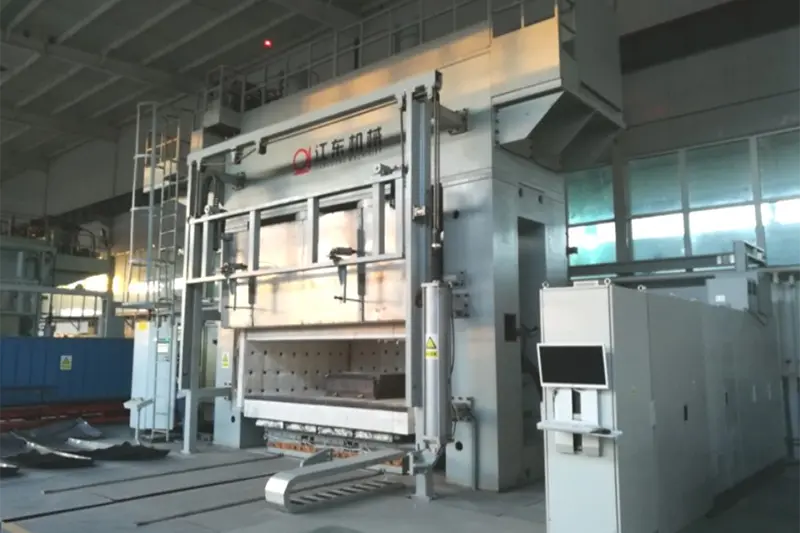
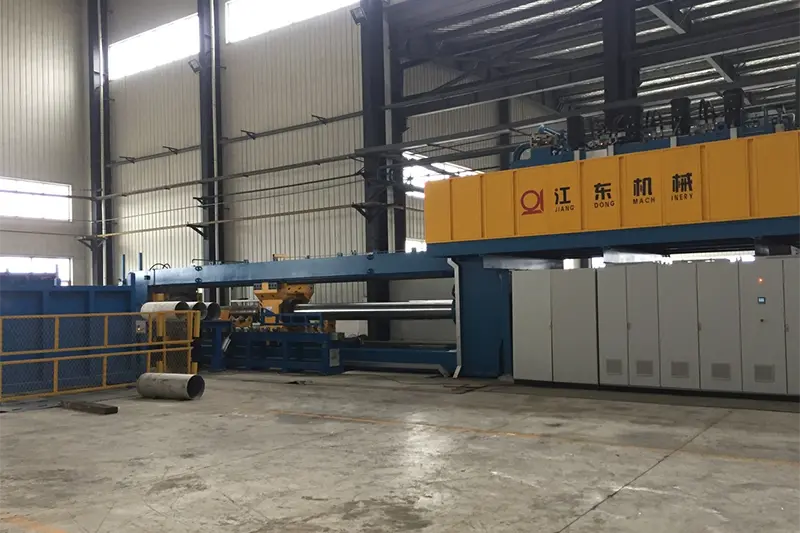
The aerospace sector demands manufacturing systems capable of operating at the intersection of extreme precision and high output. Traditionally, composite parts were hand-laid and cured inside high-cost autoclaves. Today's commercial, defense, and space flight programs utilize automated liquid composite molding (LCM) technologies to construct structural components such as fuselage panels, wing spars, landing gear doors, and engine casing wraps.
Jiangdong Machinery has developed integrated solutions that solve the primary challenges of aerospace RTM:
Chongqing Jiangdong Machinery Co., Ltd. is a comprehensive forging and heavy machinery enterprise integrating research and development, manufacturing, sales, and service. We specialize in producing heavy-duty hydraulic presses, advanced lightweight forming systems, and automated composite processing solutions.
Our core product lines include specialized metal and non-metal hydraulic forming presses designed for automotive and aerospace lightweighting, defense engineering, and critical components manufacturing. By integrating smart manufacturing principles, we supply global tier-1 aerospace suppliers with high-reliability RTM solutions that consistently meet strict aerospace specifications.
The future of aerospace composite fabrication lies in the integration of industrial Internet of Things (IIoT) sensors, advanced machine learning algorithms, and faster curing matrix formulations. The R&D team at Jiangdong Machinery is continuously refining our equipment capabilities along three major vectors:
Implementing dielectric and fiber-optic sensors within the press cavity to monitor viscosity, resin advancement, and degree-of-cure in real time. The press automatically modifies ram pressure and mold temperature to eliminate void formation during process fluctuations.
Adapting tooling systems to handle high-temperature engineering thermoplastics (PEEK, PEKK, PPS) that offer superior impact resistance and recyclability compared to traditional thermoset epoxies.
Optimizing high-pressure dosing systems to work with ultra-fast curing resins, shortening typical curing cycles to meet the scaling production needs of Commercial Aviation and Urban Air Mobility (UAM) vehicles.
Operating from our advanced industrial complex in Chongqing, Jiangdong Machinery leverages "Factory 4.0" automation architectures. This integration of production systems allows us to maintain shorter lead times and higher quality consistency compared to competitors.
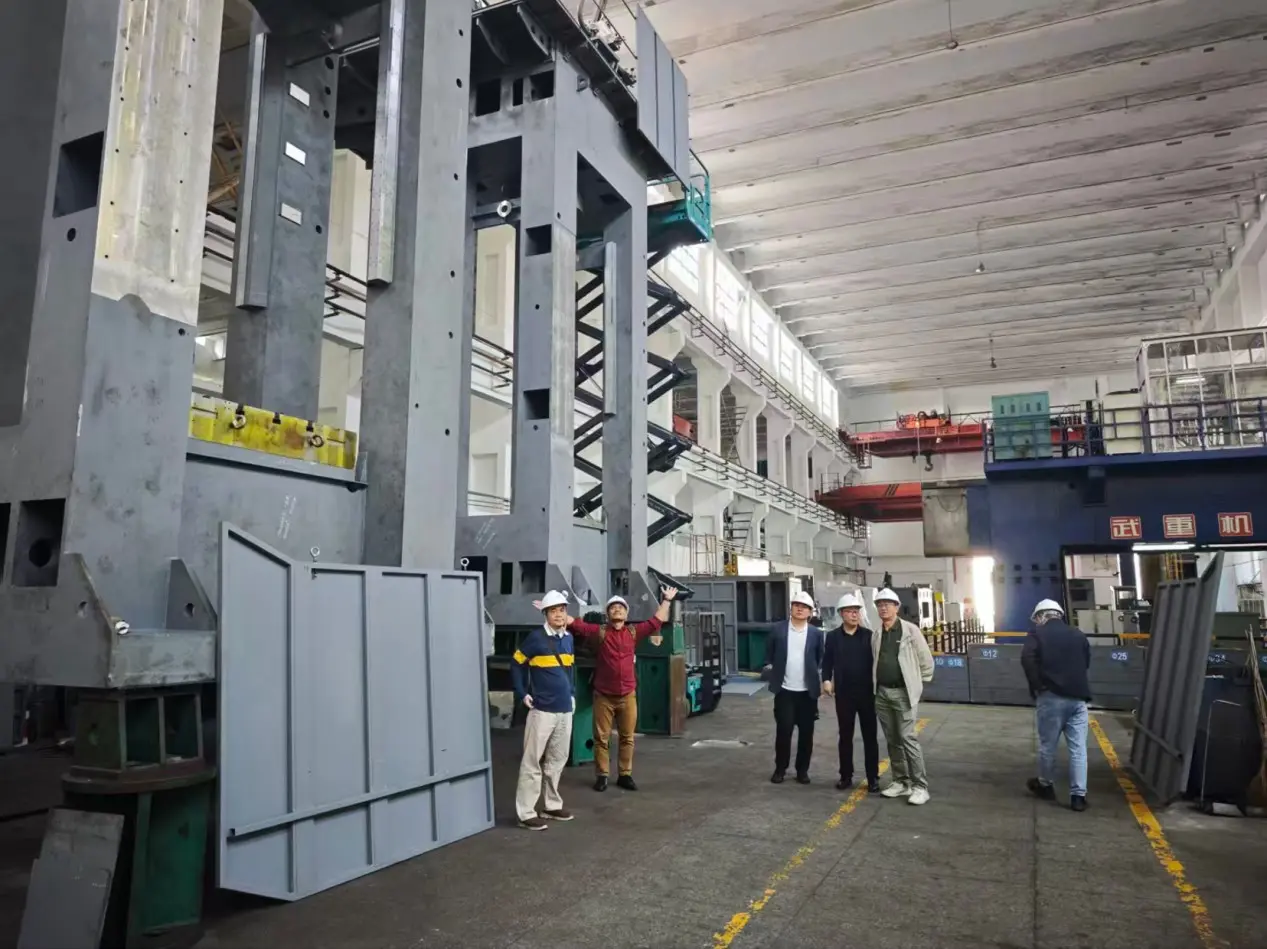
Our factory employs fully digitalized CNC machining centers, automated robotic welding systems, and large-scale structural annealing furnaces. By heat-treating the massive welded frames of our hydraulic presses in-house, we eliminate residual internal stresses, preventing deformation even after decades of continuous high-load cycles.
Our global supply chain network is optimized for resilience. Critical hydraulic valves, proportional controls, and electrical sensors are sourced from world-class global partners (e.g., Rexroth, Siemens, Parker) to ensure ease of maintenance, spare parts compatibility, and cross-border support.
Exporting heavy machinery for critical industries requires compliance with strict safety and technical guidelines. Jiangdong Machinery provides complete international certifications for all exported hydraulic press systems, ensuring compliance with local standards:
Our localization support includes remote cloud diagnostics, rapid-deployment engineering teams for installation and commission, and structured hands-on operator training. We ensure that our RTM systems integrate smoothly with your existing factory floor plan.
When evaluating suppliers for RTM and composite molding equipment, procurement departments should verify the following features:

Customized Solutions

Remote Service

Maintenance

Technical Support

Spare Parts
Expert Audit
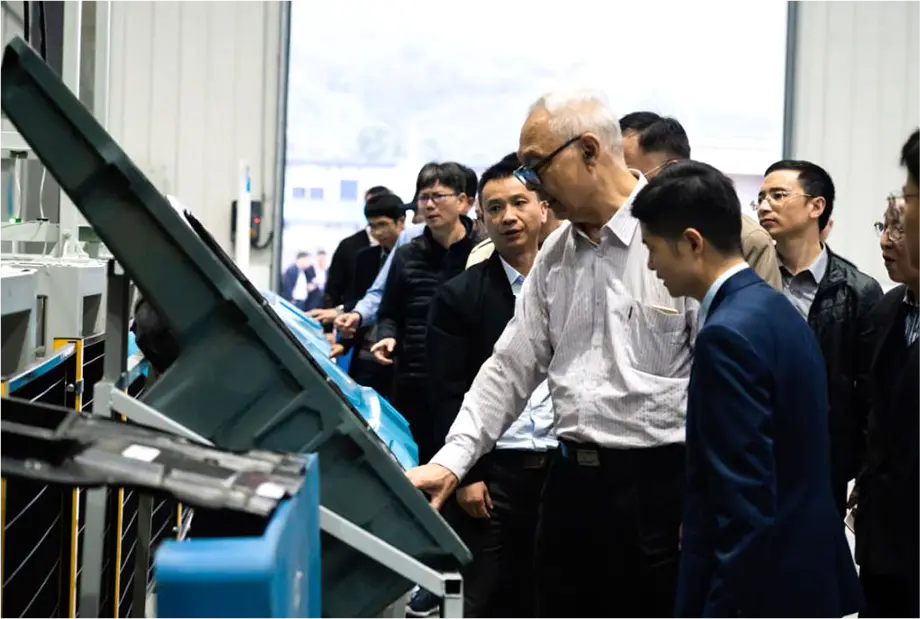
Multiple engineering delegations from Thailand, Indonesia, and Malaysia completed visits to our facility to review our lightweight materials manufacturing programs.
Jiangdong Machinery presented its newest composite pressing technologies, showcasing dynamic pressure monitoring systems designed for aerospace and automotive suppliers.
We supply specialized hydraulic presses ranging from 500 tons to over 10,000 tons. For typical RTM and HP-RTM aerospace structural parts, clamping forces between 800 and 3,000 tons are most commonly requested, allowing for the processing of large wingspan parts and landing gear components.
During mold closure and resin injection, thermal expansion or uneven preform layouts can cause eccentric loading. Our active leveling system uses high-speed response servo-proportional valves coupled with high-resolution displacement sensors on each cylinder corner. The system corrects platen alignment within milliseconds to protect delicate tooling and ensure uniform part thickness.
Yes. Our control systems use open industrial ethernet protocols (Profibus, Profinet, EtherCAT) that allow complete communication handshakes between the press and major third-party resin metering and mixing systems (such as KraussMaffei, Hennecke, or Tartler). This guarantees synchronized pressure management and resin injection starts.
Given the high degree of customization required for aerospace applications, typical design, build, and validation periods range between 8 to 12 months. This includes engineering drafting, structural analysis, frame manufacturing, electrical programming, and in-house dry running testing prior to shipment.
Connect directly with our engineering team to schedule a technical evaluation for your RTM, SMC, or forging hydraulic press requirements.