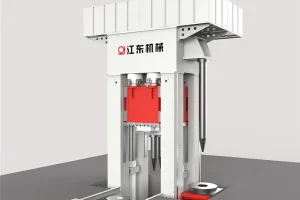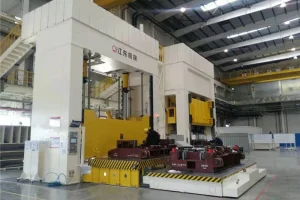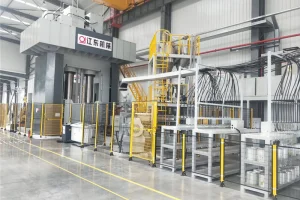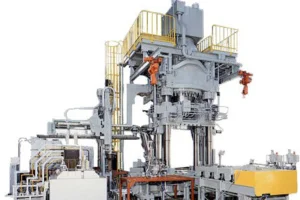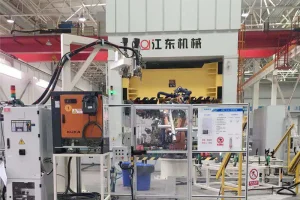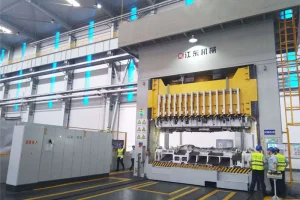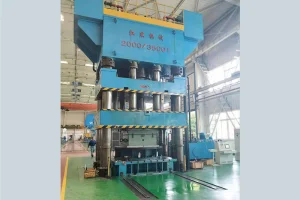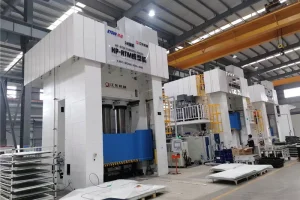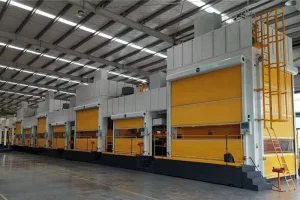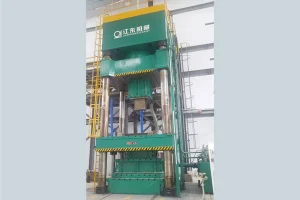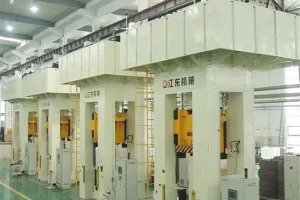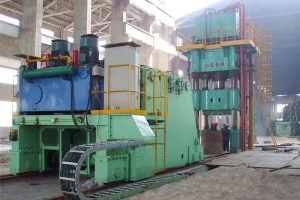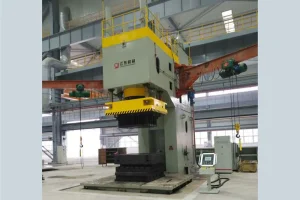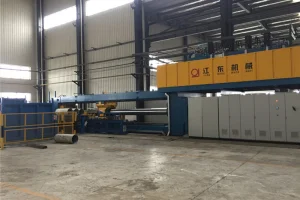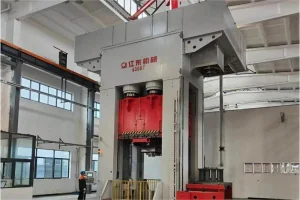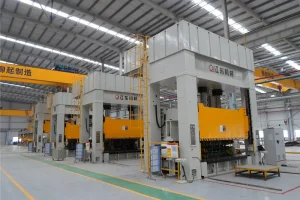
Explore our state-of-the-art hydraulic presses, tooling equipment, and highly customized industrial production systems engineered for peak manufacturing performance.
In the contemporary manufacturing sector, the demand for precision, efficiency, and material utilization has positioned powder compaction presses at the forefront of metallurgical and advanced materials engineering. Powder compaction is a highly specialized process where metallic, ceramic, composite, or graphite powders are compressed under extreme pressure into complex, near-net-shape components. By eliminating the necessity for extensive secondary machining, this manufacturing modality drastically reduces material wastage, enhances structural integrity, and facilitates the manufacturing of highly intricate components that would otherwise be cost-prohibitive or physically impossible to produce using traditional subtractive methods.
Globally, the industry is witnessing a significant transition driven by lightweight automotive initiatives, the electrification of powertrains, aerospace engineering innovations, and green energy technology requirements. Hydraulic powder compaction presses are vital in producing dense, high-strength gears, structural components, permanent magnets, friction materials, and customized ceramics. Jiangdong Machinery, an industry pioneer since 1937, continues to lead this industrial revolution by manufacturing top-tier, highly automated, and flexible hydraulic presses designed to meet these exact, high-tolerance requirements.
High-precision processing of sintered components, dual-action deep drawing parts, door hemming units, and structural interior composites designed for next-generation EV and ICE vehicles.
Advanced isothermal forging, superplastic alloy forming, and bullet housing stretching processes utilizing refractory alloys and high-purity ceramic matrix powders.
Compacting graphite-bipolar plates for hydrogen fuel cells, composite moldings (SMC/GMT/PCM) for solar panel backings, and lightweight carbon fiber structural components.
To support engineering and procurement decision-makers, understanding the precise specifications and architectural styles of powder compaction presses is critical. The optimal choice between mechanical, hydraulic, and servo-hydraulic configurations determines the final component's structural density, cycle times, and ultimate production yield.
Modern hydraulic compaction presses integrate closed-loop proportional valve controls, linear transducer position feedback, and multi-axis tooling adaptors. These technical elements manage the relative displacement and compaction forces of the upper and lower punches, preventing micro-cracking and achieving uniform density across multi-level parts.
| Compaction Press Category | Tonnage Range (Tons) | Key Technical Attributes | Target Material Application |
|---|---|---|---|
| Hydraulic Compaction Press | 200T – 5000T+ | Independent multi-platen control, proportional hydraulic valves, high flexibility, precise pressure holding. | Iron/copper-based structural parts, large-scale carbon products, industrial refractories. |
| Servo-Hydraulic Press | 100T – 2000T | Variable-frequency motor drives, high energy efficiency (up to 50% savings), closed-loop feedback control. | Precision ceramics, hard alloys, electronic substrate powders, high-purity NdFeB magnets. |
| Isothermal / Hot Forging Press | 500T – 8000T | Heated dies, constant deformation speed, micro-speed control (down to 0.05 mm/s), precise thermal insulation. | Titanium alloys, nickel-based superalloys, advanced composite structural components. |
When negotiating capital equipment investments for hydraulic presses or custom powder compaction production lines, the wholesale price is rarely a single static figure. Instead, it is a variable function of engineering complexities, automated tooling requirements, and integration levels.
Key variables affecting the final pricing structures include:
Highly specialized manufacturing techniques and forming technologies engineered by Chongqing Jiangdong Machinery.
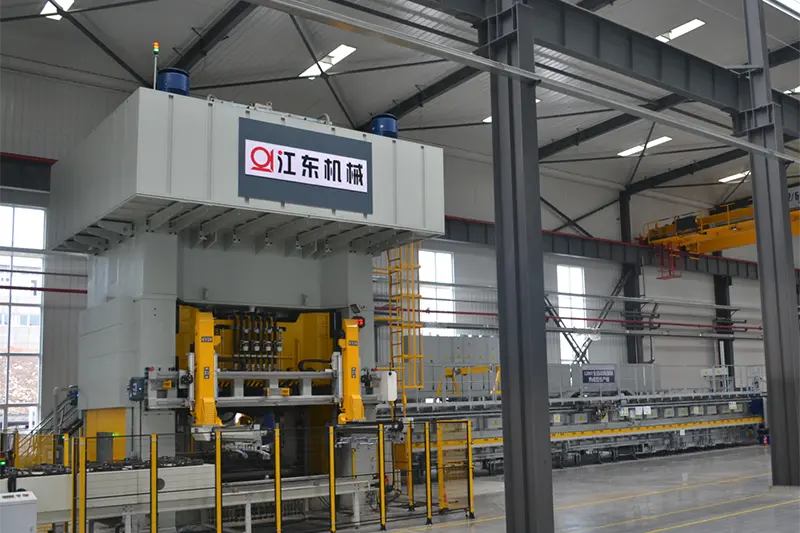
Hot Stamping Hydraulic Press Production Line
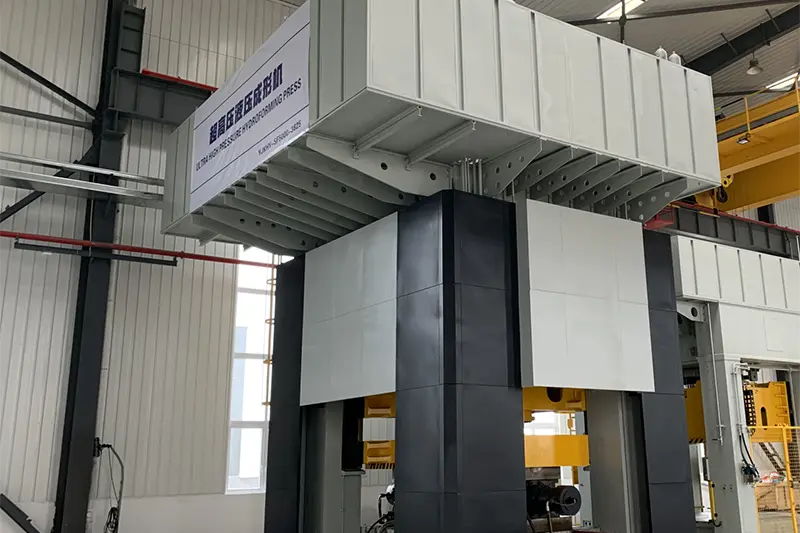
Hydroforming-Internal High Pressure Forming Production Line
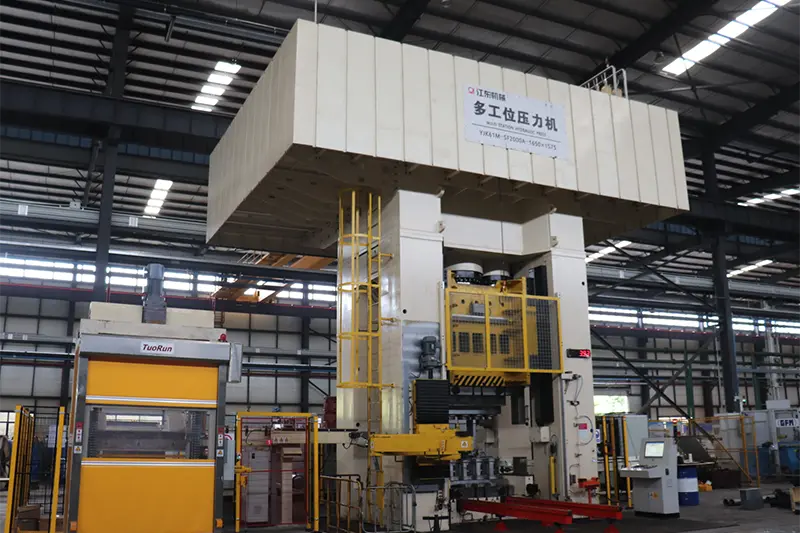
Multistation Extrusion Forging Production Line
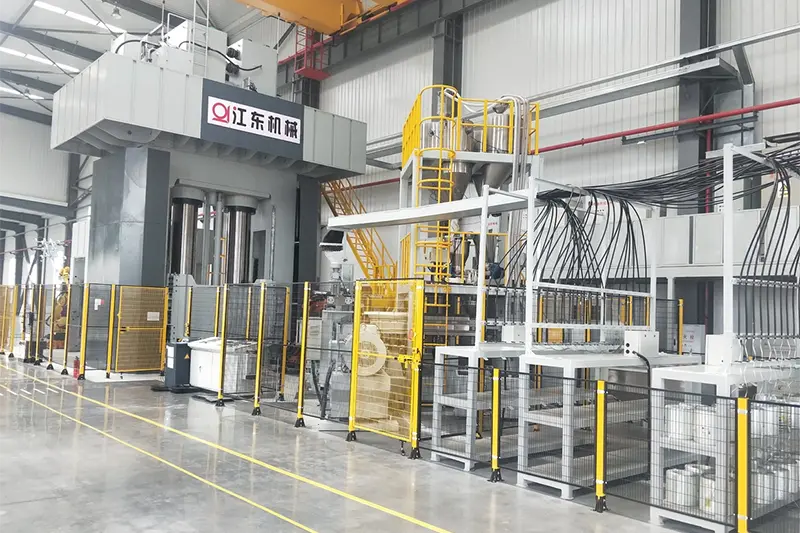
LFT-D Technology
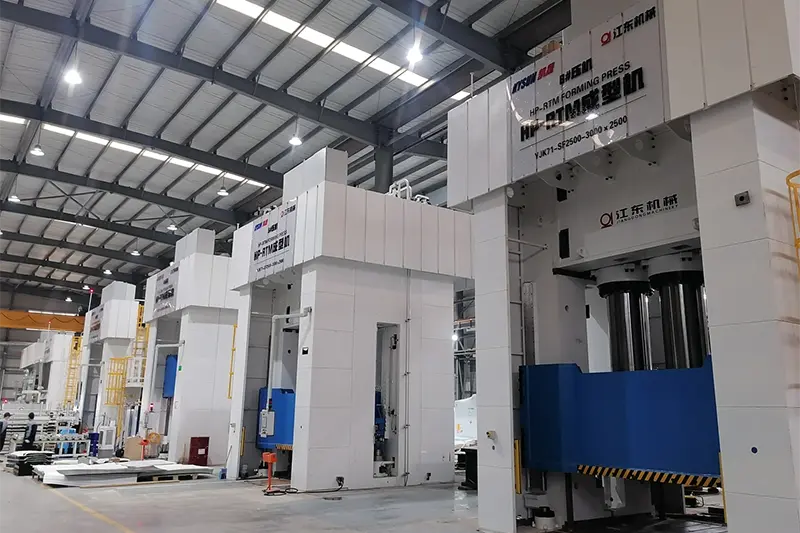
HP-RTM forming process
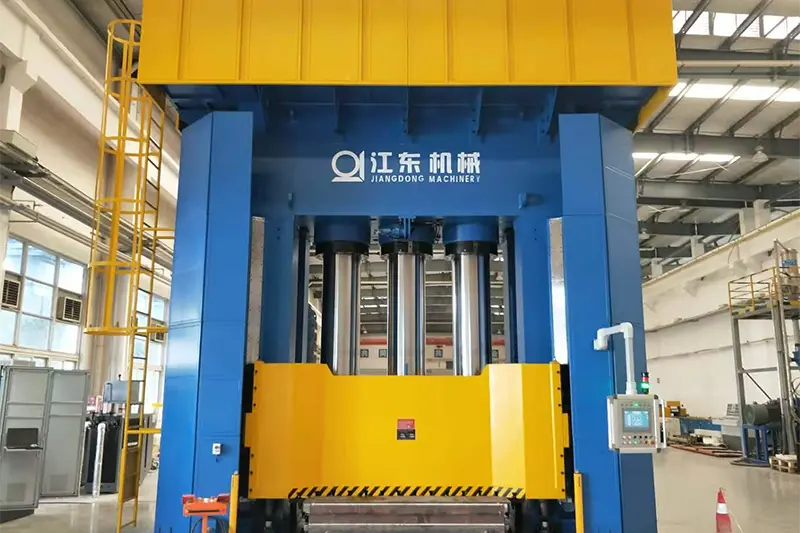
SMC/BMC/GMT/PCM technology
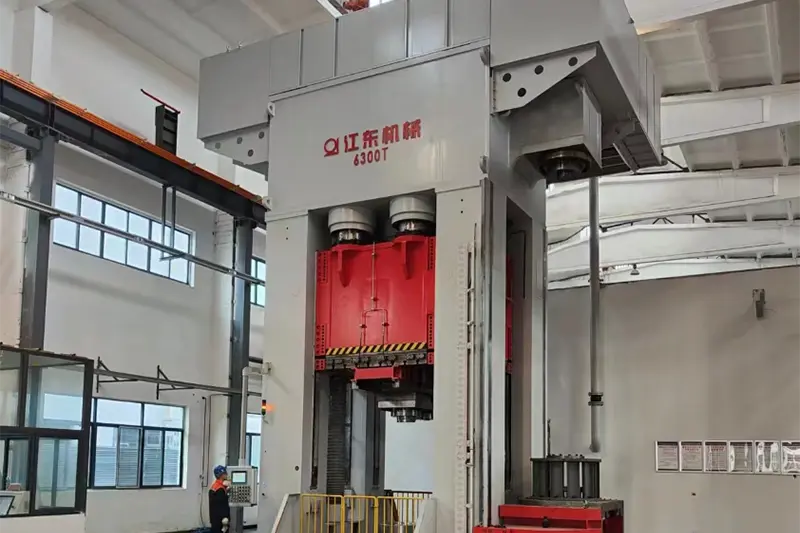
Iso Thermal Forging
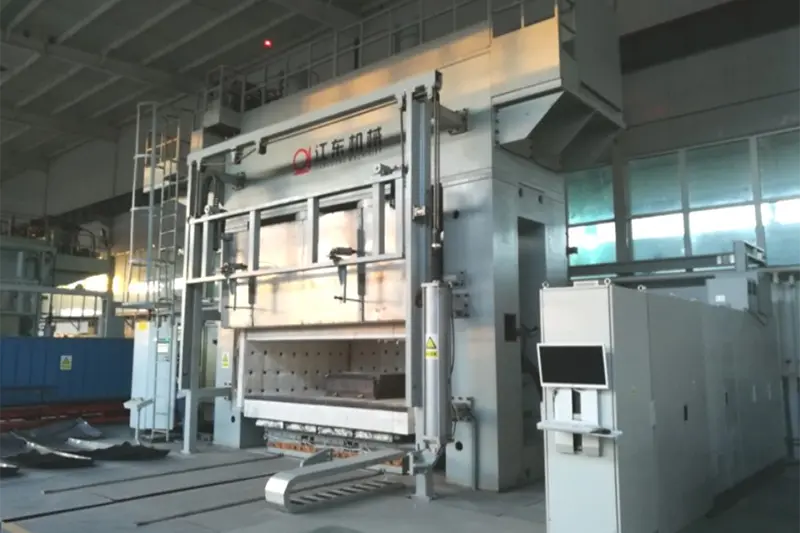
Superplastic Forming
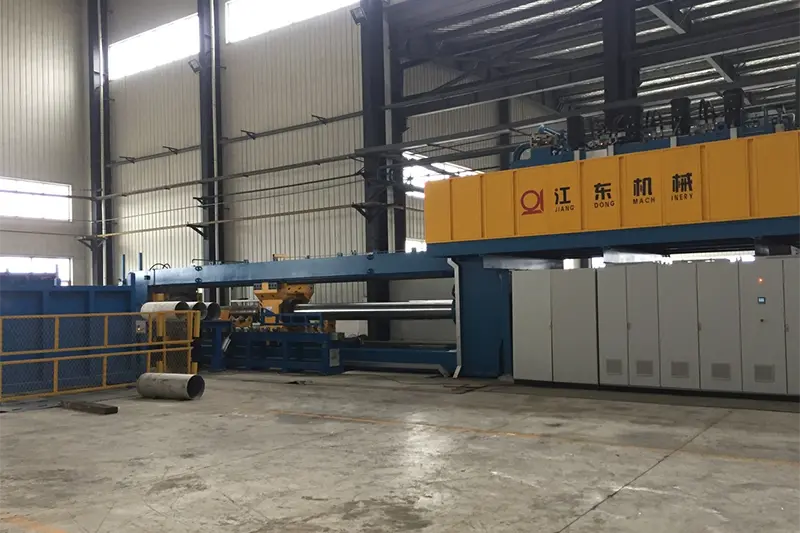
Gas CylinderBullet Housing Stretching
Jiangdong Machinery delivers complete, turnkey systems. From tooling design and automation layouts to process optimization, we provide comprehensive industrial solutions.
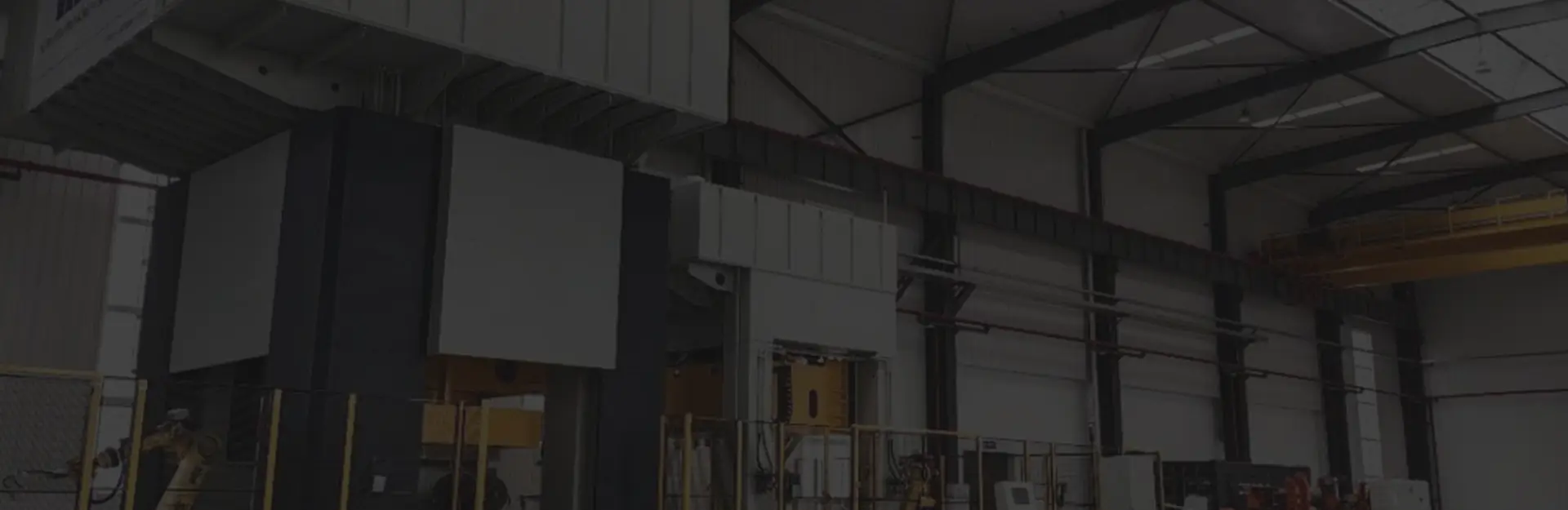
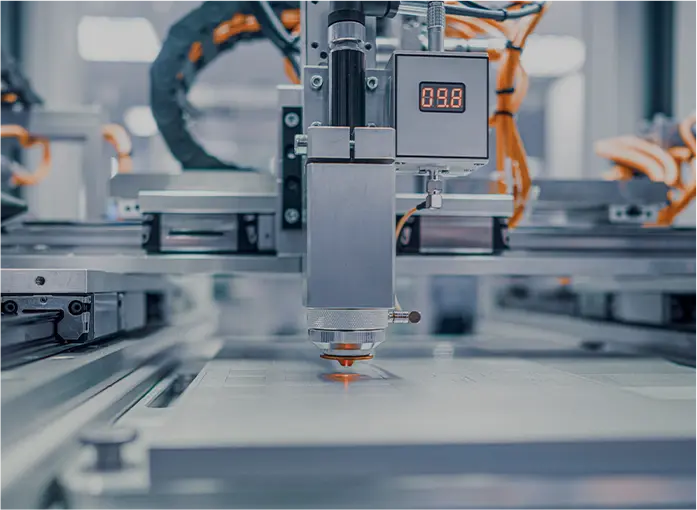
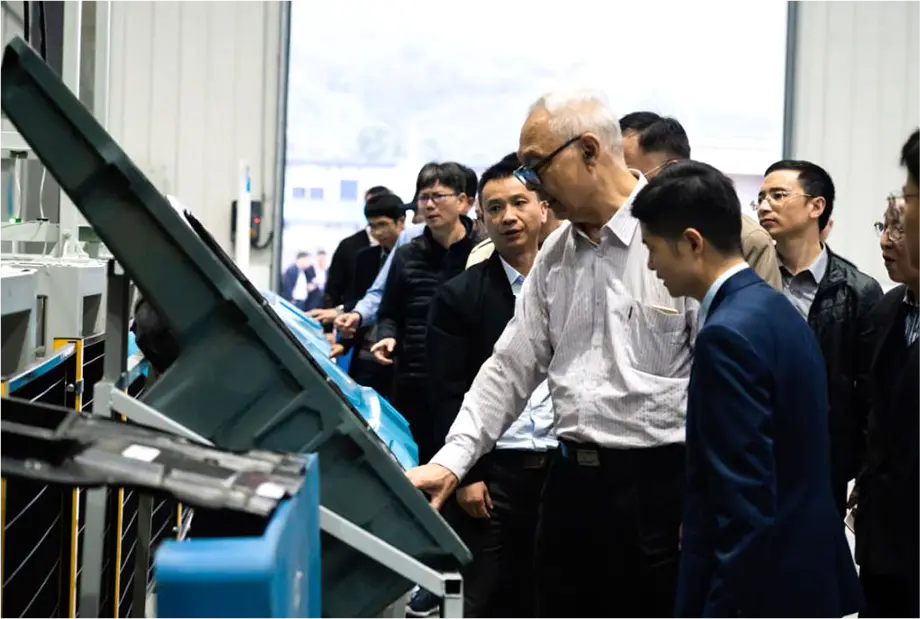
Chongqing Jiangdong Machinery Co., Ltd. is a modern machinery builder integrating research and development, manufacturing, sales, and comprehensive engineering support. We design and build high-capacity hydraulic presses, lightweight forming machinery, hot and cold stamping dies, metal castings, and precision structural parts.
Our specialized machinery configurations feature advanced automation, intelligence, and high structural flexibility. Our goal is to provide manufacturing enterprises with highly customizable metal and non-metal forming equipment and turnkey engineering solutions, focusing on vehicle weight reduction, new energy systems, and high-performance material forming.
VIEW MOREThe future of powder compaction technology lies in advanced software integration, real-time closed-loop control, and energy-efficient hydraulic systems. To maintain competitive advantage, manufacturing facilities must adapt to digital transformations and sustainable manufacturing practices.
Transitioning from constant displacement pumps to servo-driven pump systems. This architecture reduces thermal load within the hydraulic fluid, extends seal lifespan, and limits idle energy draw by up to 60%.
Integrating high-frequency pressure sensors and laser scanning gauges at the ejection station. Data is processed by localized controllers to optimize fill heights and stroke speed dynamically, minimizing part defects.
Developing industrial IoT connectivity systems that create simulated models of physical presses. These digital twins monitor hydraulic valve degradation, seal fatigue, and cylinder health, enabling predictive maintenance schedules.
What we offer for you

Customized Solutions

Remote Service

Maintenance

Technical Support

Spare Parts
Stay tuned to industry trends, customer partnerships, and our global exhibition events.
2026/May
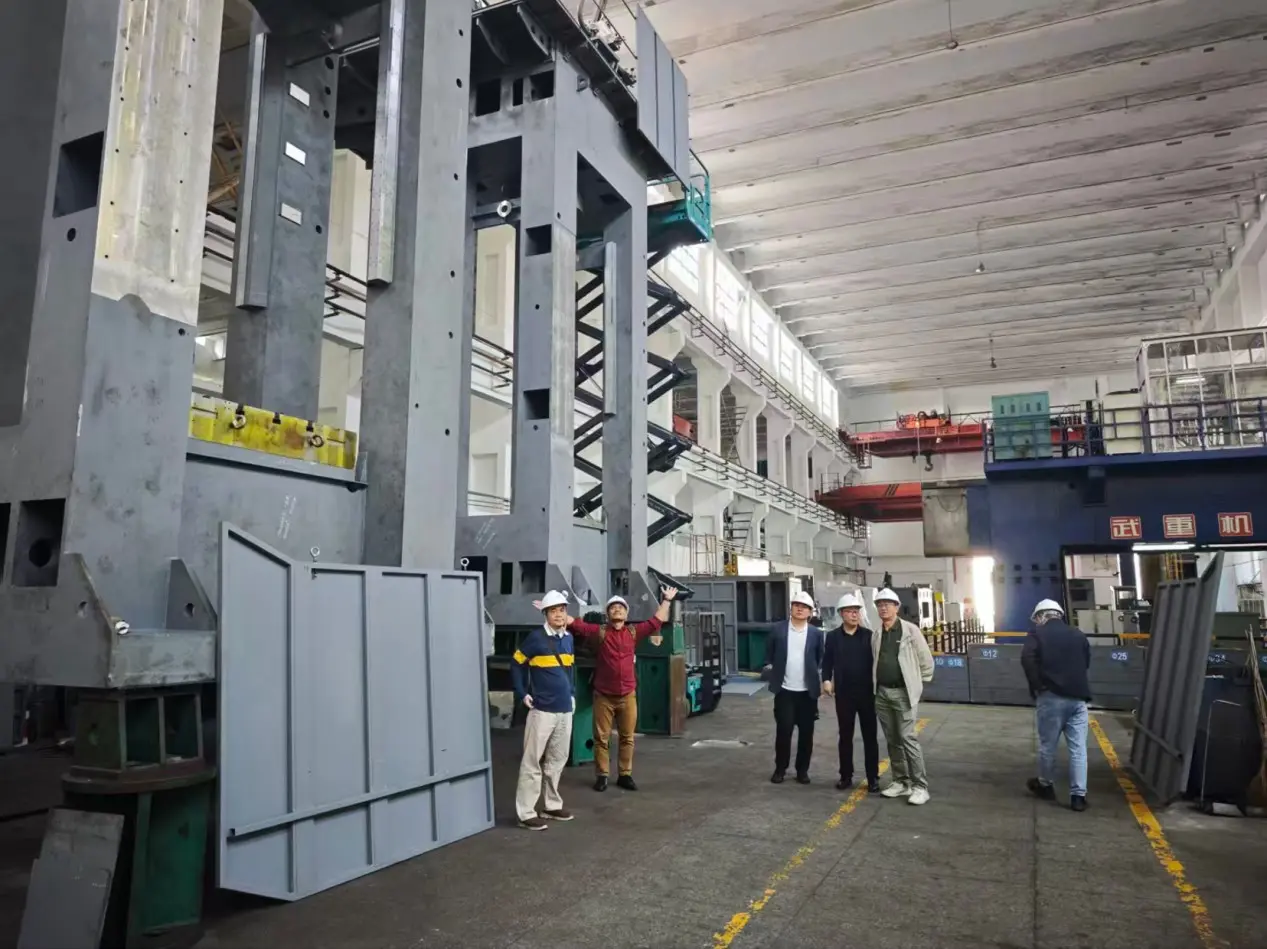
Recently, a delegation of Indonesian customers visited Jiangdong Machinery to inspect its capabilities, product quality and technical strengths, laying a solid foundation for deep cooperation in the automotive stamping sector...
Read Article →With the arrival of the new year, everything feels fresh and renewed. Recently, multiple partners from countries including Thailand, Indonesia, and Malaysia have successfully visited our automated production facility...
Chongqing Jiangdong Machinery Co., Ltd., a leading enterprise in China's metal forming and manufacturing machinery sector, announces participation in upcoming international trade fairs...
Technical clarifications, procurement insights, and maintenance queries answered by our senior engineering team.
Explore our specialized heavy industrial systems, gas cylinder drawing units, and composite compression molding lines.