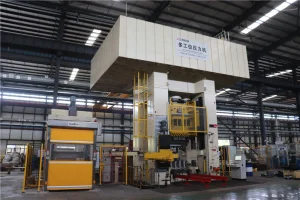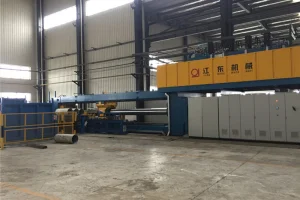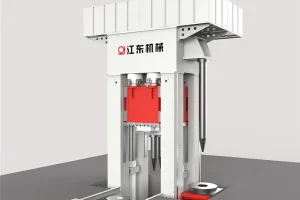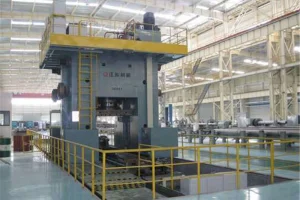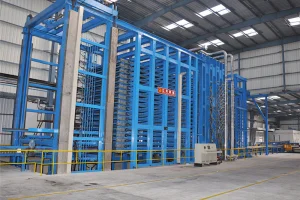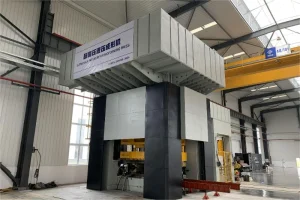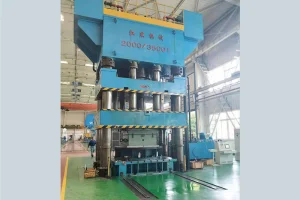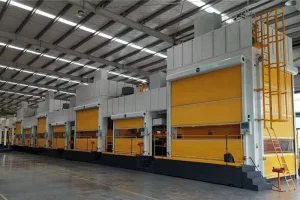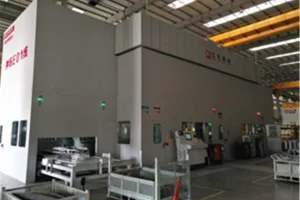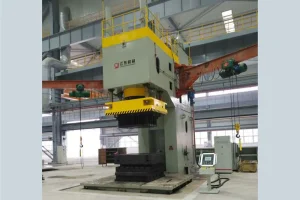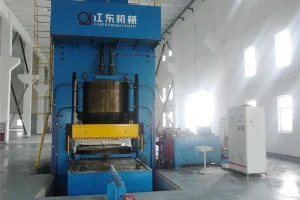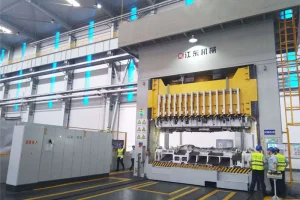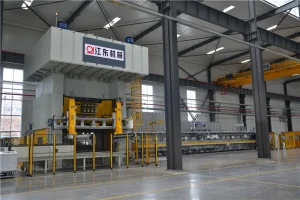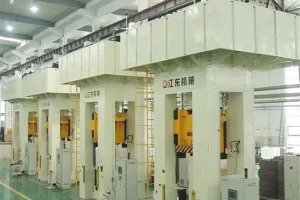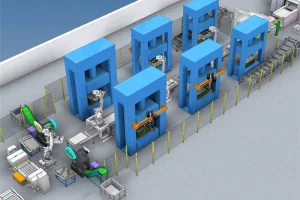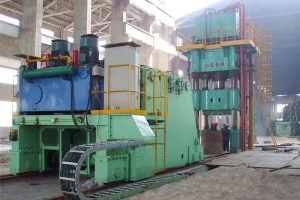
High-capacity automated manufacturing systems, horizontal drawing lines, and custom forging machinery designed for global OEM requirements.
Understanding the metallurgy, equipment mechanics, and thermomechanical control systems that drive near-net-shape accuracy.
Isothermal Forging is a advanced metallurgical process designed to forge complex materials under precise temperature-controlled conditions. Unlike conventional hot forging, where the dies are significantly cooler than the raw billet, isothermal forging maintains the workpiece and the die stack at the exact same temperature throughout the deformation cycle. This thermal equilibrium completely eliminates the phenomenon of heat loss at the die interface, allowing the material to remain in its optimal superplastic state.
By utilizing slow, highly controlled deformation speeds (low strain rates), this technology reduces flow stress to a fraction of conventional requirements. The result is the ability to produce highly intricate shapes with extremely thin webs, deep ribs, and minimal draft angles—commonly referred to as near-net-shape manufacturing. This dramatically minimizes post-forging machining costs, saving expensive superalloys and titanium raw materials, while guaranteeing uniform microstructural grain sizes across the entire forged profile.
Advanced die-induction heating systems maintain die temperatures within ±5°C of the billet temperature, preventing thermal shock and cracking.
Eliminating heat transfer to the tooling allows thin cross-sections to flow completely, enabling complex geometries without high force requirements.
Supercritical thermomechanical parameters avoid dynamic recrystallization variations, assuring isotropic fatigue and tensile resistance properties.
Delivering world-class technology in Sheet Metal Stamping, Metal Forging, Composite Forming, and Special Industrial Processes.
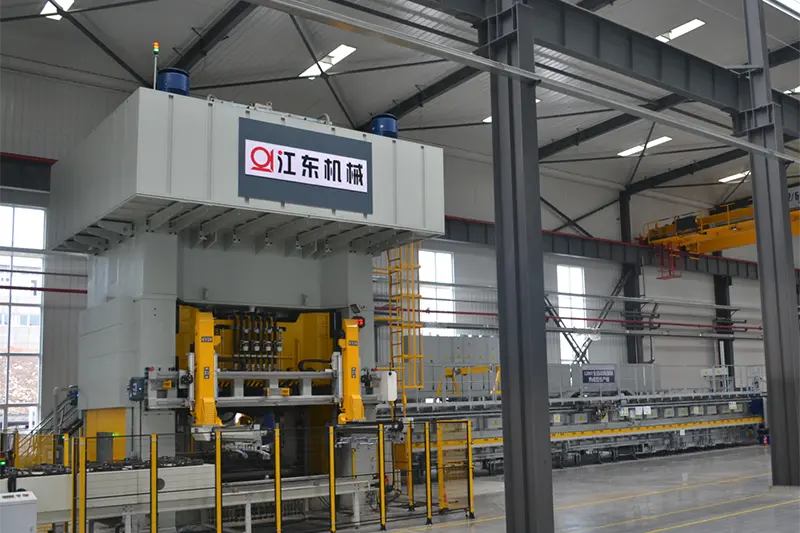
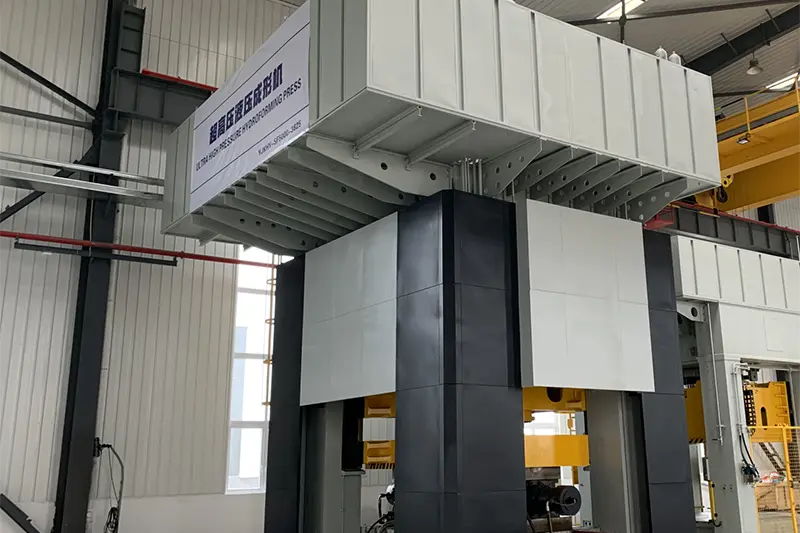
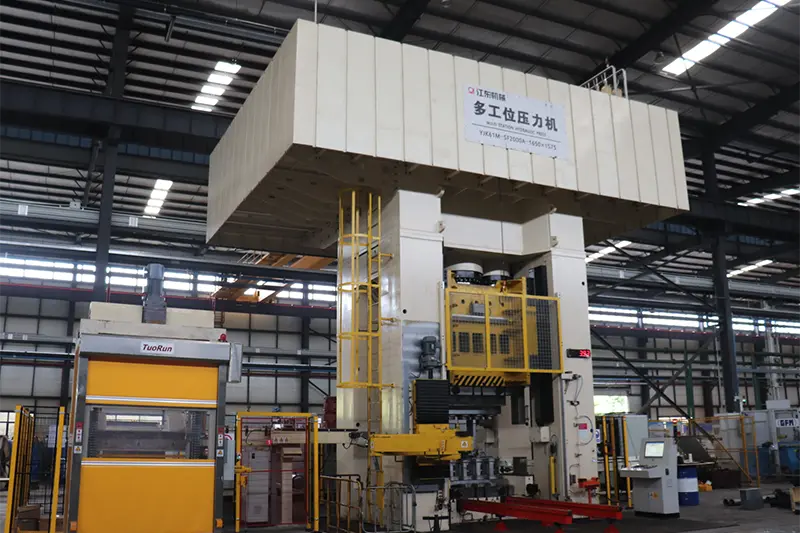
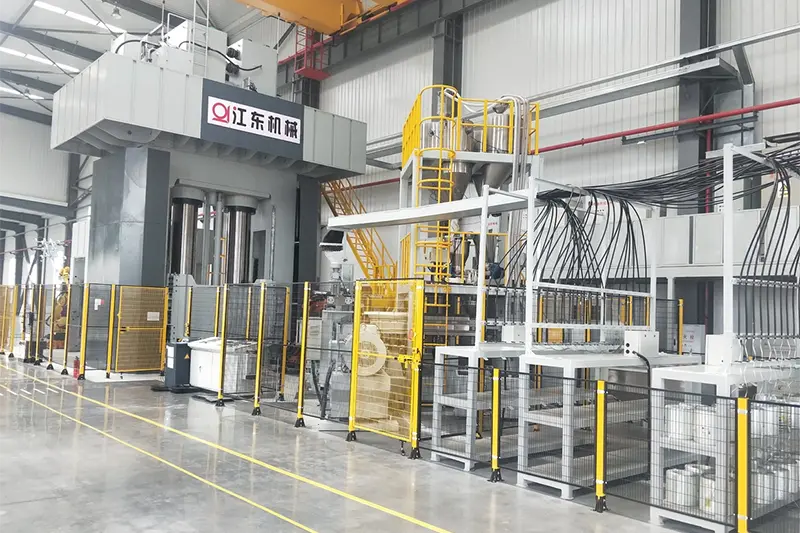
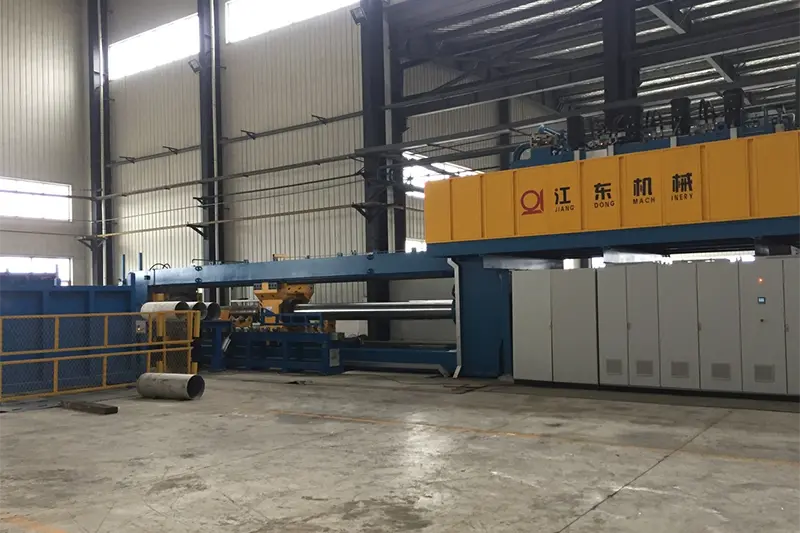
Unlocking technological synergy, cost efficiencies, and reliable heavy forging capabilities in global supply chains.
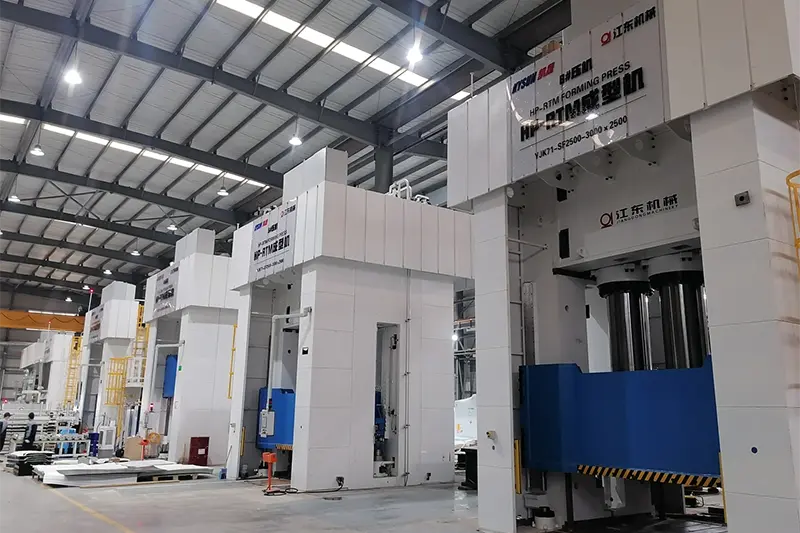
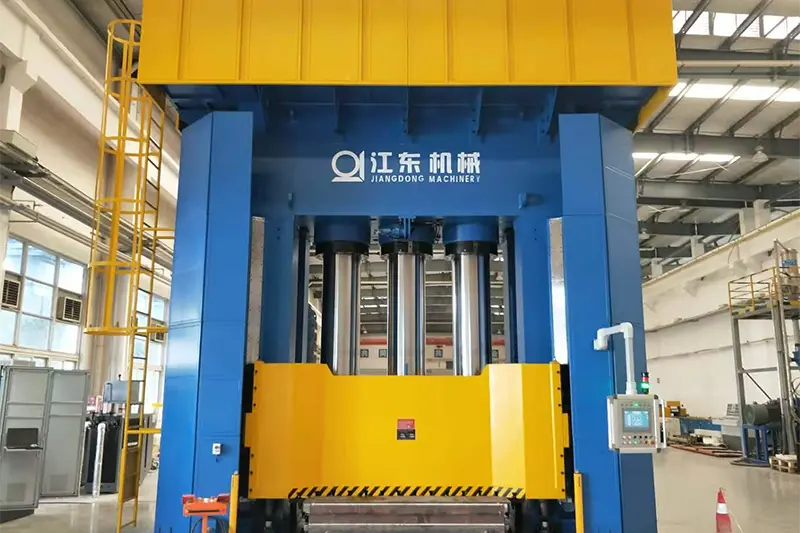
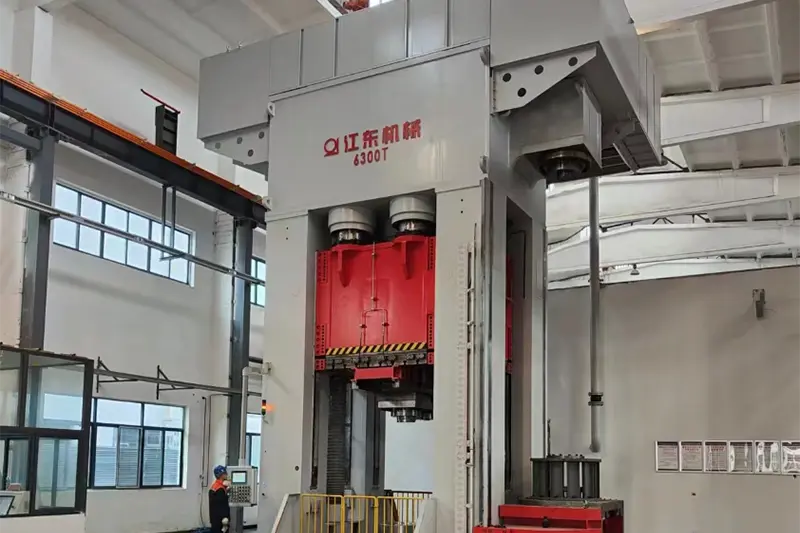
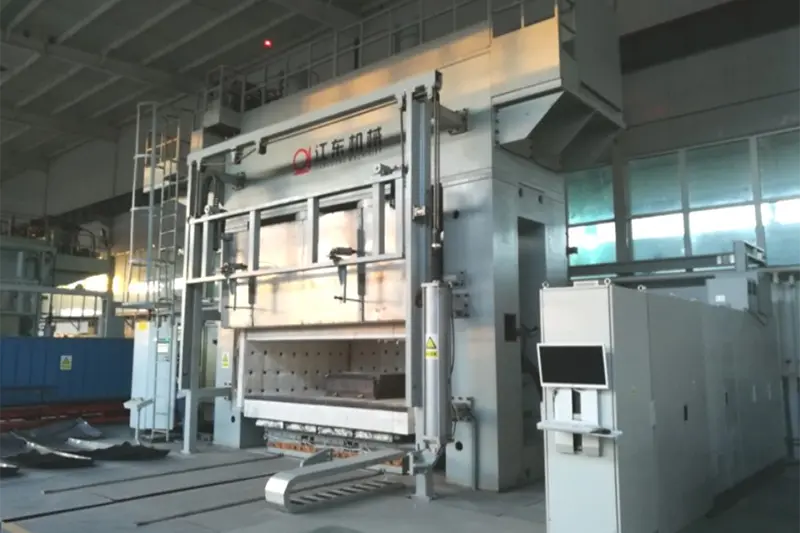
Sourcing isothermal forging components and machinery from specialized factories in China, such as Chongqing Jiangdong Machinery, offers key strategic advantages for global businesses. The Chinese heavy engineering ecosystem combines state-of-the-art infrastructure with mature, vertically integrated supply chains.
1. Advanced Technological Parity: Chinese factories utilize state-of-the-art CNC hydraulic systems, advanced Finite Element Analysis (FEA) software for die temperature modeling, and integrated induction-die heating systems. This ensures that the technical specifications meet or exceed Western equivalents.
2. Unrivaled Infrastructure Scale: Our production bases house heavy tonnage presses, capable of producing deep-draw structural components and large aerospace forgings with stable yield rates.
3. Strategic Capital Efficiency: By combining highly optimized manufacturing processes with accessible specialized engineering talent, we provide significant cost efficiencies without compromising on precision, quality control, or raw material verification.
From lightweight automotive designs to supercritical aerospace structural elements, our technologies drive modern industry forward.
Internal high-pressure and hot gas expansion solutions for complex tubular profiles, ideal for lightweight automotive frames and structural piping.
Thermal forming machinery and line setups optimized for high-strength steel and lightweight aluminum applications, maintaining maximum yield strengths.
High-precision cold extrusion, multi-station automated processing lines, and fine stamping technologies to accelerate production speeds.
Specialized thermal deformation mechanisms tailored for titanium and aluminum-lithium alloys, keeping strain rates optimized for maximum elongation.
Advanced processing lines utilizing thermoplastic and thermosetting composites for high-strength, lightweight industrial structural components.
Tailored integration of robotics, auto-die changers, vacuum chambers, and cooling fixtures to provide unified manufacturing layouts.
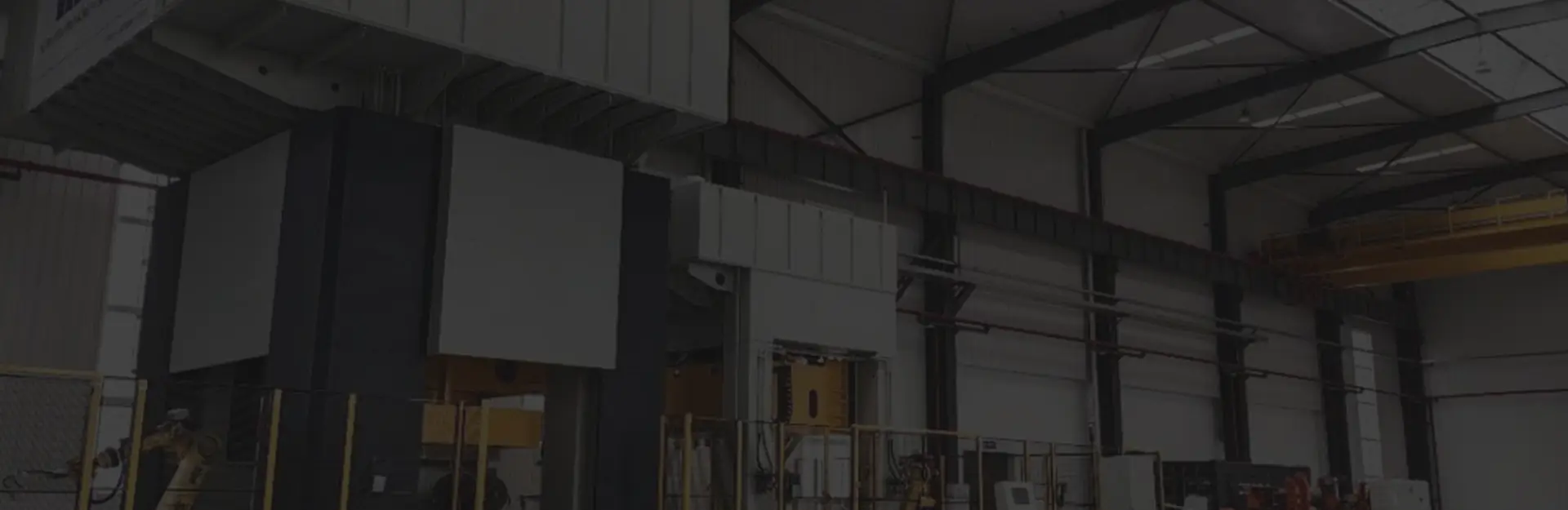
Chongqing Jiangdong Machinery Co., Ltd. (Jiangdong Machinery) is a comprehensive forging and heavy equipment manufacturer integrating R&D, production, sales, and service. We specialize in advanced hydraulic presses, lightweight forming technologies, high-strength structural parts, hot/cold stamping dies, and custom metal castings.
Our specialized hydraulic presses and automated production lines are characterized by high speed, precise control, and adaptive digital intelligence. With a focus on sustainable, lightweight manufacturing, we provide global clients with turnkey equipment and engineering solutions tailored for automotive, aerospace, and defense applications.
Supporting our partners throughout the entire equipment lifecycle—from initial technical concept design to long-term operations.

Customized Solutions

Remote Service

Maintenance

Technical Support

Spare Parts
Explore our latest technological updates, global partnership developments, and international machinery trade shows.
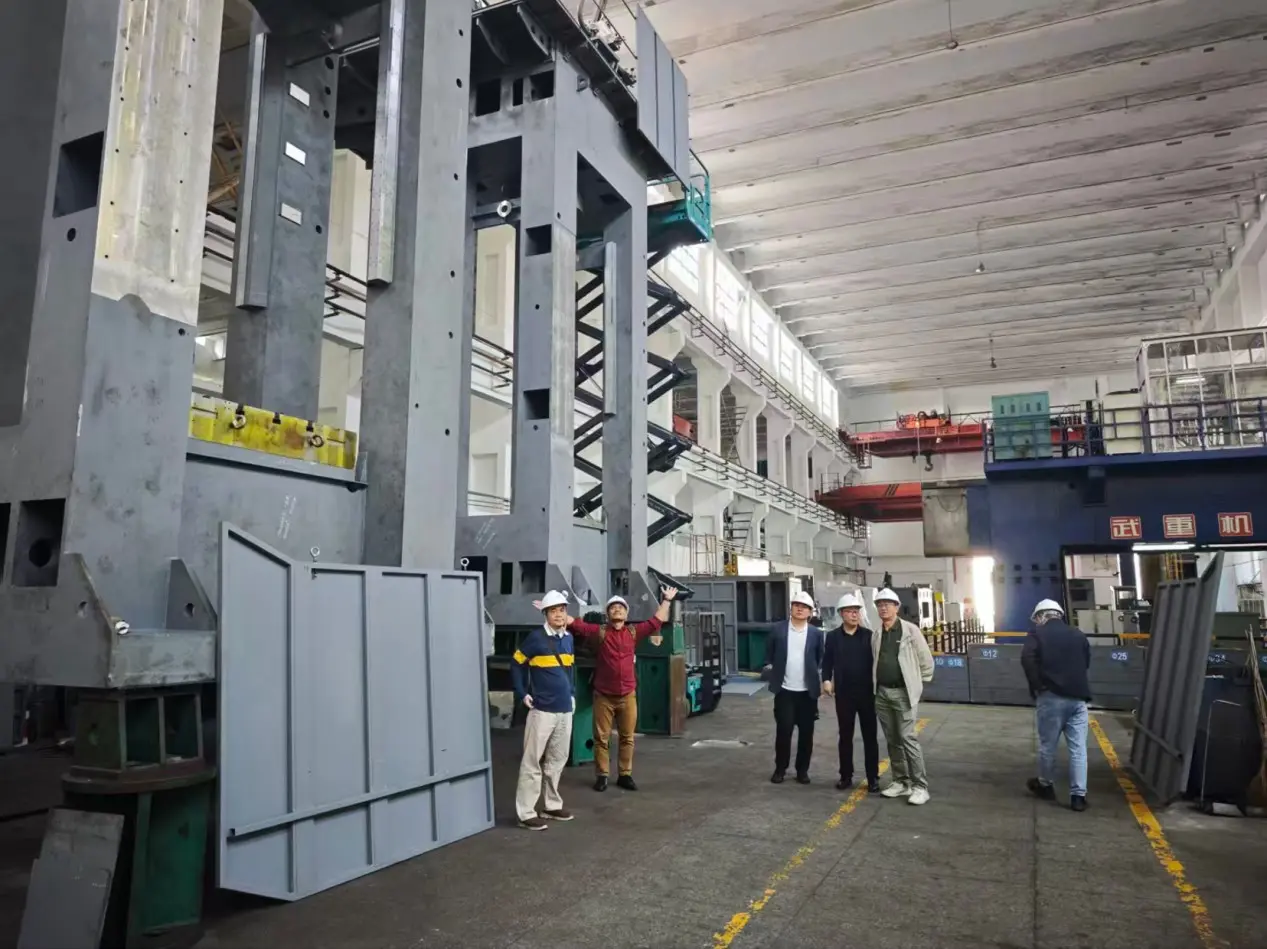
We recently welcomed a high-level customer delegation from Indonesia, highlighting new opportunities to deploy advanced high-precision stamping and hydroforming technology in Southeast Asia.
Date: Mar 16 2026
With the arrival of the new year, multiple partners from countries including Thailand, Indonesia, and Malaysia have successfully visited our facilities...
Date: Nov 14 2025
Chongqing Jiangdong Machinery Co., Ltd., a leading enterprise in China's metal forming industry, will showcase advanced forming equipment at key international expos...
Answers to common engineering, process capability, and global sourcing inquiries regarding isothermal forming technologies.
Browse our broader range of deep drawing lines, die tryout systems, and custom hot press machinery.