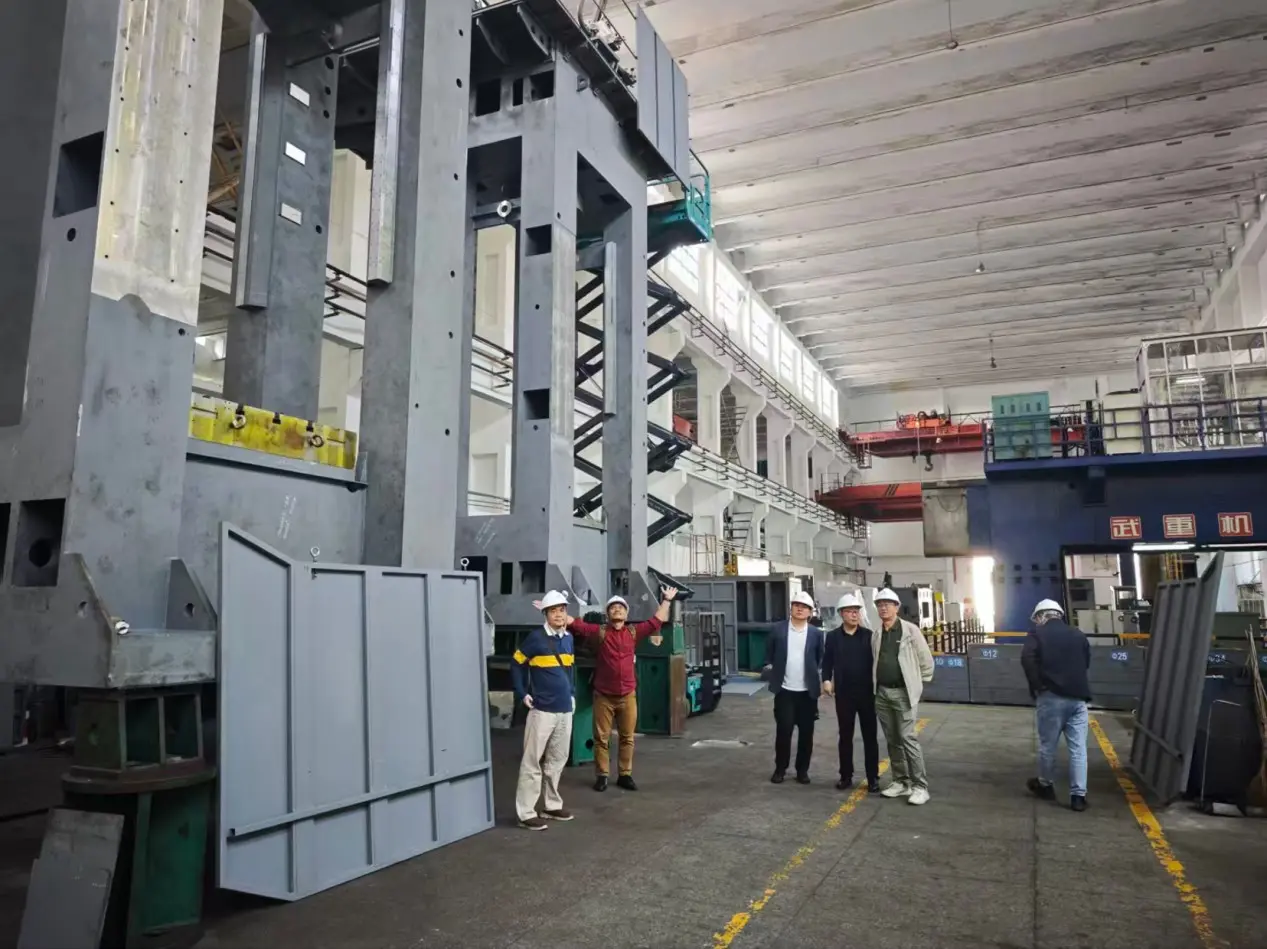
Engineered to satisfy high-cycle efficiency, rigorous safety compliance, and robust production uptime.
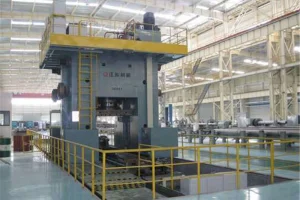
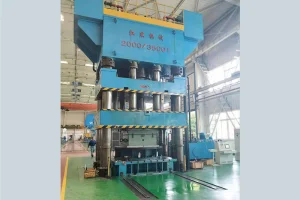
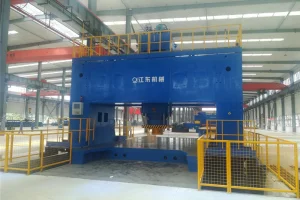
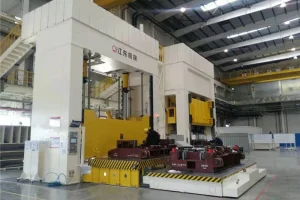
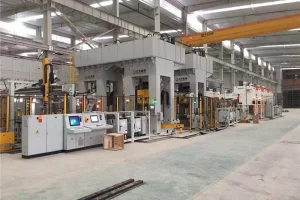
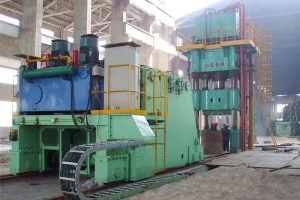
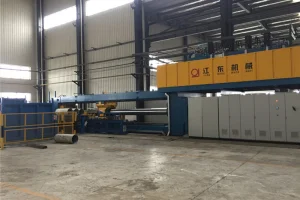
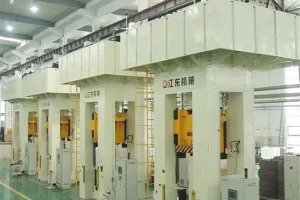
Uncovering the engineering factors driving structural changes in manufacturing cycles.
In the modern manufacturing sector, the demand for high-speed precision forming is driven by global lightweighting initiatives, structural consolidation, and energy transition mandates. Modern components require specialized machinery capable of complex metal-displacement profiles, precise microsecond control, and variable pressure cycles. Historically, hydraulic presses were viewed as robust but slow machines suitable mainly for basic deep drawing. Today's ODM high-speed hydraulic systems challenge this view, integrating servo-proportional valves and closed-loop pressure feedback to deliver slide velocities exceeding 800 mm/s.
This shift is primarily driven by the automotive, aerospace, and energy sectors. By minimizing cycle times and optimizing slide kinematics, modern hydraulic machinery bridges the gap between traditional mechanical presses and hydraulic versatility. They offer precise tonnage control throughout the stroke, enabling the formation of high-strength alloys and complex composite profiles without material fracturing.
As automakers replace standard structural mild steel with Ultra-High-Strength Steel (UHSS) and lightweight alloys, stamping and forging processes have become more demanding. Materials like Titanium alloys, 7000-series Aluminum, and Carbon-Fiber Reinforced Polymers (CFRP) require precise temperature controls, variable drawing rates, and specific dwell times.
Advanced high-speed hydraulic presses manage these complex material demands through multi-stage speed profiles. For instance, hot stamping production lines form ultra-high-strength steel by rapidly transferring hot sheets and stamping them at high speed to secure a martensitic microstructural transition inside the water-cooled dies. The rapid pressure buildup and active deflection compensation of the press frame ensure consistent material thickness across complex geometries.
Beyond mechanical changes, the modern high-speed hydraulic press serves as an intelligent edge node within a connected factory. Standard hydraulic systems run continuously, consuming energy during idling cycles. Modern systems integrate smart energy management (accumulator networks and variable-frequency servo motors) to reduce energy consumption by up to 50%.
Integrated sensors track cylinder pressure, valve response times, oil temperature, and vibration patterns. By analyzing this real-time data at the edge or sending it to a cloud platform, manufacturing facilities can implement predictive maintenance strategies. This prevents unexpected downtime, optimizes component replacement intervals, and guarantees consistent quality across manufacturing shifts.
A comprehensive overview of our standard and custom hydraulic press solutions, designed for precision forming applications.
High-speed, high-tonnage systems optimized for progressive die stamping, hot forming, and multi-stage precision forging.
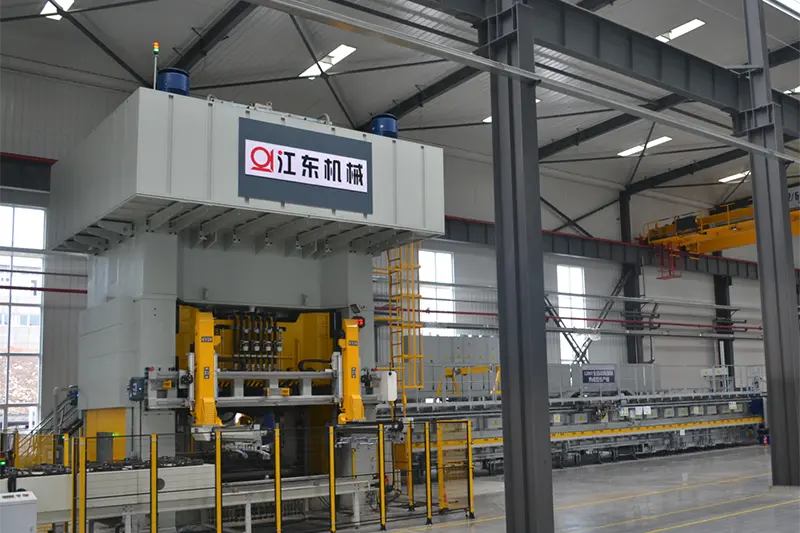
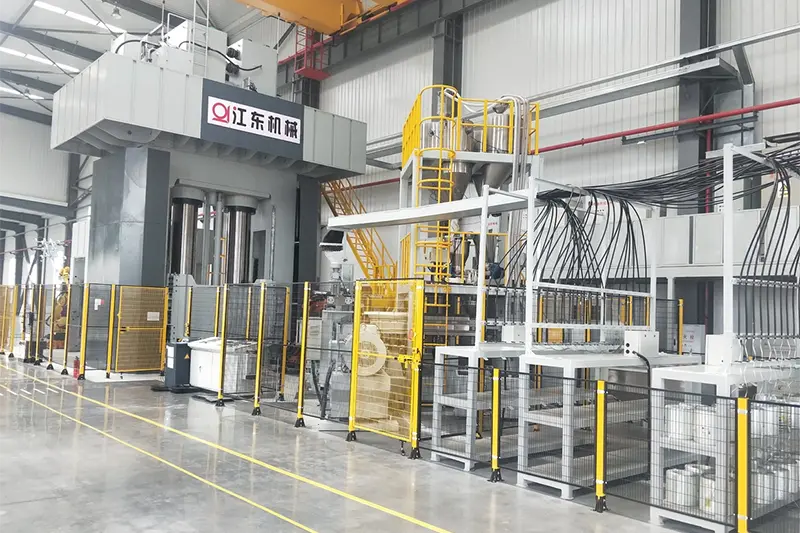
Hot Stamping Hydraulic Press Production Line
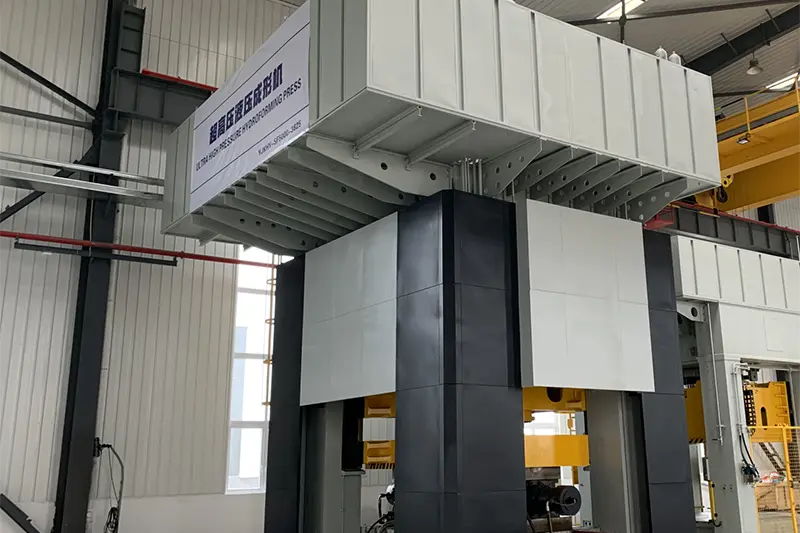
Hydroforming-Internal High Pressure Forming Production Line
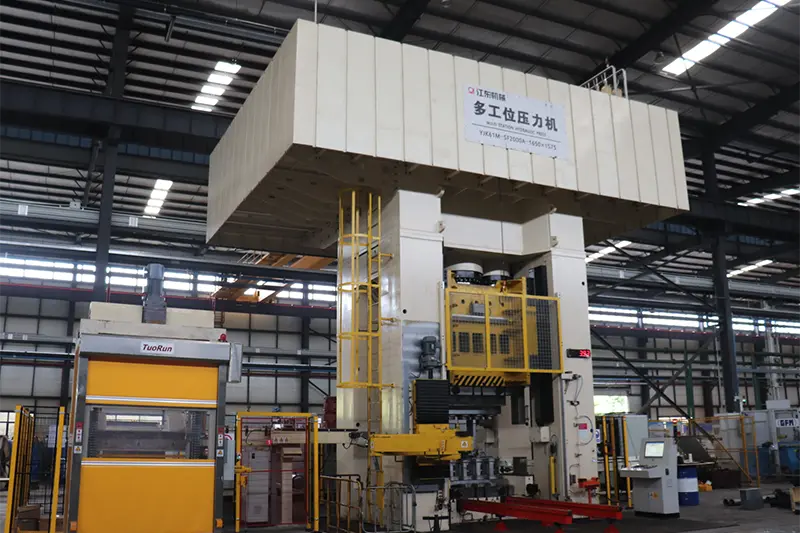
Multistation Extrusion Forging Production Line
Advanced thermal control and active parallelism adjustment for molding SMC, BMC, GMT, PCM, and LFT-D composite components.
LFT-D (Long-Fiber Thermoplastic Direct forming)
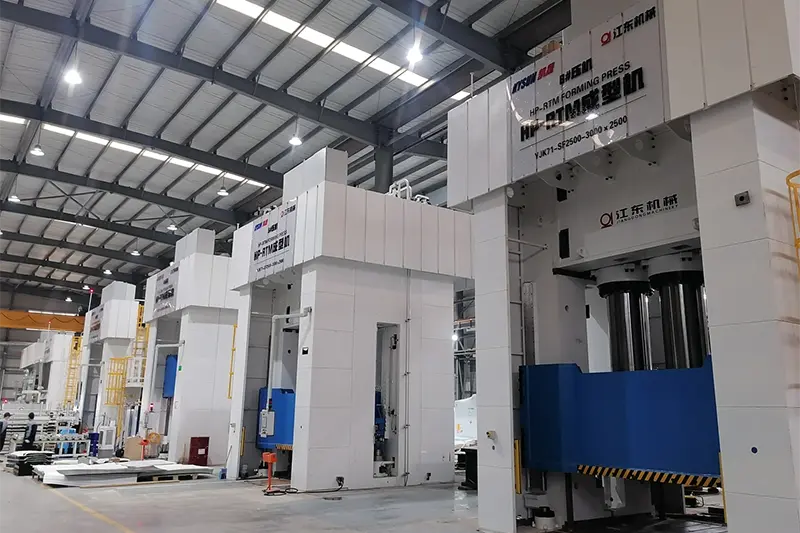
HP-RTM (High Pressure Resin Transfer Molding)
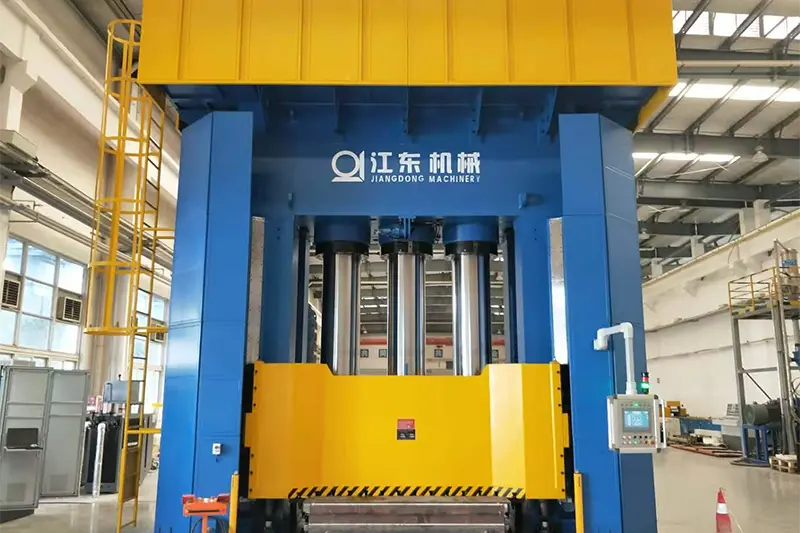
SMC / BMC / GMT / PCM Composite Molding
Specialized hydraulic solutions for gas cylinder drawing, superplastic forming (SPF), and isothermal titanium alloy forging.
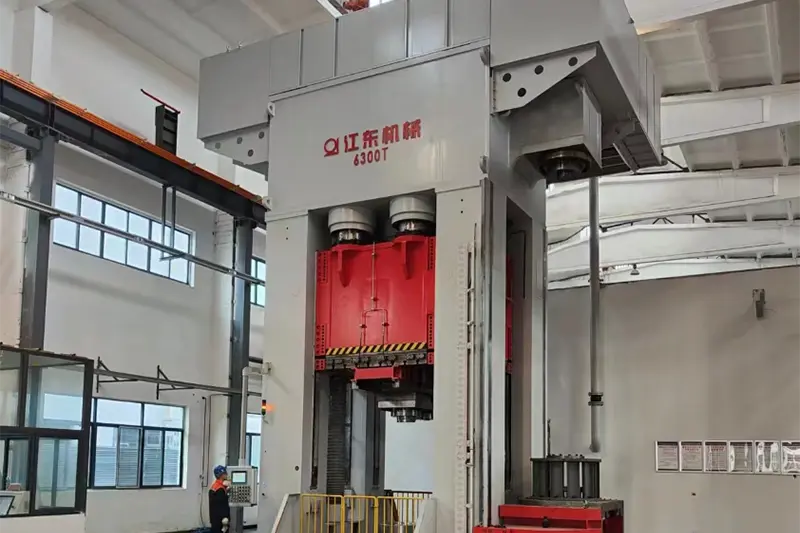
Iso Thermal Forging Technology
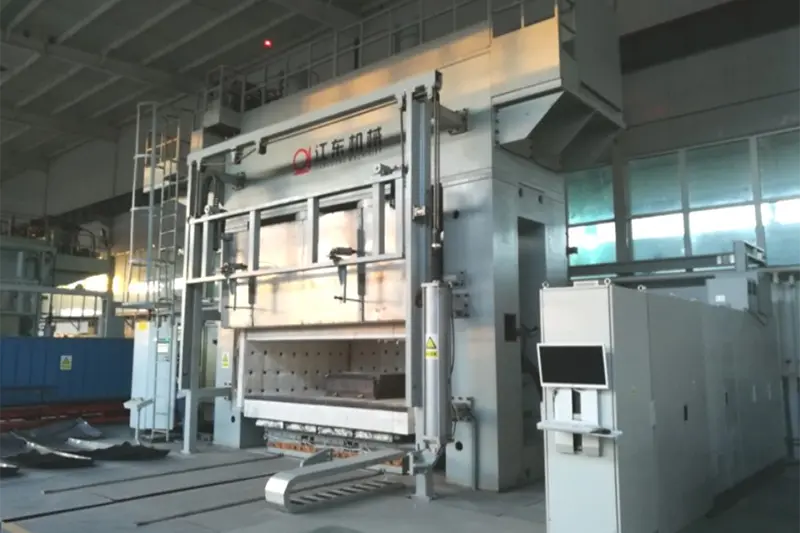
Superplastic Forming (SPF) Technology
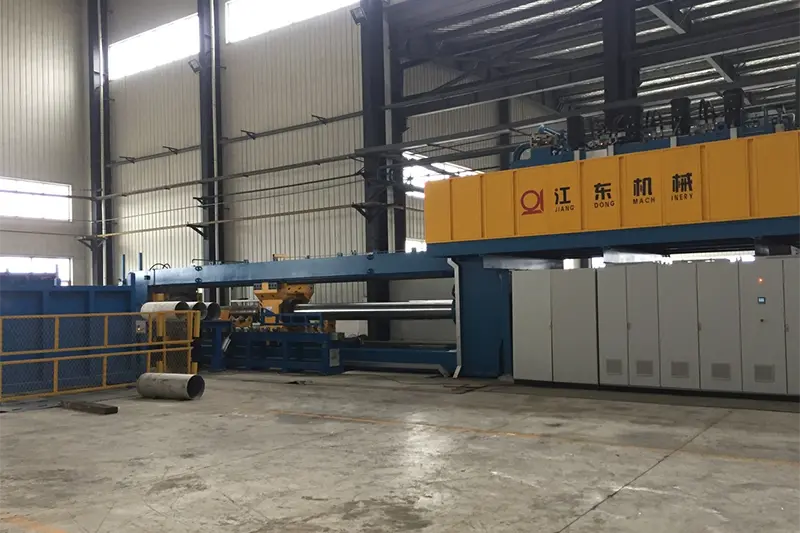
Gas Cylinder / Bullet Housing Stretching
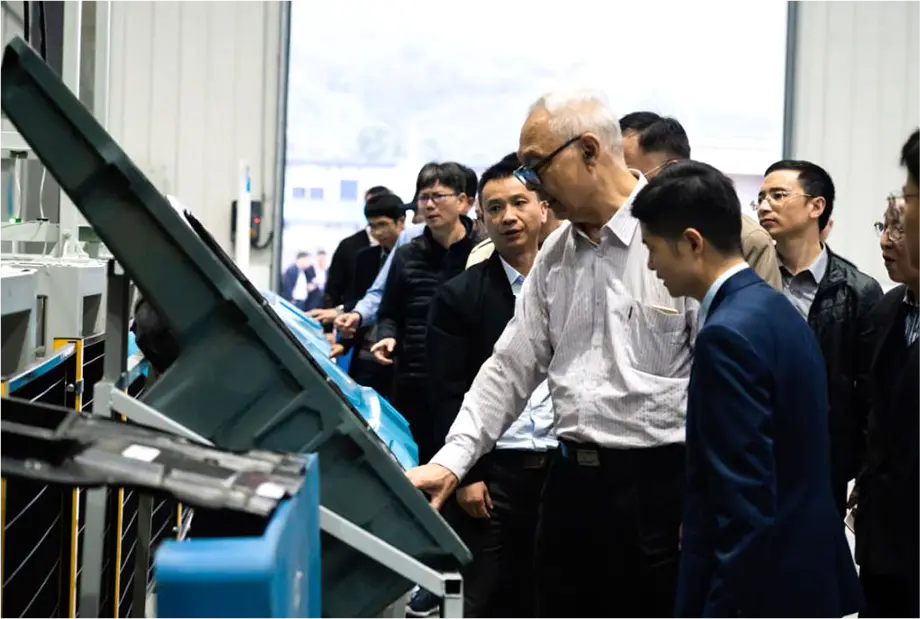
Chongqing Jiangdong Machinery Co., Ltd. (“Jiangdong Machinery”) is a comprehensive forging and forming enterprise integrating R&D, manufacture, sales, and aftermarket services for high-end hydraulic press systems, automated production lines, and lightweight components. By combining digital manufacturing with specialized hydraulic engineering, Jiangdong Machinery delivers high-speed, flexible forming systems tailored for global automotive, aerospace, and energy companies.
Our manufacturing complex is built around Factory 4.0 principles. We implement real-time diagnostics, robotic part handling, and digital closed-loop quality control to ensure every machine meets international standards. As an ODM supplier and exporter, we design custom systems that integrate directly into existing ERP systems and automated automotive lines.
From hot and cold stamping dies to lightweight composite molding (HP-RTM, LFT-D), Jiangdong Machinery provides complete, single-source turnkey forming solutions.
Providing global engineering support, remote system optimization, and custom-designed solutions.


How global manufacturers evaluate technology, optimize supply chain risk, and configure equipment.
Procurement teams in North America focus on regulatory compliance (including OSHA standards and ANSI B11.2 safety guidelines for hydraulic presses), along with robust automation and quick-change die systems.
To address these requirements, our export models feature integrated safety light curtains, dual-monitored safety valves, and automated safety catches. These mechanical safety interlocks protect plant operators during high-speed, multi-shift production runs.
European procurement specifications emphasize environmental compliance and high energy efficiency. Machinery must satisfy CE directives for electromagnetic compatibility and pressure equipment safety.
Our presses meet these requirements with variable-frequency servo pump configurations. These systems dynamically adjust fluid flow to match the exact requirements of each cycle segment, cutting energy waste and heat generation during high-speed forming operations.
In rapidly growing industrial hubs across Southeast Asia, manufacturers require durable systems that offer high throughput with low maintenance overhead.
Our ODM configurations focus on clean mechanical layouts and standard, globally sourced hydraulic components (such as Rexroth and Parker). This ensures plant operators can perform basic maintenance using locally available spare parts, minimizing reliance on overseas technical support.
A technical guide addressing key engineering, procurement, and operations questions.
Explore our turnkey, automated solutions engineered for modern manufacturing demands.
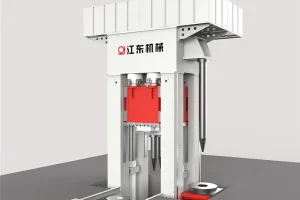
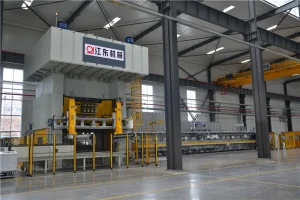
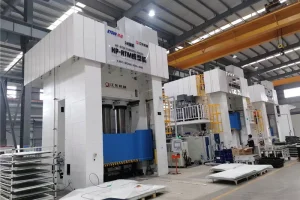
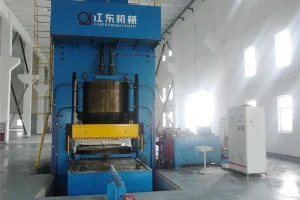
Keep pace with global technological shifts, international visits, and manufacturing upgrades.
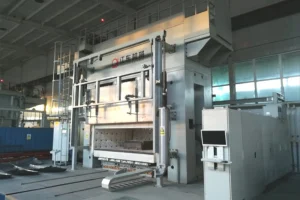
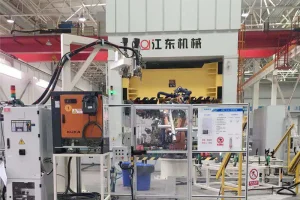
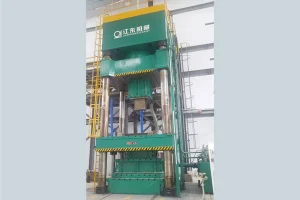
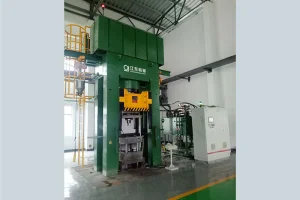
Partners from Thailand, Indonesia, and Malaysia visited our factory during the first quarter to review our latest automated hot stamping and composite molding systems. These visits highlight our growing role in supporting international manufacturing partners.
Chongqing Jiangdong Machinery presented its latest CNC hydraulic forming lines and smart press technologies at major international exhibitions, highlighting our focus on lightweight materials, energy efficiency, and industrial automation.
Connect with our engineering team to review your component dimensions, cycle time goals, and automation requirements. We provide complete turnkey systems from tool design to final installation.