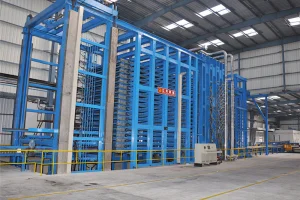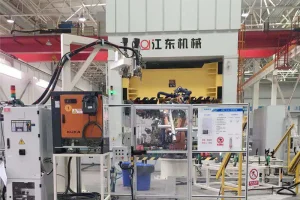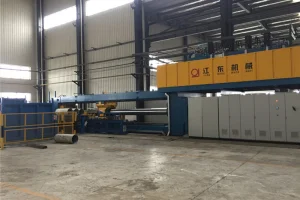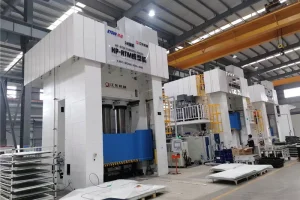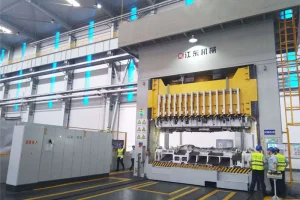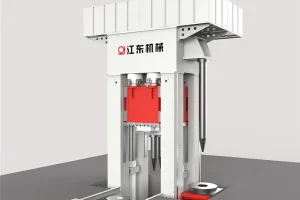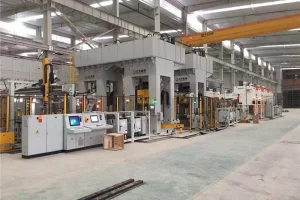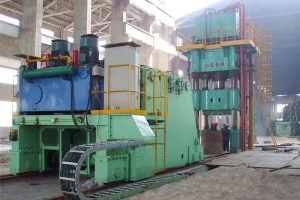
Discover our comprehensive array of custom-engineered heavy industrial hydraulic machinery, designed to maximize throughput, efficiency, and structural reliability.
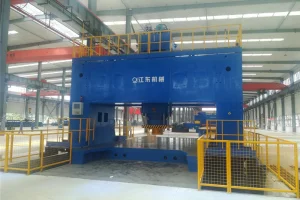
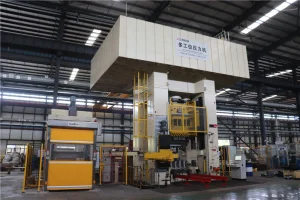
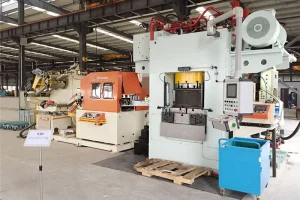
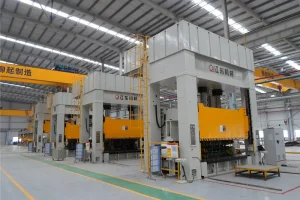
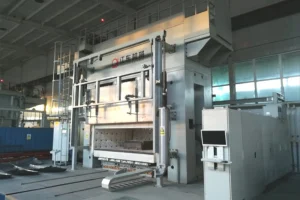
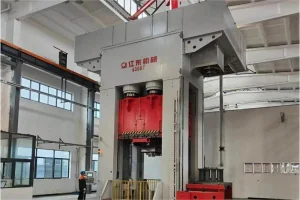
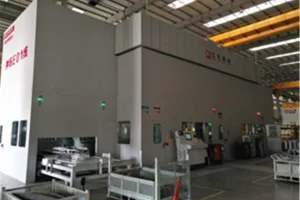
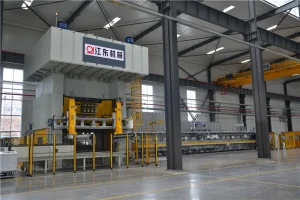
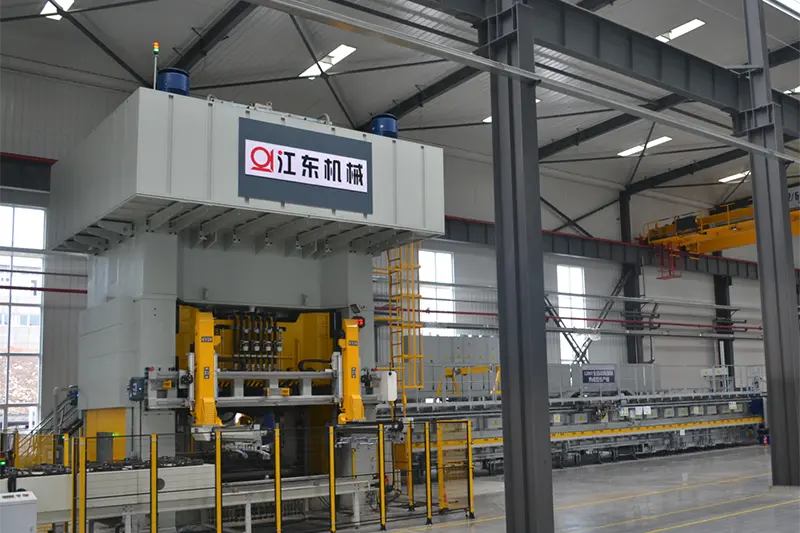
Chongqing Jiangdong Machinery Co., Ltd. (Jiangdong Machinery) is an industry-defining forging equipment enterprise integrating R&D, production, sales, and comprehensive lifecycle services of hydraulic presses, lightweight forming technologies, lightweight automotive/industrial components, hot and cold stamping dies, and high-strength metal castings. Our advanced technology and commitment to industrial excellence position us at the absolute vanguard of industrial metalforming.
Our research and development division consistently delivers next-generation hydraulic presses and automated production lines characterized by extreme intelligence, flexibility, and automation. Catering to critical lightweighting initiatives in the aerospace, defense, automotive, and logistics industries, we provide customizable, turn-key hydraulic forming systems and integrated processing technologies to meet standard and atypical technical specs.
VIEW MOREWe engineer tailored equipment to execute advanced metal and non-metal material transformations across diverse operational applications.
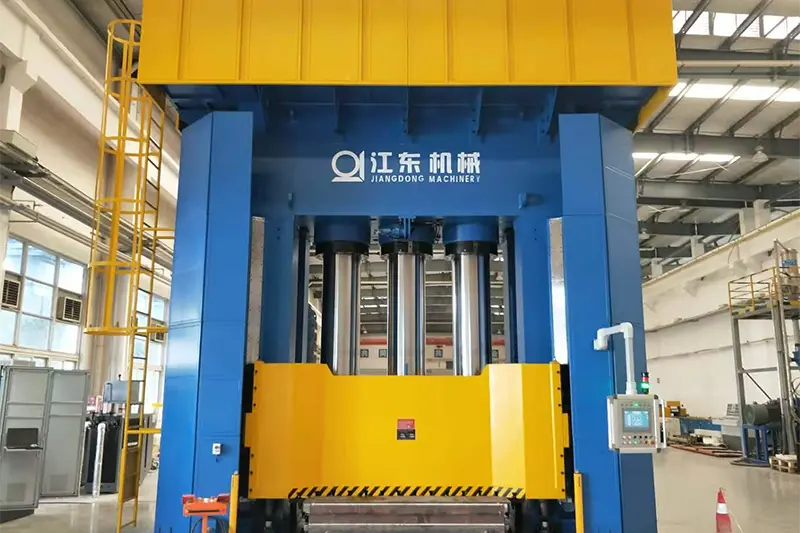
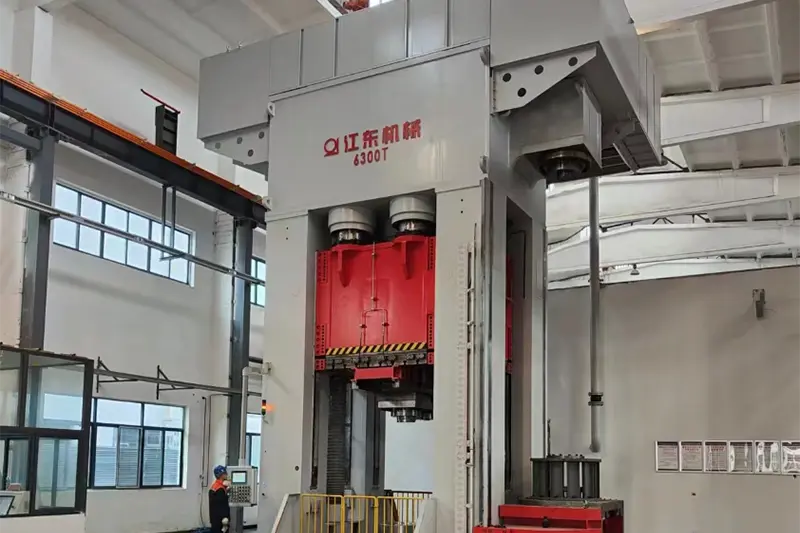
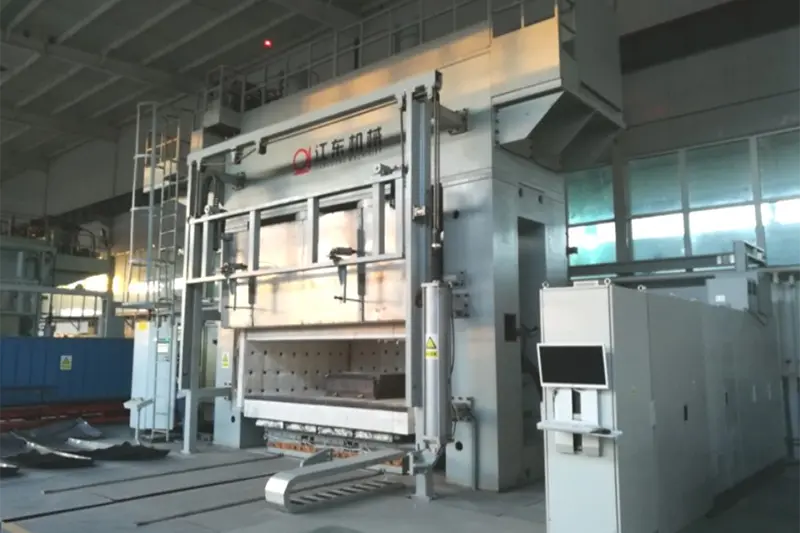
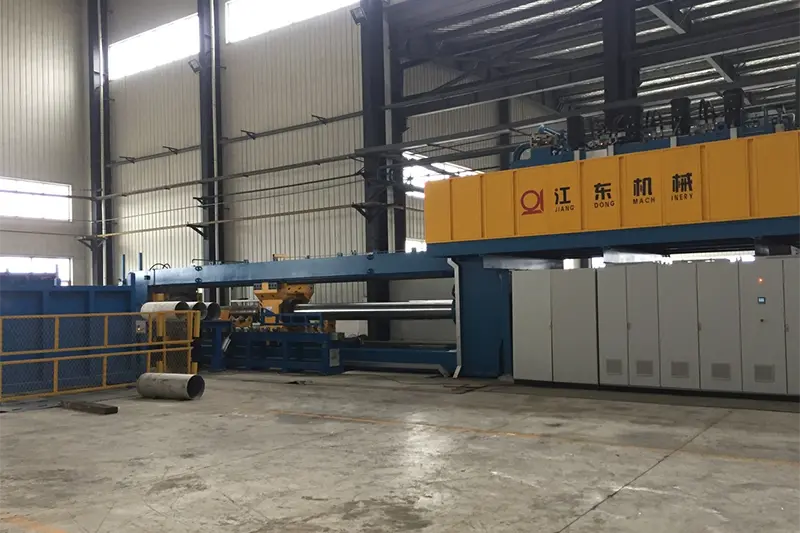
A technical examination of macro-industrial challenges, mechanical optimizations, and materials engineering in heavy manufacturing.
Modern industrial sectors are undergoing a significant structural shift. In the automotive industry, the transition to New Energy Vehicles (NEVs) requires reducing curb weight to extend driving range and offset battery pack mass. To maintain vehicle safety and structural integrity, manufacturers are adopting Ultra-High-Strength Steels (UHSS) and lightweight aluminum alloys. Similarly, the aerospace sector demands components with high strength-to-weight ratios, such as titanium alloy structural elements.
Forming these advanced materials poses challenges. Standard cold stamping methods lead to springback issues, high residual stress, and micro-cracking when shaping complex geometries or high-yield-strength alloys. High-speed hot stamping, superplastic forming (SPF), and hydroforming solve these problems by using thermal and hydraulic processes to improve material plasticity and achieve close-tolerance profiles.
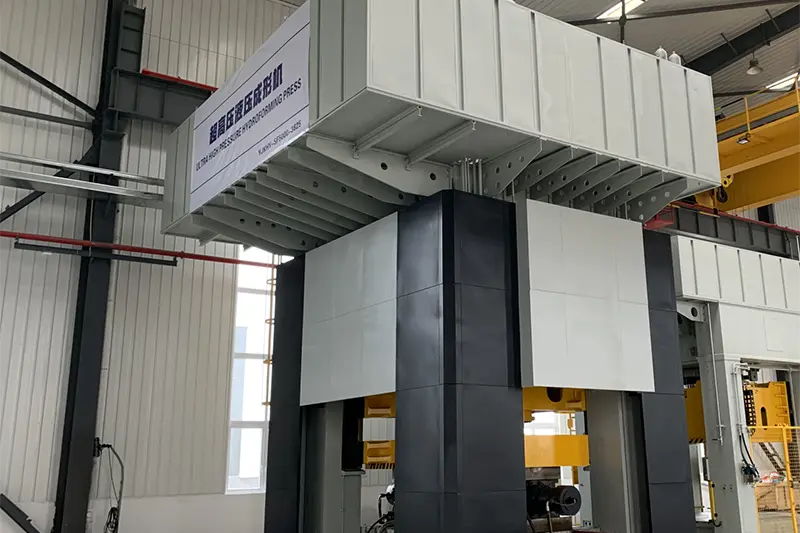
Internal high-pressure hydroforming uses pressurized fluids to expand tubular blanks within a die cavity. This process produces complex, seamless, hollow structural components with high stiffness-to-weight ratios. Combining active CNC fluid controls with synchronized axis feeding helps manufacturers prevent wall thinning and optimize weight in subframes, engine cradles, and instrument panel supports.
Hot stamping (press hardening) heats boron steel sheets to austenitization temperatures (approx. 900°C) before transfer to water-cooled dies. The press forms and rapidly quenches the steel (at cooling rates >30°C/s) to transform the microstructure to martensite. This process yields tensile strengths up to 1500–2000 MPa, allowing for thinner structural profiles that reduce weight without compromising passenger cabin safety.
Polymers and carbon-fiber-reinforced composites are replacing metal alloys in applications requiring low weight, corrosion resistance, and high damping capacity. Processing these materials requires precise control over pressure ramp rates, heating cycles, and degassing sequences to prevent void formation and ensure uniform fiber distribution.
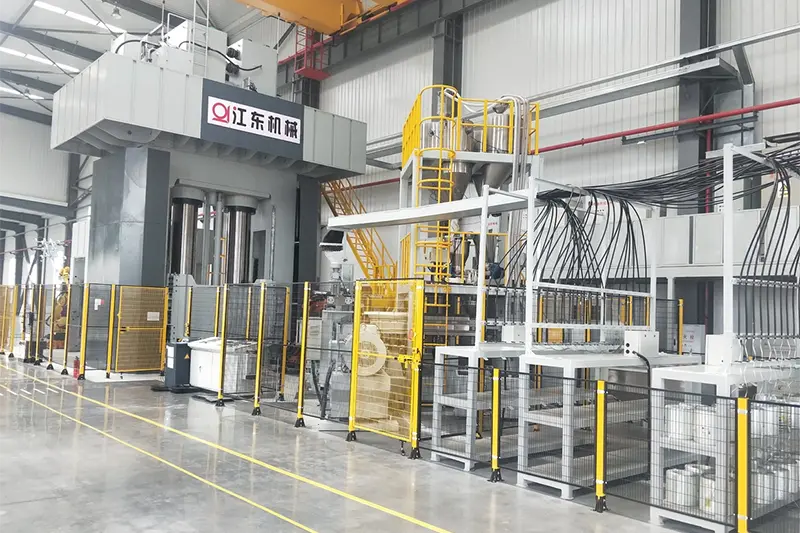
LFT-D (Long-Fiber Thermoplastic Direct Molding): This inline compounding system mixes thermoplastic resins (typically PP or PA) with continuous glass fiber rovings, extrudes the mixture as a hot charge, and transfers it to a compression molding press. Eliminating intermediate pelletizing steps helps preserve fiber length, which improves impact resistance and mechanical performance in structural components like front-end modules, underbody shields, and bumper beams.
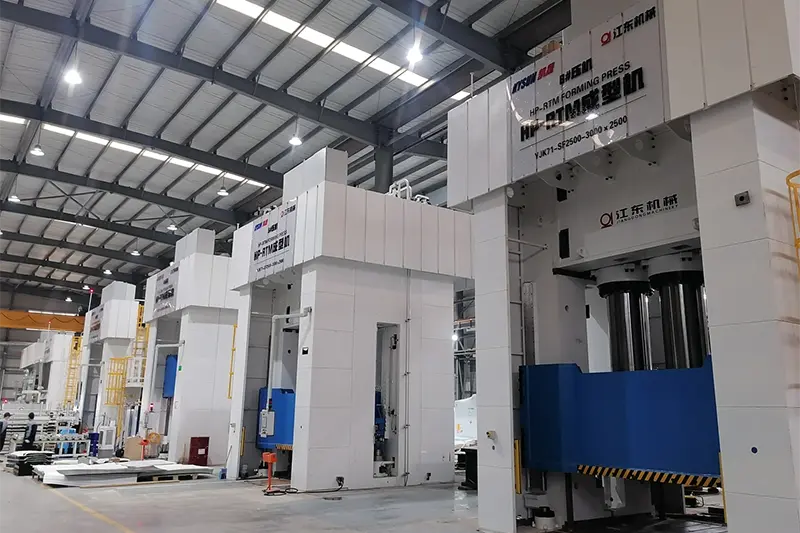
HP-RTM (High-Pressure Resin Transfer Molding): This process places dry fiber preforms into a sealed mold cavity, injects reactive resin systems (epoxy, polyurethane) at high pressure, and cures them under controlled temperature. This method produces structural carbon-fiber parts with class-A surface finishes and short cycle times, meeting the production demands of the automotive assembly line.
For high-temperature applications, such as jet engine turbines and military aerospace frame components, advanced materials like titanium, nickel, and intermetallic superalloys are necessary. However, these materials have limited ductility at room temperature and must be formed using isothermal and superplastic techniques.
Isothermal Forging: In this process, the dies are heated to the same temperature as the workpiece, eliminating thermal gradients during deformation. This allows for slow, controlled strain rates that produce uniform grain structures and minimize material waste in high-cost alloys.
Superplastic Forming (SPF): SPF takes advantage of the superplasticity exhibited by certain fine-grained alloys (such as Ti-6Al-4V) at specific temperatures and low strain rates. Applying inert gas pressure deforms the sheet material into deep, complex shapes without necking or localized thinning. This allows for the production of integrated single-piece structures that replace multi-part assemblies, reducing fastener count and structural weight.
Jiangdong Machinery delivers integrated technological process solutions designed to simplify manufacturing lines, reduce operations, and enhance quality control.
Jiangdong Machinery exports to regions with strict industrial safety and quality requirements, including the European Union, North America, and Southeast Asia. We ensure our equipment is certified and compliant with local standards to protect operators and safeguard investments.
Our machinery carries CE Certification and meets international guidelines like the Machinery Directive (2006/42/EC), Low Voltage Directive (2014/35/EU), and EMC Directive (2014/30/EU). In North American markets, we design electrical control cabinets to UL 508A standards and configure dual-channel safety monitoring loops to meet ANSI B11.19 specifications for metal forming press safety.
We work closely with local engineering teams during installation, commissioning, and die tryout phases. By establishing localized spare parts depots and offering remote diagnostic capabilities, we help resolve technical issues quickly and reduce unplanned downtime in high-volume production environments.
We provide ongoing engineering support throughout the life of your machinery, from design to system maintenance.

Custom engineering tailored to your product geometries, cycle times, and automation constraints.

Real-time technical support via secure VPN connections to troubleshoot PLC programs and hydraulic valves.

Routine inspections, oil analysis, and seal replacement plans to maintain press performance.

On-site assistance for process optimization, die integration, and operator safety training.

Rapid shipping of critical parts, including proportional valves, safety blocks, cylinders, and PLC modules.
Jiangdong Machinery is focused on the future of industrial forming. Our R&D roadmap concentrates on digital connectivity, energy-efficient hydraulic systems, and process automation.
By integrating multi-sensor arrays—monitoring parameters like vibration, cylinder pressure, temperature, and oil quality—our control systems analyze operational health in real-time. Edge computing modules detect deviations before component failure occurs, alerting maintenance teams and preventing costly unscheduled downtime.
By replacing traditional proportional valve systems with servo-motor-driven hydraulic pump architectures, we improve energy efficiency and process control. Servo-hydraulic presses consume up to 50% less energy during idle phases, run quieter, and offer precise control over speed and pressure profiles for complex forming tasks.
Technical answers to key engineering and procurement questions regarding hydraulic presses.
Hot stamping heats boron steel to above recrystallization temperatures, making it highly formable. Rapid cooling within the water-cooled die transforms the steel into a martensitic structure, eliminating springback and achieving tensile strengths up to 2000 MPa, which is not possible with cold stamping.
Hydroforming controls thickness by balancing internal hydraulic expansion pressure with mechanical axial feeding. Synchronizing the axial cylinders prevents localized thinning, allowing for uniform wall thickness across complex geometry profiles.
For high-volume automotive production, HP-RTM (High-Pressure Resin Transfer Molding) is ideal. It produces high-quality surface finishes and low-void parts with short cycle times. For structural components where cycle speed is the main priority, LFT-D compression molding provides a cost-effective alternative.
Our equipment is built to meet international standards. We design to CE specifications for Europe and use UL 508A-certified control panels for North America. Safety features include dual-channel safety monitoring, light curtains, interlocked physical fencing, and monitored hydraulic drop-prevention blocks.
Isothermal forging keeps the dies and workpiece at the same temperature, preventing surface chilling. This allows slow, controlled deformation that reduces internal stresses, produces uniform grain structures, and minimizes material waste in high-cost titanium and superalloy parts.
Follow our latest international collaborations, customer site visits, and global industry presentations.
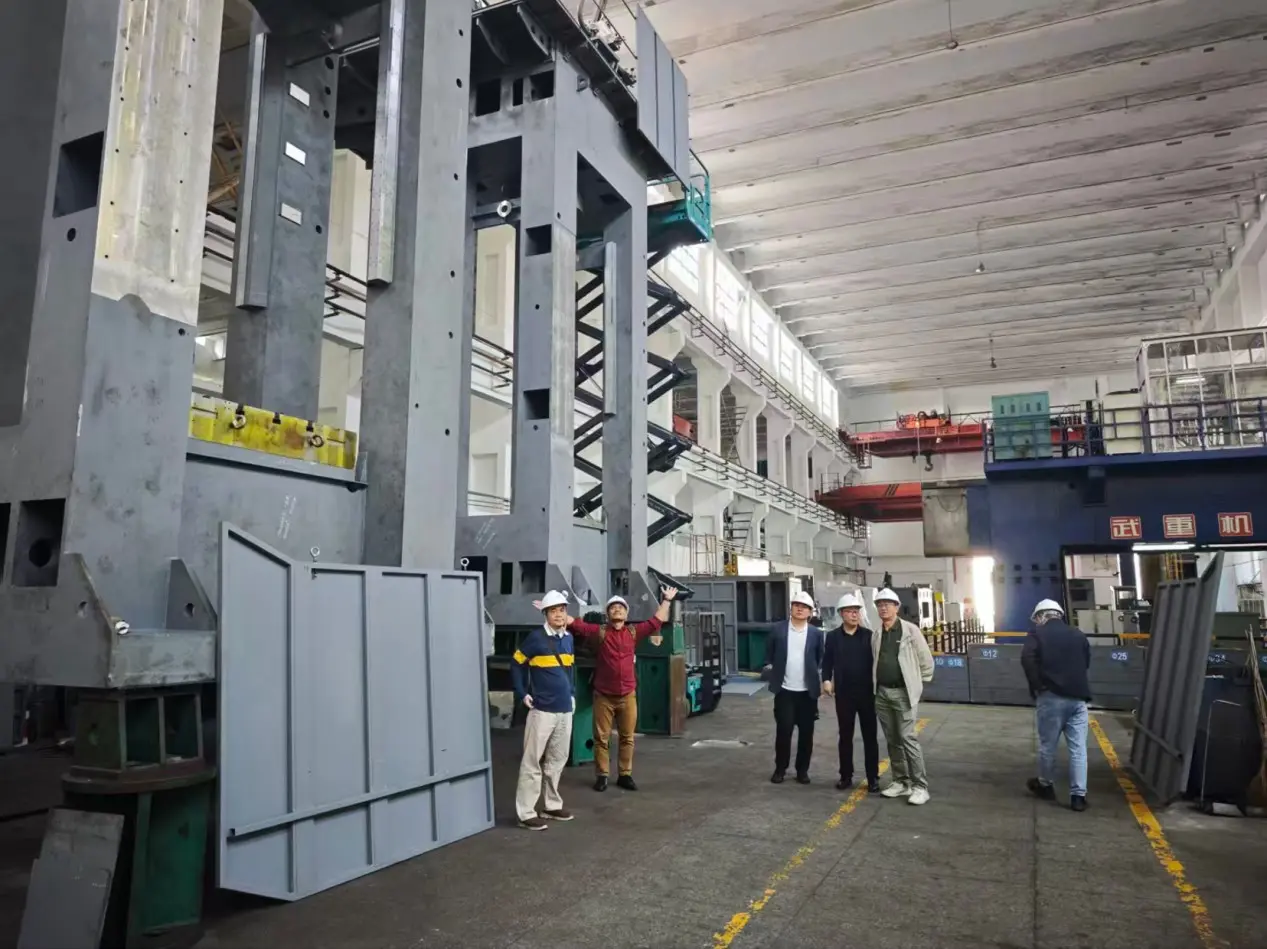
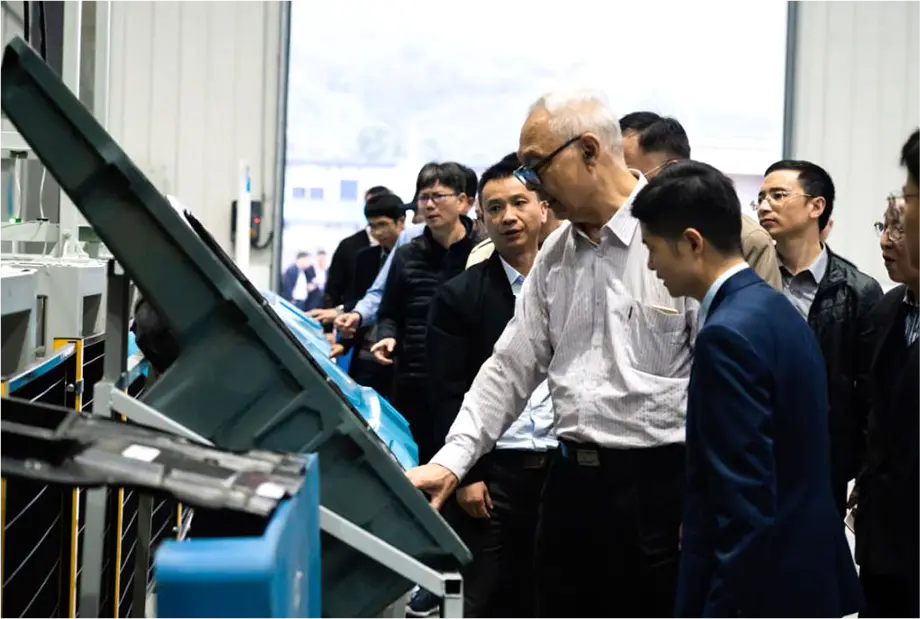
A business delegation from Indonesia recently visited our manufacturing facility to evaluate our engineering capabilities, quality management systems, and technical advances. This visit has established a foundation for new joint projects in automated sheet metal forming lines in Southeast Asia.
Read Full ArticleWe recently hosted partners from Thailand, Indonesia, and Malaysia at our headquarters. These meetings focused on expanding localized service networks and discussing joint equipment engineering projects for regional automotive hubs.
Jiangdong Machinery continues to expand its international presence, presenting our latest lightweight composite forming equipment and hot stamping solutions at major international trade exhibitions.
Browse our selection of specialized industrial manufacturing lines, drawing machinery, and high-capacity hydraulic presses.