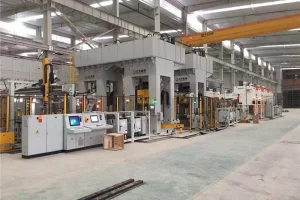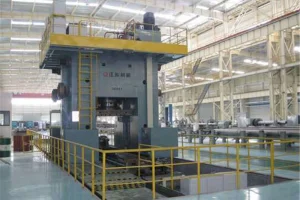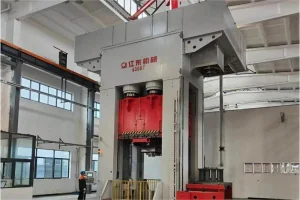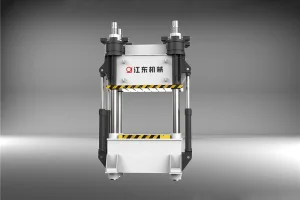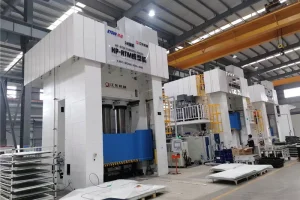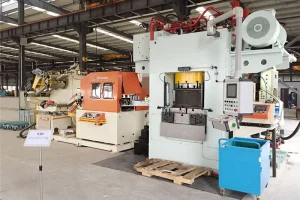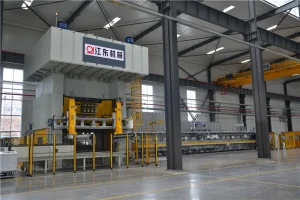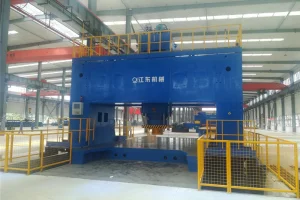
Deploying robust hydraulic force systems certified for high-volume manufacturing environments, designed for maximum lifecycle efficiency.
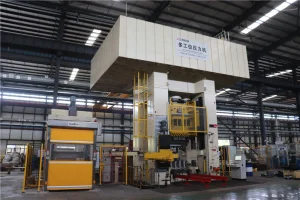
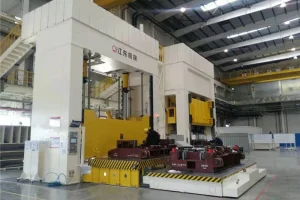
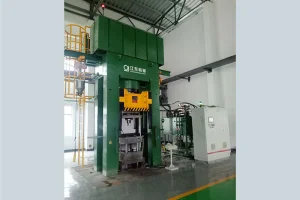
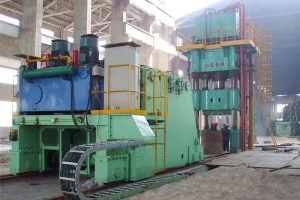
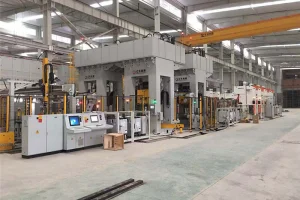
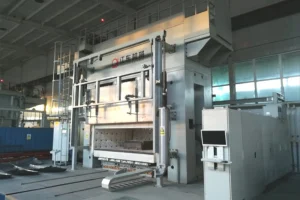
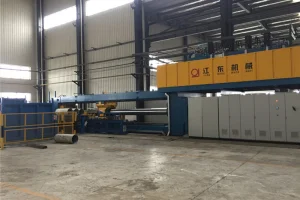
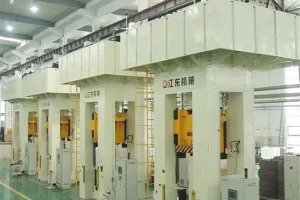
Hydraulic press force stands as the cornerstone of heavy manufacturing, high-pressure metallurgy, and advanced polymer consolidation. In the modern industrial landscape, "Force" is no longer defined merely by raw tonnage. True performance is calculated at the intersection of precision stroke control, variable pressure profiling, thermo-dynamic stability, and real-time digitalization.
Historically, global manufacturing has relied on static mechanical stamping units. However, the rise of advanced alloys, carbon-fiber reinforced plastics (CFRP), and precision powder metallurgy demands dynamic control systems. Modern high-quality hydraulic press solutions integrate servo-hydraulic systems, reducing energy consumption by up to 50% while delivering millisecond-level pressure response times. This optimization ensures absolute alignment with the stringent quality standards of modern supply chains.
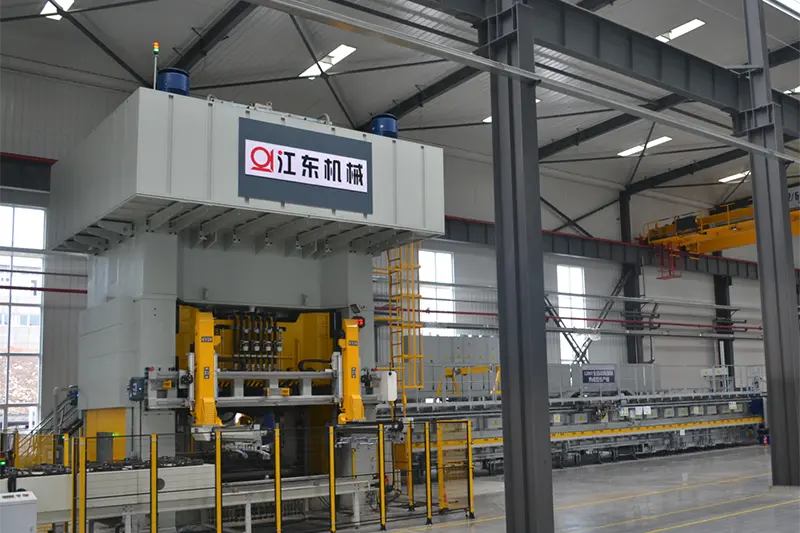
Deploying advanced mechanical force vectors to form highly durable sheet metal profiles. Engineered to withstand high cycle fatigue while maintaining dimensional precision.
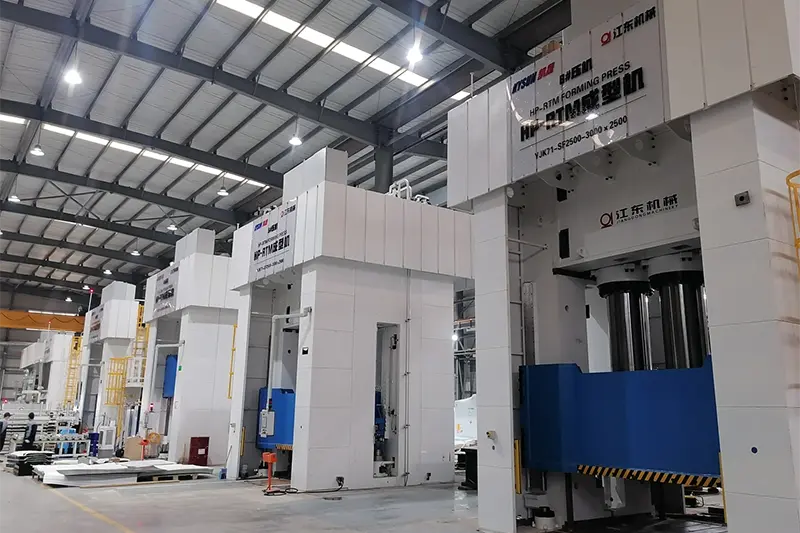
Processing state-of-the-art materials like carbon fiber, fiberglass, and thermoplastics using sophisticated thermal and pressure cycles under ultra-controlled parameters.
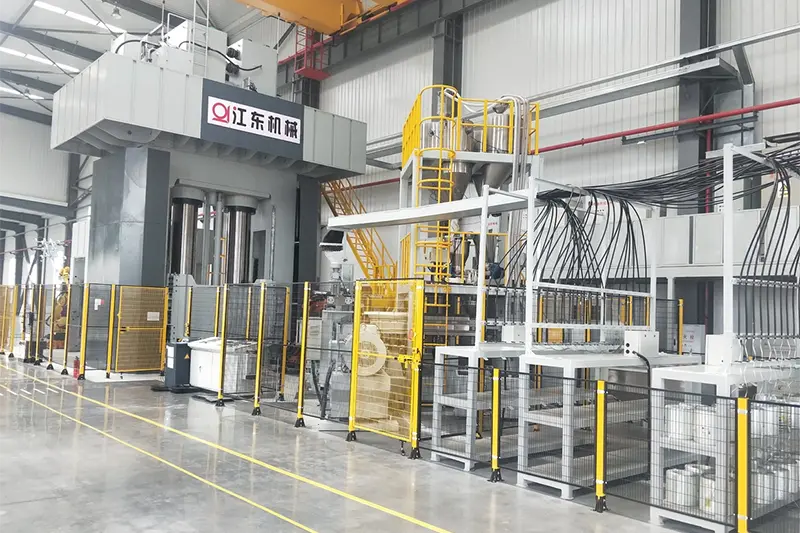
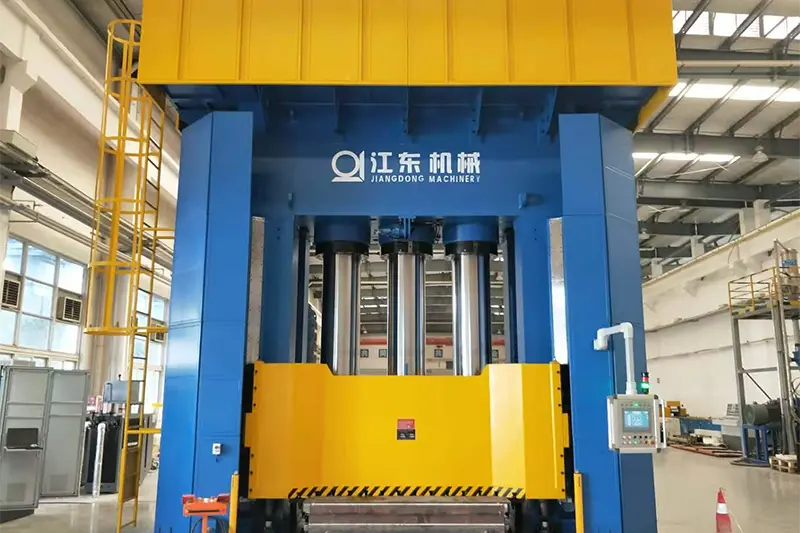
Niche high-pressure configurations targeting complex shapes and extreme tensile specifications for strategic global industries.
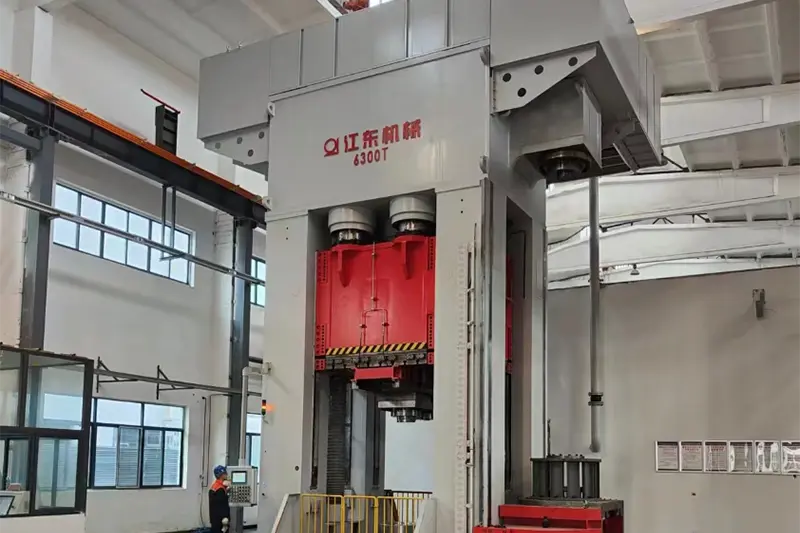
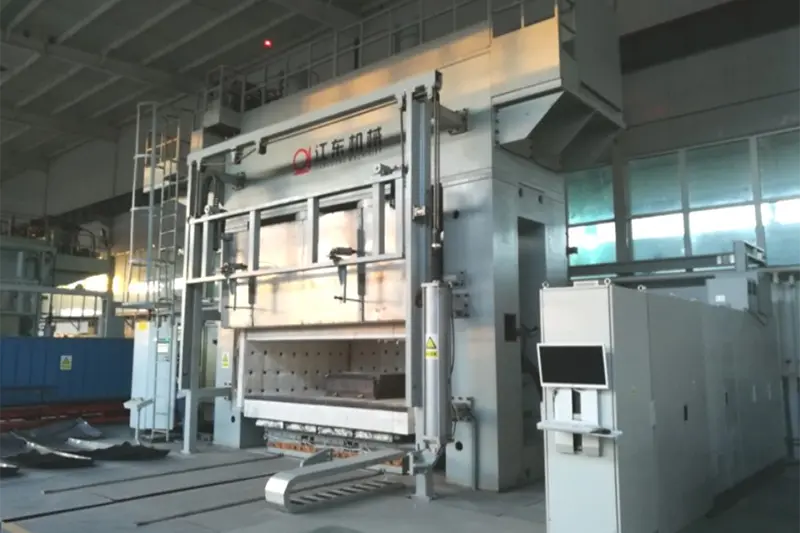
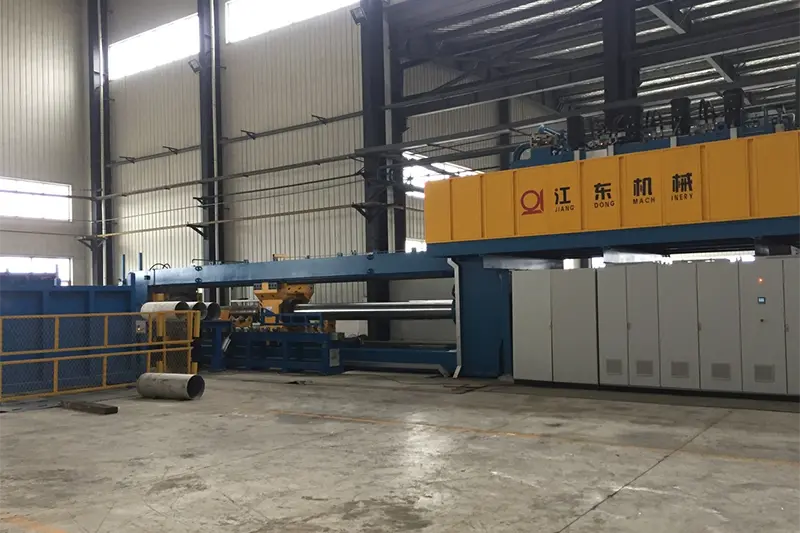
Jiangdong Machinery is committed to understanding and matching customer needs. Providing customers with a "one-stop" overall solution has become the primary pursuit of the company.
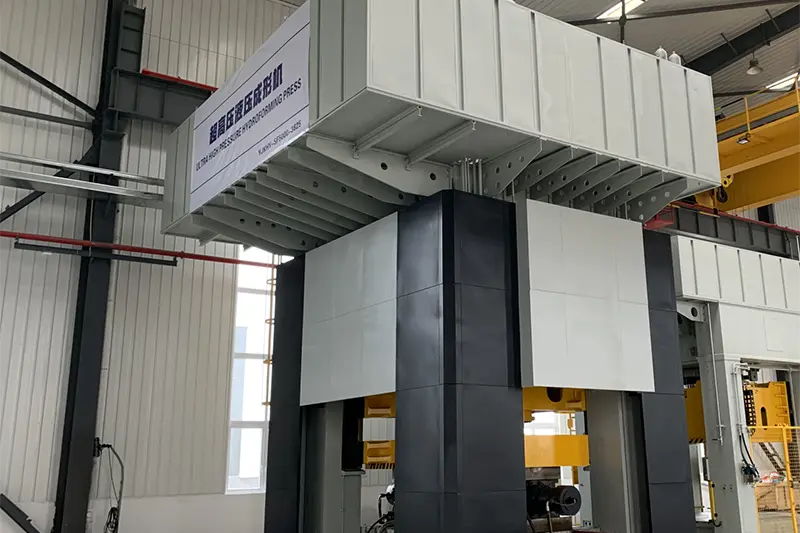
Delivering high internal pressure forming systems coupled with custom horizontal and vertical clamping dynamics. Excels in complex automotive tube designs and chassis structures.
Fully automated ultra-high strength steel (UHSS) hot stamping lines capable of operating at extreme temperatures to achieve superior yield strengths for crash-safety components.
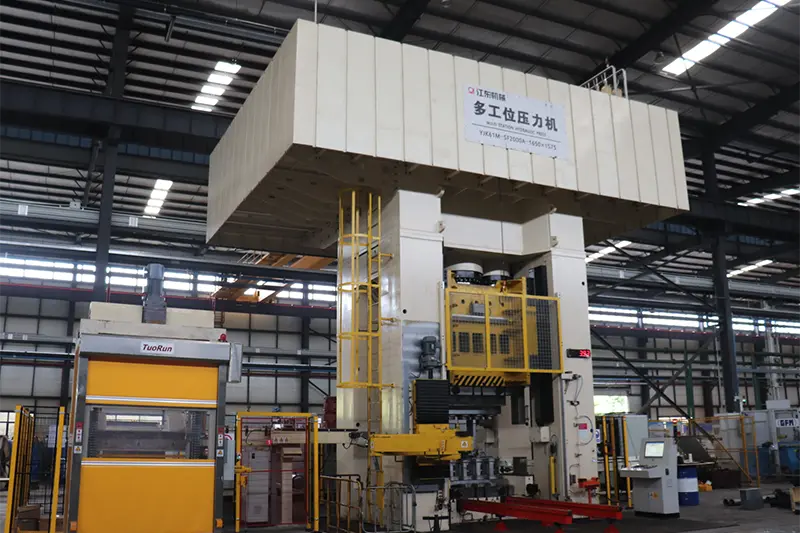
Continuous progression, automatic transfer, and high precision blanking platforms that increase yield, eliminate secondary grinding, and optimize raw material utilization rates.
Engineered for lightweight titanium alloy and aluminum-lithium structures. Ideal for high-end aerospace bulkheads, skin panels, and turbine blades.
Processing structural composite materials under tightly integrated heating and fast-closing pressure curves. Serves the new energy vehicle (NEV) battery shell and structural market.
Looking for a custom tonnage or specific cycle parameters? Our team of over 150 engineers designs bespoke hydraulic press structures built to your manufacturing layouts.
China's hydraulic machinery sector has matured from localized component sourcing to providing fully integrated turnkey manufacturing systems. Factories like Chongqing Jiangdong Machinery harness a localized supply chain containing specialized steel casting foundries, precision hydraulic valve manufacturers, and internationally integrated PLC suppliers (such as Siemens, Rexroth, and Beckhoff).
This localized cluster reduces raw lead times by 30% compared to Western counterparts, offering substantial cost advantages without compromising precision engineering standards. Heavy-machinery manufacturing is backed by massive gantries, high-capacity heat-treatment furnaces, and ISO-certified quality assurance procedures.
Global procurement teams prioritize equipment reliability, total cost of ownership (TCO), and regional compliance. High-end hydraulic press purchases require adherence to European CE regulations, American ANSI standards, and regional electrical protocols.
Modern factories must offer remote predictive diagnostics, allowing engineers to troubleshoot proportional valve systems, hydraulic cylinder seals, and sensor relays from thousands of miles away. Crucially, spare parts availability and localized service partnerships are vital factors during the procurement evaluations of Tier-1 industrial buyers.
A critical engineering mistake in procurement is over-specifying force requirements, leading to excessive energy consumption, or under-specifying, resulting in material springback. Correctly sizing press forces requires accurate calculations based on contact area ($A$), ultimate tensile strength of the sheet material ($\sigma_u$), and friction coefficients ($\mu$). For example, in deep drawing:
Required Force (F) = C * π * d * t * σu [Where C represents drawing coefficient correction, d=diameter, t=thickness]
Our engineering support department provides finite element analysis (FEA) to simulate metal flow and shear stress patterns. This allows us to recommend optimized tonnage, slide speed profiles, and cushion cushion forces before manufacturing begins.
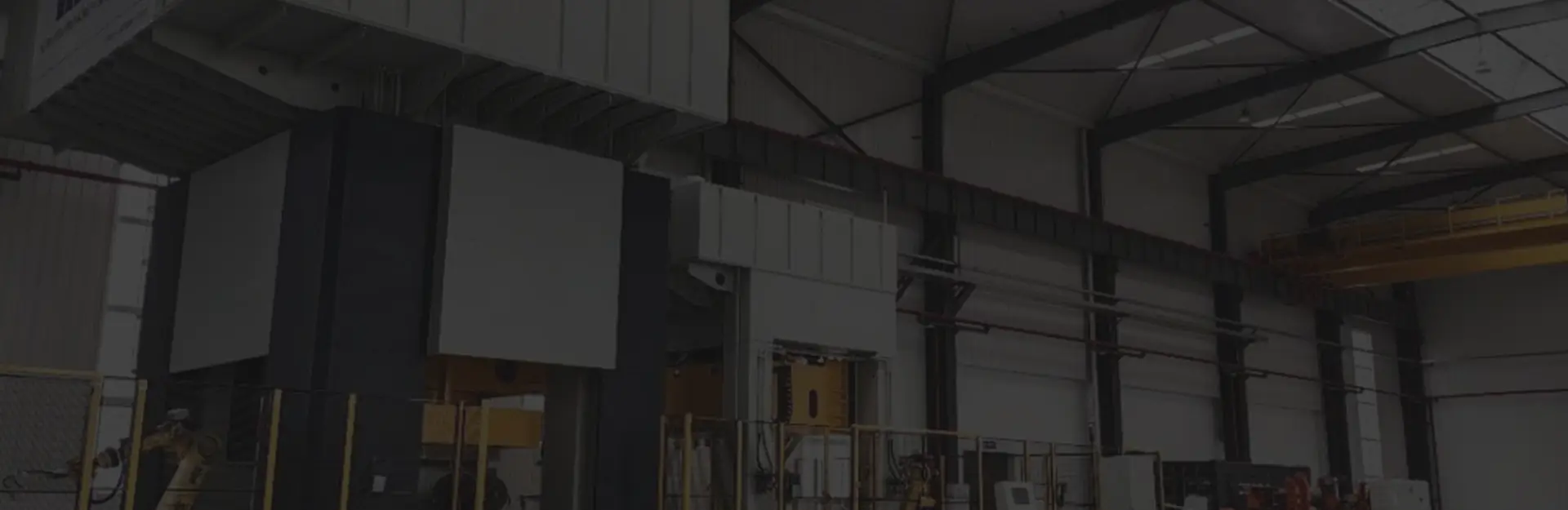
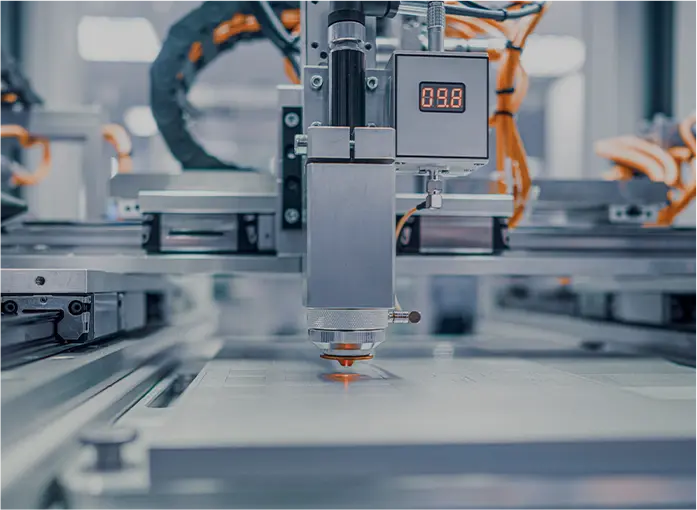
Jiangdong Machinery is a comprehensive forging enterprise integrating R&D, production, sales, and service of hydraulic presses, lightweight forming technologies, lightweight structural parts, hot/cold stamping dies, and high-performance metal castings. Our advanced equipment manufacturing facilities produce hydraulic presses and complete automated production lines featuring high-level intelligence, digital integration, and flexibility.
We provide global industries with metal and non-metal forming equipment and comprehensive systems, specializing in automotive lightweighting, structural integrity, and high-pressure forming fields.
VIEW MORE ABOUT US
Bespoke engineering designs optimized for plant layouts, material variations, and automated robotic line integrations.

Real-time machine-level diagnostics via secure Industrial IoT gateways to minimize downtime and guide local maintenance teams.

Scheduled calibration check-ups, fluid analysis, cylinder seal replacements, and servo alignment optimization programs.

Direct communication channels with senior mechanical, hydraulic, and software engineers to resolve operation bottlenecks.

Global logistics support delivering OEM valves, sensors, cylinders, and sealing kits directly from centrally managed warehouses.
Comprehensive operator training for plant staff covering CNC interfaces, safety protocols, and daily check routines.
Force calculations rely on fluid pressure multiplied by the effective piston surface area ($F = P \times A$). To prevent micro-cracking in advanced alloys like Titanium or high-yield structural steels, we deploy progressive force profiling. Instead of applying sudden pressure, our control systems utilize servo proportional valves to modulate pressure buildup during the deformation phase. This allows the grain boundaries of the alloy to flow smoothly without tearing or creating residual internal stresses.
LFT-D (Long-Fiber Thermoplastic Direct) systems compound raw polymers and fibers inline, feeding hot extrudate directly into the compression press. This requires fast closing speeds (up to 800 mm/s) to distribute the melt before it cools.
HP-RTM (High-Pressure Resin Transfer Molding) presses clamp dry preforms and inject liquid resin under high pressure. They require precise parallel mold positioning to prevent fiber wash.
SMC (Sheet Molding Compound) presses deal with pre-impregnated fiber sheets requiring long, controlled cure times with precise mold temperature zones.
During hot stamping, asymmetric heat distribution in dies creates thermal expansion gradients. If the press slide tilts by even fractions of a millimeter, it results in uneven contact pressures, causing variations in the cooling rate. Our active leveling system uses four independent servo cylinders at the corners of the slide, operating under closed-loop controls, to dynamically correct for eccentric loads and maintain absolute parallelism.
In conventional forging, the workpiece cools rapidly when it contacts the cold dies, creating high friction and material hardening. In isothermal forging, the dies are heated to the same temperature as the workpiece (often over 1000°C for superalloys). This eliminates the thermal gradient, allowing the material to deform under low strain rates and forces. This is essential for manufacturing rotating parts like jet engine turbine discs.
Continuous operations build significant thermal energy within the hydraulic oil, degrading viscosity and destroying system seals. We integrate water-glycol or air-cooled dynamic heat exchangers managed by PLC thermostats. The system maintains hydraulic fluids within their optimal temperature envelope (38°C to 50°C), preserving proportional valve performance and increasing cylinder seal longevity.
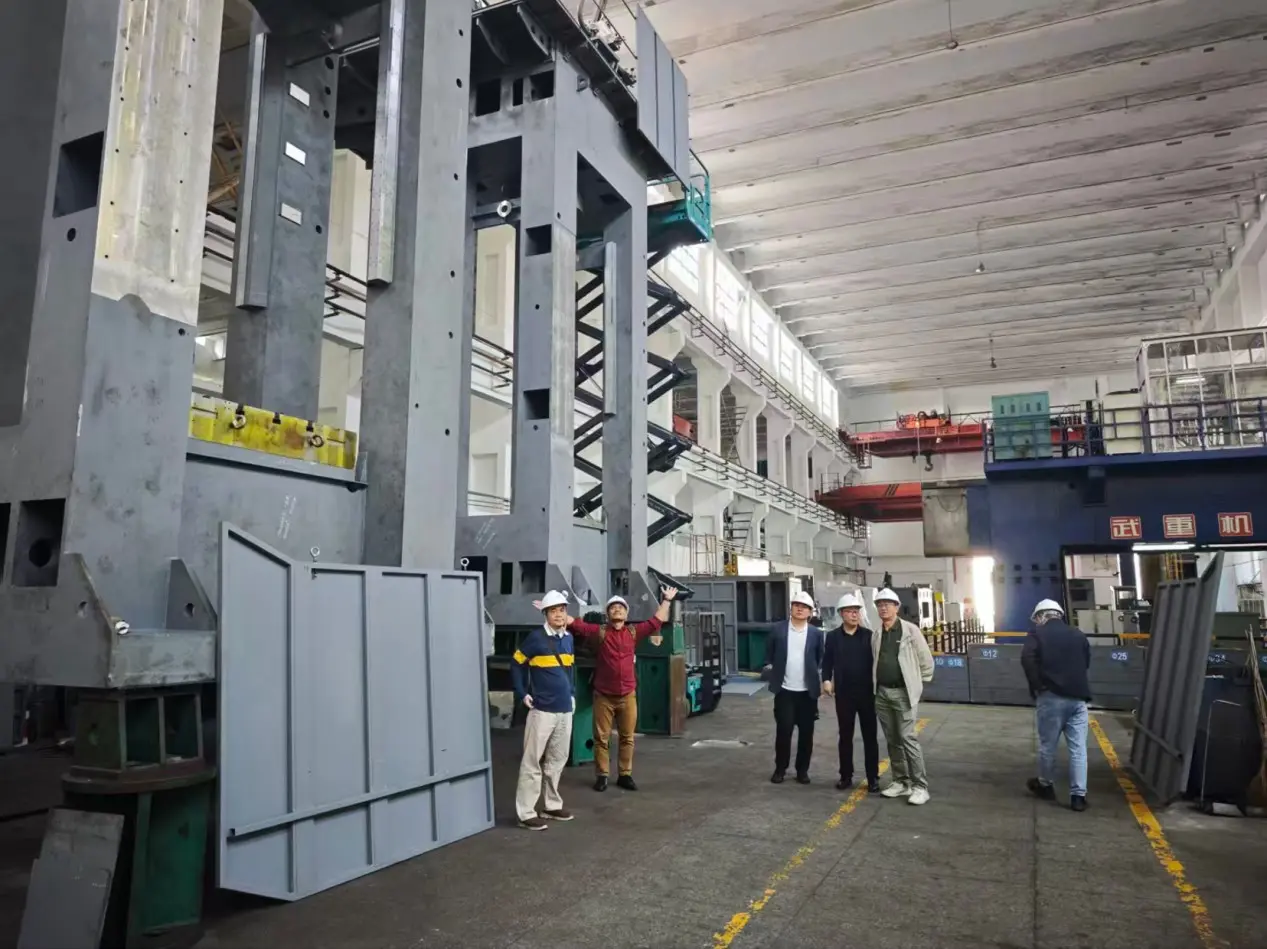
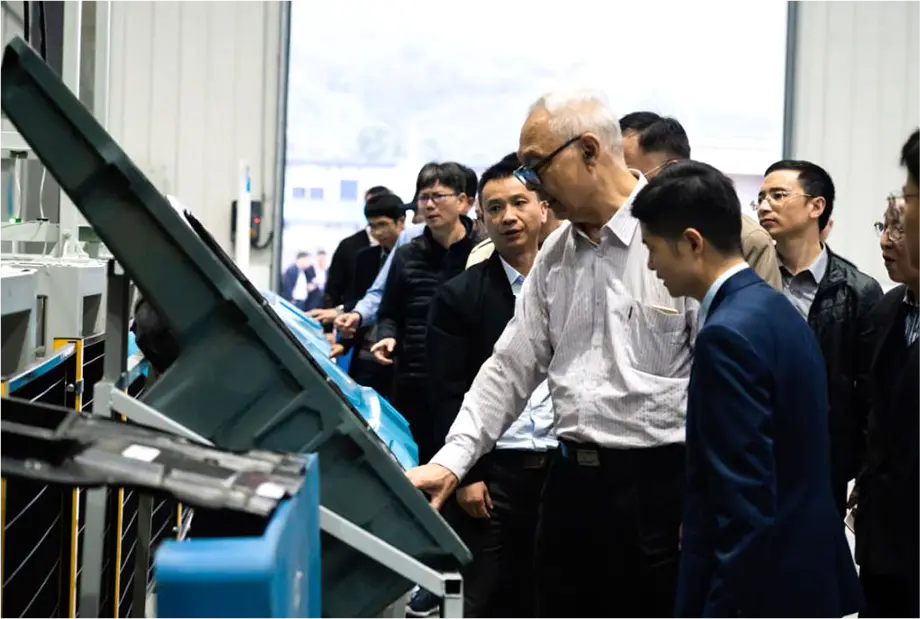
Recently, a delegation of Indonesian automotive manufacturing customers visited Chongqing Jiangdong Machinery to inspect production capabilities, quality management procedures, and advanced technical designs. This visit establishes a framework for deep cooperation in regional lightweight sheet metal stampings.
Customers inspected the assembly line for heavy multi-station transfer systems and verified raw material tracking standards...
Strategic partners from Thailand, Indonesia, and Malaysia arrived at Chongqing headquarters to finalize composite molding equipment procurements...
Showcasing our latest breakthroughs in HP-RTM composite structural modeling and smart control algorithms on the global stage...
High-capacity machinery engineered for aerospace structural alloys, composite forming, and robotic-line integration.