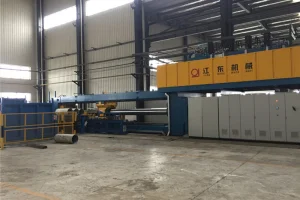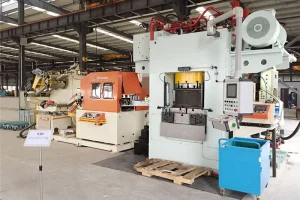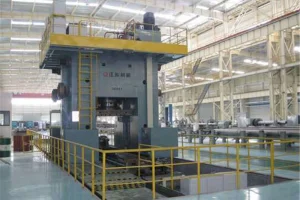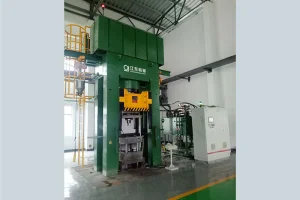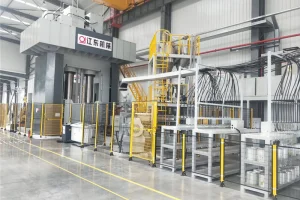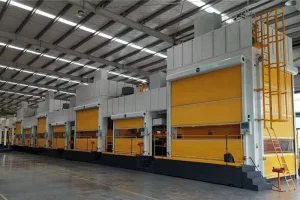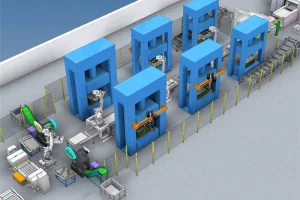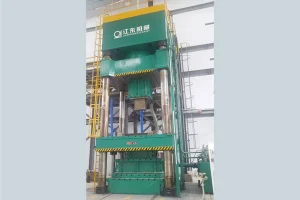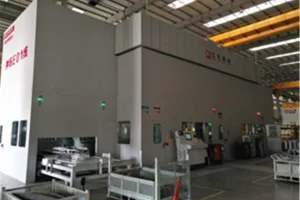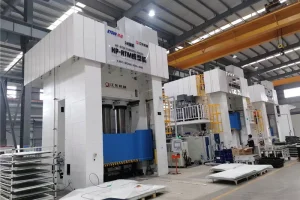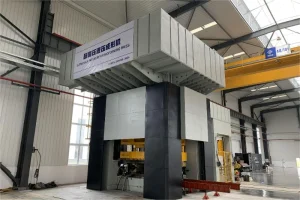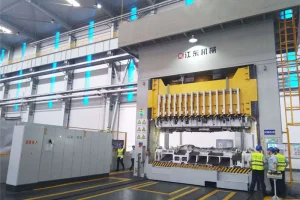
Discover our signature line of heavy-duty hydraulic presses and custom industrial automated lines designed for high-stress manufacturing sectors.
A deep industry perspective into the engineering demands, materials transition, and structural transformations shaping heavy metal press technologies.
The global industrial manufacturing landscape is undergoing a critical paradigm shift, primarily driven by the imperative for structural lightweighting, carbon emission mitigation, and adaptive precision processing. At the core of this engineering renaissance lies the modern hydraulic press system. Historically regarded as simple brute-force instruments, contemporary hydraulic pressure machines have evolved into highly complex, cyber-physical production hubs capable of delivering dynamic force profiling, micrometer-level structural calibration, and real-time thermo-mechanical feedback integration.
As aerospace, automotive, energy, and defense sectors pivot toward higher strength-to-weight ratio materials, traditional mechanical pressing methods often reach their physical limits. Superplastic forming (SPF), isothermal die forging, and localized ultra-high-pressure hydroforming are now baseline prerequisites rather than premium novelties. These techniques require extreme control accuracy, where dynamic ram speed control, predictive servo-proportional valve adjustments, and microsecond-level synchronization are tightly integrated.
From a macro-commercial perspective, the market for large-tonnage forming lines continues to expand rapidly across the Asia-Pacific region, North America, and Europe. In North America and Europe, the demand is largely propelled by the automotive shift toward lightweight composite frames (SMC, HP-RTM, and LFT-D thermoplastics) to extend EV battery range, alongside aerospace structural demands. In APAC, robust infrastructure programs, heavy machinery manufacturing, and massive metal processing ecosystems maintain structural requirements for heavy-duty gantry alignment systems, multi-station stamping cold lines, and high-performance powder metallurgy forming.
The introduction of Ultra-High-Strength Steel (UHSS) with tensile strengths exceeding 1500 MPa has transformed collision management structures within automotive architecture. Stamping UHSS components at room temperature introduces massive springback issues, premature tooling wear, and micro-fracturing risk. To resolve these challenges, modern Hot Stamping Hydraulic Press Production Lines heat boron-steel sheets to austenitizing temperatures (~930°C) before rapidly transferring them into liquid-cooled die cavities, stamping and quenching them concurrently. This results in fully martensitic structures achieving high yields.
Simultaneously, the integration of structural composites (Sheet Molding Compounds - SMC, Bulk Molding Compounds - BMC, and Glass Mat Thermoplastics - GMT) replaces multi-part sheet metal assemblies with single-part molded geometries. These techniques require presses equipped with active tilting control, dynamic leveling compensation (using advanced servo-cylinders situated at each corner of the slide), and precise thermal zoning control. Without these micro-refinements, resin distribution becomes irregular, leading to compromised structural integrity and high reject rates.
Chongqing Jiangdong Machinery Co., Ltd. (Jiangdong Machinery) is a comprehensive forging and heavy machinery enterprise that seamlessly integrates R&D, advanced manufacturing, global sales, and complete lifecycle services for high-capacity hydraulic presses, lightweight forming systems, automotive components, stamping dies, and high-precision casting components.
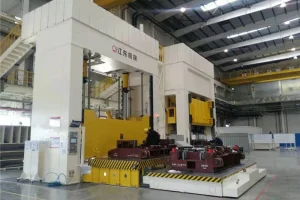
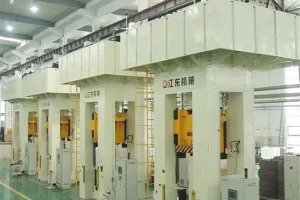
Our core manufacturing catalog features highly automated, flexible, and intelligent hydraulic press lines. We provide customized metal and non-metal material hydraulic forming equipment alongside complete engineering process configurations. In the global automotive lightweighting space, our proprietary internal hydroforming, composite compression molding, and hot-stamping lines represent industry benchmarks in precision, cycle efficiency, and energy conservation.
Explore our three key manufacturing domains. Click or inspect the specific engineering pathways.
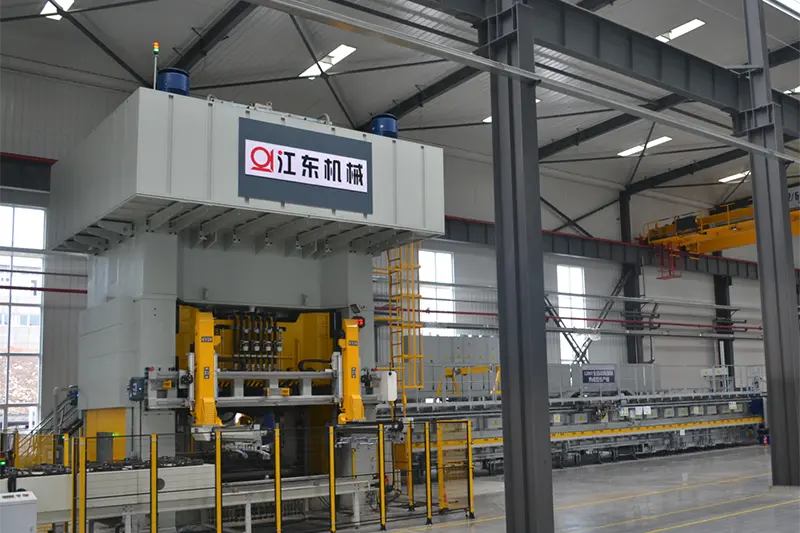
Hot Stamping Press Line
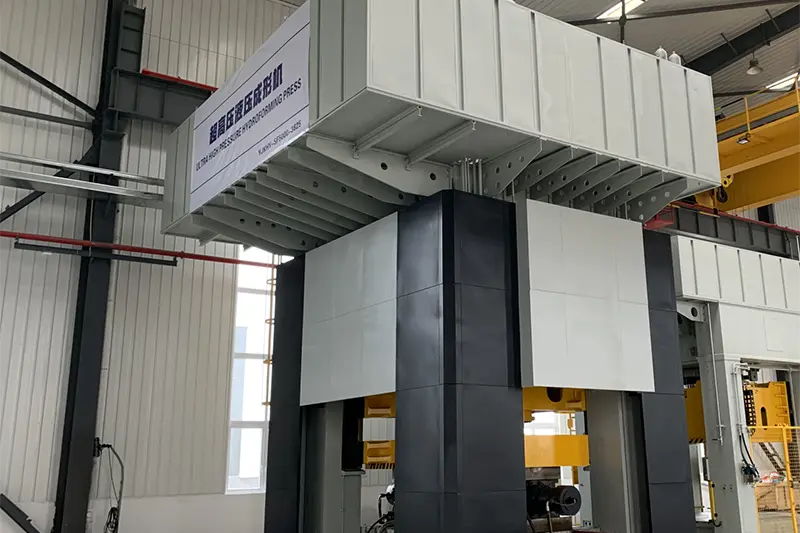
Hydroforming Line
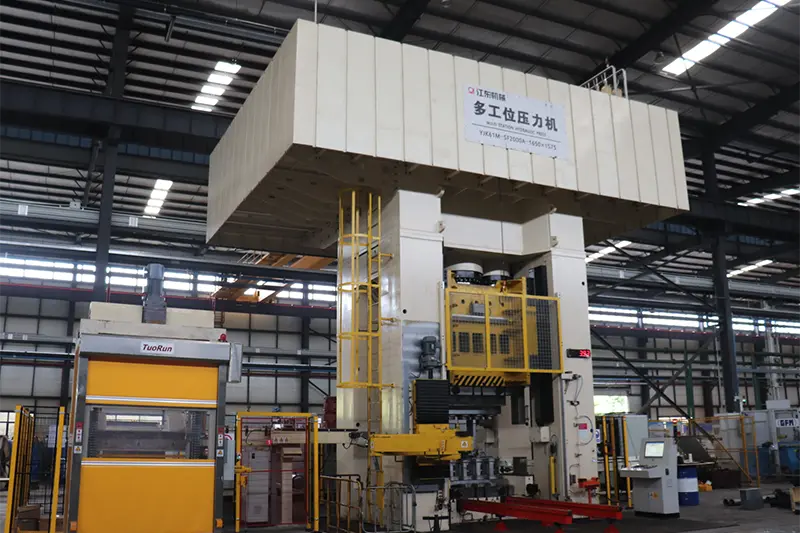
Multistation Extrusion
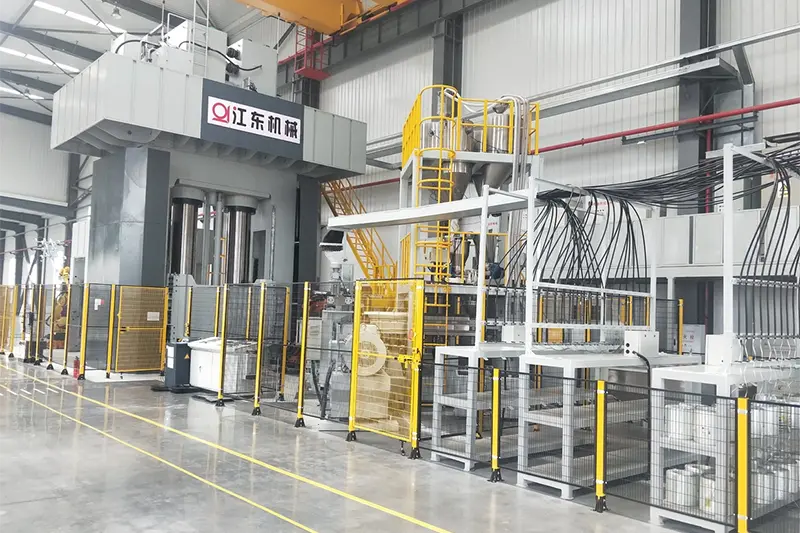
LFT-D Line
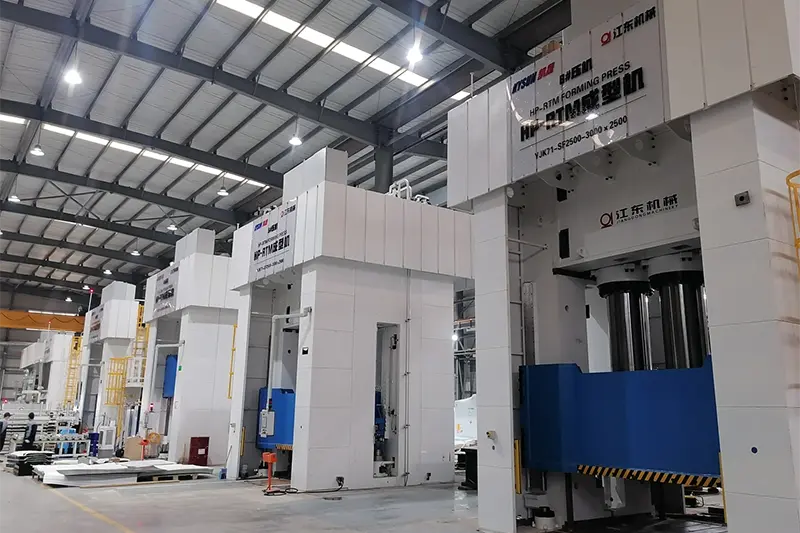
HP-RTM System
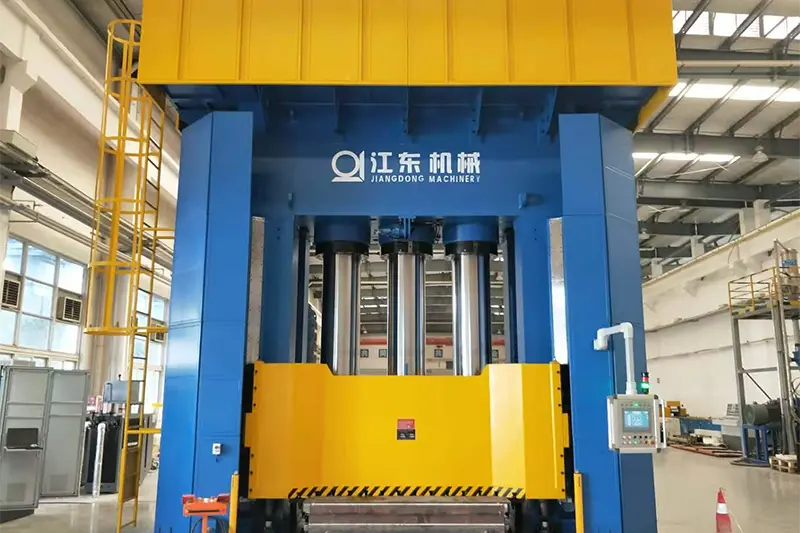
SMC/BMC Systems
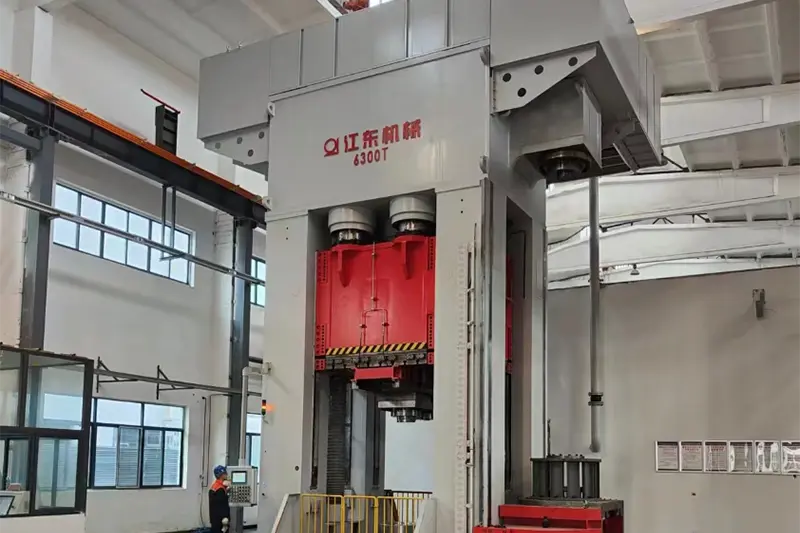
Isothermal Forging
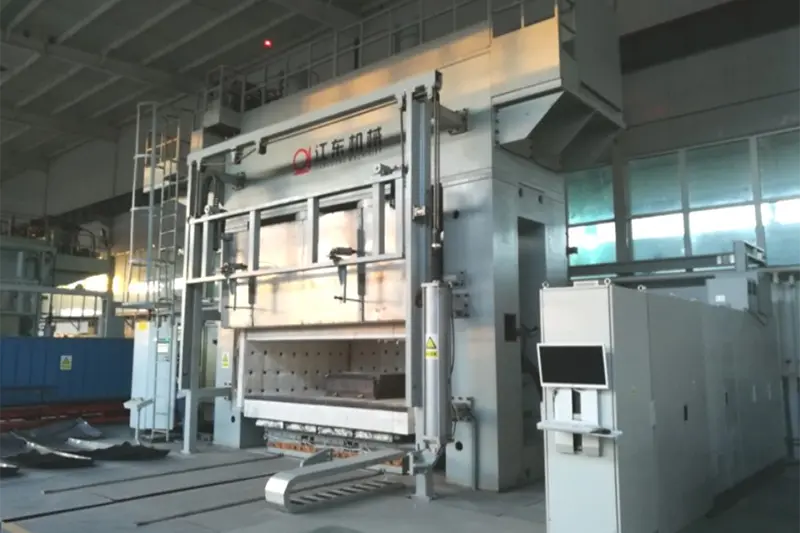
Superplastic Forming
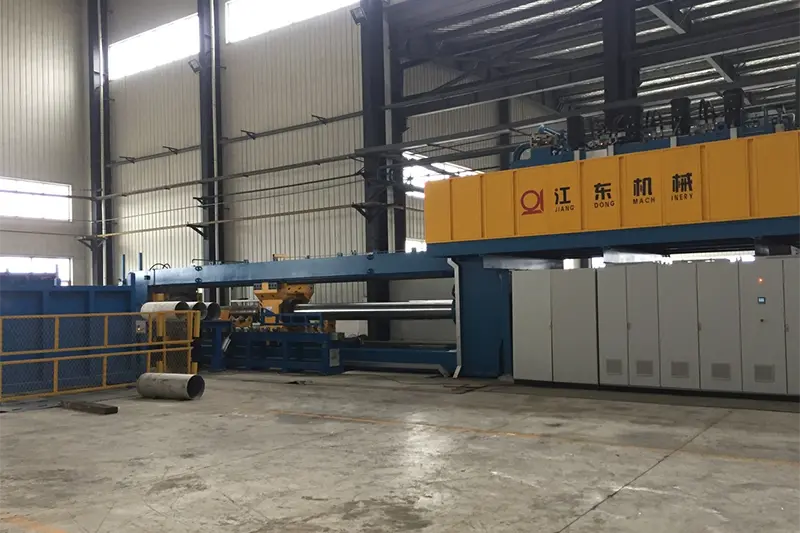
Cylinder & Shell Drawing
Jiangdong Machinery delivers one-stop engineering keys. Match your specific project parameters to our system capabilities.
Maximize uptime and process reliability with our expert lifecycle maintenance, predictive remote support, and spare parts management.

Customized Solutions

Remote Service

Maintenance

Technical Support

Spare Parts
Technical clarifications on hydraulic parameters, materials structural behavior, and setup configurations.
Follow our engineering collaborations and technical updates on global metal and composite forming machinery.
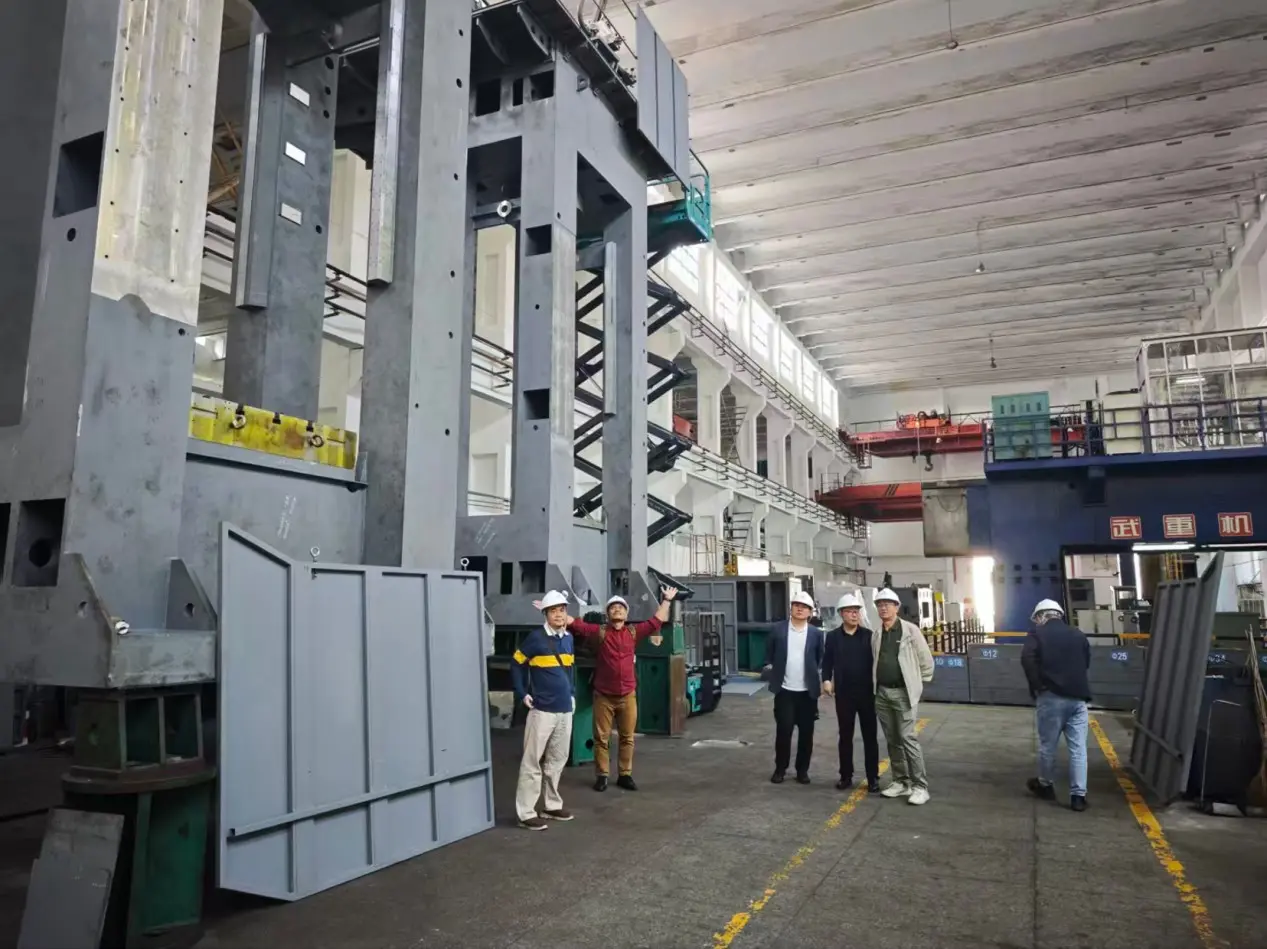
Recently, a delegation of Indonesian automotive component manufacturing customers visited our main production facility to inspect our heavy-duty hydraulic lines, automation systems, and tooling quality control platforms. This inspection laid a solid foundation for future high-tonnage sheet metal stamping line integrations in Southeast Asia.
Read Full ArticleWith the turn of the new year, multiple strategic partners from Thailand, Indonesia, Malaysia, and Central Europe have successfully completed technical acceptance testing at our workshops.
As a leading developer in China's metal forging machinery sector, Jiangdong Machinery is showcasing its new line of servo-drive presses and carbon fiber composite molding systems at upcoming international industrial expos.
Technical Outlook: Our upcoming machinery iterations will integrate predictive AI algorithms on edge industrial controllers to automate real-time deflection corrections and optimize cylinder life-cycles.
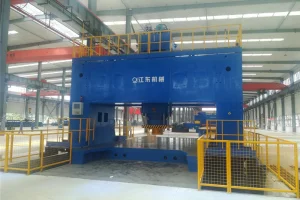
Browse our specialized range of high-tonnage extrusion, cold cutting, composite molding, and plate/bar gantry presses.