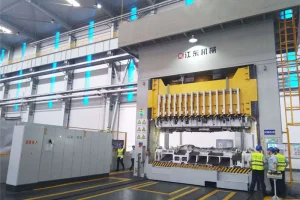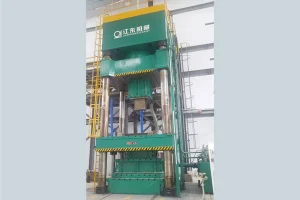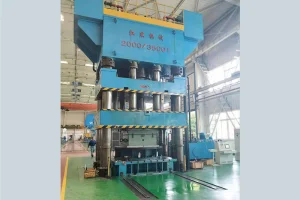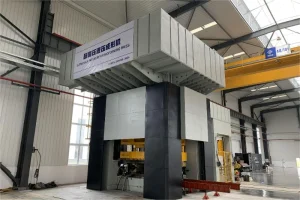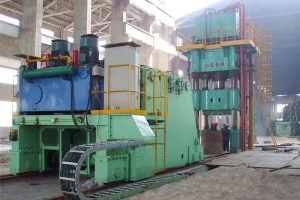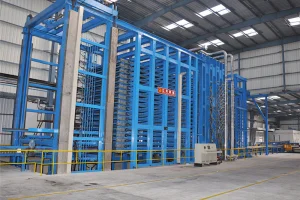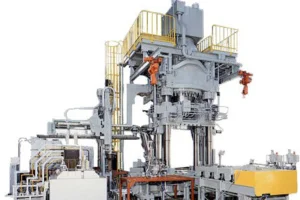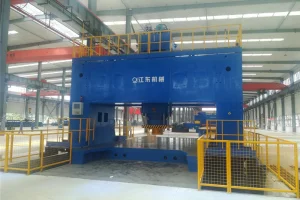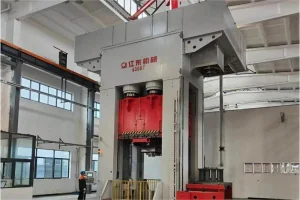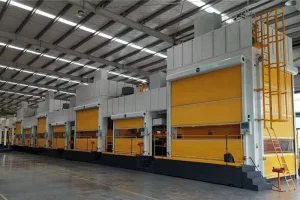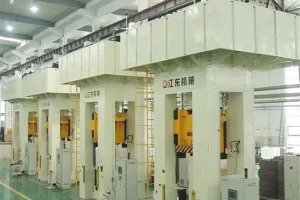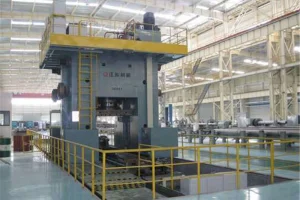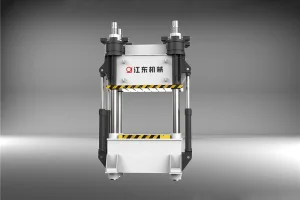
Explore our top-tier manufacturing systems designed for the automotive, aerospace, and energy industries.
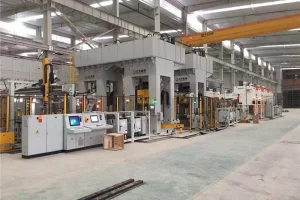
The industrial landscape in the United States and across North America is currently undergoing a structural transformation driven by the repatriation of manufacturing, high-stakes supply chain defense, and localized production networks. At the core of this industrial resurgence sits the hydraulic press manufacturing sector. These machines—ranging from multi-thousand-ton forging giants to precision die tryout and hydroforming cells—serve as the foundational mechanical muscle required for structural forming. As key sectors like automotive engineering, aerospace composites, and defense infrastructure shift toward sustainable material sciences, manufacturing equipment must evolve to handle higher tonnages, extreme heat tolerances, and micron-level motion repeatability.
To support this growing demand, modern hydraulic press systems incorporate complex, intelligent closed-loop control systems. These systems allow components to be pressed with variable velocity and pressure profiles, which is critical when working with advanced, high-strength metals and multi-phase composites. Across North America, the drive to build lightweight structural frames for electric vehicles (EVs) has directly accelerated the deployment of high-pressure hydroforming lines and automated hot stamping lines. These advanced technologies allow suppliers to reduce structural vehicle weight without sacrificing occupant safety.
In modern industrial applications, localizing tooling tryouts and production steps has changed from a cost-reduction strategy to an operational requirement. For American Tier-1 automotive and aerospace suppliers, sourcing heavy machinery involves reviewing total cost of ownership (TCO), long-term alignment with digital factory protocols, and mechanical durability. Our global engineering framework combines decades of structural research with advanced manufacturing practices, ensuring that heavy machinery operators in the United States, Mexico, and Canada receive equipment that meets both strict ASME/UL/CE compliance standards and local production efficiency goals.
Internal hydroforming represents a leap forward in the fabrication of complex, hollow, and non-symmetrical metal components. Unlike traditional multi-step stamping and subsequent welding processes, hydroforming uses an internal fluid medium pressurized up to 3,000 bar (43,500 psi) or higher to expand a tubular raw material into a surrounding die cavity. This method offers several key advantages:
To achieve high crash safety scores in modern vehicles, manufacturers increasingly rely on press-hardened boron steels (like 22MnB5). The hot stamping production line utilizes a thermal-mechanical process: blank sheets are heated to their austenitization temperature (approx. 950°C), transferred rapidly to a water-cooled die set, and formed and quenched simultaneously in a hydraulic press. This process creates a fully martensitic microstructure, boosting tensile strengths up to 1500–2000 MPa. This capability is crucial for A-pillars, B-pillars, and bumper reinforcements.
As industries look beyond metals, lightweight carbon-fiber reinforced plastics (CFRP) and glass-fiber compounds are replacing traditional steel and aluminum brackets. Our composite forming solutions support:
Our machine architectures are engineered to support major industrial manufacturing regions in North America. By matching the mechanical specifications of our lines to local regional requirements, we ensure optimal efficiency:
Midwestern Automotive Belt (Michigan, Ohio, Indiana): The shift toward electric vehicle platforms requires specialized chassis-forming systems. High-tonnage die tryout presses and fully automated stamping lines allow for rapid turnaround of new dies and tools, helping companies meet tight launch schedules.
Pacific Northwest & Southern Aerospace Hubs (Washington, Texas, Alabama): High-temperature isothermal forging presses and superplastic forming (SPF) units are critical for processing titanium and nickel alloys. These components are used in structural turbine disks, bulkheads, and skin panels, requiring precise speed control to manage material flow at elevated temperatures.
National Energy & Defense Sectors: Heavy-duty gantry straightening presses and large-stroke deep-drawing lines are essential for manufacturing pressure vessels, ammunition casings, and pipeline components that must withstand demanding environments.
Explore our three core technical pillars, engineered for extreme environments and high-precision outputs.
High-pressure metal shaping systems designed for automotive frames and heavy industrial structural components.
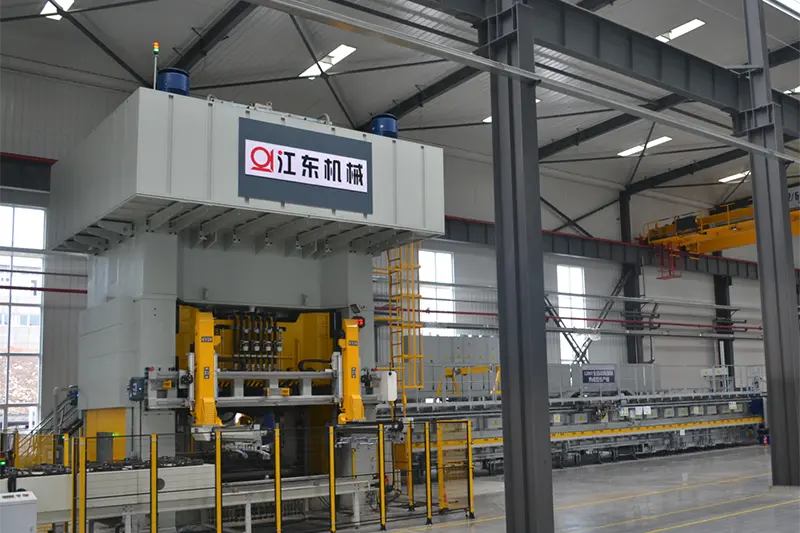
Advanced polymer, carbon fiber, and fiber-reinforced composite thermoforming presses for aerospace and automotive body panels.
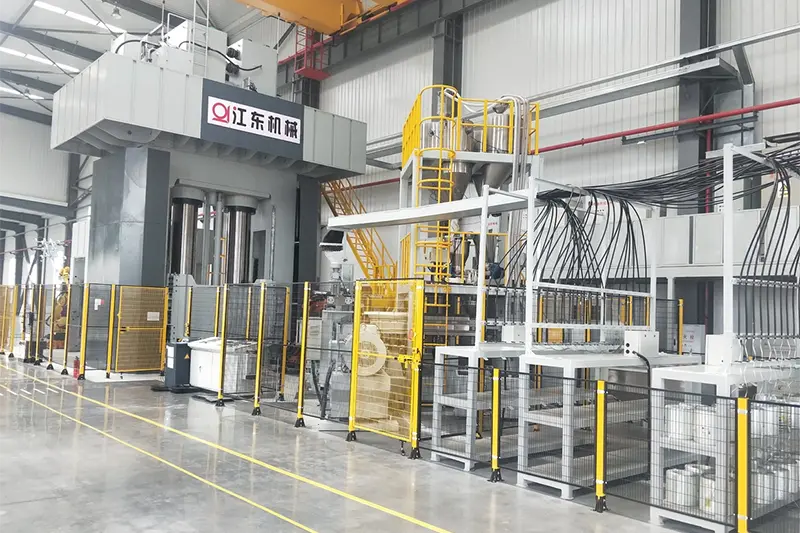
Engineered systems designed for high-stress manufacturing requirements and complex metal alloys.
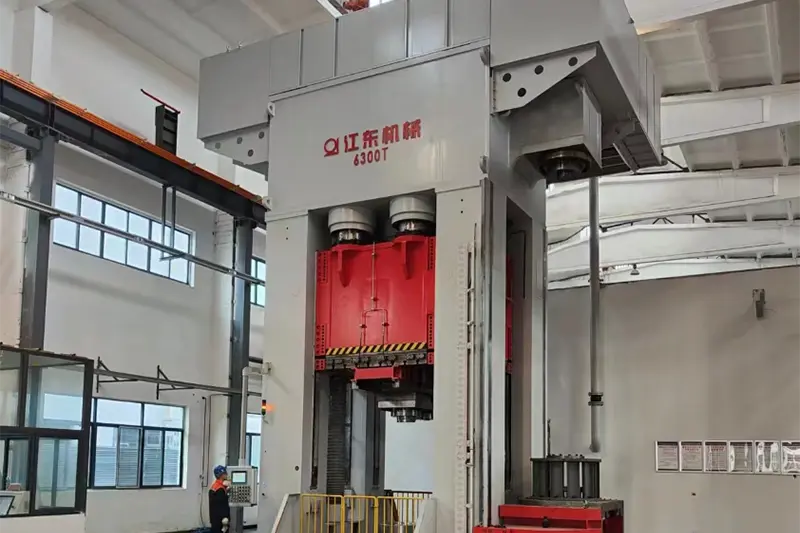
Jiangdong Machinery delivers complete, turnkey manufacturing solutions that optimize efficiency and output quality.
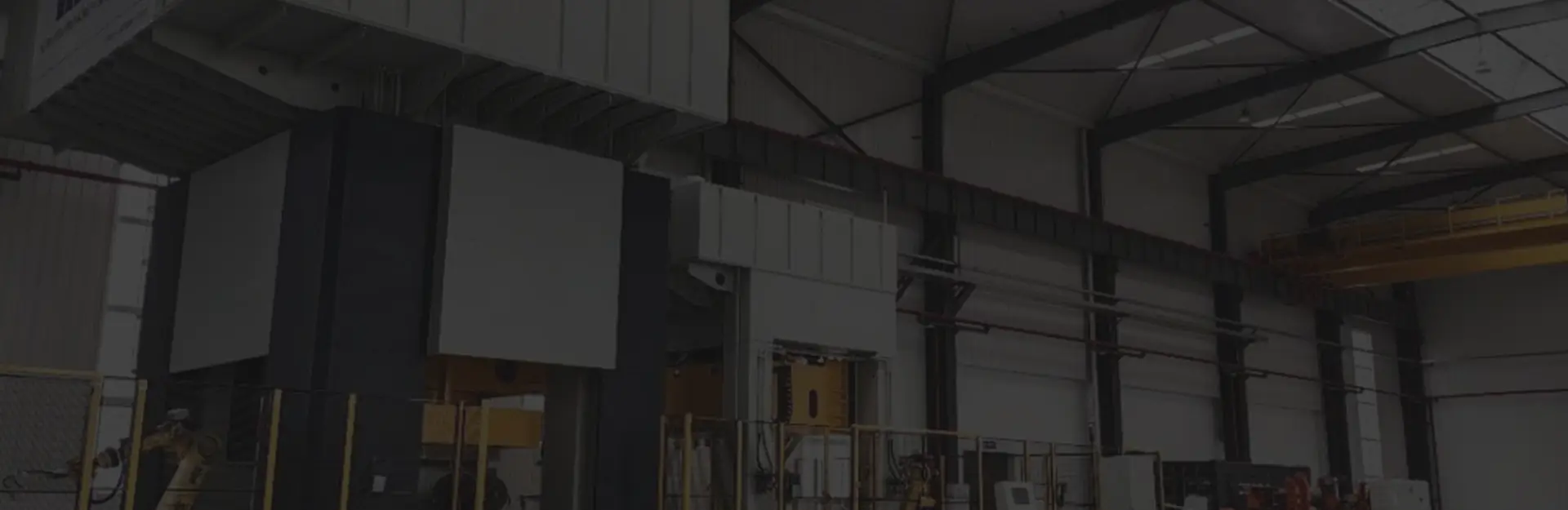
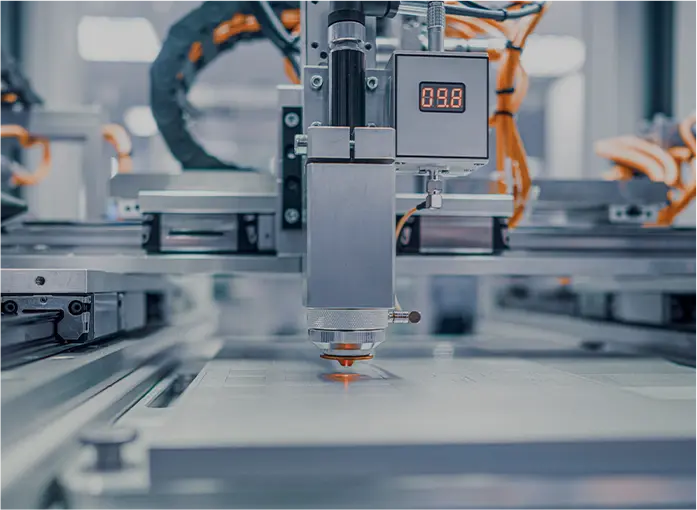
Established in 1937, Chongqing Jiangdong Machinery Co., Ltd. (Jiangdong Machinery) has grown to become a comprehensive forging technology enterprise, integrating R&D, production, sales, and aftermarket service of heavy hydraulic presses, lightweight forming technologies, high-strength parts, and hot/cold stamping dies.
Our design approach integrates automation, digital controls, and flexible systems into our hydraulic presses. We focus on lightweight forming equipment and integrated process solutions, particularly in the automotive lightweighting segment, where structural weight reduction is key to reducing emissions and increasing fuel efficiency.
From engineering design to remote system diagnostics, our team provides comprehensive operational support for your machinery.


Detailed technical answers to key questions about sourcing, installing, and optimizing heavy-duty hydraulic press machinery.
Explore our custom metalworking equipment, including gantry straightening systems, isothermal forging equipment, and specialized automotive interior forming lines.
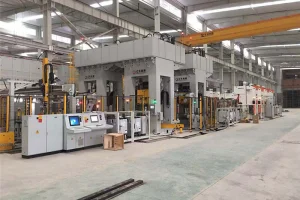
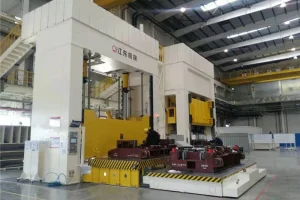
Stay informed on the latest trends in lightweight metal forming, international trade visits, and high-pressure system advancements.
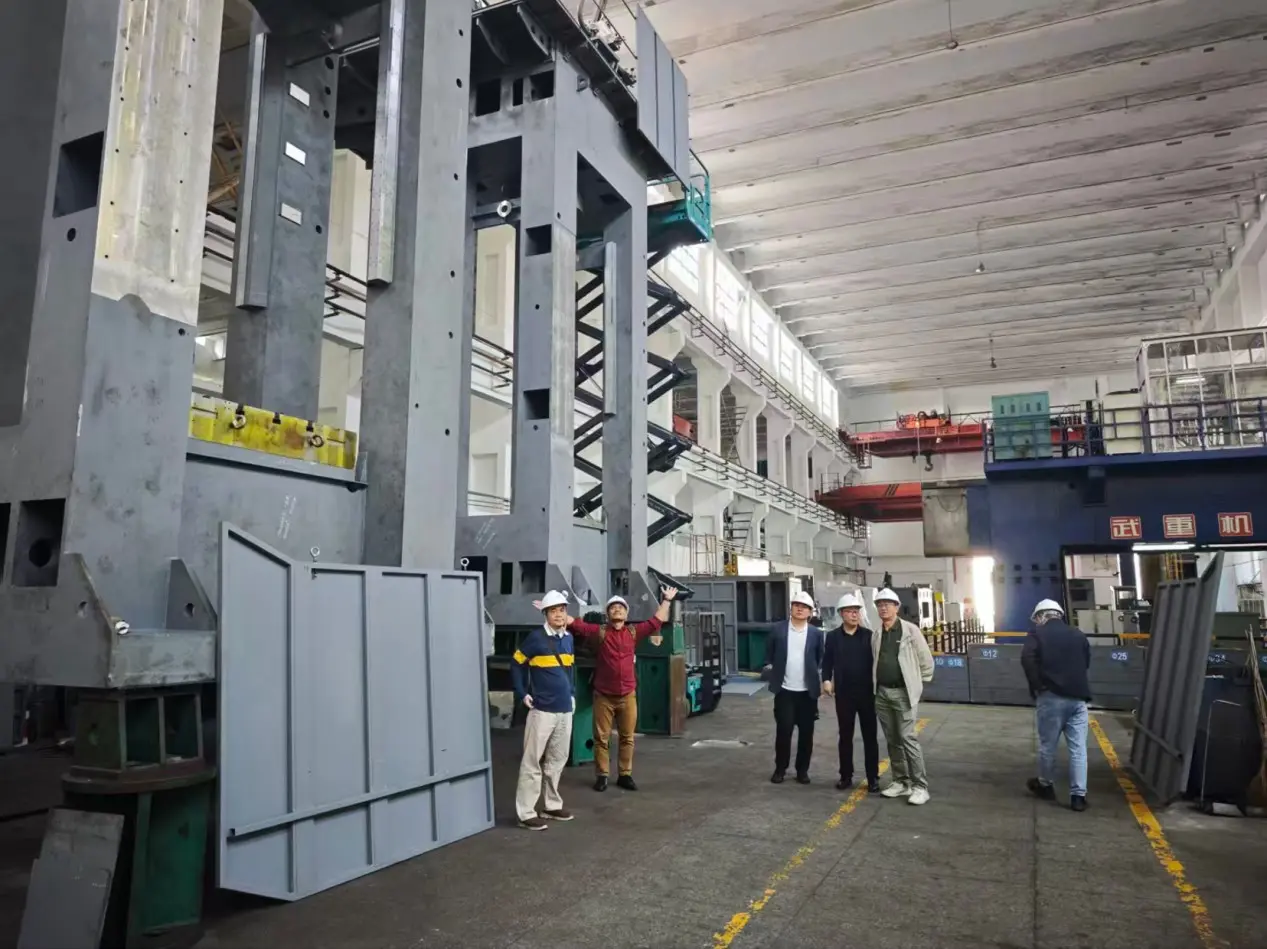
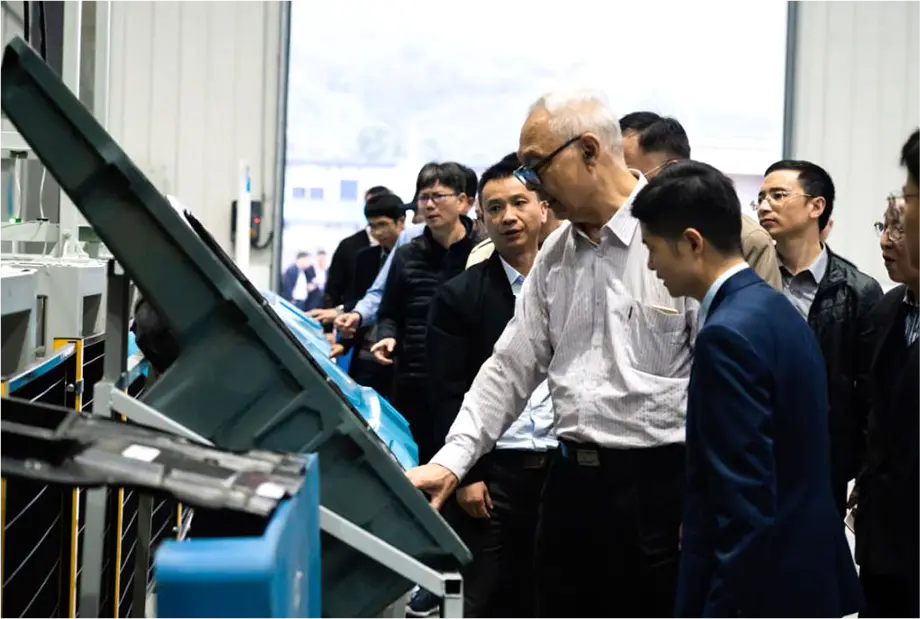
An Indonesian customer delegation visited our production facilities to evaluate our manufacturing capacity, quality control, and engineering capabilities, laying the groundwork for upcoming sheet metal forming projects.
We recently welcomed multiple industrial partners from Thailand, Indonesia, and Malaysia to tour our facilities and discuss joint development projects for high-pressure hydroforming systems.
Jiangdong Machinery will showcase our latest advancements in automotive lightweighting, hot stamping, and composite molding at the upcoming international metalworking exhibition.
Work directly with our design and development engineers to create customized press systems for your production requirements. Schedule a free case evaluation today.