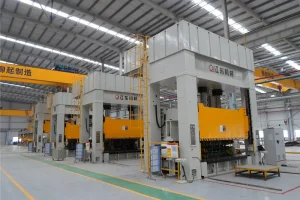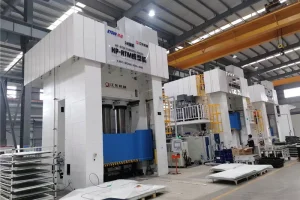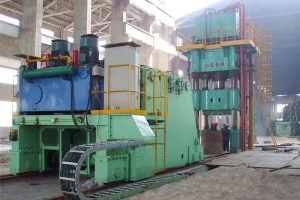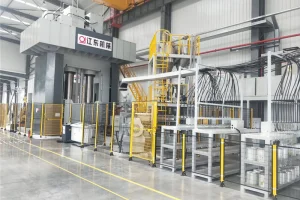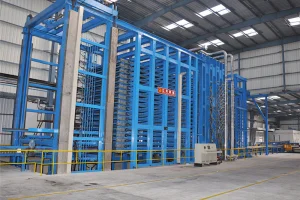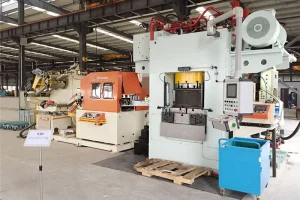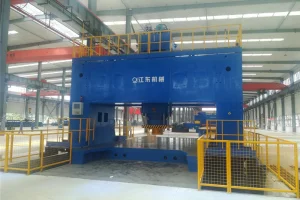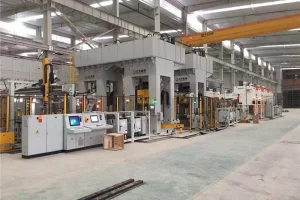
Explore our high-performance forming machinery. Engineered for continuous throughput, tight tolerances, and exceptional structural consistency.
Analyzing high-velocity near-net-shape manufacturing systems, structural material performance, and global supply chain dynamics.
In modern manufacturing, global OEMs face immense pressure to deliver components characterized by higher strength-to-weight ratios, minimal material waste, and exceptional dimensional stability. Traditional machining methods, while precise, generate substantial scrap and weaken the natural grain flow of metals. Multi-station cold extrusion forming technology has emerged as the premier choice to address these challenges, offering near-zero scrap rates (achieving up to 95% material utilization) and inducing severe strain hardening, which substantially enhances the yield and ultimate tensile strengths of the finished parts.
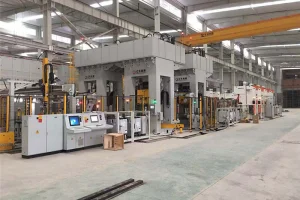
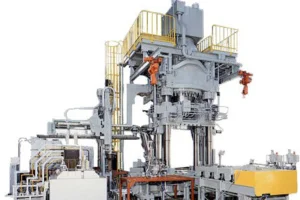
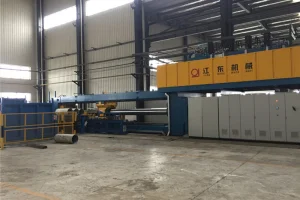
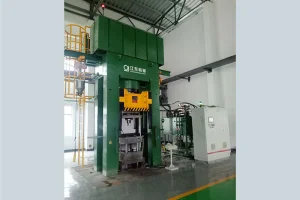
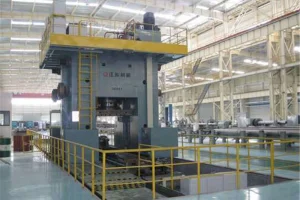
As a leading discount multi-station cold extrusion parts forming equipment manufacturer & factory, Chongqing Jiangdong Machinery Co., Ltd. provides robust industrial solutions that combine high forging pressures with precise multi-stage die layouts. Our equipment facilitates multi-station sequential extrusion, guiding raw wire or billet stock through continuous stages of sizing, pre-forming, forward extrusion, backward extrusion, and trimming within a unified cycle. This uninterrupted transfer sequence eliminates thermal distortion, drastically reduces cycle times, and delivers exceptionally tight geometrical tolerances.
“Cold forming utilizes compressive stress to plastically deform metallic alloys below their recrystallization temperature. This preserves grain boundary integrity, creating parts that easily withstand severe shear, torsional, and tensile loads in critical automotive drivetrains and industrial machinery.”
Sourcing capital equipment for cold extrusion requires balancing technical compliance, manufacturing capacity, and long-term operating costs. Procurement departments within automotive, aerospace, and energy sectors seek partners capable of delivering customized, heavy-duty production machinery. Modern procurement metrics evaluate equipment based on:
By leveraging deep manufacturing integration, Chongqing Jiangdong Machinery provides optimal performance at highly competitive rates, assuring rapid Return on Investment (ROI) across multi-year automotive platforms.
Leveraging specialized R&D to provide advanced machinery classifications across structural metal stamping, composites, and aerospace forming.
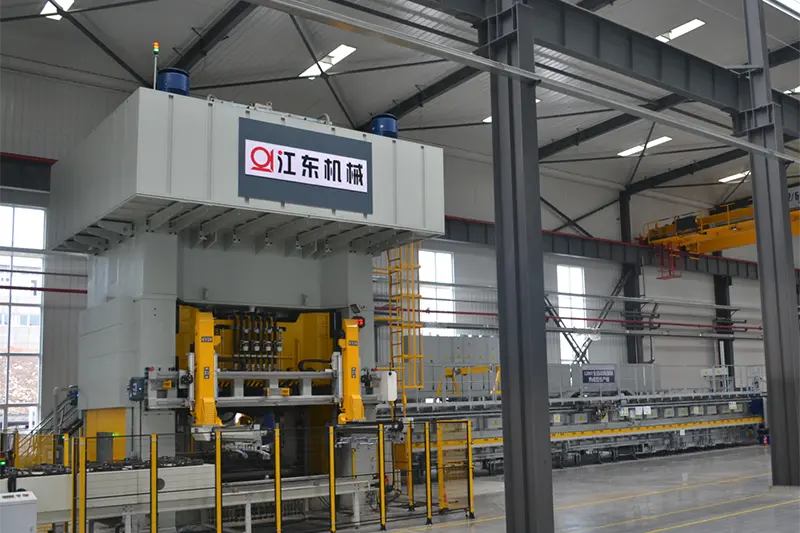
Hot Stamping Hydraulic Press Production Line
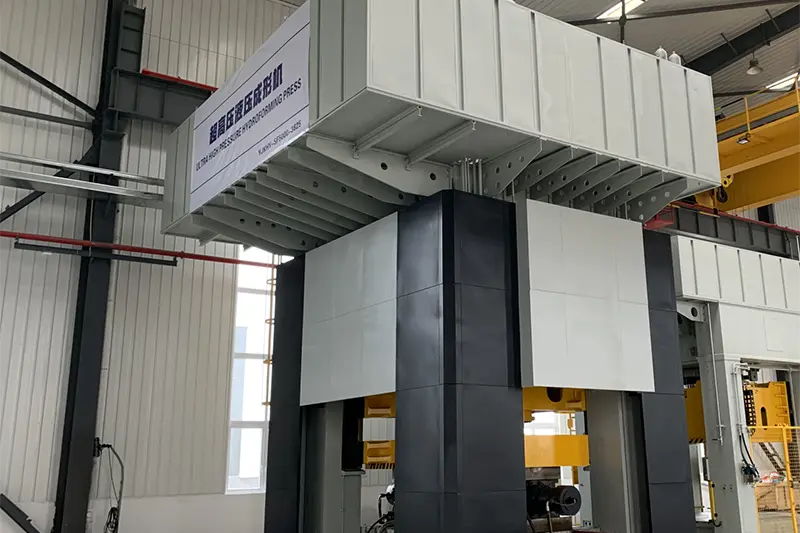
Hydroforming-Internal High Pressure Forming Hydraulic Press Production Line
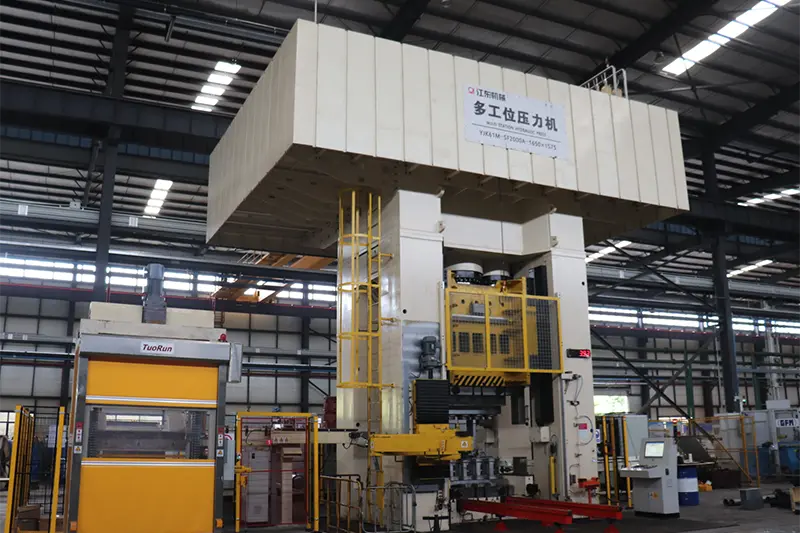
Multistation Extrusion Forging Production Line
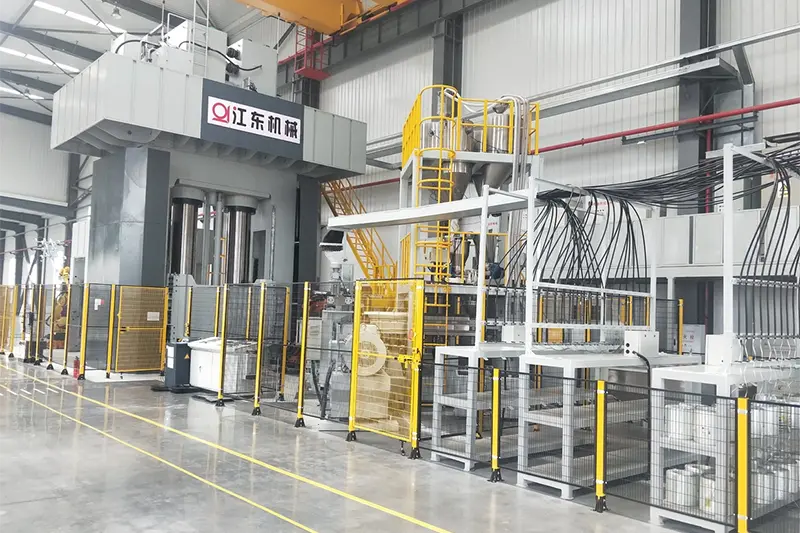
LFT-D Compression Direct Molding Line
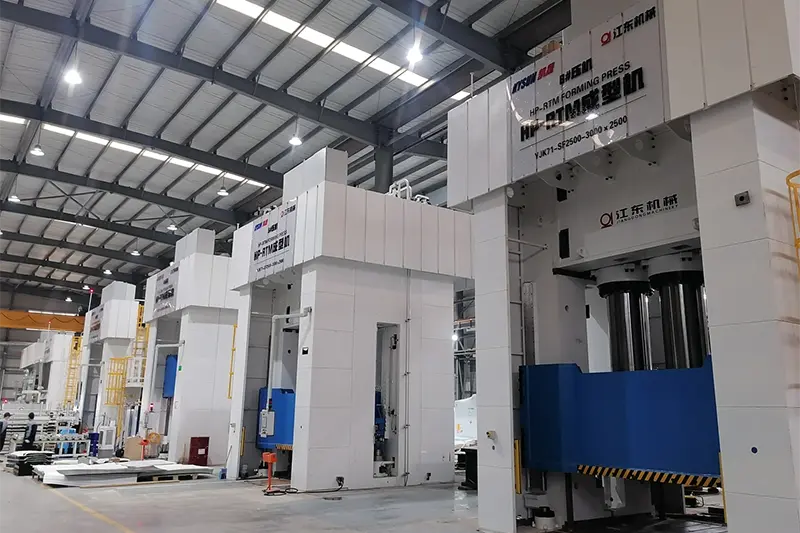
HP-RTM High Pressure Resin Transfer Molding
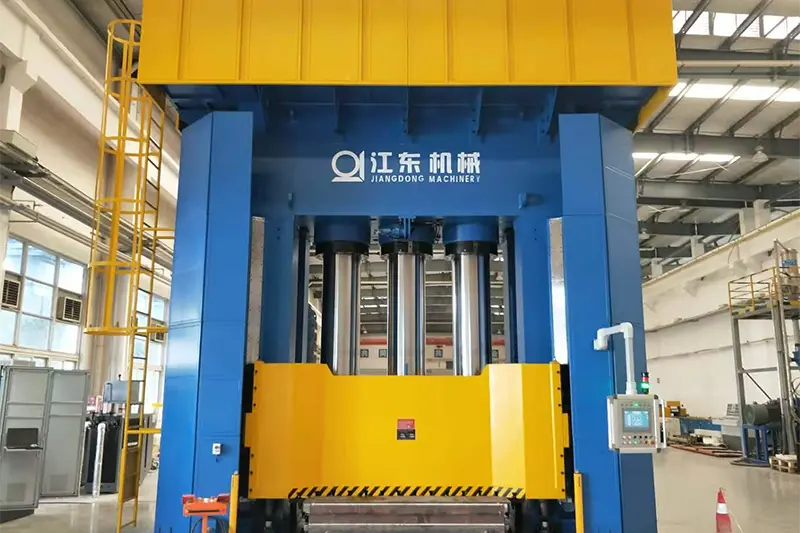
SMC/BMC/GMT/PCM Composite Molding
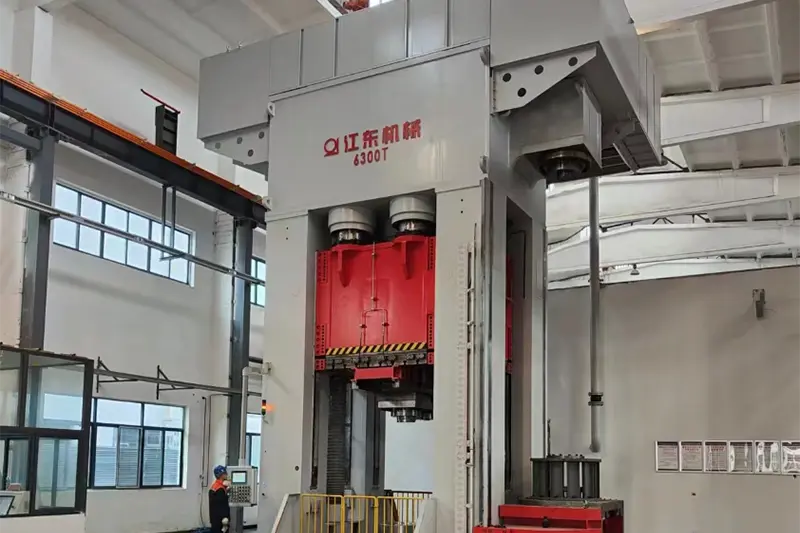
Iso Thermal Forging Equipment
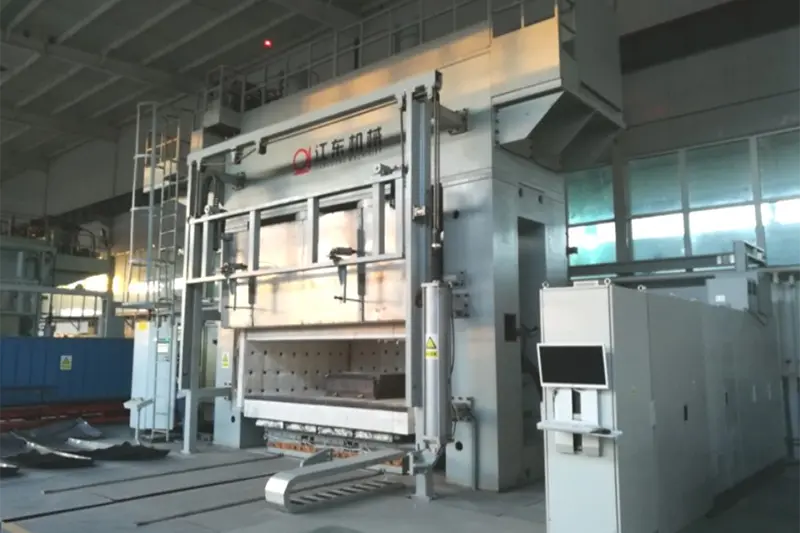
Superplastic Forming (SPF) Technology
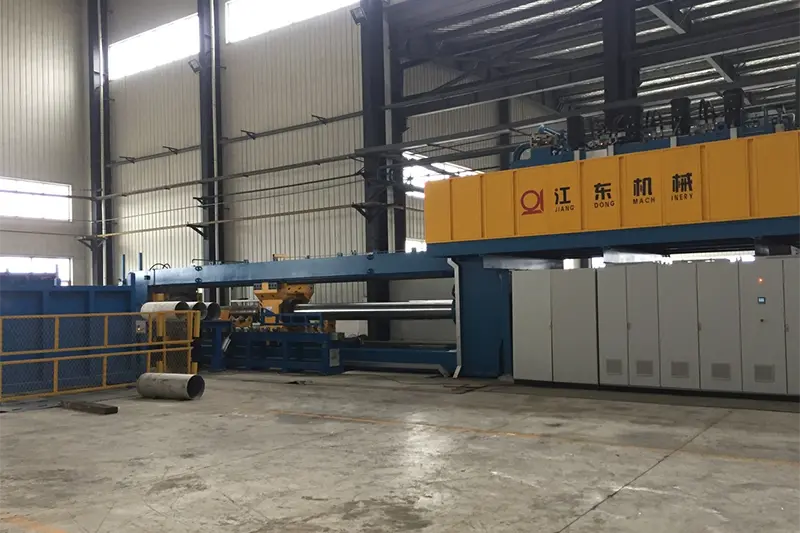
Gas Cylinder / Bullet Housing Stretching
The transition of multi-station cold extrusion equipment from traditional hydraulic machinery to automated, smart systems is characterized by three key areas of development:
Precision Servo-Hydraulic Close-Loop Control: Modern cold extrusion presses rely on high-fidelity proportional valves and servo-motor driven internal gear pumps. By continuously comparing live pressure and stroke metrics against stored performance profiles, these controllers can dynamically adjust velocities to optimize material flow through complex dies. This precision ensures consistent part geometry, even when working with materials prone to work hardening.
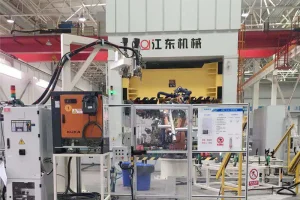
High-Speed Multi-Station Transfer Automation: Utilizing linear three-axis servo transfer feeds or multi-axis articulated robots, cold extrusion lines can shift pre-forms between individual dies in fractions of a second. Integrated gripper monitoring and load detection prevent misalignments, shielding expensive tooling from catastrophic failures.
Predictive Maintenance and Diagnostics: Integrating IoT sensors monitors temperature variations in the guide rails, hydraulic fluid contamination, and frame strain. Advanced software analyzes these data streams to schedule maintenance during planned downtimes, maximizing overall equipment effectiveness (OEE).
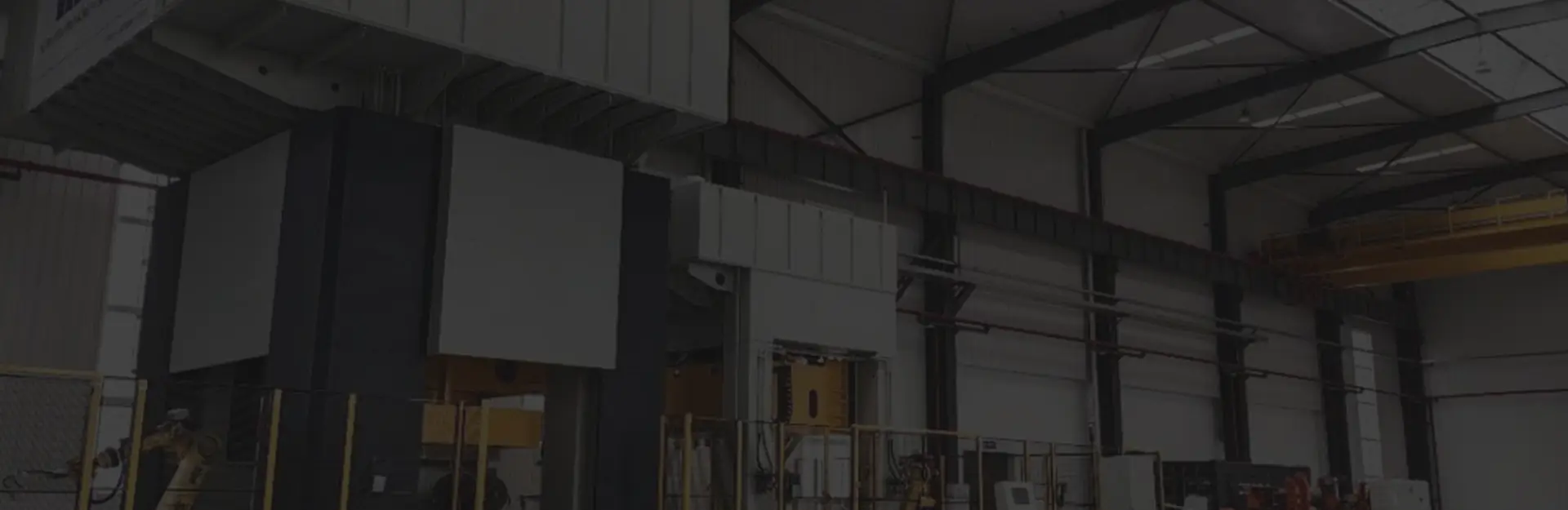
Chongqing Jiangdong Machinery Co., Ltd. (Jiangdong Machinery) is a comprehensive forging and forming equipment enterprise integrating R&D, production, sales, and service of hydraulic presses, lightweight forming technology, lightweight parts, hot and cold stamping dies, and high-performance metal castings. As a key global machinery supplier, our research and development in hydraulic presses and automated production lines delivers industry-leading automation, intelligence, and flexibility.
Jiangdong Machinery provides integrated metal and non-metal forming technology solutions, particularly in automotive lightweighting. Our technical capabilities enable OEMs globally to implement state-of-the-art cold forging, hot stamping, hydroforming, and composite compression processes.
VIEW MOREComprehensive, specialized technology frameworks tailored to address complex manufacturing challenges across global industrial applications.
Utilizing high-pressure fluid media to expand tube or sheet materials within a die cavity, producing complex, hollow structural components.
Forming ultra-high-strength boron steels at high temperatures followed by rapid die quenching to achieve structural yield strengths exceeding 1500 MPa.
Continuous sequential extrusion processes designed for automated volume production of drivetrain gears, axles, and fastening elements.
Deforming specialized titanium and aluminum alloys at elevated temperatures and slow strain rates to produce complex, single-piece aerospace components.
Advanced tooling systems engineered for high-performance fiber-reinforced plastics, carbon composites, and high-pressure resin transfer molding.
The deployment of multi-station cold extrusion technology varies across key regional manufacturing sectors:
Europe (Automotive Hubs & Green Directives): In European manufacturing centers, the focus centers on energy efficiency, precision tolerances, and compatibility with lightweight alloys. Suppliers must deliver machines equipped with digital energy monitors, low-noise hydraulic units, and CE/TÜV certifications, ensuring compliance with strict occupational safety and environmental regulations.
North America (Heavy Duty Components): Sourcing teams in this market require high-tonnage machines for heavy-duty components like truck axle shafts and transmission gear blanks. Equipment must feature robust frames and integrate with standard North American automation systems (such as Allen-Bradley control architectures) to streamline maintenance.
Asia-Pacific (High-Velocity Production): APAC factories operate in high-volume environments, requiring maximum cycle speeds and continuous uptime. Multi-station presses in this region utilize integrated mechanical transfer lines that run continuously, requiring durable tool steels, fast-acting die change tables, and local technical support networks.
Integrating heavy-duty hydraulic press machinery into a factory floor requires strict compliance with mechanical and electrical safety standards. Jiangdong Machinery provides comprehensive engineering services, from initial foundation calculations to final on-site commissioning.
We configure every machine to align with regional standards—including OSHA, CE, and national electrical codes (NEC/NFPA). Our remote diagnostics capabilities enable our engineering team to perform real-time troubleshooting and controller updates, minimizing operational downtime for our global partners.
Comprehensive operational support, ranging from customized machine configurations to remote diagnostic services.

Customized Solutions

Remote Service

Maintenance Support

Technical Support

OEM Spare Parts
Stay updated on the latest technological breakthroughs, collaborative projects, and global client visits at Jiangdong Machinery.
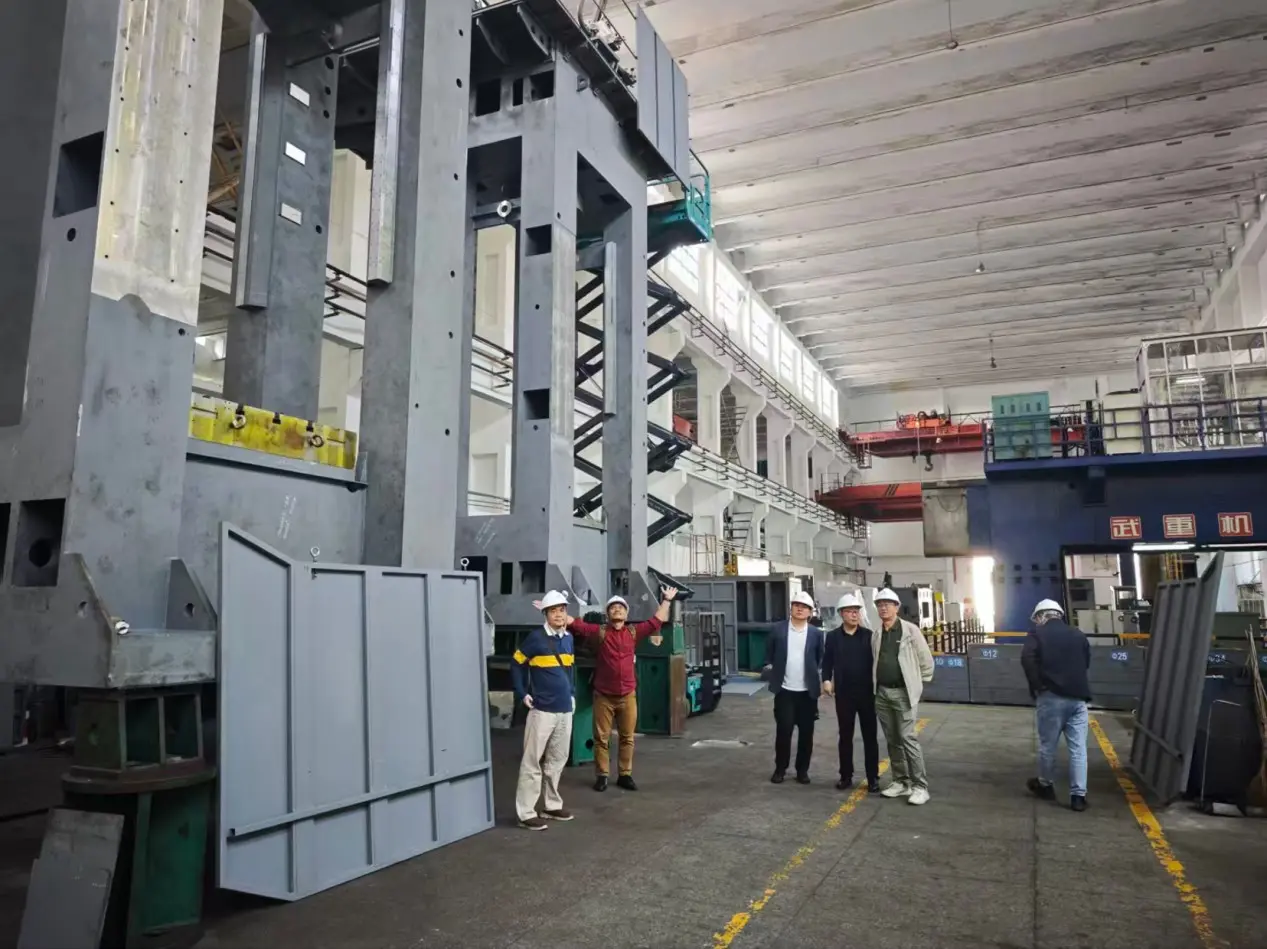
A delegation of Indonesian industry partners recently visited our factory facilities to evaluate our manufacturing capabilities, quality assurance processes, and engineering expertise, laying the groundwork for a new collaboration.
READ ARTICLEPartners from Thailand, Indonesia, and Malaysia recently visited Chongqing Jiangdong Machinery Co., Ltd. to align on lightweight automotive component manufacturing projects and future capital equipment orders.
Jiangdong Machinery will present its latest developments in hot stamping, multi-station cold extrusion, and automated hydroforming production lines at upcoming metal forming industry trade shows.
Technical guidance and strategic engineering answers to common inquiries regarding multi-station cold extrusion equipment.
Multi-station cold extrusion is highly compatible with ductile metals that display clear plastic deformation limits without early fracturing. Common materials include low-carbon steels (such as AISI 1008, 1010, and 1018), low-alloy steels (like 16MnCr5 or 4140), structural aluminum alloys (such as the 6000 and 7000 series), and oxygen-free copper. High-alloy materials can also be cold extruded; however, they require intermediate annealing steps to resolve work hardening effects between individual forming stations.
Hot forging deforms metals above their recrystallization temperature, which can result in thermal shrinkage, oxidation scale, and rougher surface finishes. In contrast, cold extrusion is performed at room temperature, eliminating thermal shrinkage. This process yields tight dimensional tolerances (often within IT7 to IT9 ranges) and an excellent surface finish (Ra values below 0.8 μm). Furthermore, cold working induces strain hardening, improving the mechanical strength of the component.
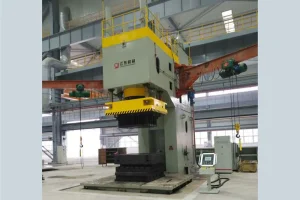
Cold extrusion requires high unit pressures, often exceeding 1000 MPa, to force solid metal through a die. When forming complex parts across multiple stations, these loads can generate off-center forces. If the press frame lacks sufficient rigidity, it can deflect, resulting in premature tool wear, axial misalignment, and shortened die life. Jiangdong Machinery resolves this by utilizing finite-element-optimized pre-stressed tie-rod frames that deliver exceptional torsional rigidity and structural stability.
Complete your system integration with our specialized plate forming, powder metallurgy, and automated production machinery.