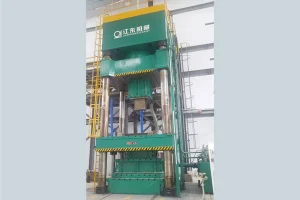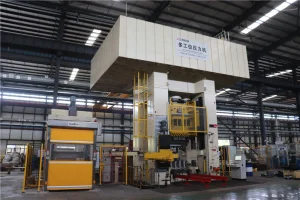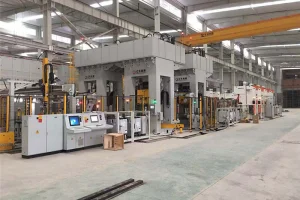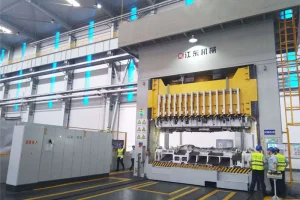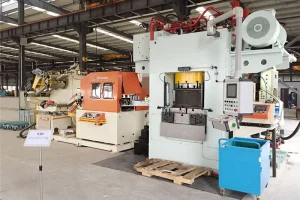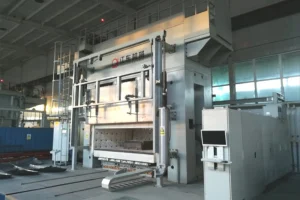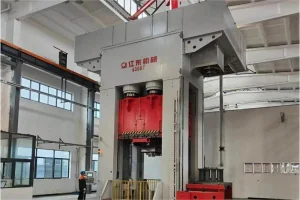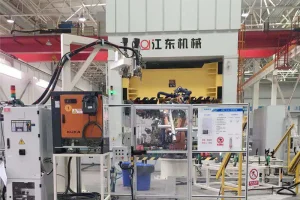
Explore our industrial-grade, precision-engineered hydraulic machinery designed for automotive, aerospace, and general structural engineering applications.
The global industrial landscape is undergoing a critical transition. As automotive manufacturers target strict greenhouse gas standards and aerospace companies seek ultra-lightweight structural configurations, the demand for high-performance metal forming tools and intelligent hydraulic presses has skyrocketed. Standard operations no longer meet the complexity of advanced high-strength steels (AHSS), titanium alloys, and high-performance carbon fiber composites.
Modern manufacturing demands flexible, multi-station, and automated systems capable of maintaining microscopic tolerances under high-temperature and high-tonnage environments. Understanding these dynamic workflows is essential for modern engineers and purchasing teams seeking reliable suppliers of cost-effective, high-yield metal forming tools and equipment.
We provide advanced machinery configurations across three core domains to deliver unmatched surface quality, repeatability, and structural integrity.
Optimized for processing high-strength structural components. Our systems include:
Designed for lightweight thermoplastic and thermosetting materials. Industry solutions include:
Heavy-duty, precision configurations designed for high-stress aerospace and energy environments:
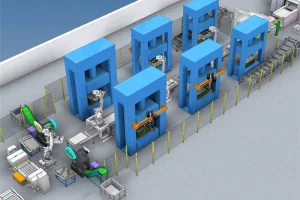
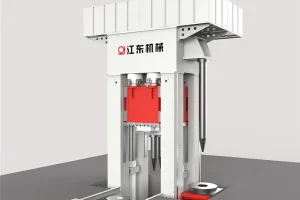
Engineered blueprints of our primary hydraulic line mechanisms and manufacturing configurations.
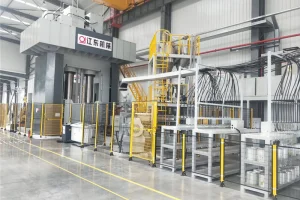
Hot Stamping Line
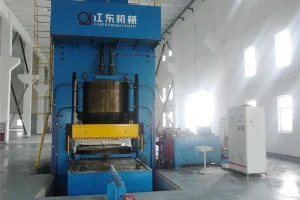
Hydroforming Line
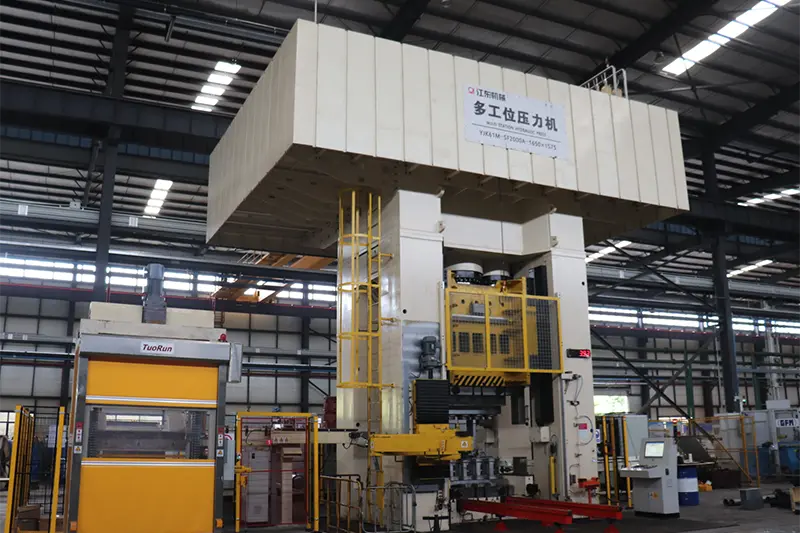
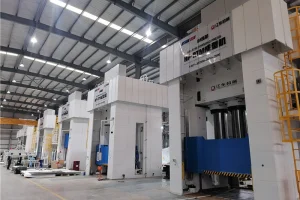
Multistation Forging Line
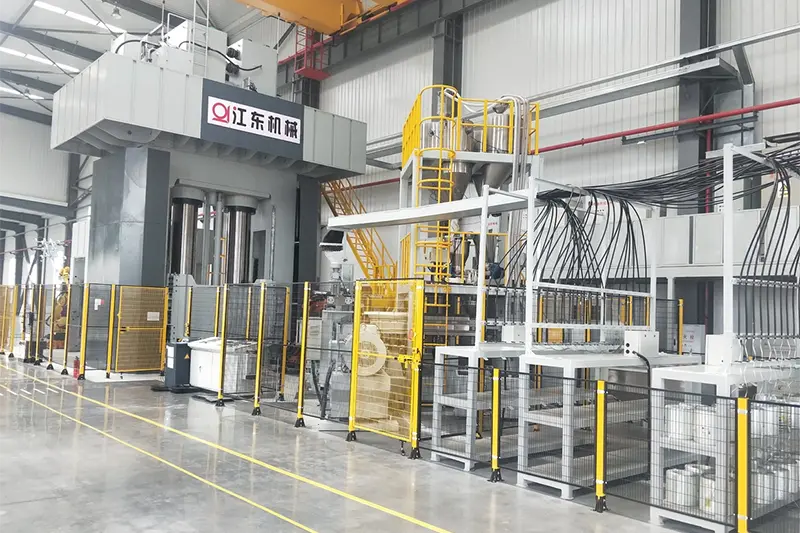
LFT-D Systems
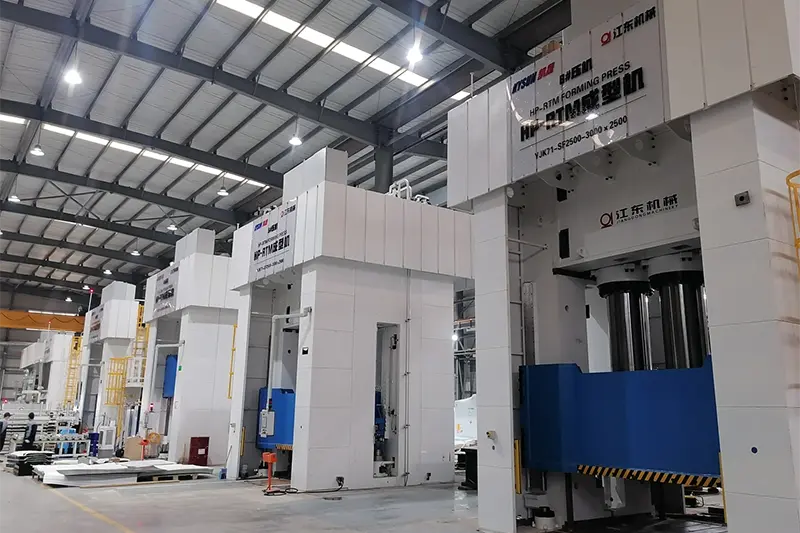
HP-RTM Molding
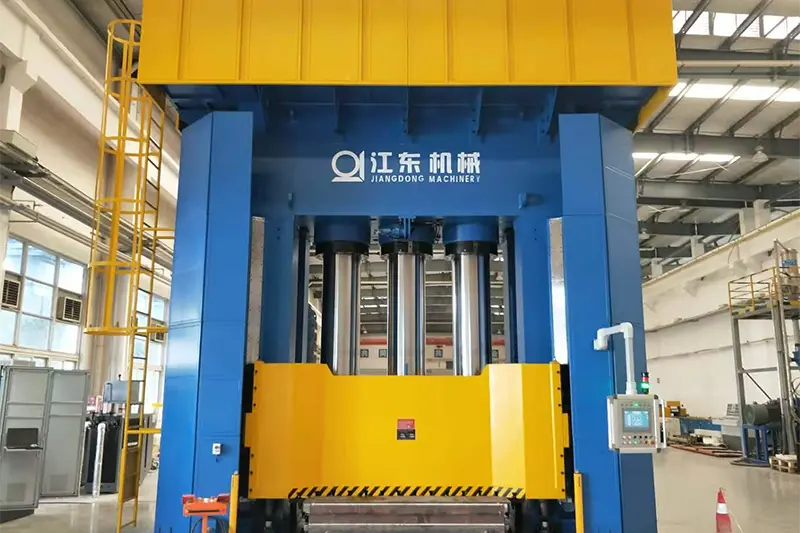
SMC/BMC Systems
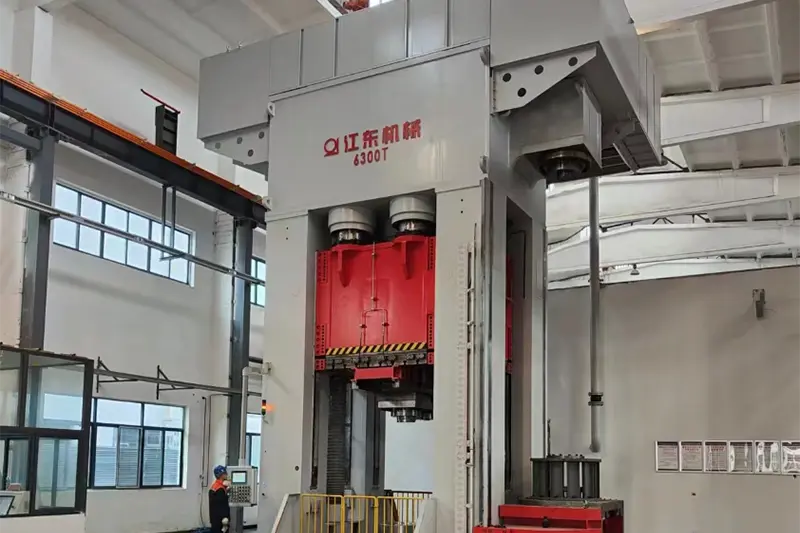
Isothermal Forging
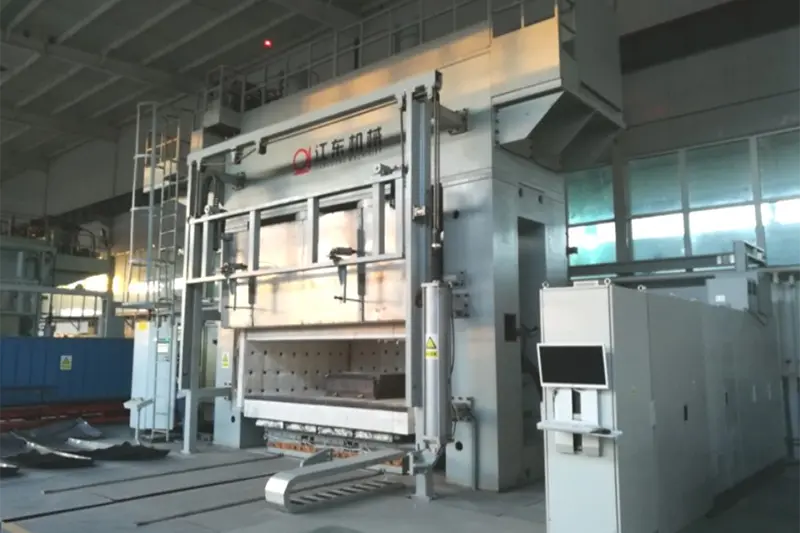
Superplastic Forming
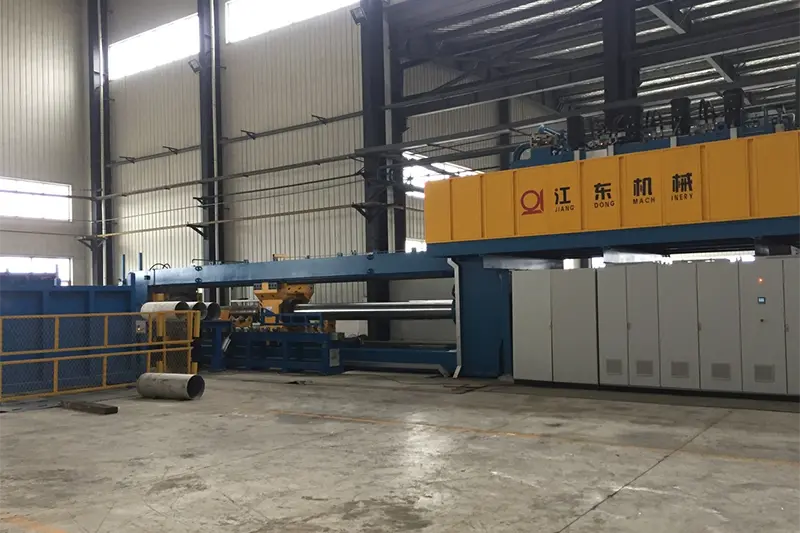
Gas Cylinder Stretching
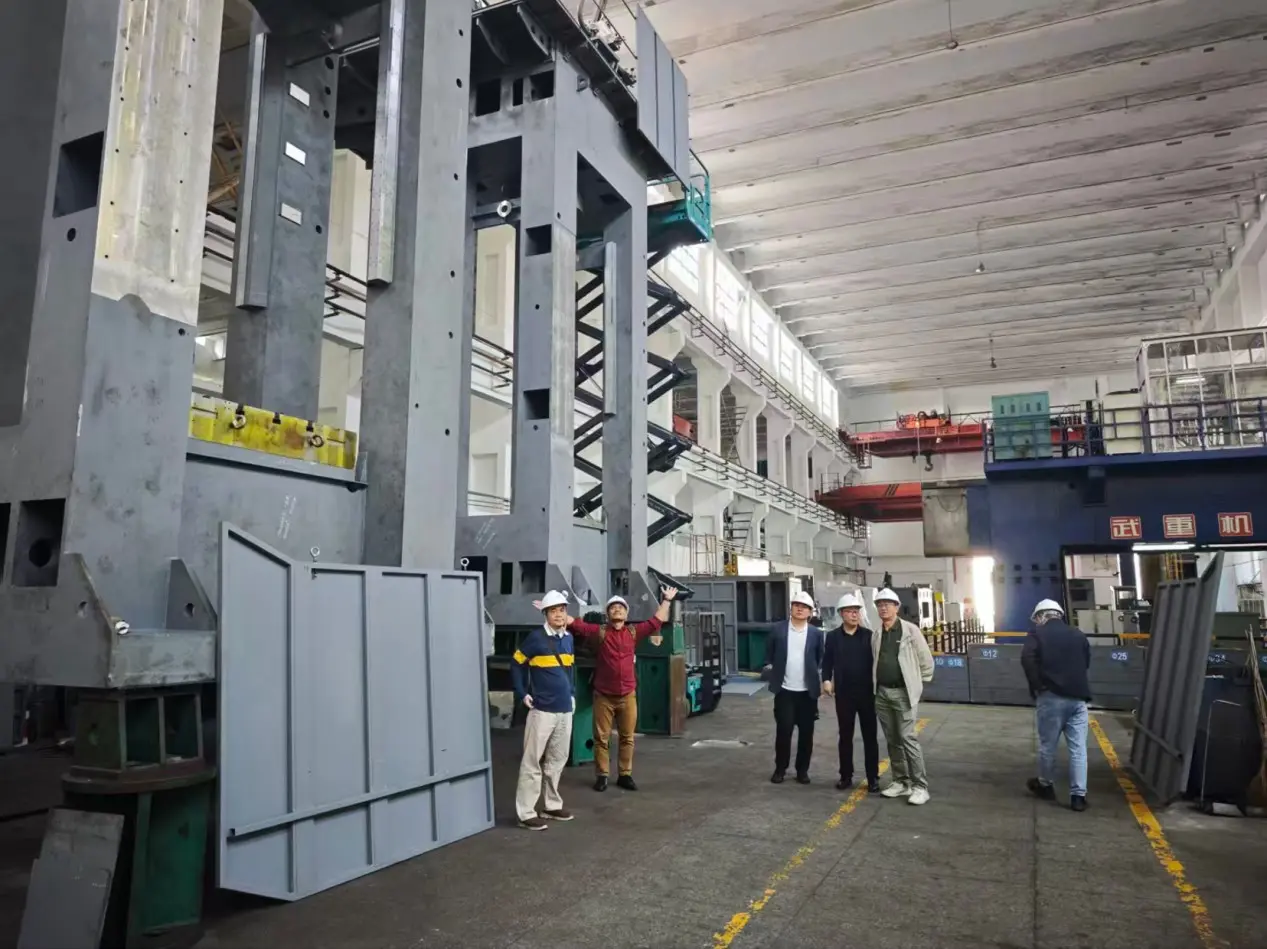
Established in 1937, Chongqing Jiangdong Machinery Co., Ltd. (Jiangdong Machinery) is an industry-leading manufacturer specializing in the research and development, design, and production of smart hydraulic forging equipment, lightweight forming tools, precision automotive dies, and specialized metal castings.
We pride ourselves on helping automotive and aerospace enterprises transition to modern lightweighting processes. By deploying state-of-the-art automation and flexible production systems, we enable customers to improve their production efficiency while maintaining exceptional accuracy across every single stroke.
Year Established
Patents Awarded / Year
R&D Projects Completed / Year
End-to-end technological integration customized to resolve production inefficiencies, excessive energy waste, and mechanical stress failures.
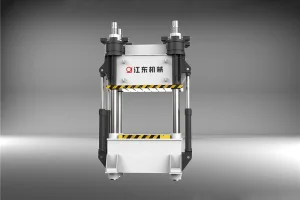
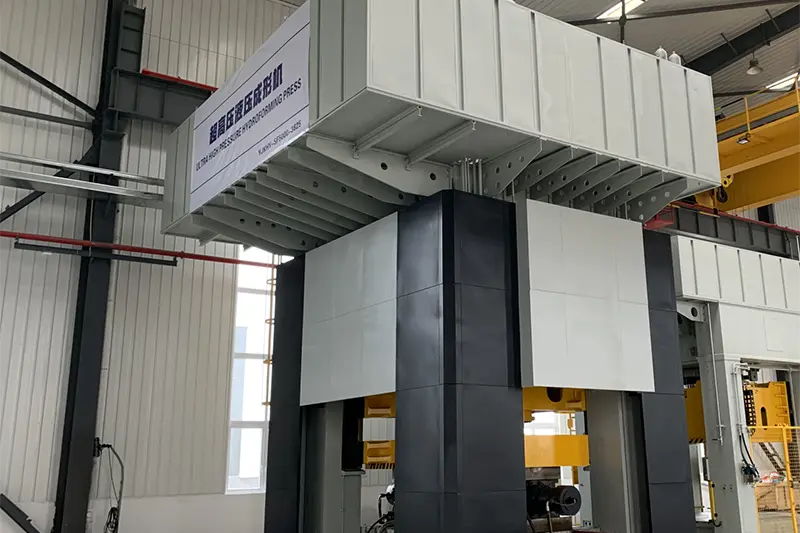
Internal high-pressure hydroforming offers lightweight solutions for variable-section hollow structural components, particularly for modern EV frames, ensuring exceptional strength with minimal weight.
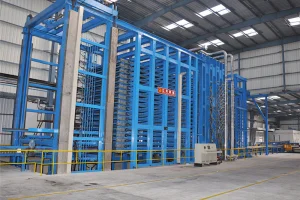
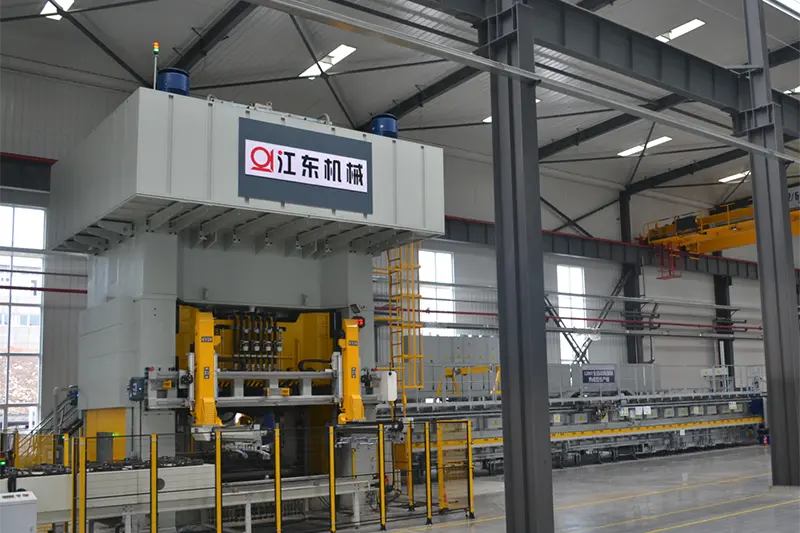
Read Solutions →Our advanced hot stamping production line leverages state-of-the-art temperature monitoring to heat boron steel and stamp it instantly, yielding ultra-high tensile strength (>1500 MPa) automotive parts.
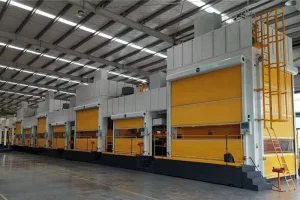
Read Solutions →Cold extrusion forming combined with high-speed multi-station setups enables precision automated stamping of complex interior components without secondary edge finishing steps.
Read Solutions →Specifically designed for titanium and aluminum-lithium aerospace alloys, maintaining isothermal tooling temperatures to minimize micro-cracking and achieve extreme ductility.
Read Solutions →Featuring direct LFT-D (long-fiber reinforced thermoplastic) and high-speed HP-RTM (high-pressure resin transfer molding) systems, optimized for automotive and structural composite body panels.
Read Solutions →To succeed in today's high-efficiency industrial environment, engineers must evaluate the complex relationship between thermal mechanical behavior and die interaction. In traditional stamping, tool deflection and material springback pose significant challenges to part accuracy. This is where advanced metal forming tools paired with high-performance hydraulic systems make a critical difference.
During isothermal forging or superplastic forming, metal alloys exhibit high ductility only under very specific strain rates and elevated temperature windows. For example, titanium alloy (Ti-6Al-4V) requires a forming temperature of approximately 900°C to 930°C. Maintaining the tooling at this exact temperature prevents thermal gradients that cause surface defects, internal stresses, or failure. Jiangdong Machinery’s isothermal forging systems feature active thermal closed-loop controls, ensuring temperature variations across the die face do not exceed ±5°C.
Similarly, lightweight automotive designs rely on LFT-D and HP-RTM technologies. The process challenges in HP-RTM include balancing injection pressures to achieve complete resin impregnation of the preform before curing begins. Fast cycle times are critical; modern HP-RTM presses must offer ultra-fast compression rates and precise parallel control of the slide plate. By maintaining active parallelism of the slide plate within 0.05 mm/m, our composite compression lines avoid resin starvation and ensure uniform material thickness.
The mechanical efficiency of these operations is defined by hydraulic valve response times and dynamic pressure control. Integrating proportional cartridge valves and variable displacement pumps reduces non-forming cycle times and heat generation. Incorporating Energy Recovery Systems (ERS) allows gravity-driven descending slide plates to regenerate electrical energy, reducing total operating costs by up to 25% compared to legacy hydraulic press configurations.
From initial design evaluation through preventative maintenance, we keep your metal forming production lines running at peak performance.

Customized Solutions

Remote Service

Maintenance

Technical Support

Spare Parts
Answers to crucial structural and process engineering queries regarding metal forming operations.
Hot stamping (or press hardening) involves heating boron steel blanks to their austenitizing temperature (approx. 900°C) and forming them while hot in water-cooled dies. This eliminates springback and results in parts with tensile strengths exceeding 1500 MPa. Cold stamping, while faster for mild steels, struggles with springback and cannot easily form complex geometries using ultra-high-strength steel.
Hydroforming uses pressurized hydraulic fluid to shape hollow metal tubing inside a closed die. This process creates seamless structural shapes with highly uniform wall thicknesses. By eliminating welded seams, hydroformed components are stronger, lighter, and more rigid, which enhances crash safety performance while reducing vehicle weight.
Thermosetting and thermoplastic composite fibers require uniform compression to distribute resin evenly without dry spots. If the press slide plate tilts during compression, it can result in uneven part thickness, variable density, and structural weak points. Active hydraulic control systems correct slide plate tilt dynamically to keep deviation within hundredths of a millimeter.
Yes. Our presses can be integrated with smart sensors, Ethernet/IP, and Profinet architectures. This allows operators to monitor real-time pressure curves, displacement, temperature, and cycle counts remotely. These diagnostics support predictive maintenance schedules to minimize unscheduled downtime.
Follow our recent projects, international collaborations, and exhibitions on the global stage.
Industrial configurations engineered to deliver exceptional performance, reliability, and precision under demanding workflows.