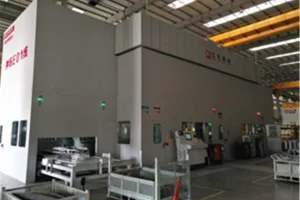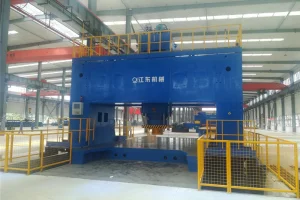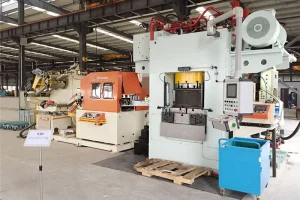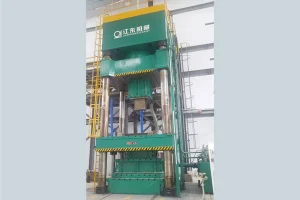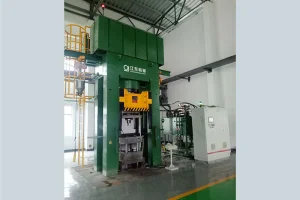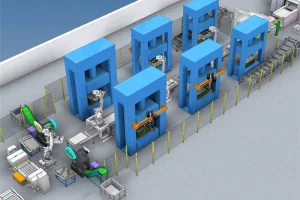
Explore our selection of heavy-duty, fully automated sheet metal stamping, forging, and thermocompression manufacturing lines engineered for high-volume output.
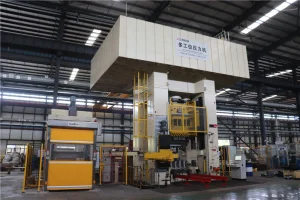
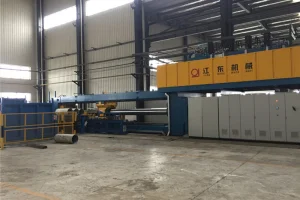
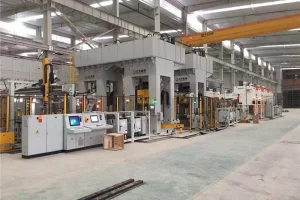
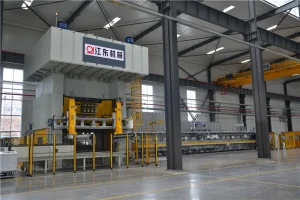
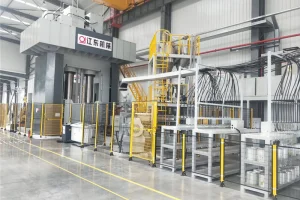
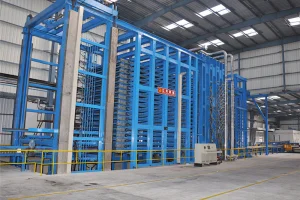
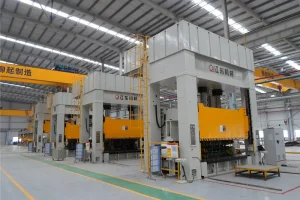
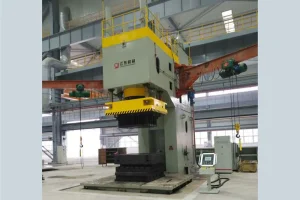
In modern manufacturing, procuring capital equipment like hydraulic presses involves navigating complex trade-offs between initial capital expenditure (CAPEX) and long-term operational costs (OPEX). The term "Discount Hydraulic Press Design" does not signify compromised quality; rather, it represents the optimization of engineering architectures to eliminate unnecessary structural redundancies while maximizing cycle efficiency. True engineering economy is achieved through state-of-the-art simulation tools such as Finite Element Analysis (FEA). By utilizing FEA, engineers can analyze load distributions and concentrate material strength precisely where high stress occurs, reducing overall frame weight without compromising rigidity.
Moreover, integrating modular design principles allows manufacturers to utilize standardized hydraulic manifolds, cylinders, and electrical controls. This standardization lowers fabrication complexity, accelerates commissioning timelines, and offers a highly competitive price structure. The resulting value loop is direct: buyers get a precision-engineered press customized for their load curves without paying for the custom-machining overhead typically associated with unique builds.
Discover our core machine configurations specialized for sheet metal stamping, composite compression molding, and aerospace superplastic forming.
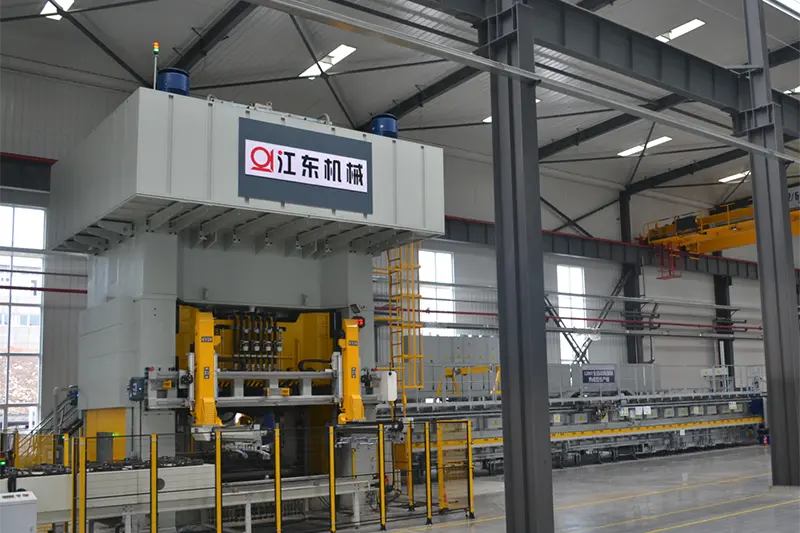
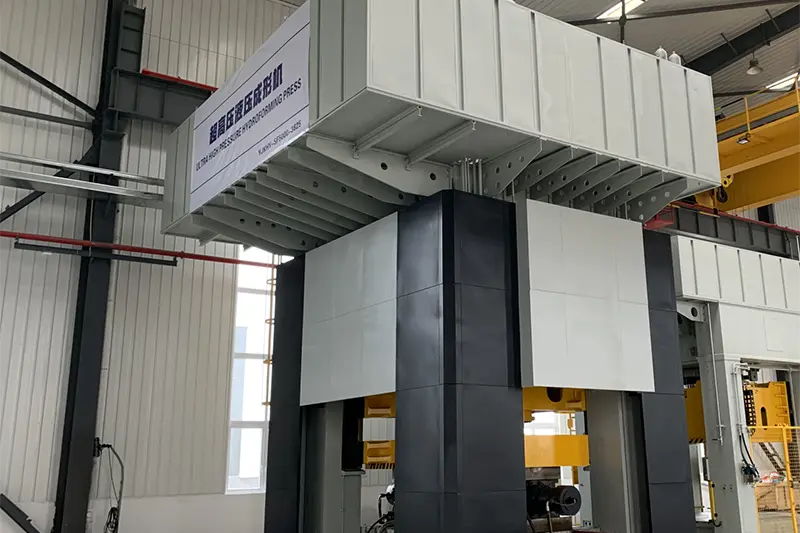
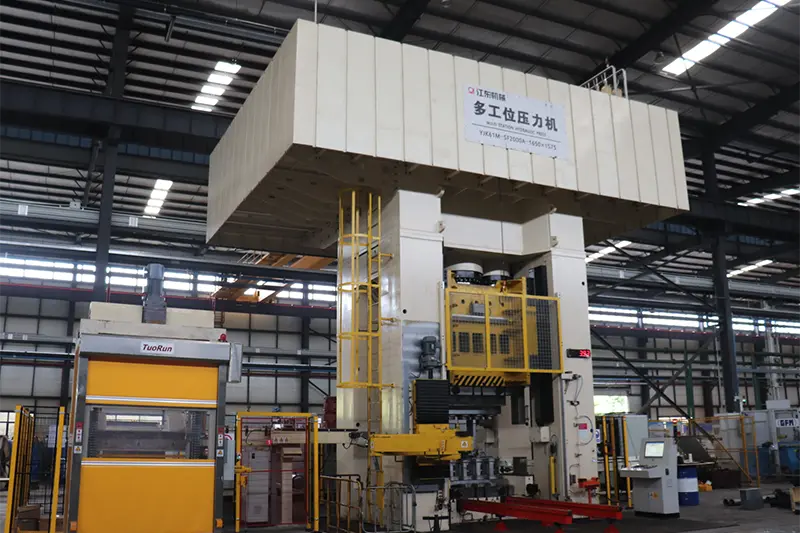
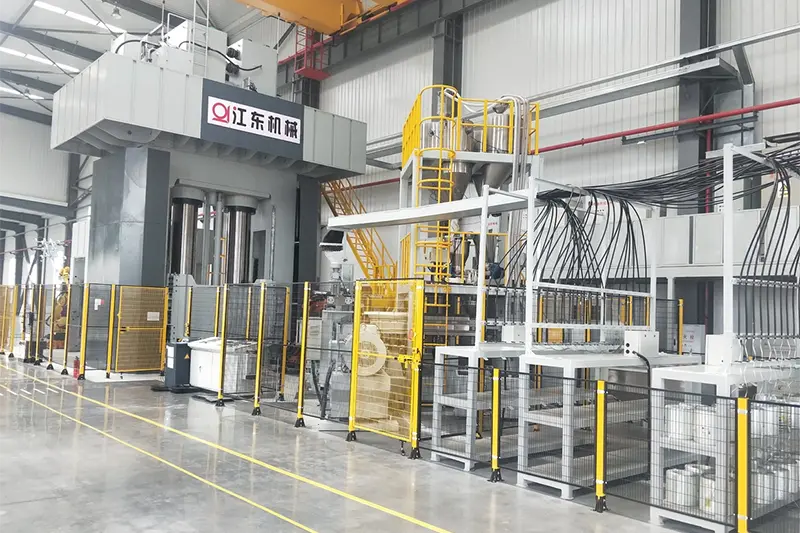
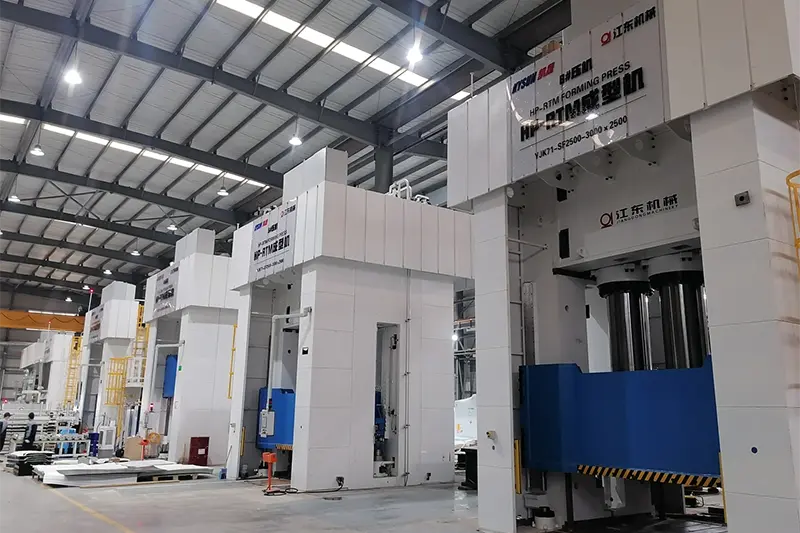
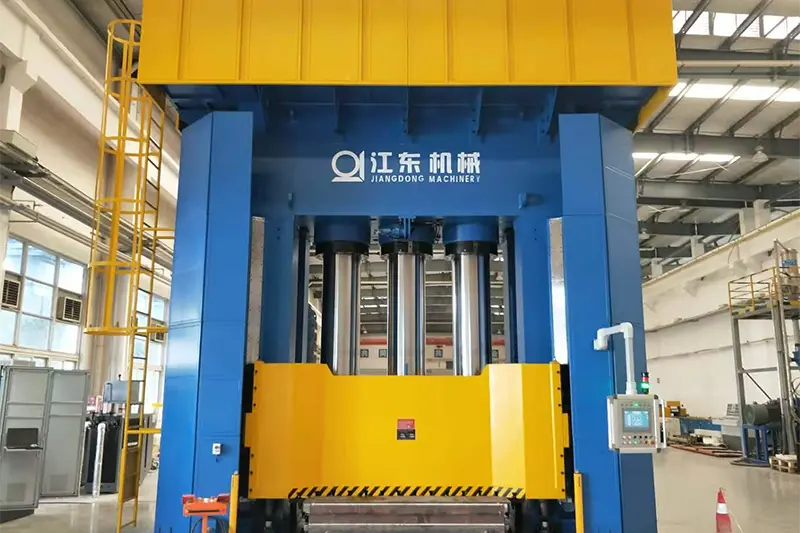
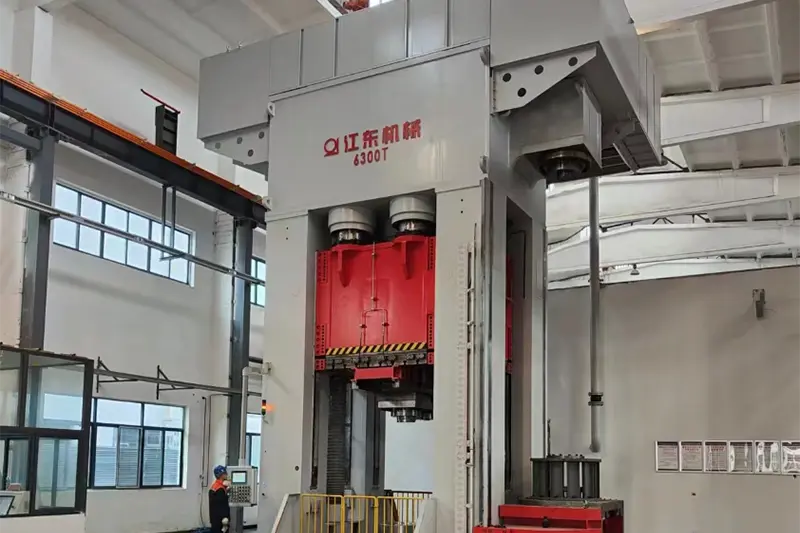
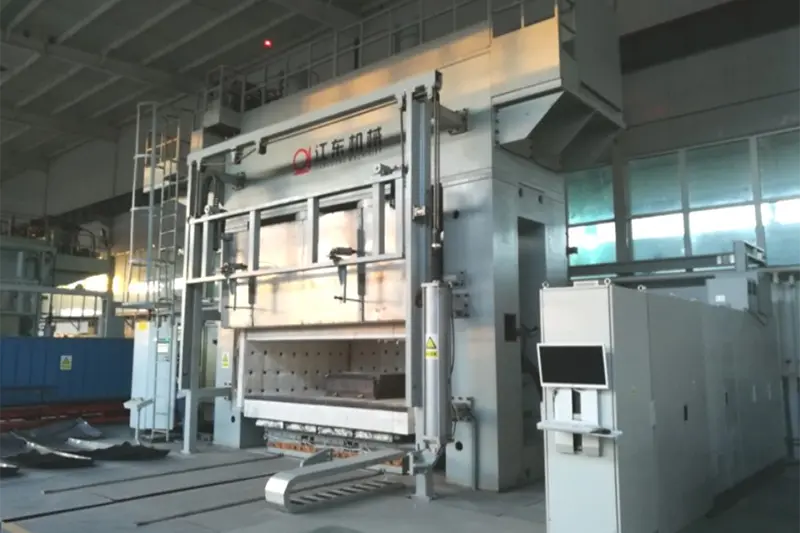
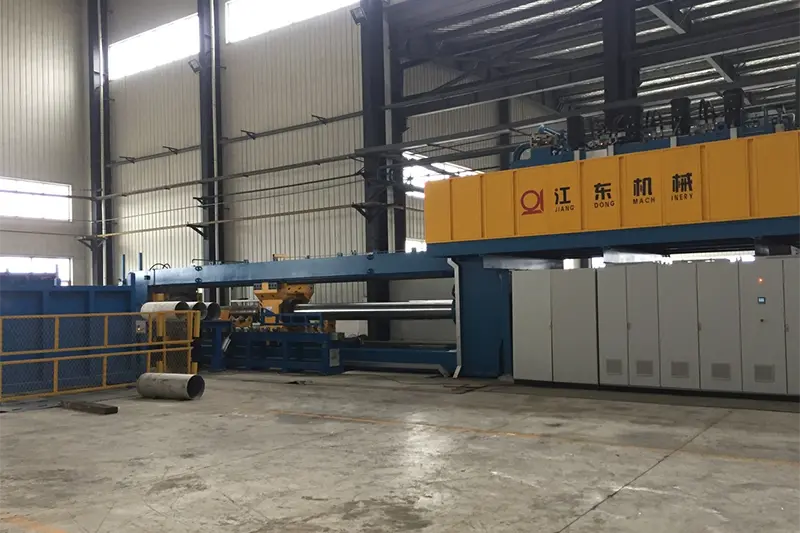
The trajectory of modern heavy industrial presses is shifting rapidly toward intelligence, real-time data acquisition, and micro-precision speed profiling. In the upcoming decade, several crucial engineering elements will define the technological paradigm of industrial presses:
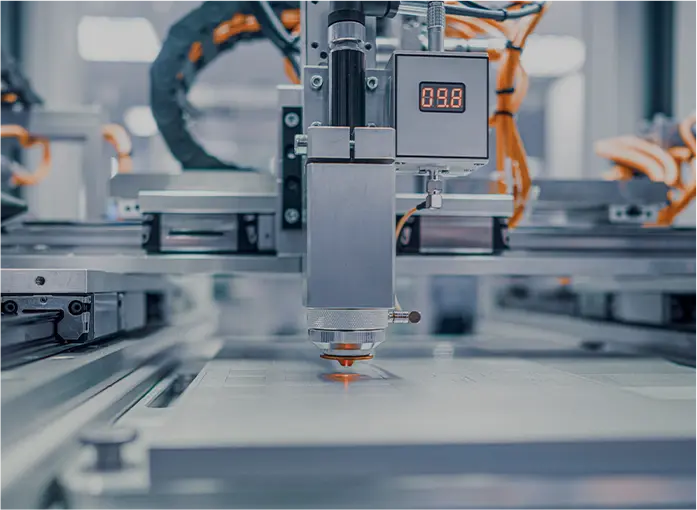
1. Intelligent Control Systems & Closed-Loop Feedback: Modern architectures incorporate digital signal processing linked to high-speed linear transducers and pressure sensors. By utilizing PLC systems (such as Siemens S7-1500 or Beckhoff controllers), the press dynamically adjusts structural positioning down to ±0.01mm and pressure variables to within 0.5% tolerance. This level of control is essential when dealing with springback effects in high-strength metals.
2. Cloud-Connected Digital Twins: By mapping physical machine parameters (ram acceleration, oil temperature, pump harmonics, guide rail friction profiles) onto a cloud-based simulation platform, maintenance teams can monitor wear patterns in real time. Predictive algorithms flag anomalies in proportional valve response curves before structural damage or part defects manifest.
3. Eco-friendly Servo-Drive Integration: Traditional valving systems generate substantial waste heat due to throttled hydraulic oil. Next-generation multi-servo motor driven pump clusters adjust speed and pressure dynamically. This design reduces internal heat buildup, extends seal lifetimes, and optimizes the system's thermal footprint.
End-to-end processing technologies engineered to optimize high-performance materials across diverse industrial environments.
The automotive and aerospace industries face constant pressure to achieve vehicle lightweighting without sacrificing structural integrity. Utilizing lighter raw materials like high-strength aluminum, ultra-high-strength steel (UHSS), and carbon fiber composites requires specialized forming processes.
In automotive manufacturing, Hot Stamping Hydraulic Press Production Lines are used to process boron steels (such as 22MnB5) into crash-relevant structures like A-pillars, B-pillars, and bumper beams. These presses achieve extreme slide speeds (exceeding 800 mm/s) and rapid cooling cycles under pressure, enabling martensitic transformations that elevate tensile strength to over 1500 MPa.
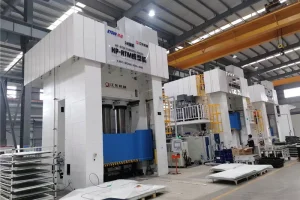
For aerospace composites, structures must maintain structural integrity under high temperatures and stress. Technologies like HP-RTM (High-Pressure Resin Transfer Molding) enable the automated, high-volume production of continuous carbon-fiber reinforced plastics. The resin injection rate, press curing temperatures, and mold clamp forces are tightly synchronized. This control minimizes internal voids, ensuring high performance in thin, complex panels.
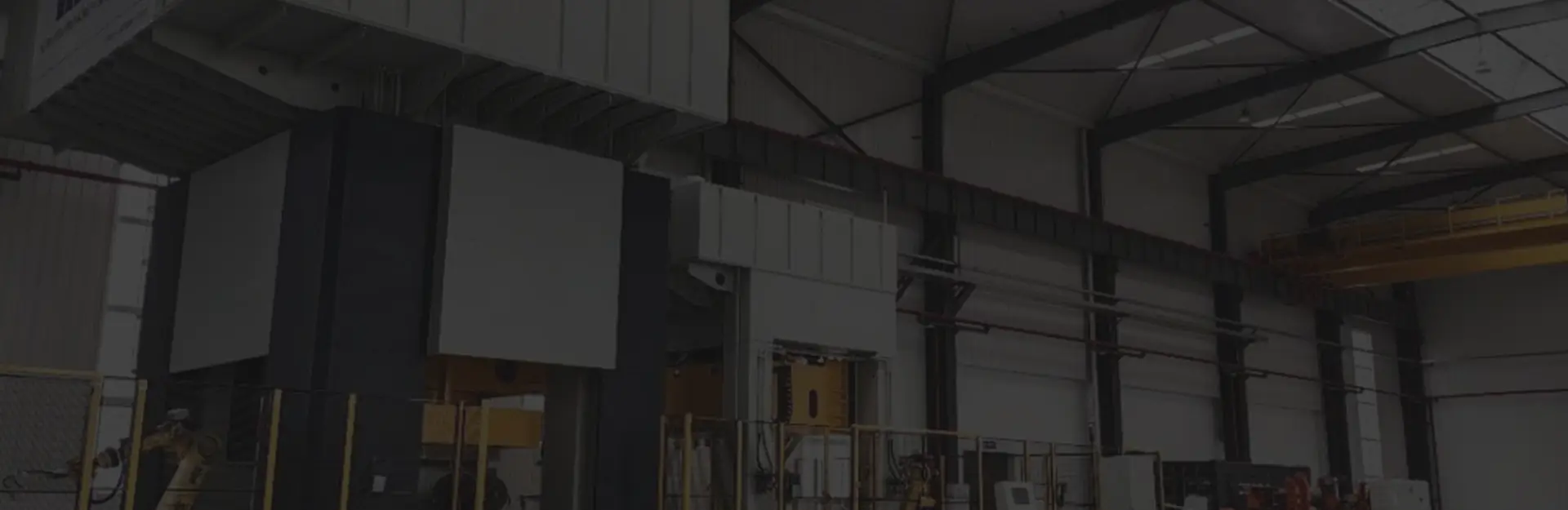
Established in 1937, Chongqing Jiangdong Machinery Co., Ltd. (Jiangdong Machinery) stands as a prominent pioneer in the global metal forming and composite molding industry. Our manufacturing capabilities bridge heavy machinery fabrication with modern automation and intelligent digital system controls.
With integrated production capabilities, we provide comprehensive industrial solutions. Our work ranges from large-scale casting machining and tooling manufacture to automated hot/cold die design and final field installation. We focus on lightweight automotive components, custom aerospace structural presses, and heavy industrial machinery, helping companies optimize their production capabilities.
View Corporate HistoryOperating out of Chongqing, the industrial heartland of Southwest China, Jiangdong Machinery leverages a highly integrated manufacturing ecosystem. Chongqing’s local supply network provides access to structural casting foundries, heavy steel suppliers, and specialized component manufacturers. This concentration of resources minimizes lead times for procuring large hydraulic cylinders, main rams, and heavy-duty structural weldments.
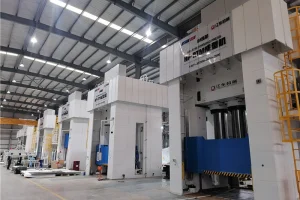
Our factory features advanced CNC milling machines, vertical boring mills, and automated welding cells. Together, these allow us to handle large-scale press frames, including those exceeding 5,000 metric tons. Crucially, this geographic and logistical efficiency directly translates into cost-effective pricing for buyers. We manage the raw steel casting, structural stress-relieving, assembly, and testing in-house, eliminating the need to outsource major processing steps and avoiding subsequent price markups.
In terms of supply chain security, Jiangdong Machinery sources key control components from trusted global suppliers. Siemens provides our digital controllers, Bosch Rexroth supplies high-pressure hydraulic components, and Omron and Schneider supply our electrical safety elements. This combination of local structural manufacturing and imported components ensures both high performance and reliable cost management.
A reference matrix to help guide procurement plans based on machine capacity, footprint dimensions, and structural options.
| Press Type | Tonnage Capacity (Metric Tons) | Speed Range (Slide Travel) | Applicable Materials | Primary Applications |
|---|---|---|---|---|
| Single-Action Sheet Stamping | 500T - 2,500T | 150 - 450 mm/s | Mild Steel, Structural Aluminum | Body-in-White panel drawing, brackets, structural mounts |
| Automated Hot Stamping Line | 800T - 3,200T | Up to 900 mm/s (Rapid Close) | Boron Steels (e.g., 22MnB5) | Safety cages, B-pillars, door reinforcement beams |
| Hydroforming Production Line | 1,000T - 5,000T | High-pressure fluid control | Tubular Aluminum, Low-alloy Steel | Engine cradles, complex chassis side rails, exhaust tubes |
| HP-RTM Composite Compression | 400T - 2,000T | 0.05 - 10 mm/s (Controlled Pressing) | Carbon Fiber, Epoxy Resin systems | Aerospace body panel structures, EV battery enclosure shells |
| Isothermal Forging Systems | 2,000T - 10,000T | Micro-controlled displacement | Titanium Alloys, Superalloys | Turbine disks, heavy aircraft landing gear structures |
Exporting complex heavy machinery requires strict adherence to regional safety and technical regulations. A system manufactured for the European market must comply with the CE Machinery Directive (2006/42/EC). This involves incorporating dual-channel safety relays, hydraulic locking valves, and certified light curtains. For the North American market, electrical layouts must meet NFPA 79 standards, and key components must carry UL / CSA certifications.
At Jiangdong Machinery, our engineering and quality assurance teams prepare compliance documents for each region we export to. Beyond shipping logistics, we assist with initial installation through international field technicians who oversee mechanical assembly, electrical integration, and system calibration.
Additionally, our remote diagnostic modules allow engineers in Chongqing to assist onsite technicians in real time. Through secure VPN connections, we can access the PLC back-end to analyze sensor issues, trace valve malfunctions, and push software updates. This direct support helps minimize downtime and reduces the need for expensive onsite service visits.
Comprehensive technical support from initial project planning to long-term lifecycle maintenance.

Customized Solutions

Remote Service

Maintenance

Technical Support

Spare Parts
Technical answers to common questions about hydraulic press selection, design customization, and cost management.
Follow our latest international collaborations, technological breakthroughs, and upcoming industry events.
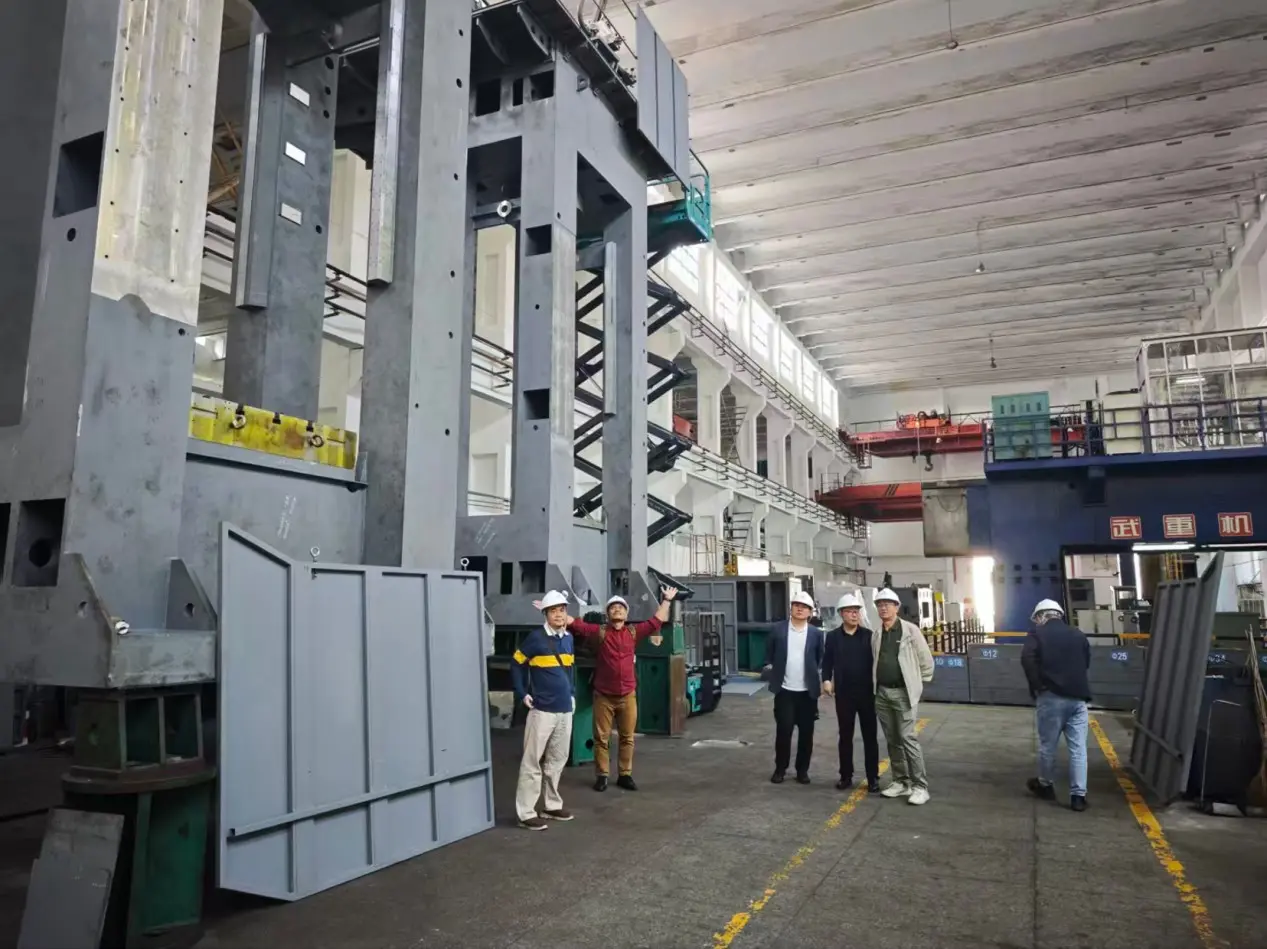
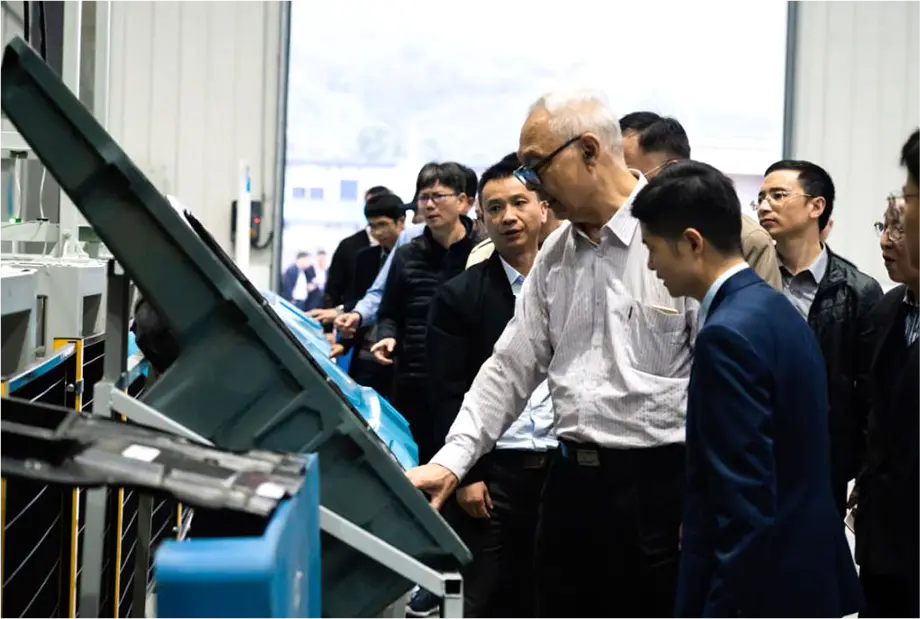
Recently, a delegation of Indonesian customers visited Jiangdong Machinery to inspect its manufacturing capabilities, product quality, and technical strengths, laying a solid foundation for future production line deployments.
Read Full ArticleRecently, multiple partners from countries including Thailand, Indonesia, and Malaysia visited our facilities to discuss collaborative plans for lightweight composite molding equipment.
Chongqing Jiangdong Machinery Co., Ltd., a leading enterprise in China's metal forming sector, outlines its upcoming strategic roadmap for digital twin industrial operations.
Discover our range of advanced structural forming systems, carbon fiber molding equipment, and high-speed blanking lines designed to meet specific factory floor requirements.