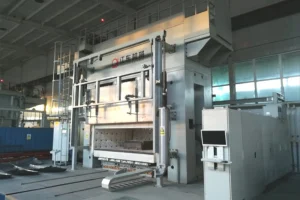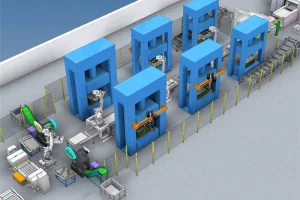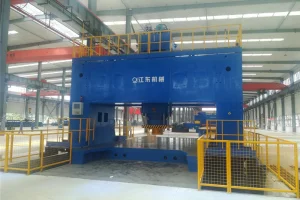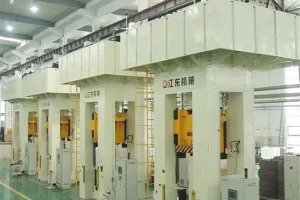
Explore our industry-validated structural component shaping machinery designed for Tier-1 automotive mold fabricators and factories globally.
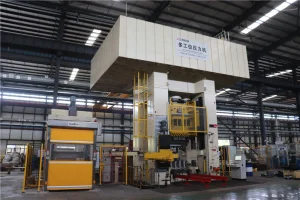
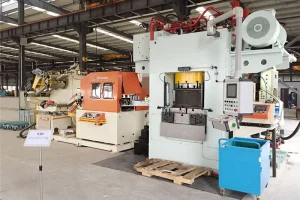
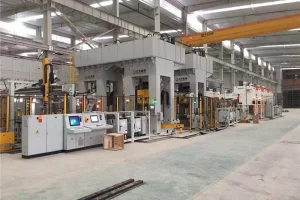
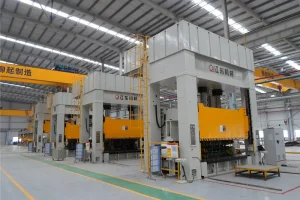
In modern automotive design, the A-pillar is a critical structure that manages front-end crash impacts and rollover crash energy. Demands for weight reduction to meet carbon emission standards and EV range improvements require thin-walled, ultra-high-strength components. A-pillar hot forming dies (also known as press hardening dies) have emerged as the standard solution, enabling boron steel blanks (such as PHS1500 or PHS2000) to transform into complex shapes with tensile strengths exceeding 1500 MPa.
Purchasing tooling from optimized manufacturer regions like China allows automotive Tier-1 suppliers to achieve significant capital expense savings without compromising on strict dimensional accuracy or cycle-time metrics. This whitepaper explains the design criteria, metallurgy, and supply-chain structures that support the production of reliable A-pillar dies.
Hot stamping combines thermal processing and mechanical forming inside a single die set. The boron steel sheet is heated in a furnace to its austenitization temperature (typically around 900°C to 950°C), transferred to the hot forming die, shaped, and rapidly quenched. The cooling rate must exceed the critical cooling rate of the material (typically >30°C per second) to guarantee a full transformation from ductile austenite to high-strength martensite.
Managing heat transfer across the die face requires careful engineering. A-pillars often feature complex geometries with variable curves and deep draws. Differences in part contact pressure can lead to localized thermal stagnation, resulting in mixed microstructures (such as bainite or ferrite) that compromise structural crash safety. Advanced manufacturers address this by varying the spacing of cooling channels, integrating thermal barriers, or using hybrid tool steels with high thermal conductivity in areas that experience low contact pressure.
A critical factor in reducing cycle times and achieving consistent hardness is the layout of the cooling channels. Traditional straight-drilled cooling channels often fail to reach complex corners or deep cavities, leading to hot spots. Advanced die manufacturers use conformal cooling channels, which follow the contours of the part surface at a consistent depth.
Through Finite Element Analysis (FEA) platforms like AutoForm, PAM-STAMP, and ANSYS, engineers simulate the entire thermal-mechanical forming cycle. These models predict:
Because hot forming dies operate under extreme thermal cycling and high contact pressures, tool steels must exhibit high warm yield strength, high thermal fatigue resistance, and good toughness. Common materials include hot-work tool steels such as DIN 1.2344 (AISI H13), 1.2367, or specialized powder metallurgy steels.
To resist severe abrasive wear from aluminum-silicon (Al-Si) coatings on boron steel sheets, dies undergo surface treatments such as:
Production processes and quality management systems aligned with international automotive standards.
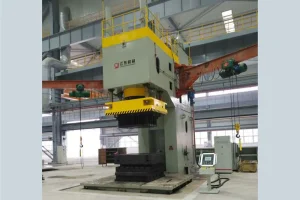
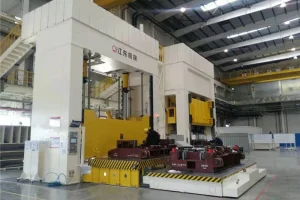
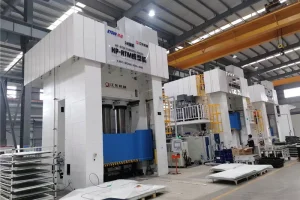
Supplying press lines, heating furnaces, automated transfer systems, and dies for complete production setups.
Specialized lightweight forming and hot stamping solutions designed by Chongqing Jiangdong Machinery.
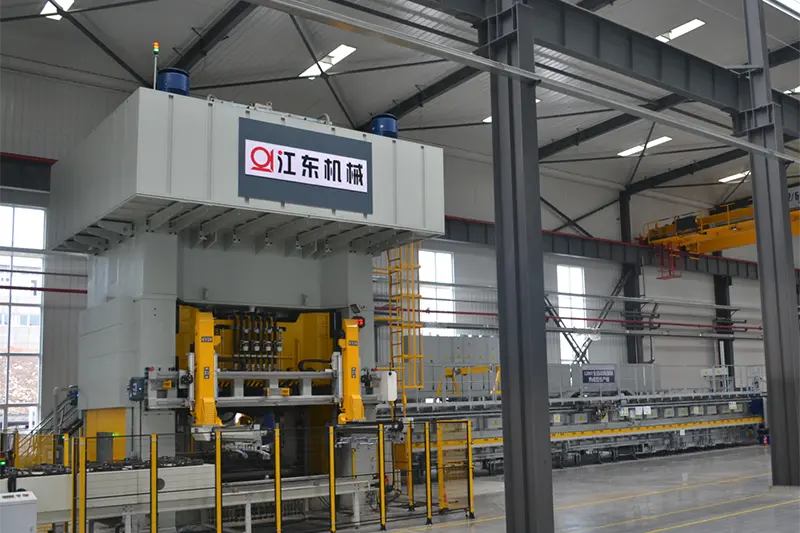
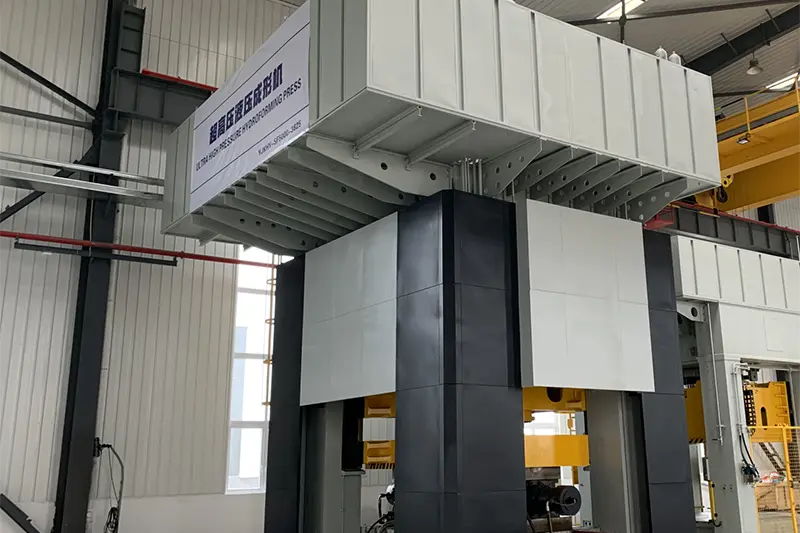
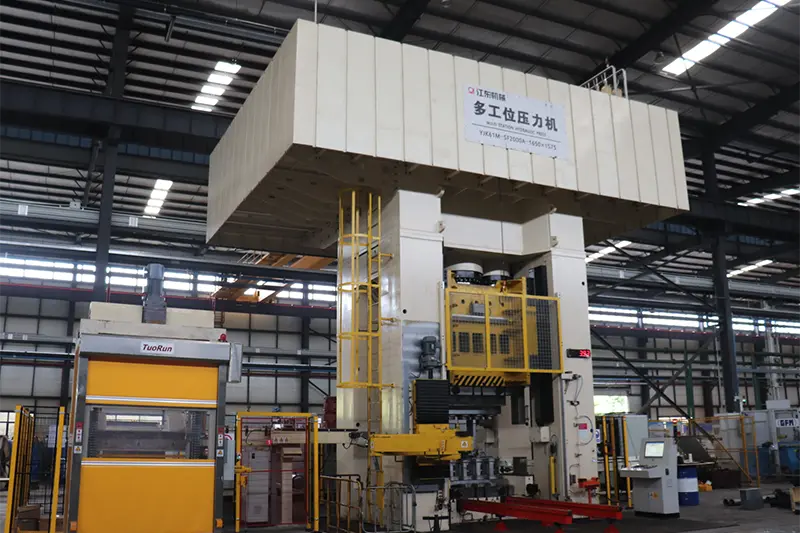
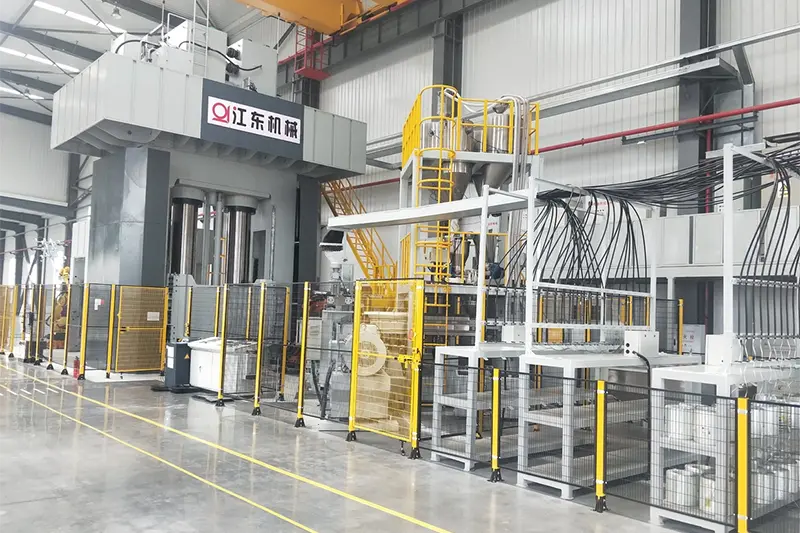
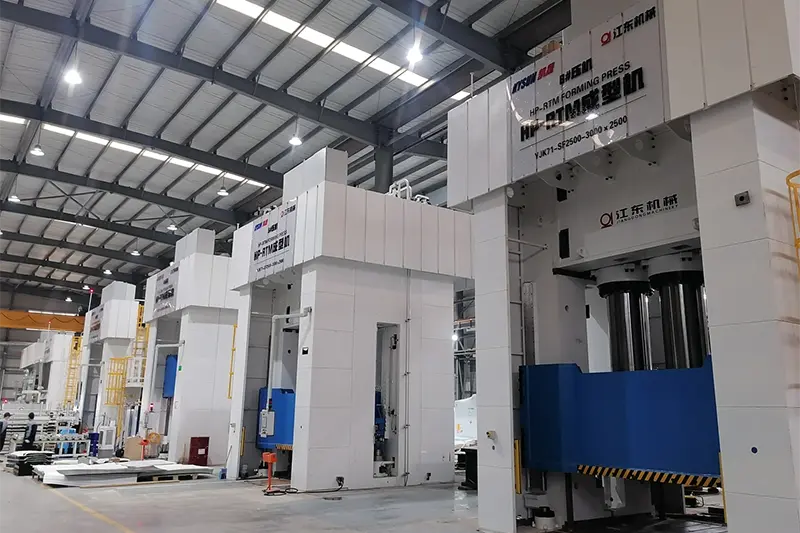
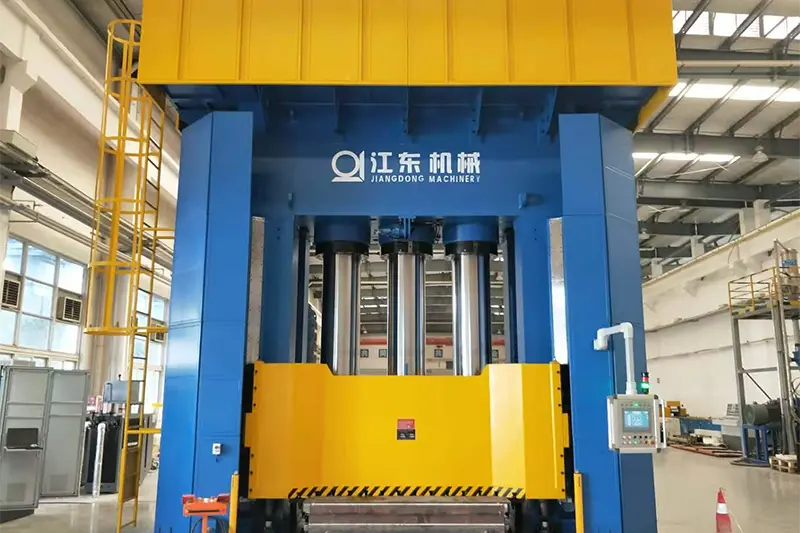
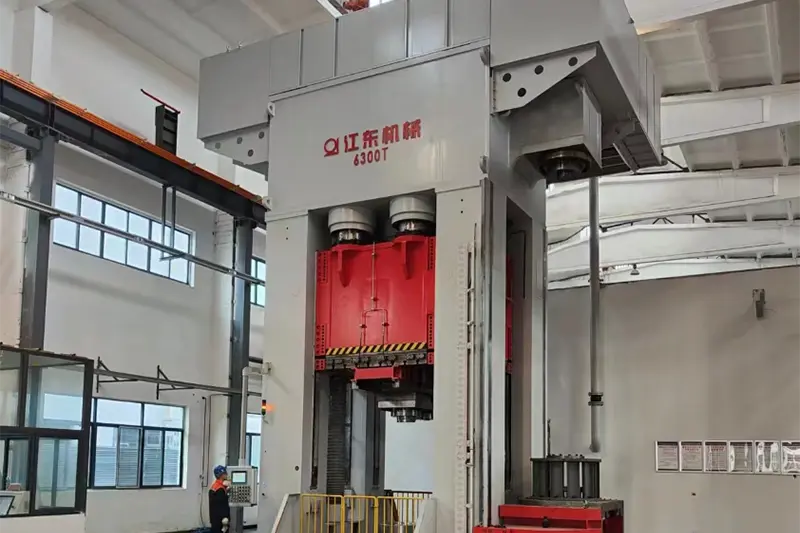
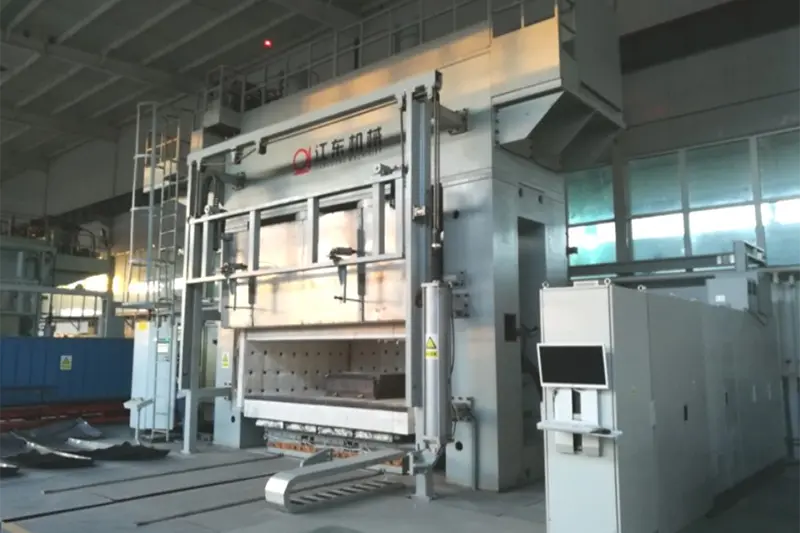
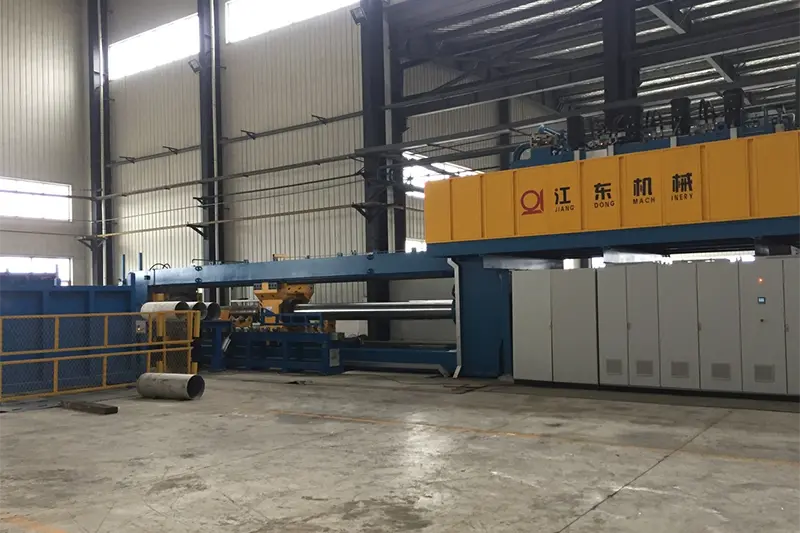
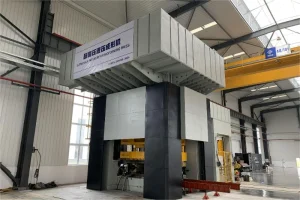
Jiangdong Machinery is committed to matching customer requirements through integrated engineering, tooling design, and automation.
When procurement teams seek cost-efficient hot forming dies, they must distinguish between simple cost reduction and value engineering. True cost efficiency in tooling is achieved through:
This approach allows manufacturers to lower upfront capital expenses while maintaining the performance, dimensional accuracy, and production lifespan required for high-volume automotive runs.
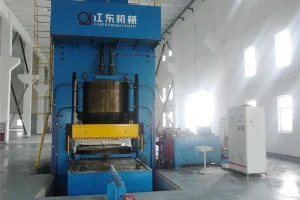
Chongqing Jiangdong Machinery Co., Ltd. is a comprehensive forging company integrating R&D, production, sales, and service of hydraulic presses, lightweight forming technology, lightweight parts, hot and cold stamping dies, and metal castings. As an equipment and parts manufacturer, the company develops hydraulic presses and production lines featuring advanced automation, intelligence, and flexibility.
At the same time, Jiangdong Machinery provides customers with metal and non-metal hydraulic forming equipment and integrated forming technology solutions, with a strong focus on automotive lightweighting applications.
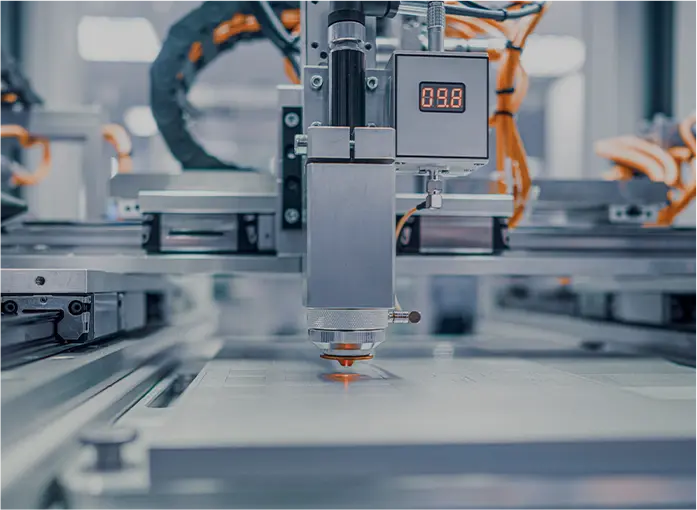
From initial FEA simulation to on-site commissioning, our engineering team provides complete lifecycle support.

Tailored tooling dimensions, cooling layouts, and automated interface specifications designed around your press setup.

Fast remote troubleshooting, virtual buy-offs, and software updates for automated handling interfaces.

Scheduled mold wear checks, cooling loop cleaning, and sensor calibration to extend production lifespans.

Metallurgical advice, springback adjustment assistance, and cycle time optimization from experienced tooling engineers.

Global supply of replacement inserts, gas springs, thermocouples, and cooling connectors to minimize operational downtime.
Sourcing automotive tooling internationally requires strict adherence to regional automotive standards and safety certifications. Jiangdong Machinery manufactures equipment and dies in compliance with global standards, ensuring seamless integration into existing assembly lines.
As the automotive industry transitions to electric drivetrains, battery safety has led to new structural designs. A-pillars are increasingly integrated with B-pillars and roof rails to create comprehensive safety rings. Key trends shaping the future of this sector include:
Answers to key engineering and procurement questions regarding A-pillar hot forming dies.
Stay updated on industry trends, customer visits, and our participation in international events.
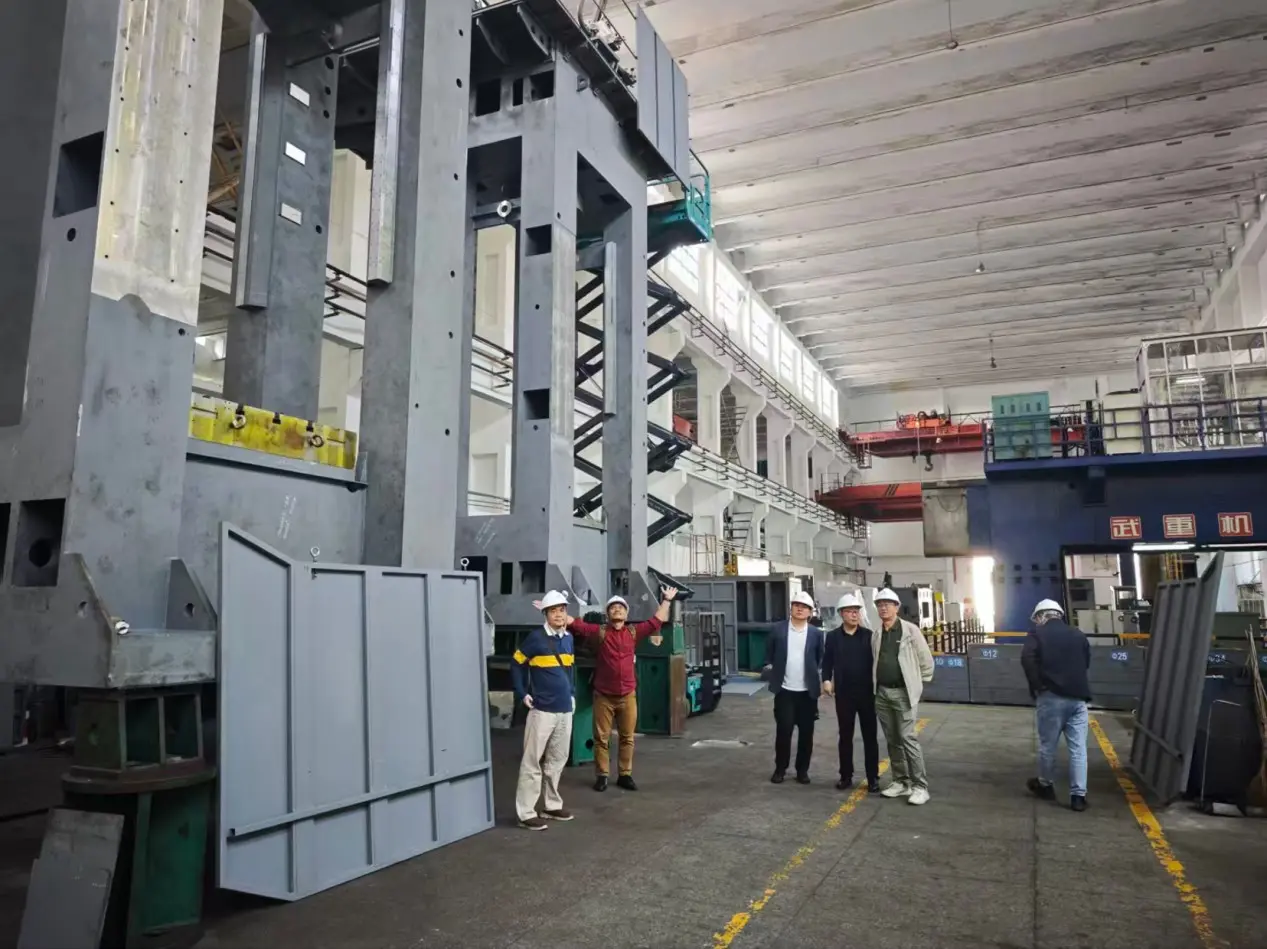
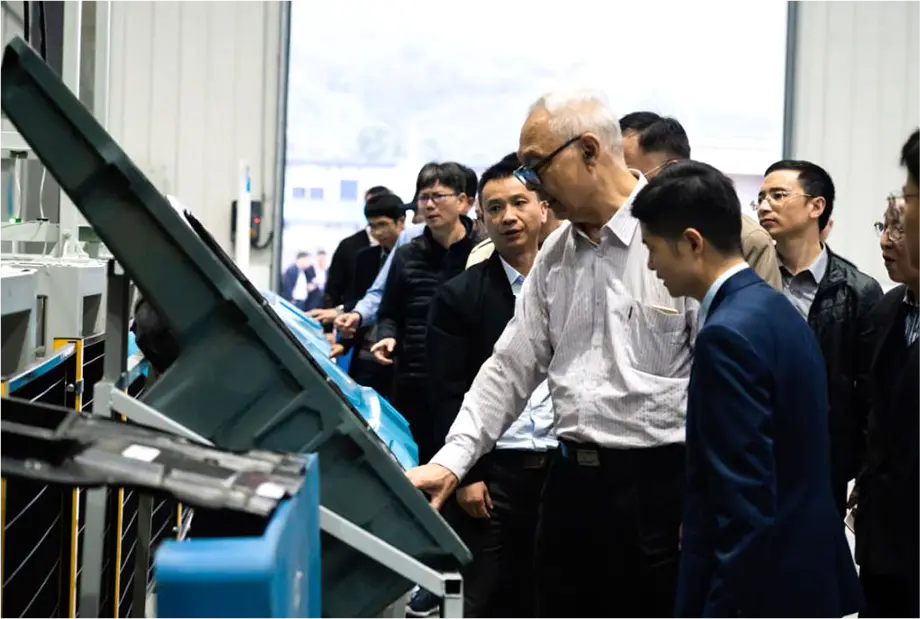
Recently, a delegation of Indonesian customers visited Jiangdong Machinery to inspect its capabilities, product quality, and technical strengths, laying a solid foundation for future cooperation...
Inspection of core manufacturing capabilities, testing laboratories, and robotic assembly facilities to support future sheet metal automation projects.
Welcoming global partners from Thailand, Indonesia, and Malaysia to establish collaborative engineering processes and tooling procurement agreements.
Jiangdong Machinery, a leader in metal forming machinery, showcases new lightweight materials processing machinery and hydroforming equipment at international trade fairs.
Our wider range of forging equipment, hydroforming machinery, and aerospace-grade forming lines.