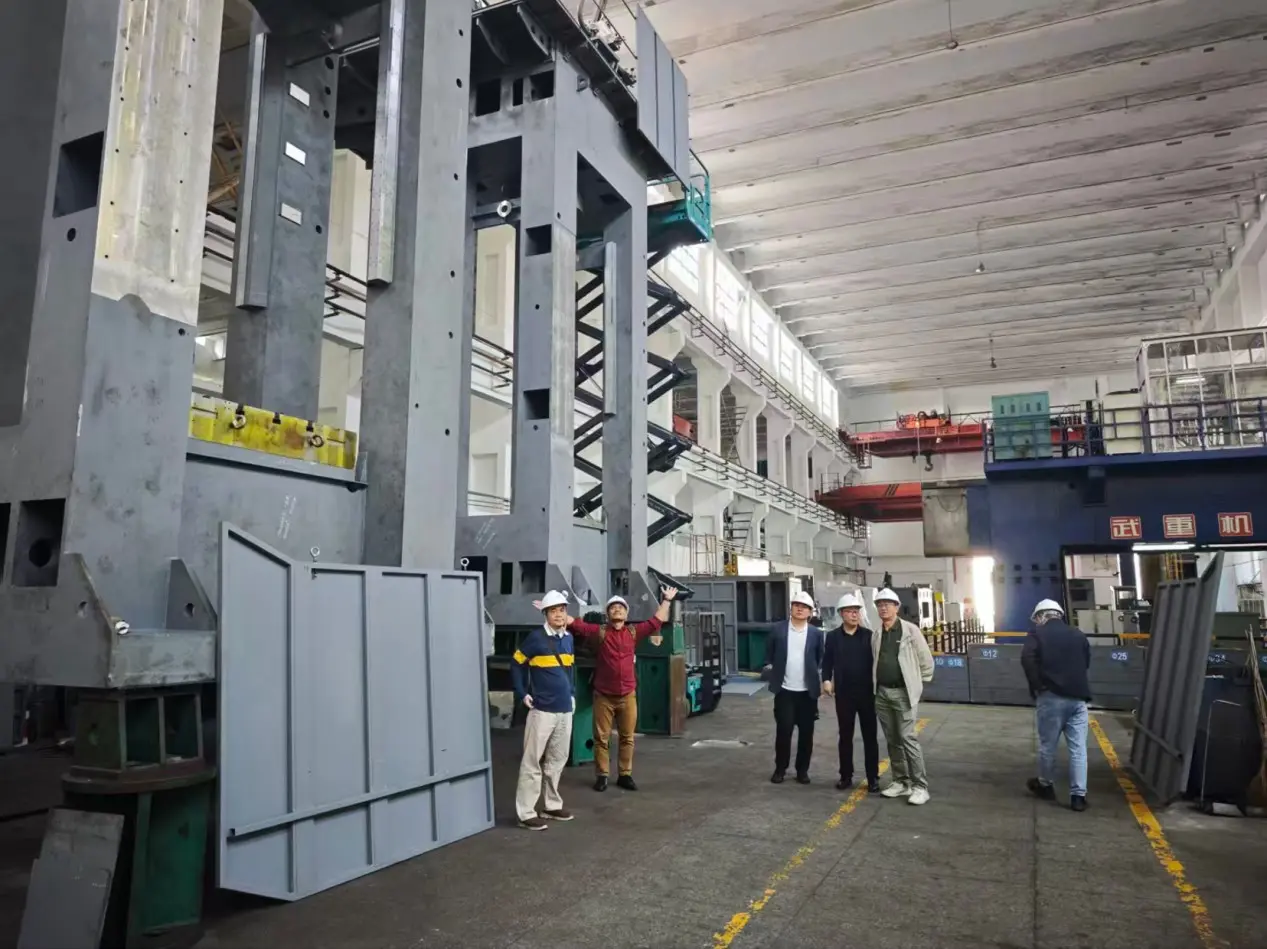
High-performance custom solutions developed by Chongqing Jiangdong Machinery, engineered to optimize high-strength steel forming, composites, and component structural integrity.
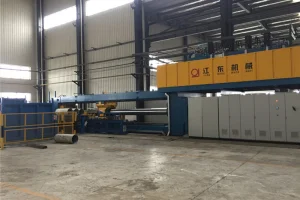
Integrated horizontal draw capability ensuring uniform thickness and high yield limits.
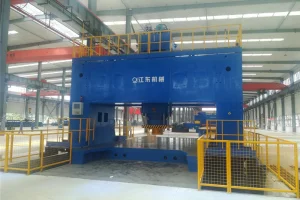
High-rigidity gantry system optimized for accurate straightening of extra-wide structural plates.
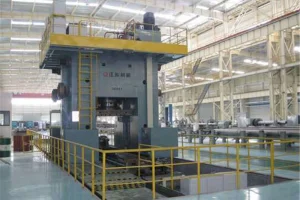
Automatic measurement & closed-loop feedback straightening processes for forged bars.
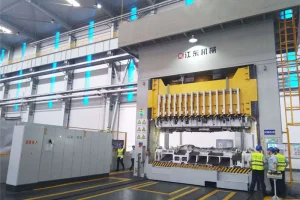
High structural stroke and micro-inch positioning systems for rapid sheet metal die calibration.
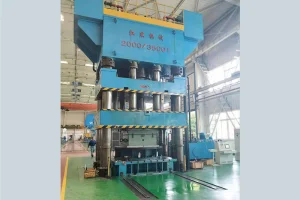
Dual slide cylinder configurations providing uniform blank holding forces for deep-drawn shapes.
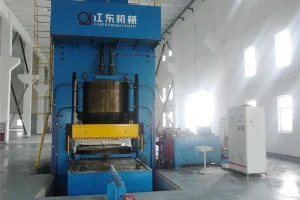
Specifically designed wear-resistant dust protection systems for abrasive material compaction.
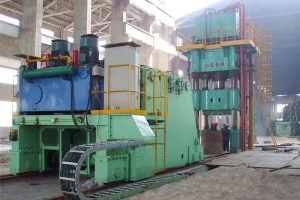
High speed forging control systems designed to maintain rapid open-die forging cycles.
Precision resin injection and high pressure curing systems for high-volume structural carbon fiber.
The global automotive manufacturing landscape is undergoing a structural transition. The shift toward Electric Vehicles (EVs) combined with stringent worldwide fuel economy and emission targets has pushed automotive lightweighting into critical focus. Automotive stamping machines stand as the foundational infrastructure of this transformation, tasked with processing next-generation metals like Ultra-High-Strength Steel (UHSS), lightweight aluminum alloys, and high-performance carbon-reinforced polymer matrices.
In this industrial epoch, traditional mechanical stamping presses are no longer sufficient to handle the complex structural forming processes required for modern Body-in-White (BIW) architectures. Advanced servo-hydraulic technology, multi-station transfer lines, and hot stamping press systems have emerged as the industry standards. Chinese manufacturing facilities have evolved from simple equipment fabricators to premium technological innovators, providing the global supply chain with highly integrated, automated, and digital-first systems capable of handling gigaton-level requirements.
Automotive structural parts require both extreme tensile strength for crash protection and minimum mass to offset the battery weight in new energy vehicles.
Exploring the mechanical systems, high-speed lines, and advanced compression molding solutions designed for next-generation material forming.
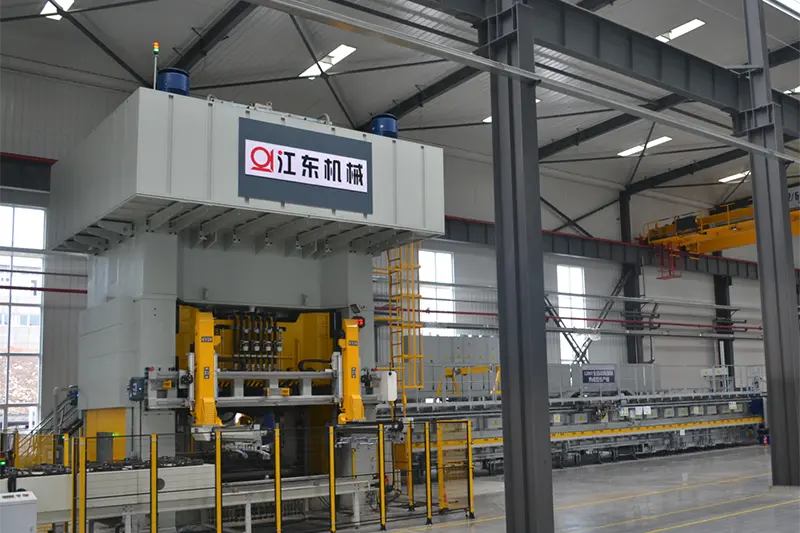
Designed for ultra-high-strength steel sheet forming. The material is heated past the austenitizing temperature, formed, and rapidly quenched inside the water-cooled dies, yielding martensitic microstructures with ultimate tensile strength up to 2000 MPa.
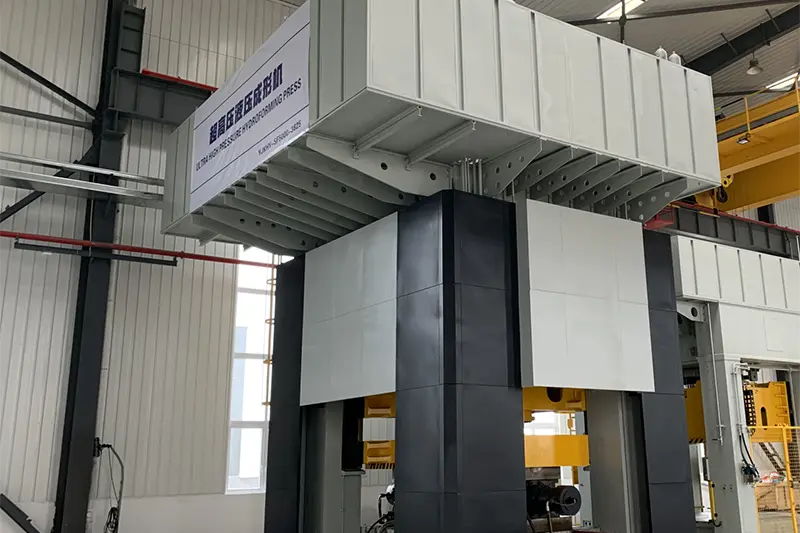
Applies extreme internal fluid pressure combined with axial feeding forces to expand hollow tubular raw materials into irregular shapes. Widely utilized for subframes, engine cradles, and instrument panel beams.
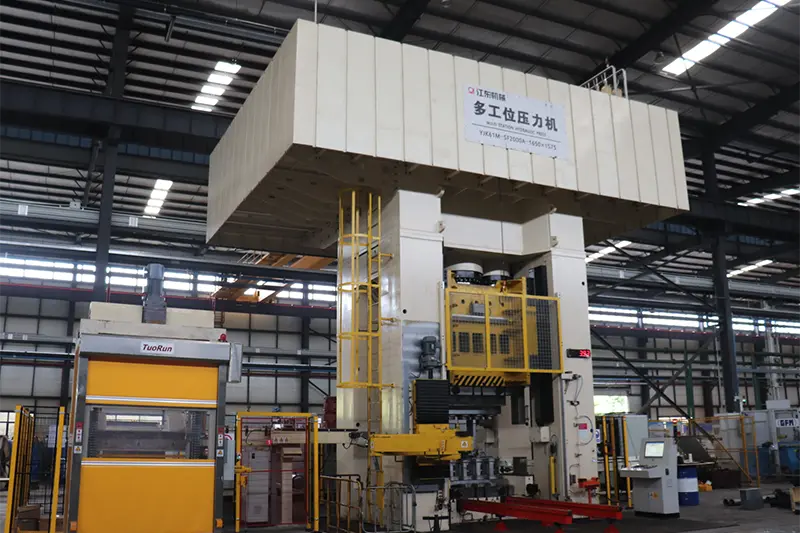
Integrates multiple forging steps into a continuous automation line. Enables rapid throughput of highly dense structural automotive gears, shafts, and suspension linkages with minimal raw material waste.
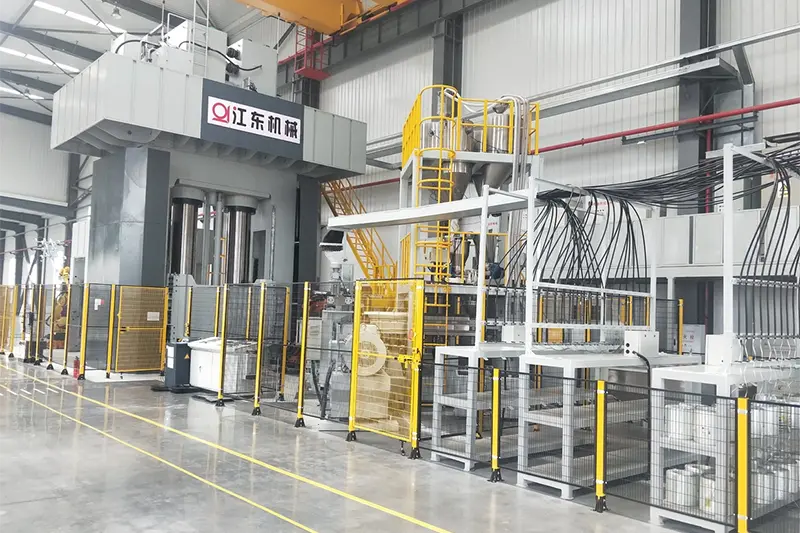
Integrates compounding and molding in one step. Extruded plastic melts with long fibers are directly placed in compression molds, preserving fiber length for high impact absorption applications like underbody shields.
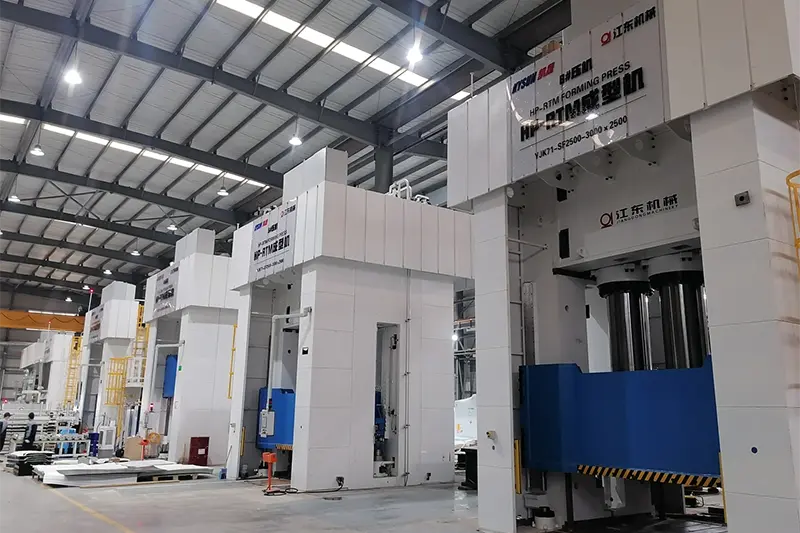
Delivers high-pressure injection of fast-curing epoxy resins into preformed carbon fiber structures, facilitating fast cure cycles suitable for high-volume automotive production of structural frames.
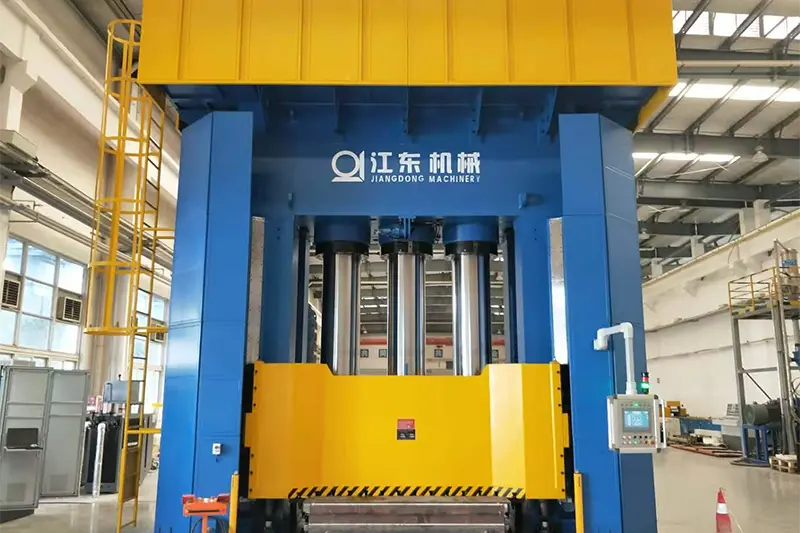
A versatile suite of heating, compression, and curing technologies handling Sheet Molding Compounds (SMC) and Prepreg Carbon Materials (PCM) for lightweight trunks, tailgates, and hood panels.
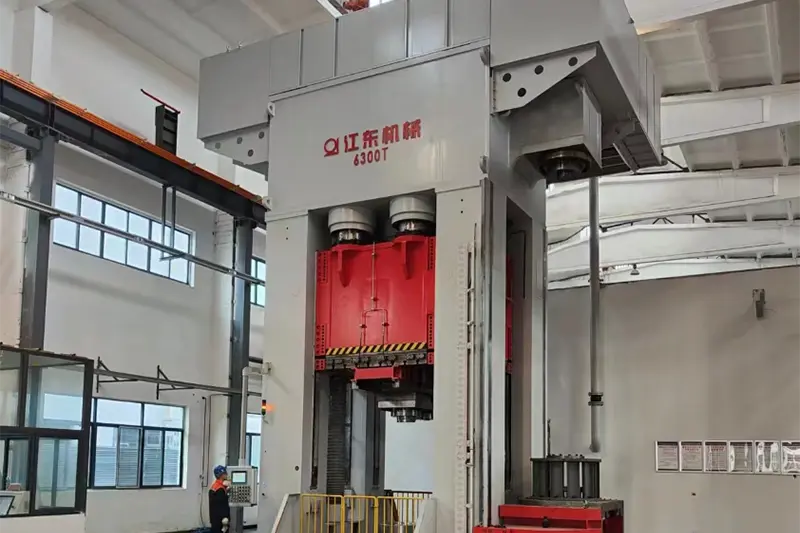
Maintains the workpiece and dies at the same constant temperature, preventing heat loss and enabling precise structural forming of advanced aero and auto titanium-aluminum components.
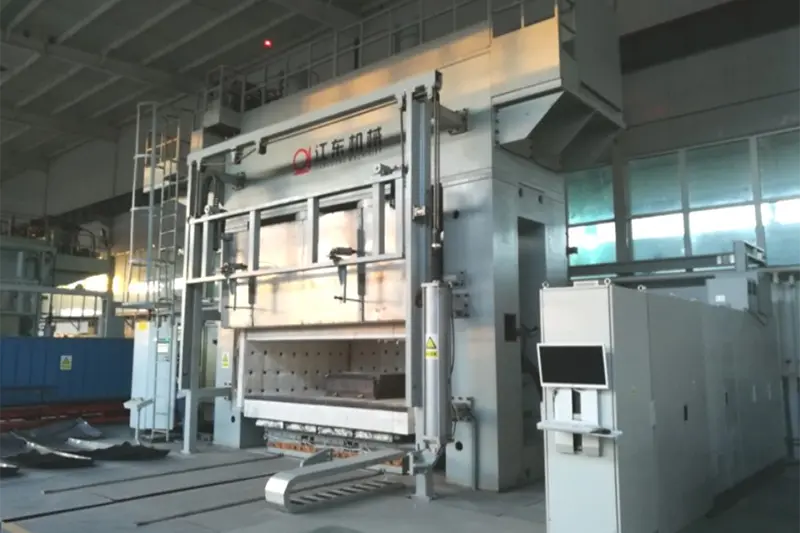
Applies ultra-slow strain rates to materials exhibiting exceptional elongation properties at elevated temperatures, forming highly complex single-piece parts without internal stress concentrations.
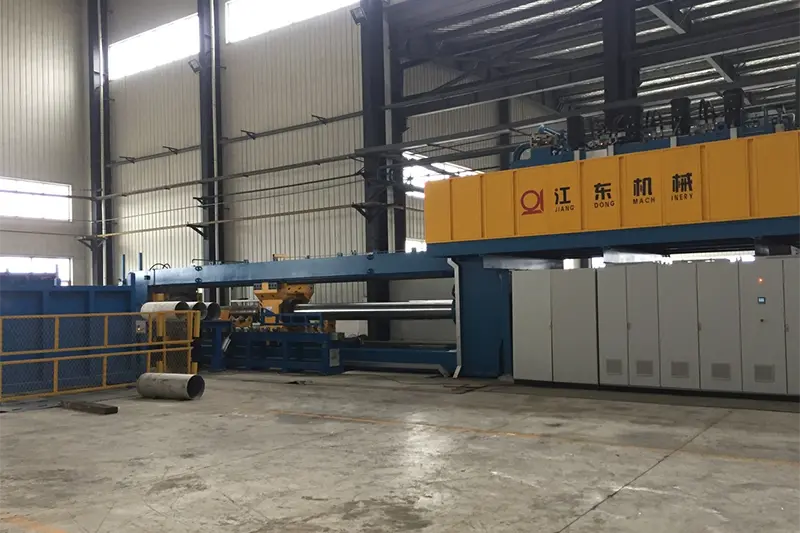
Optimized hydraulic drawing press systems utilizing multi-pass progressive stroke sequences to stretch seamless steel or composite wrapped cylinders to high pressure rating tolerances.
Decades of Heavy Machine Engineering Expertise
Proprietary Hydraulic Flow and Structural Designs
Collaborating globally for advanced lightweight materials
Jiangdong Machinery delivers complete systems, moving from simple custom equipment production to "one-stop" turn-key macro-level forming systems.
Includes high-pressure internal hydroforming and hot gas expansion forming technology. These systems allow complex structural tubes to form seamlessly, reducing assembly and welding time.
High-speed hot stamping and cooling systems for ultra-high-strength boron steels, achieving microstructural hardness and strength metrics suitable for global passenger cabin safety cages.
Cold extrusion, multi-station mechanical transfers, and high-speed fine blanking lines that yield clean component edges, cutting out supplementary shaving or trimming procedures.
Fully integrated compound extruders, robotic handling systems, and compression presses that form strong vehicle structural pieces with low cycle times.
High pressure resin mixing head, dosing system, vacuum assist, and fast clamping force profile management to enable consistent density in carbon-reinforced composite panels.
Precise temperature regulation profiles across the tool face, slow press speed calibration, and protective gas environment controls for advanced structural aerospace components.
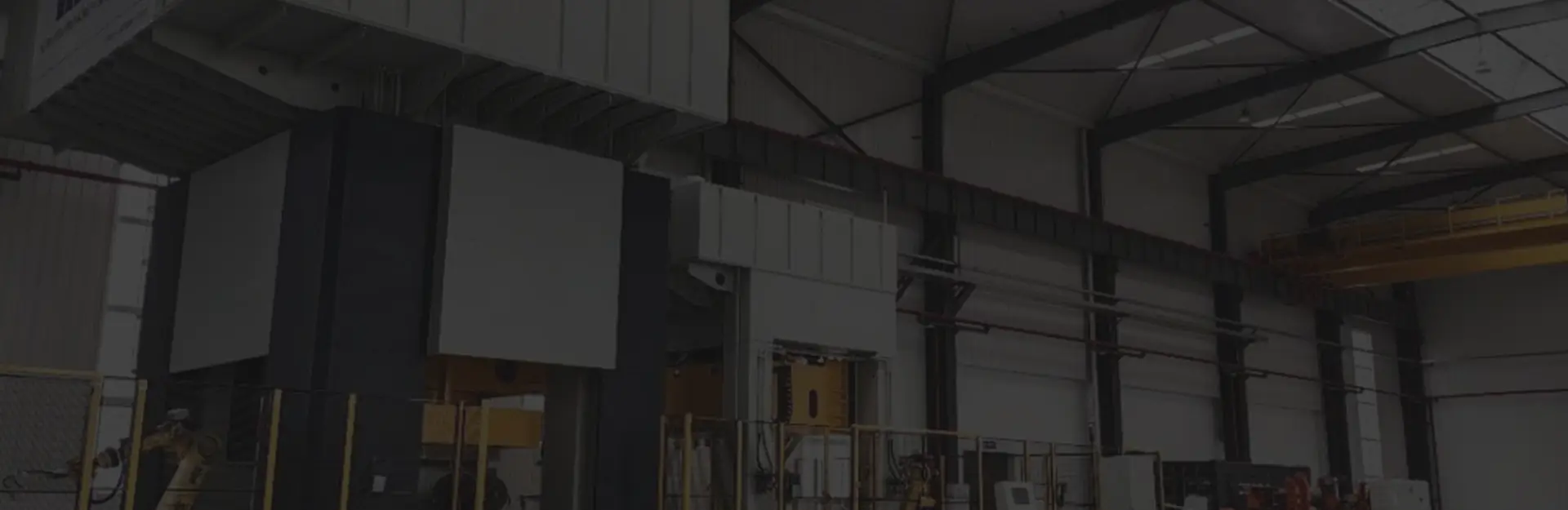
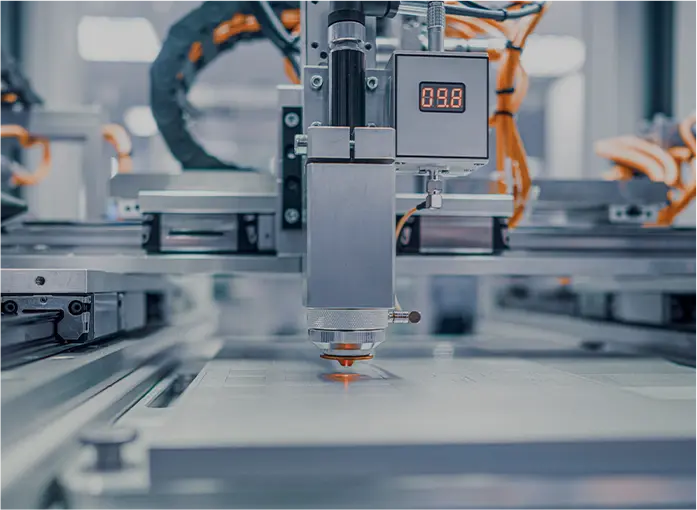
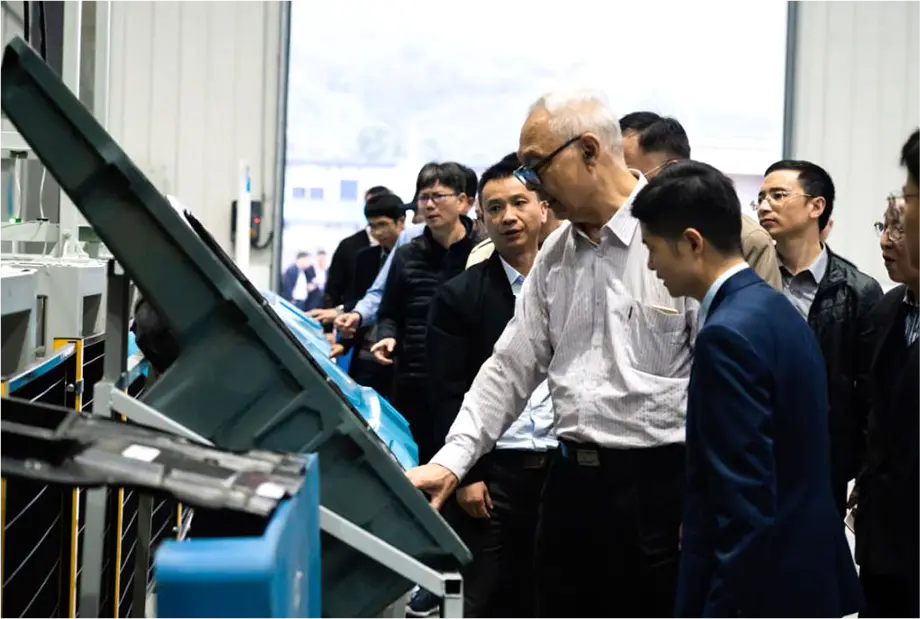
Chongqing Jiangdong Machinery Co., Ltd. (Jiangdong Machinery) is a comprehensive forging enterprise integrating the R&D, production, sales, and service of hydraulic presses, lightweight forming technologies, lightweight automotive body parts, hot/cold stamping dies, and premium metal castings.
As a key industry provider, the company's proprietary hydraulic presses and integrated lines incorporate high levels of automation, intelligence, and system flexibility. We serve key sectors including aerospace, defense, automotive, shipbuilding, and energy production. Jiangdong Machinery provides metal and non-metal forming equipment engineered to support weight reduction targets in automotive structural design.
Aligning hydraulic machinery systems with the global net-zero carbon transition and digital factory integration (Industry 4.0).
Transitioning from traditional throttle hydraulics to high-speed dynamic servo valves. This allows real-time force adjustment during the press stroke, reducing power usage by up to 50% while minimizing vibration and mechanical wear.
Integrating cloud-connected sensor arrays within press cushions, slides, and dies. Digital twin models track system fatigue, predict structural issues before failure, and automatically correct tool alignment drift.
Developing flexible press cycles capable of forming hybrid multimaterial layups (sandwiching ultra-thin sheet metals with lightweight polymers) in a single press stroke to simplify structural assemblies.
Comprehensive industrial lifecycle management, ensuring system reliability, safety, and performance.

Tailored stroke profiles, dynamic bed structures, and specific integration configurations.

On-demand smart diagnostics and remote PLC reprogramming to resolve issues quickly.

Scheduled field calibrations, hydraulic oil testing, and structural stress reviews.

Expert phone/video consultations for press cycles, tooling design, and production setups.

Global replacement networks stocking critical hydraulic pumps, filters, seals, and valves.
Tracking key industry developments, site visits, and advanced metal forming technology forums.
Partners from Thailand, Indonesia, and Malaysia visited to review heavy production lines, evaluating new automation and flexible metal blanking configurations.
A showcase of recent advances in carbon fiber molding and high-pressure gas cylinder production lines, emphasizing environmental performance.
Technical advice, equipment selection guidelines, and operational details for automotive engineers and procurement managers.
Typical automotive structural component stamping requires presses ranging from 800 to 2500 tons. For large components, such as vehicle sides or floor panels, multi-station transfer lines can reach total capacities of up to 5000 or 8000 tons. Special composite compression molding processes require distinct pressure profiles based on material thickness and viscosity properties.
Cold forming high-strength steel (above 1000 MPa tensile strength) leads to severe die wear and significant dimensional springback. Hot stamping heats the material to 900°C to make it highly ductile, allowing complex geometries to be formed easily. Rapid quenching in the water-cooled die yields high structural strength without springback issues.
Traditional structures require welding multiple stamped sheet components together, adding material overlap and weight. Hydroforming shapes a single hollow metal tube into a complex geometry. This reduces the number of parts, eliminates weld flange weight, and improves structural stiffness.
Yes. Chongqing Jiangdong Machinery provides global installations certified to CE machinery directives, ISO 9001 quality systems, and regional safety codes. Equipment is built with protective light screens, dual-safety valves, and redundant monitoring systems to ensure operator safety.
Explore our complete range of specialized compression, straightening, and stamping systems.
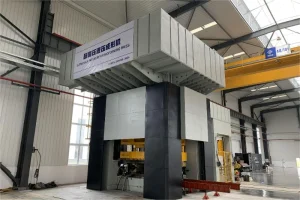
Integrated high pressure fluid systems designed for precision tube hydroforming operations.
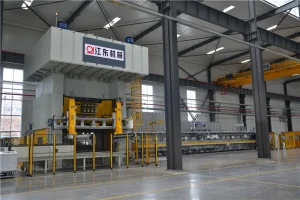
High cycle rate stamping with integrated high-temperature furnace controls.
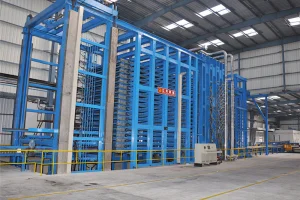
Uniform heat transfer across large-format composite sheet presses.
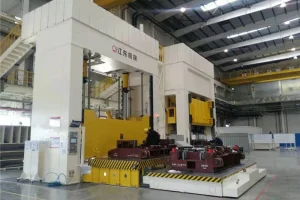
High accuracy spotting stroke control to simplify die adjustment and tooling checks.
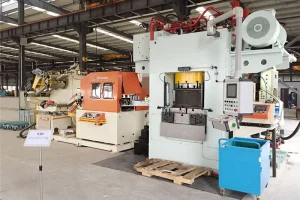
High-precision fine blanking setups designed for automated structural gear lines.
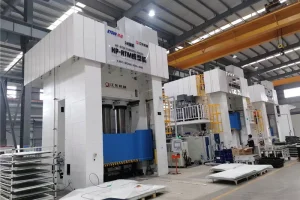
Custom speed-pressure curves optimized for composite forming processes.
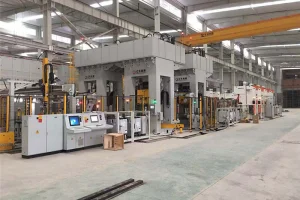
Robust frame structures designed for thick-plate automotive structural chassis elements.
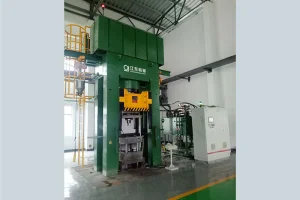
Multi-action compaction presses designed for high-density powder metallurgy components.
Consult with our technical engineers to design your automated hydraulic press lines, hot stamping systems, or custom composite tooling setups.