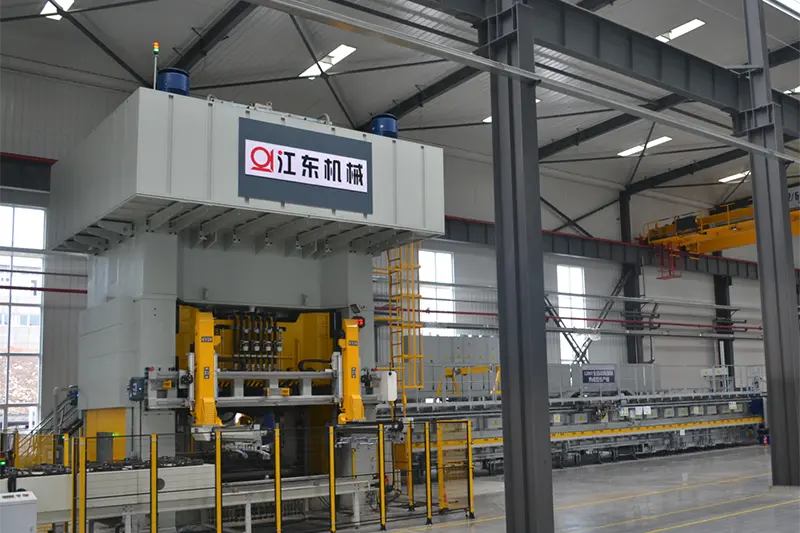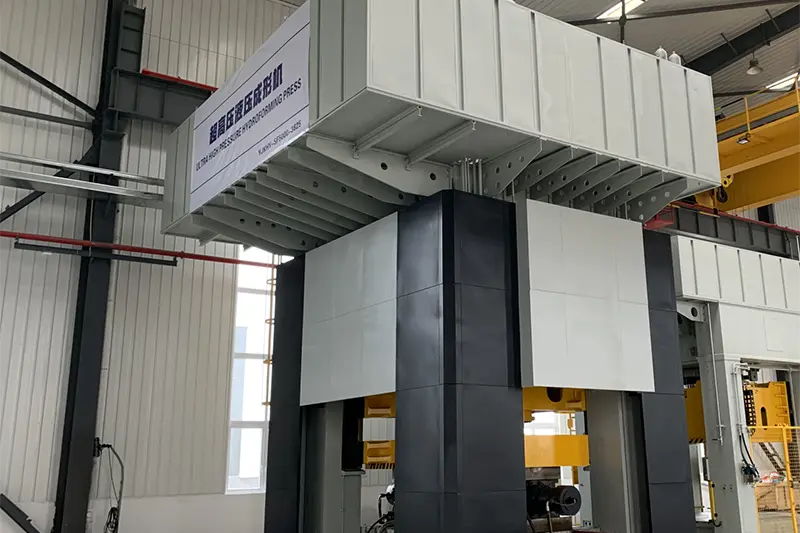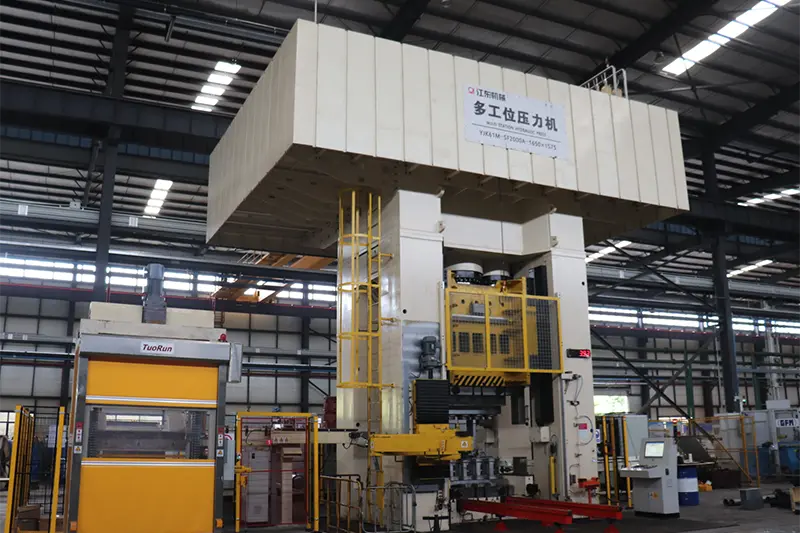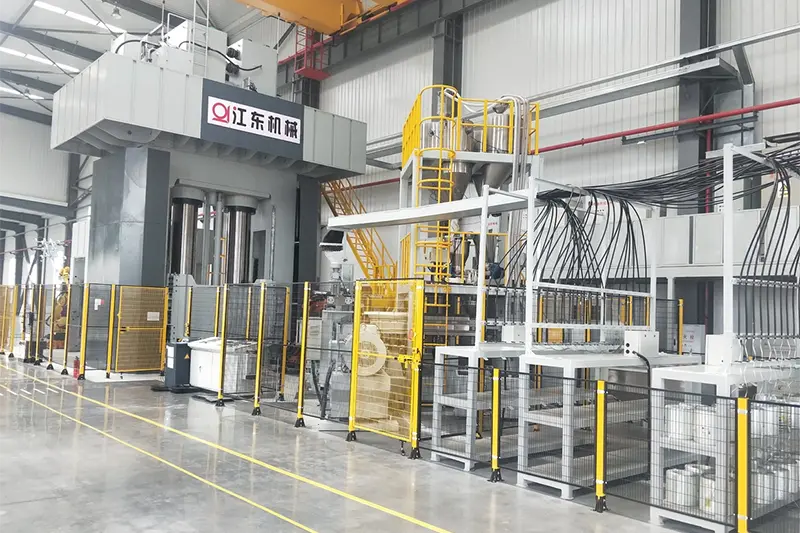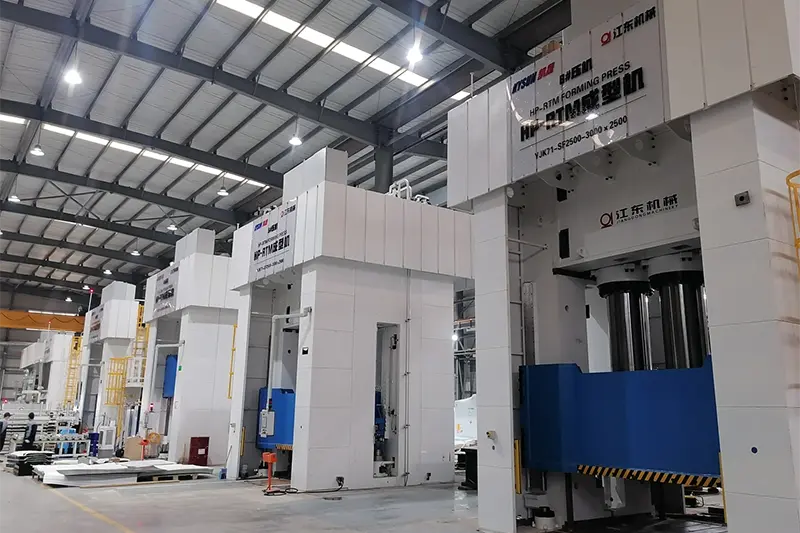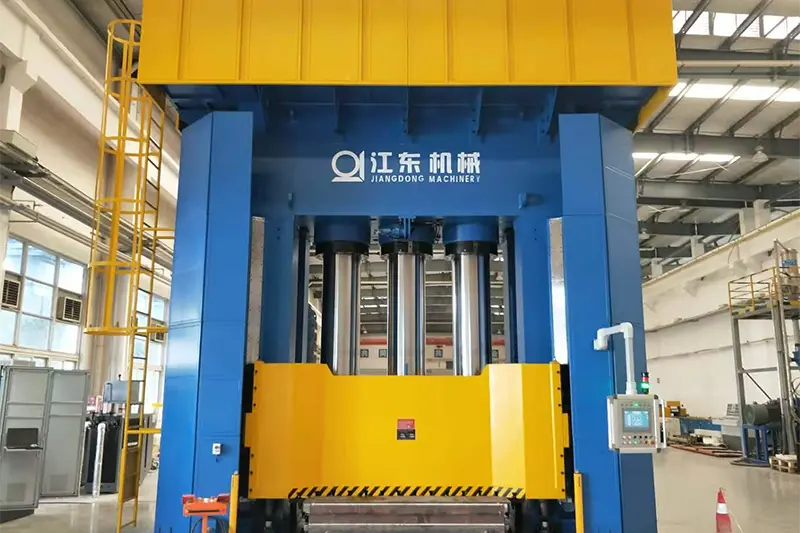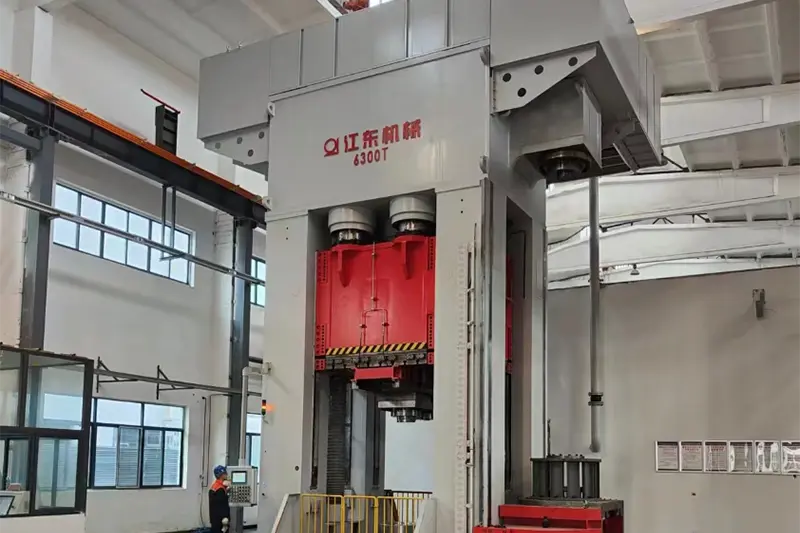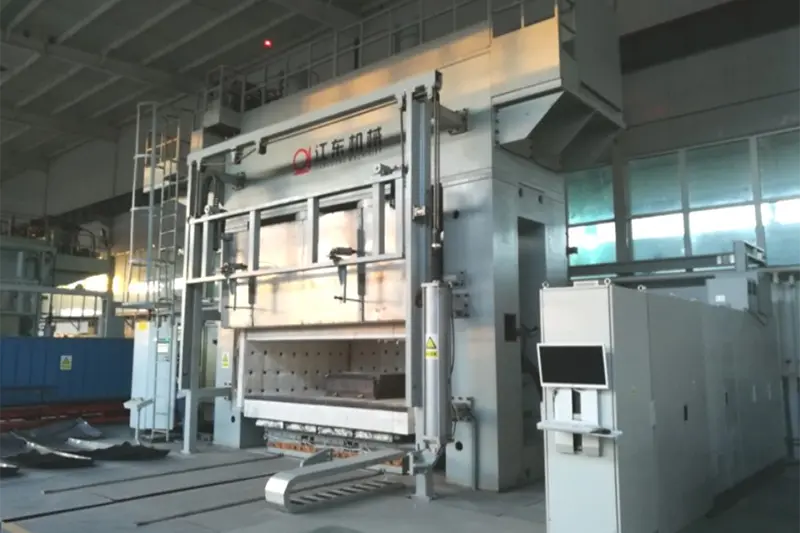
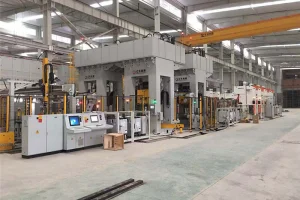
Advanced 3000 Ton Press Engineering
Strategic Global Industry White Paper on Heavy Press Fabrication and Material Development
The Global Landscape of High-Tonnage Hydraulic Presses
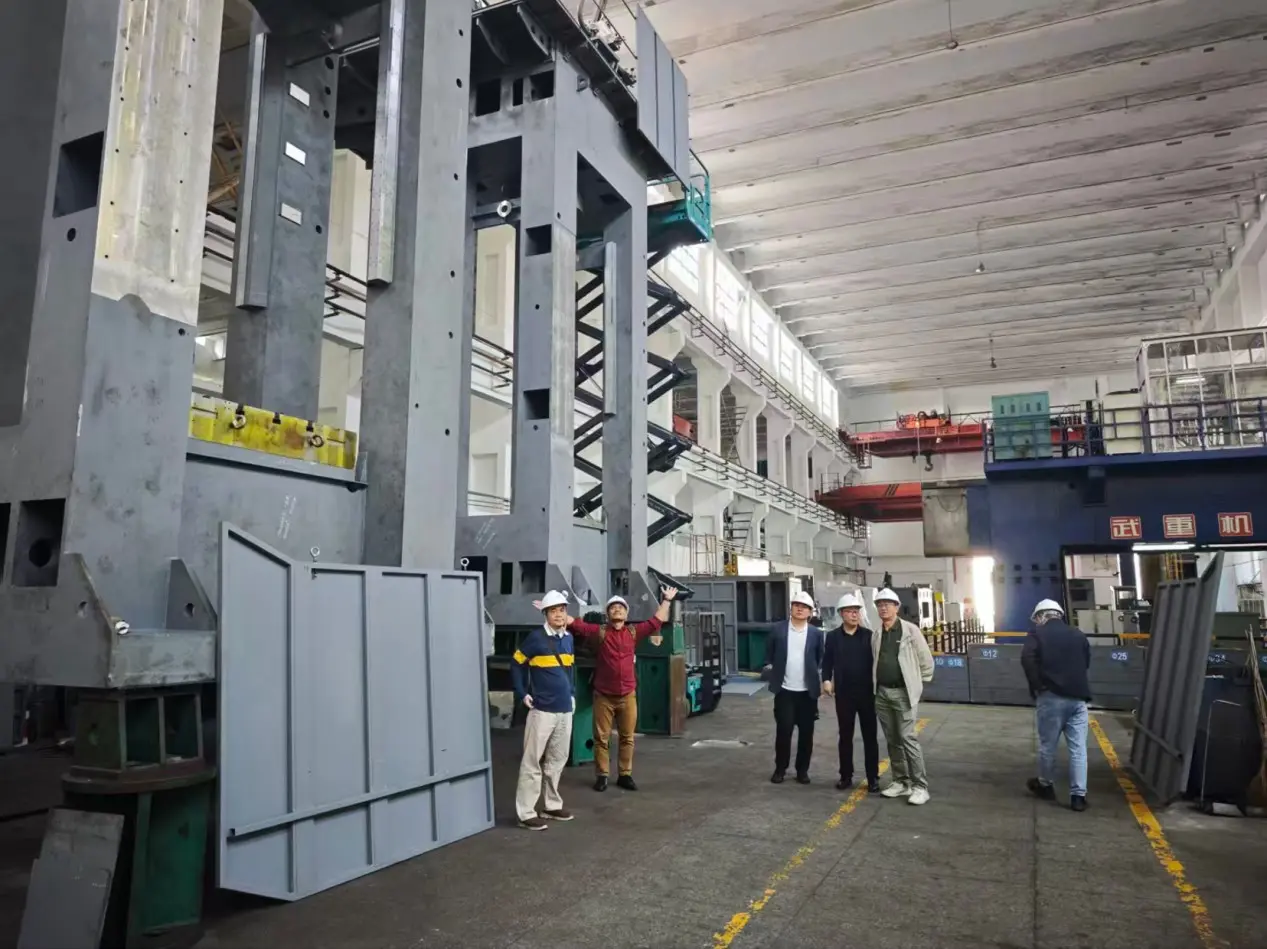
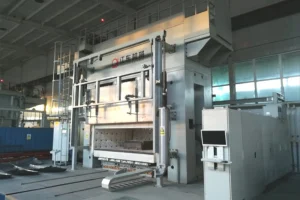
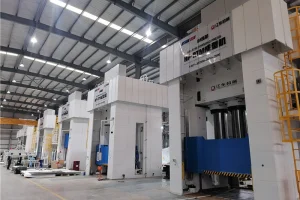
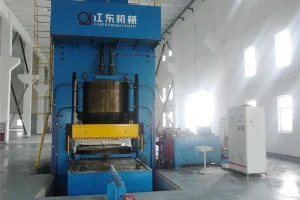
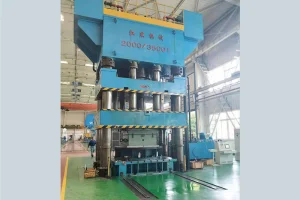
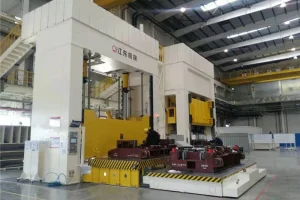
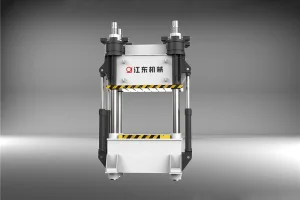
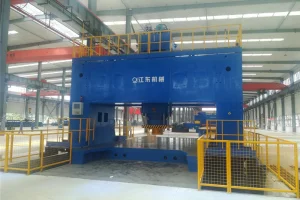
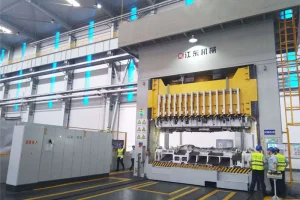
In the contemporary heavy manufacturing sector, the 3000 Ton hydraulic press stands as a foundational monument of high-pressure forming engineering. With the global pivot toward weight reduction in transportation infrastructure and structural integrity in aerospace components, heavy machinery needs have evolved beyond simple compression mechanisms. Industries now require advanced precision thermal profiles, dynamic closed-loop velocity configurations, and extreme eccentric-load compensation systems.
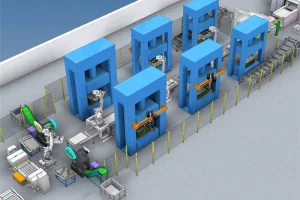
China has built a robust ecosystem of structural tooling, design integration, and complete line integration. High-tonnage operations historically limited by excessive cooling margins and deformation control are now monitored by real-time sensor networks and automated handling systems. A 3000 Ton press serves as the technical center point where structural size limits intersect with complex alloy capabilities.
Industry Definition & Impact
High-tonnage hydraulic forming systems of 3000 Tons and above enable the processing of ultra-high-strength steels (UHSS) and exotic light alloys (such as Titanium-Alloy SPF and Aerospace Aluminum). This capability eliminates structural joints, reducing component failure rates while lowering total production costs.
Aerospace and Defense Applications: Isothermal and Superplastic Alloys
Within aerospace engineering, the deformation of critical components (such as turbine discs, engine bulkheads, and structural spars) requires highly controlled conditions. Traditional hot-die forging methods induce rapid cooling when the heated billet contacts cooler tools, resulting in microstructural variations and internal residual stresses.
Isothermal Forging addresses this challenge by maintaining both the die and the billet at identical temperatures within a vacuum chamber or protective atmosphere. Operating at 3000 Tons of force, isothermal hydraulic presses regulate strain rates to minimal margins (typically 10-4 to 10-2 s-1). This provides the uniform thermal conditions required for superplastic material flow, which is essential for working with difficult-to-forge nickel-base superalloys and titanium formulations.
Similarly, Superplastic Forming (SPF) utilizes the inherent superplastic characteristics of specific materials at elevated temperatures (typically above 900°C for titanium). Combined with low gas-pressure inputs, the 3000 Ton press supplies continuous clamping force to shape large, single-piece panels. This process significantly reduces the need for rivets and welds, lowering aerodynamic drag and decreasing empty structural weight.