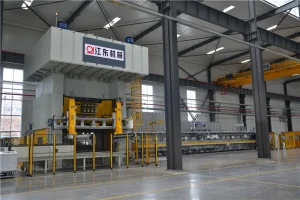
Technical Deep-Dive: Hydroforming Press Engineering & Procurement Strategies
Analyzing high-pressure liquid forming mechanisms, capital cost optimizations, and systemic deployment in high-strength metal production.
1. Understanding Hydroforming Technology and Structural Integrity
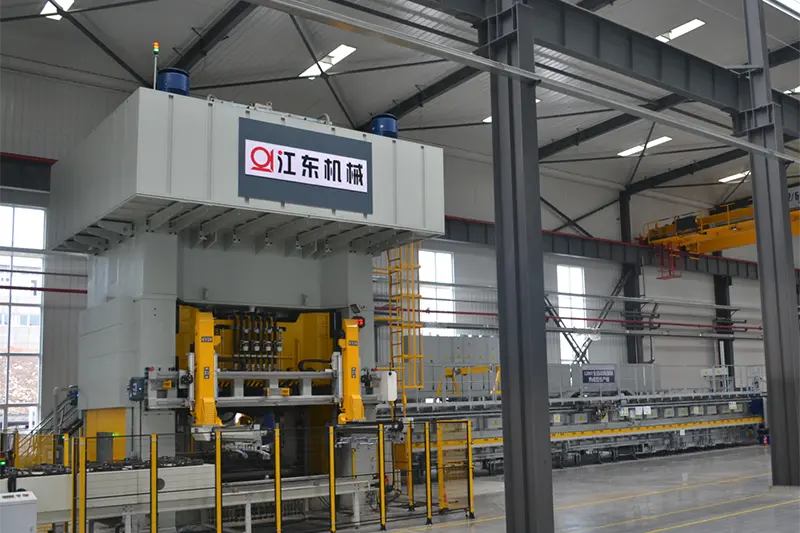
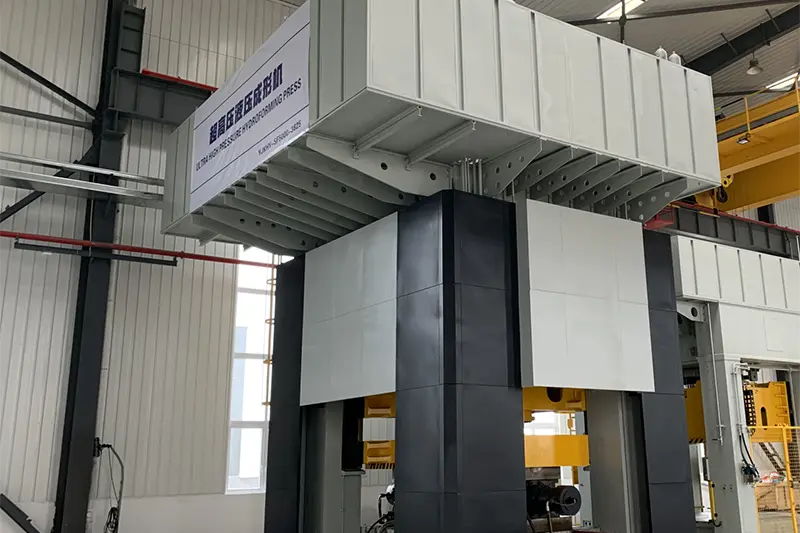
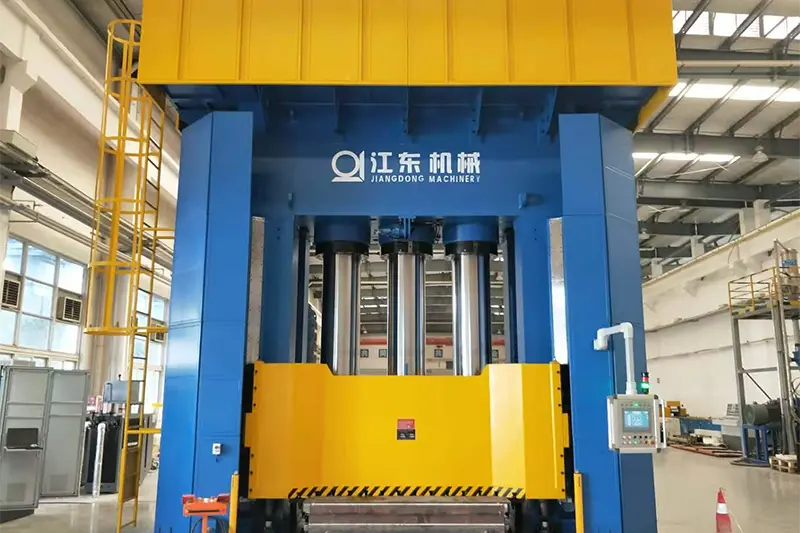
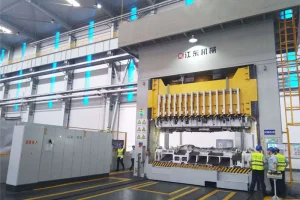
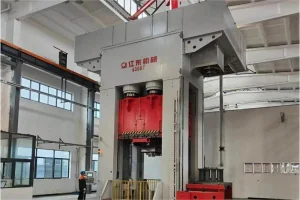
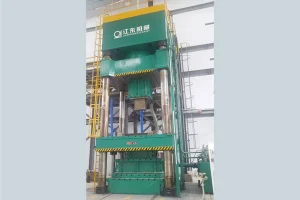
Hydroforming represents a specialized type of die forming that utilizes high-pressure hydraulic fluid to press room-temperature working material into a die. Specifically, sheet metal hydroforming (SHF) and tube hydroforming (THF) are utilized to construct lightweight, highly complex geometries that would otherwise require multiple weldments. The mechanical advantage lies in the uniform distribution of pressure during the expansion process. This ensures constant wall thickness, minimizes internal residual stresses, and reduces overall dimensional springback—a frequent challenge in automotive stamping.
When utilizing high-pressure hydroforming presses, components are subjected to pressures ranging from 1,000 bar (14,500 psi) up to 4,000 bar (58,000 psi) or higher. By relying on high-pressure fluid instead of a solid punch, manufacturers can produce complex shapes with curves, variable cross-sections, and integrated structural details. This technology has become essential for high-strength steel (HSS), ultra-high-strength steel (UHSS), and lightweight aluminum/titanium alloy profiles.
2. Procurement Challenges: Deciphering the Search for "Cheap" Hydroform Equipment
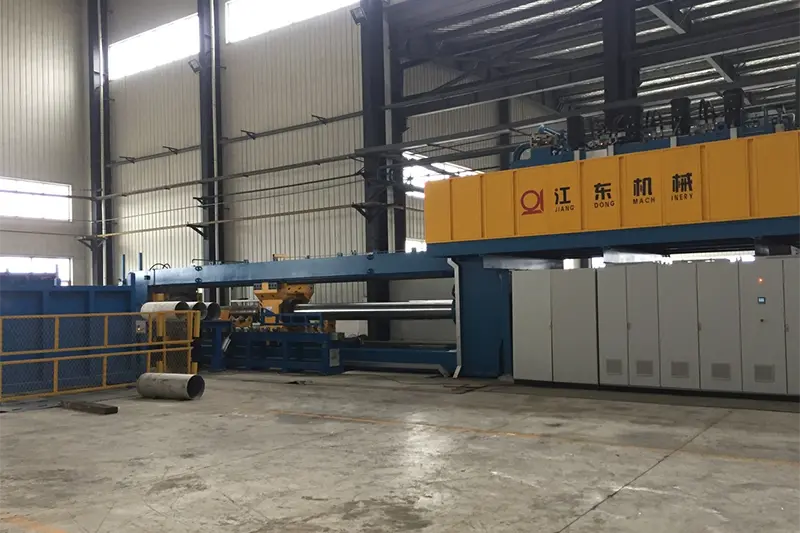
For global sourcing directors, the term "cheap" must not equate to substandard manufacturing or compromised safety. Instead, the focus is on maximizing Return on Investment (ROI) and minimizing the Total Cost of Ownership (TCO). A lower initial capital expenditure (CAPEX) must be balanced against high efficiency, uptime, and energy-conserving servo-pump technologies. Sourcing high-pressure equipment from experienced Chinese manufacturers like Chongqing Jiangdong Machinery provides global enterprises with access to cost-competitive machinery that complies with international standards, such as CE and ASME certifications.
Cost optimization in hydroforming lines is achieved through:
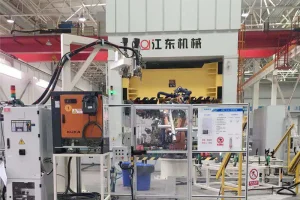
- Integrated Automation: Utilizing robotic loading and unloading to minimize cycle times and human error.
- Smart Hydraulics: Utilizing variable-frequency drives (VFD) and servo motors to reduce idle energy consumption by up to 50%.
- Localized Component Integration: Designing with standard global hydraulic components (like Rexroth, Parker, or Vickers valves) for quick, low-cost maintenance anywhere in the world.
3. Industrial Classifications of Forming and Forging Systems
To address different material properties and structural requirements, modern industrial facilities utilize various machinery classifications:
Sheet Metal Stamping & Forging
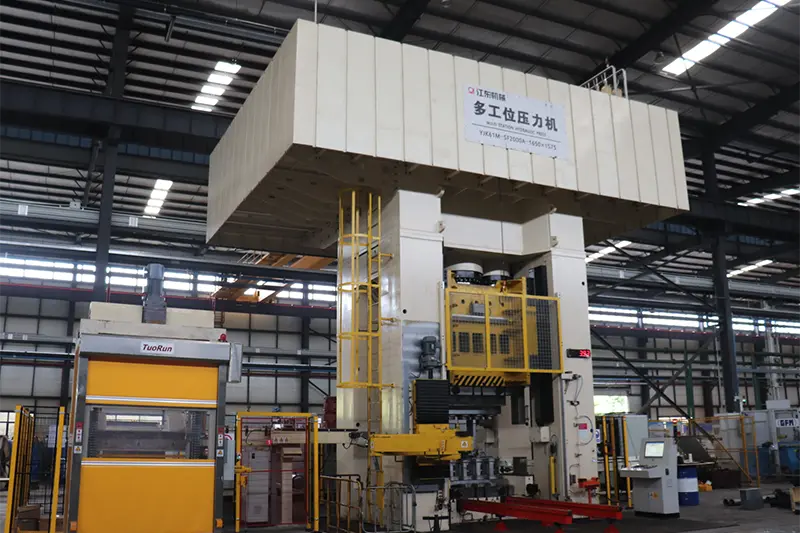
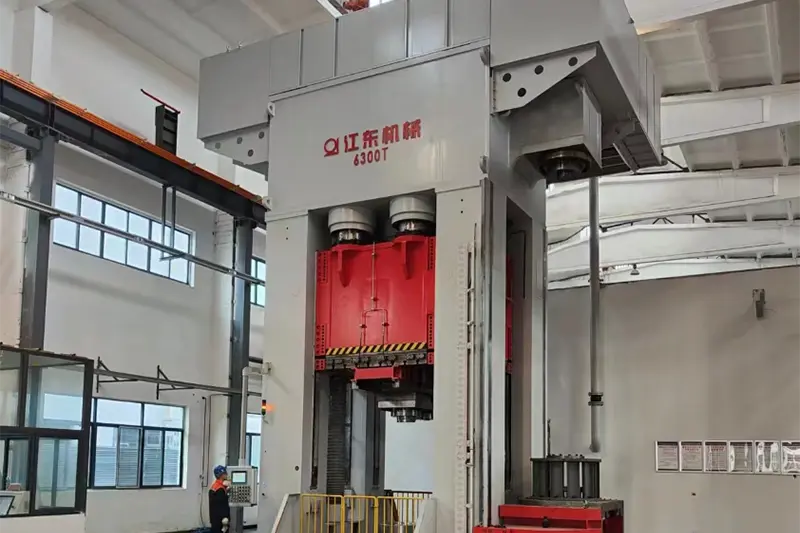
Designed for traditional metal drawing, forming, and multi-station cold/hot extrusion forging. Provides rapid cycle times for automotive body-in-white (BIW) parts.
Composite Material Forming
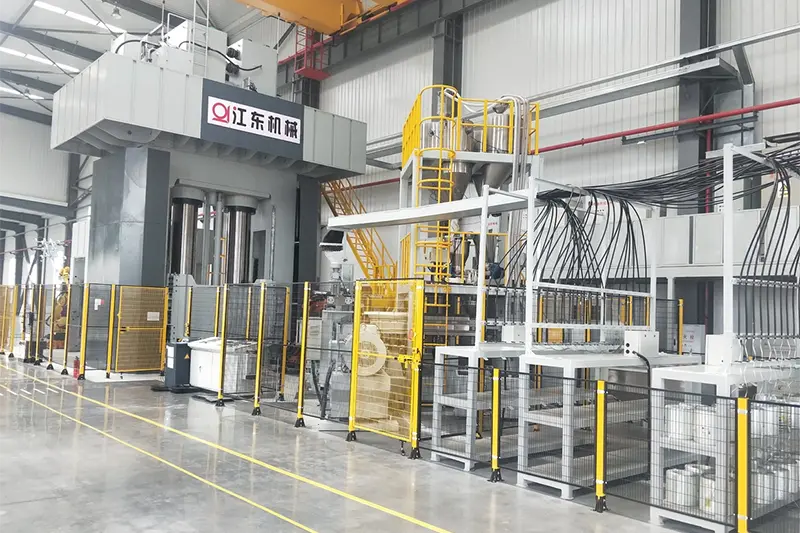
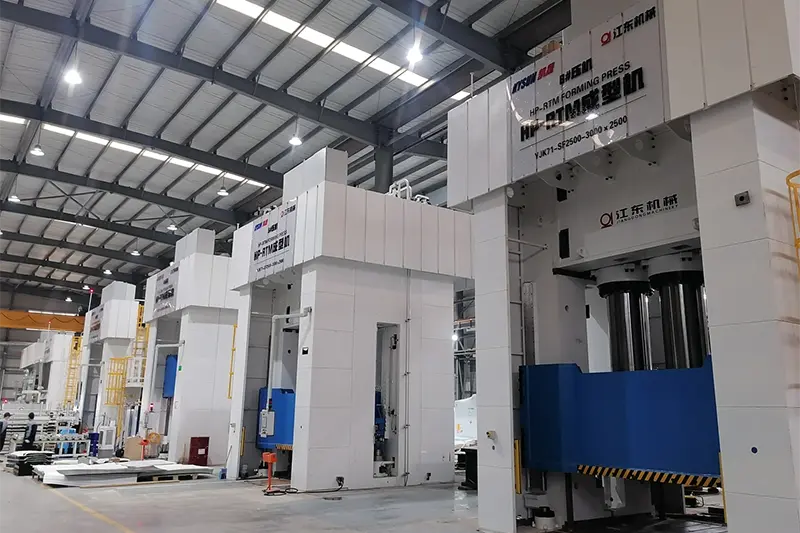
Includes HP-RTM (High-Pressure Resin Transfer Molding), LFT-D (Long-Fiber Thermoplastic Direct), and SMC/BMC/GMT/PCM compression systems for carbon fiber and structural plastics.
Special Industrial Forming
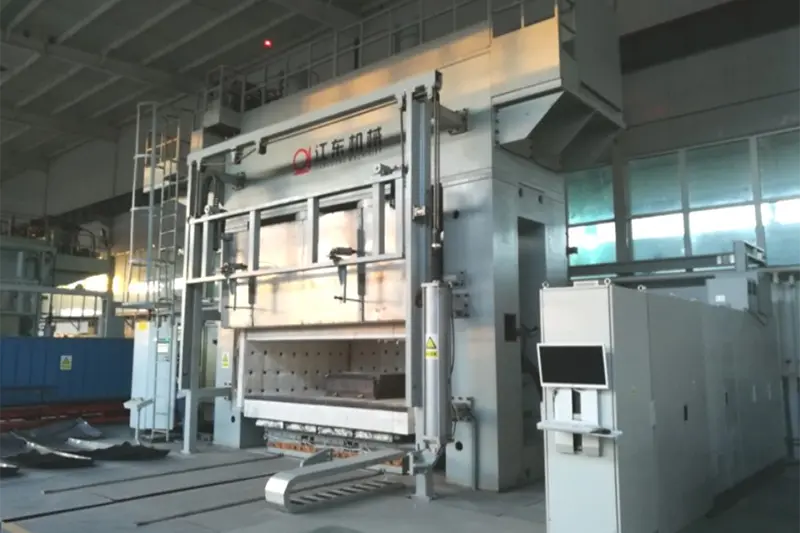
Encompasses isothermal forging for aerospace alloys, titanium superplastic forming (SPF), and vertical gas cylinder/bullet housing stretching lines.
4. Global Technical Trends and Sustainability
The global manufacturing sector is shifting rapidly toward carbon neutrality and energy conservation. The heavy machinery industry is responding by developing highly intelligent, energy-saving hydraulic architectures. Traditional hydraulic systems rely on continuously running induction motors that waste energy during idle and decompression cycles. Modern hydroforming systems utilize hybrid servo-drive technologies, where internal high-pressure pumps only operate when force is required.
Furthermore, the introduction of IoT sensors enables real-time monitoring of fluid temperature, oil quality, and mechanical tolerances. This data is processed by onboard AI controllers to perform predictive maintenance, preventing unexpected downtime and reducing structural degradation.