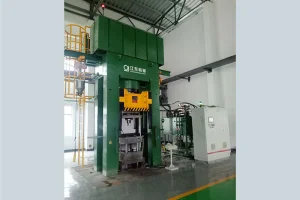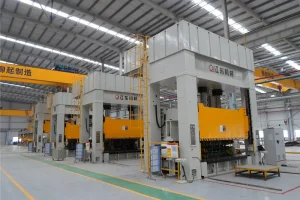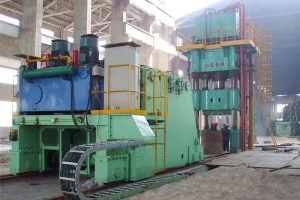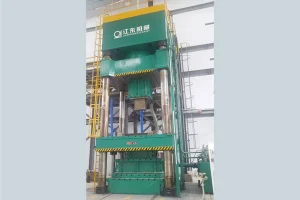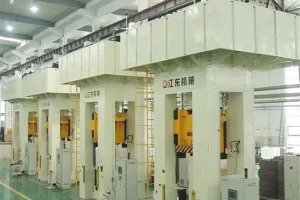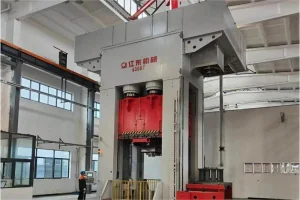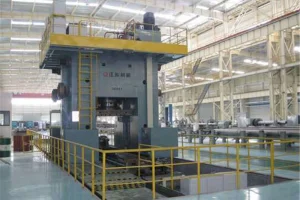
Explore our leading product range covering high-performance sheet metal stamping, powder forming, and composite compaction machines certified for global export.
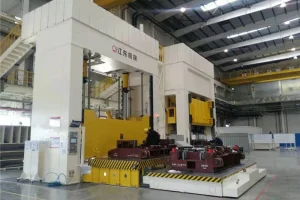
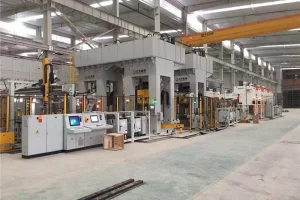
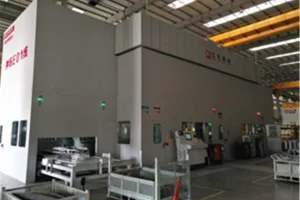
Explore our core technological clusters configured for global advanced forming challenges.
In modern manufacturing, precision powder metallurgy serves as the backbone for high-stress components across automotive, aerospace, and energy sectors. Achieving consistent density, micron-level dimensional tolerances, and structural integrity requires advanced machinery that operates under strict mechanical and safety parameters. This document explores the engineering excellence, compliance standards, and economic advantages of importing modern hydraulic powder compacting systems from leading Chinese manufacturing bases like Chongqing Jiangdong Machinery.
Powder compacting presses have evolved from simple single-action mechanical press assemblies into highly complex, multi-action, servo-hydraulic systems. The integration of high-resolution linear encoders, dynamic proportional valves, and real-time press monitoring software allows manufacturers to produce multi-level components with minimal geometric variance.
Hydraulic powder compacting systems offer distinct advantages over purely mechanical variants, particularly when dealing with large or high-density parts. Unlike mechanical presses, which rely on rigid crank actions that limit stroke flexibility, hydraulic systems can hold maximum tonnage at any point in the cycle. This allows for customized compression phases, including dwell cycles and multi-stage decompression to prevent micro-cracking during component ejection.
For European and international importers, CE certification is not merely a legal import mandate; it is a critical benchmark for operational safety and risk mitigation. In compliance with EN ISO 16092 (comprising standards for mechanical, hydraulic, and pneumatic presses), CE certified systems incorporate dual-channel safety monitoring, redundant valve assemblies, optical light curtains, and integrated safety PLCs (typically Level d or e).
Additionally, the electrical cabinets, wiring protocols, and pressurized hydraulic reservoirs are designed to exceed minimum structural fatigue thresholds. An accredited CE-marked press ensures that the importing enterprise mitigates liability, reduces operational downtime caused by safety switch failures, and guarantees that operator safety is prioritized under extreme industrial environments.
The global sourcing landscape for heavy forming machinery has shifted significantly towards China, with Chongqing emerging as a dominant industrial cluster. Chongqing Jiangdong Machinery Co., Ltd. represents the peak of this manufacturing capability.
Supply Chain Integration: Chinese factories benefit from an integrated, localized supply chain. From raw heavy steel castings to precision CNC machining of main cylinders, all primary processes are executed in-house or within a concentrated region, drastically reducing production times and logistics costs.
Substantial R&D Investment: Leading Chinese manufacturers maintain intensive partnerships with academic institutions and metallurgy research institutes. Jiangdong Machinery, for instance, maintains a high innovation frequency, averaging 30 key patent achievements and scientific research innovations annually.
Advanced Machining Centers: The implementation of state-of-the-art gantry milling machines, cylindrical grinders, and ultra-high-pressure testing bays ensures that every heavy-duty press slide, guide rail, and cylinder meets geometric tolerance limits within hundredths of a millimeter.
The modern metal forming and powder compacting industry is undergoing rapid transformation, propelled by the demand for lightweight components and smart factory architectures.
Servo-Hydraulic Hybrids: Conventional hydraulic systems are increasingly replaced by servo-driven hydraulic pump configurations. This technology drastically lowers energy consumption by up to 50%, as the pump motor only runs when pressure is actively required, minimizing heat generation within the hydraulic fluid and extending seal lifetimes.
Smart Data Analytics & IoT: Modern press systems are equipped with smart sensor networks that capture dynamic parameters such as peak pressure, slide travel speed, cycle times, and oil temperatures. This data is fed into cloud-based diagnostics systems, enabling predictive maintenance schedules and reducing unexpected failures.
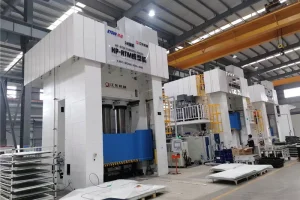
Lightweight Material Forming: As automotive OEM programs push for lower fuel consumption and increased battery range in electric vehicles, there is a substantial uptick in the demand for composite compression molding (e.g., SMC/BMC, LFT-D, HP-RTM) and superplastic titanium forming.
Different global markets present specific requirements for compacting machinery. Our systems are engineered to address these localized application scenarios seamlessly:
North America & Europe: Focuses heavily on high-precision automotive components, aerospace brackets, and complex carbon-carbon composite structures. The emphasis here is on total automation, remote connectivity, and comprehensive diagnostic integration with MES (Manufacturing Execution Systems).
Southeast Asia & South America: Driven by strong growth in the appliance sector, agricultural machinery components, and automotive aftermarket parts. These regions demand highly reliable, cost-efficient, and easy-to-maintain workhorse machines equipped with robust remote troubleshooting options.
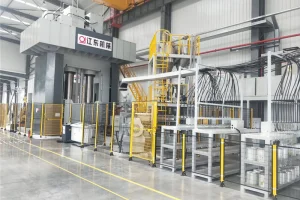
Macro Solutions: Jiangdong Machinery delivers complete turnkey plants. From powder feeding hoppers and automated mold-filling systems to high-speed pick-and-place robots and secondary sintering furnace linkages, we offer a single point of engineering responsibility.
Providing one-stop, fully integrated engineering solutions designed to optimize production efficiency and match complex component designs.
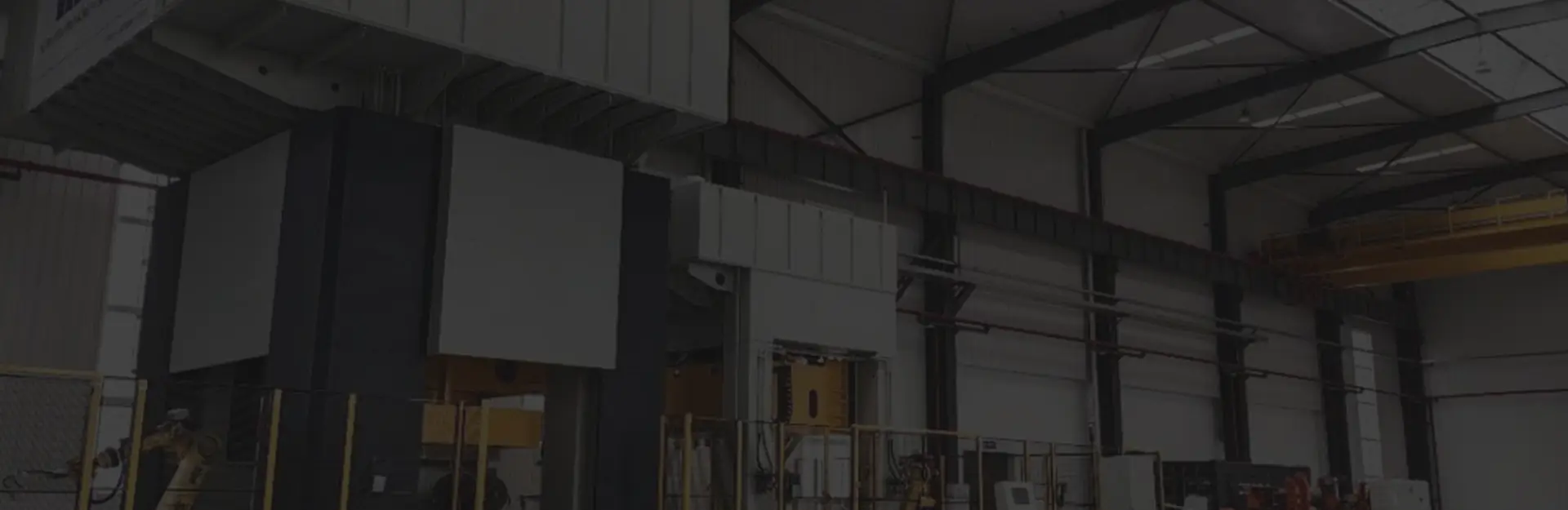
Chongqing Jiangdong Machinery Co., Ltd. is a comprehensive, world-class forging and press equipment enterprise integrating the research, development, production, sales, and service of hydraulic presses, lightweight forming technologies, high-precision lightweight parts, hot/cold stamping dies, and high-quality metal castings.
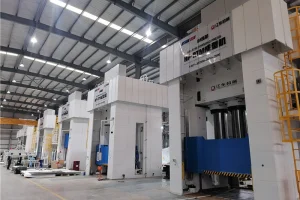
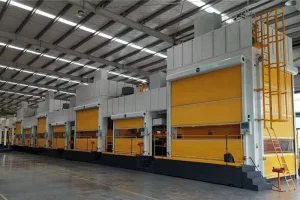
Our hydraulic press lines exhibit advanced automation, intelligence, and adaptability. We deliver highly customized metal and non-metal forming configurations, focusing extensively on automotive lightweight components, defense aerospace structures, and special industrial powder metallurgical processes.
VIEW MORE ABOUT USA comprehensive approach to machine installation, maintenance, and technical training to maximize your plant's return on investment.

Customized Solutions

Remote Service

Maintenance

Technical Support

Spare Parts
Stay tuned to our international visits, export milestones, and technological breakthrough updates.
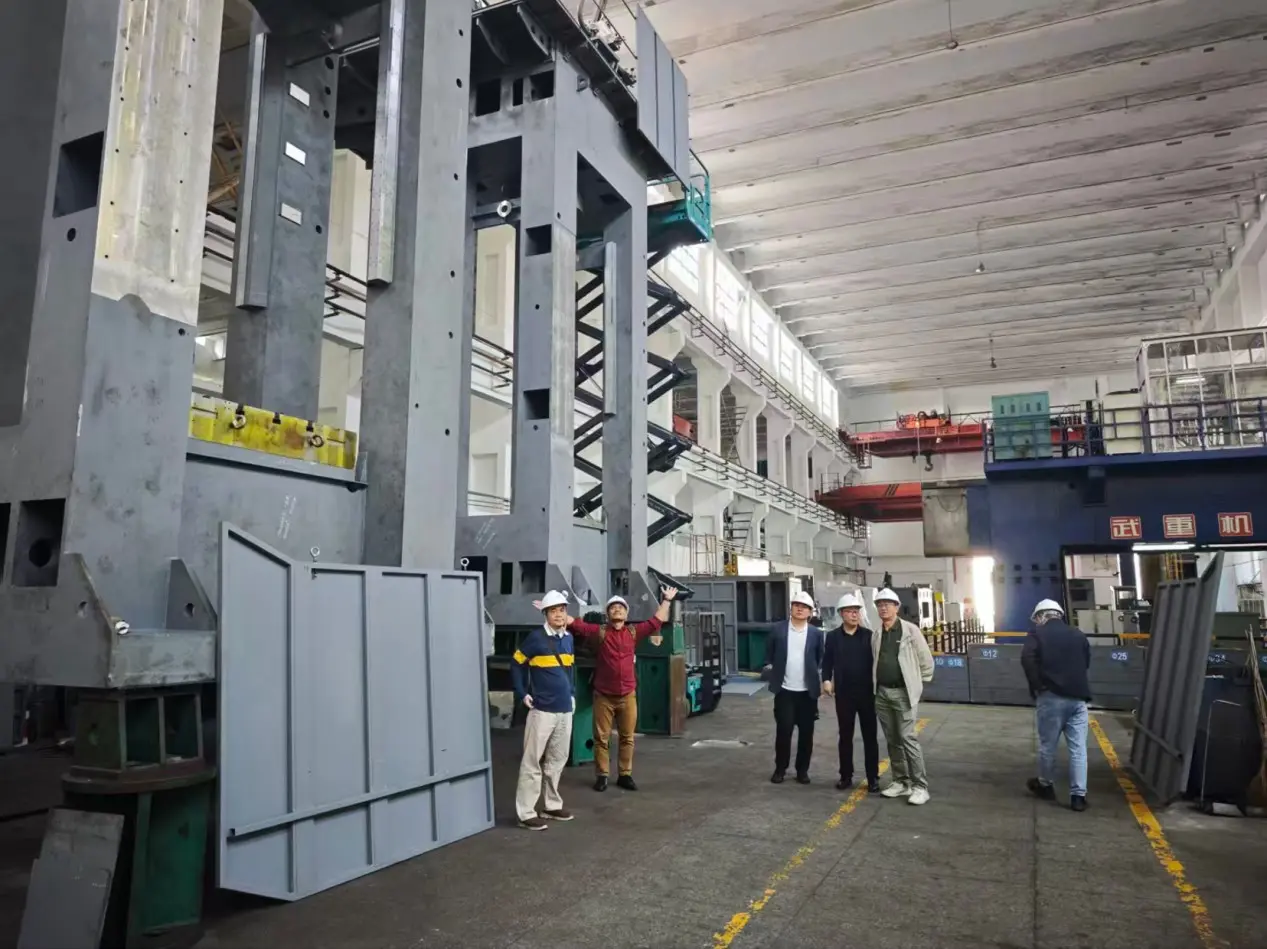
A high-level trade delegation of Indonesian automotive component manufacturers visited our Chongqing facility to inspect our heavy-duty hydraulic press capabilities, confirming new orders for hot-stamping manufacturing cells.
Read Full ArticleOur sales and engineering teams welcomed multiple delegations from Thailand, Indonesia, and Malaysia to discuss regional distribution networks and custom-built multi-station extrusion solutions.
Introducing our newest range of CE-certified powder compacting press designs and automated HP-RTM composite molding equipment to global machinery expos.
Get professional answers regarding design capabilities, CE safety specifications, export quotes, and structural configuration options.
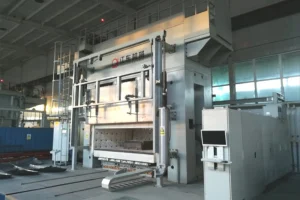
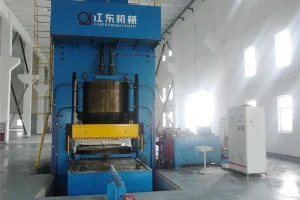
Choose from our specialized composite, lightweighting, and titanium superplastic forming machines designed for heavy industrial environments.
Connect directly with our senior application engineers to discuss machine configuration requirements, safety parameters, and custom tool integration options.