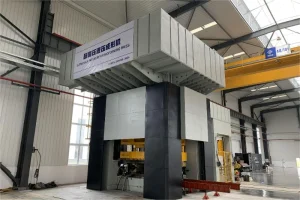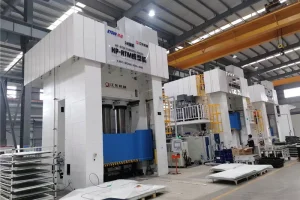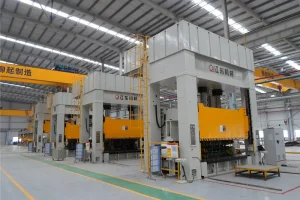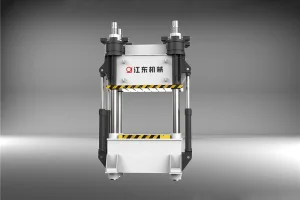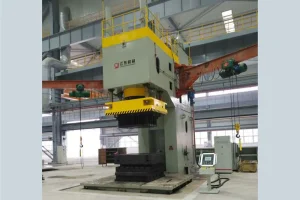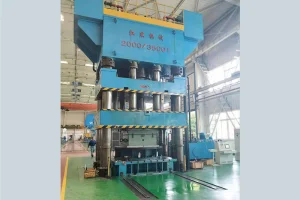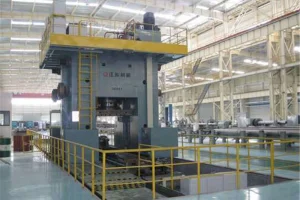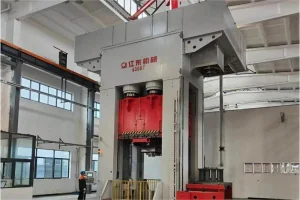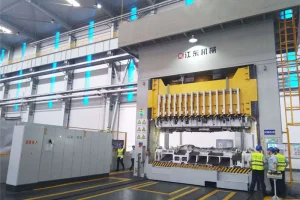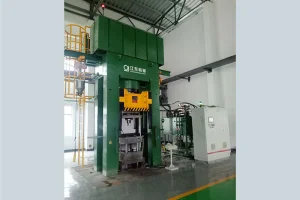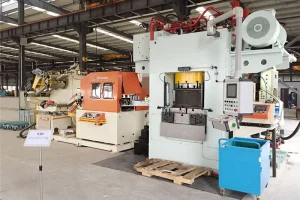
Explore our certified hydraulic presses and automated production lines engineered for safety, compliance, and industrial efficiency.
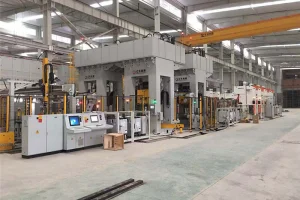
CE Compliance, Advanced Material Processing, & Safety Integration inside High-Volume Press Shops
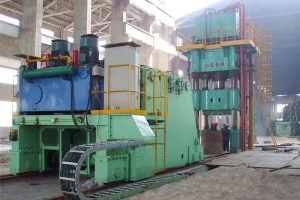
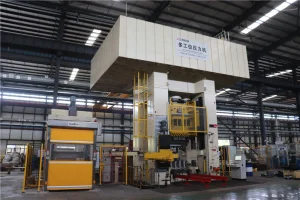
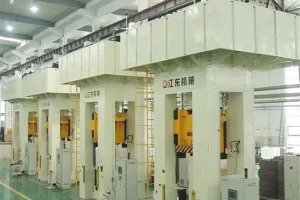
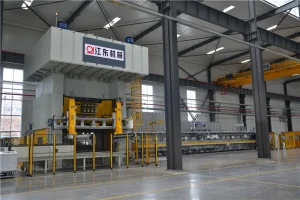
Operating hot stamping and metal forging systems in the European Economic Area demands rigorous compliance with the Machinery Directive 2006/42/EC. For structural equipment like hydraulic presses and fully automated stamping lines, conformity assessment is governed by harmonize standards including EN ISO 16092-1 (General Safety Requirements for Presses) and EN ISO 16092-3 (Specific Safety Requirements for Hydraulic Presses). These standards define structural and electro-hydraulic requirements to mitigate hazards associated with gravitational slide falls, component failures, and tool setups.
Modern safety architectures utilize fail-safe programmable logic controllers (PLCs) rated for safety-related control tasks up to Performance Level d or e (PLd/PLe) under EN ISO 13849-1. Crucial risk mitigation techniques include double-channel monitored safety valves, optical light grids configured for entry protection, and automatic mechanical slide locks. Our CE-certified forming configurations undergo third-party auditing, verification of structural calculations via Finite Element Method (FEM), and comprehensive risk analysis. This ensures absolute safety for shop floor operators while maintaining high throughput.
Global manufacturing faces dual pressures: reducing the weight of components to improve fuel and battery range, and maintaining high crash-safety standards in structural parts. This transition has shifted global procurement criteria towards advanced processing techniques like press hardening (hot stamping), internal high-pressure hydroforming, and composite compression molding. In Europe and the Americas, Tier-1 automotive and aerospace companies seek turn-key suppliers capable of integrating complete solutions. This includes raw sheet preparation, high-speed press systems, specialized transfer robotics, and tool tryout stages under unified control frameworks.
Procurement offices must mitigate risks linked to tool design bottlenecks, long machine build times, and high energy costs. By offering smart hydraulic architectures equipped with variable-frequency servo pump drives, we address these challenges directly. This reduces idle energy consumption by up to 50% while improving positioning accuracy down to ±0.01 mm. This level of control is crucial for forming thin-gauge high-strength steels and complex composite materials.
Comprehensive portfolio of metal stamping, forging, composite compression, and special industrial forming technologies.
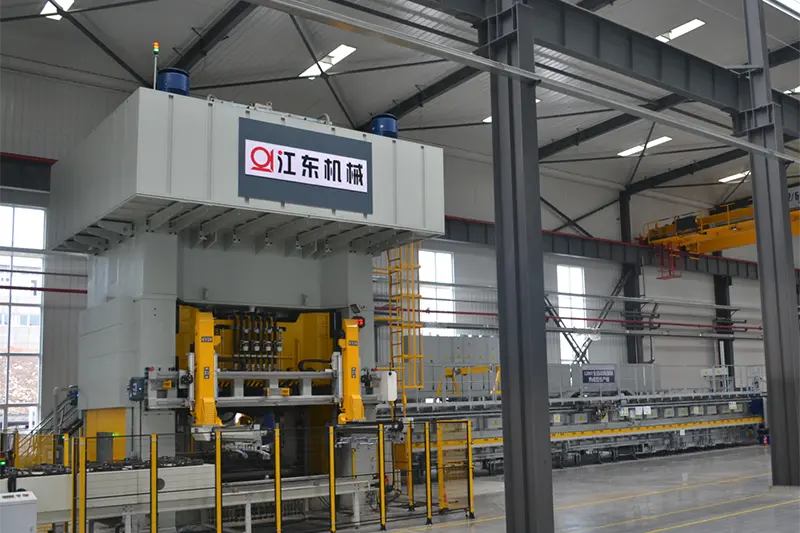
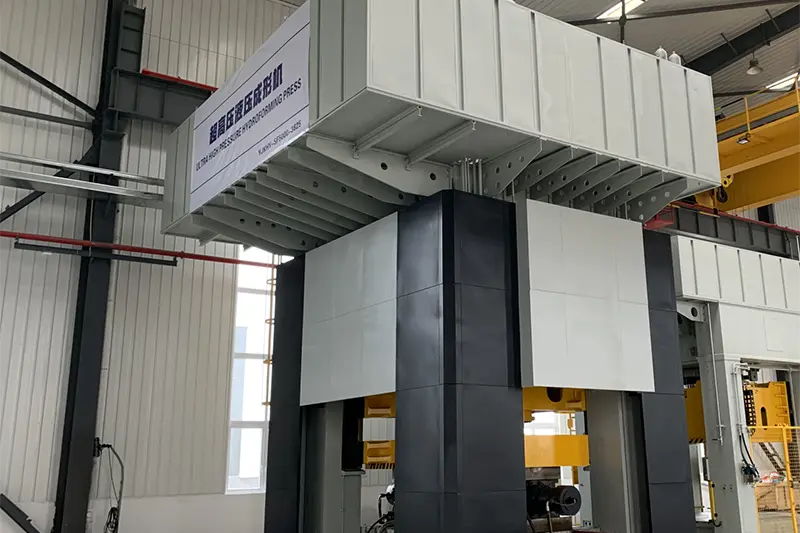
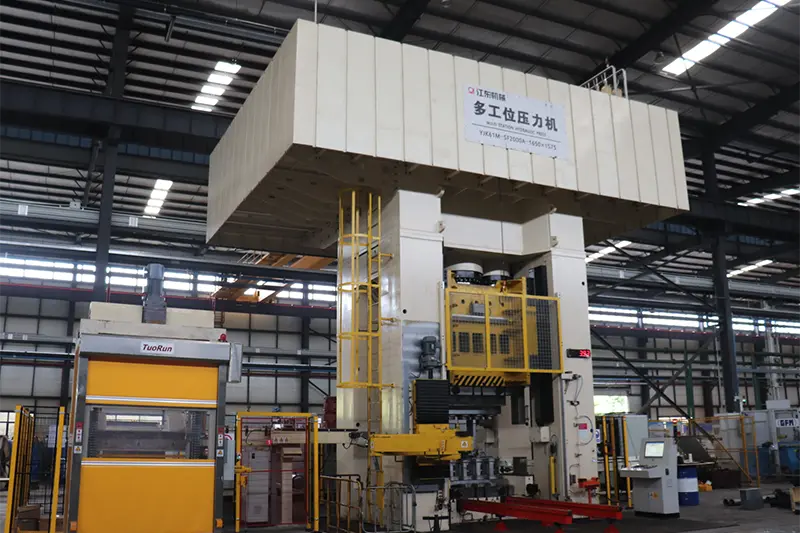
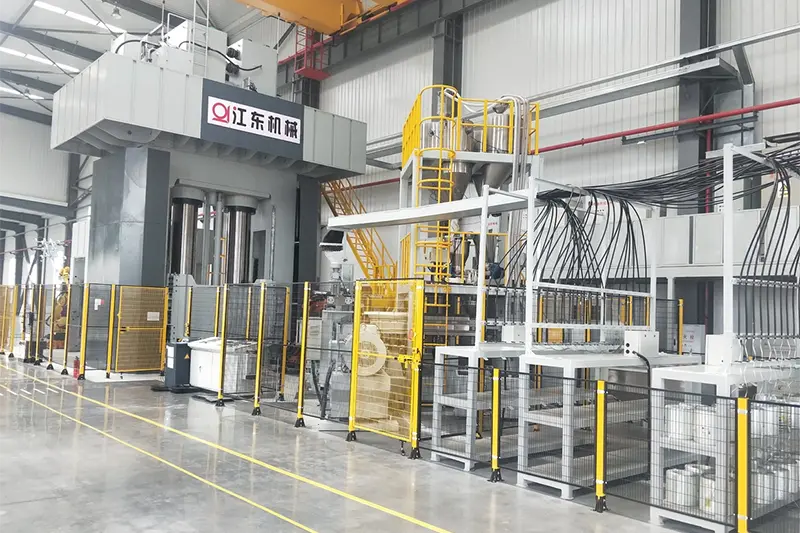
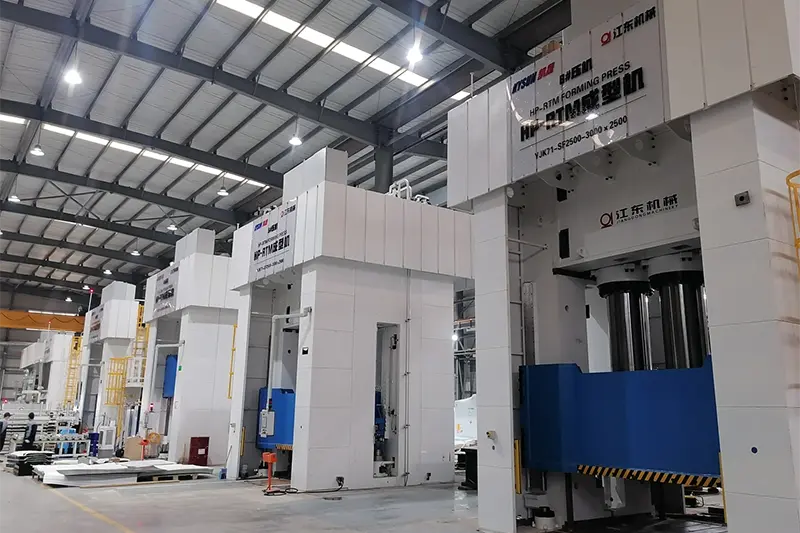
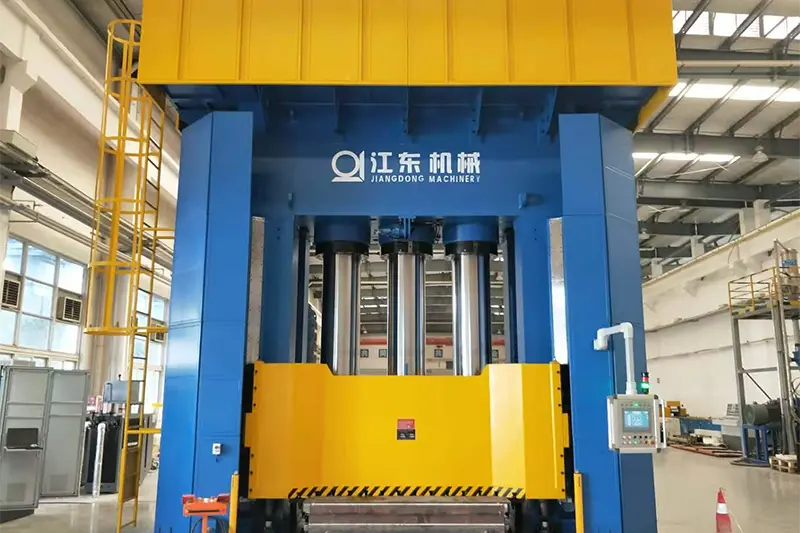
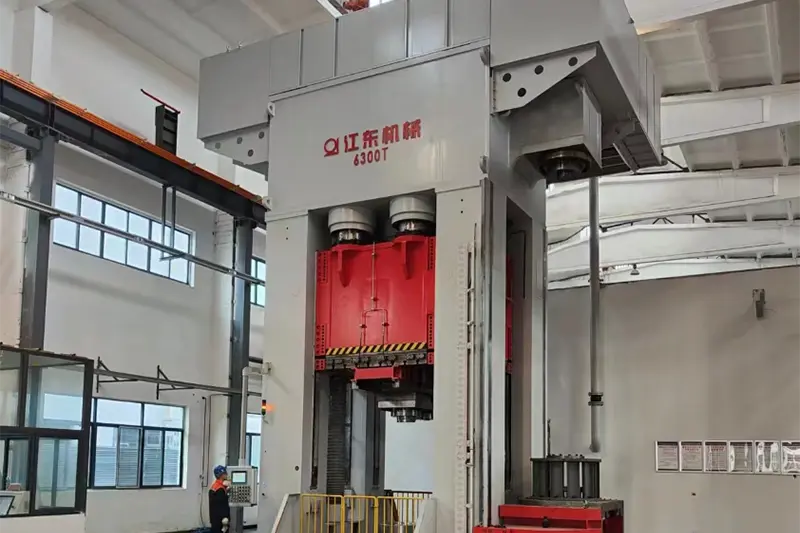
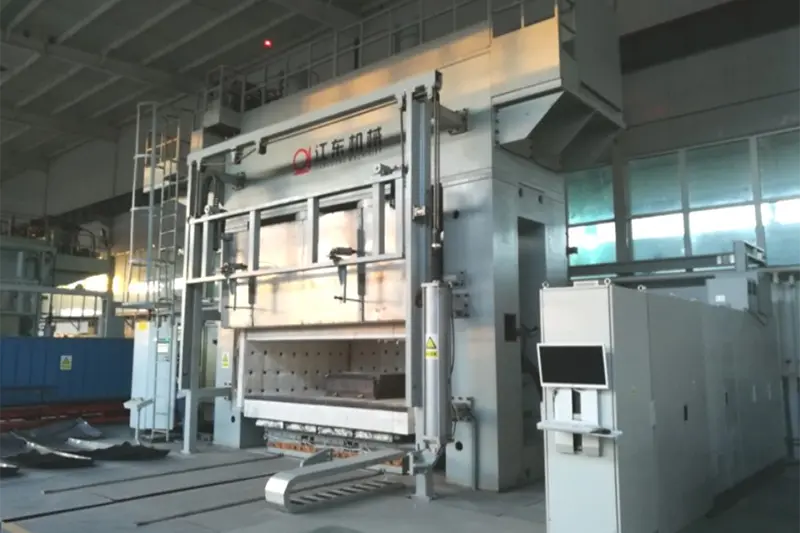
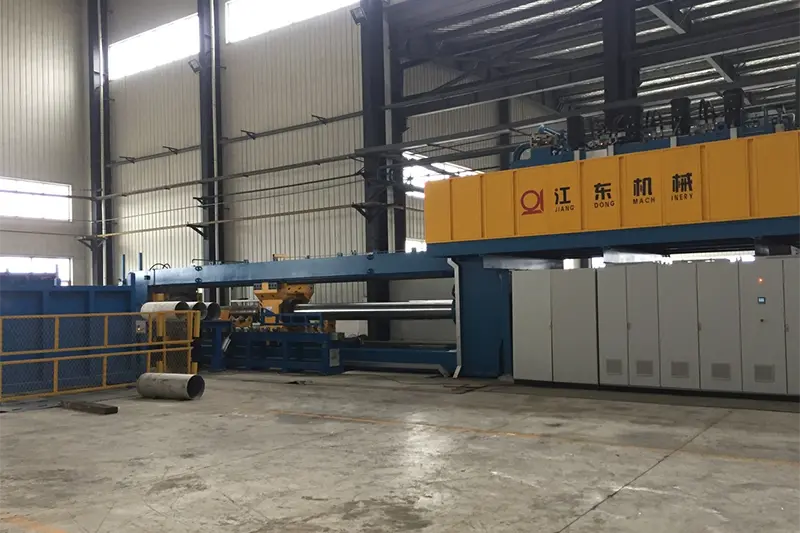
The future of industrial metal forming is built on smart connectivity, process monitoring, and energy efficiency. Our technological roadmap focuses on integrating Industrial Internet of Things (IIoT) architectures directly into press PLC networks. By deploying distributed smart sensor networks, we monitor hydraulic oil temperatures, particulate contamination, dynamic system pressures, and slide movement deviation in real time. This sensor data feed fuels predictive maintenance models. By detecting anomalies before they cause unexpected downtime, these models help prevent system failures.
Energy efficiency is achieved through variable-speed servo-pump setups. Unlike traditional constant-delivery pump systems that waste energy through relief valves during dwell cycles, servo-pumps dynamically match the motor output to the actual pressure and flow demands of the cycle. This integration yields up to 50% energy savings while significantly reducing oil heat generation. Consequently, manufacturers can downsize their cooling utilities. In addition, real-time closed-loop controls adjust for material inconsistencies during stamping, stabilizing product quality across high-volume production runs.
For composites and high-strength steels, our systems feature integrated mold heating control, vacuum auxiliary pumps, and automated loading/unloading robotic arms. This unified control layout allows for rapid tool changes, fast configuration loading, and tracking of process variables for every part produced. This setup meets the trace-ability standards required in modern automotive and aerospace programs.
Providing integrated solutions to meet high-performance requirements across diverse manufacturing sectors.
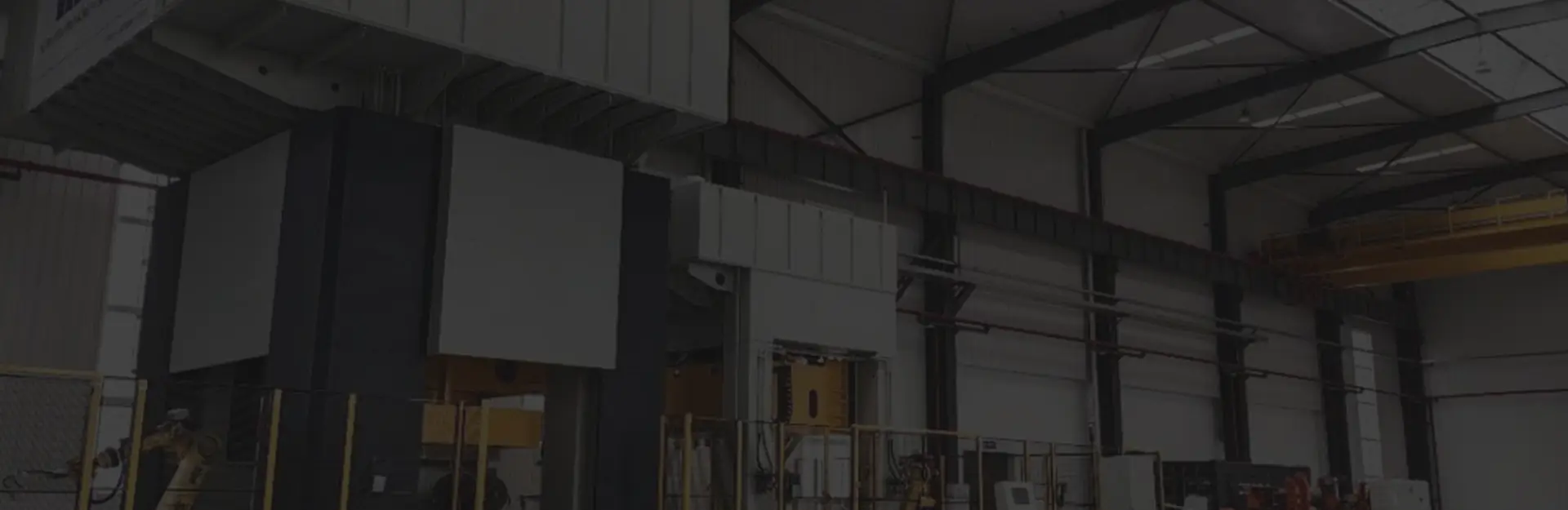
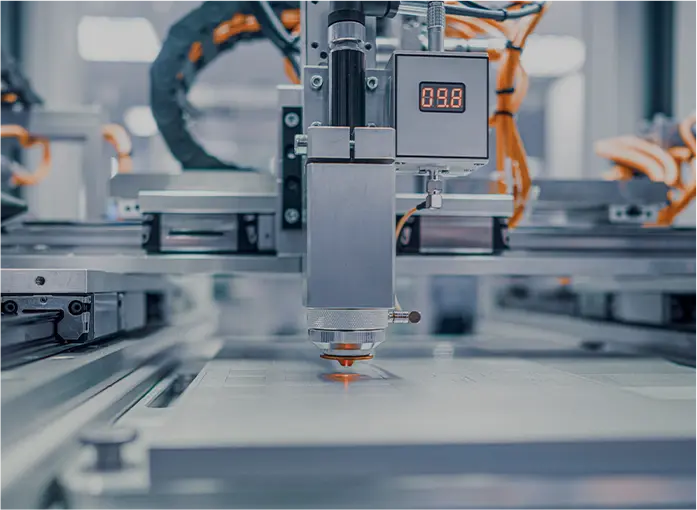
Chongqing Jiangdong Machinery Co., Ltd. (hereinafter referred to as “Jiangdong Machinery”) is a comprehensive forging company integrating R&D, production, sales, and service of hydraulic presses, lightweight forming technology, lightweight parts, hot and cold stamping dies, metal castings, and related equipment. Our hydraulic presses and production lines feature advanced automation, intelligence, and flexibility. We supply a range of metal and non-metal hydraulic forming machinery alongside integrated technical solutions, with a strong focus on automotive lightweighting.
VIEW MORE ABOUT USWhat we offer for you

Customized Solutions

Remote Service

Maintenance

Technical Support

Spare Parts
Stay tuned to industry trends, technology breakthrough insights, and client success stories.
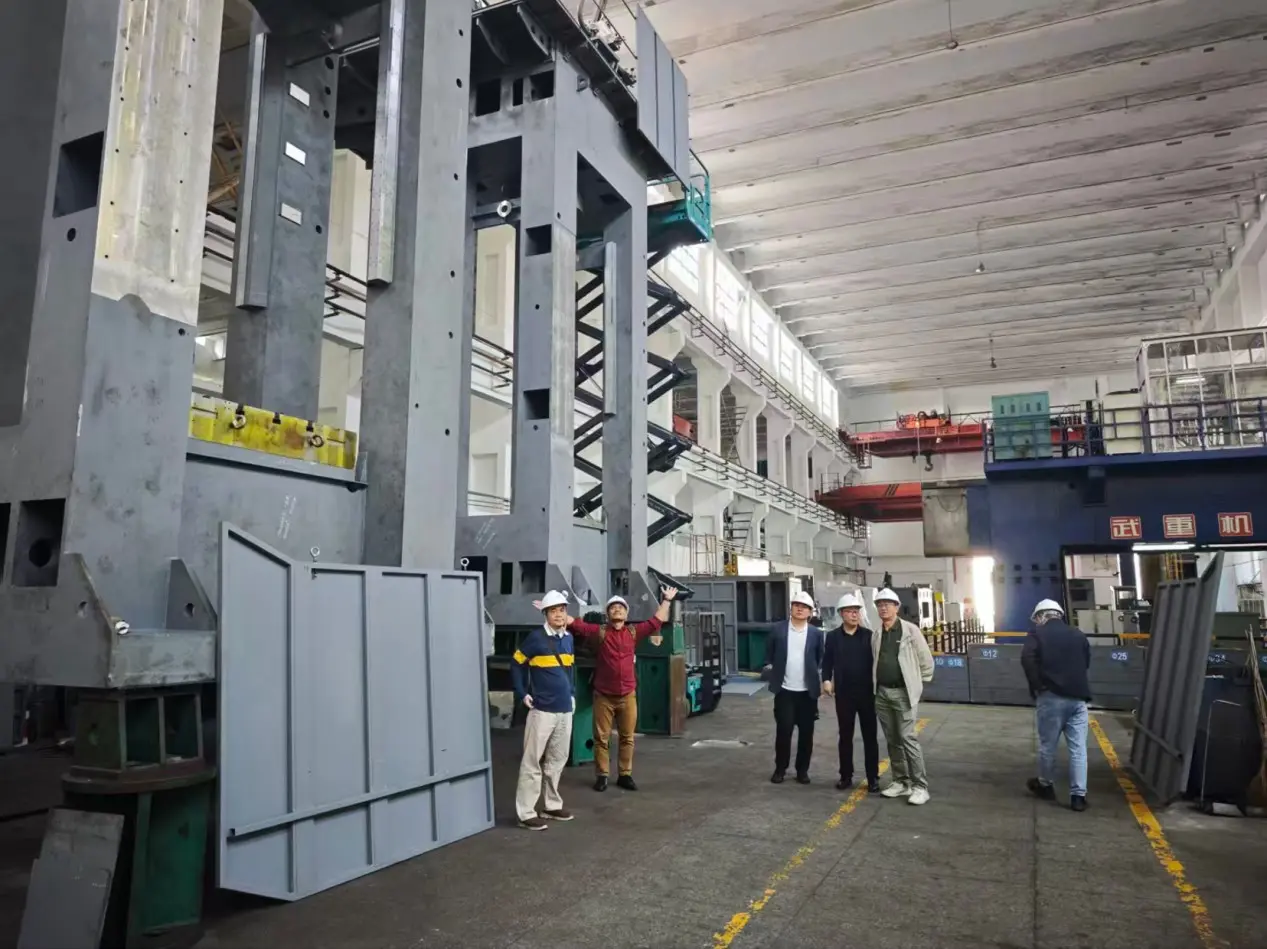
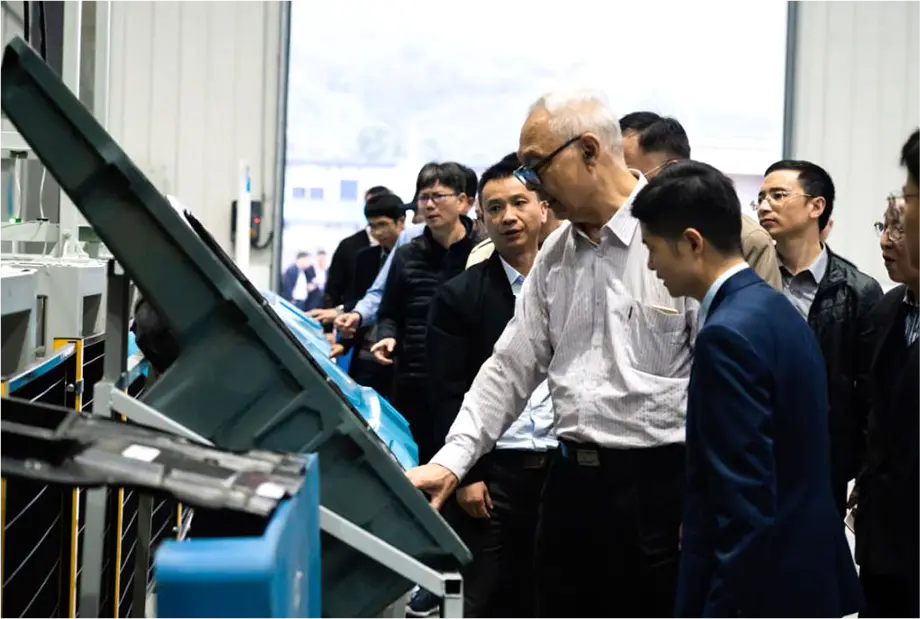
Recently, a delegation of Indonesian customers visited Jiangdong Machinery to inspect its manufacturing capabilities, product quality and technical strengths, laying a solid foundation for future projects...
View more →Recently, a delegation of Indonesian customers visited Jiangdong Machinery to inspect its capabilities, product quality and technical strengths, laying a solid foundation ...
With the arrival of the new year, everything feels fresh and renewed. Recently, multiple partners from countries including Thailand, Indonesia, and Malaysia have successfully visited...
Chongqing Jiangdong Machinery Co., Ltd. (hereinafter referred to as "Jiangdong Machinery"), a leading enterprise in China's metal forming industry, prepares for international exhibit...
Critical engineering considerations, regulatory inquiries, and operational diagnostics answered by our technical department.
CE marking under EN ISO 16092-3 requires redundant safety measures for control circuits. Critical safety functions, including slide fall prevention and light grid interruptions, must be processed through a safety PLC. Hydraulic valves involved in safety stops must feature dynamic status monitoring to detect spool positioning failure before the next cycle starts.
Traditional systems run induction motors continuously, generating heat and wasting energy during idling. Servo pump systems control pump speed in real-time based on current cycle demands. This cuts energy usage by up to 50%, reduces heat load on the oil, extends seal lifetime, and permits high precision control during stroke adjustments.
Hydroforming shapes tubular components using internal fluid pressure combined with axial feeding. It produces complex shapes with high dimensional precision and minimal spring-back. By eliminating the welding flanges typical of traditional stamped shells, hydroforming reduces structural assembly weight while improving structural rigidity.
LFT-D (Long-Fiber Thermoplastic Direct molding) blends raw polymers and long fibers in-line, feeding the charge directly to a compression press. This makes LFT-D highly cost-effective for medium-to-large structural parts. HP-RTM (High-Pressure Resin Transfer Molding) injects thermosetting resin into a dry carbon-fiber preform. It produces parts with excellent surface finish and high strength-to-weight ratios, suitable for visible exterior components.
Safety systems utilize a mechanical slide retention device (slide lock) and hydraulic non-return safety valves. During tool changes, the slide is locked mechanically. Dual safety valves are positioned close to the cylinder ports to prevent pressure drops. In addition, these components are monitored by safety PLC inputs to ensure they function correctly before operator entry.
Isothermal forging requires maintaining dies and workpieces (such as titanium or nickel alloys) at the same temperature, often exceeding 800°C. This requires precise temperature closed-loop control of induction or gas heating systems. Dynamic thermal tracking is integrated to avoid overheating, which can cause microstructural changes in high-performance materials.
Discover our specialized isothermal forging systems, high-speed hot stamping setups, and composite manufacturing equipment.