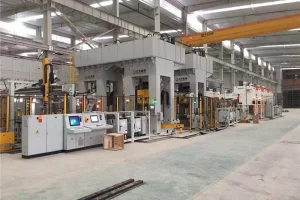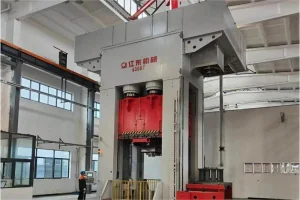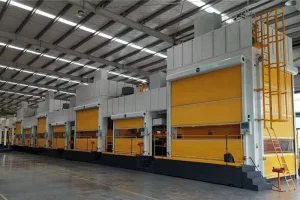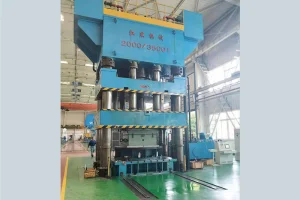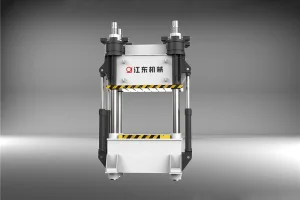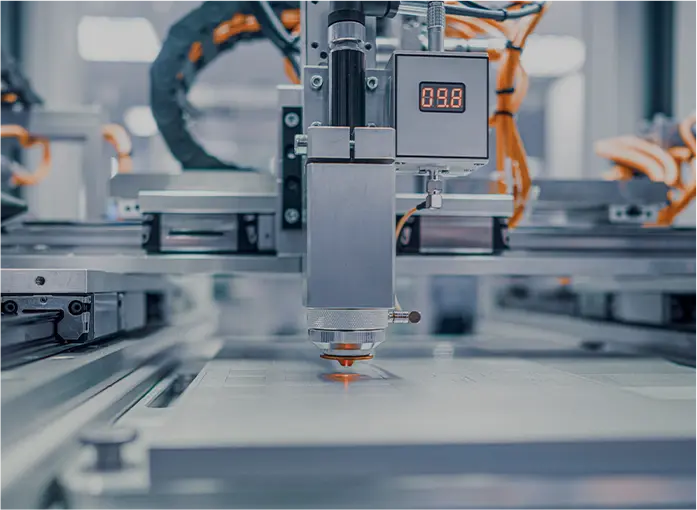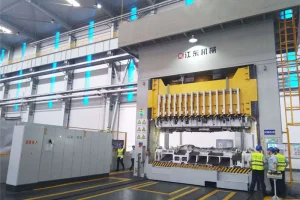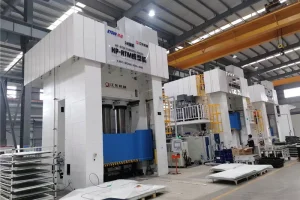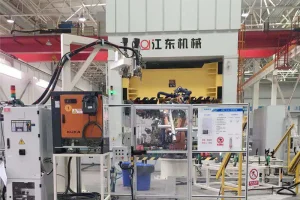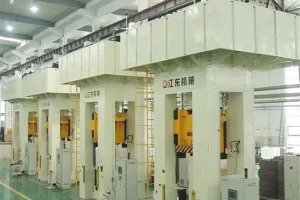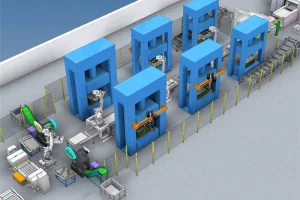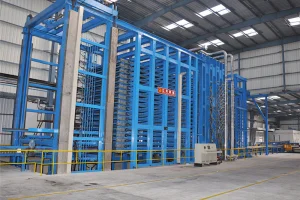
Explore our premium machinery range engineered for high structural strength, lightweighting, and automated production cycles.
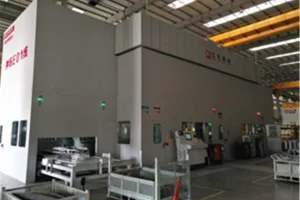
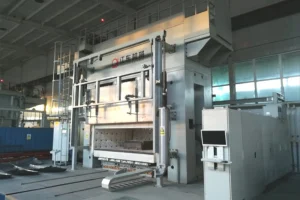
Analysis of safety regulations, pricing structures, and engineering evolutions for high-pressure molding machines.
The aerospace, automotive, and rail transit industries are rapidly shifting toward high-strength, lightweight structures. Advanced thermoplastic systems like LFT-D, and high-pressure thermosetting processes such as HP-RTM are core drivers. These techniques minimize component mass while boosting rigidity and structural performance.
Regulatory frameworks within the European Economic Area (EEA) require absolute safety conformity under the Machinery Directive 2006/42/EC and EN ISO 16092. Safety features like optical grids, smart hydraulic monitoring, dual-channel valves, and heavy-duty structural locking pins are essential for operational security.
Analyzing composite press prices involves examining tonnage, stroke configuration, thermal systems, and automation levels. Investing in precision closed-loop control and efficient energy management reduces long-term operational costs, offering significant financial returns over the machine lifecycle.
Choosing the correct technology depends heavily on raw material chemistry, target cycle times, and structural component requirements. The table below provides a comprehensive comparison of modern forming systems:
| Technology Process | Typical Press Force Range | Average Cycle Times | Ideal Applications | Structural Performance |
|---|---|---|---|---|
| SMC / BMC / GMT / PCM | 5,000 kN - 30,000 kN | 60 - 180 seconds | Automotive exterior panels, electric vehicle battery enclosures | High strength, excellent surface finish |
| LFT-D (Long-Fiber Thermoplastics) | 8,000 kN - 40,000 kN | 30 - 60 seconds | Underbody shields, structural structural elements, front-end modules | Superior impact resistance, recyclable |
| HP-RTM (High Pressure Resin Transfer) | 10,000 kN - 25,000 kN | 120 - 300 seconds | Carbon-fiber monocoques, high-stress structural parts | Maximum structural rigidity, minimal resin waste |
| Isothermal Forging / SPF | 2,000 kN - 15,000 kN | Varied / Superplastic | Titanium alloy aerospace panels, jet engine components | Ultra-precision tolerance, zero internal voiding |
The cost of a CE-certified composite molding hydraulic press depends on three main variables:
Comprehensive engineering capabilities across metals, plastics, and advanced structural alloys.
Utilizing high internal fluid pressure to expand hollow tubes or sheets into complex shapes. This technique is ideal for structural space frames, engine components, and automotive exhaust systems.
Combining thermal processing and hydraulic forming to achieve ultra-high tensile strength (up to 1500 MPa) in steel. This process is key for fabricating automotive safety cages and A/B pillars.
Delivers high-efficiency forming for complex industrial components. Automated transfer mechanisms move parts through cold extrusion stages to ensure precise dimensions and high structural integrity.
Founded in 1937, Chongqing Jiangdong Machinery Co., Ltd. has developed into a leading global manufacturer of forging systems, hydraulic presses, lightweight component forming machinery, and automated tools.
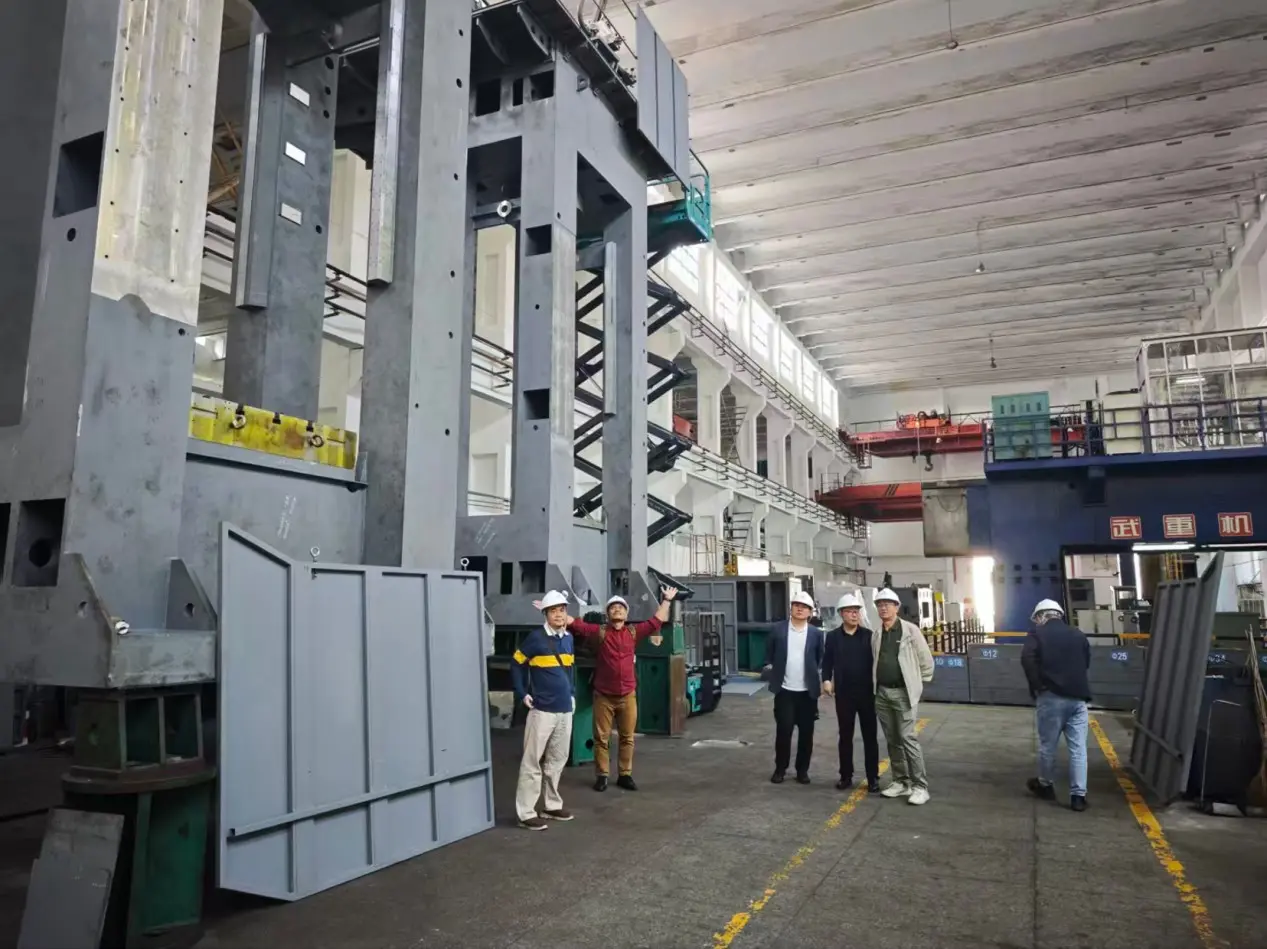
Through Industry 4.0 modernization, we provide comprehensive industrial solutions. Our production plant uses CNC boring mills, horizontal machining centers, and heavy-duty assembly areas to handle presses from 100 to over 50,000 kN.
Operating a vertically integrated supply chain ensures strict quality control and predictable lead times, helping us provide reliable solutions to customers in automotive, aerospace, and defense sectors.
Our commitment extends beyond machine delivery to include installation, training, and life-cycle maintenance.

Tailored frame designs, closing speeds, and automation options to fit specific manufacturing requirements.

PLC link-up and telemetry support help rapidly troubleshoot software issues and optimize process parameters.

Planned inspection routines, cylinder seal overhauls, and hydraulic oil filtering prevent unplanned downtime.

Direct access to mechanical, hydraulic, and controls specialists to resolve production issues.

Fast shipping of OEM valves, cylinders, heaters, and sensors ensures maximum production uptime.
Expert answers addressing the technical details, safety standards, and pricing components of modern hydraulic presses.
Follow our global project updates and lightweight molding development milestones.
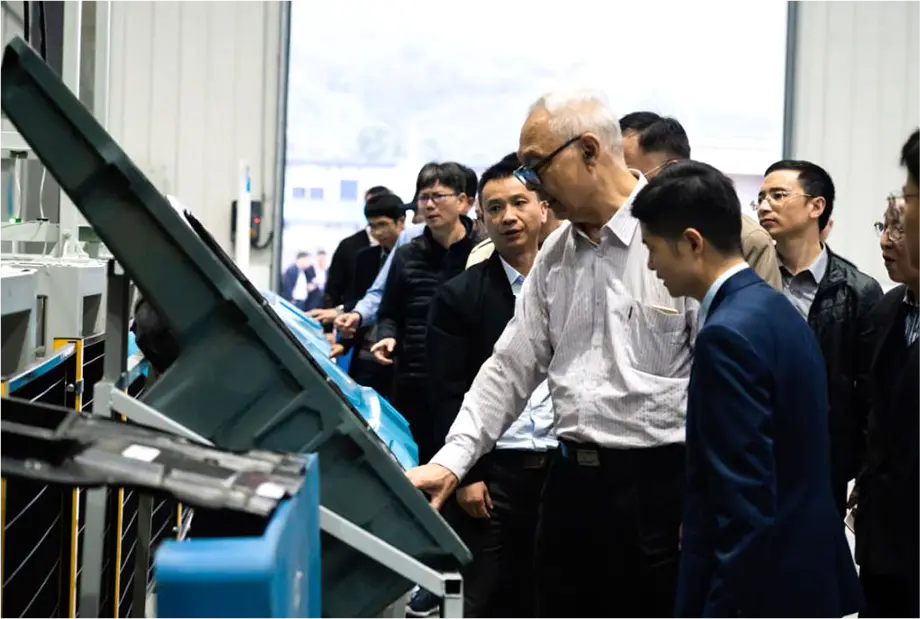
An Indonesian customer delegation visited our factory to inspect composite press projects, reviewing quality control and automation setups for automotive panels.
Partner delegations from Southeast Asia visited to discuss new projects for automated hydraulic stamping lines and composite forming setups.
Chongqing Jiangdong Machinery showcased its latest lightweight composite molding equipment and metal forming solutions at a major international industry exhibition.
Explore our heavy-duty hot die forging, superplastic forming, and automotive tooling line configurations.