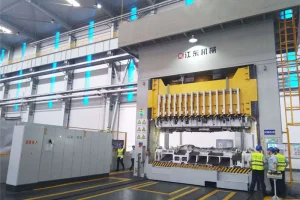
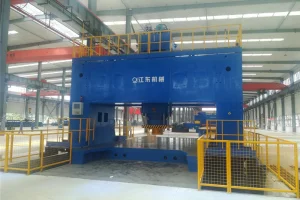
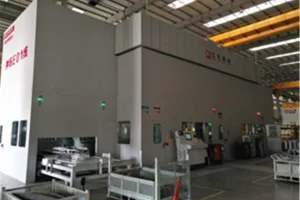
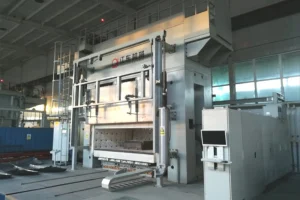
Buy Isothermal Forging Process Factories & Exporters

Superplastic and Isothermal Metal Forming Technology Solutions for High-Precision Aerospace & Automotive Components

Premium Machinery

Explore Custom Lightweight & Composites Hydraulic Presses

High-Quality SMC/BMC/GMT/PCM Composite Molding Hydraulic Press

High-Quality SMC/BMC/GMT/PCM Composite Molding Hydraulic Press Suppliers, Exporters

Learn More →
China Automobile Interior hydraulic Press

China Automobile Interior hydraulic Press And Production Line Manufacturer, Service

Learn More →
OEM Die Tryout Hydraulic Press

OEM Die Tryout Hydraulic Press for Automotive Part Tooling Supplier, Exporter

Learn More →
ODM Gantry Straightening Hydraulic Press

ODM Gantry Straightening Hydraulic Press for Plates Manufacturer, Products

Learn More →
Ultra High Strength Steel Automatic Cold Cutting Line

Best Ultra High Strength Steel (Aluminum) Automatic Cold Cutting /blanking Production Line Exporter

Learn More →
Titanium Alloy Superplastic Forming Hydraulic Press

CE Certification titanium alloy superplastic forming hydraulic press Factories, Exporters

Learn More →
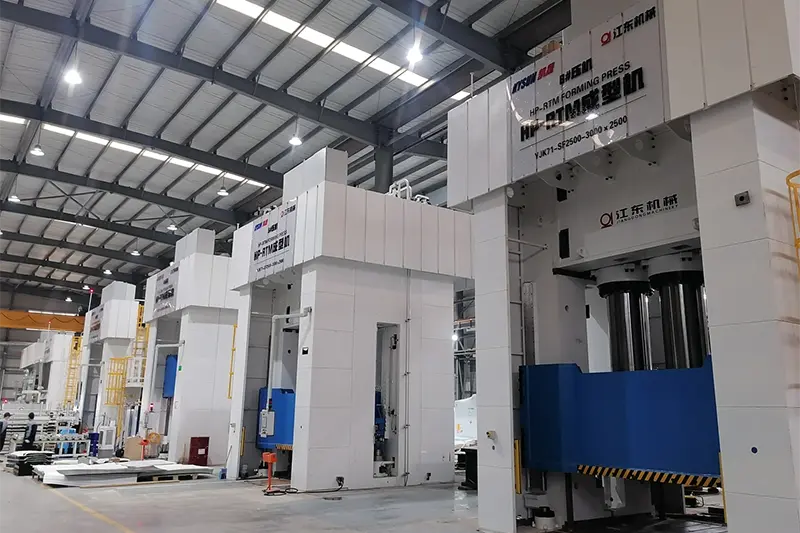
HP-RTM Carbon Fiber Equipment

ODM The Carbon Fiber High Pressure Resin Transfer Molding (HP-RTM) equipment Factories, Product

Learn More →
Stainless Steel Sink Production Line

Famous stainless steel water sink production line Exporters, Company

Learn More →
Industry Whitepaper

Understanding the Isothermal Forging Process

A comprehensive analysis of metallurgical structural refinement, isothermal thermodynamic systems, and high-performance manufacturing processes.

The isothermal forging process stands as a pinnacle of advanced hot-die forging technology, specifically engineered to process materials characterized by narrow forgeability temperature windows and high strain-rate sensitivity. Standard hot forging methods typically induce structural thermal gradients as the cooler dies contact the superheated billet. This chilling effect limits plastic deformation, creates heterogeneous microstructures, and introduces residual mechanical stresses. Isothermal forging resolves these issues by preheating and maintaining the tooling dies at exactly the same temperature as the workpiece throughout the entire deformation cycle.

By eliminating thermal gradients between the workpiece and the dies, isothermal forging achieves near-net-shape (NNS) dimensions. The workpiece deforms under superplastic conditions at very slow strain rates, usually ranging from $10^{-4}$ to $10^{-2}$ s-1. This steady thermodynamic state enables the production of highly intricate parts with minimal machining allowances. Industries such as aerospace defense, deep-sea exploration, and high-tech electrical generation rely on this methodology to forge crucial high-temperature materials, including titanium alloys (such as Ti-6Al-4V, TA15, and Ti2AlNb) and nickel-based superalloys (such as Inconel 718 and René 88).
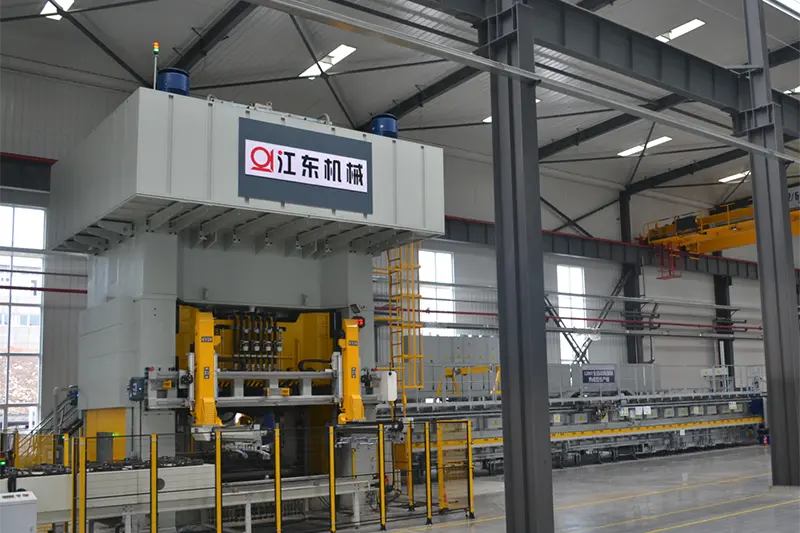
Advanced Hydraulic Press Solution

The Advantages of Near-Net-Shape Isothermal Forging

  • Exceptional Material Efficiency: Near-net-shape components drastically reduce the Buy-to-Fly ratio, saving valuable raw materials like aerospace-grade titanium and cobalt superalloys.
  • Uniform Microstructural Properties: Constant temperature conditions eliminate localized structural chilling, ensuring homogeneous grain distribution and preventing crack formation.
  • Lower Deformation Resistance: Keeping the billet at its optimal recrystallization temperature reduces flow stress, allowing large components to be forged with lower-tonnage presses.
  • Minimal Residual Stresses: Eliminating temperature variations prevents uneven thermal contraction, preventing post-forging distortion during finish machining.
Core Tech Offerings

Product & Specialized Forming Technologies

Sheet Metal Stamping & Metal Forging

Hot Stamping Hydraulic Press Production Line
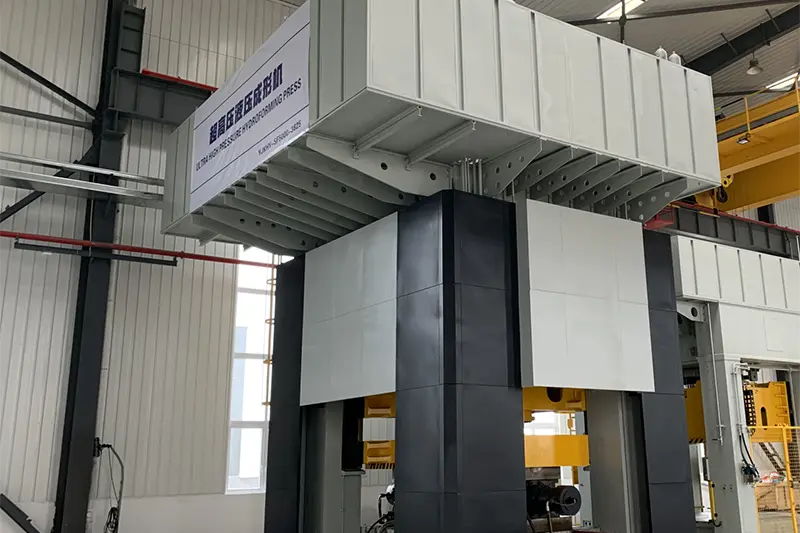
Hot Stamping Hydraulic Press Production Line

Hydroforming Production Line

Hydroforming-Internal High Pressure Forming Hydraulic Press Production Line
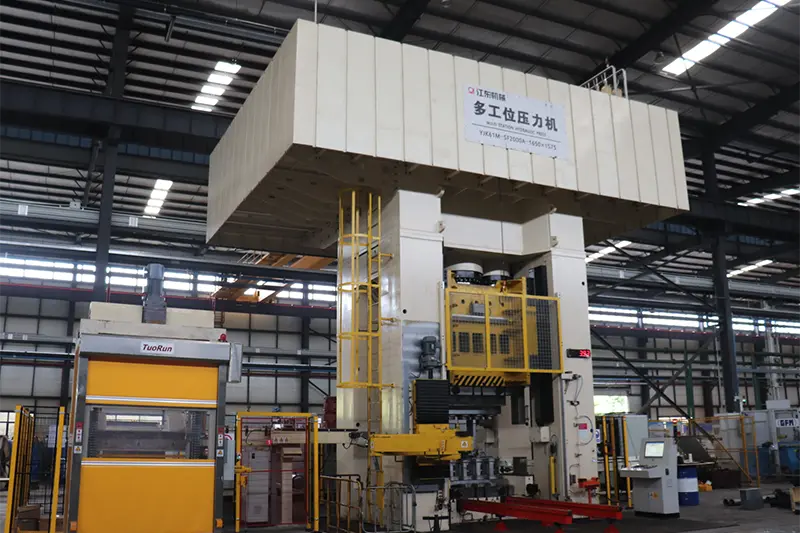
Multistation Extrusion Forging

Multistation Extrusion Forging Production Line
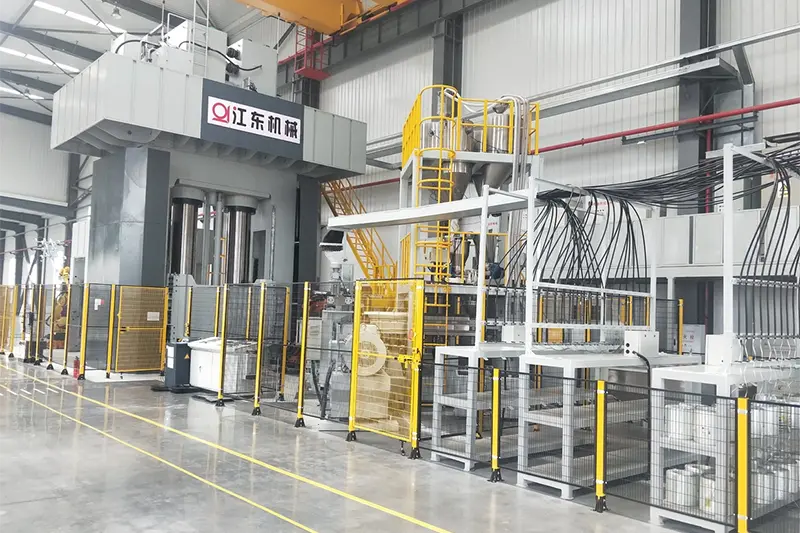
Composite Forming Equipment

LFT-D Equipment

LFT-D Compression Molding

HP-RTM Equipment

HP-RTM Forming System

SMC/BMC/GMT/PCM Press
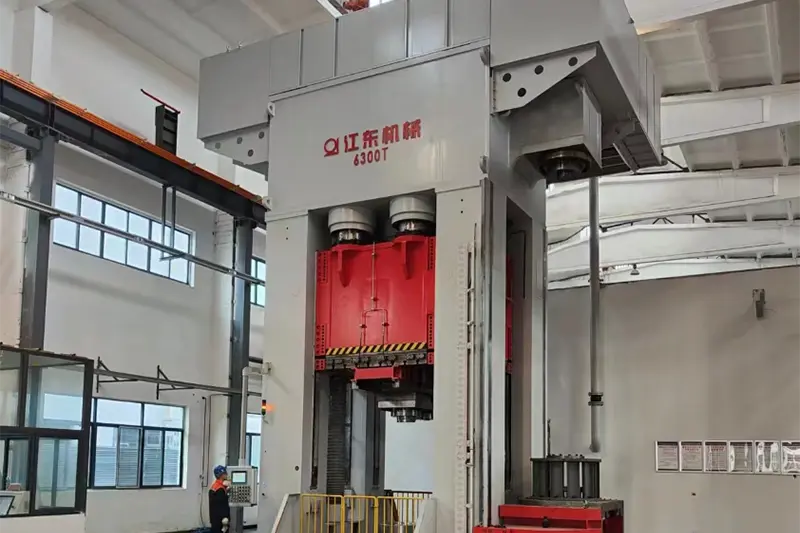
SMC/BMC/GMT/PCM Press

Special Industrial Forming Solutions

Iso Thermal Forging

Isothermal Forging System

Superplastic Forming

Superplastic Forming (SPF)

Gas Cylinder Bullet Housing Stretching

Gas Cylinder Bullet Housing Stretching

The Mechanics & Thermal Engineering of Isothermal Presses

Successful isothermal forging depends heavily on precise, high-performance thermal management. Because the dies are maintained at the same elevated temperature as the forging billet, the material selection and design of the dies are extremely critical. Ordinary tool steels quickly soften and fail when exposed to typical titanium forging temperatures ($900^\circ\text{C}$ to $950^\circ\text{C}$) or superalloy forging temperatures ($1000^\circ\text{C}$ to $1150^\circ\text{C}$). As a result, isothermal forging setups require dies made from advanced molybdenum alloys (such as TZM) or nickel-based superalloys, which maintain excellent high-temperature creep strength and oxidation resistance.

Additionally, because TZM and other refractory alloys oxidize rapidly in air at high temperatures, the entire forging zone must be enclosed. Specialized systems feature high-vacuum chambers or inert gas (argon) shielding to protect the tooling and the billet from catastrophic oxidation. Advanced induction or multi-zone resistance heaters are integrated directly into the press structure to control die temperature with exceptional precision ($\pm 5^\circ\text{C}$). This rigorous thermal stability guarantees consistent material flow throughout the entire forming cycle.

Key System Architecture of Modern Isothermal Forging Equipment

To meet the strict processing windows required for advanced aerospace materials, modern isothermal forging presses incorporate several essential systems:

  • Ultra-Low Speed CNC Control: The control system must maintain stable, extremely slow slide speeds—down to $0.005 \text{ mm/s}$—under varying force loads to ensure consistent strain-rate control.
  • Multi-Zone Closed-Loop Die Heating: Induction or resistance heaters with independent temperature sensors dynamically adjust thermal output to maintain a highly uniform temperature profile across the entire die surface.
  • Controlled Vacuum or Inert Gas Chamber: High-vacuum or argon gas chambers protect molybdenum dies and titanium billets from high-temperature oxidation and hydrogen absorption.
  • Thermal Protection and Cooling Systems: Highly efficient water cooling plates protect the press structure, hydraulic cylinders, and load cells from the high temperatures radiating from the heated dies.
1937
Established Year
30+
Patents / Year
30+
Scientific Innovations / Year
100%
Global Delivery

Sourcing Isothermal Forging Equipment from China

As aerospace and industrial manufacturing demands continue to grow, global purchasing managers are looking to Chinese factories to source advanced isothermal forging machinery and comprehensive forming systems. Over the past few decades, China’s industrial manufacturing sector has undergone a major technological transformation, developing the capability to build high-tonnage isothermal forging presses that meet strict international quality and safety standards.

Chinese manufacturers offer a unique combination of robust engineering capabilities, integrated supply chains, and highly cost-efficient production. Organizations like Chongqing Jiangdong Machinery Co., Ltd. (established in 1937) leverage decades of heavy industrial experience to design and manufacture cutting-edge thermal forming systems. These systems integrate advanced hydraulics, precise mechanical controls, and automated handling systems to deliver highly reliable, turn-key solutions for international buyers.

Advanced R&D and Patent Achievements

Chongqing Jiangdong Machinery leads the industry in design innovation, securing over 30 new patents annually. This strong focus on research and development drives continuous improvements in hydraulic efficiency, precise control, and high-temperature thermal management systems.

Customized Engineering Solutions

We work closely with customers to design bespoke solutions tailored to their exact manufacturing requirements. From custom hydraulic press profiles and specialized vacuum chambers to integrated automation systems, we deliver systems engineered for your specific parts.

Rigorous International Standards

Our production and design facilities maintain strict ISO 9001, CE, and international quality management certifications. This rigorous compliance ensures our machinery meets the safety, reliability, and precision standards required by global buyers.

Comprehensive Solutions

Industrial Processing Solutions & Technologies

Jiangdong Machinery is committed to understanding and matching customer needs, providing customers with comprehensive, turn-key overall solutions.
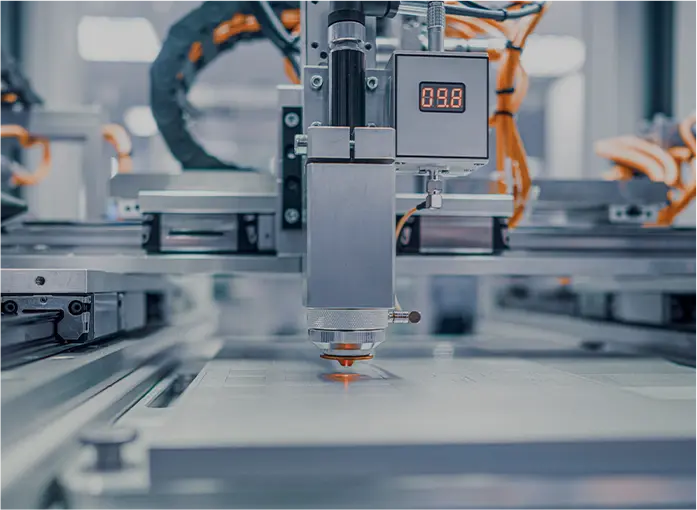
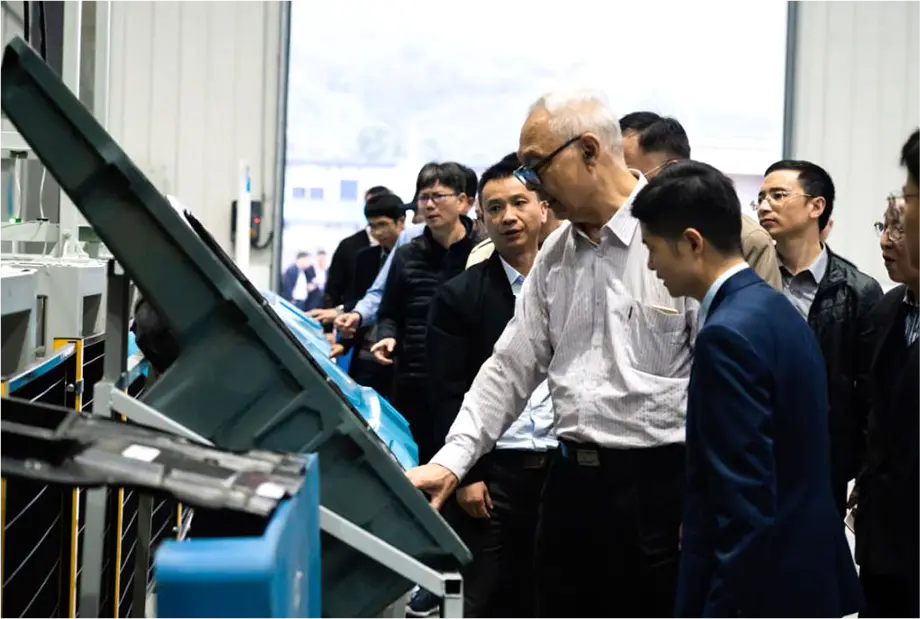
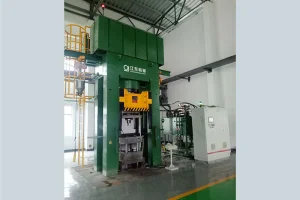
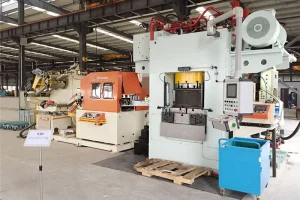
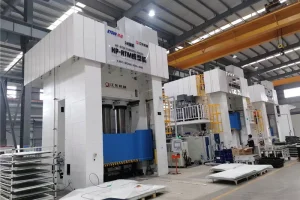
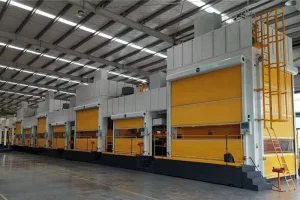
Jiangdong Machinery Factory Workshop Chongqing Jiangdong Machinery Equipment
The Company

Chongqing Jiangdong Machinery Co., Ltd.

Chongqing Jiangdong Machinery Co., Ltd. (hereinafter referred to as “Jiangdong Machinery”) is a comprehensive forging and forming equipment company integrating R&D, production, sales, and service. Our diverse portfolio includes hydraulic presses, lightweight forming systems, lightweight parts, hot and cold stamping dies, and high-precision metal castings.

We specialize in the research, design, and manufacturing of advanced hydraulic presses and fully automated production lines that offer industry-leading intelligence, flexibility, and performance. Jiangdong Machinery provides a wide range of metal and non-metal hydraulic forming equipment and integrated forming technologies, with a strong focus on lightweight automotive applications, aerospace structural components, and special industrial manufacturing.

VIEW MORE ABOUT US
What We Offer

Our Professional Services

From customized design and installation to remote diagnostics and replacement parts, we provide comprehensive support throughout your equipment's lifecycle.

Customized Solutions Icon

Customized Solutions

Remote Service Icon

Remote Service

Maintenance Icon

Maintenance Support

Technical Support Icon

Technical Support

Spare Parts Icon

Genuine Spare Parts

Technical Q&A

Isothermal Forging Process: Frequently Asked Questions

Detailed answers to common questions about materials, processing parameters, and equipment configuration for isothermal forging.
Q What materials are best suited for the isothermal forging process?
Isothermal forging is primarily used for hard-to-deform materials with narrow forging temperature ranges. This includes titanium alloys (such as Ti-6Al-4V, TA15, and Ti2AlNb), nickel-based superalloys (such as Inconel 718, Inconel 100, and René 88), and advanced intermetallic compounds. These materials require a constant, controlled temperature during forming to prevent structural chilling, surface cracking, and microstructural non-uniformity.
Q How does isothermal forging differ from conventional hot forging?
In conventional hot forging, preheated billets are forged using dies that are significantly cooler (typically heated to $150^\circ\text{C}$ – $300^\circ\text{C}$). This temperature difference causes the surface of the billet to cool rapidly, resulting in uneven material flow and higher residual stresses. In contrast, isothermal forging heats both the dies and the workpiece to the exact same temperature (typically $900^\circ\text{C}$ – $1150^\circ\text{C}$), eliminating the thermal gradient and allowing the metal to deform under optimal, uniform superplastic conditions.
Q Why are molybdenum alloy dies (like TZM) required, and how are they protected?
At temperatures exceeding $900^\circ\text{C}$, standard hot-work tool steels lose their strength and deform. Molybdenum alloys like TZM maintain excellent creep resistance, strength, and hardness at these high temperatures. However, because molybdenum oxidizes rapidly in the presence of oxygen at high temperatures, the forging process must take place inside a vacuum chamber or under a protective inert gas (such as argon) atmosphere.
Q What strain rates are typical for isothermal and superplastic forging?
Isothermal and superplastic forging use much slower strain rates than conventional forging. Typical strain rates range from $10^{-4} \text{ s}^{-1}$ to $10^{-2} \text{ s}^{-1}$. These slow rates give the material's microstructure sufficient time to dynamically recrystallize during deformation, preventing work hardening and allowing the material to achieve high plastic deformation at lower forging pressures.
Q What is near-net-shape (NNS) forging, and what are its economic benefits?
Near-net-shape (NNS) forging produces parts that are very close to their final, finished dimensions, requiring minimal subsequent machining. This process significantly lowers the Buy-to-Fly ratio (the weight of the raw material purchased versus the weight of the finished, flight-ready part). For expensive materials like titanium and nickel superalloys, NNS forging reduces raw material waste and machining costs, delivering substantial overall savings.
Q What safety and automation options are available on Jiangdong Machinery presses?
Our isothermal forging presses are equipped with fully integrated automation systems. These systems include automated robotic loading and unloading arms, quick die change (QDC) devices, real-time computerized monitoring of temperature, pressure, and displacement, and comprehensive protection systems for vacuum chambers and inert gas management. This advanced integration ensures high productivity, consistent quality, and safe operation.
Industrial Systems

Industrial Production Lines & Forging Equipment

Vertical Gas Cylinder Drawing Production Line

Best Vertical Gas Cylinder/Bullet Housing Drawing Production Line Manufacturers, Service

Learn More →
Automobile Door Hemming Hydraulic Press

Best Automobile Door Hemming Hydraulic Press Exporter, Products

Learn More →
Custom Short Stroke Composite Hydraulic Press

Custom Short stroke composite hydraulic press Exporters, Service

Learn More →
Custom Isothermal Forging Hydraulic Press

Custom Isothermal forging Hydraulic Press Factories, Products

Learn More →
Wholesale Free Forging Hydraulic Press

Wholesale Free forging hydraulic press Factories, Products

Learn More →
ODM LFT-D Compression Molding Production Line

ODM LFT-D long fiber reinforced thermoplastic compression direct molding production line Manufacturers

Learn More →
Metal Powder Products Forming Hydraulic Press

Buy Metal Powder Products Forming Hydraulic Press Factories, Quotes

Learn More →
High-Speed Fine-Blanking Press Line

High-Quality Automatic High-Speed Fine-Blanking hydraulic Press Line for Metal Components

Learn More →
Latest Updates

Industrial Trends & Company Blog

Stay informed about the latest advances in metal forming technology and international customer visits.
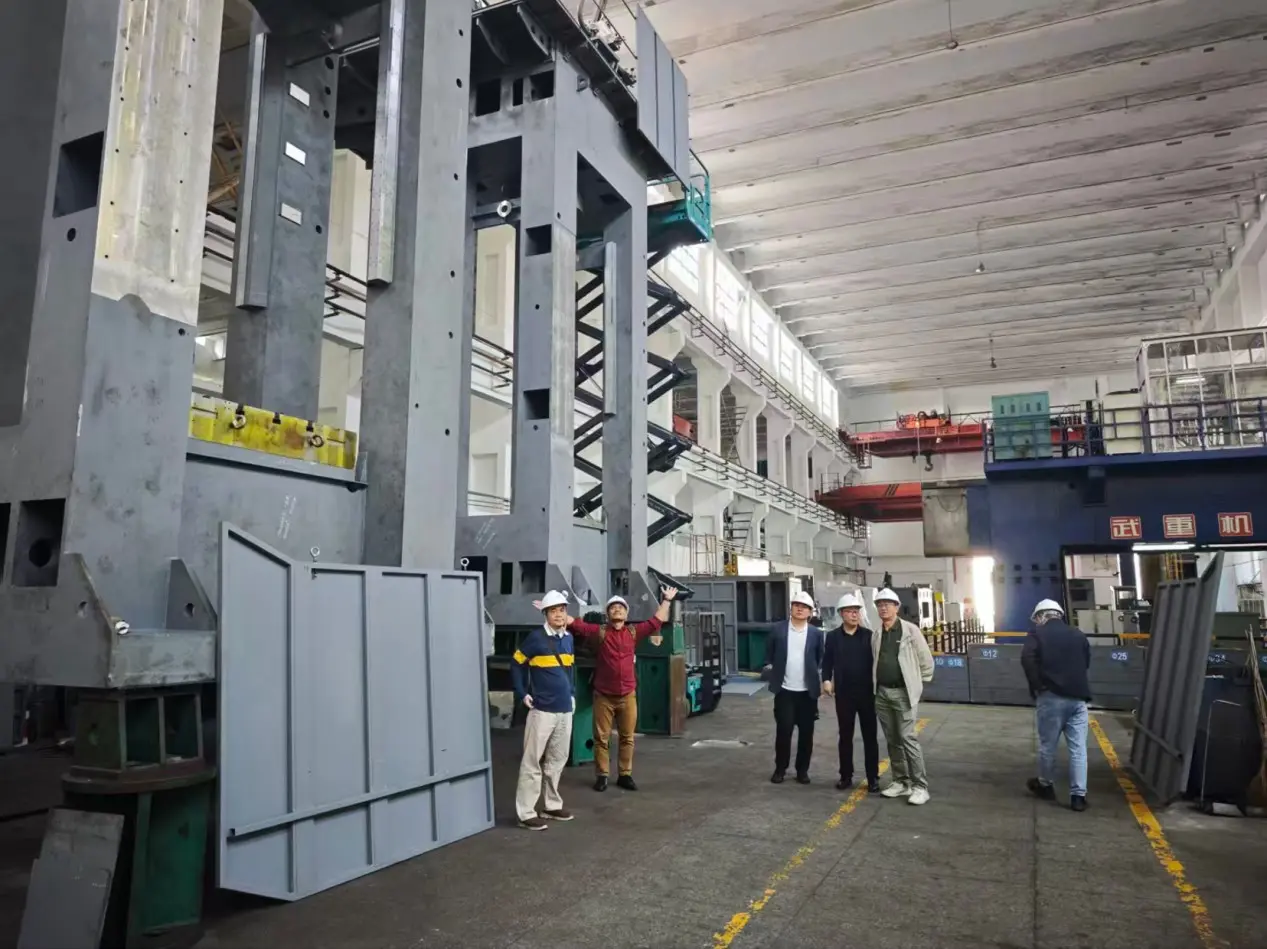
May 06, 2026

Indonesian Customers Visit Jiangdong Machinery for Deep Technical Audits

This visit highlighted our technical expertise and manufacturing capabilities, laying a solid foundation for future projects...

Mar 16, 2026

Overseas Customers and Partners Visit in Successive Waves

We recently welcomed international partners from Thailand, Indonesia, and Malaysia to discuss new opportunities in automated forming lines...

Nov 14, 2025

Chongqing Jiangdong Machinery Co., Ltd. to Make Major Technology Showcase

As a leading Chinese manufacturer, Jiangdong Machinery is set to showcase its latest automated sheet metal forming and composite molding solutions...

Experience with Our Technical Team

Schedule a free technical case evaluation